Coverage for veterinary practices
A single afternoon of outdoor play during a July heat wave can turn dangerous faster than most daycare operators expect. Children overheat two to five times faster than adults, and when a child suffers heatstroke on your watch, the legal and financial fallout can threaten your entire business. For pet daycare facilities that also supervise animals in outdoor play yards, the risks compound: you're responsible for the safety of every living creature in your care. Liability around heatstroke and outdoor play at daycares is one of the most misunderstood areas of childcare and pet-care risk management, yet it's also one of the most preventable. Rising summer temperatures across the U.S. have pushed this issue to the forefront for licensing agencies, insurers, and plaintiff attorneys alike. The rising cost of liability insurance is already squeezing childcare providers nationwide, and heat-related claims only accelerate that pressure. Whether you run a traditional childcare center, a doggy daycare, or a hybrid facility, understanding how heat liability works could save you from a six-figure lawsuit. This guide breaks down the medical risks, legal standards, insurance considerations, and practical strategies you need to protect your business this summer and beyond.
Understanding Heatstroke Risks in Childcare Settings
Heat illness isn't a single event. It's a spectrum that starts with mild heat cramps, progresses to heat exhaustion, and can escalate to full heatstroke within minutes. The same progression applies to dogs in outdoor play yards, where brachycephalic breeds like bulldogs and pugs face extreme vulnerability. Facilities that supervise outdoor activity during warm months need to treat heat illness as a core operational risk, not a seasonal afterthought.
Most heat-related emergencies happen not on record-breaking days but on moderately hot days when staff underestimate the danger. A heat index of 90°F with high humidity can be just as lethal as 105°F in dry conditions. The 2026 Weather Watch Chart provides updated guidance that childcare programs can use to determine safe outdoor play windows.
WWhy Children Are More Susceptible to Heat Illness
Children produce more metabolic heat relative to their body mass than adults do. Their sweat glands are less developed, and they have a higher surface-area-to-body-weight ratio, which means they absorb environmental heat faster. Young children also lack the judgment to recognize early symptoms and remove themselves from a hot environment.
Research from California's Office of Environmental Health Hazard Assessment confirms that children face disproportionate health risks from heat exposure, including organ damage and neurological injury. Dogs share a similar vulnerability: they can't sweat effectively and rely on panting, which fails quickly in humid conditions. A doggy daycare operator faces essentially the same biological risk profile with their four-legged clients.
Recognizing Warning Signs: Heat Exhaustion vs. Heatstroke
Heat exhaustion presents with heavy sweating, nausea, dizziness, and cool or clammy skin. The child or animal is still conscious and responsive, and moving them to shade with fluids usually resolves the situation. This is your window to act.
Heatstroke is a medical emergency. Skin becomes hot and dry, body temperature exceeds 104°F, and confusion or loss of consciousness follows. In dogs, watch for excessive drooling, bright red gums, stumbling, and collapse. Once heatstroke sets in, brain damage can occur within minutes. Staff who can't distinguish between these two stages are a liability risk by themselves.
Legal Liability and Duty of Care for Outdoor Play
Every daycare, whether for children or pets, operates under a legal duty of care. This means you're obligated to take reasonable steps to prevent foreseeable harm. Heat illness during outdoor play is absolutely foreseeable, and courts treat it that way.
Defining Negligence in Heat-Related Incidents
Negligence in a heat-related claim typically requires four elements: a duty of care existed, the provider breached that duty, the breach caused harm, and actual damages resulted. If a child or dog suffers heatstroke because staff ignored a heat advisory or failed to provide water and shade, all four elements are easily established.
Plaintiff attorneys look for documentation gaps. Did you have a written heat policy? Did staff check the heat index before outdoor play? Were water stations available? A facility without documented protocols is an easy target. One thing to keep in mind: even if your state doesn't mandate specific temperature thresholds, a jury will still evaluate whether your actions were reasonable under the circumstances.
State Licensing Requirements for Outdoor Temperatures
State regulations vary significantly. Some states set hard temperature limits, like prohibiting outdoor play when the heat index exceeds 90°F. Others leave it to the provider's judgment, which sounds like flexibility but actually increases your liability exposure because "judgment" is subjective and easy to second-guess in court.
California, for example, requires daycare and childcare centers to maintain specific safety protocols that include environmental hazard management. Pet daycare facilities often fall under different regulatory frameworks, but the negligence standard applies equally. Laws differ by jurisdiction, so consult a qualified attorney in your state to understand your specific obligations.
Insurance Protection Against Heat-Related Claims
A heat-related injury claim can include medical expenses, pain and suffering, and punitive damages if gross negligence is established. Your insurance program is the financial backstop that keeps a single incident from bankrupting your business.
General Liability vs. Professional Liability Roles
General liability covers bodily injury to third parties on your premises, including children or pets who suffer heat illness during supervised outdoor play. Professional liability, sometimes called errors and omissions coverage, protects against claims that your professional judgment or protocols were inadequate.
Here's where it gets nuanced: if a parent or pet owner sues because their child or dog got heatstroke, general liability responds to the physical injury. But if the claim alleges that your heat safety policy was negligently designed or that staff training was deficient, professional liability may also be triggered. Pet daycare operators need both, and this is exactly the kind of layered risk where working with an agency that understands pet-industry exposures makes a real difference. Pet Professional Insurance Agency specializes in these overlapping coverage needs for boarding, daycare, and hybrid facilities.
Comparison of Coverage Types for Medical Expenses
Medical payments coverage under a general liability policy pays smaller medical bills regardless of fault, often up to $5,000 or $10,000 per incident. This can resolve minor heat exhaustion cases before they become lawsuits. Larger heatstroke claims with hospitalization, however, fall under the liability portion of your policy, which is subject to your coverage limits.
Care, custody, and control coverage is critical for pet daycares specifically. Standard general liability policies often exclude animals in your care. Without a specific endorsement or standalone animal bailee policy, a dog's heatstroke-related veterinary bills might not be covered at all.
Coverage Comparison: Liability Limits and Medical Payments
| Coverage Type | What It Covers | Typical Limits | Heat-Claim Relevance |
|---|---|---|---|
| General Liability | Bodily injury on premises | $1M per occurrence / $2M aggregate | Covers heatstroke injury claims from third parties |
| Professional Liability | Errors in professional judgment | $1M per claim / $1M aggregate | Covers allegations of inadequate heat protocols |
| Medical Payments | Minor medical costs, no-fault | $5K - $10K per person | Resolves minor heat exhaustion before litigation |
| Care, Custody & Control | Injury to animals in your care | Varies by policy | Essential for pet daycare heat claims |
| Workers' Compensation | Staff heat illness on the job | State-mandated | Covers employees who suffer heat injury |
How Heat Claims Affect Your Insurance Costs
A single heatstroke claim can increase your premiums by 15% to 30% at renewal, depending on severity. Multiple claims or a pattern of heat-related incidents can make your facility difficult to insure in standard markets. Some providers have seen non-renewals after just one serious heat injury claim, forcing them into surplus lines coverage at significantly higher rates.
This is why prevention isn't just a safety issue: it's a financial strategy. Every dollar spent on shade structures, hydration stations, and staff training reduces the probability of a claim that could cost you tens of thousands in premium increases over the next three to five years.
Risk Management Strategies for Summer Safety
Smart operators treat summer heat the same way they treat fire safety: with written policies, regular drills, and zero tolerance for shortcuts.
Implementing Heat Index Policies and Shaded Play Zones
Set a clear, written threshold for outdoor play. Many facilities use a heat index of 90°F as the cutoff, while others use a tiered system: modified play from 85-90°F, indoor-only above 90°F. Whatever threshold you choose, document it and enforce it consistently.
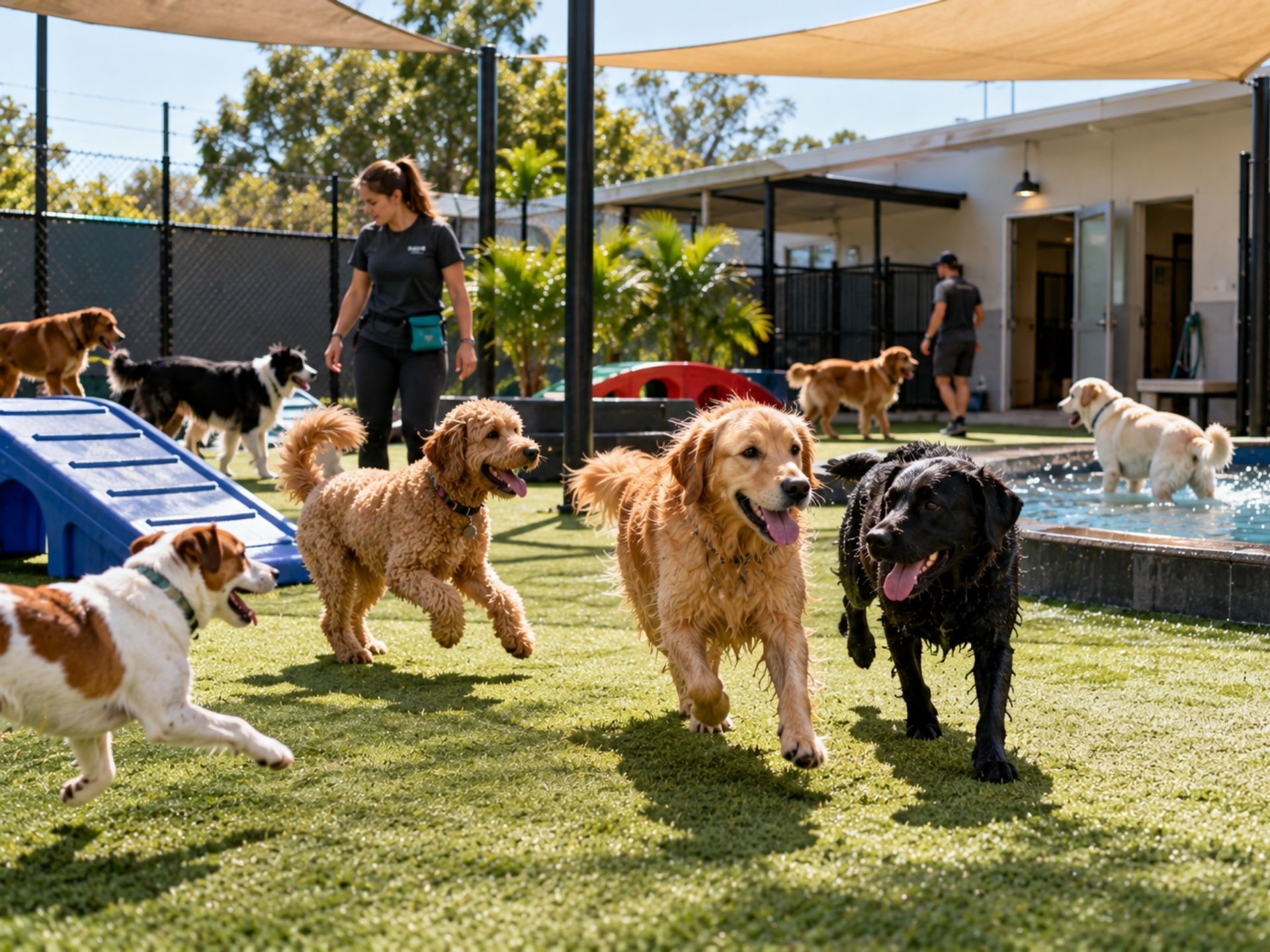
Shade isn't optional. Natural tree cover, shade sails, or covered play structures should cover at least 50% of your outdoor play area. For dog daycare yards, splash pads or kiddie pools offer active cooling. Always provide multiple water stations, and assign a staff member to monitor hydration actively rather than assuming kids or dogs will drink on their own.
Staff Training and Emergency Response Protocols
Every staff member who supervises outdoor play should complete heat illness recognition training before summer begins. This includes knowing how to take a temperature reading, when to call 911, and how to initiate cooling measures like cold water immersion.
Run at least one heat emergency drill per season. Post the signs of heat exhaustion and heatstroke in every outdoor play area. Pet Professional Insurance Agency often advises clients to keep an emergency cooling kit: cold packs, spray bottles, and wet towels, readily accessible in outdoor areas. Documenting your training with sign-off sheets creates a paper trail that protects you if a claim ever arises.
Common Questions About Daycare Heat Liability
Can I be sued if a child or pet gets heat exhaustion, not full heatstroke? Yes. Any heat-related illness that requires medical attention can generate a claim. Heat exhaustion cases are typically smaller, but they still trigger your insurance and can affect your loss history.
Does my general liability policy automatically cover animals in my care? Usually not. Most standard policies exclude care, custody, and control exposures. You need a specific endorsement or standalone policy for animals entrusted to your facility.
What temperature is considered too hot for outdoor daycare play? There's no universal federal standard. Most licensing agencies and insurers consider a heat index above 90°F to be high-risk. Check your state's specific regulations and err on the side of caution.
Am I liable if a parent or pet owner signed a waiver? Waivers reduce your risk but don't eliminate it. Courts in many states refuse to enforce waivers that attempt to waive liability for gross negligence or willful misconduct. A waiver is one layer of protection, not a complete shield.
How quickly should I report a heat-related incident to my insurer? Immediately, or within 24 hours at most. Delayed reporting can jeopardize your coverage and weaken your defense.
What to Do Immediately After a Heat Incident
Remove the affected child or animal from the heat source. Begin active cooling: cold water, fans, ice packs to the neck and groin area. Call 911 for any suspected heatstroke. Document everything: the time, temperature, symptoms observed, and actions taken. Notify parents or pet owners immediately, and contact your insurance agent the same day. Preserve any video footage from outdoor cameras.
Why Documentation Is Your Strongest Legal Defense
Juries don't just evaluate what happened: they evaluate what you can prove. A facility with written heat policies, signed training records, daily heat index logs, and incident reports is in a fundamentally stronger position than one operating on verbal agreements and good intentions. Keep records for at least five years, and store digital copies offsite.
Choosing the Right Insurance Partner for Your Facility
Not every insurance agency understands the specific risks that daycare facilities face during summer months. Generic commercial policies often leave gaps in care, custody, and control coverage or exclude professional liability for protocol failures. Working with a specialty agency like Pet Professional Insurance Agency means your coverage is built around the actual risks you face: bite liability, heat exposure, escape incidents, and everything else that comes with supervising animals outdoors. With intake forms tailored to each type of pet business and access to multiple specialty markets, you get coverage that fits rather than a one-size-fits-all policy that leaves you exposed.
The Bottom Line for Childcare Providers
Heat-related liability at daycare facilities is preventable, insurable, and increasingly scrutinized by regulators and courts. The combination of rising temperatures, stricter licensing standards, and aggressive plaintiff attorneys means that a casual approach to outdoor play safety is a business risk you can't afford.
Invest in shade, hydration infrastructure, and staff training. Write your heat policies down and enforce them without exception. Make sure your insurance program covers the full spectrum of heat-related claims, including care, custody, and control if you supervise animals. And if you're unsure whether your current coverage addresses these exposures, reach out to an agent who specializes in your industry. Most clients who contact Pet Professional Insurance Agency hear back within 24 to 48 hours, and that quick turnaround matters when summer is already here.
About the author
Barnaby Joyce
Founder, Pet Professional Insurance Agency · Licensed Insurance Producer
I started Pet Professional Insurance Agency because I watched pet businesses get handed generic policies that never fit. After years of placing coverage for veterinary practices, grooming salons, doggy daycares, and kennels through a generalist agency, I saw the same gaps over and over — and the same blank stares when an owner tried to explain care, custody, and control to an agent who had never insured an animal in their life.
So I built an agency that does one thing. I work directly with specialty carriers who actually want pet-industry risk, and I sit down with every client personally. You will not get a call center or a chatbot. You will get someone who already speaks your language and shops the market on your behalf. That is the whole idea.
Recent Posts