Essential Insurance Policies for Veterinary Practices
A single malpractice lawsuit can cost a veterinary practice $150,000 or more, and that's before you factor in legal defense fees. Most practice owners don't think much about insurance until something goes wrong: an animal dies during a routine procedure, a client trips in the lobby, or a disgruntled pet owner files a complaint with the state board. By then, it's too late to wish you'd reviewed your policy more carefully.
Veterinarian insurance isn't a single product. It's a collection of policies designed to protect your practice from the specific risks that come with treating animals, employing staff, and operating a medical facility. The tricky part is figuring out which coverages you actually need, how much is enough, and where the gaps tend to hide. Whether you run a solo small-animal clinic or a multi-vet equine hospital, the wrong coverage setup can leave you exposed in ways that feel obvious only in hindsight.
This is a space where generic business insurance falls short. The risks in veterinary medicine are unique: animals bite, surgeries go sideways, and the emotional stakes for pet owners are higher than ever. The pet care gap between what owners want and what they can afford is widening, which means more pressure on vets and, inevitably, more disputes. Getting your coverage right isn't optional; it's a survival skill for your business.
Essential Insurance Policies for Veterinary Practices
Every vet practice needs a foundation of core policies, but the specifics matter more than most people realize. A general business owner's policy designed for a retail shop won't account for the fact that you're performing surgery, dispensing controlled substances, and housing live animals overnight. You need coverage that reflects what actually happens inside your clinic walls.
The essential stack typically includes professional liability (sometimes called malpractice or errors and omissions), general liability, animal bailee coverage, workers' compensation, and business property insurance. Some practices also carry cyber liability, especially as digital records and telemedicine become standard. Cyber insurance for veterinary practices covers data breaches involving client payment information and medical records, which is increasingly relevant as clinics move to cloud-based systems.
The key is making sure these policies work together without leaving gaps. That's where working with an agency that understands veterinary-specific risks, like Pet Professional Insurance Agency, makes a real difference. Generic agents often don't know what animal bailee coverage is, let alone how to structure it properly.
Professional Liability vs. General Liability
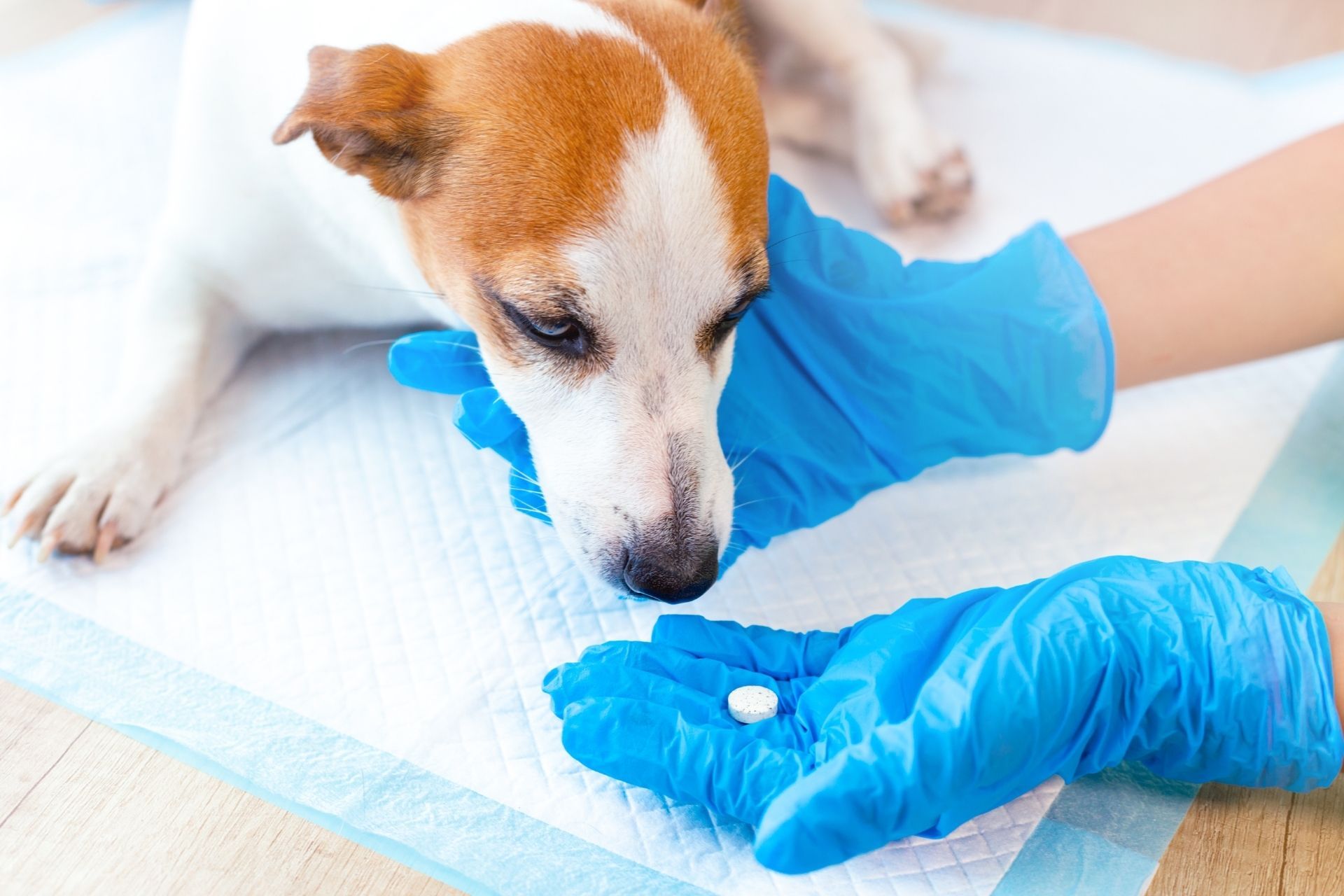
These two policies get confused constantly, but they protect against completely different things. Professional liability covers claims related to your veterinary services: a misdiagnosis, a surgical error, prescribing the wrong medication, or failing to recommend appropriate treatment. It's your malpractice shield.
General liability covers everything else that happens on your premises or as part of your operations. A client slips on a wet floor. Their dog bites another client in the waiting room. A delivery person trips over equipment in your parking lot. These are general liability claims.
Here's the mistake I see all the time: practice owners assume their general liability policy covers malpractice claims, or vice versa. It doesn't. Professional liability is a distinct product with its own limits, deductibles, and exclusions. You need both, and you need adequate limits on each.
Animal Bailee Coverage for Boarding and Hospitalization
If an animal is in your care and something happens to it, you're responsible. Animal bailee coverage protects you when a pet is injured, becomes ill, or dies while under your custody and control. This applies during hospitalization, overnight stays, boarding, and even while an animal is under anesthesia.
Standard general liability policies typically exclude damage to property in your care, custody, or control. Since animals are legally considered property, that exclusion creates a massive hole in your coverage. Animal bailee fills it.
The limits on these policies matter a lot. A purebred French Bulldog or a competition horse can be worth thousands of dollars. If your bailee coverage caps at $1,000 per animal, you're personally covering the difference. Make sure your per-animal and aggregate limits reflect the types of animals you treat.
Workers' Compensation and Business Property Insurance
Workers' comp is required in nearly every state once you have employees, and veterinary practices face above-average workplace injury rates. Staff get bitten, scratched, kicked, and exposed to zoonotic diseases regularly. Needle sticks, chemical burns from cleaning agents, and back injuries from restraining large animals are all common claims.
Business property insurance covers your physical assets: the building (if you own it), medical equipment, inventory, and furnishings. A diagnostic ultrasound machine alone can cost $30,000 to $80,000. If a fire, flood, or theft wipes out your equipment, property insurance is what gets you back up and running.
Don't overlook business interruption coverage, which is often bundled with property insurance. If a covered event forces you to close for weeks, this coverage replaces lost income during the downtime.
Common Claims and Risks in Veterinary Medicine
Understanding what actually triggers claims helps you evaluate whether your coverage is adequate. The risks in veterinary practice break down into two broad categories: clinical errors and premises-related incidents.
The AVMA recently unified its insurance divisions into a single brand, AVMA Insurance Services, as of June 1, 2026, partly to streamline how veterinary professionals access risk management resources. That consolidation reflects how seriously the industry takes these exposures.
Medical Malpractice and Surgical Errors
Malpractice claims in veterinary medicine often stem from anesthesia complications, surgical mistakes, failure to diagnose, and communication breakdowns with pet owners. A common scenario: a vet performs a spay, the animal develops post-operative complications, and the owner claims the vet didn't adequately explain the risks or follow up appropriately.
Claims don't have to involve actual negligence. Even if you did everything right, defending yourself against a malpractice allegation costs money. Legal defense fees alone can run $25,000 to $75,000, and most professional liability policies cover defense costs in addition to (or sometimes within) the policy limits. Know which structure your policy uses, because it directly affects how much protection you actually have.
Record-keeping is your first line of defense. Detailed, contemporaneous medical records are the single most important factor in successfully defending a malpractice claim.
Client Injuries and Slip-and-Fall Incidents
Slip-and-fall claims are the bread and butter of general liability. Wet lobby floors, uneven parking lots, cluttered hallways: these are the mundane hazards that generate lawsuits. A client who breaks a wrist in your waiting room can easily file a claim exceeding $50,000.
Animal-related injuries to clients are another frequent source of claims. If a dog in your waiting room bites another client, or if an animal escapes and injures someone, your general liability policy responds. These claims can escalate quickly if the injury is serious or if the claimant hires an aggressive attorney.
Comparison: Standard vs. Comprehensive Veterinary Coverage
Not all policies are created equal. Here's how a standard package stacks up against more comprehensive coverage:
| Coverage Feature | Standard Package | Comprehensive Package |
|---|---|---|
| Professional Liability | $1M per occurrence / $3M aggregate | $2M+ per occurrence / $5M+ aggregate |
| General Liability | $1M per occurrence / $2M aggregate | $2M per occurrence / $4M aggregate |
| Animal Bailee | $5,000-$10,000 per animal | $15,000-$25,000+ per animal |
| Cyber Liability | Not included | $1M+ included |
| Business Interruption | Basic (30-day waiting period) | Enhanced (shorter waiting period, higher limits) |
| Employment Practices | Not included | Included |
| Defense Costs | Within limits | In addition to limits |
The "defense costs within limits" vs. "in addition to limits" distinction is one of the most overlooked differences. With a $1M policy where defense costs erode the limit, a $75,000 legal bill leaves you with only $925,000 for the actual settlement. With defense costs outside the limit, you keep the full $1M.
Practices performing surgery, boarding animals, or employing more than a handful of staff should seriously consider comprehensive coverage. The
cost of veterinary business insurance varies widely, but the premium difference between standard and comprehensive is often smaller than people expect.
Determining How Much Coverage Your Practice Needs
There's no universal answer here. The right amount of coverage depends on your specific practice, and getting it wrong in either direction is a problem. Too little coverage leaves you exposed. Too much means you're paying for protection you don't need.
Factors Influencing Your Policy Limits
Several variables drive how much coverage makes sense for your practice:
- Revenue and patient volume: Higher revenue generally means higher exposure. A practice seeing 40 patients a day faces more claim opportunities than one seeing 10.
- Services offered: Surgery, dentistry, and emergency care carry higher malpractice risk than wellness exams alone.
- Number of employees: More staff means more workers' comp exposure and more potential for employment-related claims.
- Location: Urban practices in litigious states (California, New York, Florida) typically need higher limits than rural practices in less litigious jurisdictions.
- Animal types: Equine and exotic animal practices face different risk profiles than small-animal clinics.
A solo practitioner doing wellness exams might be fine with $1M/$3M professional liability limits. A multi-doctor surgical practice should be carrying $2M or more per occurrence. Pet Professional Insurance Agency's intake forms are tailored specifically to veterinary practices, which helps identify the right limits based on your actual risk profile rather than generic assumptions.
Understanding Deductibles and Premium Costs
Your deductible directly affects your premium. A higher deductible lowers your annual cost but means you pay more out of pocket when a claim hits. For most veterinary practices, insurance costs range from roughly $500 to $3,000+ per year for individual policies, with total annual premiums for a full coverage stack running anywhere from $5,000 to $15,000 depending on practice size and risk factors.
Choose a deductible you can comfortably absorb. A $2,500 deductible saves you money on premiums, but if you can't write that check without stress, a $1,000 deductible is the smarter move.
Frequently Asked Questions About Vet Insurance
Does my professional liability cover vet techs and support staff? Most policies extend coverage to employed staff acting within their scope of duties. Independent contractors are typically excluded and need their own coverage.
Am I covered if I provide emergency care outside my clinic? This depends on your specific policy. Some professional liability policies cover you at any location; others are premises-specific. Ask your agent.
Do I need separate coverage for telemedicine consultations? Yes, in many cases. Telemedicine introduces unique liability questions, especially across state lines. Confirm that your professional liability policy explicitly covers virtual consultations.
What happens if a boarded animal escapes and gets hit by a car? Animal bailee coverage would typically respond here, but the specifics depend on policy language. Some policies cover escape; others require the animal to be physically in your facility.
Is cyber insurance really necessary for a vet clinic? If you store client payment data, medical records, or use cloud-based practice management software, yes. A single data breach can cost $50,000 or more in notification and remediation expenses.
How quickly can I get coverage? With a specialty agency like Pet Professional Insurance Agency, most practices hear back within 24 to 48 hours. Generic carriers often take longer because they don't have veterinary-specific underwriting processes.
Making the Right Choice for Your Clinic
Getting veterinarian insurance right comes down to understanding your specific risks and matching them with appropriate coverage. The practices that get burned are usually the ones that bought the cheapest policy without reading the exclusions, or the ones that assumed their general liability covered everything.
Start by auditing your current coverage against the risks outlined above. Look specifically at your animal bailee limits, whether defense costs are inside or outside your policy limits, and whether you have any gaps in cyber or employment practices liability. These are the areas where I see the most surprises when claims actually happen.
Making the Right Choice for Your Clinic
Getting veterinarian insurance right comes down to understanding your specific risks and matching them with appropriate coverage. The practices that get burned are usually the ones that bought the cheapest policy without reading the exclusions, or the ones that assumed their general liability covered everything.
Start by auditing your current coverage against the risks outlined above. Look specifically at your animal bailee limits, whether defense costs are inside or outside your policy limits, and whether you have any gaps in cyber or employment practices liability. These are the areas where I see the most surprises when claims actually happen.
Index
Pet Professional Insurance Agency is fully licensed and permitted to provide commercial insurance solutions for pet businesses across 12 states.
We proudly serve pet professionals throughout the Northeast, Mid-Atlantic, and Southeast. Powered by Joyce Insurance Agency, our team works with leading specialty carriers — including The Hartford, USLI, Nautilus, and Northland — to make sure veterinarians, groomers, boarding facilities, and pet-care businesses receive coverage that fits their real risks in Connecticut, Delaware, Georgia, Kentucky, Massachusetts, New Jersey, New York, North Carolina, Pennsylvania, South Carolina, Tennessee, and Virginia.
About the author
Barnaby Joyce
Founder, Pet Professional Insurance Agency · Licensed Insurance Producer
I started Pet Professional Insurance Agency because I watched pet businesses get handed generic policies that never fit. After years of placing coverage for veterinary practices, grooming salons, doggy daycares, and kennels through a generalist agency, I saw the same gaps over and over — and the same blank stares when an owner tried to explain care, custody, and control to an agent who had never insured an animal in their life.
So I built an agency that does one thing. I work directly with specialty carriers who actually want pet-industry risk, and I sit down with every client personally. You will not get a call center or a chatbot. You will get someone who already speaks your language and shops the market on your behalf. That is the whole idea.
Recommended coverages
Coverages that pair with general liability.
Most pet businesses build on general liability with the lines below. Explore each — every page cross-links to the
industries we serve.
Services & advice
Professional Liability / E&O
Covers claims tied to your professional services and advice — clinical care, training guidance, and the judgment calls you make daily.
The pet-industry gap
Care, Custody & Control
Covers the animals in your charge against injury, illness, or loss — the critical exposure standard liability policies leave out.
Bundled & cost-effective
Business Owners Policy (BOP)
Bundles property and general liability into one package built for small to mid-sized pet businesses — often the simplest base.
Your building & contents
Commercial Property
Protects your building, build-out, equipment, and inventory against fire, theft, and covered losses — front desk to back room.
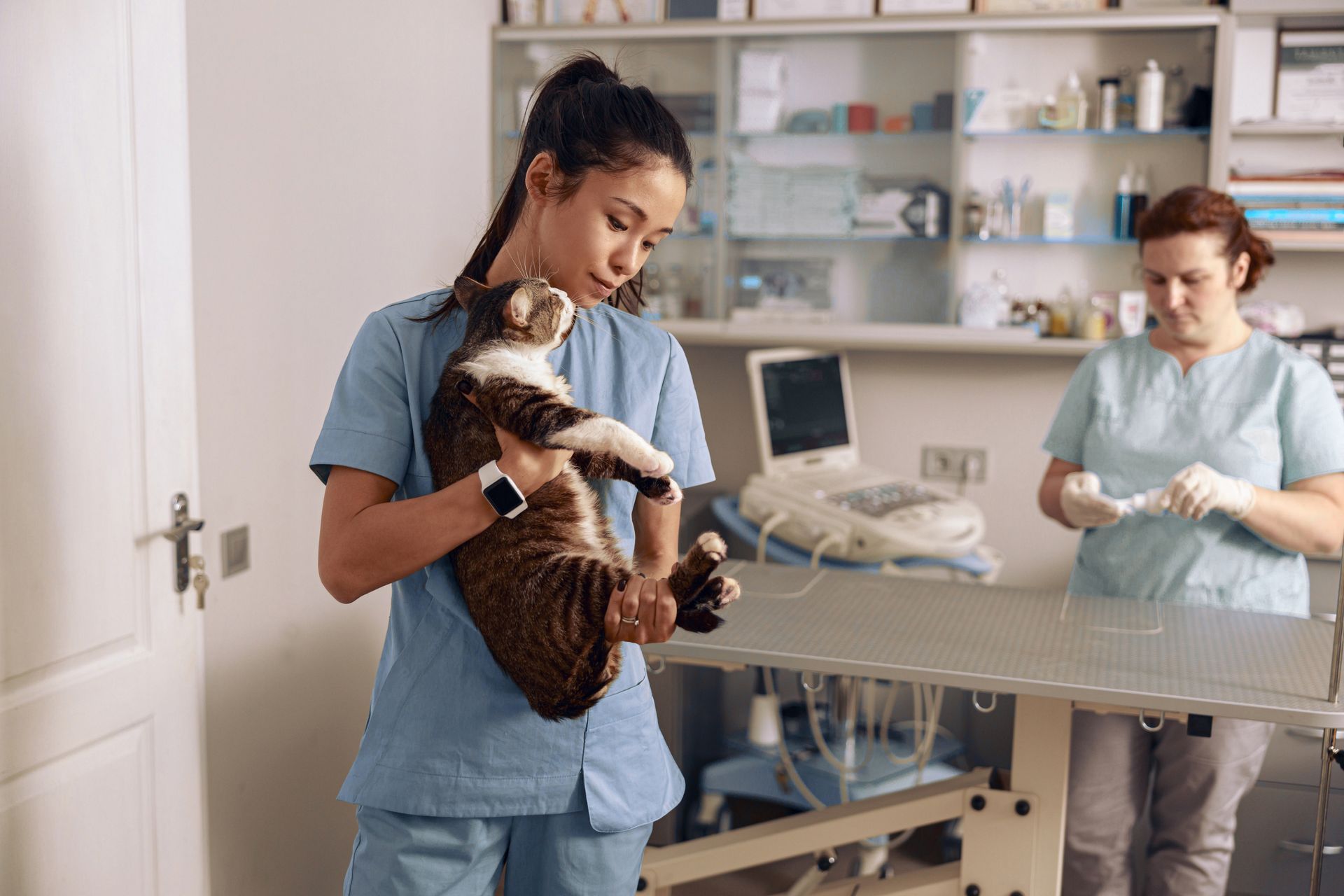
For your team
Workers’ Compensation
Covers medical costs and lost wages when a team member is hurt on the job — required in most states once you have employees.
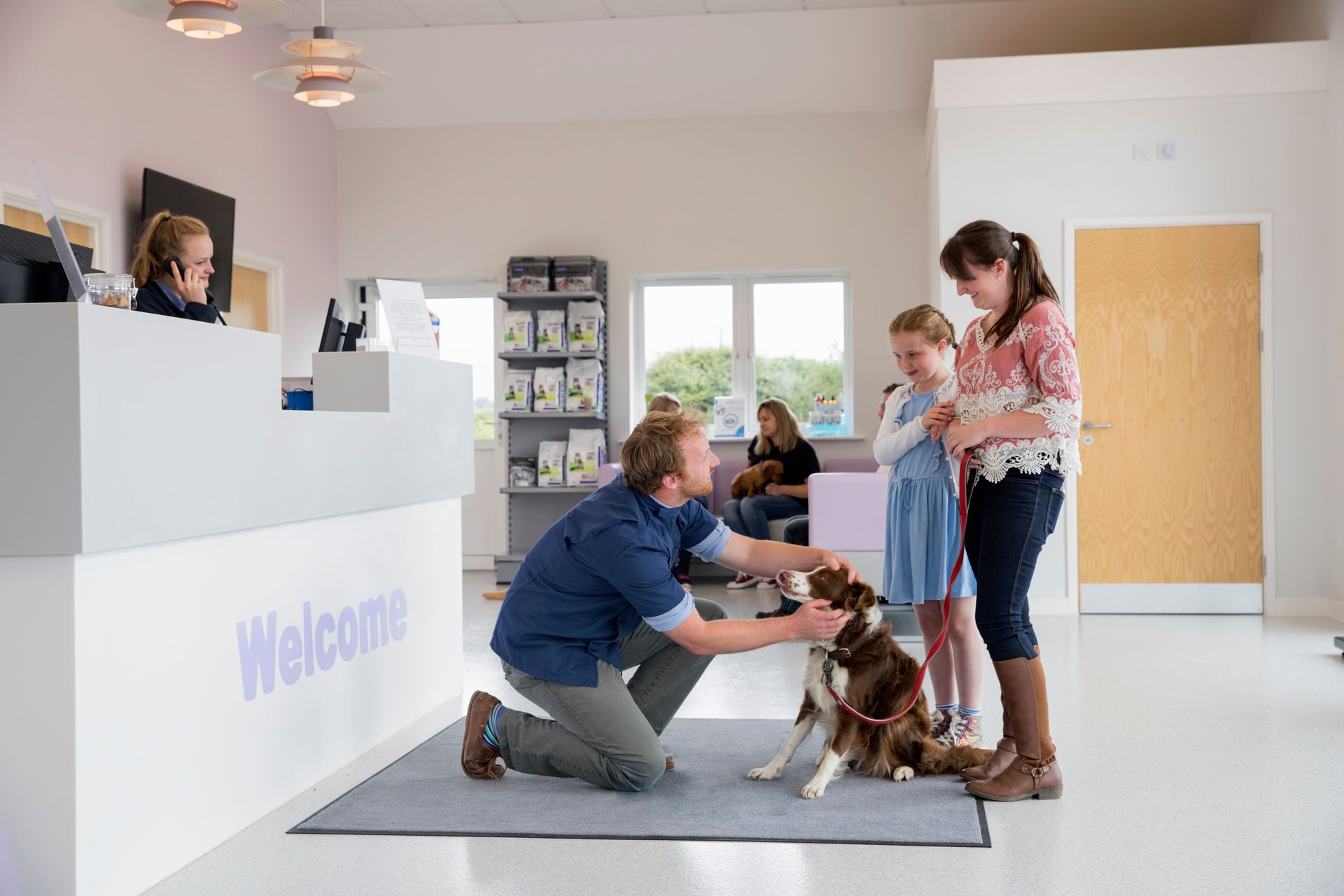
Extra protection
Commercial Umbrella
Adds liability limits above your primary policies for catastrophic claims that exceed standard coverage.
Coverage availability and terms vary by carrier and state. We recommend the right mix for your operation once we talk.
Industries we serve
Built for the businesses that care for animals.
General liability is the baseline for every segment we specialize in. Find the page built for your business.
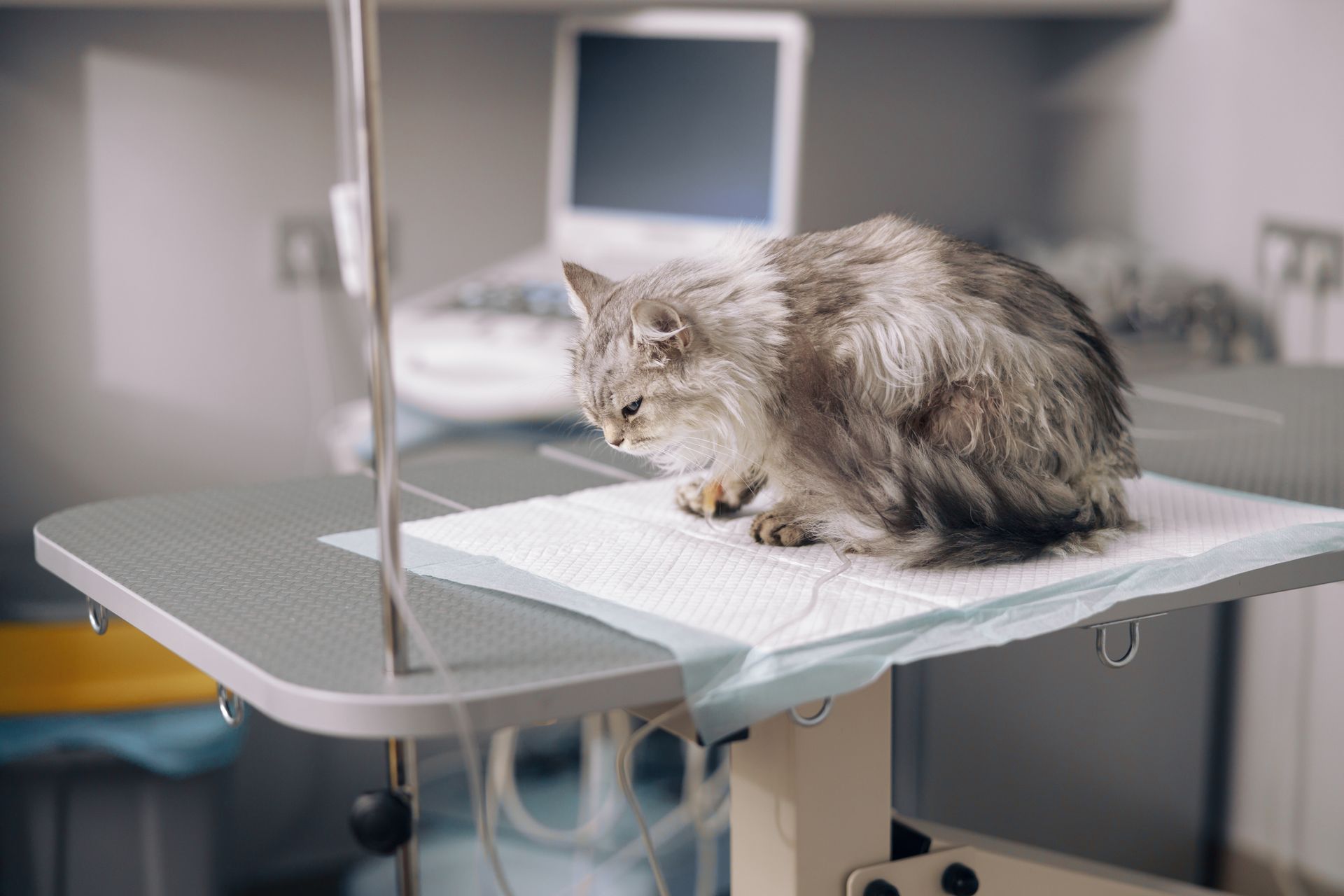
Clinical · high exposure
Veterinarians & Animal Hospitals
Professional and general liability, property, and workers’ comp for clinical operators with high exposure.
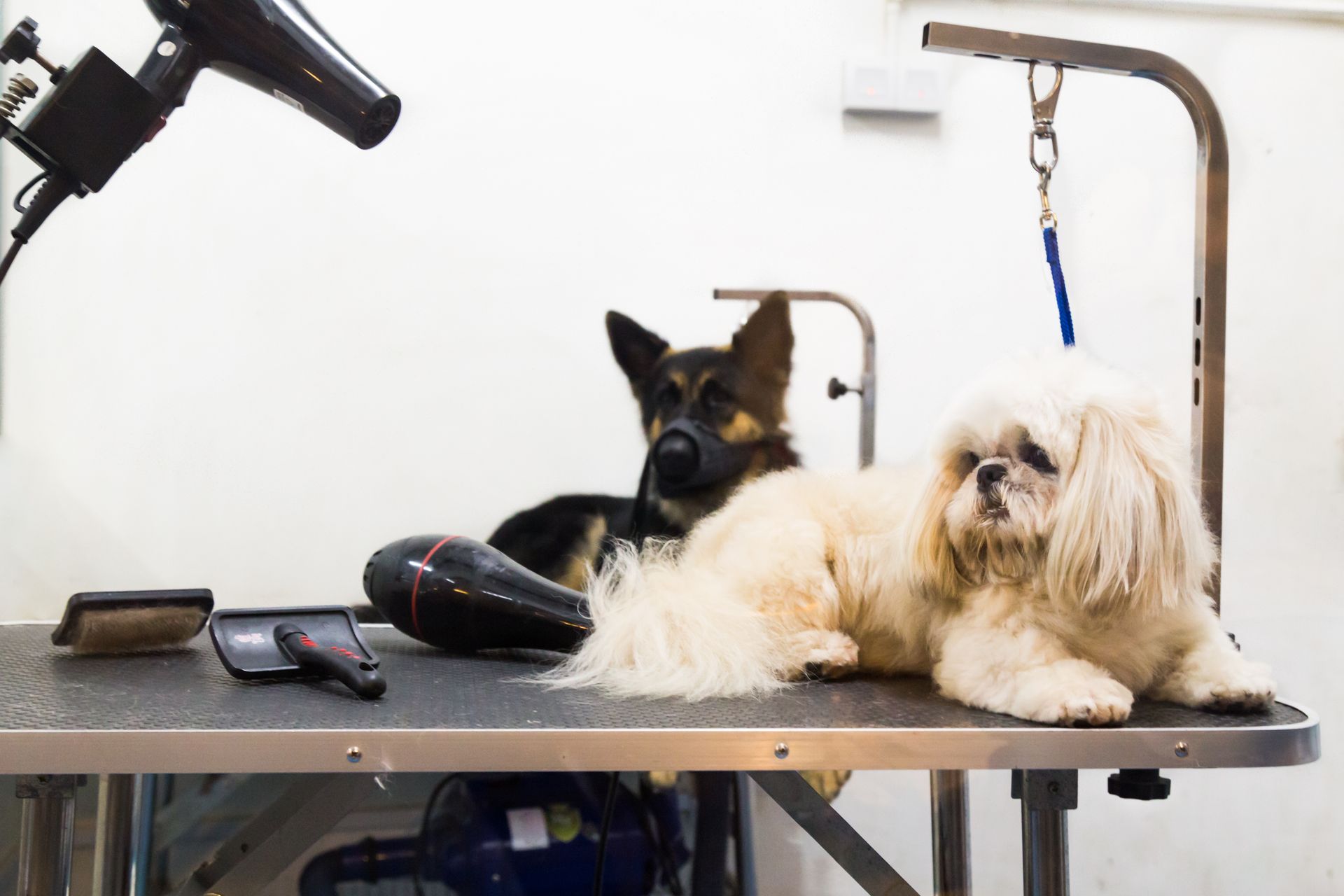
Hands-on · small business
Pet Groomers
Practical protection for animal handling, equipment, and the day-to-day of the grooming table, shop or mobile.

Safety-forward · overnight
Doggy Daycare & Boarding
Coverage matched to facilities responsible for animals overnight and all day long.
Our reviews
Trusted by pet professionals.
See what owners say about working with a specialist who already understands their business.
Frequently asked
Questions pet pros ask us.
What kinds of pet businesses do you insure?
We insure businesses across the animal-care industry — veterinarians and animal hospitals, groomers, doggy daycares and boarding facilities, kennels and trainers, pet sitters and dog walkers, and pet stores. We also cover breeders, equine operations, pet transporters, shelters and rescues, pet photographers, and aquariums or wildlife facilities.
If your work involves caring for, handling, or selling animals, there is a strong chance we cover it. Tell us what you do and we will confirm.
What is care, custody, and control coverage, and why does it matter?
Care, custody, and control coverage protects you when an animal in your charge is injured, becomes ill, or is lost while in your care. Standard general liability policies often exclude this exact exposure, which leaves a serious gap for pet businesses.
For groomers, boarders, sitters, and clinics, this is one of the most important coverages you can carry. We make sure it is in place and sized to your operation.
How is an independent agency different from buying direct from a carrier?
A direct carrier sells you its own single policy. As an independent agency, we shop multiple specialty insurers and compare programs to find the coverage that fits your business and budget.
That means you get options instead of one quote, and an advocate who works for you, not the carrier. We also handle the renewals and claims support over the life of your policy.
How fast can I get a quote?
Most clients get quoted within one business day. Our industry-specific intake forms collect the right details up front, so we can take your information straight to the carriers without a long back-and-forth.
Need it sooner? Call a specialist directly at (346) 738-7297 and we will move quickly.
Which states do you serve?
We are licensed and actively writing coverage in 12 states: Connecticut, Delaware, Georgia, Kentucky, Massachusetts, New Jersey, New York, North Carolina, Pennsylvania, South Carolina, Tennessee, and Virginia.
We continue to add states as we grow. If you operate outside this list, reach out and we will let you know our latest footprint.
From the blog
Coverage notes for pet professionals.
Plain-language risk tips and coverage explainers, written for owners — not insurance pros.
Speak with a specialist
Let's find the right coverage for your business.
No quote bots, no funnel. Talk to a real pet-insurance specialist who already understands your operation — and shops multiple markets on your behalf.
Call us
(346) 738-7297
Toll-free 845-250-5366
Email
service@petindustryins.com
Visit Us
8 Joyce Plaza
Stony Point, NY 10980