Coverage for veterinary practices
South Carolina Pet Sitter Insurance
Solo pet sitters in New York typically pay between $25 and $60 per month for a basic general liability and professional liability package. Costs rise with revenue, employee count, and location. NYC-based sitters should budget toward the higher end of that range. Getting a tailored estimate from an agency like Pet Professional Insurance Agency that specializes in pet business coverage will give you the most accurate number.
General liability is your baseline. It covers the most common scenarios: someone gets hurt, something gets broken. Professional liability picks up where general liability stops, covering claims that stem from how you performed (or failed to perform) your services. If a client's diabetic cat goes into crisis because you missed an insulin injection, that's a professional liability claim.
Running a pet sitting business in South Carolina means working in clients' homes, handling animals with unpredictable temperaments, and carrying responsibility for living creatures that families consider irreplaceable. A single dog bite, a cat that escapes through an unlocked door, or a slip on a client's wet deck can turn a thriving side hustle into a financial disaster. Independent pet sitting businesses saw average gross revenues exceed $100,500 in 2025, with 70% of owners anticipating continued growth - but that revenue means nothing if one uninsured claim wipes out your savings. Pet sitter insurance in South Carolina isn't optional if you're serious about protecting both your livelihood and your clients' trust. The coverage requirements, costs, and compliance rules specific to SC operations deserve careful attention, and getting them wrong can be costly. This guide breaks down what you actually need to know - no fluff, no filler.
Why South Carolina Pet Sitters Need Specialized Insurance
Most homeowners' or renters' insurance policies explicitly exclude business activities. That means the moment you accept payment to watch someone's dog, your personal insurance likely won't cover anything that goes wrong during the job. South Carolina courts have consistently upheld this distinction, and insurers are aggressive about denying claims tied to commercial activity conducted under a personal policy.
The pet sitting industry carries unique risks that generic small business policies don't address well either. You're dealing with animal behavior, custody of someone else's property (yes, pets are legally considered property in SC), and work performed inside private residences. A standard commercial general liability policy might cover a slip-and-fall but miss the nuances of animal bailee exposure entirely.
The Risk of Personal Liability vs. Business Protection
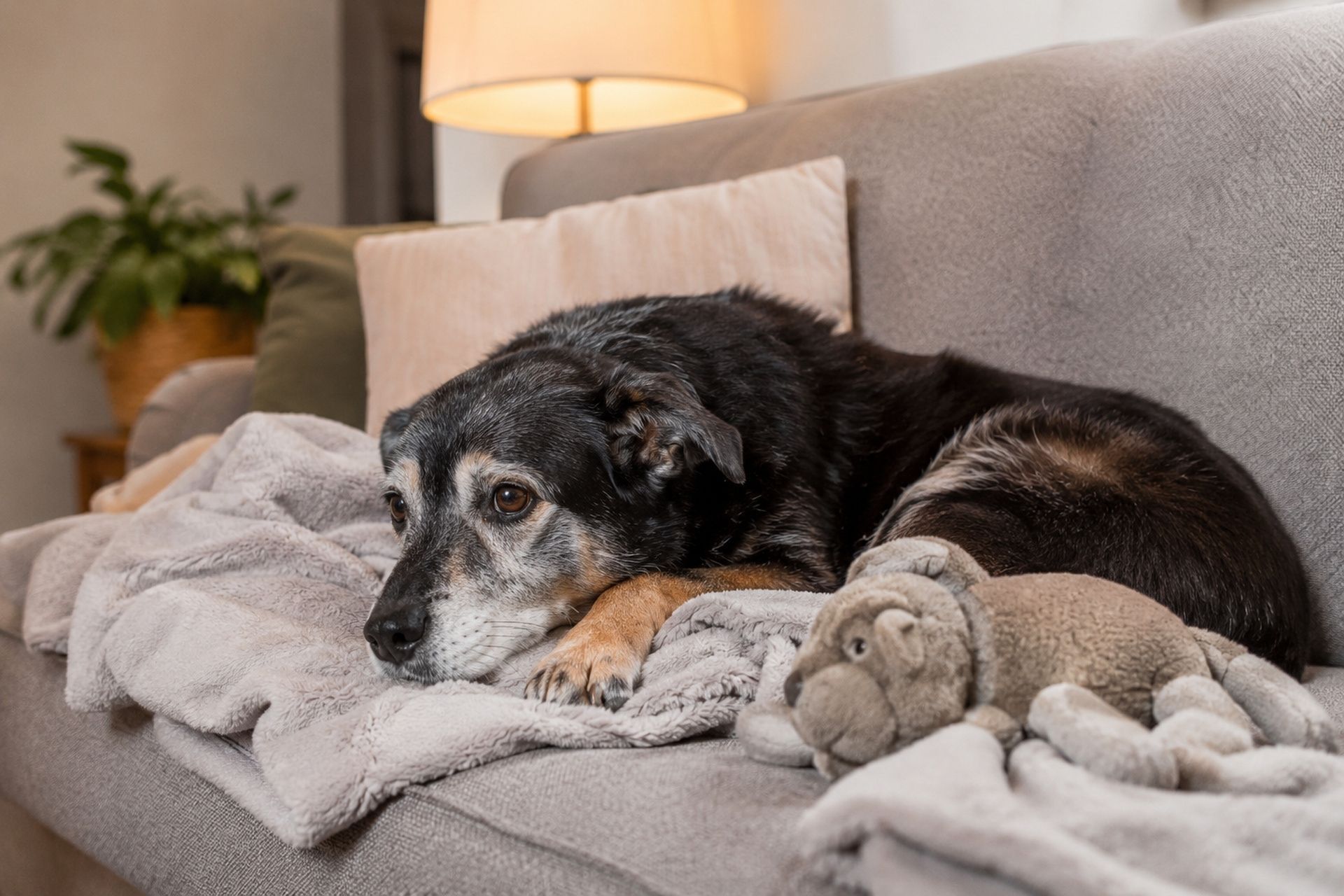
If you operate without proper coverage, your personal assets are on the line. South Carolina doesn't cap personal liability for unincorporated businesses, so a judgment against you could reach your home, car, and bank accounts. Even forming an LLC only provides partial protection - courts can "pierce the veil" if you haven't maintained proper business formalities, including carrying appropriate insurance.
The real difference between personal liability and business protection comes down to who pays when something goes wrong. With a proper commercial policy, your insurer handles legal defense costs and settlements. Without one, you're writing those checks yourself. Defense costs alone for a dog bite claim in SC can run $15,000 to $30,000 before any settlement is reached.
Common Claims in the Palmetto State
South Carolina's climate and geography create specific risk patterns for pet sitters. Heat-related incidents spike between May and September, when temperatures regularly exceed 95°F. Dogs left in yards or walked during peak heat hours can suffer heatstroke, and sitters have faced claims for failing to provide adequate cooling.
Animal escape claims are another frequent issue, particularly in older Columbia and Charleston homes where fence conditions vary widely. The City of Columbia's animal ordinance holds the person in custody of an animal responsible for containment, not just the owner. Property damage from anxious or destructive pets rounds out the top three claim types, with average payouts ranging from $2,000 to $8,000.
Essential Coverage Types for SC Pet Businesses
Not every policy is built the same, and the coverage types you need depend on how you operate. A solo sitter doing drop-in visits has different exposure than someone running overnight stays with a team of five. Here's what matters most.
General Liability and Animal Bailee Coverage
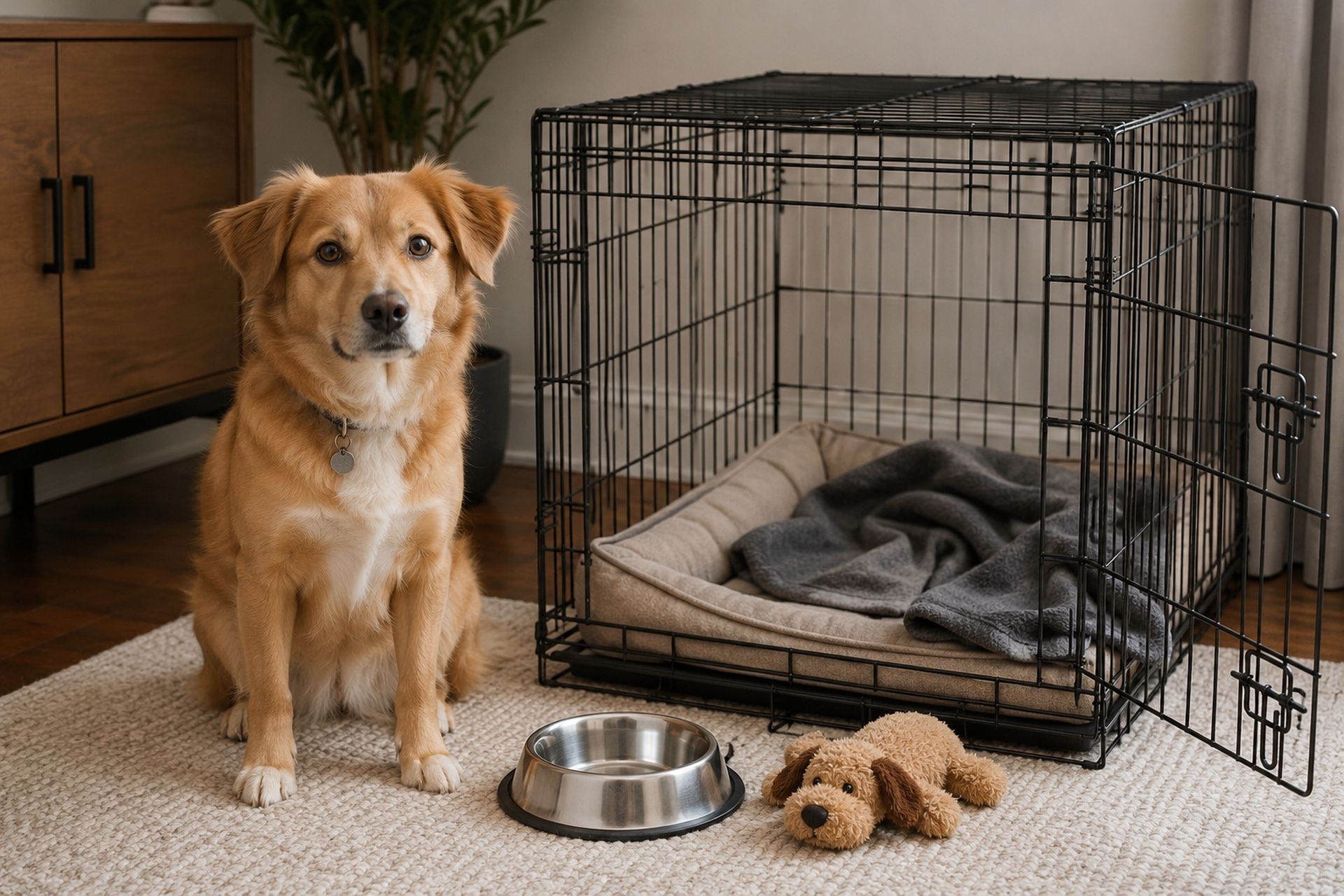
General liability is your foundation. It covers third-party bodily injury and property damage - think a client's neighbor getting bitten by a dog in your care, or you accidentally breaking a vase during a home visit. Most policies start at $1 million per occurrence with a $2 million aggregate.
Animal bailee coverage is where pet-specific policies earn their keep. This protects you financially if an animal in your custody is injured, becomes ill, or dies. Standard general liability doesn't include this. Pet Professional Insurance Agency, for example, works with specialty insurance markets that understand care, custody, and control exposure - something a general commercial agent might overlook entirely. Without bailee coverage, veterinary bills for an injured pet in your care come straight out of your pocket.
Professional Liability for Training and Advice
If you offer any training tips, behavioral advice, or dietary recommendations alongside your sitting services, professional liability (sometimes called errors and omissions) matters. A client who follows your feeding suggestion and ends up with a sick pet could claim your advice caused harm.
This coverage is often overlooked by sitters who think of themselves as "just watching the pet." But the line between sitting and advising blurs quickly. Even recommending a specific food brand or suggesting a training technique creates professional liability exposure. Policies typically run $500 to $1,200 annually for solo operators.
Workers' Compensation for Multi-Sitter Teams
South Carolina requires workers' compensation insurance for businesses with four or more employees. If you've grown your pet sitting operation to include staff, this isn't optional - it's the law. SC's workers' comp requirements apply to most employer-employee relationships, and misclassifying employees as independent contractors to avoid coverage is a common mistake that carries serious penalties.
Even if you have fewer than four employees, carrying workers' comp voluntarily protects you from personal injury lawsuits filed by injured staff. A sitter who slips on a client's stairs and breaks a wrist could sue you directly if workers' comp isn't in place.
Comparing Coverage: Basic vs. Comprehensive Plans
Understanding the gap between a bare-minimum policy and full protection helps you make an informed decision. The price difference is often smaller than people expect.
Plan Comparison Chart
| Coverage Feature | Basic Plan | Comprehensive Plan |
|---|---|---|
| General Liability | $1M per occurrence | $1M-$2M per occurrence |
| Animal Bailee | Not included | $2,500-$10,000 per animal |
| Professional Liability | Not included | $1M aggregate |
| Property Damage (client home) | $50,000 limit | $100,000-$300,000 limit |
| Workers' Comp | Not included | Available as add-on |
| Key/Lock Replacement | Not included | $1,000-$2,500 |
| Typical Annual Cost | $250-$400 | $600-$1,500 |
The jump from basic to comprehensive often costs less than $100 per month, yet the coverage gaps in a basic plan are exactly where most claims fall. Animal bailee and professional liability exclusions in basic plans represent the two most common claim categories for SC pet sitters.
South Carolina Compliance and Legal Requirements
Operating legally in South Carolina involves more than just buying a policy. The state has specific requirements that pet care businesses must meet, and enforcement has increased in recent years.
Business Licensing and Insurance Verification
South Carolina requires a general business license for any commercial activity, and most municipalities add their own licensing requirements on top. Charleston, Columbia, and Greenville each have separate business license applications with varying fee structures. Some municipalities now ask for proof of liability insurance as part of the licensing process.
The SC legislature has been actively reviewing pet care regulations during the 2025-2026 session, with proposed bills that could introduce minimum insurance requirements for commercial pet care providers. Staying ahead of these changes protects your business from scrambling to comply after a law takes effect. Pet Professional Insurance Agency's agents track these regulatory shifts and can help SC pet sitters understand what's coming.
SC Department of Labor Regulations for Employers
If you employ other sitters, South Carolina's Department of Labor regulations apply to your operation. Beyond workers' compensation, you need to comply with wage and hour laws, maintain proper employee records, and carry appropriate employment practices coverage. The state's Act 42 provisions affect how businesses classify workers, and getting this wrong can result in back-tax liability and fines.
One thing to keep in mind: using independent contractors instead of employees doesn't automatically reduce your insurance needs. SC applies an economic reality test to determine worker classification, and many pet sitters who think they're hiring contractors are actually creating employee relationships under state law.
Factors Influencing Insurance Costs in SC
Your premium isn't pulled from thin air. Insurers evaluate several factors specific to your operation. Revenue is the primary rating basis - a sitter earning $40,000 annually will pay less than one earning $120,000. The types of animals you handle matter too; exotic pet care or large breed specialization increases premiums.
Your claims history carries significant weight. A clean record for three or more years often qualifies you for reduced rates. Geographic location within SC also plays a role: urban areas like Charleston and Greenville carry higher premises liability exposure than rural operations. The number of client homes you access, whether you transport animals in your vehicle, and whether you offer overnight stays all factor into your final premium.
Training and certification can work in your favor. Sitters who hold current PSI certification or attend industry conferences sometimes qualify for modest premium reductions, and the risk management knowledge gained genuinely reduces your claim likelihood.
Common Questions About Pet Sitter Insurance
Frequently Asked Questions
Does my auto insurance cover me if a pet damages my car? Probably not if you're transporting the animal for business purposes. You'll need a commercial auto policy or a hired/non-owned auto endorsement to cover pet-related damage during business transport.
Can I get coverage for just a few days if I only sit occasionally? Some specialty markets offer per-event or short-term policies, but annual policies are almost always more cost-effective if you sit more than a handful of times per year.
What happens if a pet I'm watching bites someone at a park? Your general liability policy should cover third-party bite injuries, but only if the policy is active and the incident falls within your covered activities. Off-leash park visits may require specific endorsement.
Do I need insurance if I only watch pets for friends and family? If you're accepting payment, yes. The moment money changes hands, it's a commercial activity and personal policies won't respond to claims.
Will my policy cover veterinary bills if a pet gets sick in my care? Animal bailee coverage handles this, but it's not included in basic general liability. You need to specifically add or purchase bailee coverage.
Am I covered if I lose a client's house key? Only if your policy includes a care, custody, and control or key replacement endorsement. This is a surprisingly common claim that many sitters don't think about until it happens.
Making the Right Choice for Your Business
Picking the right insurance for your SC pet sitting operation comes down to honestly assessing your risk exposure and matching it with appropriate coverage. A solo sitter doing daytime drop-ins has fundamentally different needs than a five-person team offering overnight stays with exotic animals. Don't buy more than you need, but don't cut corners on animal bailee or liability coverage - those are where real claims happen.
Get specific numbers for your situation rather than relying on industry averages. An agency like Pet Professional Insurance Agency that specializes in pet care businesses can run through your actual operations and identify gaps you might miss with a generalist broker. Most specialty agents provide initial assessments within 24 to 48 hours, so there's no reason to delay.
Index
Pet Professional Insurance Agency is fully licensed and permitted to provide commercial insurance solutions for pet businesses across 12 states.
We proudly serve pet professionals throughout the Northeast, Mid-Atlantic, and Southeast. Powered by Joyce Insurance Agency, our team works with leading specialty carriers — including The Hartford, USLI, Nautilus, and Northland — to make sure veterinarians, groomers, boarding facilities, and pet-care businesses receive coverage that fits their real risks in Connecticut, Delaware, Georgia, Kentucky, Massachusetts, New Jersey, New York, North Carolina, Pennsylvania, South Carolina, Tennessee, and Virginia.
About the author
Barnaby Joyce
Founder, Pet Professional Insurance Agency · Licensed Insurance Producer
I started Pet Professional Insurance Agency because I watched pet businesses get handed generic policies that never fit. After years of placing coverage for veterinary practices, grooming salons, doggy daycares, and kennels through a generalist agency, I saw the same gaps over and over — and the same blank stares when an owner tried to explain care, custody, and control to an agent who had never insured an animal in their life.
So I built an agency that does one thing. I work directly with specialty carriers who actually want pet-industry risk, and I sit down with every client personally. You will not get a call center or a chatbot. You will get someone who already speaks your language and shops the market on your behalf. That is the whole idea.
Recommended coverages
Coverages that pair with general liability.
Most pet businesses build on general liability with the lines below. Explore each — every page cross-links to the
industries we serve.
Services & advice
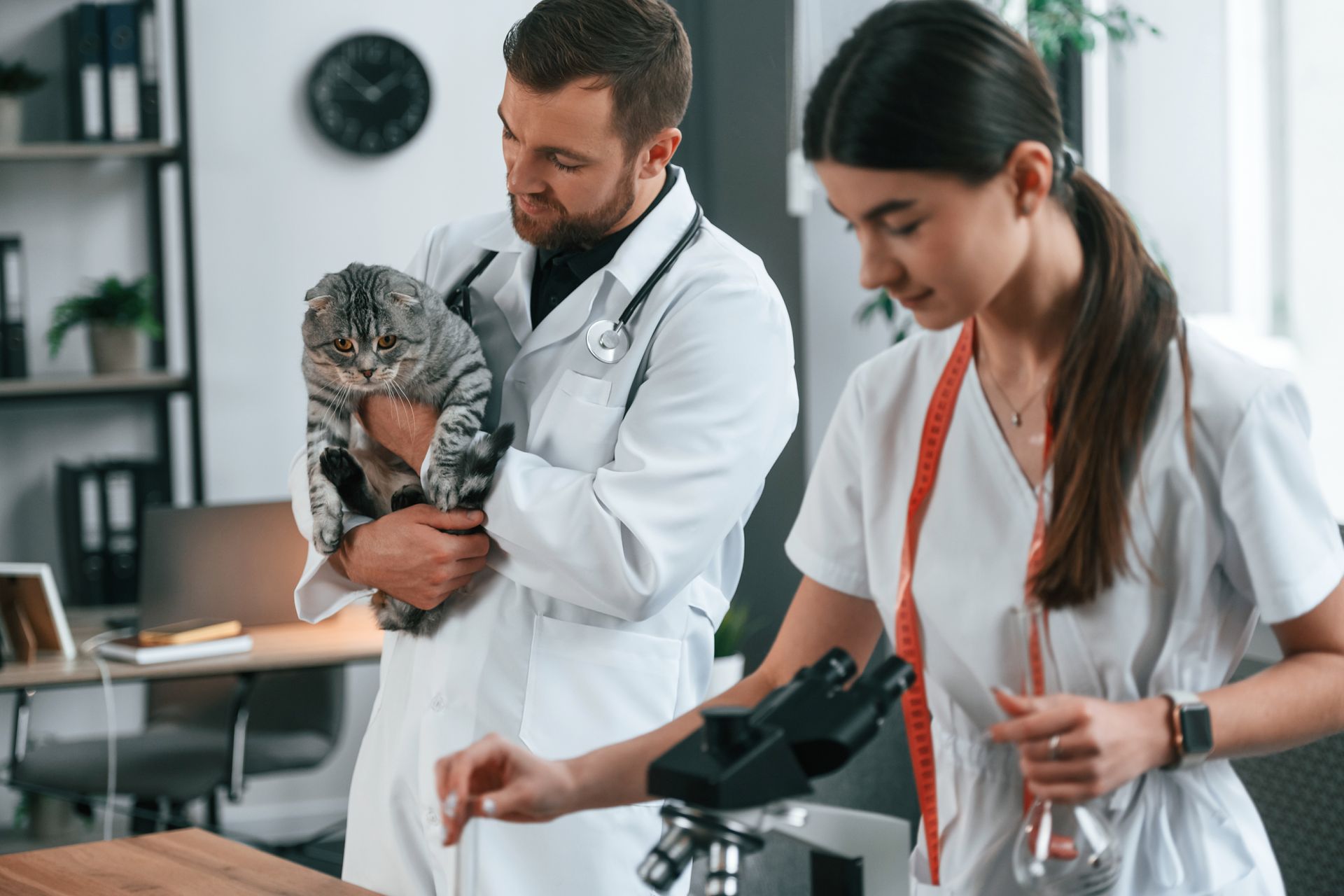
Professional Liability / E&O
Covers claims tied to your professional services and advice — clinical care, training guidance, and the judgment calls you make daily.
The pet-industry gap
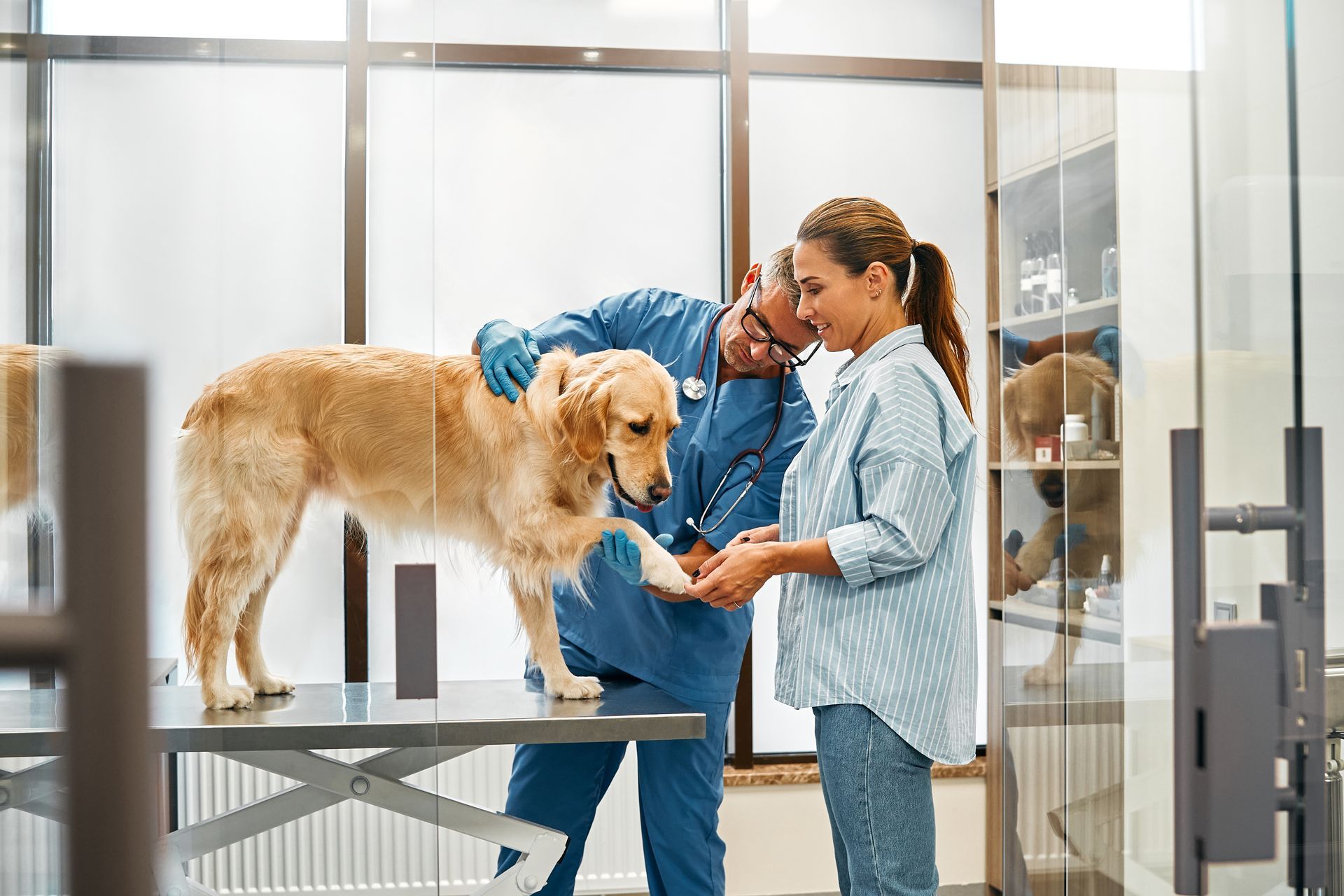
Care, Custody & Control
Covers the animals in your charge against injury, illness, or loss — the critical exposure standard liability policies leave out.
Bundled & cost-effective
Business Owners Policy (BOP)
Bundles property and general liability into one package built for small to mid-sized pet businesses — often the simplest base.
Your building & contents
Commercial Property
Protects your building, build-out, equipment, and inventory against fire, theft, and covered losses — front desk to back room.
For your team
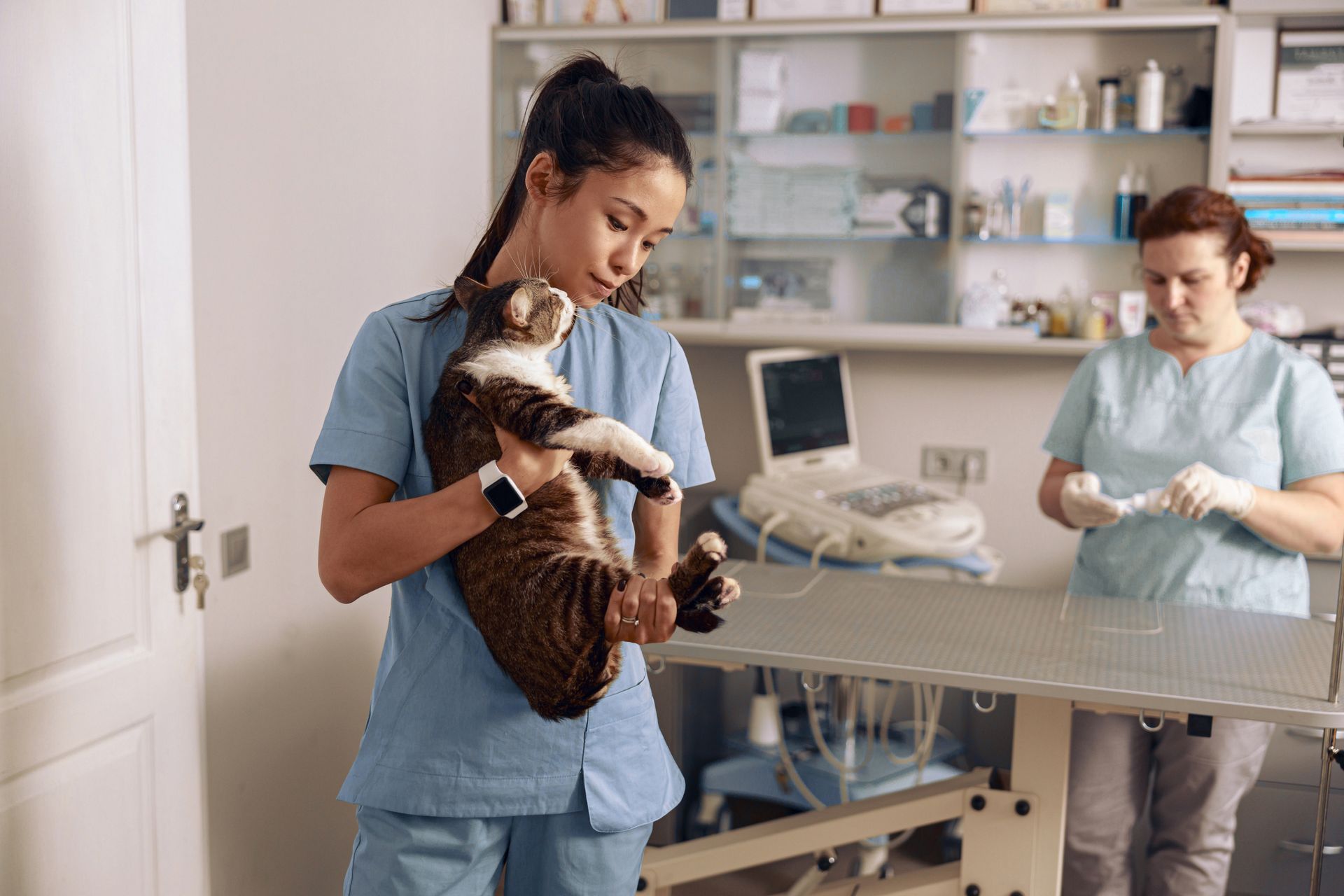
Workers’ Compensation
Covers medical costs and lost wages when a team member is hurt on the job — required in most states once you have employees.
Extra protection
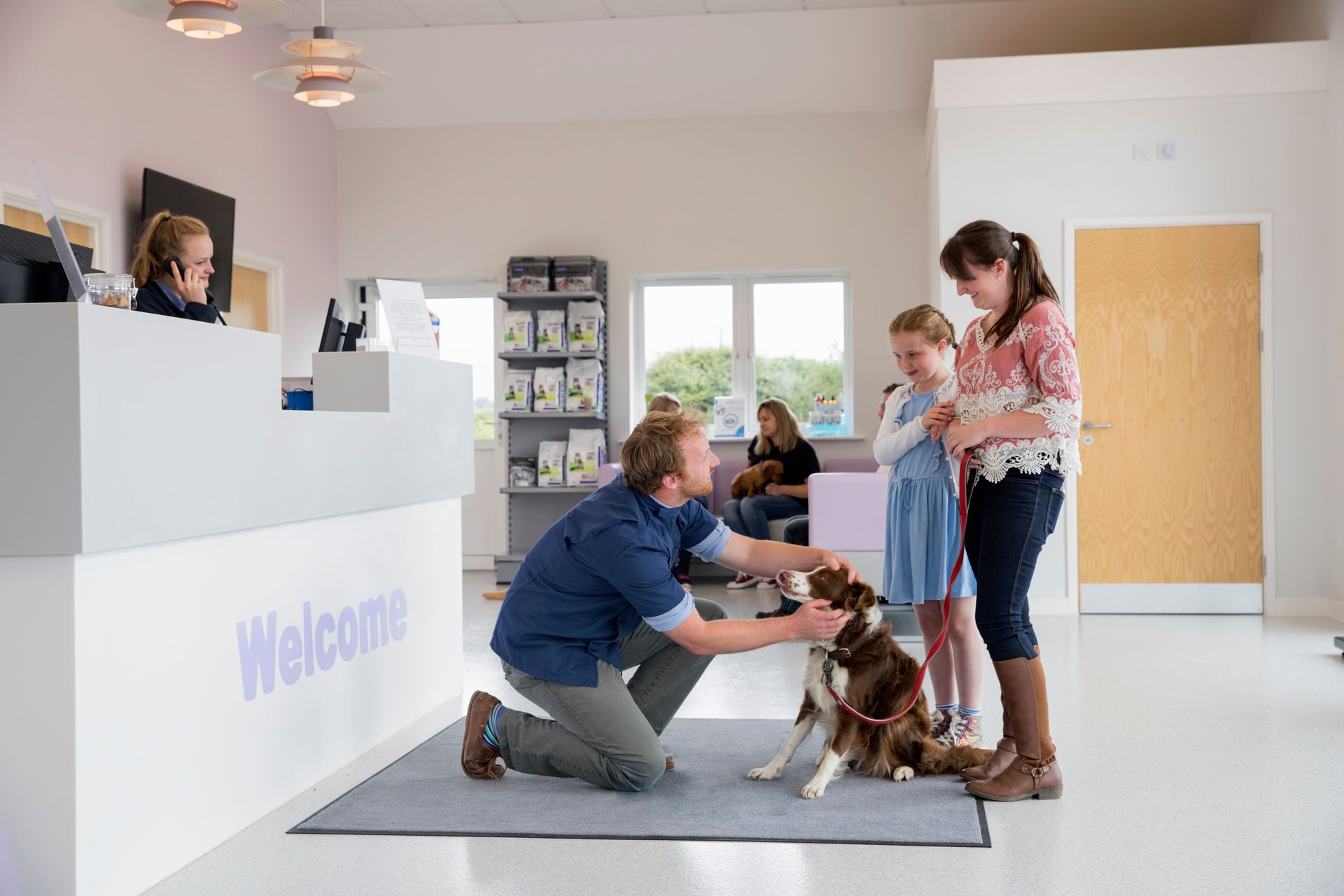
Commercial Umbrella
Adds liability limits above your primary policies for catastrophic claims that exceed standard coverage.
Coverage availability and terms vary by carrier and state. We recommend the right mix for your operation once we talk.
Industries we serve
Built for the businesses that care for animals.
General liability is the baseline for every segment we specialize in. Find the page built for your business.
Clinical · high exposure
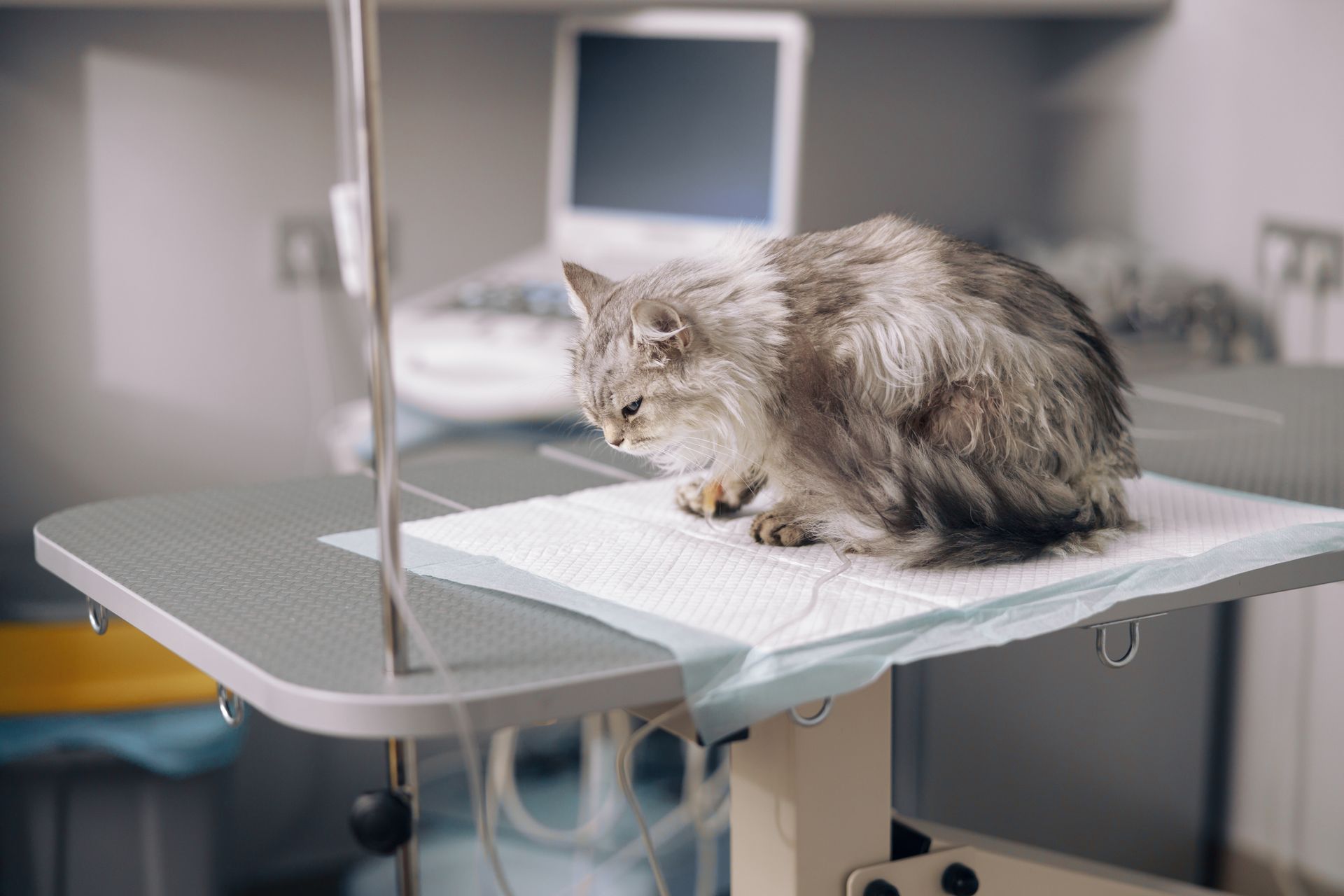
Veterinarians & Animal Hospitals
Professional and general liability, property, and workers’ comp for clinical operators with high exposure.
Hands-on · small business
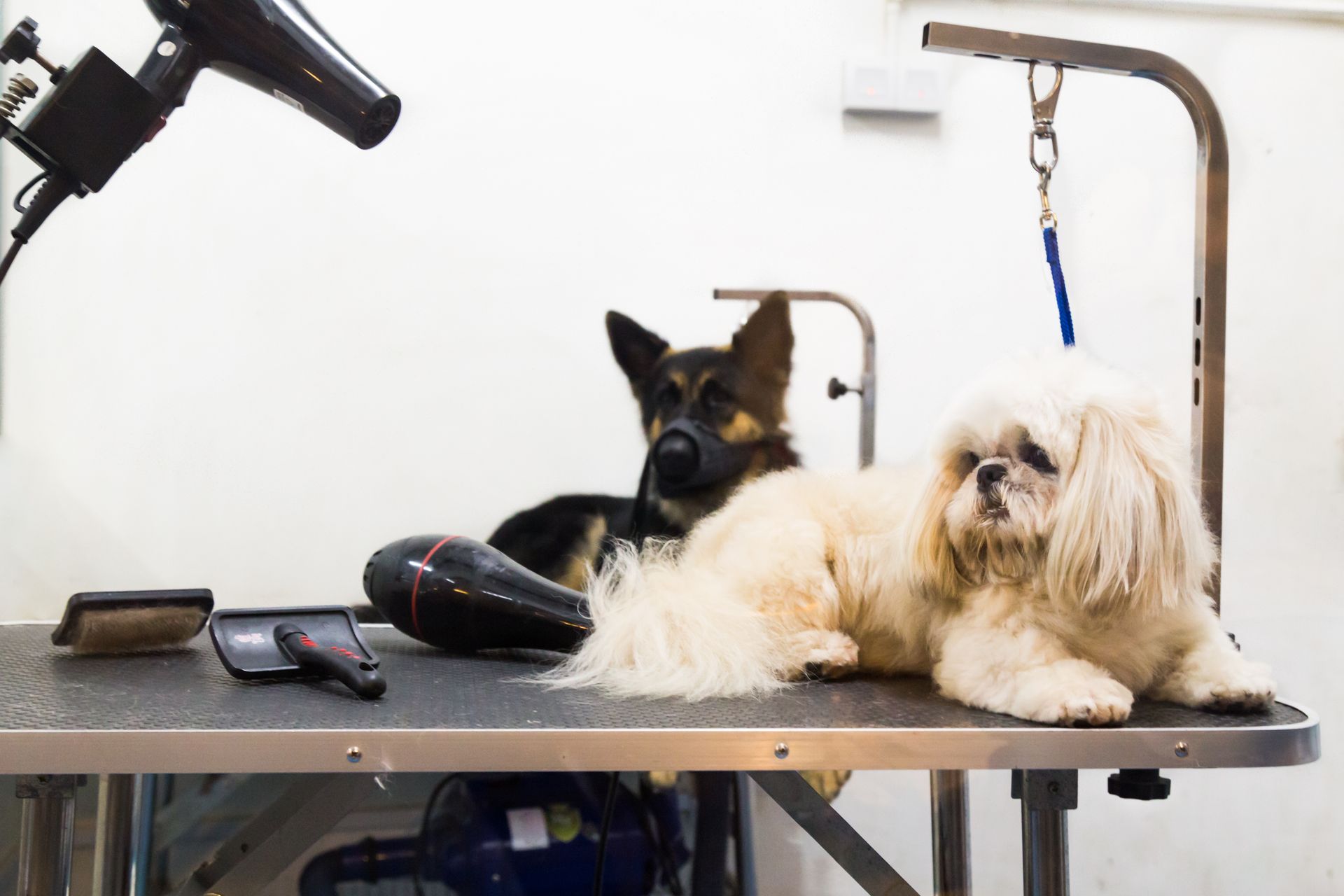
Pet Groomers
Practical protection for animal handling, equipment, and the day-to-day of the grooming table, shop or mobile.
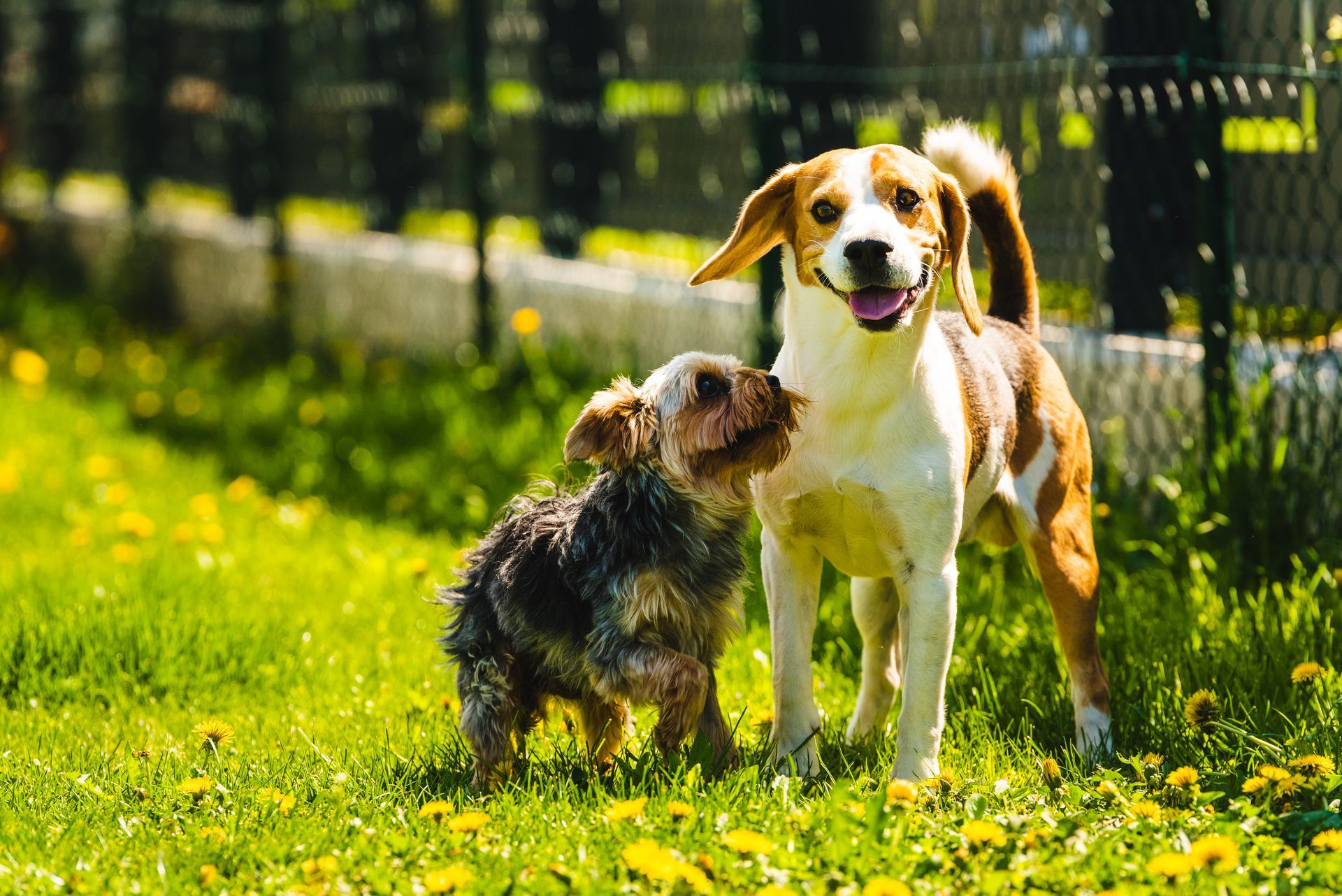
Safety-forward · overnight
Doggy Daycare & Boarding
Coverage matched to facilities responsible for animals overnight and all day long.
Our reviews
Trusted by pet professionals.
See what owners say about working with a specialist who already understands their business.
Frequently asked
Questions pet pros ask us.
What kinds of pet businesses do you insure?
We insure businesses across the animal-care industry — veterinarians and animal hospitals, groomers, doggy daycares and boarding facilities, kennels and trainers, pet sitters and dog walkers, and pet stores. We also cover breeders, equine operations, pet transporters, shelters and rescues, pet photographers, and aquariums or wildlife facilities.
If your work involves caring for, handling, or selling animals, there is a strong chance we cover it. Tell us what you do and we will confirm.
What is care, custody, and control coverage, and why does it matter?
Care, custody, and control coverage protects you when an animal in your charge is injured, becomes ill, or is lost while in your care. Standard general liability policies often exclude this exact exposure, which leaves a serious gap for pet businesses.
For groomers, boarders, sitters, and clinics, this is one of the most important coverages you can carry. We make sure it is in place and sized to your operation.
How is an independent agency different from buying direct from a carrier?
A direct carrier sells you its own single policy. As an independent agency, we shop multiple specialty insurers and compare programs to find the coverage that fits your business and budget.
That means you get options instead of one quote, and an advocate who works for you, not the carrier. We also handle the renewals and claims support over the life of your policy.
How fast can I get a quote?
Most clients get quoted within one business day. Our industry-specific intake forms collect the right details up front, so we can take your information straight to the carriers without a long back-and-forth.
Need it sooner? Call a specialist directly at (346) 738-7297 and we will move quickly.
Which states do you serve?
We are licensed and actively writing coverage in 12 states: Connecticut, Delaware, Georgia, Kentucky, Massachusetts, New Jersey, New York, North Carolina, Pennsylvania, South Carolina, Tennessee, and Virginia.
We continue to add states as we grow. If you operate outside this list, reach out and we will let you know our latest footprint.
From the blog
Coverage notes for pet professionals.
Plain-language risk tips and coverage explainers, written for owners — not insurance pros.
Speak with a specialist
Let's find the right coverage for your business.
No quote bots, no funnel. Talk to a real pet-insurance specialist who already understands your operation — and shops multiple markets on your behalf.
Call us
(346) 738-7297
Toll-free 845-250-5366
Email
service@petindustryins.com
Visit Us
2 Joyce Plaza
Stony Point, NY 10980