A dog escapes from a boarding facility through a gate left ajar by a delivery driver. The owner files a claim for $4,200 in emergency vet bills after the dog was hit by a car two blocks away. The kennel's general liability policy? It denies the claim entirely because the dog was in the facility's care, custody, and control, a standard exclusion on most GL policies.
This scenario plays out more often than most boarding facility owners expect. The pet care industry is booming, with the North American pet insurance marketplace alone reaching $6.2 billion in gross written premiums in 2025, reflecting a 19% year-over-year increase. That growth means more pets are being boarded, more claims are being filed, and the gap between what boarding operators think they're covered for and what their policies actually pay is widening fast. Understanding what pet boarding insurance covers, what common claims look like, and how much coverage your facility genuinely needs isn't optional anymore: it's the difference between surviving a bad week and closing your doors.
Why Standard Business Insurance Isn't Enough for Pet Boarding
Most small business owners start with a general liability policy and assume they're covered. For a retail shop or a consulting firm, that might be true. But boarding facilities occupy a strange middle ground: you're housing someone else's living, breathing property, and standard business insurance was never designed for that level of responsibility.
A general liability policy covers things like a client slipping on your lobby floor or property damage to a visitor's car in your parking lot. It does not cover what happens to the animals you're being paid to watch. That gap is enormous, and it's where most boarding operators get blindsided.
The Difference Between General Liability and Animal Bailee Coverage
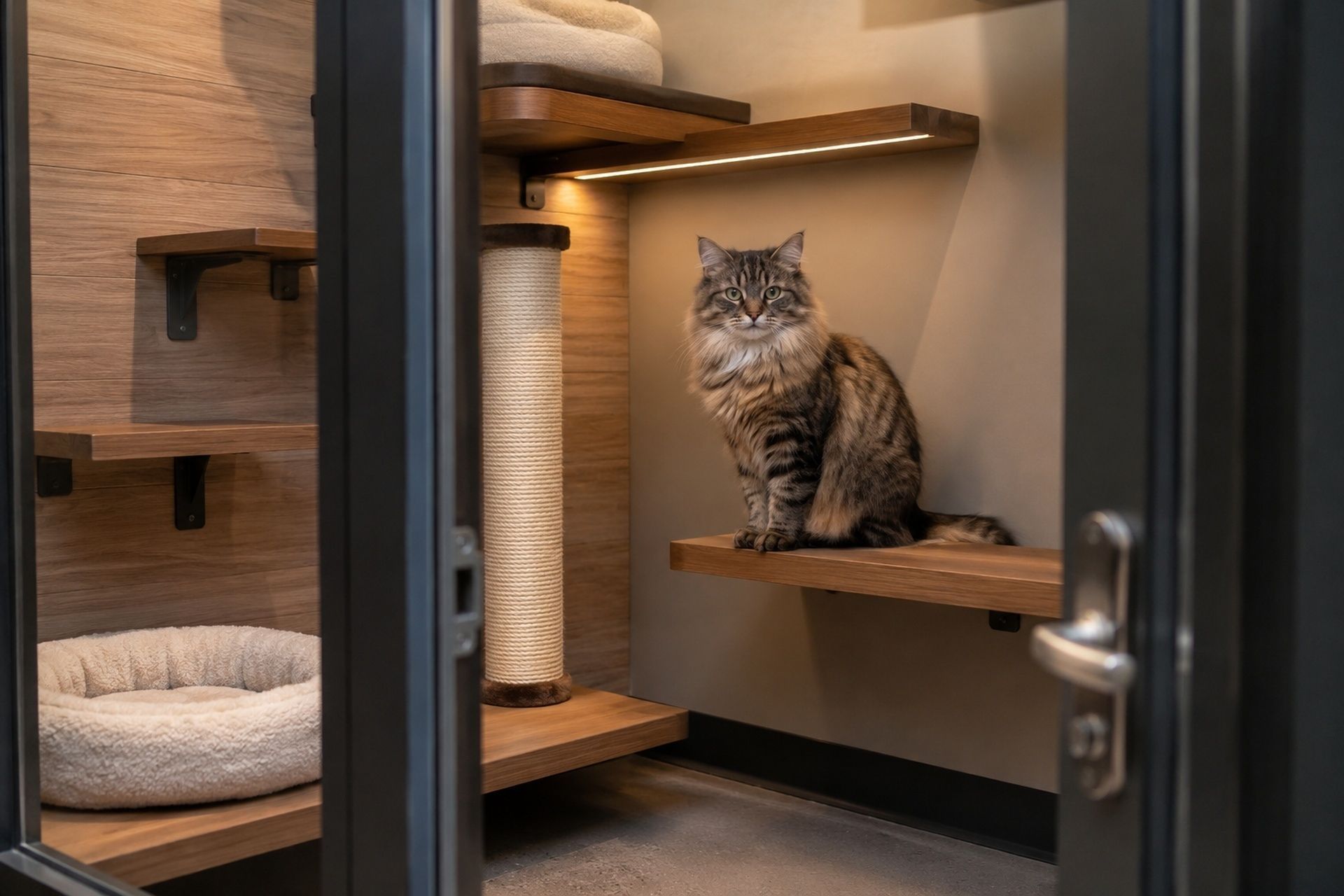
General liability policies almost universally contain a care, custody, and control exclusion. This means any property (including animals) entrusted to your business is excluded from coverage. If a dog in your facility gets injured during a fight, swallows a foreign object, or develops kennel cough that leads to pneumonia, your GL policy won't pay the owner's vet bills.
Animal bailee coverage fills that gap. It's specifically designed to cover loss, injury, or death of animals while they're in your professional care. Think of it as the insurance equivalent of a safety net stretched under the tightrope you walk every single day. Without it, you're personally liable for every incident involving a boarded pet, and those incidents add up quickly.
Comparison: Basic General Liability vs. Specialized Pet Pro Coverage
| Coverage Feature | General Liability Only | Specialized Pet Boarding Policy |
|---|---|---|
| Slip-and-fall (client injury) | Covered | Covered |
| Animal injury in your care | Excluded | Covered via animal bailee |
| Bite to a staff member | Excluded (workers' comp issue) | Workers' comp required separately |
| Escaped pet | Excluded | Covered (search, recovery, vet costs) |
| Grooming injury | Excluded | Covered via professional liability |
| Property damage from animals | Often excluded | Typically included |
| Veterinary emergency costs | Not covered | Covered up to policy limits |
The difference is stark. A facility running on general liability alone is essentially uninsured for the risks most likely to result in a claim.
Core Coverage Areas Every Boarding Facility Needs
Building the right insurance program for a boarding operation isn't about buying one policy and forgetting about it. It's about layering coverages that address the specific risks your facility faces every day.
Animal Bailee: Protecting the Pets in Your Care
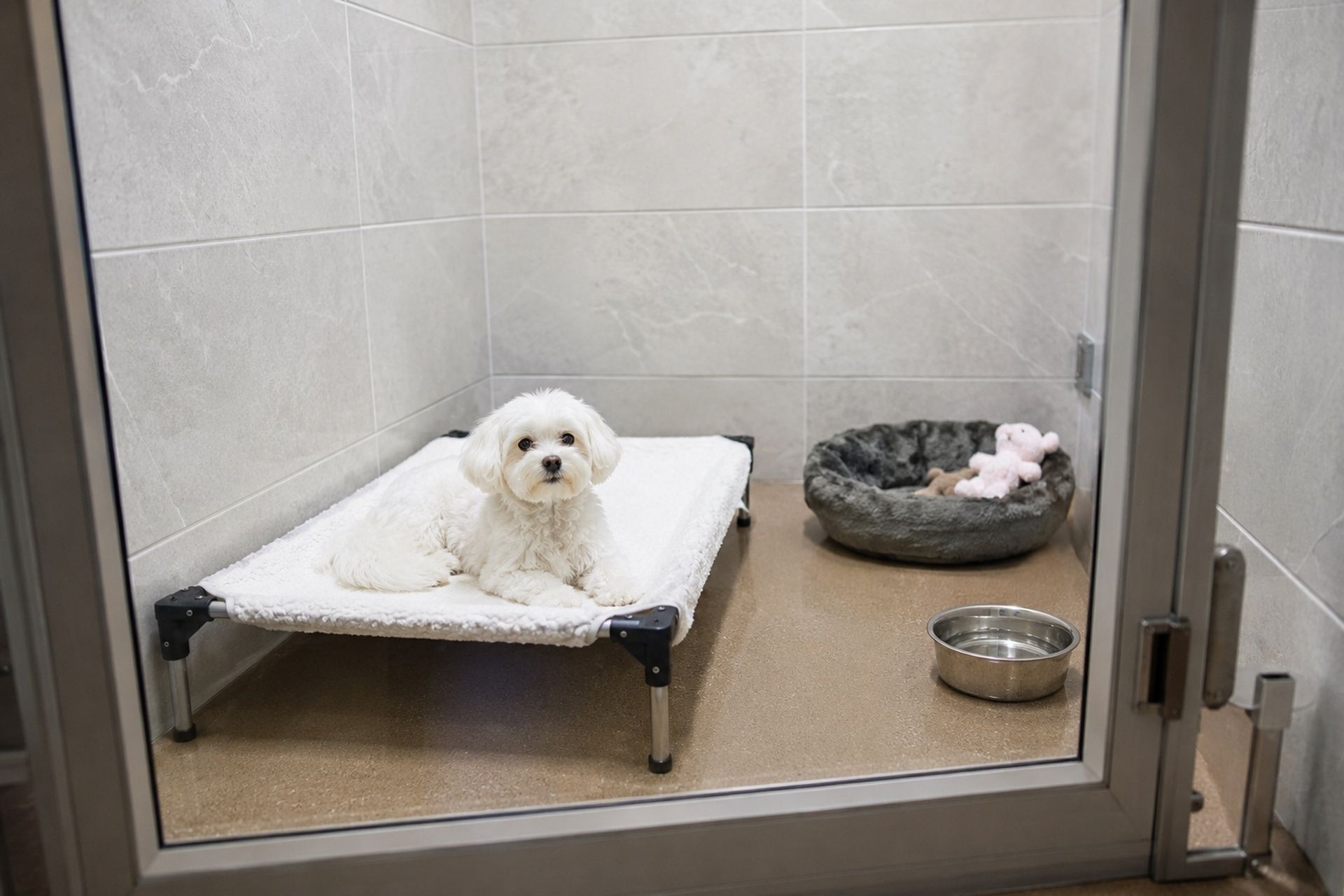
This is the cornerstone of any boarding insurance program. Animal bailee coverage pays for veterinary treatment, death benefits, or replacement costs when a pet is injured, becomes ill, or dies while boarded at your facility. Limits typically range from $2,500 to $10,000 per animal, with aggregate limits that cap total payouts per policy period.
One thing to watch: some policies only cover sudden accidents, not illness. If a dog develops aspiration pneumonia after vomiting overnight and you didn't catch it in time, a narrow policy might deny that claim. Ask your agent specifically whether illness during boarding is covered, because hidden liability risks in routine pet services are one of the most common sources of denied claims.
Professional Liability for Grooming and Training Mistakes
Many boarding facilities offer grooming, basic training, or medication administration as add-on services. Professional liability (sometimes called errors and omissions) covers mistakes made during these services: a clipper burn during grooming, administering the wrong dosage of a pet's medication, or a training technique that injures a dog.
This coverage is separate from animal bailee. If your facility offers anything beyond basic boarding, such as nail trims, baths, or behavioral assessments, you need professional liability coverage. At Pet Professional Insurance Agency, we see boarding operators regularly underestimate this exposure, especially when staff members provide services they haven't been formally trained for.
Commercial Property and Equipment Breakdown
Your building, kennels, fencing, HVAC systems, and specialized equipment like industrial washers or UV sanitation units all need protection. Commercial property coverage pays to repair or replace these assets after fire, storm damage, vandalism, or equipment failure.
HVAC failure is a particularly serious risk for boarding facilities. A broken air conditioning system in July isn't just uncomfortable: it can kill animals in hours. Equipment breakdown coverage, which is often a separate endorsement, covers the cost of emergency repairs and can even cover the loss of animals if a mechanical failure leads to injury or death.
Common Claims in the Pet Boarding Industry
Understanding what claims actually look like helps you evaluate whether your coverage is adequate. The two most frequent categories we see are play-related injuries and escape incidents.
Injuries During Off-Leash Play and Socialization
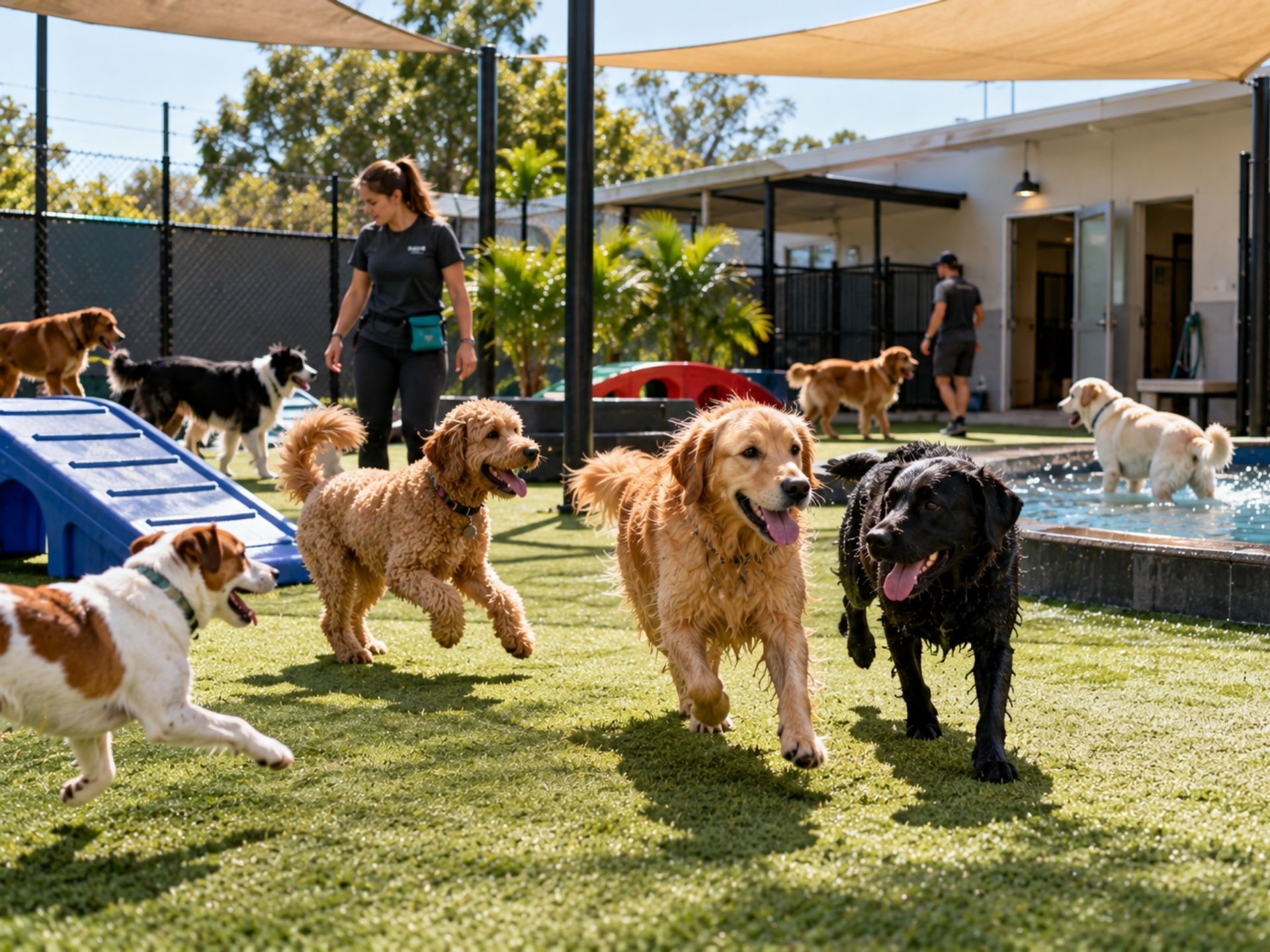
Group play is a selling point for most modern boarding facilities, but it's also your biggest liability exposure. Dog-on-dog aggression during socialization sessions accounts for a significant portion of boarding claims. Common injuries include puncture wounds, torn ears, broken legs, and eye injuries, with vet bills ranging from $500 to well over $5,000 per incident.
The most common pet insurance claims on the consumer side mirror what we see on the commercial side: soft tissue injuries, lacerations, and foreign body ingestion. The difference is that when these injuries happen at your facility, the pet owner is looking at you, not their own insurance, for reimbursement. Proper intake screening, staff training on canine body language, and appropriate group sizing reduce these incidents, but they'll never eliminate them entirely.
Escape and Lost Pet Incidents
Escape claims are some of the most expensive and emotionally charged situations a boarding facility can face. A dog that slips through a fence gap or bolts through a door can be hit by a car, lost for days, or never found. The financial exposure includes search and recovery costs, emergency veterinary treatment, and the replacement value of the animal, which can exceed $10,000 for purebred or specially trained dogs.
The liability exposure for pet sitting and boarding operations extends beyond the animal itself. If an escaped dog bites a neighbor or causes a car accident, your facility could face a third-party liability claim on top of the bailee claim. Double-gate entry systems, daily fence inspections, and strict door protocols are essential risk management practices, but insurance is your financial backstop when prevention fails.
Determining How Much Coverage Your Business Actually Needs
There's no universal answer here, but there are clear frameworks for making this decision intelligently.
Assessing Risk Based on Facility Size and Daily Occupancy
A 10-kennel home-based operation has fundamentally different risk exposure than a 75-run commercial facility with outdoor play yards. The more animals you house simultaneously, the higher your aggregate risk. Here's a rough framework:
- 1-15 animals daily: $100,000 to $300,000 in annual aggregate animal bailee coverage is typically sufficient
- 16-50 animals daily: $300,000 to $500,000 aggregate, with per-animal limits of at least $5,000
- 50+ animals daily: $500,000 or more in aggregate, and you should seriously consider umbrella coverage
These numbers shift based on the types of animals you board, whether you offer group play, and whether you provide grooming or medical administration services. A facility boarding exotic birds or high-value show dogs needs higher per-animal limits than one primarily housing family pets.
Understanding Policy Limits and Deductibles
Per-occurrence limits cap what the insurer pays for any single incident. Aggregate limits cap total payouts for the policy period (usually 12 months). Your deductible is what you pay out of pocket before coverage kicks in.
Here's the trade-off most boarding operators face: a lower deductible means higher premiums, but it also means you're not absorbing $1,000 or $2,500 every time a dog gets a minor bite wound during play. For facilities with high daily occupancy, a lower deductible often makes financial sense because claim frequency is higher. Pet Professional Insurance Agency works with multiple specialty markets to find the right balance for each facility's risk profile and budget, and most clients hear back within 24 to 48 hours of submitting their information.
Common Questions About Boarding Insurance
Does my homeowner's insurance cover a home-based boarding operation? No. Homeowner's policies exclude business activities. If you're boarding even one pet for pay out of your home, you need a commercial policy.
Are breed restrictions common in boarding insurance policies? Some policies exclude certain breeds from coverage or require additional documentation. Ask your agent about breed-specific exclusions before you sign.
What happens if a pet dies of a pre-existing condition while boarded? Most animal bailee policies won't cover death from a documented pre-existing condition, but the burden of proof can be complicated. Thorough intake forms that document each pet's health history protect you here.
Do I need separate coverage for cat boarding? Cats are typically covered under the same animal bailee policy as dogs, but confirm this with your insurer, especially if you board cats and dogs in the same facility.
Is kennel cough covered? It depends on the policy. Some cover illness during boarding; others only cover accidental injury. This is one of the most important questions to ask before purchasing a policy, since top insurance claims for dogs frequently include respiratory infections.
Can I add coverage for pet transportation? Yes, most specialty pet boarding policies offer inland marine or hired/non-owned auto endorsements for transporting pets to vet appointments or between locations.
Making the Right Choice for Your Kennel
The right insurance program for a boarding facility isn't the one with the lowest premium: it's the one that actually pays when something goes wrong. And things will go wrong. Dogs bite other dogs. Cats escape. Equipment fails. Staff make mistakes.
Your job is to run a safe, well-managed facility. Your insurance's job is to catch you when prevention isn't enough. Start by reviewing your current policy for care, custody, and control exclusions. If you find one, and you almost certainly will on a standard GL policy, that's your signal to talk to an agent who understands the pet care industry.
Pet Professional Insurance Agency specializes exclusively in coverage for boarding facilities, kennels, daycares, and other pet care operations. If you're unsure whether your current coverage would survive a real claim, reach out for a review. The worst time to discover a gap in your policy is after a pet has already been hurt.
Index
Pet Professional Insurance Agency is fully licensed and permitted to provide commercial insurance solutions for pet businesses across 12 states.
We proudly serve pet professionals throughout the Northeast, Mid-Atlantic, and Southeast. Powered by Joyce Insurance Agency, our team works with leading specialty carriers — including The Hartford, USLI, Nautilus, and Northland — to make sure veterinarians, groomers, boarding facilities, and pet-care businesses receive coverage that fits their real risks in Connecticut, Delaware, Georgia, Kentucky, Massachusetts, New Jersey, New York, North Carolina, Pennsylvania, South Carolina, Tennessee, and Virginia.
About the author
Barnaby Joyce
Founder, Pet Professional Insurance Agency · Licensed Insurance Producer
I started Pet Professional Insurance Agency because I watched pet businesses get handed generic policies that never fit. After years of placing coverage for veterinary practices, grooming salons, doggy daycares, and kennels through a generalist agency, I saw the same gaps over and over — and the same blank stares when an owner tried to explain care, custody, and control to an agent who had never insured an animal in their life.
So I built an agency that does one thing. I work directly with specialty carriers who actually want pet-industry risk, and I sit down with every client personally. You will not get a call center or a chatbot. You will get someone who already speaks your language and shops the market on your behalf. That is the whole idea.
Recommended coverages
Coverages that pair with general liability.
Most pet businesses build on general liability with the lines below. Explore each — every page cross-links to the
industries we serve.
Services & advice
Professional Liability / E&O
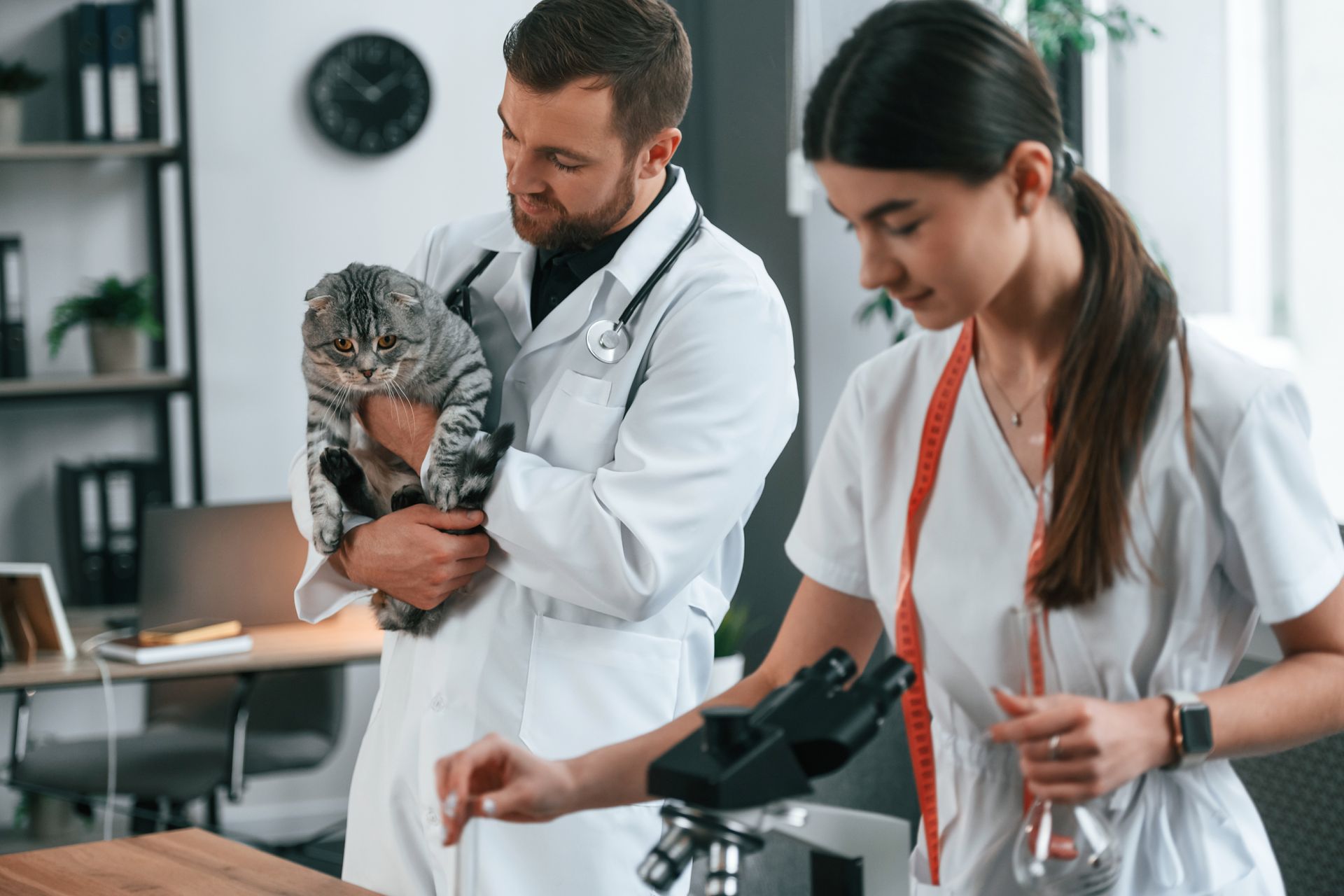
Covers claims tied to your professional services and advice — clinical care, training guidance, and the judgment calls you make daily.
The pet-industry gap
Care, Custody & Control
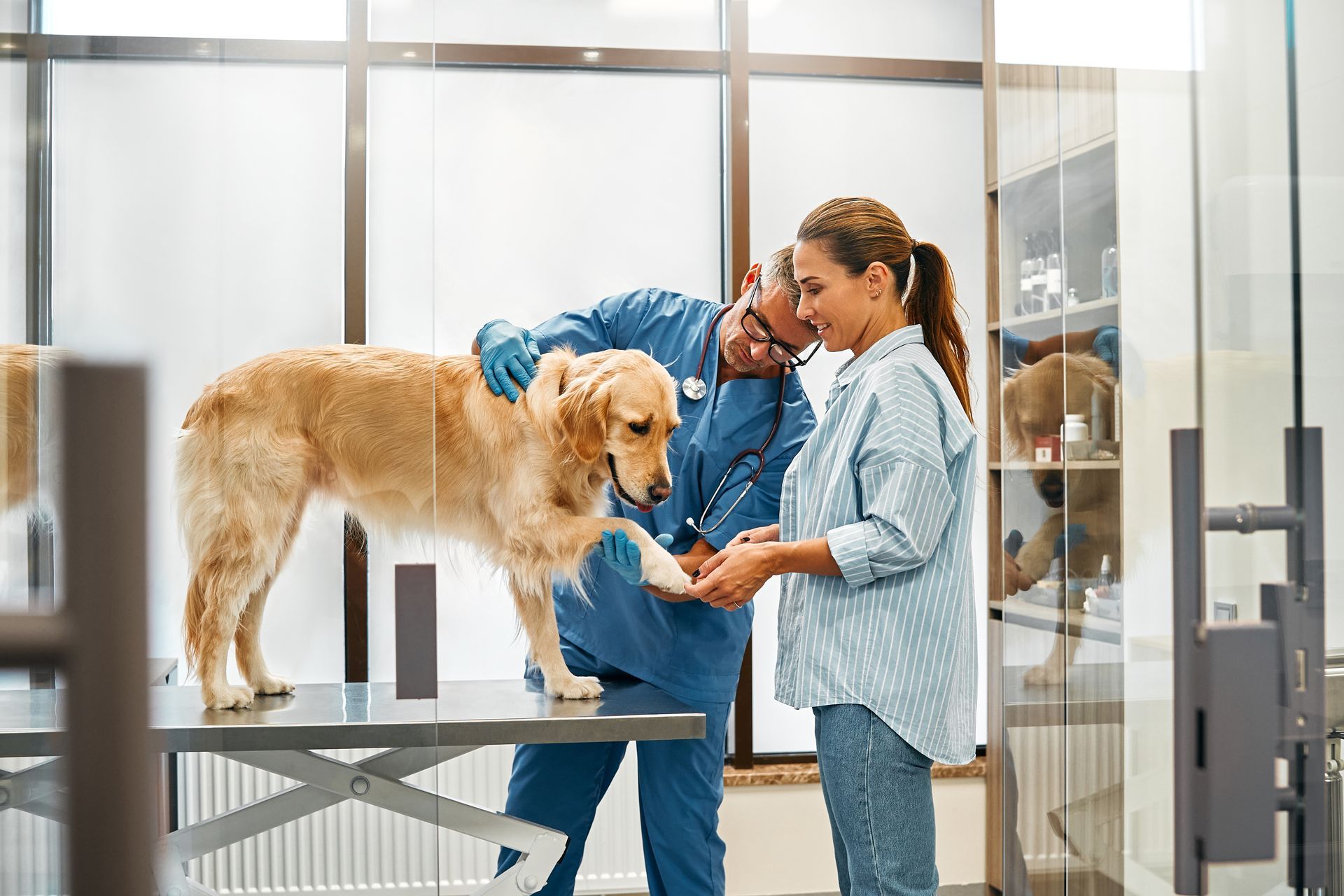
Covers the animals in your charge against injury, illness, or loss — the critical exposure standard liability policies leave out.
Bundled & cost-effective
Business Owners Policy (BOP)
Bundles property and general liability into one package built for small to mid-sized pet businesses — often the simplest base.
Your building & contents
Commercial Property
Protects your building, build-out, equipment, and inventory against fire, theft, and covered losses — front desk to back room.
For your team
Workers’ Compensation
Covers medical costs and lost wages when a team member is hurt on the job — required in most states once you have employees.
Extra protection
Commercial Umbrella
Adds liability limits above your primary policies for catastrophic claims that exceed standard coverage.
Coverage availability and terms vary by carrier and state. We recommend the right mix for your operation once we talk.
Industries we serve
Built for the businesses that care for animals.
General liability is the baseline for every segment we specialize in. Find the page built for your business.
Clinical · high exposure
Veterinarians & Animal Hospitals
Professional and general liability, property, and workers’ comp for clinical operators with high exposure.
Hands-on · small business
Pet Groomers
Practical protection for animal handling, equipment, and the day-to-day of the grooming table, shop or mobile.

Safety-forward · overnight
Doggy Daycare & Boarding
Coverage matched to facilities responsible for animals overnight and all day long.
Our reviews
Trusted by pet professionals.
See what owners say about working with a specialist who already understands their business.
Frequently asked
Questions pet pros ask us.
What kinds of pet businesses do you insure?
We insure businesses across the animal-care industry — veterinarians and animal hospitals, groomers, doggy daycares and boarding facilities, kennels and trainers, pet sitters and dog walkers, and pet stores. We also cover breeders, equine operations, pet transporters, shelters and rescues, pet photographers, and aquariums or wildlife facilities.
If your work involves caring for, handling, or selling animals, there is a strong chance we cover it. Tell us what you do and we will confirm.
What is care, custody, and control coverage, and why does it matter?
Care, custody, and control coverage protects you when an animal in your charge is injured, becomes ill, or is lost while in your care. Standard general liability policies often exclude this exact exposure, which leaves a serious gap for pet businesses.
For groomers, boarders, sitters, and clinics, this is one of the most important coverages you can carry. We make sure it is in place and sized to your operation.
How is an independent agency different from buying direct from a carrier?
A direct carrier sells you its own single policy. As an independent agency, we shop multiple specialty insurers and compare programs to find the coverage that fits your business and budget.
That means you get options instead of one quote, and an advocate who works for you, not the carrier. We also handle the renewals and claims support over the life of your policy.
How fast can I get a quote?
Most clients get quoted within one business day. Our industry-specific intake forms collect the right details up front, so we can take your information straight to the carriers without a long back-and-forth.
Need it sooner? Call a specialist directly at (346) 738-7297 and we will move quickly.
Which states do you serve?
We are licensed and actively writing coverage in 12 states: Connecticut, Delaware, Georgia, Kentucky, Massachusetts, New Jersey, New York, North Carolina, Pennsylvania, South Carolina, Tennessee, and Virginia.
We continue to add states as we grow. If you operate outside this list, reach out and we will let you know our latest footprint.
From the blog
Coverage notes for pet professionals.
Plain-language risk tips and coverage explainers, written for owners — not insurance pros.
Speak with a specialist
Let's find the right coverage for your business.
No quote bots, no funnel. Talk to a real pet-insurance specialist who already understands your operation — and shops multiple markets on your behalf.
Call us
(346) 738-7297
Toll-free 845-250-5366
Email
service@petindustryins.com
Visit Us
8 Joyce Plaza
Stony Point, NY 10980