| Factor | Impact on Premium | What You Can Control |
|---|---|---|
| Business type & services | High — sets your base rate | Accurate classification of what you actually do |
| Foot traffic & premises | High — more visitors, more exposure | Signage, flooring, leash and safety rules |
| Claims history | High — past claims predict future risk | Incident logs and loss-prevention programs |
| Revenue & payroll | Medium — measures exposure size | Accurate reporting at each renewal |
| Coverage limits | Medium — higher limits cost more | Match limits to lease and contract requirements |
Running a pet sitting business in Virginia without proper insurance is like walking a reactive dog without a leash: everything seems fine until it isn't. One escaped cat, one dog bite at a client's home, or one slip on an icy walkway can turn a thriving side hustle into a financial disaster. Virginia's regulatory environment adds its own wrinkles, from county-level business licensing requirements to specific animal control statutes that directly affect how you operate. Whether you're doing daily drop-in visits in Arlington or overnight stays in Virginia Beach, the right insurance coverage isn't just a nice-to-have. It's the foundation that lets you take on clients with confidence, protect your personal assets, and grow your business without one bad incident wiping you out. Professional pet sitting policies in 2026 are expected to meet "Triple-Threat" standards, including $1M per occurrence in general liability, and understanding what that means for your operation is critical before you sign your next client contract. This guide breaks down exactly what Virginia pet sitters need to know about coverage types, costs, compliance requirements, and the specific risks that catch people off guard.
Understanding Pet Sitter Insurance Requirements in Virginia
Virginia doesn't have a single statewide pet sitter license, but that doesn't mean you can operate without any oversight. Most Virginia counties and cities require a business license (sometimes called a BPOL, or Business, Professional, and Occupational License), and the requirements vary significantly depending on where you're based. Fairfax County, for example, requires pet sitters to register through their online BPOL portal before conducting business.
Some localities also have zoning restrictions that affect where and how you can care for animals. Fairfax County publishes specific guidelines on keeping animals that can impact pet sitters who board animals in their own homes. Loudoun County has its own animal-related ordinances that you'll want to review if you operate there.
The insurance piece isn't legally mandated by the state for solo pet sitters, but here's the reality: most clients won't hire you without it, most pet sitting networks require it, and one uninsured incident can bankrupt you. The practical requirement is absolute even if the legal one isn't.
General Liability vs. Professional Liability
General liability covers the basics: bodily injury and property damage that happen during your work. If a dog you're walking lunges at a jogger and knocks them down, or if you accidentally break a client's antique vase during a home visit, general liability responds. Most policies for pet sitters carry $1M per occurrence and $2M aggregate limits.
Professional liability (sometimes called errors and omissions) covers a different category of risk: claims arising from your professional judgment or failure to follow instructions. If a client alleges you gave medication at the wrong time, fed a dog food it was allergic to, or failed to follow specific care instructions that led to an animal's injury, that's a professional liability claim. Many pet sitters assume general liability covers everything, but these are distinct exposures that require separate coverage.
Virginia Business Licensing and Bonding
Beyond the BPOL requirement, some Virginia jurisdictions ask for proof of insurance before issuing your business license. A few also require a surety bond, particularly if you're operating as an LLC that handles client keys or has access to homes. The bond amount is typically modest (often $5,000 to $10,000), but it's one more item on your compliance checklist.
If you're structured as an LLC or corporation in Virginia, you'll file with the State Corporation Commission. Sole proprietors have fewer formation requirements but also fewer liability protections, which makes insurance even more important. The business structure you choose directly affects your personal exposure if something goes wrong.
Essential Coverage Types for VA Pet Professionals
A bare-bones general liability policy leaves significant gaps for pet sitters. The animals in your care represent one of your biggest exposures, and standard general liability policies often exclude damage to property in your care, custody, and control. That's a problem when the "property" is someone's beloved golden retriever.
Care, Custody, and Control (CCC) Coverage
This is the coverage that separates a generic business policy from one built for pet professionals. CCC coverage protects you when an animal in your care is injured, becomes ill, escapes, or dies. Standard general liability policies typically exclude this, which is exactly why pet sitters who buy a generic policy from a general insurance agent often discover they have no coverage when they need it most.
A typical CCC claim might involve a dog that escapes through a gate you didn't realize was broken, gets hit by a car, and requires $8,000 in emergency surgery. Without CCC coverage, you're paying that out of pocket and possibly facing a lawsuit. Pet Professional Insurance Agency works with specialty insurance markets that understand these exposures and build CCC into their pet sitter policies from the start.

Animal Bailee and Veterinary Expense Reimbursement
Animal bailee coverage is closely related to CCC but specifically addresses your legal responsibility as a bailee: someone temporarily entrusted with another person's property (in this case, their pet). Some policies include veterinary expense reimbursement that covers emergency vet bills up to a set limit, regardless of fault. This can be a lifesaver when you need to rush an animal to the vet and don't want to delay treatment while sorting out who's responsible.
The limits on veterinary expense reimbursement matter. A policy with a $2,500 per-animal limit might sound adequate until you're dealing with a foreign body obstruction that costs $6,000 to treat. Look for policies offering at least $5,000 per incident, and understand whether that limit is per animal or per occurrence.
Workers' Compensation for Virginia Staffing
Virginia requires workers' compensation insurance for businesses with three or more employees, including part-time workers. If you've grown beyond solo operations and have staff helping with walks, drop-ins, or overnight stays, you likely need a workers' comp policy. The penalties for non-compliance are steep: fines, potential criminal charges, and personal liability for any workplace injuries.
Even if you're below the three-employee threshold, carrying workers' comp voluntarily protects you from lawsuits by injured employees. Dog bites are the most common on-the-job injury for pet care staff, and a single bite requiring surgery can generate a claim exceeding $50,000.
Cost Factors and Comparison of Coverage Tiers
Pricing for pet sitter insurance in Virginia depends on several factors: your revenue, number of animals you handle, whether you do overnight boarding, whether you transport pets, and your claims history. Solo sitters doing drop-in visits typically pay less than operations running a team of walkers across multiple counties.
Table: Basic Liability vs. Comprehensive Protection
| Coverage Feature | Basic Liability | Comprehensive Protection |
|---|---|---|
| General Liability | $1M per occurrence | $1M per occurrence |
| Professional Liability | Not included | $1M per occurrence |
| Care, Custody, Control | Not included | $5,000-$10,000 per animal |
| Veterinary Expense | Not included | $2,500-$5,000 per incident |
| Animal Bailee | Not included | Included |
| Property Damage (client home) | Included | Included |
| Pet Transportation | Not included | Available as endorsement |
| Approximate Annual Cost | $250-$400 | $450-$900 |
The price difference between basic and comprehensive coverage is often less than $40 per month, which is a fraction of what a single uninsured claim would cost. If you transport pets, you'll also want to look into whether your personal auto policy covers commercial use: most don't. Virginia has specific commercial auto insurance requirements that apply if you're using your vehicle for business purposes, and dedicated pet taxi coverage fills the gap.
Common Questions for Virginia Pet Sitters
FAQ: Coverage Limits, Pricing, and Claims
Do I need insurance if I'm just pet sitting for friends and neighbors? If you're accepting payment, you're running a business. Your homeowner's policy almost certainly excludes business activities, so yes, you need coverage even for informal arrangements.
How quickly can I get a policy in place? Most specialty pet sitter policies can be bound within a few business days. Pet Professional Insurance Agency typically responds within 24-48 hours using intake forms tailored specifically to pet sitting operations.
Will my policy cover me if a dog bites someone on a walk? General liability covers third-party bodily injury, so yes, a dog bite to a passerby during a walk would typically be covered. The dog's injury to you, however, would fall under workers' comp or your personal health insurance.
What happens if a pet dies in my care from a pre-existing condition? This is where service contracts matter. If you documented the pet's health conditions and followed the owner's instructions, your professional liability coverage should respond to any resulting claim. Without documentation, proving you weren't negligent becomes much harder.
Does my coverage extend to employees or subcontractors? Employees are typically covered under your general liability policy. Independent contractors are not, and Virginia is strict about worker classification. Make sure anyone working for you is properly categorized.
Risk Management and Local Compliance
Insurance is only half the equation. Smart risk management reduces the likelihood you'll ever need to file a claim, and it strengthens your position if you do.
Navigating Virginia's Dangerous Dog Laws
Virginia Code § 3.2-6540 defines "dangerous dog" and "vicious dog" with specific criteria and owner responsibilities. As a pet sitter, you need to know whether any dog in your care has been officially designated under these statutes, because caring for a designated dangerous dog without proper precautions exposes you to both liability and potential criminal penalties.
Ask every new client directly whether their dog has any bite history or official designations. Build this question into your intake process. If a dog has been designated dangerous, confirm with your insurance provider that your policy covers the animal before accepting the job.
Service Contracts and Liability Waivers
A solid service contract is your first line of defense. Every Virginia pet sitter should have clients sign an agreement that covers emergency veterinary authorization and spending limits, disclosure of the pet's medical conditions and behavioral issues, your responsibilities and limitations, and a liability waiver for risks inherent to pet care.
Virginia courts generally enforce liability waivers as long as they're clearly written and don't attempt to waive liability for gross negligence. Have a Virginia-licensed attorney review your contract: the $300-$500 you spend on legal review could save you tens of thousands in a dispute. This is not legal advice, and laws vary by jurisdiction, so always consult a qualified attorney for your specific situation.
Making the Right Choice for Your Business
Getting the right insurance for your Virginia pet sitting operation isn't about finding the lowest premium. It's about matching your actual risk profile to coverage that will hold up when something goes wrong. A solo sitter doing three drop-in visits per day has different needs than a five-person team running 40 walks per week across Northern Virginia.
Start by honestly assessing your exposures: Do you transport pets? Board them overnight? Handle aggressive breeds? Work with employees or subcontractors? Each of these factors shapes the policy you need. Pet Professional Insurance Agency specializes in exactly these questions, with deep experience in pet-industry risks like bite liability and care, custody, and control exposures that general insurance agents often overlook.
Index
Pet Professional Insurance Agency is fully licensed and permitted to provide commercial insurance solutions for pet businesses across 12 states.
We proudly serve pet professionals throughout the Northeast, Mid-Atlantic, and Southeast. Powered by Joyce Insurance Agency, our team works with leading specialty carriers — including The Hartford, USLI, Nautilus, and Northland — to make sure veterinarians, groomers, boarding facilities, and pet-care businesses receive coverage that fits their real risks in Connecticut, Delaware, Georgia, Kentucky, Massachusetts, New Jersey, New York, North Carolina, Pennsylvania, South Carolina, Tennessee, and Virginia.
About the author
Barnaby Joyce
Founder, Pet Professional Insurance Agency · Licensed Insurance Producer
I started Pet Professional Insurance Agency because I watched pet businesses get handed generic policies that never fit. After years of placing coverage for veterinary practices, grooming salons, doggy daycares, and kennels through a generalist agency, I saw the same gaps over and over — and the same blank stares when an owner tried to explain care, custody, and control to an agent who had never insured an animal in their life.
So I built an agency that does one thing. I work directly with specialty carriers who actually want pet-industry risk, and I sit down with every client personally. You will not get a call center or a chatbot. You will get someone who already speaks your language and shops the market on your behalf. That is the whole idea.
Recommended coverages
Coverages that pair with general liability.
Most pet businesses build on general liability with the lines below. Explore each — every page cross-links to the
industries we serve.
Services & advice
Professional Liability / E&O
Covers claims tied to your professional services and advice — clinical care, training guidance, and the judgment calls you make daily.
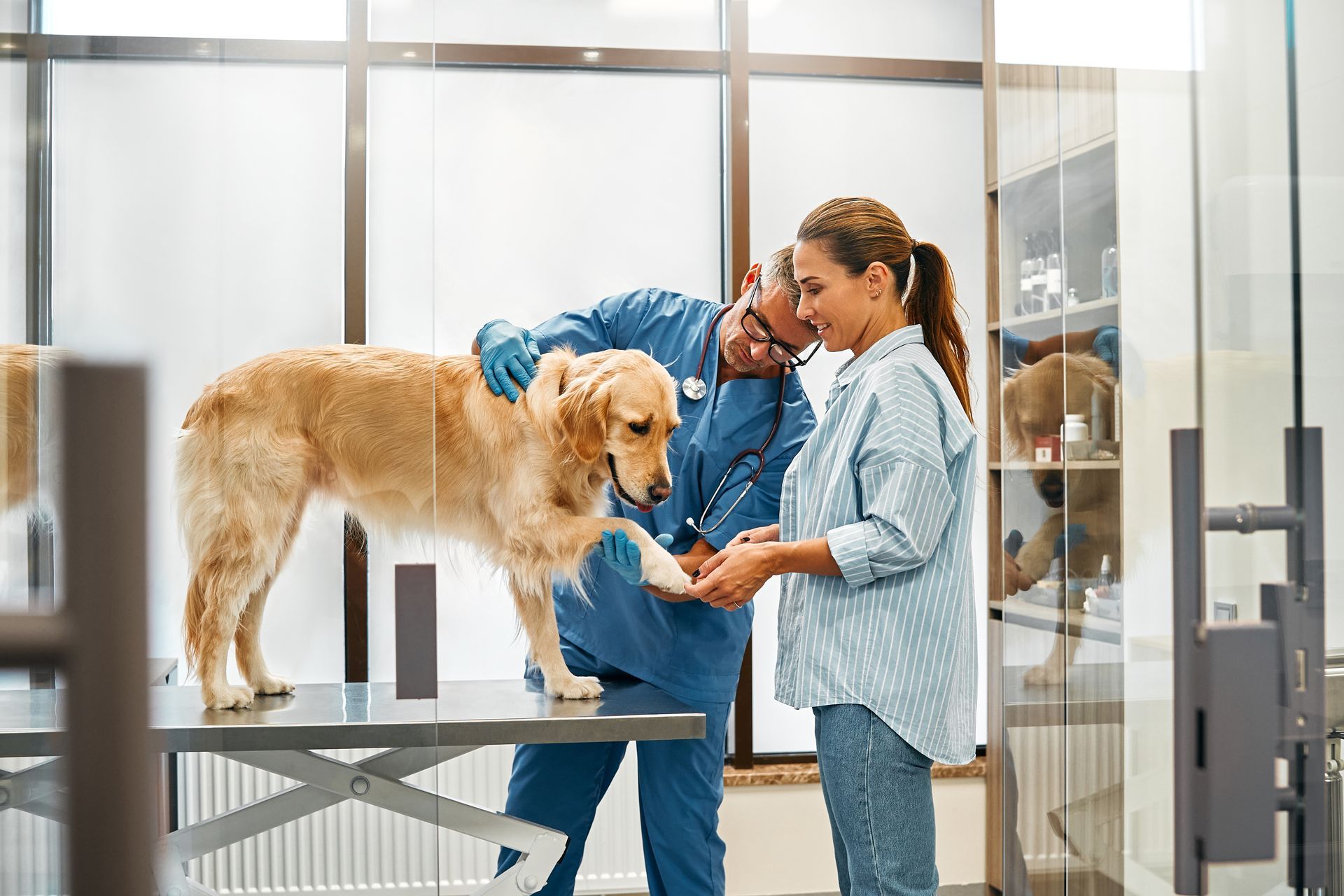
The pet-industry gap
Care, Custody & Control
Covers the animals in your charge against injury, illness, or loss — the critical exposure standard liability policies leave out.
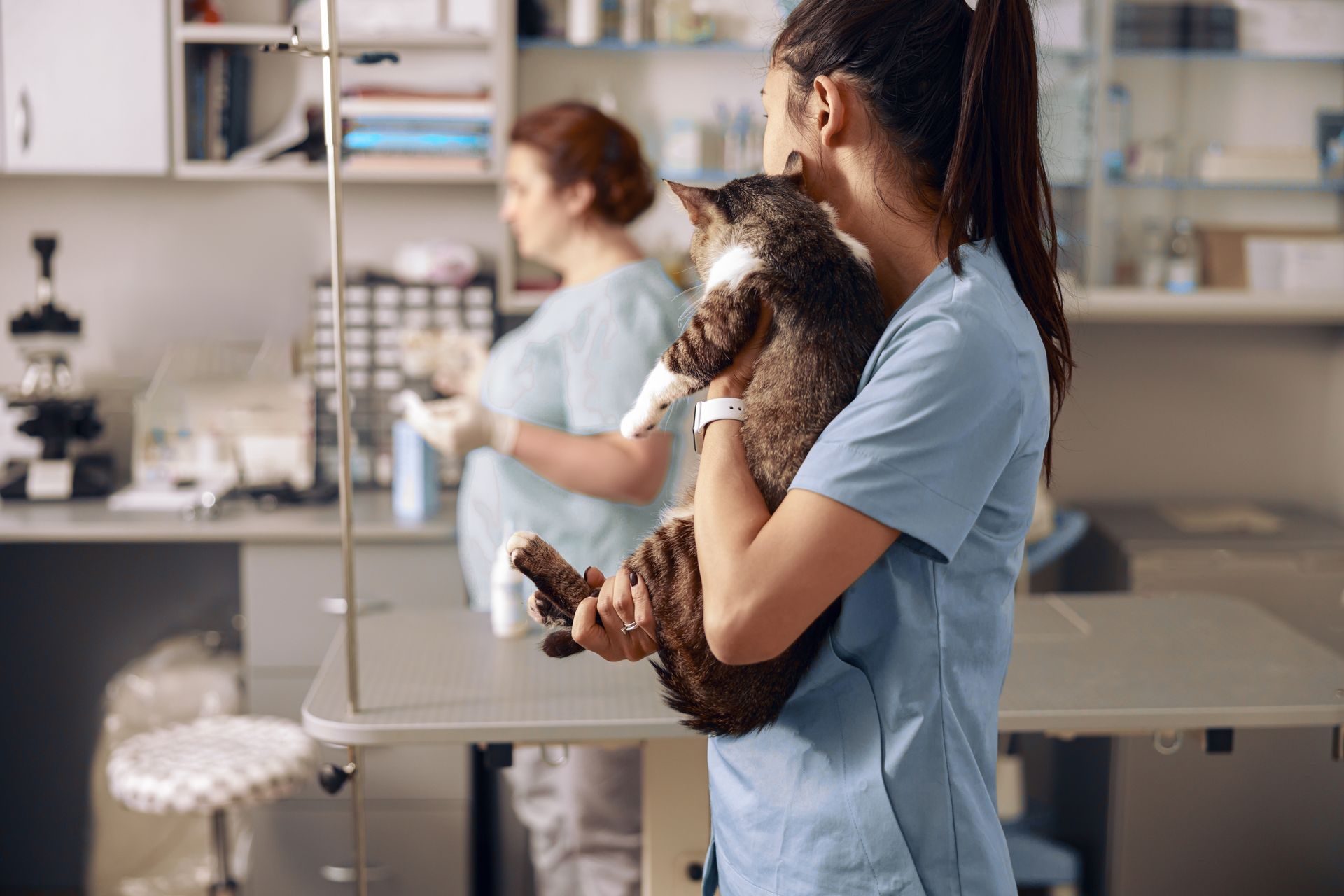
Bundled & cost-effective
Business Owners Policy (BOP)
Bundles property and general liability into one package built for small to mid-sized pet businesses — often the simplest base.
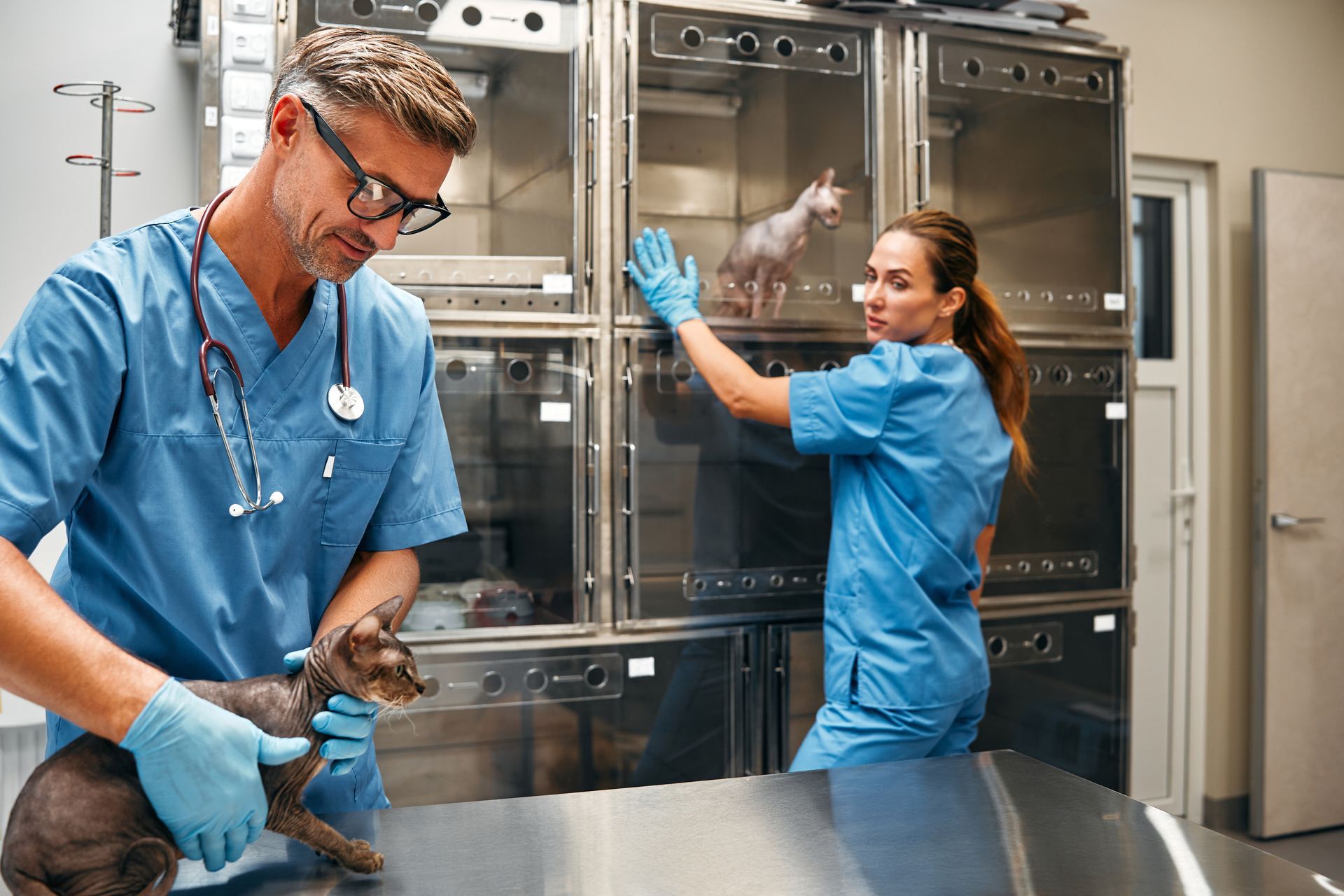
Your building & contents
Commercial Property
Protects your building, build-out, equipment, and inventory against fire, theft, and covered losses — front desk to back room.

For your team
Workers’ Compensation
Covers medical costs and lost wages when a team member is hurt on the job — required in most states once you have employees.
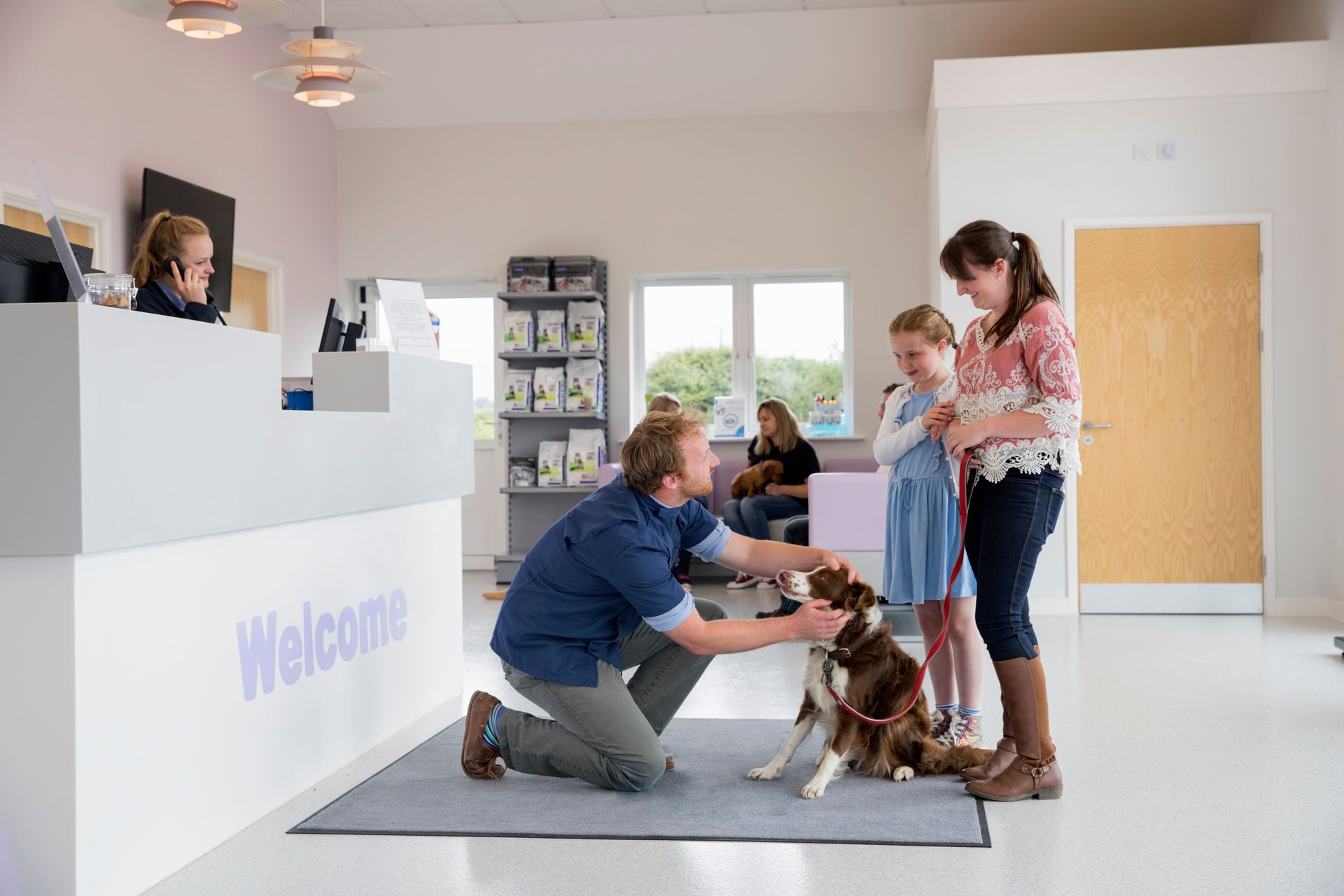
Extra protection
Commercial Umbrella
Adds liability limits above your primary policies for catastrophic claims that exceed standard coverage.
Coverage availability and terms vary by carrier and state. We recommend the right mix for your operation once we talk.
Industries we serve
Built for the businesses that care for animals.
General liability is the baseline for every segment we specialize in. Find the page built for your business.
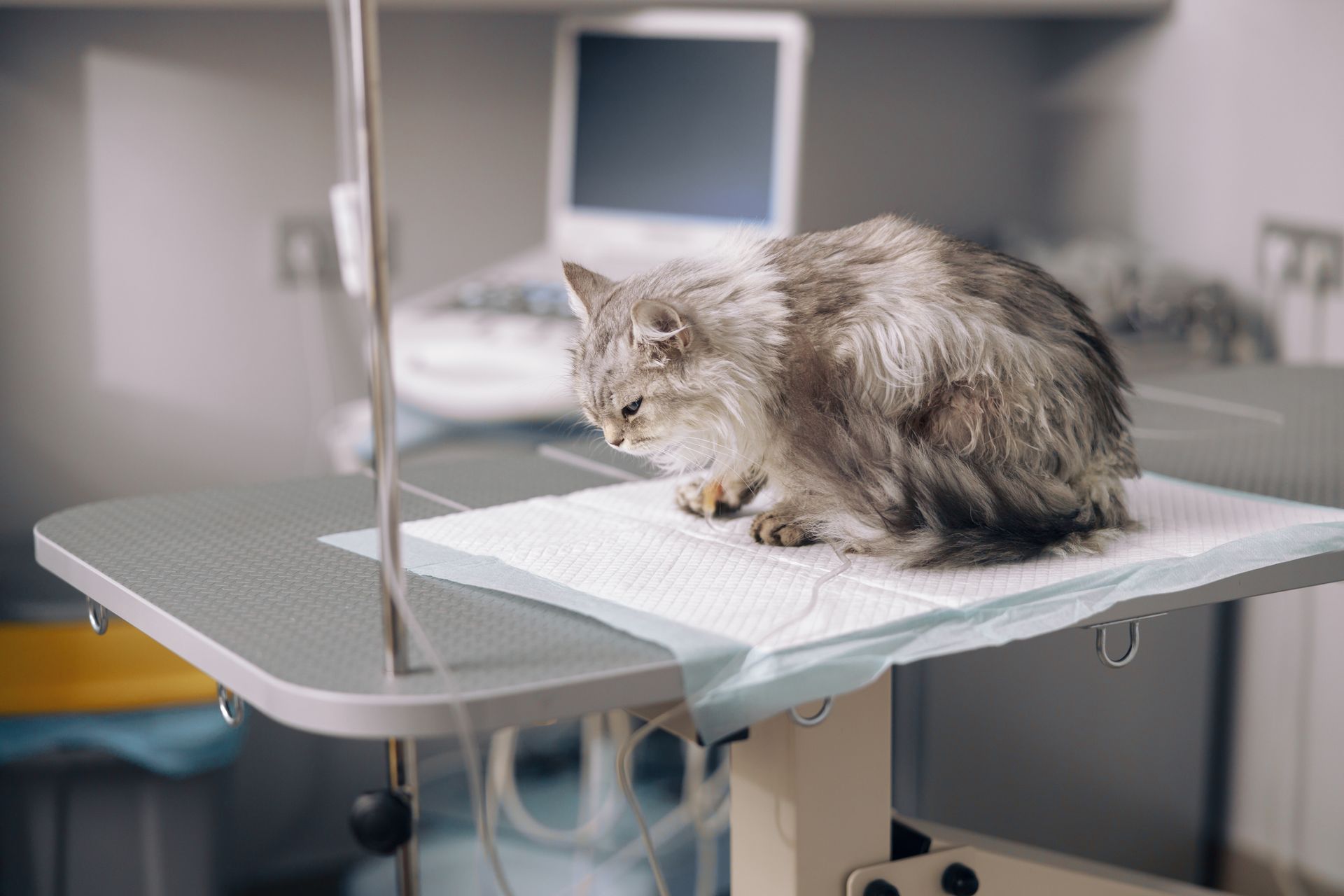
Clinical · high exposure
Veterinarians & Animal Hospitals
Professional and general liability, property, and workers’ comp for clinical operators with high exposure.
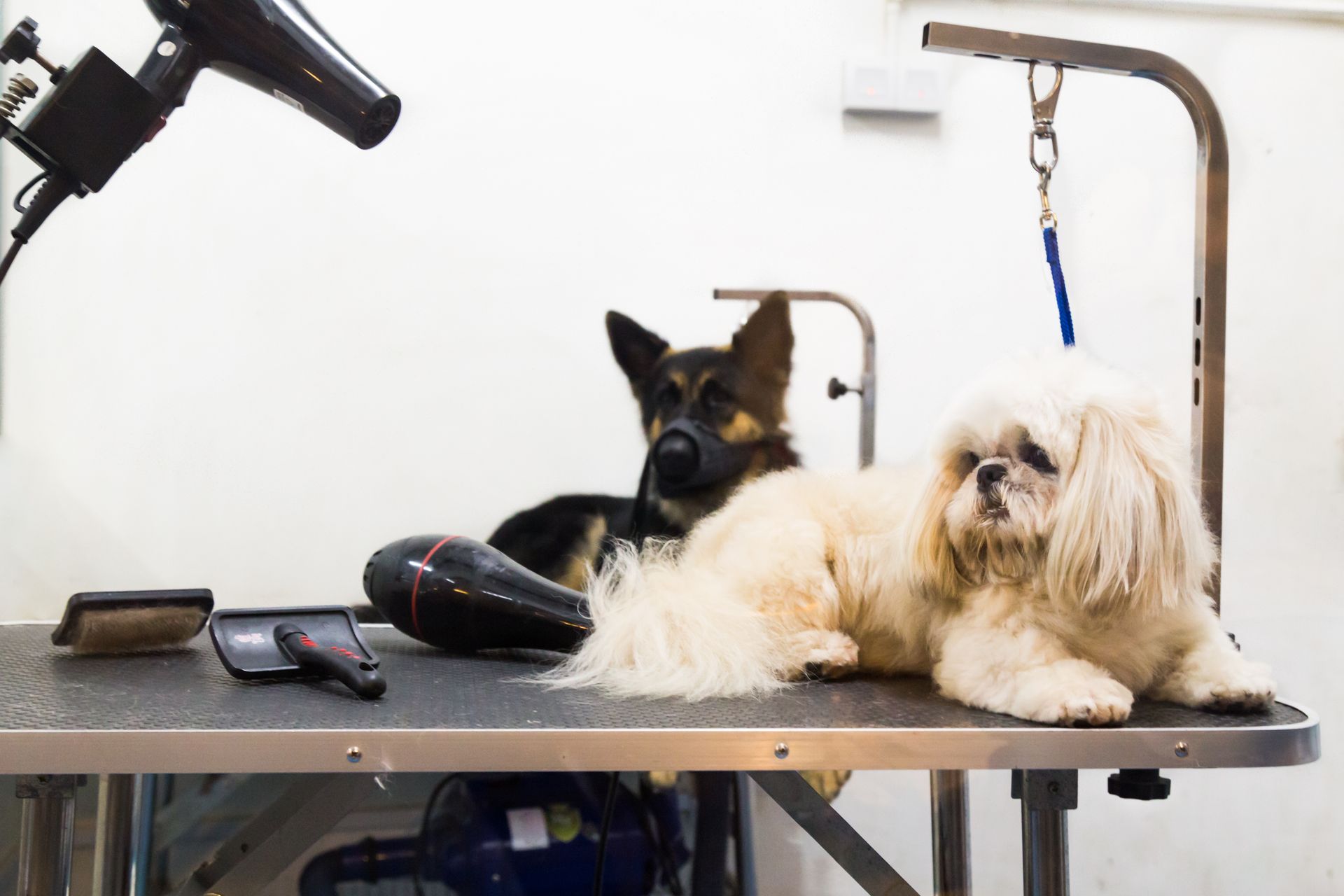
Hands-on · small business
Pet Groomers
Practical protection for animal handling, equipment, and the day-to-day of the grooming table, shop or mobile.

Safety-forward · overnight
Doggy Daycare & Boarding
Coverage matched to facilities responsible for animals overnight and all day long.
Our reviews
Trusted by pet professionals.
See what owners say about working with a specialist who already understands their business.
Frequently asked
Questions pet pros ask us.
What kinds of pet businesses do you insure?
We insure businesses across the animal-care industry — veterinarians and animal hospitals, groomers, doggy daycares and boarding facilities, kennels and trainers, pet sitters and dog walkers, and pet stores. We also cover breeders, equine operations, pet transporters, shelters and rescues, pet photographers, and aquariums or wildlife facilities.
If your work involves caring for, handling, or selling animals, there is a strong chance we cover it. Tell us what you do and we will confirm.
What is care, custody, and control coverage, and why does it matter?
Care, custody, and control coverage protects you when an animal in your charge is injured, becomes ill, or is lost while in your care. Standard general liability policies often exclude this exact exposure, which leaves a serious gap for pet businesses.
For groomers, boarders, sitters, and clinics, this is one of the most important coverages you can carry. We make sure it is in place and sized to your operation.
How is an independent agency different from buying direct from a carrier?
A direct carrier sells you its own single policy. As an independent agency, we shop multiple specialty insurers and compare programs to find the coverage that fits your business and budget.
That means you get options instead of one quote, and an advocate who works for you, not the carrier. We also handle the renewals and claims support over the life of your policy.
How fast can I get a quote?
Most clients get quoted within one business day. Our industry-specific intake forms collect the right details up front, so we can take your information straight to the carriers without a long back-and-forth.
Need it sooner? Call a specialist directly at (346) 738-7297 and we will move quickly.
Which states do you serve?
We are licensed and actively writing coverage in 12 states: Connecticut, Delaware, Georgia, Kentucky, Massachusetts, New Jersey, New York, North Carolina, Pennsylvania, South Carolina, Tennessee, and Virginia.
We continue to add states as we grow. If you operate outside this list, reach out and we will let you know our latest footprint.
From the blog
Coverage notes for pet professionals.
Plain-language risk tips and coverage explainers, written for owners — not insurance pros.

Speak with a specialist
Let's find the right coverage for your business.
No quote bots, no funnel. Talk to a real pet-insurance specialist who already understands your operation — and shops multiple markets on your behalf.
Call us
(346) 738-7297
Toll-free 845-250-5366
Email
service@petindustryins.com
Visit Us
2 Joyce Plaza
Stony Point, NY 10980