Coverage for veterinary practices
Connecticut Pet Store Insurance
Tell us about your business. Your services, size, and how animals and customers move through your operation.
Compare quotes across carriers. We shop multiple specialty markets and present your options in plain language.
Running a pet store in Connecticut means juggling animal welfare regulations, retail liabilities, and the unpredictable reality of housing live animals under one roof. A parrot bites a customer. A burst pipe floods your fish tanks overnight. A grooming accident leads to a lawsuit. These aren't hypothetical scenarios: they're the kinds of claims pet retailers actually file. Getting the right insurance coverage for your CT pet store operation isn't just about checking a regulatory box. It's about protecting a business that faces risks most general retailers never encounter. The combination of live animal inventory, hands-on services like grooming, and foot traffic from families with small children creates a risk profile that generic commercial policies simply weren't designed to handle. Connecticut also has its own set of state-specific requirements that affect what coverage you need and how much you'll pay. Pet shops in CT must comply with specific regulations governing animal sales and facility standards, and the insurance implications of those rules often catch new owners off guard. Whether you're opening your first location or reviewing an existing policy, understanding the coverage landscape here can save you from an expensive surprise down the road.
Essential Insurance Coverages for Connecticut Pet Retailers
Pet stores sit at a unique intersection of retail, animal care, and sometimes professional services. That means your insurance program needs to address several categories of risk simultaneously. A standard business owner's policy might cover your building and general liability, but it likely won't account for the value of live animals in your care, the professional exposure from grooming services, or the specific bite liability that comes with selling reptiles, birds, or small mammals.
The right coverage package for a CT pet retailer typically includes general liability, commercial property, animal bailee coverage, professional liability (if you offer grooming or training), and workers' compensation. Some stores also need inland marine coverage for mobile inventory or event setups. The key is building a program that reflects what actually happens inside your store every day, not just what a generic application assumes.
General Liability and Animal Bailee Protection
General liability is the foundation. It covers third-party bodily injury and property damage claims: a customer who slips on a wet floor, a child who gets scratched by a kitten, or damage to someone's personal property while they're in your store. For pet retailers, bite incidents are a real and recurring exposure. Connecticut courts have held pet store operators to a high standard of care when it comes to animal handling, so your GL limits matter.
Animal bailee coverage is where things get industry-specific. If a customer drops off their dog for grooming or boarding and the animal is injured, becomes ill, or escapes while in your care, standard GL won't cover the animal's value or the resulting veterinary bills. Animal bailee (sometimes called care, custody, and control coverage) fills that gap. This is one of the most commonly overlooked coverages among pet retailers, and it's one of the most frequently triggered. Working with a specialty agency like Pet Professional Insurance Agency, which understands these exposures, can help you avoid gaps that a general insurance agent might miss entirely.
Commercial Property and Inventory Insurance
Your building, fixtures, signage, and equipment all need protection under a commercial property policy. But here's where pet stores differ from a typical retail shop: your inventory is alive. Standard property insurance values inventory at cost, which works fine for bags of dog food and leashes. Live animals, though, require a different approach.
Some policies exclude live animals from property coverage entirely. Others include them but cap the per-animal or aggregate value at amounts that won't come close to replacing a tank full of saltwater fish or a collection of purebred puppies. You need to confirm exactly how your policy handles livestock valuation, and whether mortality from illness, power outages, or HVAC failure is covered. Connecticut's weather can be unpredictable: a winter ice storm that knocks out power for 48 hours can devastate an aquatics department.
Professional Liability for Grooming and Training Services
If your store offers grooming, training classes, or nutritional consultations, you're exposed to professional liability claims. A grooming injury, an allergic reaction to a product used during a bath, or advice that leads to a negative health outcome for an animal can all trigger a claim. General liability won't cover these because they arise from the professional service itself, not from premises-related negligence.
Professional liability (sometimes called errors and omissions) covers the cost of defending against these claims and any resulting settlements. Even if a claim is frivolous, defense costs alone can run into five figures. Connecticut pet retailers offering grooming should treat this coverage as non-negotiable.
Connecticut State Compliance and Mandatory Requirements
Connecticut has a specific regulatory framework for pet shops that goes beyond what most states require. Understanding these rules isn't optional: non-compliance can result in fines, license revocation, or increased liability exposure if something goes wrong. Your CT business compliance checklist should include insurance requirements alongside licensing and operational standards.
Workers' Compensation Laws for CT Small Businesses
Connecticut requires workers' compensation coverage for virtually all employers, with very few exceptions. If you have even one employee, you need a workers' comp policy. This isn't negotiable, and the penalties for non-compliance are steep: fines of up to $50,000 and potential criminal charges for willful violations.
Pet store employees face above-average injury risks. Animal bites, scratches, heavy lifting (try moving a 50-gallon aquarium), and repetitive strain from grooming are all common. Your workers' comp rates will reflect these exposures. Classification codes for pet store employees differ from general retail, and getting the right code assigned to your policy matters because it directly affects your premium.
Surety Bonds and Licensing Regulations
Connecticut requires pet shop operators to obtain a license from the Department of Agriculture, and the application process includes demonstrating adequate insurance coverage. Some municipalities also require a surety bond, which guarantees that you'll comply with local ordinances and animal welfare standards.
The bonding requirements vary by town, so check with your local clerk's office. Pet retailers selling dogs in Connecticut also face scrutiny under state regulations that restrict certain sales practices, particularly around sourcing from large-scale commercial breeders. Recent legislative activity, including testimony from pet store owners opposing proposed restrictions and industry advocacy groups, signals that these rules may continue to evolve. Staying current on legislative changes is part of responsible risk management.
Comparing Standard vs. Enhanced Coverage Limits
Not all policies are created equal, and the difference between standard and enhanced coverage can be dramatic when a claim hits. Here's a quick comparison of what typical coverage tiers look like for a Connecticut pet retailer:
| Coverage Area | Standard Policy | Enhanced Policy |
|---|---|---|
| General Liability | $1M per occurrence / $2M aggregate | $2M per occurrence / $4M aggregate |
| Animal Bailee | $5,000 per animal / $25,000 aggregate | $10,000 per animal / $50,000 aggregate |
| Commercial Property | Actual cash value | Replacement cost |
| Professional Liability | Not included | $1M per occurrence |
| Business Interruption | 30-day waiting period | 72-hour waiting period |
| Live Animal Mortality | Excluded or limited | Included with illness/accident |
The premium difference between these tiers might be $1,500 to $3,000 annually, but a single significant claim can make that gap look trivial. Pet Professional Insurance Agency works with multiple specialty insurance markets, which means they can often find enhanced coverage at competitive rates that a single-carrier agent can't match.
Factors Influencing Insurance Premiums in CT
Your premium isn't pulled from thin air. Underwriters evaluate a specific set of risk factors to determine what you'll pay. Understanding these factors gives you some control over your costs.
Location Risks and Local Weather Considerations
A pet store in downtown Hartford faces different risks than one in a rural shoreline town. Urban locations typically see higher liability premiums due to foot traffic volume and theft exposure. Coastal locations, especially along the Long Island Sound, carry flood and wind risks that can significantly increase property premiums. Connecticut's position in the Northeast also means ice storms, nor'easters, and power outages are real threats to stores housing temperature-sensitive animals.
If your store is in a flood zone, you'll likely need a separate flood policy through the NFIP or a private flood market. Standard commercial property policies exclude flood damage. This is a detail that trips up many new store owners.
Livestock Volume and Specialty Species Coverage
The number and type of animals you stock directly affects your premium. A store that sells only fish and small rodents presents a very different risk profile than one selling large parrots, reptiles, or puppies. Exotic species often require higher animal bailee limits and may trigger exclusions in standard policies.
Underwriters also look at your animal care protocols, veterinary relationships, and mortality history. Stores with documented care procedures, regular vet inspections, and low mortality rates can often negotiate better terms. Pet-care-specific insurers understand these nuances in ways that general commercial carriers typically don't.
Common Questions About Pet Store Insurance
Does Connecticut require pet stores to carry liability insurance? The state licensing process through the Department of Agriculture requires proof of adequate insurance. Specific minimum limits aren't always spelled out in statute, but operating without liability coverage would be reckless from both a legal and financial standpoint.
Will my policy cover animals that die from a power outage? Only if you have live animal mortality coverage that includes equipment breakdown or utility interruption. Most standard property policies exclude this. Ask your agent specifically about this scenario.
How quickly can I get a policy in place for a new store? Through a specialty agency like Pet Professional Insurance Agency, most applications receive a response within 24 to 48 hours. Their intake forms are tailored specifically to pet retail operations, which speeds up the underwriting process.
Do I need separate coverage for an in-store grooming station? Yes, in most cases. Grooming creates professional liability exposure that general liability doesn't cover. A standalone professional liability endorsement or policy is the standard approach.
What happens if a customer's pet is injured while visiting my store? Your general liability policy would typically respond to this claim, covering the customer's veterinary costs and any legal defense if they sue. The key is having adequate per-occurrence limits.
Are online pet supply sales covered under my store policy? Usually yes for product liability, but you should confirm that your policy includes e-commerce operations. Shipping-related claims and product liability for items sold online may need specific endorsement.
Your Next Steps for Securing Your Shop
Insurance for a Connecticut pet store isn't something you can set up with a five-minute online form and forget about. The combination of live animal inventory, professional services, state licensing requirements, and weather-related property risks demands a thoughtful, industry-specific approach. Skimping on coverage to save a few hundred dollars a year is a gamble that rarely pays off.
Start by auditing your current exposures: what animals do you stock, what services do you offer, how many employees do you have, and what does your lease require? Then talk to an agent who actually understands pet retail. Pet Professional Insurance Agency specializes in exactly this type of coverage and can match your operation with the right markets. Reach out for a consultation, and you'll typically hear back within a day or two.
Index
Pet Professional Insurance Agency is fully licensed and permitted to provide commercial insurance solutions for pet businesses across 12 states.
We proudly serve pet professionals throughout the Northeast, Mid-Atlantic, and Southeast. Powered by Joyce Insurance Agency, our team works with leading specialty carriers — including The Hartford, USLI, Nautilus, and Northland — to make sure veterinarians, groomers, boarding facilities, and pet-care businesses receive coverage that fits their real risks in Connecticut, Delaware, Georgia, Kentucky, Massachusetts, New Jersey, New York, North Carolina, Pennsylvania, South Carolina, Tennessee, and Virginia.
Pet Insurance By City
About the author
Barnaby Joyce
Founder, Pet Professional Insurance Agency · Licensed Insurance Producer
I started Pet Professional Insurance Agency because I watched pet businesses get handed generic policies that never fit. After years of placing coverage for veterinary practices, grooming salons, doggy daycares, and kennels through a generalist agency, I saw the same gaps over and over — and the same blank stares when an owner tried to explain care, custody, and control to an agent who had never insured an animal in their life.
So I built an agency that does one thing. I work directly with specialty carriers who actually want pet-industry risk, and I sit down with every client personally. You will not get a call center or a chatbot. You will get someone who already speaks your language and shops the market on your behalf. That is the whole idea.
Recommended coverages
Coverages that pair with general liability.
Most pet businesses build on general liability with the lines below. Explore each — every page cross-links to the
industries we serve.
Services & advice
Professional Liability / E&O
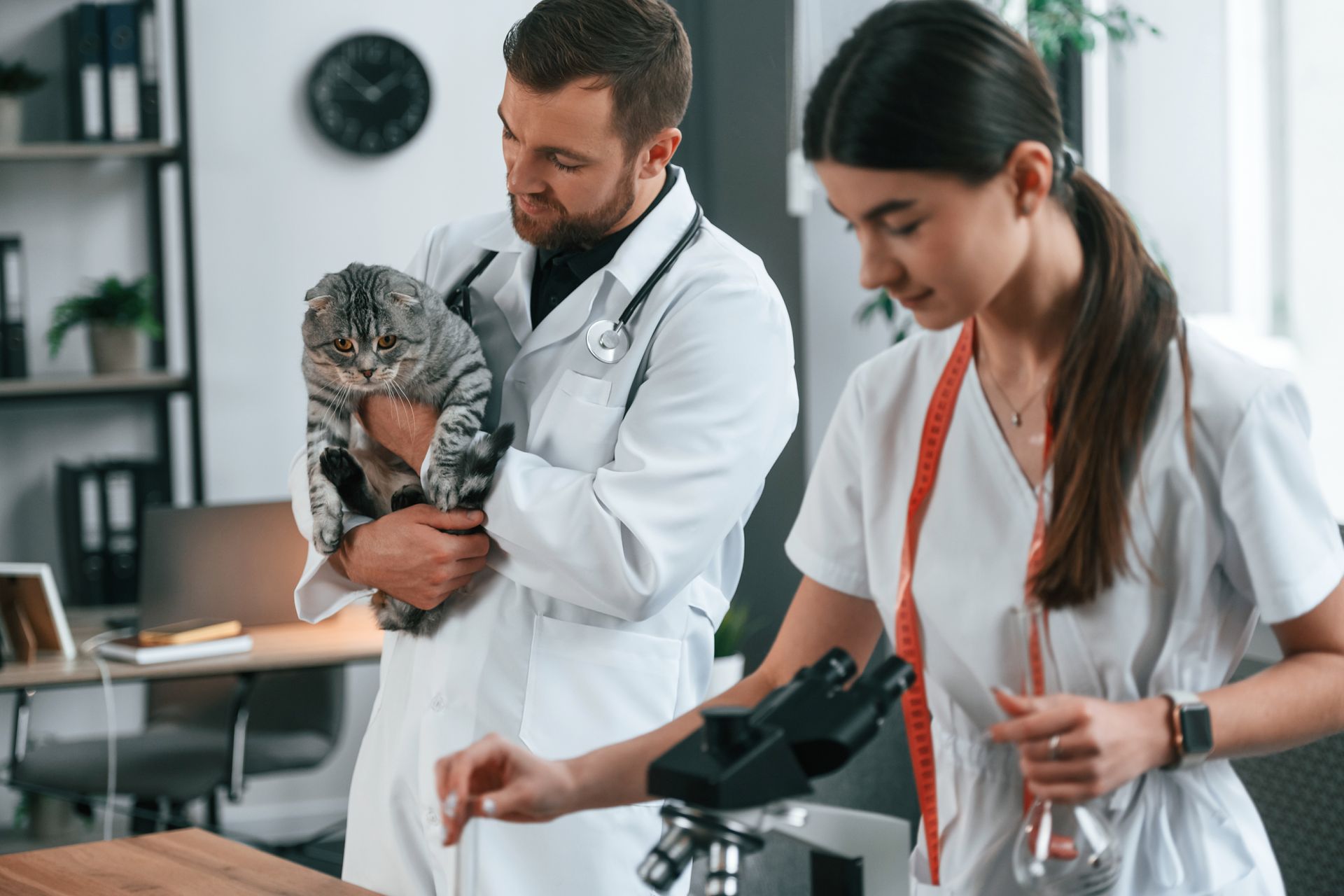
Covers claims tied to your professional services and advice — clinical care, training guidance, and the judgment calls you make daily.
The pet-industry gap
Care, Custody & Control
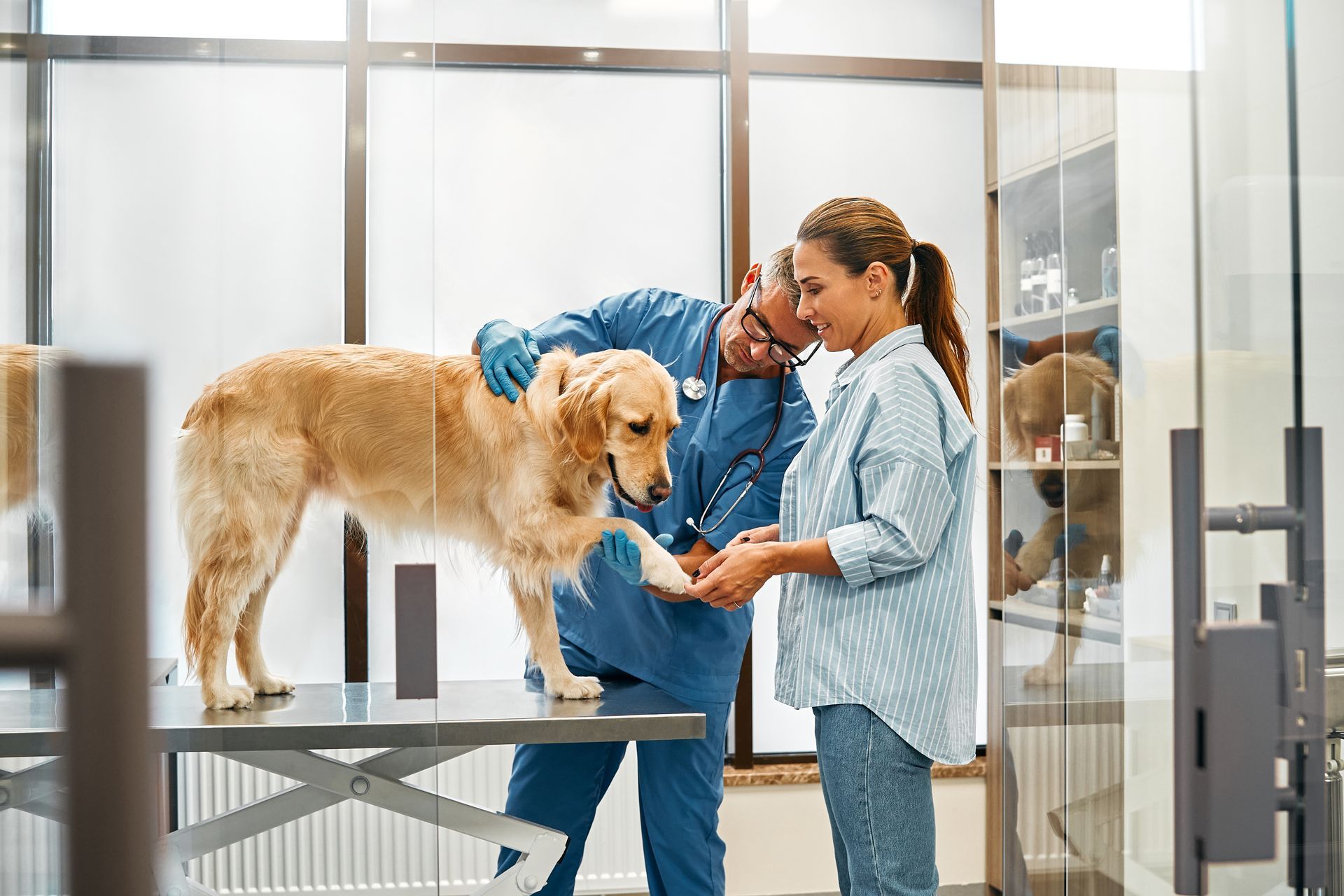
Covers the animals in your charge against injury, illness, or loss — the critical exposure standard liability policies leave out.
Bundled & cost-effective
Business Owners Policy (BOP)
Bundles property and general liability into one package built for small to mid-sized pet businesses — often the simplest base.
Your building & contents
Commercial Property
Protects your building, build-out, equipment, and inventory against fire, theft, and covered losses — front desk to back room.
For your team
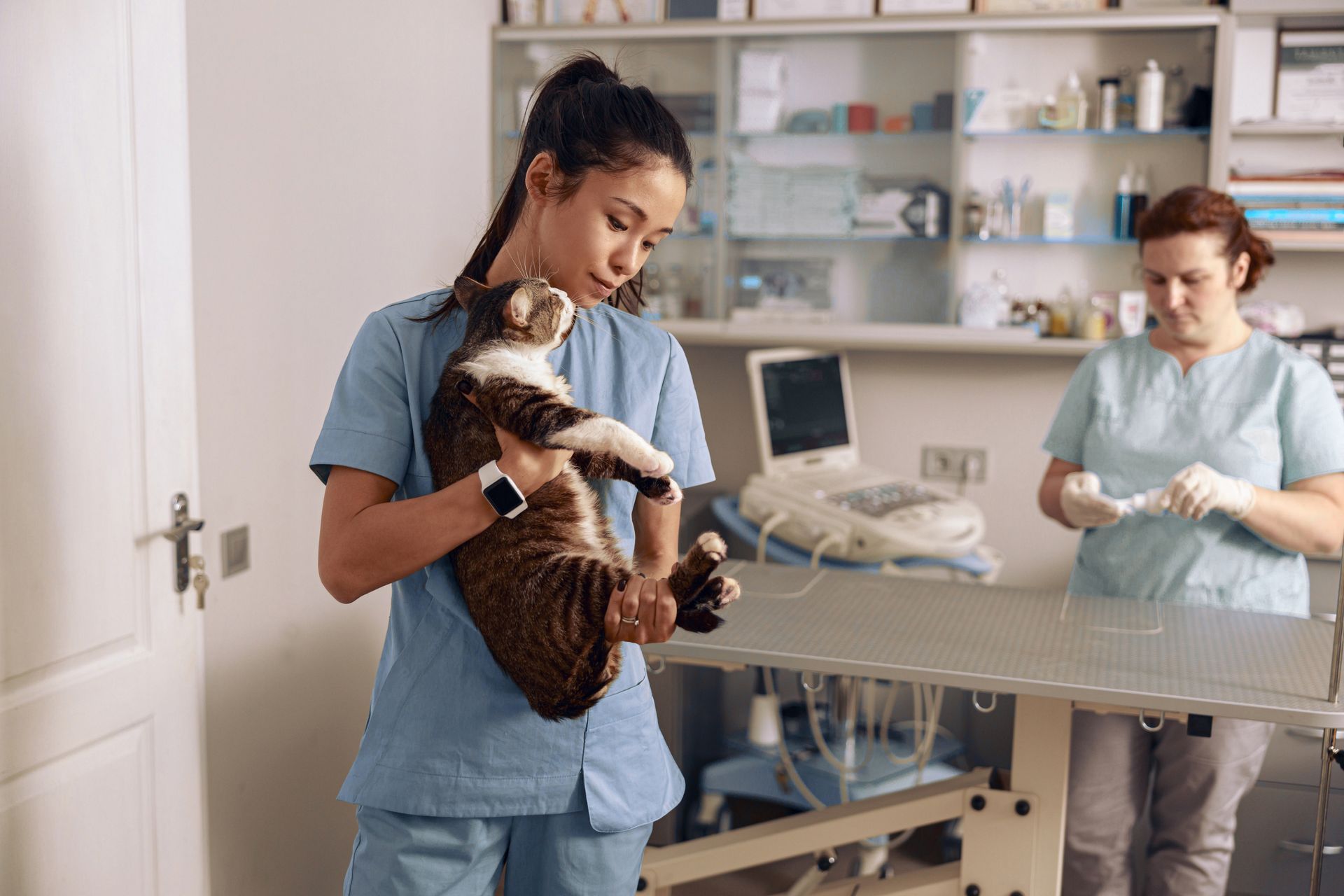
Workers’ Compensation
Covers medical costs and lost wages when a team member is hurt on the job — required in most states once you have employees.
Extra protection
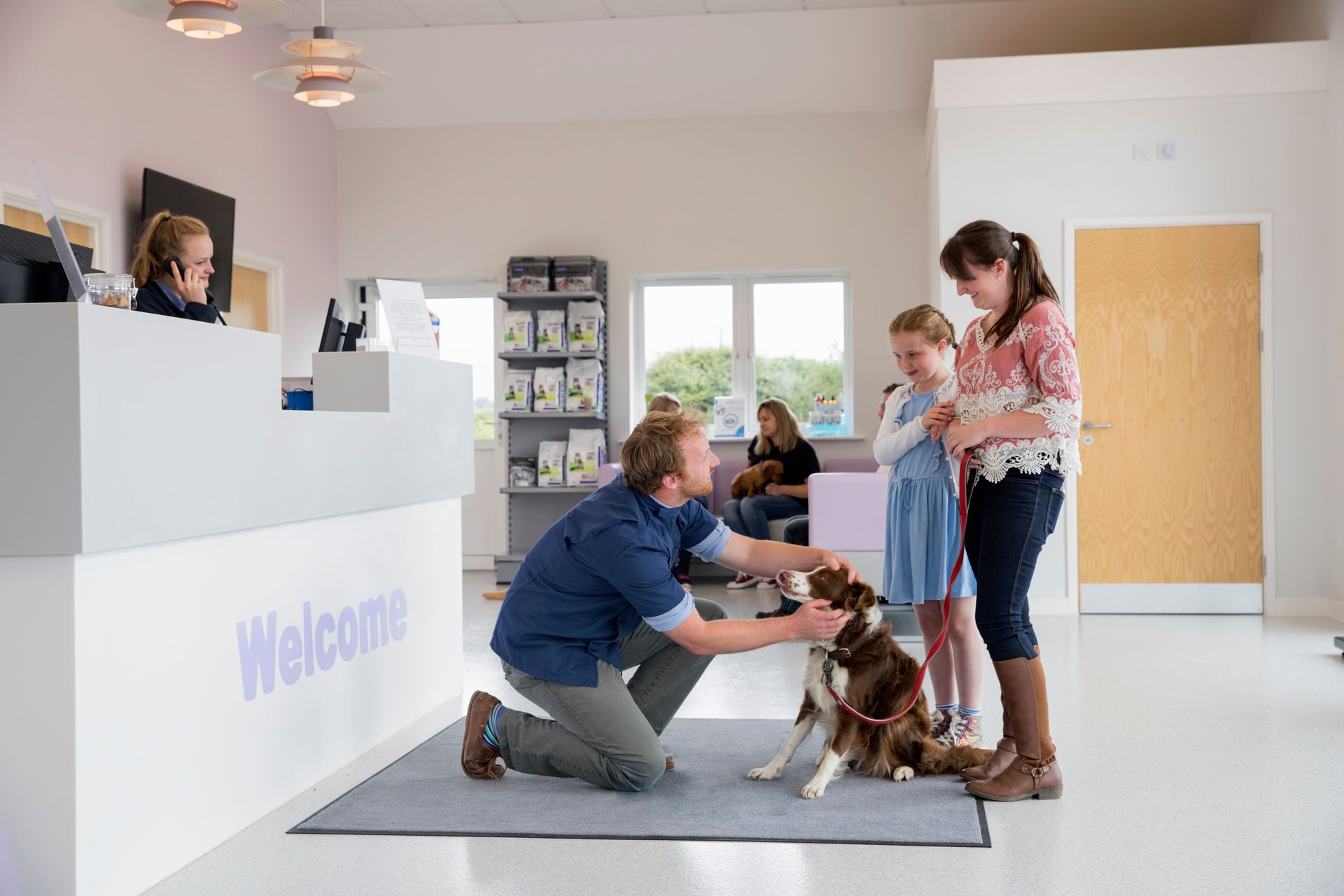
Commercial Umbrella
Adds liability limits above your primary policies for catastrophic claims that exceed standard coverage.
Coverage availability and terms vary by carrier and state. We recommend the right mix for your operation once we talk.
Industries we serve
Built for the businesses that care for animals.
General liability is the baseline for every segment we specialize in. Find the page built for your business.
Clinical · high exposure
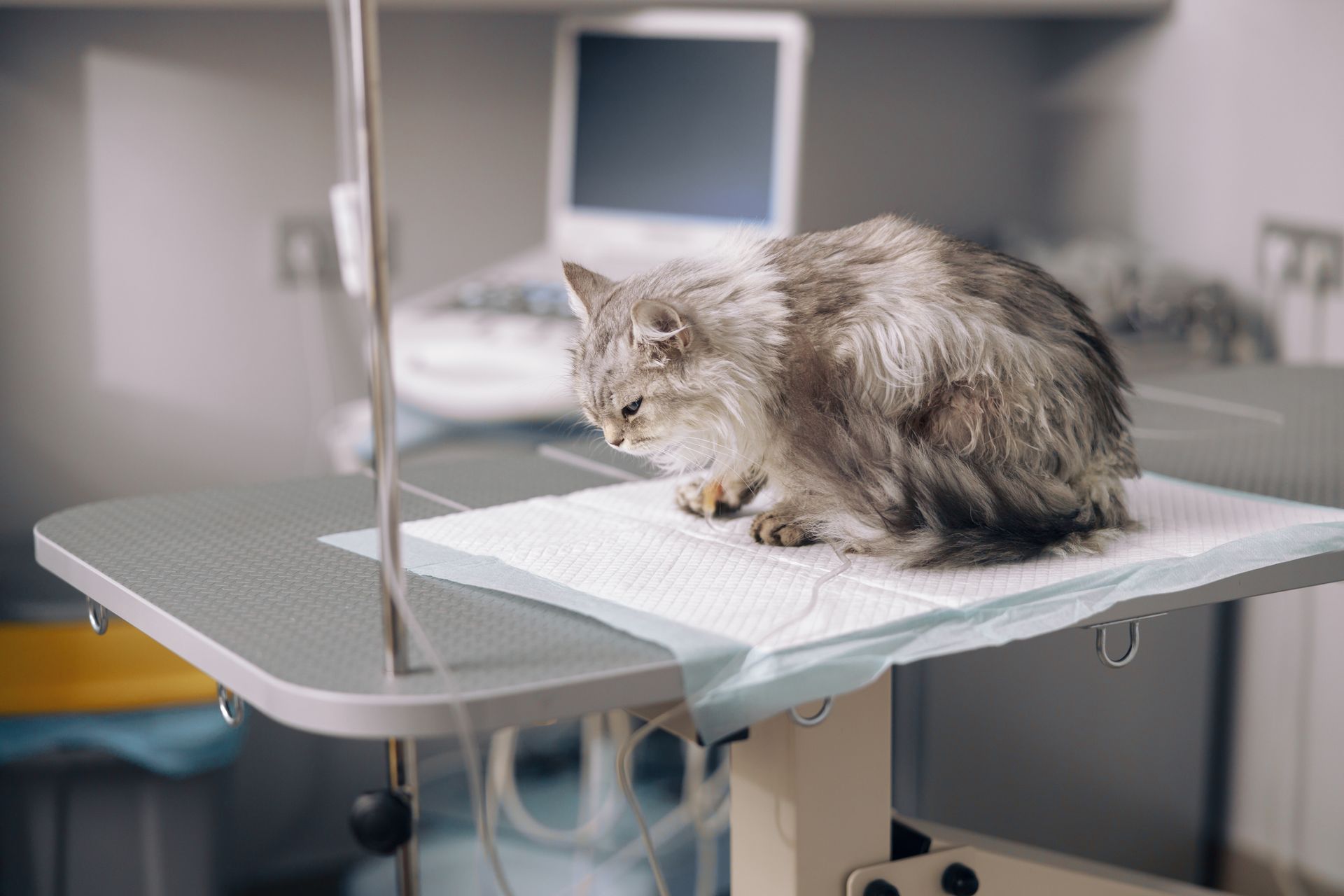
Veterinarians & Animal Hospitals
Professional and general liability, property, and workers’ comp for clinical operators with high exposure.
Hands-on · small business
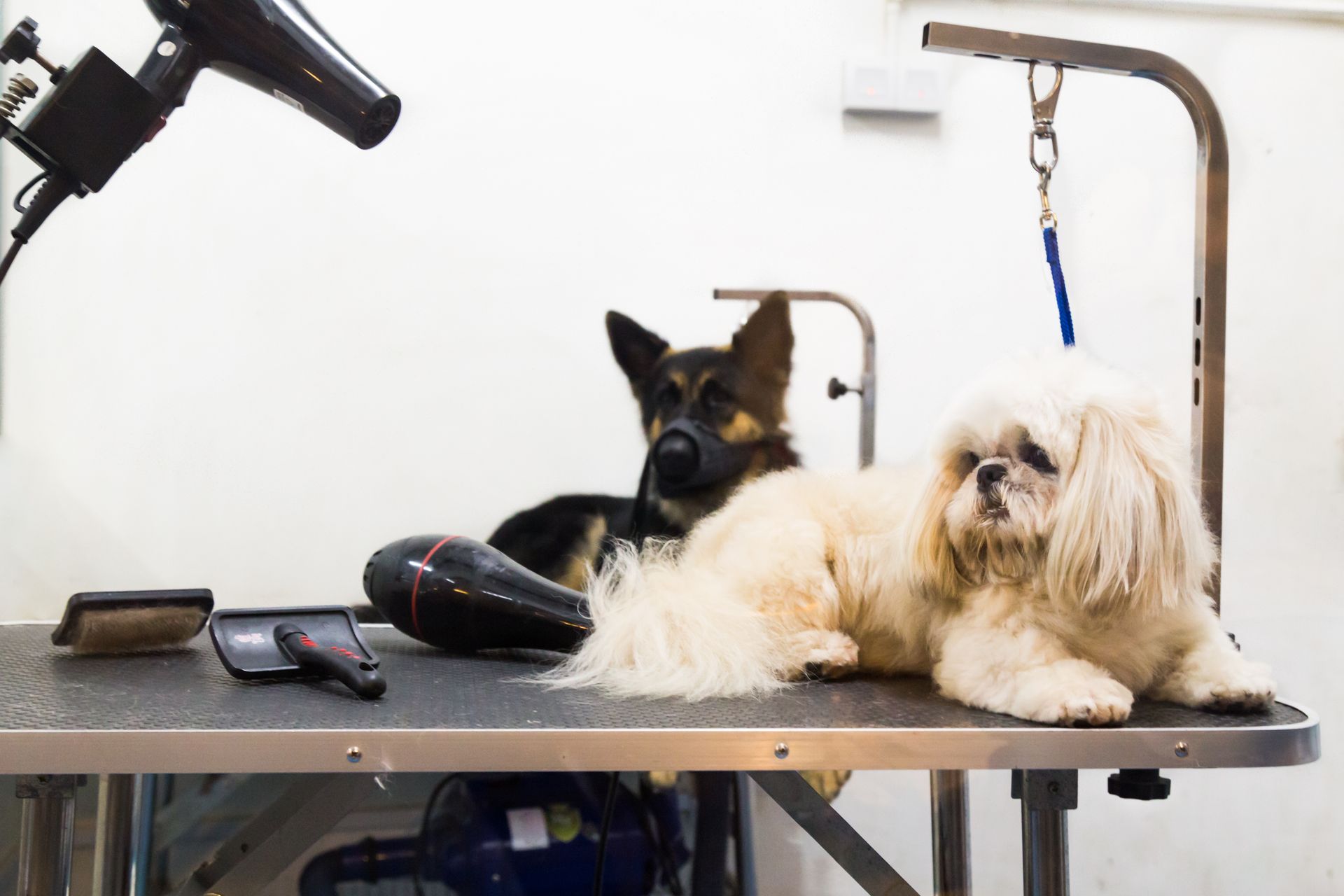
Pet Groomers
Practical protection for animal handling, equipment, and the day-to-day of the grooming table, shop or mobile.
Safety-forward · overnight
Doggy Daycare & Boarding
Coverage matched to facilities responsible for animals overnight and all day long.
Our reviews
Trusted by pet professionals.
See what owners say about working with a specialist who already understands their business.
Frequently asked
Questions pet pros ask us.
What kinds of pet businesses do you insure?
We insure businesses across the animal-care industry — veterinarians and animal hospitals, groomers, doggy daycares and boarding facilities, kennels and trainers, pet sitters and dog walkers, and pet stores. We also cover breeders, equine operations, pet transporters, shelters and rescues, pet photographers, and aquariums or wildlife facilities.
If your work involves caring for, handling, or selling animals, there is a strong chance we cover it. Tell us what you do and we will confirm.
What is care, custody, and control coverage, and why does it matter?
Care, custody, and control coverage protects you when an animal in your charge is injured, becomes ill, or is lost while in your care. Standard general liability policies often exclude this exact exposure, which leaves a serious gap for pet businesses.
For groomers, boarders, sitters, and clinics, this is one of the most important coverages you can carry. We make sure it is in place and sized to your operation.
How is an independent agency different from buying direct from a carrier?
A direct carrier sells you its own single policy. As an independent agency, we shop multiple specialty insurers and compare programs to find the coverage that fits your business and budget.
That means you get options instead of one quote, and an advocate who works for you, not the carrier. We also handle the renewals and claims support over the life of your policy.
How fast can I get a quote?
Most clients get quoted within one business day. Our industry-specific intake forms collect the right details up front, so we can take your information straight to the carriers without a long back-and-forth.
Need it sooner? Call a specialist directly at (346) 738-7297 and we will move quickly.
Which states do you serve?
We are licensed and actively writing coverage in 12 states: Connecticut, Delaware, Georgia, Kentucky, Massachusetts, New Jersey, New York, North Carolina, Pennsylvania, South Carolina, Tennessee, and Virginia.
We continue to add states as we grow. If you operate outside this list, reach out and we will let you know our latest footprint.
From the blog
Coverage notes for pet professionals.
Plain-language risk tips and coverage explainers, written for owners — not insurance pros.
Speak with a specialist
Let's find the right coverage for your business.
No quote bots, no funnel. Talk to a real pet-insurance specialist who already understands your operation — and shops multiple markets on your behalf.
Call us
(346) 738-7297
Toll-free 845-250-5366
Email
service@petindustryins.com
Visit Us
2 Joyce Plaza
Stony Point, NY 10980