Coverage for veterinary practices
North Carolina Animal Rescue Insurance
Running an animal rescue in North Carolina has never been more scrutinized. Disciplinary actions against NC animal shelters more than tripled in 2025, with 22 recorded actions compared to just seven the year before. That kind of regulatory pressure doesn't just affect county-run facilities: it trickles down to private rescues, foster networks, and nonprofit organizations across the state. If you're operating a rescue without the right insurance coverage, you're exposed in ways that could shut you down overnight. A single dog bite at an adoption event, a volunteer injury during transport, or a lawsuit from a disgruntled adopter can drain your funds faster than any vet bill. Animal rescue insurance in North Carolina isn't optional anymore: it's the foundation that lets you keep doing the work you care about. The challenge is figuring out what coverage you actually need, what it costs, and how to stay compliant with state law. NC rescue operations face a unique mix of regulatory requirements, liability exposures, and staffing complications that general business policies simply don't address. This guide breaks down the specific coverages, compliance obligations, and cost factors that matter for rescues operating in North Carolina in 2026.
North Carolina State Regulations for Animal Rescues
North Carolina's regulatory framework for animal rescues sits at the intersection of agriculture law, nonprofit governance, and animal welfare statutes. The state has been tightening enforcement, and the NC Department of Agriculture now conducts detailed shelter inspections that evaluate everything from sanitation to record-keeping. Private rescues that accept surrendered animals or pull from municipal shelters are increasingly subject to the same scrutiny. Understanding these regulations isn't just about avoiding fines: many insurance carriers require proof of compliance before they'll write a policy.
NC Animal Welfare Act and Licensing Requirements
The Animal Welfare Act in North Carolina requires any organization that houses, boards, or transfers animals to hold a valid Animal Welfare License issued by the NC Department of Agriculture. This applies to rescues operating out of dedicated facilities, but foster-based rescues can fall into gray areas depending on the number of animals housed at a single location. The licensing process involves facility inspections, veterinary care protocols, and documentation of every animal in your care.
Rescues that solicit donations also need to register with the NC Secretary of State's office. North Carolina's charitable solicitation requirements carry real penalties for noncompliance, including fines and loss of tax-exempt status. Your insurance agent should understand these layers because a lapse in licensing can void certain policy provisions.
Mandatory Workers' Compensation for Nonprofits
Here's something that catches a lot of rescue founders off guard: North Carolina requires workers' compensation coverage for any employer with three or more employees. Nonprofit status doesn't exempt you. If your rescue has a paid shelter manager, a part-time vet tech, and an administrative coordinator, you need a workers' comp policy. The penalties for operating without one include personal liability for the organization's directors and potential criminal charges.
Volunteers generally aren't covered under workers' comp, which creates its own set of problems. A volunteer who gets bitten during intake or trips over a kennel gate has limited recourse unless your general liability policy explicitly covers volunteer injuries. This gap is one of the most common coverage mistakes we see among NC rescue operations.
Core Insurance Coverages for NC Rescues
The insurance needs of an animal rescue don't map neatly onto a standard business policy. You're dealing with live animals, unpaid workers, foster homes you don't own, and public-facing events where anything can happen. Here's what a proper coverage package looks like.
General Liability and Animal Bailee Coverage
General liability is the backbone of any rescue insurance program. It covers third-party bodily injury and property damage: think a visitor getting knocked down by an excited dog at your facility, or a foster animal destroying a landlord's property. Most policies for rescues should carry at least $1 million per occurrence and $2 million aggregate.
Animal bailee coverage is the piece that protects animals in your care, custody, and control. If a foster dog needs emergency surgery after escaping a yard, or a cat in your facility is injured due to equipment failure, bailee coverage pays for veterinary treatment. Standard general liability doesn't cover this. Pet Professional Insurance Agency works with specialty insurance markets that understand these distinctions and can build policies tailored specifically to rescue operations.
Professional Liability for Veterinary and Training Services
If your rescue employs or contracts with veterinarians, vet techs, or behavioral trainers, you need professional liability coverage. This protects against claims of negligence, errors in treatment, or failure to disclose a known behavioral issue before adoption. A rescue that places a dog with a documented bite history and doesn't disclose it to the adopter is sitting on a professional liability claim.
With pet insurance rate changes in 2026 affecting how adopters handle post-adoption veterinary costs, more people are filing claims when newly adopted animals have undisclosed health conditions. Your professional liability policy is what stands between a complaint and a lawsuit.
Directors and Officers (D&O) Protection
D&O insurance protects your board members and executive leadership from personal liability arising from decisions they make on behalf of the organization. A former board member suing over alleged mismanagement of funds, an employee claiming wrongful termination, or a regulatory action alleging governance failures: all of these fall under D&O coverage. Most rescue founders serve on their own boards, which means personal assets are at stake without this protection.
Comparison: Basic vs. Comprehensive Rescue Coverage
| Coverage Area | Basic Policy | Comprehensive Policy |
|---|---|---|
| General Liability | $1M per occurrence | $1M-$2M per occurrence |
| Animal Bailee | Not included | Included with vet cost limits |
| Professional Liability | Not included | Included for vet/training services |
| D&O Coverage | Not included | Included |
| Volunteer Coverage | Limited or excluded | Covered under GL endorsement |
| Foster Home Liability | Not included | Extended premises coverage |
| Hired/Non-Owned Auto | Not included | Included for transport |
| Event Liability | Excluded | Included for adoption events |
A basic policy might cost less upfront, but the gaps are significant. Most rescues that experience a serious claim find out too late that their coverage didn't extend to the situation that actually happened.
Factors Influencing Insurance Costs in North Carolina
Adoption Volume and Animal Type Risks
Your annual adoption volume directly affects your premium. A rescue placing 50 animals per year pays less than one placing 500. The types of animals matter too: organizations handling exotic species, large breed dogs, or animals with known behavioral issues face higher rates. North Carolina's pet overpopulation crisis means many rescues are handling higher volumes than ever, which pushes premiums upward.
Breed-specific considerations also play a role. Rescues that specialize in breeds commonly associated with bite claims may see surcharges or exclusions from certain carriers. A specialty agency like Pet Professional Insurance Agency can shop multiple markets to find carriers that don't penalize breed-focused rescues unfairly.
Volunteer vs. Employee Staffing Levels
The ratio of volunteers to paid employees affects both your general liability and workers' comp costs. A rescue with 50 active volunteers and two employees has a very different risk profile than one with 10 employees and no volunteers. Volunteers create liability exposure without the structured protections that employment law provides.
Training documentation matters here. If you can demonstrate that volunteers complete safety training, sign liability waivers, and follow standardized handling protocols, some carriers will offer reduced rates. Keep those records: they're worth real money at renewal time.
Risk Management and Compliance Strategies
Foster Home Safety Inspections and Agreements
Foster homes are an extension of your rescue, and they're one of your biggest liability exposures. Every foster should sign a written agreement that outlines care expectations, prohibited activities (like taking the animal to off-leash parks), and liability allocation. Pre-placement home inspections should check for secure fencing, safe containment areas, and the absence of hazards.
Document everything. Photos of the foster home, signed agreements, and regular check-in notes create a paper trail that protects you if something goes wrong. Insurers look favorably on rescues with formal foster programs because they demonstrate proactive risk management.
Bite Protocols and Incident Reporting
Every rescue needs a written bite protocol. This includes immediate response steps, documentation requirements, reporting to local animal control, and communication with the injured party. North Carolina law requires that biting animals be quarantined for 10 days, and failure to comply can result in both regulatory penalties and insurance claim denials.
Recent legislative activity around animal welfare standards signals that NC lawmakers are paying closer attention to how rescues handle dangerous animals. Having a documented bite protocol isn't just smart risk management: it may soon be a regulatory requirement. Report every incident to your insurance carrier promptly, even if it seems minor. Late reporting is one of the most common reasons claims get denied.
Common Questions About NC Rescue Insurance
Do foster-based rescues need insurance if they don't have a physical facility? Yes. Liability follows the animal, not the building. If a foster dog bites a neighbor, your rescue is likely named in the lawsuit regardless of where the animal was housed.
How much does rescue insurance typically cost in North Carolina? Annual premiums for a small to mid-size rescue generally range from $800 to $3,000, depending on animal volume, species, staffing, and coverage limits. Larger operations with facilities and employees can pay significantly more.
Does our 501(c)(3) status affect our insurance requirements? Nonprofit status doesn't reduce your insurance obligations. It actually adds the need for D&O coverage to protect board members and may trigger charitable registration requirements that affect your compliance standing.
Are we covered if a volunteer gets injured? Not automatically. Workers' comp typically excludes volunteers, so you need a general liability policy with a volunteer coverage endorsement or a separate accident policy for volunteers.
Can we get coverage for adoption events at public venues? Yes, but you may need an event-specific endorsement or a certificate of insurance naming the venue as an additional insured. Plan ahead: most carriers need at least a week's notice.
The Bottom Line for Your Rescue Operation
Insurance for NC animal rescue operations isn't a luxury: it's the thing that keeps your doors open when something goes sideways. The regulatory environment is tightening, public scrutiny is increasing, and the financial consequences of operating without proper coverage are severe. Start with general liability and animal bailee coverage, then build out professional liability, D&O, and volunteer protections based on your specific operation.
Don't try to piece this together with a general business policy from an agent who doesn't understand animal care. Pet Professional Insurance Agency specializes in coverage for rescues and other pet-care businesses, with intake forms designed for your specific operation type and access to multiple specialty markets. Most clients hear back within 24 to 48 hours and work directly with their agent: no call centers, no runaround.
Get your coverage right so you can focus on the animals. That's the whole point.
Index
Pet Professional Insurance Agency is fully licensed and permitted to provide commercial insurance solutions for pet businesses across 12 states.
We proudly serve pet professionals throughout the Northeast, Mid-Atlantic, and Southeast. Powered by Joyce Insurance Agency, our team works with leading specialty carriers — including The Hartford, USLI, Nautilus, and Northland — to make sure veterinarians, groomers, boarding facilities, and pet-care businesses receive coverage that fits their real risks in Connecticut, Delaware, Georgia, Kentucky, Massachusetts, New Jersey, New York, North Carolina, Pennsylvania, South Carolina, Tennessee, and Virginia.
About the author
Barnaby Joyce
Founder, Pet Professional Insurance Agency · Licensed Insurance Producer
I started Pet Professional Insurance Agency because I watched pet businesses get handed generic policies that never fit. After years of placing coverage for veterinary practices, grooming salons, doggy daycares, and kennels through a generalist agency, I saw the same gaps over and over — and the same blank stares when an owner tried to explain care, custody, and control to an agent who had never insured an animal in their life.
So I built an agency that does one thing. I work directly with specialty carriers who actually want pet-industry risk, and I sit down with every client personally. You will not get a call center or a chatbot. You will get someone who already speaks your language and shops the market on your behalf. That is the whole idea.
Recommended coverages
Coverages that pair with general liability.
Most pet businesses build on general liability with the lines below. Explore each — every page cross-links to the
industries we serve.
Services & advice
Professional Liability / E&O
Covers claims tied to your professional services and advice — clinical care, training guidance, and the judgment calls you make daily.
The pet-industry gap
Care, Custody & Control
Covers the animals in your charge against injury, illness, or loss — the critical exposure standard liability policies leave out.
Bundled & cost-effective
Business Owners Policy (BOP)
Bundles property and general liability into one package built for small to mid-sized pet businesses — often the simplest base.
Your building & contents
Commercial Property
Protects your building, build-out, equipment, and inventory against fire, theft, and covered losses — front desk to back room.
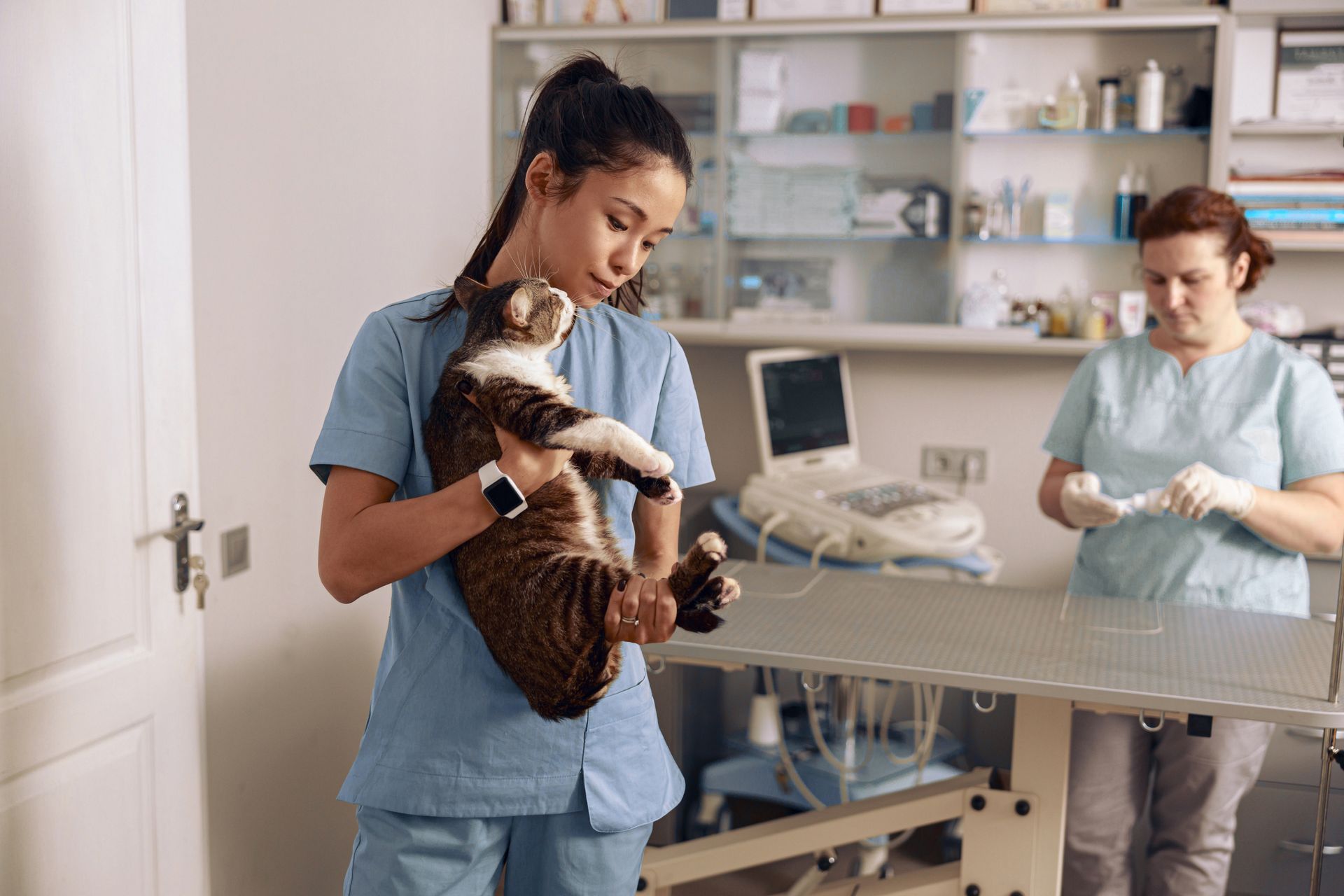
For your team
Workers’ Compensation
Covers medical costs and lost wages when a team member is hurt on the job — required in most states once you have employees.
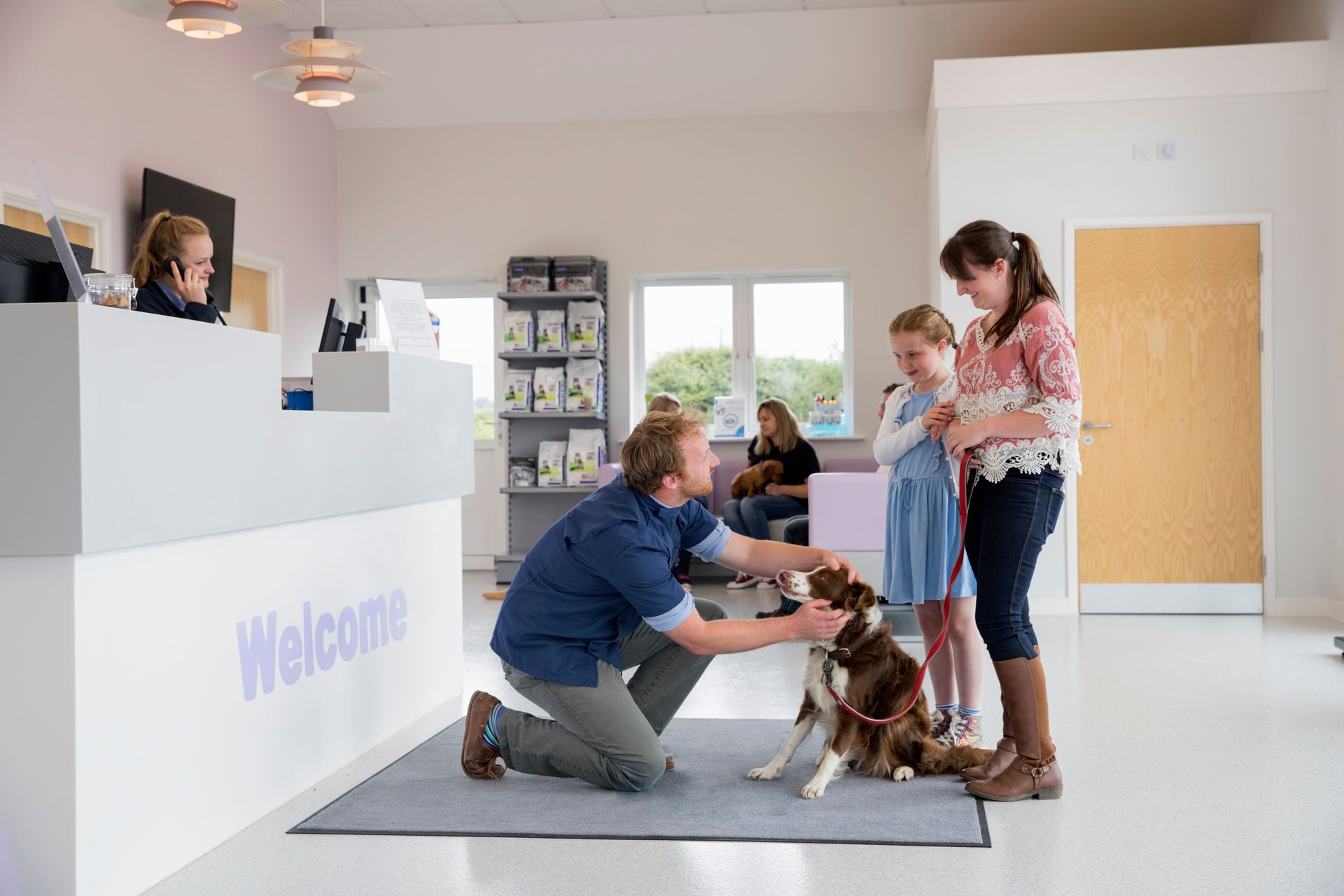
Extra protection
Commercial Umbrella
Adds liability limits above your primary policies for catastrophic claims that exceed standard coverage.
Coverage availability and terms vary by carrier and state. We recommend the right mix for your operation once we talk.
Industries we serve
Built for the businesses that care for animals.
General liability is the baseline for every segment we specialize in. Find the page built for your business.
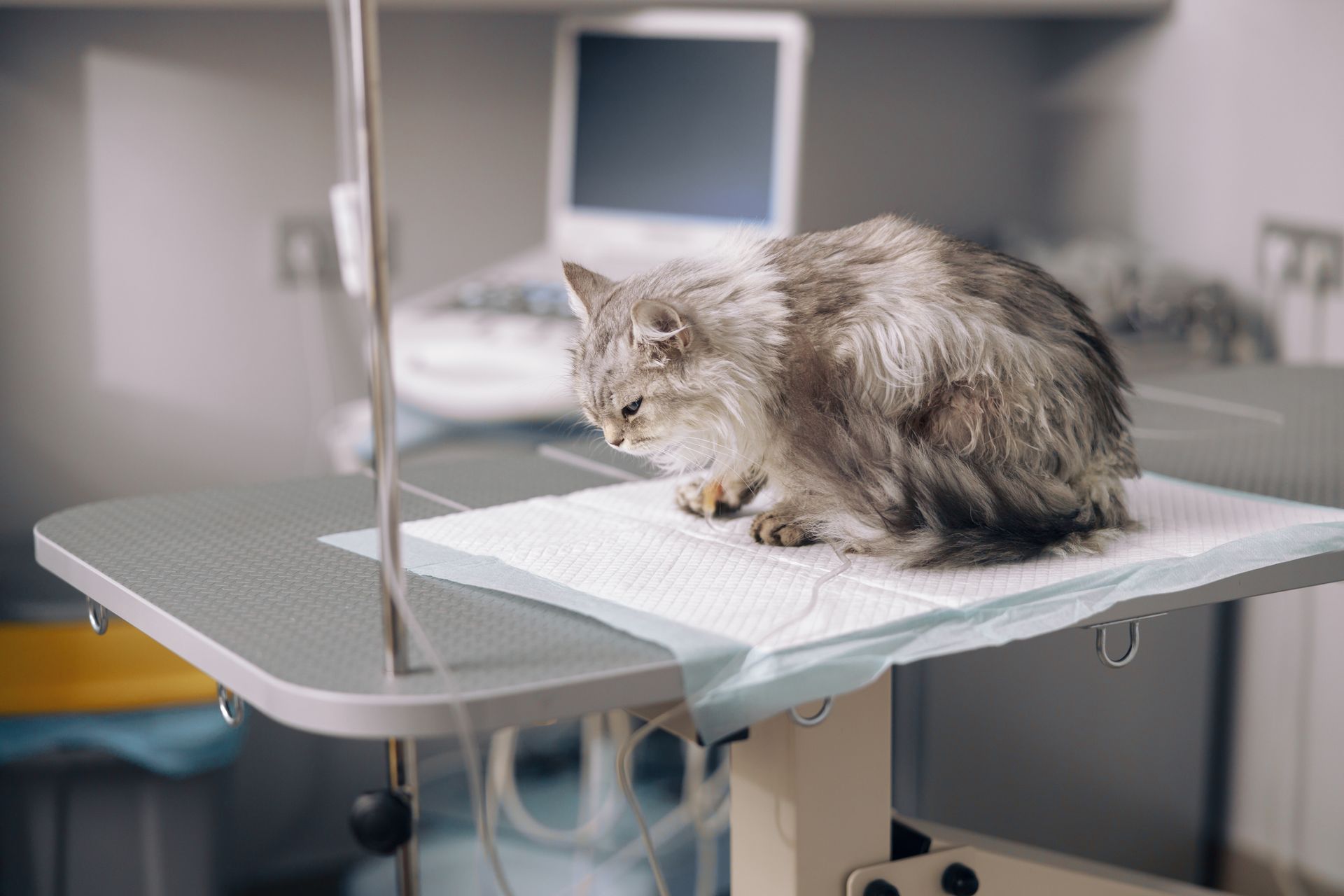
Clinical · high exposure
Veterinarians & Animal Hospitals
Professional and general liability, property, and workers’ comp for clinical operators with high exposure.
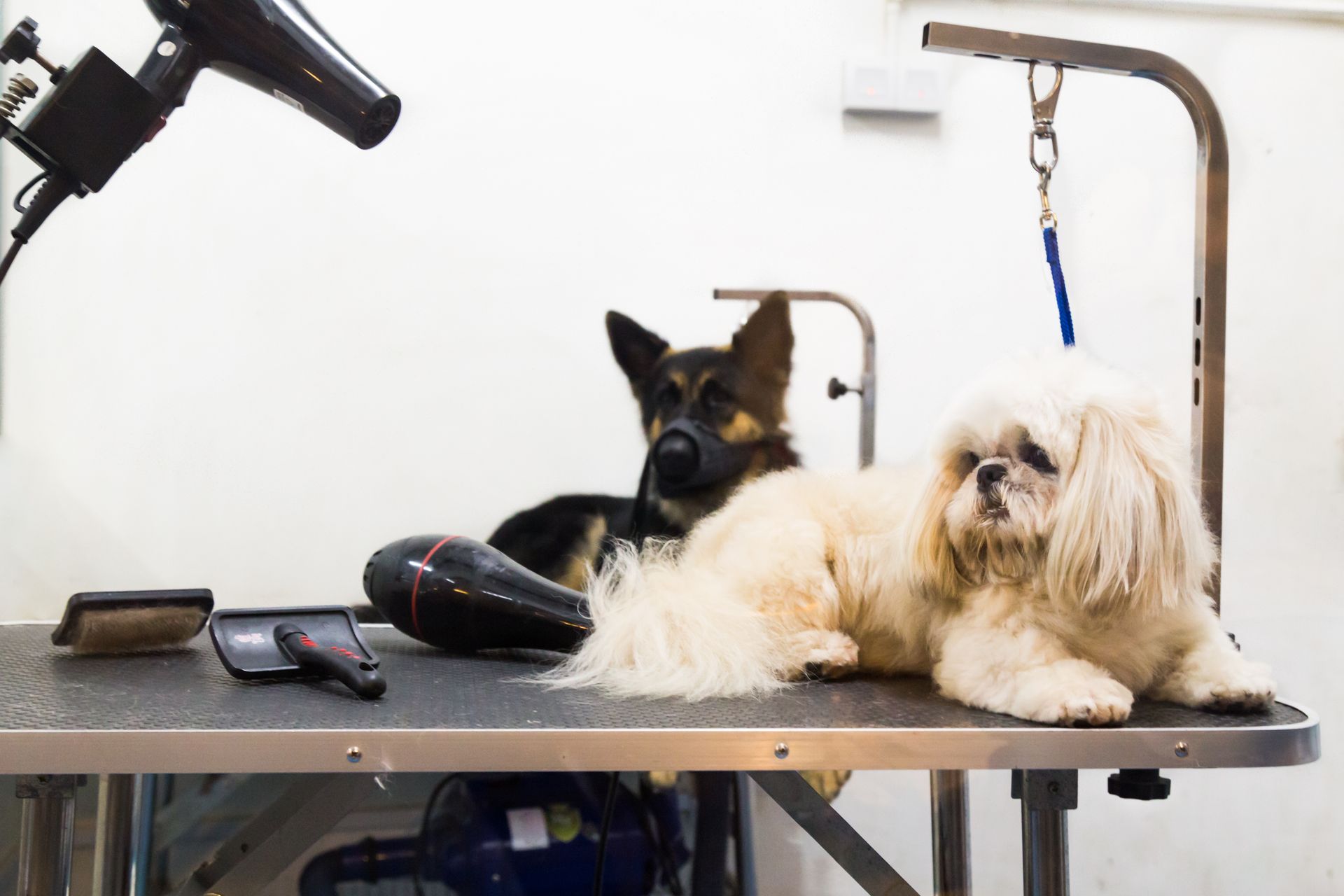
Hands-on · small business
Pet Groomers
Practical protection for animal handling, equipment, and the day-to-day of the grooming table, shop or mobile.
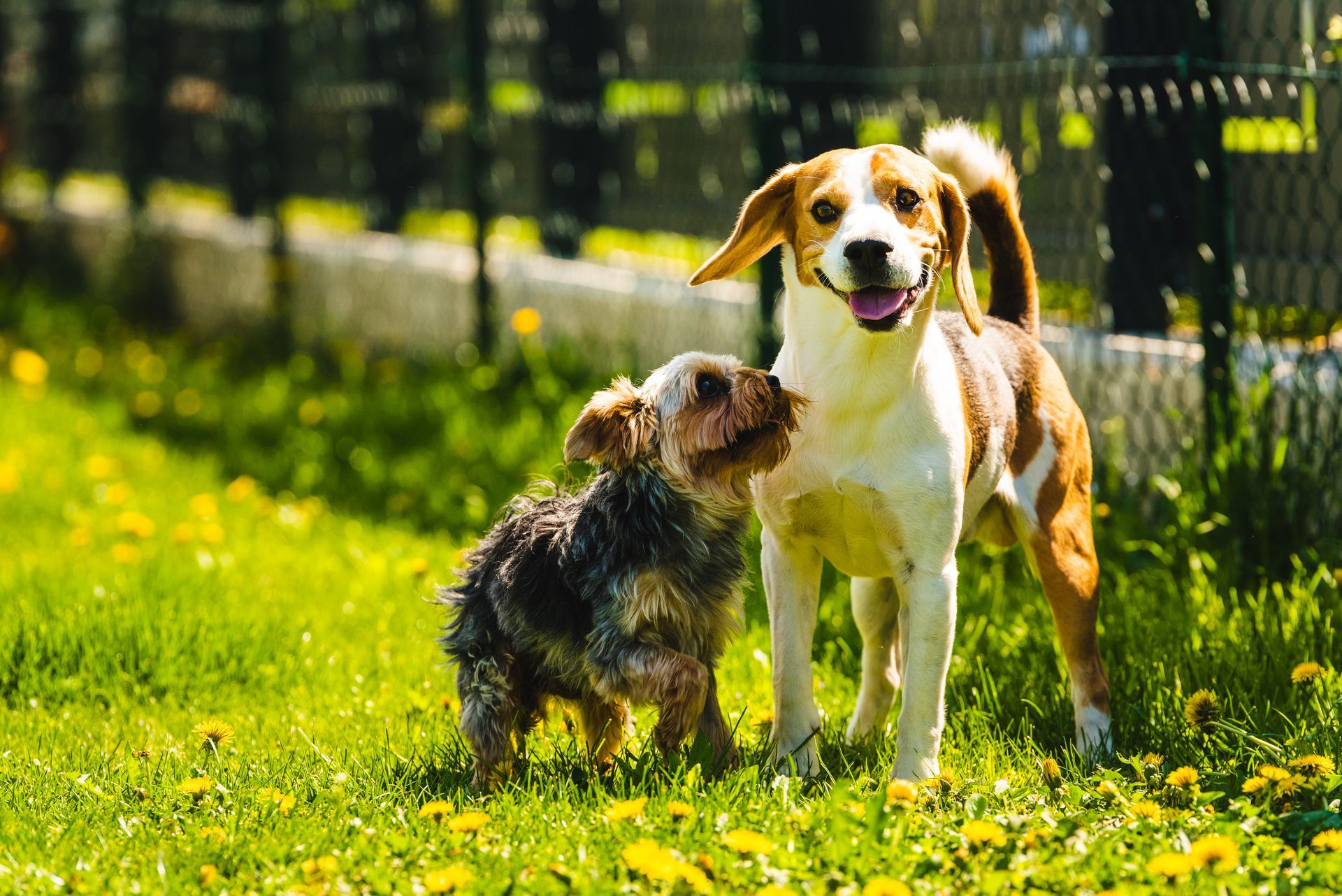
Safety-forward · overnight
Doggy Daycare & Boarding
Coverage matched to facilities responsible for animals overnight and all day long.
Our reviews
Trusted by pet professionals.
See what owners say about working with a specialist who already understands their business.
Frequently asked
Questions pet pros ask us.
What kinds of pet businesses do you insure?
We insure businesses across the animal-care industry — veterinarians and animal hospitals, groomers, doggy daycares and boarding facilities, kennels and trainers, pet sitters and dog walkers, and pet stores. We also cover breeders, equine operations, pet transporters, shelters and rescues, pet photographers, and aquariums or wildlife facilities.
If your work involves caring for, handling, or selling animals, there is a strong chance we cover it. Tell us what you do and we will confirm.
What is care, custody, and control coverage, and why does it matter?
Care, custody, and control coverage protects you when an animal in your charge is injured, becomes ill, or is lost while in your care. Standard general liability policies often exclude this exact exposure, which leaves a serious gap for pet businesses.
For groomers, boarders, sitters, and clinics, this is one of the most important coverages you can carry. We make sure it is in place and sized to your operation.
How is an independent agency different from buying direct from a carrier?
A direct carrier sells you its own single policy. As an independent agency, we shop multiple specialty insurers and compare programs to find the coverage that fits your business and budget.
That means you get options instead of one quote, and an advocate who works for you, not the carrier. We also handle the renewals and claims support over the life of your policy.
How fast can I get a quote?
Most clients get quoted within one business day. Our industry-specific intake forms collect the right details up front, so we can take your information straight to the carriers without a long back-and-forth.
Need it sooner? Call a specialist directly at (346) 738-7297 and we will move quickly.
Which states do you serve?
We are licensed and actively writing coverage in 12 states: Connecticut, Delaware, Georgia, Kentucky, Massachusetts, New Jersey, New York, North Carolina, Pennsylvania, South Carolina, Tennessee, and Virginia.
We continue to add states as we grow. If you operate outside this list, reach out and we will let you know our latest footprint.
From the blog
Coverage notes for pet professionals.
Plain-language risk tips and coverage explainers, written for owners — not insurance pros.
Speak with a specialist
Let's find the right coverage for your business.
No quote bots, no funnel. Talk to a real pet-insurance specialist who already understands your operation — and shops multiple markets on your behalf.
Call us
(346) 738-7297
Toll-free 845-250-5366
Email
service@petindustryins.com
Visit Us
2 Joyce Plaza
Stony Point, NY 10980