Coverage for veterinary practices
Delaware Pet Boarding Insurance
Running a pet boarding facility in Delaware means you're responsible for living, breathing animals that belong to someone else. That's a reality most business owners feel deeply, but it also carries real financial risk. A dog escapes from a run and bites a visitor. A cat develops a stress-related illness during a week-long stay. A kennel tech gets scratched badly enough to need stitches. Each of these scenarios can generate claims that range from a few hundred dollars to six figures, and without the right insurance, those costs come straight out of your pocket.
The insurance needs of a Delaware boarding operation are different from a general small business. You're dealing with animal bailee exposure, bite liability, property damage from anxious pets, and the unique regulatory framework Delaware applies to kennels. Getting coverage right means understanding what the state requires, what your lease or licensing demands, and what gaps could leave you exposed. This guide breaks down the coverage requirements, costs, and compliance considerations specific to DE boarding operations so you can make informed decisions and protect the business you've built.
Understanding Delaware Insurance Requirements for Pet Boarding
Delaware doesn't have a single statute that says "boarding facilities must carry X amount of insurance." But that doesn't mean you can skip it. The state regulates kennels through its Office of Animal Welfare, and any facility housing more than four dogs for boarding, training, or breeding must obtain a State Kennel License. That licensing process involves facility inspections and adherence to care standards, and many landlords and local jurisdictions require proof of liability coverage before they'll approve your operation.
The practical reality is that operating without general liability and property coverage in Delaware is a gamble most boarding businesses can't afford. Even if no state law explicitly mandates a policy, your lease, your licensing authority, or your clients may all require it. And if you have employees, the state absolutely mandates workers' compensation.
State-Mandated Workers' Compensation Rules
Delaware requires workers' compensation coverage for virtually all employers, with very few exceptions. If you have even one employee, whether full-time, part-time, or seasonal, you need a workers' comp policy. This isn't optional and carries penalties for non-compliance, including fines and personal liability for workplace injuries.
For boarding facilities, workers' comp claims often involve animal bites, scratches, back injuries from lifting large dogs, and slip-and-fall incidents in wet kennel areas. These are not hypothetical risks: they happen regularly. A kennel attendant bitten by a stressed dog during intake could need emergency care, antibiotics, and time off work. Without workers' comp, you'd be personally responsible for those medical bills and lost wages.
One thing to keep in mind: your premium is based on payroll and job classification codes. Kennel workers fall under a specific classification that reflects the elevated risk of working with animals. Keeping accurate payroll records and maintaining safety training programs can help manage those costs over time.
Commercial Auto Insurance for Pet Transport
If your boarding facility offers pickup and drop-off services, or if employees drive company vehicles for supply runs, you need commercial auto insurance. Personal auto policies exclude business use, which means any accident during a pet transport run would leave you uninsured.
Commercial auto policies cover liability, collision, and comprehensive damage for vehicles used in business operations. For boarding facilities that transport animals, you should also consider adding coverage for the pets in transit, since a standard auto policy won't cover injury or death of animals being transported. Some specialty pet-industry insurers bundle this with your general business policy, which simplifies things considerably.
Even if you only occasionally use a personal vehicle for business errands, a hired and non-owned auto endorsement on your commercial policy can fill that gap. This is one of the most commonly overlooked exposures for small boarding operations.
Core Coverage Types for DE Boarding Facilities
Building the right insurance program for a Delaware boarding facility means layering several types of coverage together. No single policy covers everything, and the gaps between policies are where most claims problems occur.
General Liability vs. Professional Liability
General liability (GL) covers third-party bodily injury and property damage. If a client trips over a leash in your lobby and breaks a wrist, that's a GL claim. If a dog in your care escapes and damages a neighbor's property, GL responds to that too.
Professional liability, sometimes called errors and omissions, covers claims arising from the services you provide. If you fail to administer medication as instructed by an owner and the pet suffers harm, that's a professional liability exposure. If you misidentify a pet and send the wrong dog home with a client, that could also trigger a professional liability claim.
Here's a comparison of how these two coverage types differ:
| Feature | General Liability | Professional Liability |
|---|---|---|
| Covers | Bodily injury, property damage to third parties | Errors, omissions, negligent acts in service delivery |
| Example claim | Client slips on wet floor | Pet injured due to missed feeding schedule |
| Typical limit | $1M per occurrence / $2M aggregate | $1M per occurrence / $1M aggregate |
| Required by | Most leases and licensing bodies | Often required by contracts with pet owners |
Most boarding facilities need both. A GL-only policy leaves you exposed to claims about how you performed your services, which is exactly where boarding facilities face the most risk.
Animal Bailee Coverage for Pets in Your Care
This is the coverage type that separates pet boarding insurance from generic small business policies. Animal bailee coverage (sometimes called care, custody, and control coverage) protects you when an animal in your care is injured, becomes ill, or dies. Standard GL policies typically exclude damage to property in your care, and yes, pets are legally classified as property.
Without animal bailee coverage, a boarding facility has no insurance response for the most likely type of claim it will face. A dog that develops kennel cough, a cat that injures itself trying to escape an enclosure, or a pet that dies from an undetected health condition during its stay: these are all care/custody/control exposures.
The growing insurance needs for pet-care businesses reflect how seriously the industry takes this exposure. Per-animal limits typically range from $2,500 to $10,000, with aggregate limits that vary by policy. Working with an agency that specializes in pet-industry coverage, like Pet Professional Insurance Agency, ensures your bailee limits actually match the value of animals you're boarding.
Comparison of Standard vs. Specialized Pet Insurance Policies
A common mistake boarding facility owners make is buying a general business owner's policy (BOP) from a standard carrier and assuming they're covered. They're not, at least not fully. Standard BOPs are designed for retail stores and offices, not facilities that house animals overnight.
| Coverage Element | Standard BOP | Specialized Pet Boarding Policy |
|---|---|---|
| Animal bailee | Excluded or minimal | Included with per-animal limits |
| Bite liability | May be excluded | Included |
| Professional liability | Not included | Available as endorsement or built-in |
| Off-premises coverage | Rarely included | Available for transport, events |
| Kennel-specific endorsements | None | Tailored to boarding operations |
Specialized policies from pet-industry insurance markets understand the risks unique to boarding. They've seen the claims data. They know that a facility boarding 30 dogs a night has different exposure than one boarding 8. They price accordingly and, more importantly, they actually pay claims that a standard carrier might deny based on exclusions you didn't know existed.
Pet Professional Insurance Agency works with multiple specialty markets specifically for this reason: no single carrier is right for every boarding operation, and having access to several means your coverage can be tailored rather than forced into a generic template.
Factors Influencing Insurance Costs in Delaware
Insurance pricing for Delaware boarding facilities varies significantly based on several factors. Costs for pet boarding business insurance typically range from $800 to $3,000 annually for general liability alone, with total program costs climbing higher when you add professional liability, animal bailee, and workers' comp.
Facility Size and Daily Capacity
A 10-run kennel in Sussex County presents a very different risk profile than a 60-run facility in New Castle County. Insurers look at your maximum daily capacity, your average occupancy, and whether you board cats, dogs, or exotic animals. The more animals you house at once, the higher your premium, because the aggregate exposure increases proportionally.
Square footage matters too. Larger facilities have more premises liability exposure, more equipment to insure, and typically more employees. If you're expanding your capacity, notify your agent before you start accepting more animals: your policy limits need to keep pace with your actual operations.
Safety Protocols and Risk Mitigation
Insurers reward facilities that take risk management seriously. Documented intake procedures, temperament assessments, vaccination requirements, double-gated entry systems, and staff training programs all signal to underwriters that you're a lower-risk operation. Delaware kennel regulations set minimum standards, but exceeding those standards can translate into real premium savings.
Fire suppression systems, security cameras, and 24-hour staffing are other factors that can lower your costs. If you've gone three or more years without a claim, ask your agent about experience credits: many specialty markets offer them.
Common Questions About Boarding Insurance
Do I need insurance if I only board a few dogs at a time? Yes. Even small operations face bite liability, property damage, and care/custody/control claims. The size of the claim doesn't scale with the size of your business.
Does my homeowner's policy cover a home-based boarding operation? Almost never. Homeowner's policies exclude business activities, and most explicitly exclude animal-related liability. You need a separate commercial policy.
How quickly can I get a policy in place? With a specialty agency like Pet Professional Insurance Agency, most clients receive a response within 24 to 48 hours. Coverage can often bind the same day once you've completed the application.
What's the difference between animal bailee coverage and pet health insurance? Animal bailee coverage protects you, the business owner, when a pet in your care is harmed. Pet health insurance is purchased by pet owners to cover their own animal's veterinary costs. They're completely different products.
Are independent contractors at my facility covered under my policy? Typically no. Independent contractors need their own insurance. If they're injured on your premises, your GL may respond, but their work activities usually aren't covered under your policy.
Can I bundle all my coverages into one policy? Many specialty markets offer package policies that combine GL, professional liability, animal bailee, and property coverage. This is usually more cost-effective than buying each separately.
Before You Buy a Policy
Getting pet boarding insurance right in Delaware isn't about finding the lowest premium: it's about making sure you don't have a coverage gap that surfaces at the worst possible moment. The claims that hurt most aren't the ones your policy covers. They're the ones you assumed were covered but weren't.
Start by getting your State Kennel License squared away and understanding what your local jurisdiction requires. Then work with an agency that actually knows the pet-care industry. Generic insurance agents sell generic policies, and generic policies leave boarding-specific exposures uncovered.
If you're opening a new facility or reviewing your current coverage, reach out to a specialist who can walk through your specific operation and match you with the right markets. The difference between a well-structured program and a bare-minimum policy often becomes obvious only after a claim, and by then, it's too late to fix.
Index
Pet Professional Insurance Agency is fully licensed and permitted to provide commercial insurance solutions for pet businesses across 12 states.
We proudly serve pet professionals throughout the Northeast, Mid-Atlantic, and Southeast. Powered by Joyce Insurance Agency, our team works with leading specialty carriers — including The Hartford, USLI, Nautilus, and Northland — to make sure veterinarians, groomers, boarding facilities, and pet-care businesses receive coverage that fits their real risks in Connecticut, Delaware, Georgia, Kentucky, Massachusetts, New Jersey, New York, North Carolina, Pennsylvania, South Carolina, Tennessee, and Virginia.
About the author
Barnaby Joyce
Founder, Pet Professional Insurance Agency · Licensed Insurance Producer
I started Pet Professional Insurance Agency because I watched pet businesses get handed generic policies that never fit. After years of placing coverage for veterinary practices, grooming salons, doggy daycares, and kennels through a generalist agency, I saw the same gaps over and over — and the same blank stares when an owner tried to explain care, custody, and control to an agent who had never insured an animal in their life.
So I built an agency that does one thing. I work directly with specialty carriers who actually want pet-industry risk, and I sit down with every client personally. You will not get a call center or a chatbot. You will get someone who already speaks your language and shops the market on your behalf. That is the whole idea.
Recommended coverages
Coverages that pair with general liability.
Most pet businesses build on general liability with the lines below. Explore each — every page cross-links to the
industries we serve.
Services & advice
Professional Liability / E&O
Covers claims tied to your professional services and advice — clinical care, training guidance, and the judgment calls you make daily.
The pet-industry gap
Care, Custody & Control
Covers the animals in your charge against injury, illness, or loss — the critical exposure standard liability policies leave out.
Bundled & cost-effective
Business Owners Policy (BOP)
Bundles property and general liability into one package built for small to mid-sized pet businesses — often the simplest base.
Your building & contents
Commercial Property
Protects your building, build-out, equipment, and inventory against fire, theft, and covered losses — front desk to back room.
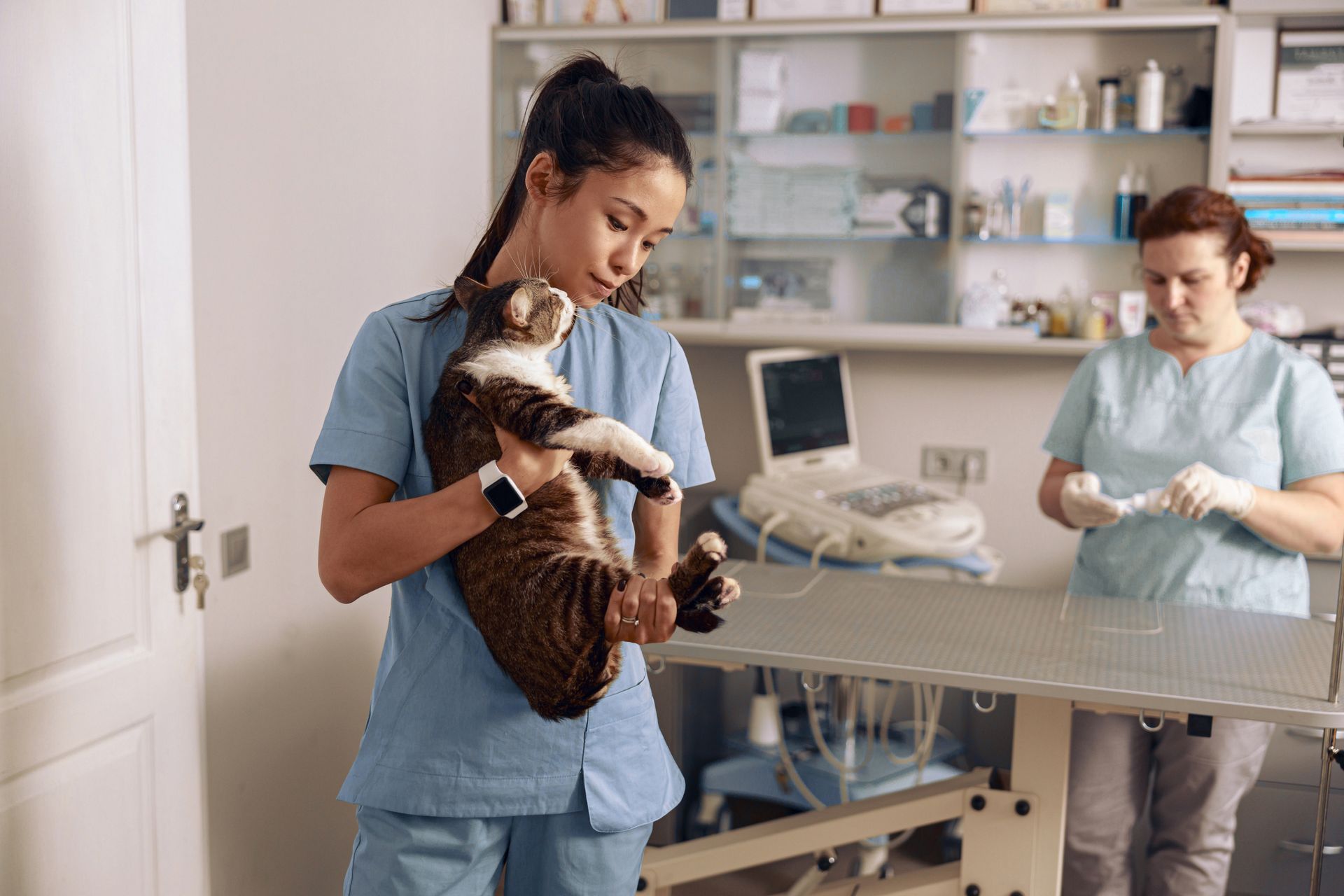
For your team
Workers’ Compensation
Covers medical costs and lost wages when a team member is hurt on the job — required in most states once you have employees.
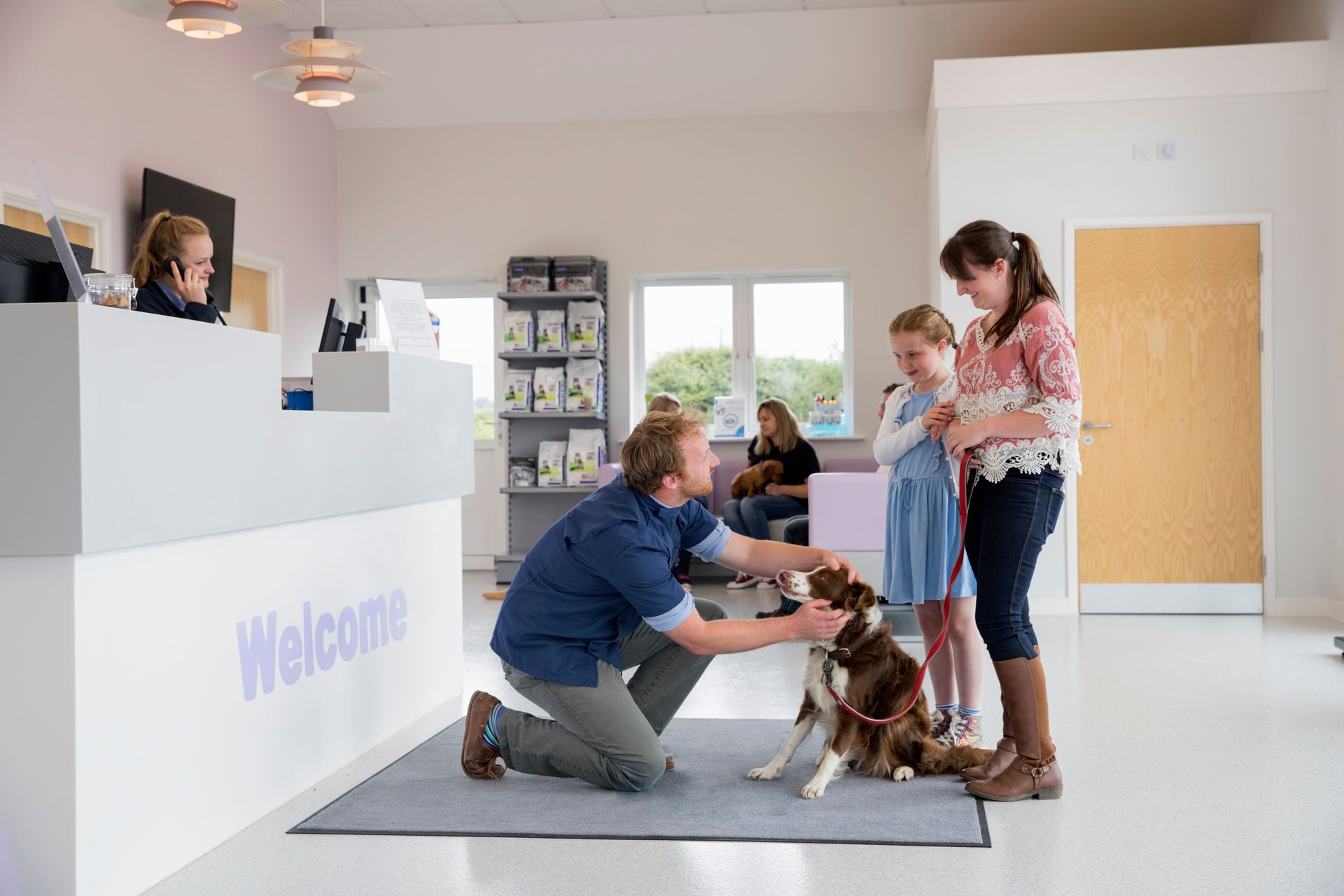
Extra protection
Commercial Umbrella
Adds liability limits above your primary policies for catastrophic claims that exceed standard coverage.
Coverage availability and terms vary by carrier and state. We recommend the right mix for your operation once we talk.
Industries we serve
Built for the businesses that care for animals.
General liability is the baseline for every segment we specialize in. Find the page built for your business.
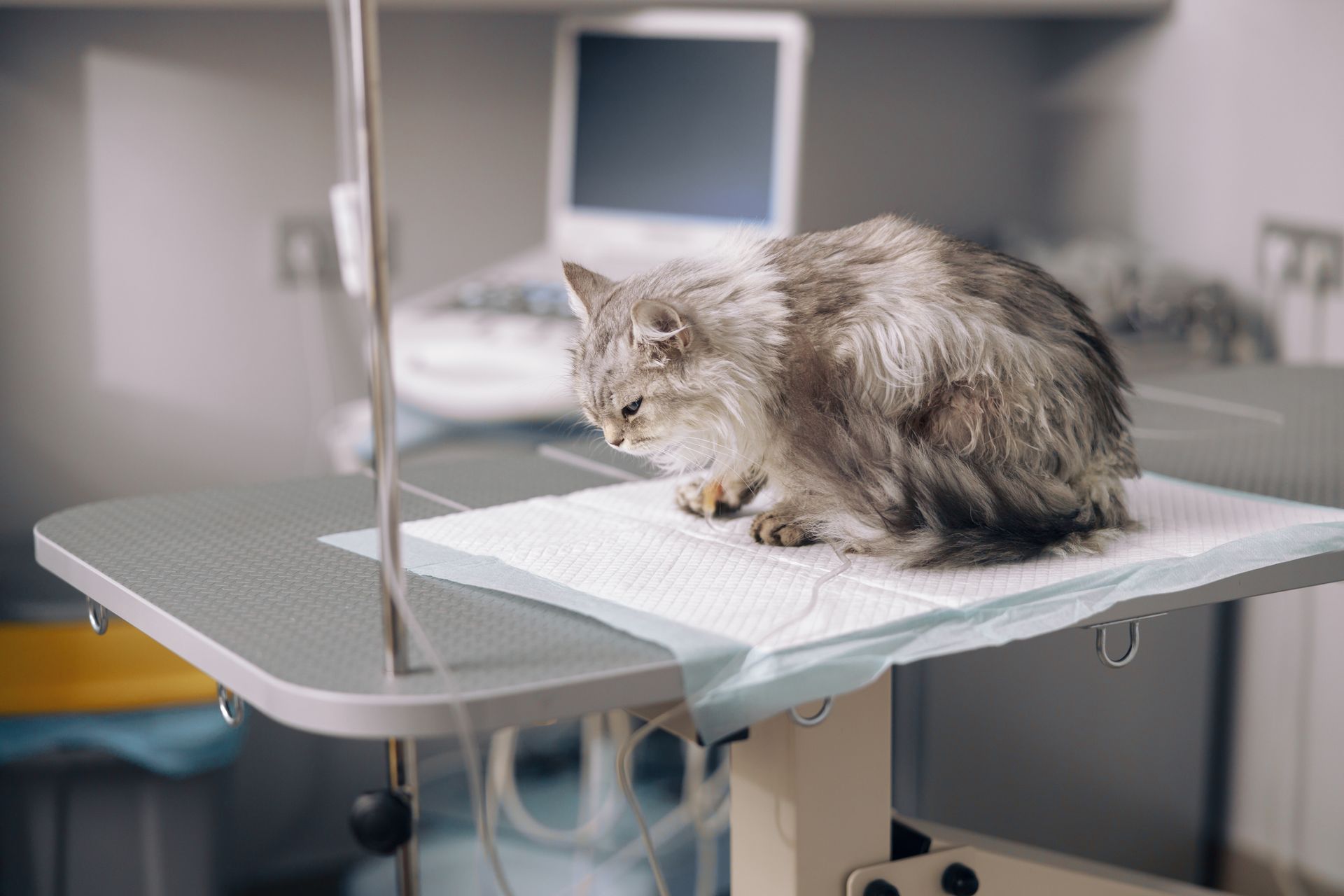
Clinical · high exposure
Veterinarians & Animal Hospitals
Professional and general liability, property, and workers’ comp for clinical operators with high exposure.
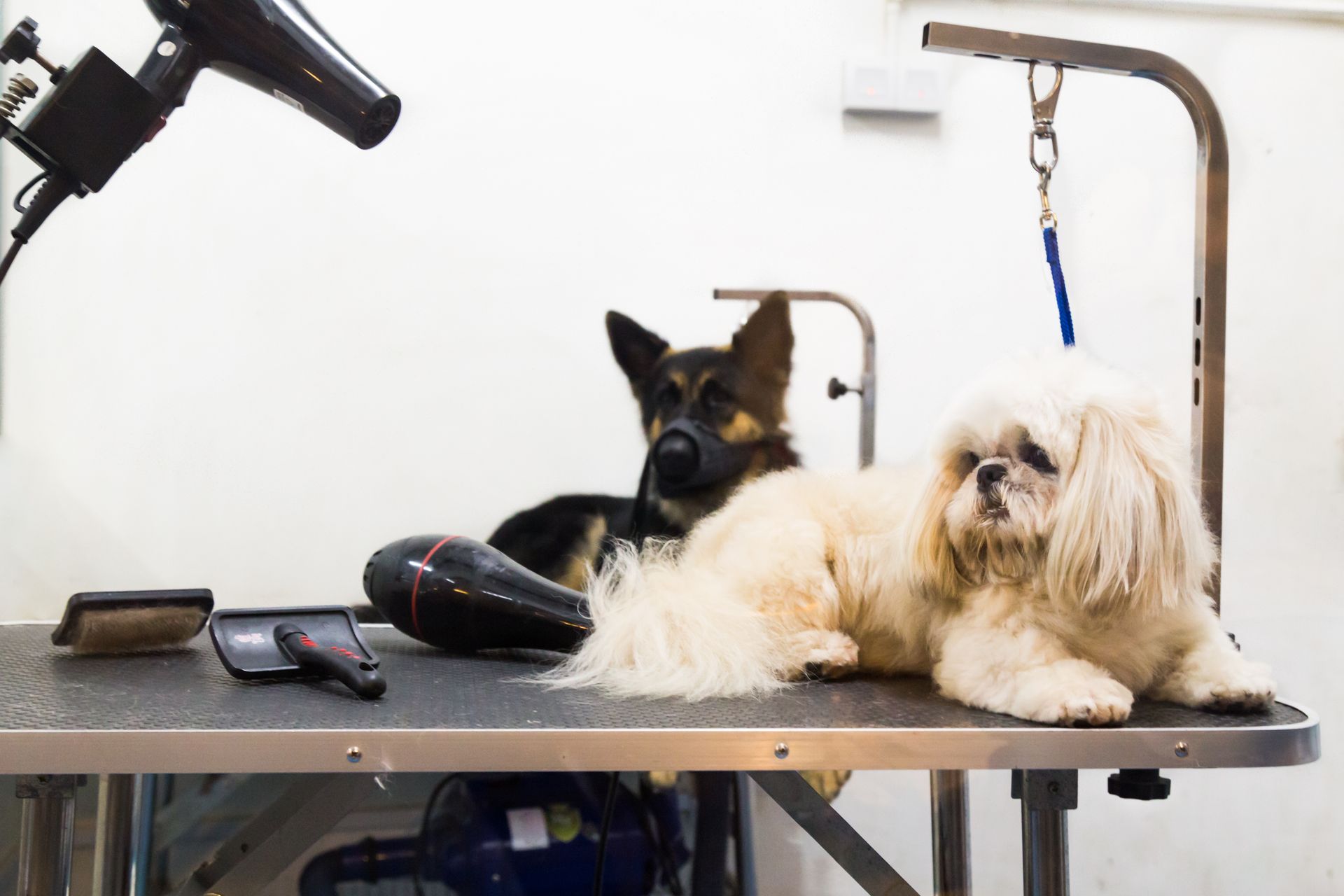
Hands-on · small business
Pet Groomers
Practical protection for animal handling, equipment, and the day-to-day of the grooming table, shop or mobile.

Safety-forward · overnight
Doggy Daycare & Boarding
Coverage matched to facilities responsible for animals overnight and all day long.
Our reviews
Trusted by pet professionals.
See what owners say about working with a specialist who already understands their business.
Frequently asked
Questions pet pros ask us.
What kinds of pet businesses do you insure?
We insure businesses across the animal-care industry — veterinarians and animal hospitals, groomers, doggy daycares and boarding facilities, kennels and trainers, pet sitters and dog walkers, and pet stores. We also cover breeders, equine operations, pet transporters, shelters and rescues, pet photographers, and aquariums or wildlife facilities.
If your work involves caring for, handling, or selling animals, there is a strong chance we cover it. Tell us what you do and we will confirm.
What is care, custody, and control coverage, and why does it matter?
Care, custody, and control coverage protects you when an animal in your charge is injured, becomes ill, or is lost while in your care. Standard general liability policies often exclude this exact exposure, which leaves a serious gap for pet businesses.
For groomers, boarders, sitters, and clinics, this is one of the most important coverages you can carry. We make sure it is in place and sized to your operation.
How is an independent agency different from buying direct from a carrier?
A direct carrier sells you its own single policy. As an independent agency, we shop multiple specialty insurers and compare programs to find the coverage that fits your business and budget.
That means you get options instead of one quote, and an advocate who works for you, not the carrier. We also handle the renewals and claims support over the life of your policy.
How fast can I get a quote?
Most clients get quoted within one business day. Our industry-specific intake forms collect the right details up front, so we can take your information straight to the carriers without a long back-and-forth.
Need it sooner? Call a specialist directly at (346) 738-7297 and we will move quickly.
Which states do you serve?
We are licensed and actively writing coverage in 12 states: Connecticut, Delaware, Georgia, Kentucky, Massachusetts, New Jersey, New York, North Carolina, Pennsylvania, South Carolina, Tennessee, and Virginia.
We continue to add states as we grow. If you operate outside this list, reach out and we will let you know our latest footprint.
From the blog
Coverage notes for pet professionals.
Plain-language risk tips and coverage explainers, written for owners — not insurance pros.
Speak with a specialist
Let's find the right coverage for your business.
No quote bots, no funnel. Talk to a real pet-insurance specialist who already understands your operation — and shops multiple markets on your behalf.
Call us
(346) 738-7297
Toll-free 845-250-5366
Email
service@petindustryins.com
Visit Us
2 Joyce Plaza
Stony Point, NY 10980