Coverage for veterinary practices
Tennessee Pet Transportation Insurance
Connecticut isn't the most expensive state for equine insurance, but it's not the least expensive either. Several variables determine what you'll actually pay.
Factors Influencing Insurance Costs in the Nutmeg State
Facility Size and Annual Revenue
Running a pet transport business in Tennessee means juggling a dozen responsibilities before you even start the engine: vehicle maintenance, animal safety, route planning, client communication, and yes, insurance. Most operators know they need some kind of coverage, but the specifics get murky fast. What type of policy actually protects you if a dog escapes during a rest stop? What happens if your van is involved in a collision with three client animals onboard? Tennessee has its own regulatory framework, and the insurance requirements for pet transporters here don't mirror what you'd find in neighboring states. Getting this wrong can mean fines, lawsuits, or losing your ability to operate entirely. This guide breaks down the coverage requirements, realistic cost expectations, and compliance obligations for TN pet transportation operations so you can make informed decisions and protect both your business and the animals in your care.
Understanding Tennessee Pet Transportation Insurance Needs
Pet transportation sits in a gray area that confuses a lot of business owners. You're not a traditional trucking company, but you're not just driving your own pets around either. You're operating a commercial service where someone else's animal is in your vehicle, and that creates liability exposure most standard auto policies won't touch.
The core risk is straightforward: if something happens to an animal while it's in your custody, you're financially responsible. That "something" could be a traffic accident, a heat-related illness, an escape, or even stress-induced injury. Tennessee courts have increasingly treated pets as more than simple property in damage calculations, which means a single incident can get expensive quickly.
A solid insurance program for a TN pet transporter typically includes commercial auto liability, general liability, animal bailee coverage, and sometimes inland marine or cargo coverage. Each fills a different gap. Skipping one because it seems redundant is a common mistake, and it usually becomes obvious only after a claim is denied.
Commercial vs. Personal Auto Coverage for TN Transporters
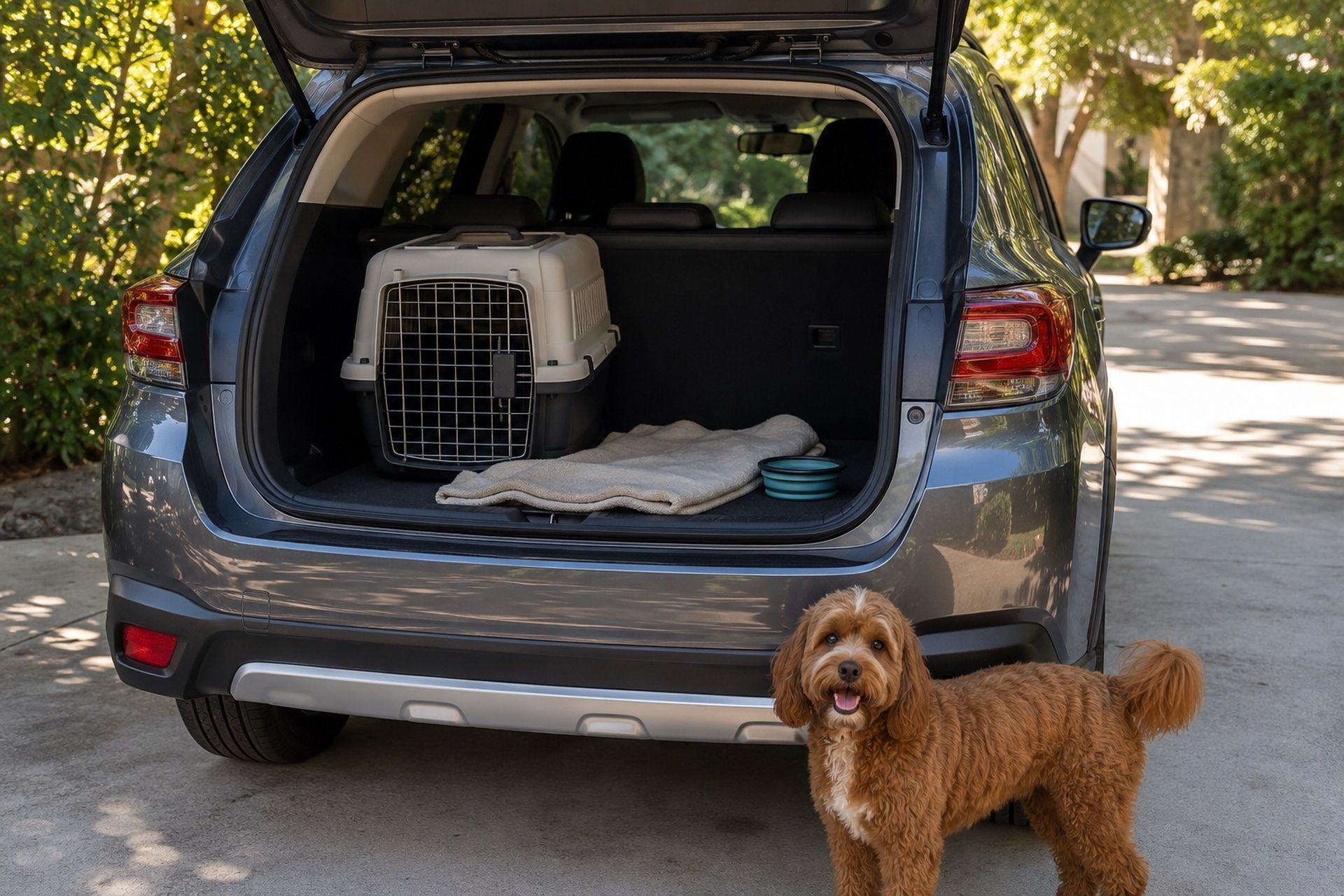
Your personal auto policy almost certainly excludes commercial use. If you're transporting animals for money, even as a side gig, and you get into an accident, your personal insurer can deny the claim outright. This isn't a theoretical risk: it happens regularly.
Commercial auto insurance covers your vehicle while it's being used for business purposes. In Tennessee, the minimum liability limits for commercial vehicles are $25,000 per person and $50,000 per accident for bodily injury, plus $15,000 for property damage. But those minimums are dangerously low for a pet transport operation. Most agents who work with pet businesses recommend carrying at least $500,000 in combined single-limit coverage, and $1 million isn't unusual for operators running multi-animal transports.
One thing to keep in mind: commercial auto covers damage to other people and their property. It does not cover the animals inside your vehicle. That's a separate coverage entirely.
Animal Bailee Coverage: Protecting Your Four-Legged Cargo
Bailee coverage is what protects you when an animal in your care is injured, becomes ill, or dies during transport. This is the coverage most pet transporters overlook, and it's arguably the most important one you'll carry.
A bailee policy typically covers veterinary expenses, the animal's value (which can range from a few hundred dollars for a mixed-breed dog to tens of thousands for a show-quality purebred), and sometimes the cost of replacing the animal. Some policies also cover legal defense costs if the owner sues. At Pet Professional Insurance Agency, we see a lot of transporters come to us after discovering their general liability policy excluded animals in their care, custody, or control. That exclusion is standard in most GL policies, which is exactly why standalone bailee coverage exists.
State Compliance and Licensing Requirements in Tennessee
Tennessee doesn't have a single, unified "pet transporter license," but that doesn't mean the state takes a hands-off approach. Multiple agencies have jurisdiction over different aspects of your operation, and staying compliant means satisfying all of them.
TN Department of Agriculture and USDA Regulations
The Tennessee Department of Agriculture regulates commercial animal handling, and pet transporters who move animals across state lines also fall under USDA oversight. If you're transporting animals commercially, you may need a USDA license under the Animal Welfare Act, particularly if you're moving animals for breeders, rescues, or retailers.
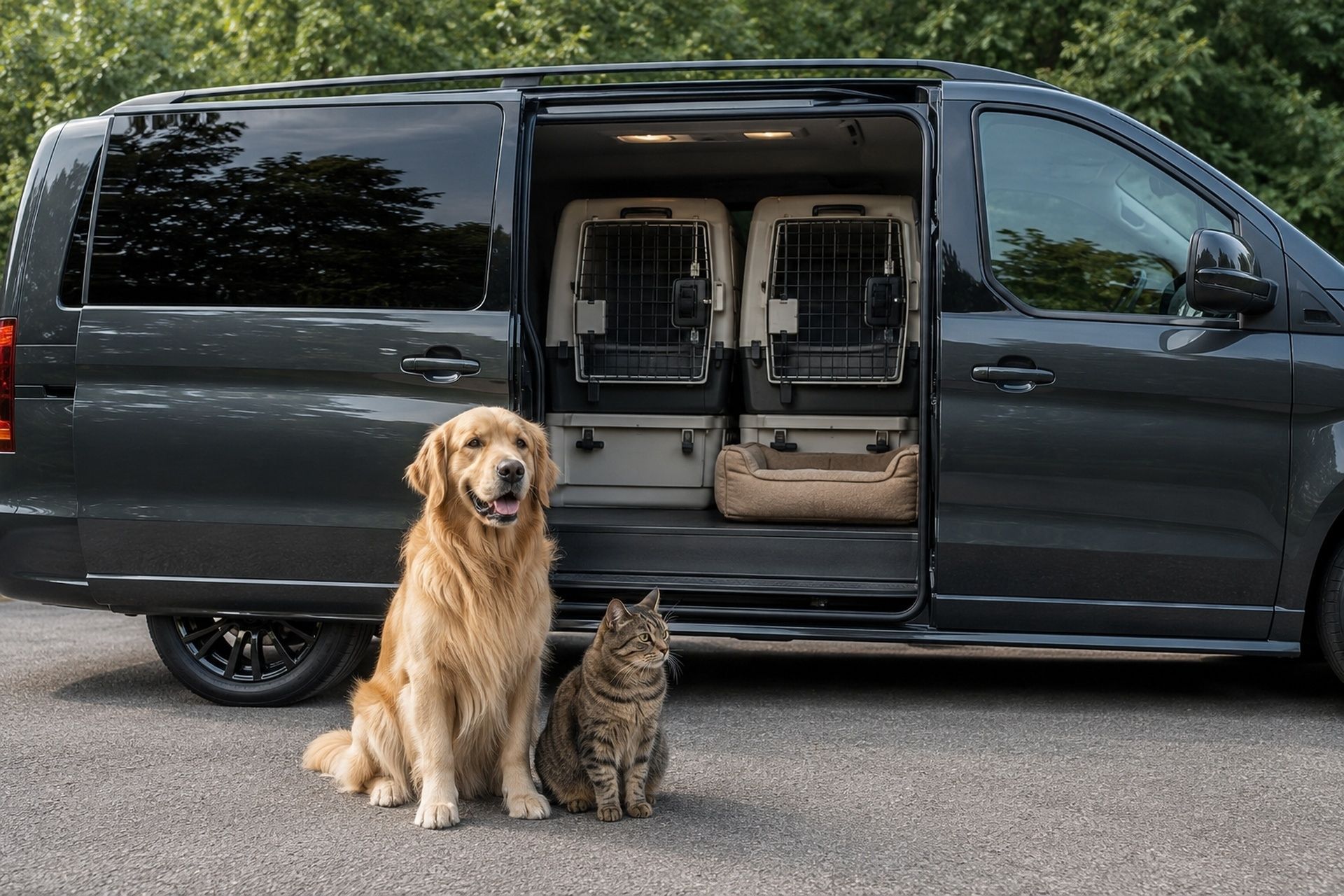
Tennessee's own regulations require that animals be transported in vehicles that maintain appropriate temperatures, provide adequate ventilation, and offer enough space for each animal. Violations can result in fines and loss of operating privileges. The state also requires health certificates for certain interstate movements, which means you need to coordinate with veterinarians before pickup. Tennessee has a growing network of professional pet transport providers who meet these standards, and the bar for entry keeps rising.
Minimum Liability Limits for Small Business Owners
Tennessee's Senate Bill 2458, enacted in May 2026, established specific automobile liability insurance requirements for delivery network companies. While this legislation primarily targets app-based delivery platforms, it signals Tennessee's broader trend toward stricter insurance mandates for commercial vehicle operators, including pet transporters.
Small business owners in Tennessee should carry general liability coverage of at least $1 million per occurrence. For pet transporters specifically, many contracts with veterinary clinics, breeders, and rescue organizations require proof of both GL and commercial auto coverage before they'll work with you. Falling below these thresholds doesn't just create legal risk: it locks you out of your most profitable client relationships.
Comparison of Essential Coverage Types
Understanding what each policy actually covers prevents the nasty surprise of a denied claim. Here's a practical breakdown of what you're buying.
Coverage Comparison: Basic vs. Comprehensive Protection
| Coverage Type | Basic Protection | Comprehensive Protection |
|---|---|---|
| Commercial Auto | State minimum limits ($25K/$50K/$15K) | $1M combined single limit |
| General Liability | $500K per occurrence | $1M per occurrence / $2M aggregate |
| Animal Bailee | Not included | $10K-$50K per animal; $100K+ aggregate |
| Inland Marine/Cargo | Not included | Covers equipment, crates, and supplies in transit |
| Hired & Non-Owned Auto | Not included | Covers vehicles you rent or employees' personal vehicles used for business |
| Workers' Compensation | Not required for sole proprietors | Required if you have employees; covers on-the-job injuries |
The gap between basic and comprehensive is where most claims fall through. A transporter carrying only state-minimum commercial auto and a bare-bones GL policy has no coverage for the actual animals, no protection for equipment, and no safety net if an employee is injured loading a large dog.
Pet Professional Insurance Agency works with multiple specialty insurance markets to build layered programs for transporters, which means your coverage can be tailored to your specific routes, vehicle types, and the kinds of animals you move. That flexibility matters because a company hauling show horses across the state has very different exposure than someone driving rescue cats from Memphis to Nashville.
Factors Influencing Insurance Costs in Tennessee
Insurance pricing for pet transporters in Tennessee varies widely, and the range can be frustrating if you're trying to budget. A solo operator with one van might pay $2,500 to $4,000 annually for a basic commercial auto and GL package. Add bailee coverage, and you're looking at $4,000 to $7,500 or more depending on limits and the value of animals you transport.
Service Radius and Urban vs. Rural Routes
Where you drive matters. Operators working primarily in Nashville, Memphis, Knoxville, or Chattanooga face higher premiums because urban routes carry more accident risk, higher traffic density, and greater exposure to theft or vandalism. A transporter running rural routes between small towns in East Tennessee will generally see lower rates.
Interstate transport adds another layer. If you're crossing into Georgia, Kentucky, Virginia, or other neighboring states, your insurer needs to know. Multi-state operations often require higher limits and sometimes separate filings in each state. The delivery network insurance requirements established under Tennessee's recent legislation reflect this growing regulatory attention to commercial vehicle operations that cross jurisdictional lines.
Vehicle Safety Standards and Pet Restraint Protocols
Insurers look closely at your vehicle setup. A purpose-built transport van with climate control, individual crate stations, and GPS monitoring will qualify for lower rates than a personal SUV with a few loose crates in the back. Specific factors that affect your premium include the age and condition of your vehicles, whether you have dash cameras, your driver safety record, and the restraint systems you use for animals.
Documenting your safety protocols in writing helps during the underwriting process. Insurers want to see that you have procedures for temperature monitoring, rest stops, emergency veterinary contacts, and animal handling. The more professional your operation looks on paper, the more favorable your rates tend to be.
Common Questions About TN Pet Transport Insurance
Do I need insurance if I only transport pets occasionally? Yes. If you're accepting payment to move someone else's animal, you're operating commercially. Your personal auto policy won't cover a claim that occurs during a paid transport, even if it's your first one.
Does my general liability policy cover animals that get injured in my vehicle? Almost certainly not. Most GL policies have a care, custody, and control exclusion that specifically removes coverage for property (including animals) that's been entrusted to you. You need separate bailee coverage for that.
How quickly can I get coverage in place? Most specialty markets can bind coverage within a few days. At Pet Professional Insurance Agency, most clients hear back within 24 to 48 hours after submitting an application, and binding can happen the same week.
Is workers' compensation required in Tennessee for pet transporters? If you have employees, yes. Tennessee requires workers' comp for businesses with five or more employees. Even below that threshold, carrying it protects you from personal liability if a worker is injured on the job.
What happens if an animal I'm transporting bites someone at a rest stop? Your general liability policy should cover third-party bodily injury claims, but the specifics depend on your policy language. Some policies exclude animal-related incidents, which is why working with an agent who understands pet-industry risks is critical.
Making the Right Choice for Your Business
Getting pet transportation insurance right in Tennessee requires more than just checking a box. The operators who avoid costly surprises are the ones who understand their actual risk exposure, carry appropriate limits, and work with agents who know the pet industry inside and out.
Start by honestly assessing your operation: how many animals do you move per trip, what's the maximum value of any single animal, how far do you travel, and do you have employees? Those answers determine your coverage needs more than any generic recommendation.
Tennessee's regulatory environment is tightening, and the trend points toward more oversight, not less. Building a proper insurance program now protects you from both current liabilities and future compliance requirements. If you're unsure where your gaps are, reach out to Pet Professional Insurance Agency for a review of your current coverage. Our intake process is built specifically for pet businesses, and you'll work directly with an agent who understands the difference between transporting a litter of puppies and a retired racing greyhound. That kind of specificity matters when a claim hits your desk.
Index
Pet Professional Insurance Agency is fully licensed and permitted to provide commercial insurance solutions for pet businesses across 12 states.
We proudly serve pet professionals throughout the Northeast, Mid-Atlantic, and Southeast. Powered by Joyce Insurance Agency, our team works with leading specialty carriers — including The Hartford, USLI, Nautilus, and Northland — to make sure veterinarians, groomers, boarding facilities, and pet-care businesses receive coverage that fits their real risks in Connecticut, Delaware, Georgia, Kentucky, Massachusetts, New Jersey, New York, North Carolina, Pennsylvania, South Carolina, Tennessee, and Virginia.
About the author
Barnaby Joyce
Founder, Pet Professional Insurance Agency · Licensed Insurance Producer
I started Pet Professional Insurance Agency because I watched pet businesses get handed generic policies that never fit. After years of placing coverage for veterinary practices, grooming salons, doggy daycares, and kennels through a generalist agency, I saw the same gaps over and over — and the same blank stares when an owner tried to explain care, custody, and control to an agent who had never insured an animal in their life.
So I built an agency that does one thing. I work directly with specialty carriers who actually want pet-industry risk, and I sit down with every client personally. You will not get a call center or a chatbot. You will get someone who already speaks your language and shops the market on your behalf. That is the whole idea.
Recommended coverages
Coverages that pair with general liability.
Most pet businesses build on general liability with the lines below. Explore each — every page cross-links to the
industries we serve.

Services & advice
Professional Liability / E&O
Covers claims tied to your professional services and advice — clinical care, training guidance, and the judgment calls you make daily.
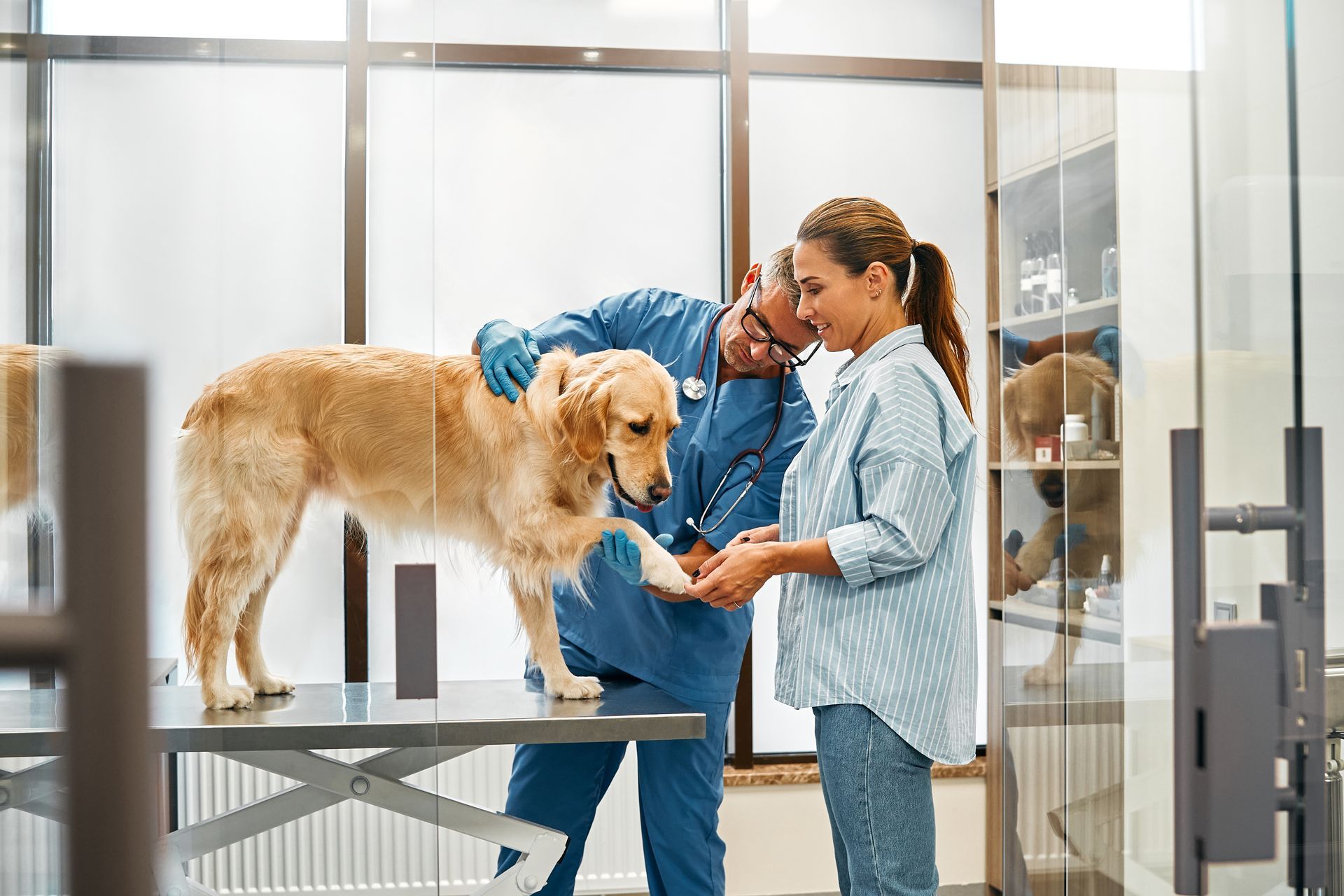
The pet-industry gap
Care, Custody & Control
Covers the animals in your charge against injury, illness, or loss — the critical exposure standard liability policies leave out.

Bundled & cost-effective
Business Owners Policy (BOP)
Bundles property and general liability into one package built for small to mid-sized pet businesses — often the simplest base.
Your building & contents
Commercial Property
Protects your building, build-out, equipment, and inventory against fire, theft, and covered losses — front desk to back room.

For your team
Workers’ Compensation
Covers medical costs and lost wages when a team member is hurt on the job — required in most states once you have employees.
Extra protection
Commercial Umbrella
Adds liability limits above your primary policies for catastrophic claims that exceed standard coverage.
Coverage availability and terms vary by carrier and state. We recommend the right mix for your operation once we talk.
Industries we serve
Built for the businesses that care for animals.
General liability is the baseline for every segment we specialize in. Find the page built for your business.
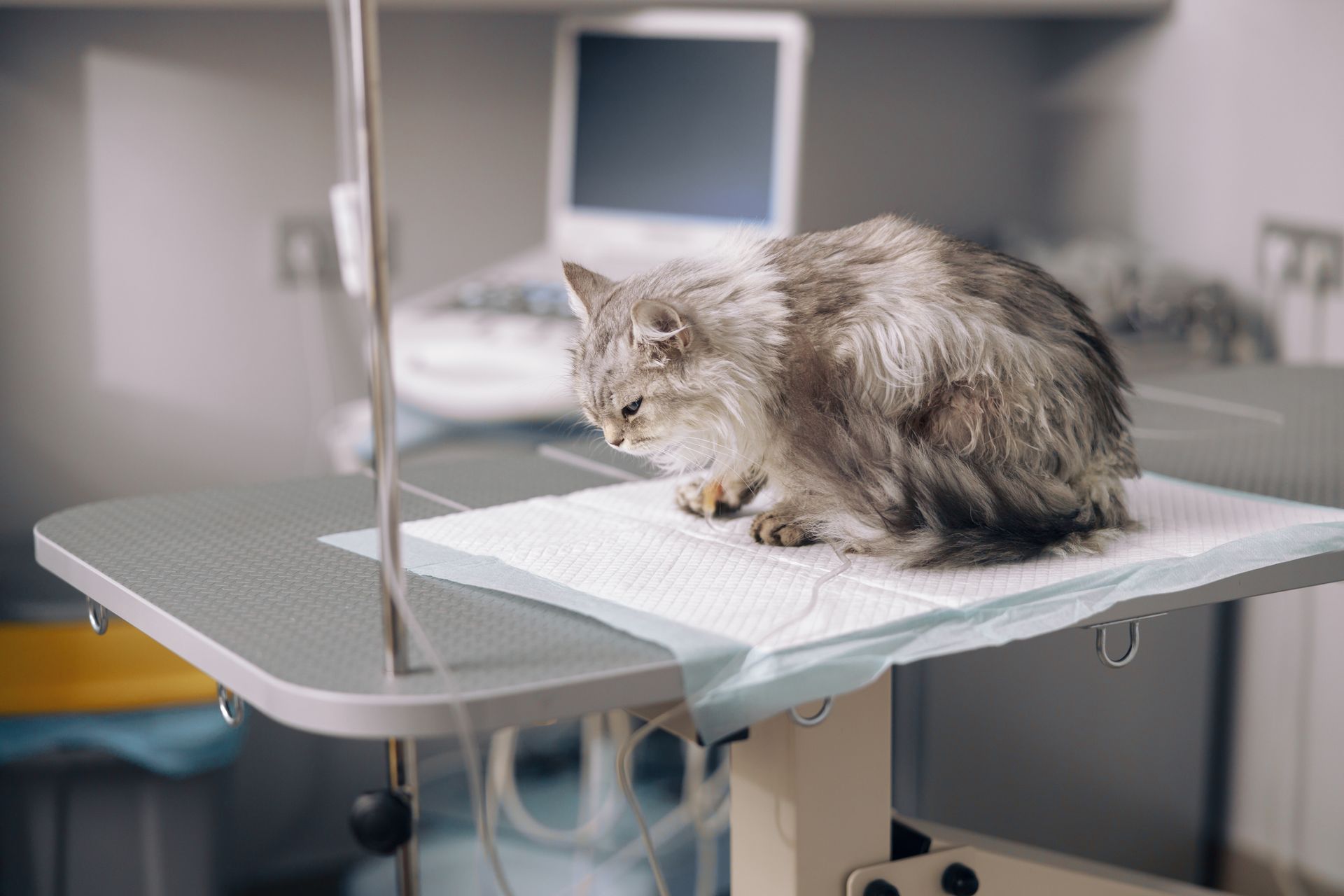
Clinical · high exposure
Veterinarians & Animal Hospitals
Professional and general liability, property, and workers’ comp for clinical operators with high exposure.
Hands-on · small business
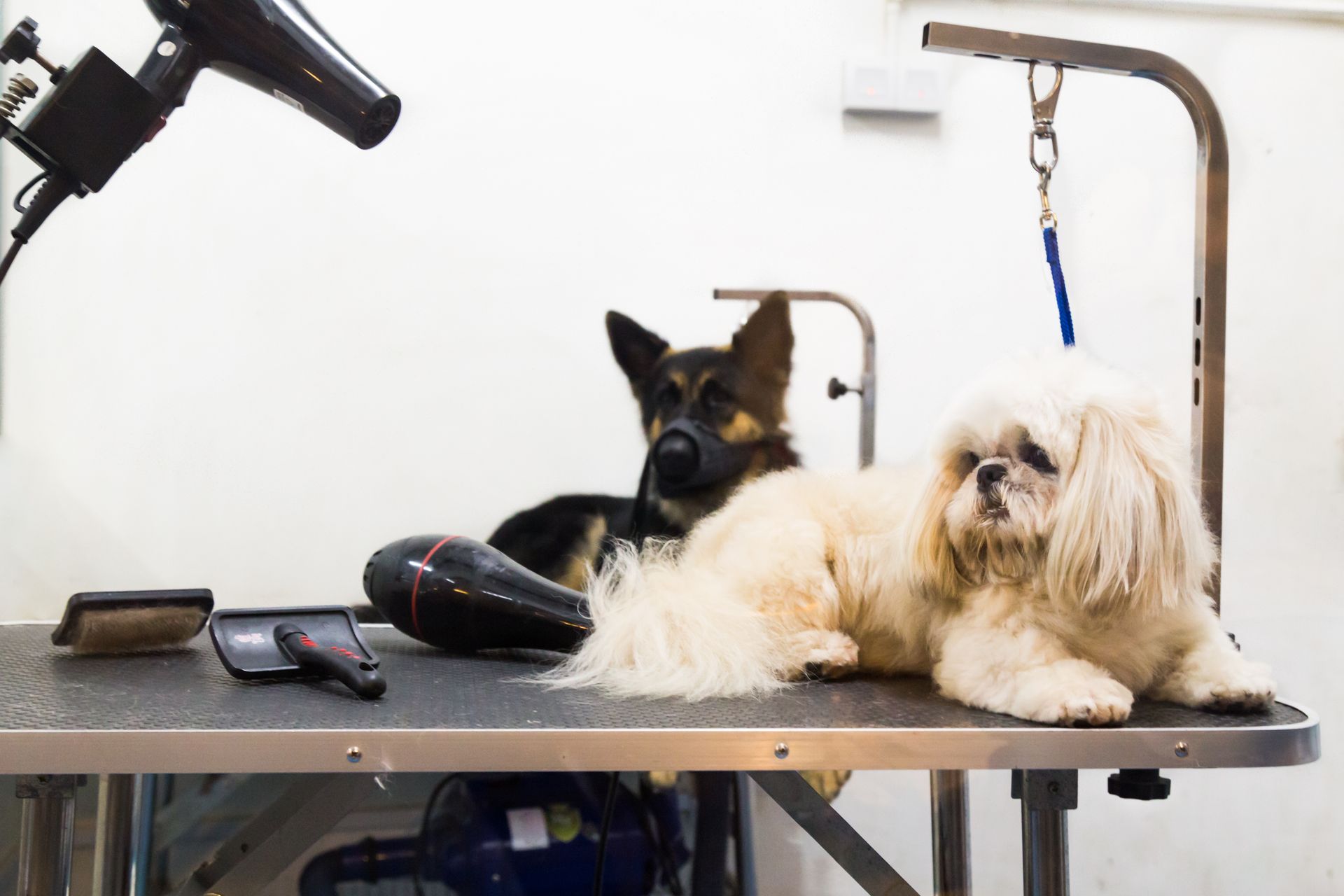
Pet Groomers
Practical protection for animal handling, equipment, and the day-to-day of the grooming table, shop or mobile.

Safety-forward · overnight
Doggy Daycare & Boarding
Coverage matched to facilities responsible for animals overnight and all day long.
Our reviews
Trusted by pet professionals.
See what owners say about working with a specialist who already understands their business.
Frequently asked
Questions pet pros ask us.
What kinds of pet businesses do you insure?
We insure businesses across the animal-care industry — veterinarians and animal hospitals, groomers, doggy daycares and boarding facilities, kennels and trainers, pet sitters and dog walkers, and pet stores. We also cover breeders, equine operations, pet transporters, shelters and rescues, pet photographers, and aquariums or wildlife facilities.
If your work involves caring for, handling, or selling animals, there is a strong chance we cover it. Tell us what you do and we will confirm.
What is care, custody, and control coverage, and why does it matter?
Care, custody, and control coverage protects you when an animal in your charge is injured, becomes ill, or is lost while in your care. Standard general liability policies often exclude this exact exposure, which leaves a serious gap for pet businesses.
For groomers, boarders, sitters, and clinics, this is one of the most important coverages you can carry. We make sure it is in place and sized to your operation.
How is an independent agency different from buying direct from a carrier?
A direct carrier sells you its own single policy. As an independent agency, we shop multiple specialty insurers and compare programs to find the coverage that fits your business and budget.
That means you get options instead of one quote, and an advocate who works for you, not the carrier. We also handle the renewals and claims support over the life of your policy.
How fast can I get a quote?
Most clients get quoted within one business day. Our industry-specific intake forms collect the right details up front, so we can take your information straight to the carriers without a long back-and-forth.
Need it sooner? Call a specialist directly at (346) 738-7297 and we will move quickly.
Which states do you serve?
We are licensed and actively writing coverage in 12 states: Connecticut, Delaware, Georgia, Kentucky, Massachusetts, New Jersey, New York, North Carolina, Pennsylvania, South Carolina, Tennessee, and Virginia.
We continue to add states as we grow. If you operate outside this list, reach out and we will let you know our latest footprint.
From the blog
Coverage notes for pet professionals.
Plain-language risk tips and coverage explainers, written for owners — not insurance pros.

Speak with a specialist
Let's find the right coverage for your business.
No quote bots, no funnel. Talk to a real pet-insurance specialist who already understands your operation — and shops multiple markets on your behalf.
Call us
(346) 738-7297
Toll-free 845-250-5366
Email
service@petindustryins.com
Visit Us
2 Joyce Plaza
Stony Point, NY 10980