Coverage for veterinary practices
Plains, NY Dog Trainer Insurance
Because we are independent, we compare general liability programs across specialty carriers that want pet-industry risk — which often reveals real premium differences for identical coverage.
FAQ: Does my insurance cover vet bills if a dog gets sick?
This scenario falls under your general liability policy, which covers third-party bodily injury claims and associated legal defense costs. If your employee was walking a boarded dog and it bit someone on a Rochester sidewalk, your GL policy would respond to the claim.
Running a dog training business in White Plains means working with unpredictable animals in a city where a single incident can spiral into a costly lawsuit. A dog bites a passerby during an outdoor session at Gardella Park. A client's golden retriever slips its leash and darts into traffic on Mamaroneck Avenue. A reactive dog injures another dog during a group class. These aren't hypothetical scenarios: they're the kinds of claims that White Plains trainers actually face. Understanding dog trainer insurance coverage in White Plains, what New York requires, and what local businesses typically pay can mean the difference between absorbing a setback and shutting your doors.
The Importance of Dog Trainer Insurance in White Plains
White Plains sits in one of the most litigious counties in New York State. Westchester County courts see a high volume of personal injury cases, and jury awards tend to run higher than the national average. For dog trainers, that creates real exposure. You're handling animals with teeth, working in public spaces, and sometimes entering clients' homes. Each of those activities carries liability risk that a single incident can turn into a five- or six-figure claim.
The city's mix of dense residential neighborhoods, shared parks, and commercial spaces adds layers of complexity. Training at a client's condo complex on Main Street is a different risk profile than working out of a dedicated facility on Westchester Avenue. Your insurance needs to account for all the places and ways you operate.

Protecting Your Business Against Local Liability Risks
The most common claims against dog trainers involve bite injuries, either to the trainer, a client, or a third party. In White Plains, where sidewalks are crowded and parks see heavy foot traffic, the odds of an incident involving a bystander go up compared to rural training environments.
Property damage is another frequent issue. Dogs in training can destroy furniture during in-home sessions, scratch hardwood floors, or damage equipment at a shared facility. Without proper coverage, you're paying for those repairs out of pocket.
Then there's the reputational risk. A single uninsured incident can generate negative reviews and social media attention that follows your business for years. Carrying proper insurance doesn't just protect your finances: it signals professionalism to clients who are increasingly asking about coverage before they book.
General Liability vs. Professional Liability: A Comparison
These two policies cover fundamentally different risks, and most trainers need both.
| Feature | General Liability (GL) | Professional Liability (PL) |
|---|---|---|
| What it covers | Bodily injury, property damage, personal injury to third parties | Claims arising from your professional advice or training methods |
| Example claim | A dog bites a bystander during a session | A client's dog develops behavioral issues after following your training plan |
| Typical limit | $1M per occurrence / $2M aggregate | $1M per occurrence / $1M aggregate |
| Who needs it | Every trainer, no exceptions | Any trainer giving behavioral advice or creating training programs |
General liability handles the physical stuff: someone gets hurt, something gets broken. Professional liability covers claims that your expertise or methods caused harm. A client who says your training advice made their dog more aggressive is a professional liability claim, not a general liability one. Carrying only one policy leaves a significant gap.
New York State Requirements for Pet Professionals
New York doesn't mandate general liability insurance for dog trainers specifically, but several related requirements effectively make insurance necessary for any legitimate training business. If you're operating as an LLC or corporation in White Plains, your landlord, the city, or your clients will almost certainly require proof of coverage before you can sign a lease, use a facility, or book certain jobs.
Westchester County municipalities, including White Plains, sometimes require proof of liability insurance for businesses using public parks or community spaces for commercial purposes. If you run group classes in a public park, check with the White Plains Department of Recreation before assuming you're covered.
Workers' Compensation Laws for NY Small Businesses
New York is strict about workers' compensation. If you have even one employee, including part-time assistants, you're required to carry workers' comp. There's no minimum hours threshold and no exemption for small businesses. The New York Workers' Compensation Board actively audits businesses, and penalties for non-compliance start at $2,000 per 10-day period without coverage.
Sole proprietors with no employees can elect to cover themselves but aren't required to. That said, if you hire a helper for busy weekends or bring on a subcontractor who doesn't carry their own policy, you could be on the hook. This is one area where getting it wrong can result in criminal penalties in New York, so consult with a qualified attorney if you're unsure about your classification.
Disability and Paid Family Leave Insurance Regulations
New York requires nearly all employers to provide both short-term disability benefits (DBL) and Paid Family Leave (PFL) coverage. These are separate from workers' comp and cover different situations: DBL handles off-the-job injuries and illnesses, while PFL covers family caregiving needs.
Even if you only employ one person, you need both policies. The cost is partially offset by employee payroll deductions for PFL, but DBL is typically an employer expense. These policies are purchased through the New York State Insurance Fund or authorized carriers, and your insurance agent should be able to coordinate them alongside your other business coverage. Failing to carry DBL or PFL can result in fines and personal liability for the business owner.
Specific Coverage Types for Dog Trainers
Beyond general and professional liability, dog trainers face risks that standard business policies don't always address. The animals in your care, the equipment you use, and the way you travel between locations all create exposures that need specific policy endorsements or standalone coverage.
A good insurance program for a White Plains dog trainer looks different from one designed for a groomer or a boarding facility. Your agent should understand the distinction. Pet Professional Insurance Agency, for example, uses intake forms tailored specifically to each type of pet business, which helps identify coverage gaps that a generic commercial policy would miss.
Animal Bailee and Care, Custody, or Control Coverage
Standard general liability policies typically exclude damage to animals in your care, custody, or control. That's a problem if a dog you're training gets injured, escapes, or dies while under your supervision. Animal bailee coverage fills this gap, paying for veterinary bills or the animal's value if something goes wrong.
This coverage matters more than most trainers realize. A dog that bolts during an off-leash exercise and gets hit by a car on Post Road could easily generate a $10,000-plus vet bill, not counting the emotional distress claim from the owner. Without animal bailee coverage, that's entirely your responsibility.
The coverage limits on these endorsements vary, but most policies offer per-animal limits between $2,500 and $10,000, with aggregate limits for the policy period. If you regularly work with high-value breeds or competition dogs, make sure your limits reflect the actual value of the animals in your care.
Equipment and Mobile Grooming/Training Unit Protection
Many White Plains trainers operate out of vehicles, traveling between clients' homes, parks, and training facilities. Your personal auto policy won't cover a vehicle used for business purposes, and it definitely won't cover the specialized equipment inside: agility gear, e-collars, crates, treat pouches, and training aids that can add up to several thousand dollars.
Inland marine coverage (sometimes called equipment floater) protects your gear whether it's in your vehicle, at a training site, or stored at home. Commercial auto coverage handles the vehicle itself when it's being used for business. If you're leasing a van or SUV specifically for your training business, your lessor will require commercial auto insurance anyway.
What White Plains Dog Trainers Pay for Insurance
Insurance costs for dog trainers in White Plains run higher than the national average, which tracks with Westchester County's overall cost of doing business. But the actual number depends heavily on your specific operation.
A solo trainer doing in-home sessions with a clean claims history might pay between $400 and $800 annually for a general liability policy. A trainer running group classes with one or two employees, working with aggressive breeds, and operating out of a leased facility could easily see premiums between $1,500 and $3,500 per year for a comprehensive package.
Factors Influencing Local Premium Costs
Several variables drive your premium in the White Plains market:
- Revenue and number of clients: Higher volume means more exposure, which means higher premiums.
- Training methods: Trainers who work with aggressive or reactive dogs pay more than those focused on basic obedience or puppy socialization.
- Location type: Operating from a commercial facility costs more to insure than mobile or in-home training because of premises liability.
- Claims history: Even one prior claim can increase your premium by 15-30% at renewal.
- Employee count: Each employee adds workers' comp costs and increases your liability exposure.
Pet Professional Insurance Agency works with multiple specialty markets, which means they can often find competitive options even for trainers with unusual risk profiles. Having an agent who understands bite liability and care/custody/control exposures makes a real difference in both coverage quality and pricing.
Standard Coverage Limits and Deductibles Table
| Coverage Type | Typical Limit | Common Deductible | Estimated Annual Cost |
|---|---|---|---|
| General Liability | $1M / $2M aggregate | $0 - $500 | $400 - $1,200 |
| Professional Liability | $1M / $1M aggregate | $250 - $1,000 | $300 - $800 |
| Animal Bailee | $2,500 - $10,000 per animal | $250 - $500 | $150 - $400 |
| Commercial Auto | $1M combined single limit | $500 - $1,000 | $1,200 - $2,500 |
| Workers' Compensation | Statutory (NY required) | None | Varies by payroll |
These figures reflect 2026 market conditions in the White Plains area. Your actual costs will depend on the factors listed above.
Common Questions About Training Insurance
Does my homeowner's policy cover my dog training business? No. Homeowner's policies exclude business activities. If a client's dog bites someone during a session at your home, your homeowner's insurer will likely deny the claim.
Do I need insurance if I only train dogs part-time? Yes. Liability doesn't care whether you're full-time or part-time. A single incident can generate a claim regardless of how many hours you work.
Can I add my training business to my personal auto policy? Almost never. Personal auto policies exclude commercial use. If you're driving to client locations as part of your business, you need a commercial auto policy or a business-use endorsement.
What happens if a dog I'm training bites another dog? General liability typically covers third-party injuries, including injuries to other animals. Animal bailee covers dogs in your care. Make sure both are in place.
How quickly can I get coverage? Most specialty pet-industry agencies, including Pet Professional Insurance Agency, can provide a coverage indication within 24-48 hours. Binding coverage often happens the same week.
Is professional liability really necessary for dog trainers? If you're giving any behavioral advice or creating training plans, yes. A client who claims your methods worsened their dog's behavior is filing a professional liability claim, and your GL policy won't respond to it.
Making the Right Choice for Your Training Business
Dog trainer insurance in White Plains isn't optional in any practical sense, even where it's not technically mandated by law. Between New York's workers' comp requirements, landlord demands for liability certificates, and the genuine risk of animal-related claims in a dense urban environment, operating without coverage is a gamble that rarely pays off.
Index
Pet Professional Insurance Agency is fully licensed and permitted to provide commercial insurance solutions for pet businesses across 12 states.
We proudly serve pet professionals throughout the Northeast, Mid-Atlantic, and Southeast. Powered by Joyce Insurance Agency, our team works with leading specialty carriers — including The Hartford, USLI, Nautilus, and Northland — to make sure veterinarians, groomers, boarding facilities, and pet-care businesses receive coverage that fits their real risks in Connecticut, Delaware, Georgia, Kentucky, Massachusetts, New Jersey, New York, North Carolina, Pennsylvania, South Carolina, Tennessee, and Virginia.
About the author
Barnaby Joyce
Founder, Pet Professional Insurance Agency · Licensed Insurance Producer
I started Pet Professional Insurance Agency because I watched pet businesses get handed generic policies that never fit. After years of placing coverage for veterinary practices, grooming salons, doggy daycares, and kennels through a generalist agency, I saw the same gaps over and over — and the same blank stares when an owner tried to explain care, custody, and control to an agent who had never insured an animal in their life.
So I built an agency that does one thing. I work directly with specialty carriers who actually want pet-industry risk, and I sit down with every client personally. You will not get a call center or a chatbot. You will get someone who already speaks your language and shops the market on your behalf. That is the whole idea.
Recommended coverages
Coverages that pair with general liability.
Most pet businesses build on general liability with the lines below. Explore each — every page cross-links to the
industries we serve.

Services & advice
Professional Liability / E&O
Covers claims tied to your professional services and advice — clinical care, training guidance, and the judgment calls you make daily.
The pet-industry gap
Care, Custody & Control
Covers the animals in your charge against injury, illness, or loss — the critical exposure standard liability policies leave out.
Bundled & cost-effective
Business Owners Policy (BOP)
Bundles property and general liability into one package built for small to mid-sized pet businesses — often the simplest base.
Your building & contents
Commercial Property
Protects your building, build-out, equipment, and inventory against fire, theft, and covered losses — front desk to back room.
For your team
Workers’ Compensation
Covers medical costs and lost wages when a team member is hurt on the job — required in most states once you have employees.
Extra protection
Commercial Umbrella
Adds liability limits above your primary policies for catastrophic claims that exceed standard coverage.
Coverage availability and terms vary by carrier and state. We recommend the right mix for your operation once we talk.
Industries we serve
Built for the businesses that care for animals.
General liability is the baseline for every segment we specialize in. Find the page built for your business.
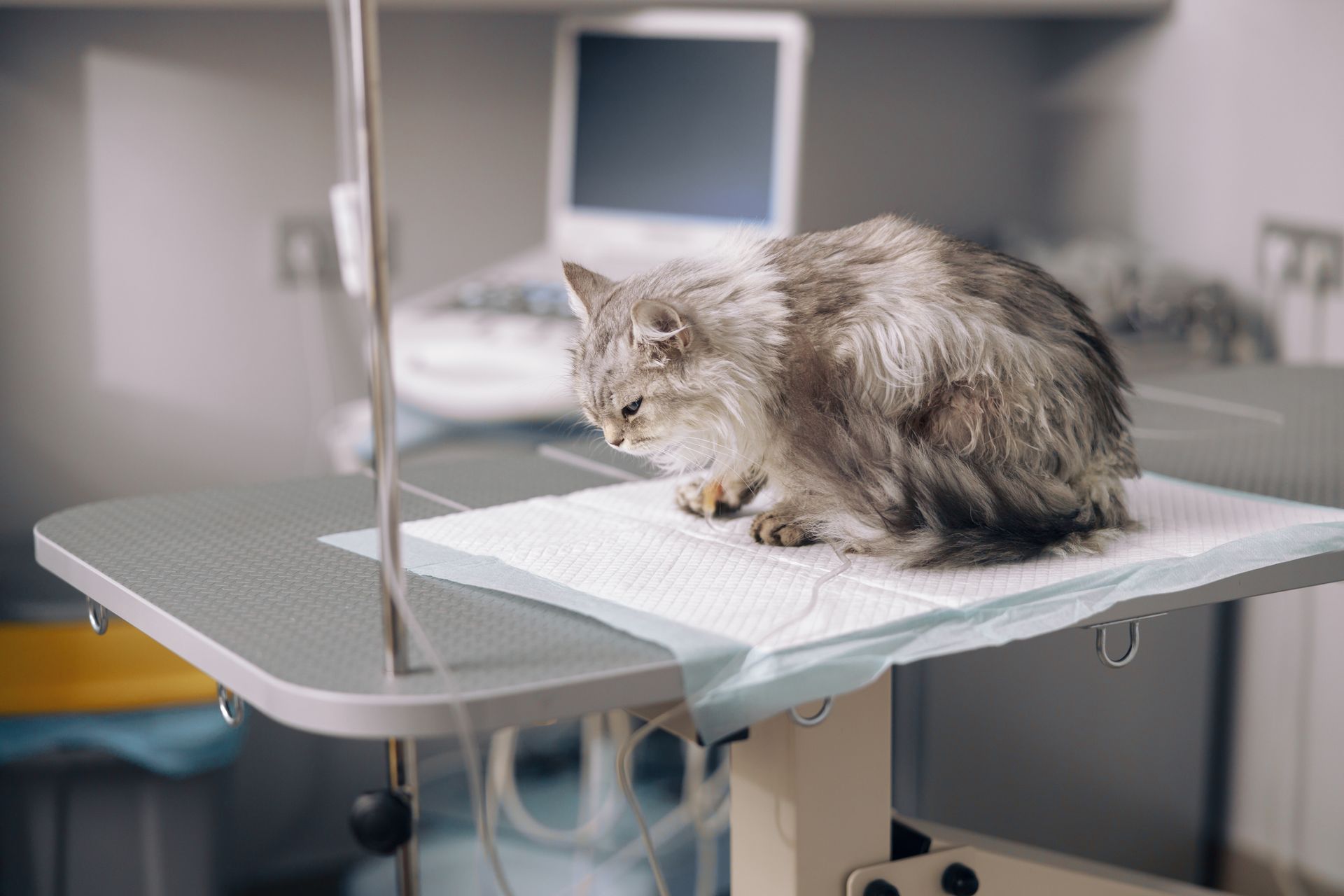
Clinical · high exposure
Veterinarians & Animal Hospitals
Professional and general liability, property, and workers’ comp for clinical operators with high exposure.
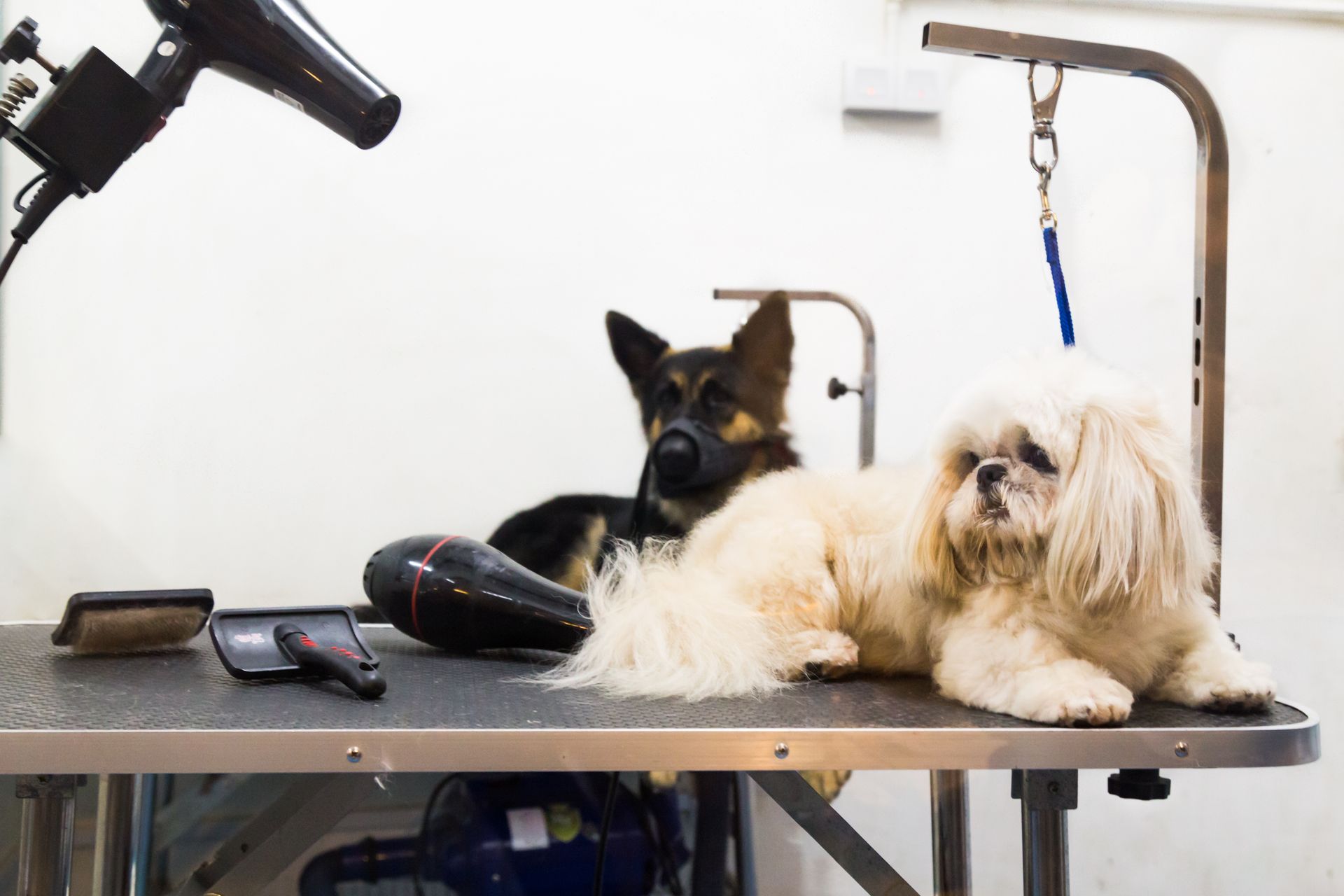
Hands-on · small business
Pet Groomers
Practical protection for animal handling, equipment, and the day-to-day of the grooming table, shop or mobile.
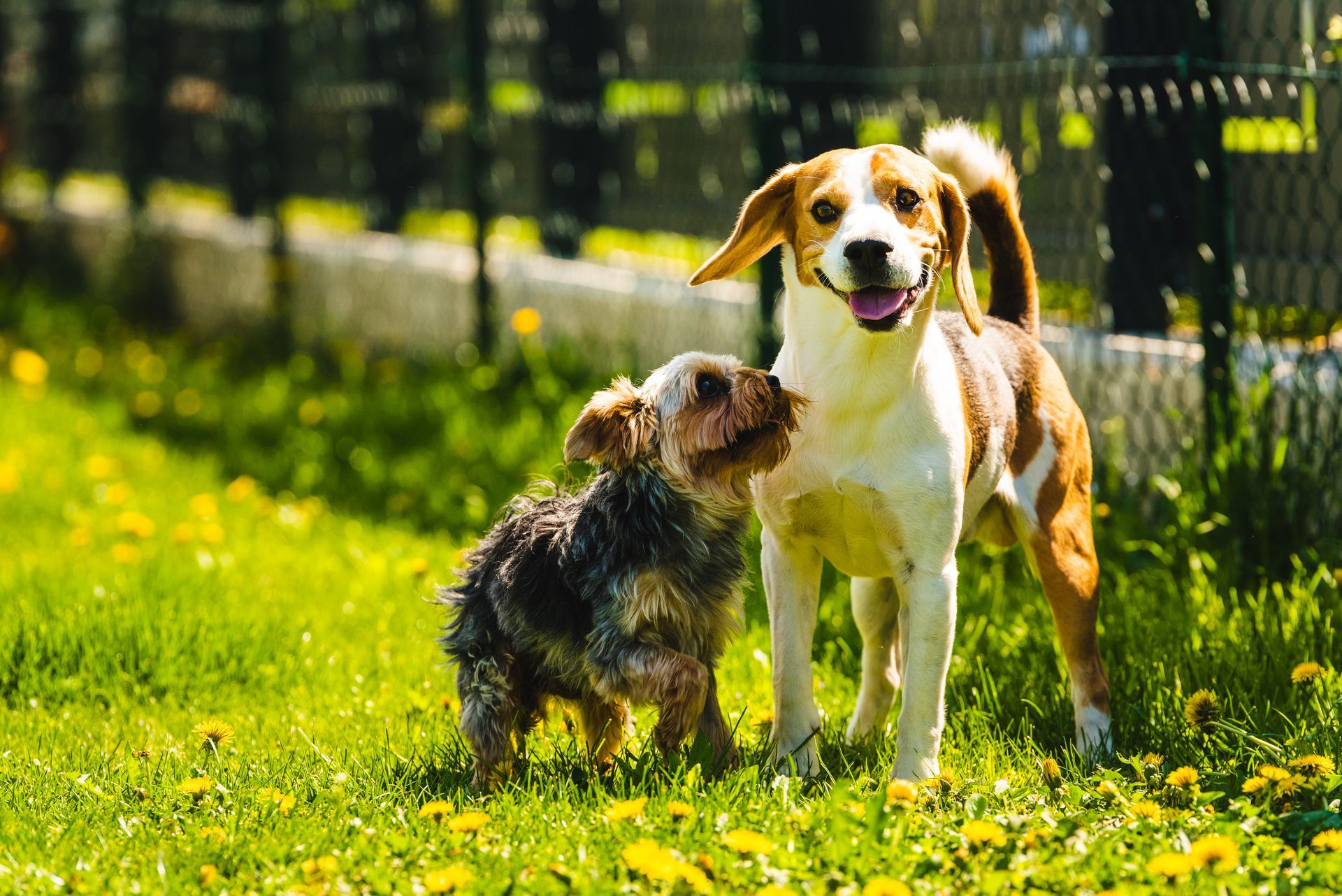
Safety-forward · overnight
Doggy Daycare & Boarding
Coverage matched to facilities responsible for animals overnight and all day long.
Our reviews
Trusted by pet professionals.
See what owners say about working with a specialist who already understands their business.
Frequently asked
Questions pet pros ask us.
What kinds of pet businesses do you insure?
We insure businesses across the animal-care industry — veterinarians and animal hospitals, groomers, doggy daycares and boarding facilities, kennels and trainers, pet sitters and dog walkers, and pet stores. We also cover breeders, equine operations, pet transporters, shelters and rescues, pet photographers, and aquariums or wildlife facilities.
If your work involves caring for, handling, or selling animals, there is a strong chance we cover it. Tell us what you do and we will confirm.
What is care, custody, and control coverage, and why does it matter?
Care, custody, and control coverage protects you when an animal in your charge is injured, becomes ill, or is lost while in your care. Standard general liability policies often exclude this exact exposure, which leaves a serious gap for pet businesses.
For groomers, boarders, sitters, and clinics, this is one of the most important coverages you can carry. We make sure it is in place and sized to your operation.
How is an independent agency different from buying direct from a carrier?
A direct carrier sells you its own single policy. As an independent agency, we shop multiple specialty insurers and compare programs to find the coverage that fits your business and budget.
That means you get options instead of one quote, and an advocate who works for you, not the carrier. We also handle the renewals and claims support over the life of your policy.
How fast can I get a quote?
Most clients get quoted within one business day. Our industry-specific intake forms collect the right details up front, so we can take your information straight to the carriers without a long back-and-forth.
Need it sooner? Call a specialist directly at (346) 738-7297 and we will move quickly.
Which states do you serve?
We are licensed and actively writing coverage in 12 states: Connecticut, Delaware, Georgia, Kentucky, Massachusetts, New Jersey, New York, North Carolina, Pennsylvania, South Carolina, Tennessee, and Virginia.
We continue to add states as we grow. If you operate outside this list, reach out and we will let you know our latest footprint.
From the blog
Coverage notes for pet professionals.
Plain-language risk tips and coverage explainers, written for owners — not insurance pros.
Speak with a specialist
Let's find the right coverage for your business.
No quote bots, no funnel. Talk to a real pet-insurance specialist who already understands your operation — and shops multiple markets on your behalf.
Call us
(346) 738-7297
Toll-free 845-250-5366
Email
service@petindustryins.com
Visit Us
2 Joyce Plaza
Stony Point, NY 10980