Coverage for veterinary practices
Connecticut Animal Rescue Insurance
Running an animal rescue in Connecticut means juggling adoptions, fosters, veterinary emergencies, and fundraising, often on a shoestring budget. Insurance probably isn't the first thing on your mind when you're pulling a neglected dog from a hoarding situation at 2 a.m. But one serious bite incident, one slip-and-fall at an adoption event, or one lawsuit from a disgruntled adopter can shut down an organization that took years to build. Animal rescue insurance in Connecticut isn't just a bureaucratic checkbox: it's what keeps your mission alive when things go sideways. The state has been tightening its oversight of animal welfare organizations, and the Connecticut Department of Agriculture reminded licensees and permittees to renew by June 30, issuing renewal notices for 1,419 credentials including animal importer and kennel licenses. That kind of regulatory activity signals a state that's paying attention. If you're operating a rescue in CT without proper coverage, you're taking a risk that could cost you everything. Here's what you actually need to know about protecting your organization, your volunteers, and the animals you serve.
Understanding Connecticut's Regulatory Landscape for Animal Rescues
Connecticut takes animal welfare seriously, and the legislative environment has been shifting in ways that directly affect rescue operations. The state's Animal Welfare Caucus unveiled a 2026 agenda to combat rising animal abuse and strengthen protections across the state, which means more scrutiny on how rescues operate, house animals, and handle adoptions. Pending legislation like HB 05264 could introduce additional requirements for organizations placing animals. Staying compliant isn't optional: it's the foundation that every insurance policy builds on.
CT Department of Agriculture Licensing Requirements
Any organization importing, rescuing, or rehoming animals in Connecticut needs proper licensing through the Department of Agriculture. This includes kennel licenses for facilities housing animals and animal importer permits for rescues pulling animals from out of state, which many CT rescues do regularly from southern states with overcrowded shelters.
Your license application typically requires proof of adequate facilities, veterinary care protocols, and record-keeping systems. Some municipalities layer on additional zoning or permitting requirements. The licensing process itself doesn't mandate specific insurance, but many landlords, event venues, and partner organizations will require proof of coverage before they'll work with you. Operating without a license can result in fines, seizure of animals, and criminal charges, none of which any insurer will look kindly upon.
Mandatory vs. Recommended Insurance Coverages
Connecticut doesn't have a single statute that says "every animal rescue must carry X amount of insurance." That catches people off guard. But the absence of a blanket mandate doesn't mean you can skip coverage. The state's strict liability framework for dog bites, codified under Connecticut's dog bite statutes, means the keeper of a dog is liable for damages regardless of whether the dog has ever bitten anyone before. If your rescue is fostering or housing a dog that bites someone, you're on the hook.
General liability coverage is effectively mandatory if you want to survive a single claim. Directors and officers coverage is strongly recommended for any rescue organized as a nonprofit. And if your volunteers are transporting animals or visiting foster homes, hired and non-owned auto coverage fills a gap most people don't realize exists until it's too late.
Core Insurance Policies for CT Rescue Operations
Getting the right mix of policies is where most rescues either get it right or leave dangerous gaps. A single general liability policy won't cover everything, and a patchwork of unrelated policies can leave you paying for overlapping coverage while missing critical exposures.
General Liability and Animal Bailee Coverage
General liability is your baseline. It covers third-party bodily injury and property damage, so when a visitor trips over a leash at your adoption fair or a foster dog scratches a neighbor's child, your policy responds. Most rescues need at least $1 million per occurrence and $2 million aggregate.
Animal bailee coverage is the piece that's specific to your world. Standard GL policies often exclude damage to animals in your care, custody, or control. If a dog in your facility injures itself, escapes, or dies due to negligence, bailee coverage pays for the animal's value and related expenses. Pet Professional Insurance Agency writes policies through specialty markets that include care, custody, and control coverage built for rescue operations: not generic business policies with animal endorsements tacked on as an afterthought.
Professional Liability for Medical and Behavioral Advice
Rescues routinely give medical and behavioral guidance to adopters. You tell someone their new dog needs a specific medication protocol, or you advise on managing resource guarding. If that advice leads to harm, whether to the animal or a person, professional liability (sometimes called errors and omissions) responds where general liability won't.
This is especially relevant for rescues with staff or volunteers who hold veterinary technician credentials, certified dog trainer certifications, or animal behaviorist qualifications. The advice you give carries professional weight, and a standard GL policy treats it as an excluded professional service. Even informal guidance documented in adoption paperwork can create liability exposure.
Directors and Officers (D&O) Insurance for Non-Profits
Most CT rescues operate as 501(c)(3) organizations, which means they have a board of directors making decisions about finances, personnel, and operations. D&O insurance protects those board members personally if someone sues the organization for mismanagement, wrongful termination of a staff member, or misuse of donated funds.
Without D&O coverage, your board members' personal assets are exposed. That's a fast way to lose good people from your board. Typical D&O policies for small nonprofits run between $800 and $2,500 annually depending on the organization's budget, number of board members, and claims history.
Comparing Coverage: Standard vs. Specialized Rescue Policies
Not all policies are created equal. A standard business owner's policy from a generalist carrier might look adequate on paper but fall apart when you file a claim involving an animal bite at a foster home or an allergic reaction at a fundraising event.
| Coverage Feature | Standard BOP | Specialized Rescue Policy |
|---|---|---|
| Animal Bailee/Care, Custody, Control | Excluded or minimal | Included with appropriate limits |
| Foster Home Coverage | Not addressed | Extended to approved foster locations |
| Bite Liability | Often sublimited | Full coverage, breed-neutral options |
| Volunteer Coverage | May require separate policy | Included under GL |
| Adoption Event Coverage | Requires special endorsement | Typically included |
| Professional Liability | Not included | Available as add-on or bundled |
Working with an agency that understands rescue-specific risks makes a measurable difference. Pet Professional Insurance Agency uses intake forms tailored specifically to rescue operations, which means your policy reflects what you actually do rather than what a generic questionnaire assumes.
Factors Influencing Insurance Costs in Connecticut
Premiums for CT rescue operations typically range from $1,200 to $5,000 annually for general liability alone, with total program costs (GL, professional liability, D&O, and property) running $3,000 to $10,000 for mid-sized organizations. Several factors push those numbers up or down.
Impact of Foster Home Networks on Premiums
Rescues that rely heavily on foster homes present a different risk profile than facility-based operations. Each foster home is essentially an extension of your organization, and insurers want to know how many active fosters you maintain, how you screen them, and what training you require.
A rescue with 50 active foster homes across three counties has significantly more exposure than one with a single facility. Underwriters look at your foster agreements, home-check protocols, and incident reporting procedures. Tighter controls generally mean lower premiums. If your foster program is informal, with no written agreements or home inspections, expect to pay more or struggle to find coverage at all.
High-Risk Breed and Bite History Considerations
Connecticut is a strict liability state for dog bites, meaning the owner or keeper is liable even if the dog has no prior bite history. For rescues, this creates a unique challenge: you're often taking in dogs with unknown histories and placing them in homes.
Some insurers impose breed restrictions or exclusions for pit bulls, Rottweilers, and similar breeds. Others offer breed-neutral policies but charge higher premiums for organizations that regularly handle these breeds. Your bite incident history matters enormously. Even one claim in the past three years can double your premium. Documenting behavioral assessments, temperament testing, and disclosure protocols helps demonstrate risk management to underwriters.
Risk Management and Compliance Strategies
Insurance is only half the equation. Solid risk management practices reduce your claims frequency and keep premiums manageable over time. Start with written protocols for every major operation: intake procedures, foster home standards, adoption screening, volunteer training, and event safety.
Require all volunteers to sign liability waivers and complete orientation training that covers animal handling, bite prevention, and emergency procedures. Document everything. When an incident occurs, report it to your insurer immediately, even if you think it's minor. Late-reported claims are a common reason for coverage disputes.
Conduct annual reviews of your insurance program. As your rescue grows, your exposures change. Adding a transport program, expanding into a new county, or hosting larger events all affect your coverage needs. A quick call to your agent, someone who knows rescue operations specifically, can identify gaps before they become problems. Pet Professional Insurance Agency typically responds within 24 to 48 hours, which matters when you need a certificate of insurance for next weekend's adoption event.
Common Questions About Insuring a CT Rescue
Does my homeowner's insurance cover my rescue if I operate from home? Almost never. Homeowner's policies exclude business activities and typically have animal liability limitations. You need a separate commercial policy for your rescue operations.
Are volunteers covered under our rescue's insurance? They can be, but only if your policy specifically includes volunteer coverage. Many standard policies don't, so confirm this with your agent before your next event.
Do we need insurance if we only do adoptions through PetFinder and never handle animals directly? Yes. If you're facilitating adoptions, screening adopters, or providing any guidance about the animals, you have liability exposure. The fact that fosters handle the animals doesn't eliminate your organization's responsibility.
How does Connecticut's strict liability law affect our rescue? Under Connecticut's strict liability framework, the keeper of a dog is responsible for bite injuries regardless of the dog's history. As a rescue, you're considered the keeper of animals in your care, making adequate liability coverage essential.
Can we get coverage for animals being transported from out of state? Yes, but you need to specifically request transit or inland marine coverage. Standard GL policies don't cover animals in transit, and transport is one of the higher-risk activities rescues engage in.
What happens if a foster dog damages a foster family's home? Your rescue's property damage coverage may respond, but only if your policy extends to foster locations. This is one of the most common coverage gaps in rescue insurance programs.
Making the Right Choice for Your Organization
Protecting a Connecticut animal rescue operation requires more than a single policy pulled off a shelf. The combination of the state's strict liability laws, evolving legislative requirements, and the inherent unpredictability of working with animals creates a risk profile that generic business insurance simply wasn't designed to handle.
Focus on three things: get properly licensed with the CT Department of Agriculture, build a coverage program that addresses your specific operations (including fosters, events, and transport), and implement written risk management protocols that demonstrate you're running a professional organization. These steps protect your mission, your people, and the animals that depend on you.
Index
Pet Professional Insurance Agency is fully licensed and permitted to provide commercial insurance solutions for pet businesses across 12 states.
We proudly serve pet professionals throughout the Northeast, Mid-Atlantic, and Southeast. Powered by Joyce Insurance Agency, our team works with leading specialty carriers — including The Hartford, USLI, Nautilus, and Northland — to make sure veterinarians, groomers, boarding facilities, and pet-care businesses receive coverage that fits their real risks in Connecticut, Delaware, Georgia, Kentucky, Massachusetts, New Jersey, New York, North Carolina, Pennsylvania, South Carolina, Tennessee, and Virginia.
About the author
Barnaby Joyce
Founder, Pet Professional Insurance Agency · Licensed Insurance Producer
I started Pet Professional Insurance Agency because I watched pet businesses get handed generic policies that never fit. After years of placing coverage for veterinary practices, grooming salons, doggy daycares, and kennels through a generalist agency, I saw the same gaps over and over — and the same blank stares when an owner tried to explain care, custody, and control to an agent who had never insured an animal in their life.
So I built an agency that does one thing. I work directly with specialty carriers who actually want pet-industry risk, and I sit down with every client personally. You will not get a call center or a chatbot. You will get someone who already speaks your language and shops the market on your behalf. That is the whole idea.
Recommended coverages
Coverages that pair with general liability.
Most pet businesses build on general liability with the lines below. Explore each — every page cross-links to the
industries we serve.
Services & advice
Professional Liability / E&O
Covers claims tied to your professional services and advice — clinical care, training guidance, and the judgment calls you make daily.
The pet-industry gap
Care, Custody & Control
Covers the animals in your charge against injury, illness, or loss — the critical exposure standard liability policies leave out.
Bundled & cost-effective
Business Owners Policy (BOP)
Bundles property and general liability into one package built for small to mid-sized pet businesses — often the simplest base.
Your building & contents
Commercial Property
Protects your building, build-out, equipment, and inventory against fire, theft, and covered losses — front desk to back room.
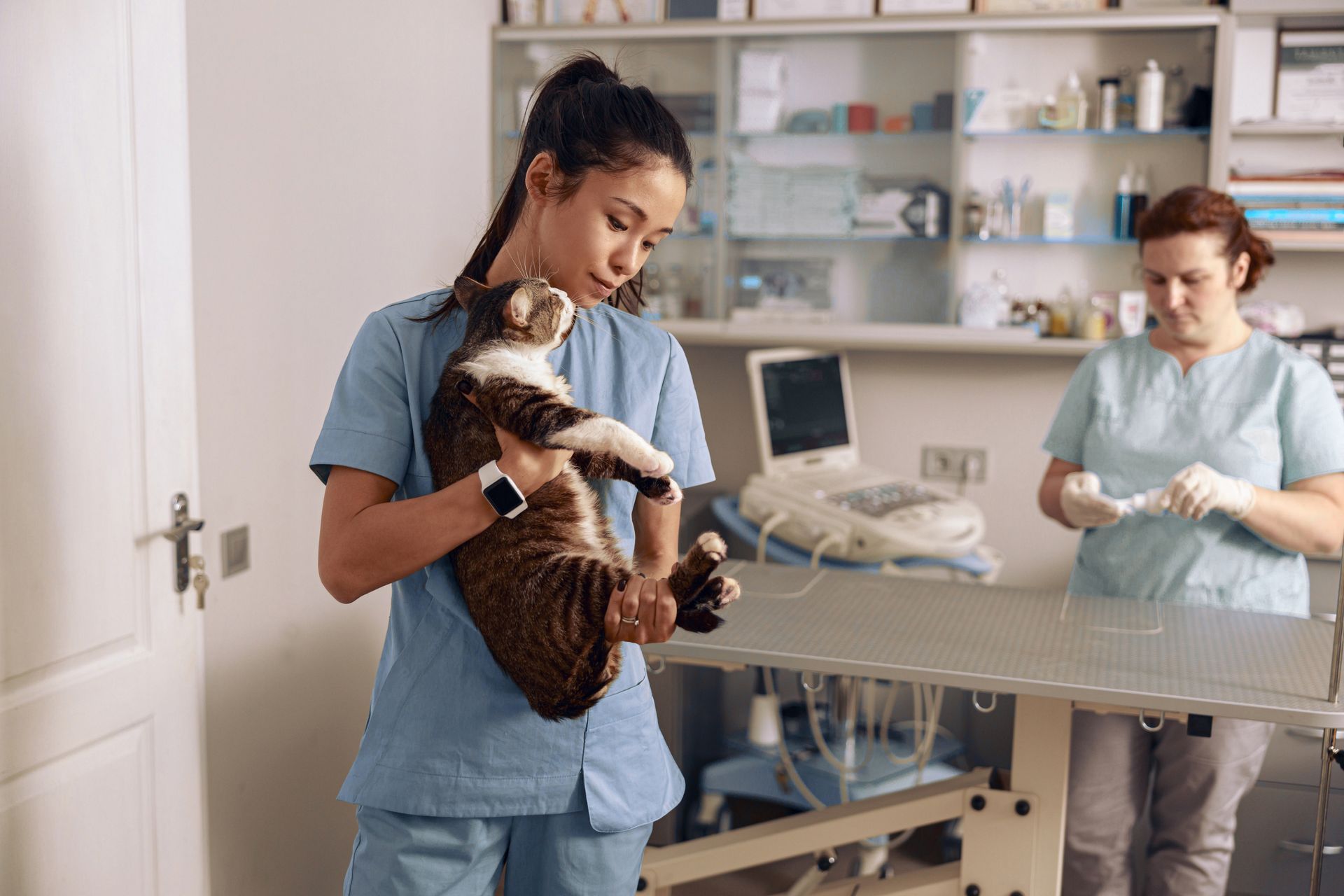
For your team
Workers’ Compensation
Covers medical costs and lost wages when a team member is hurt on the job — required in most states once you have employees.
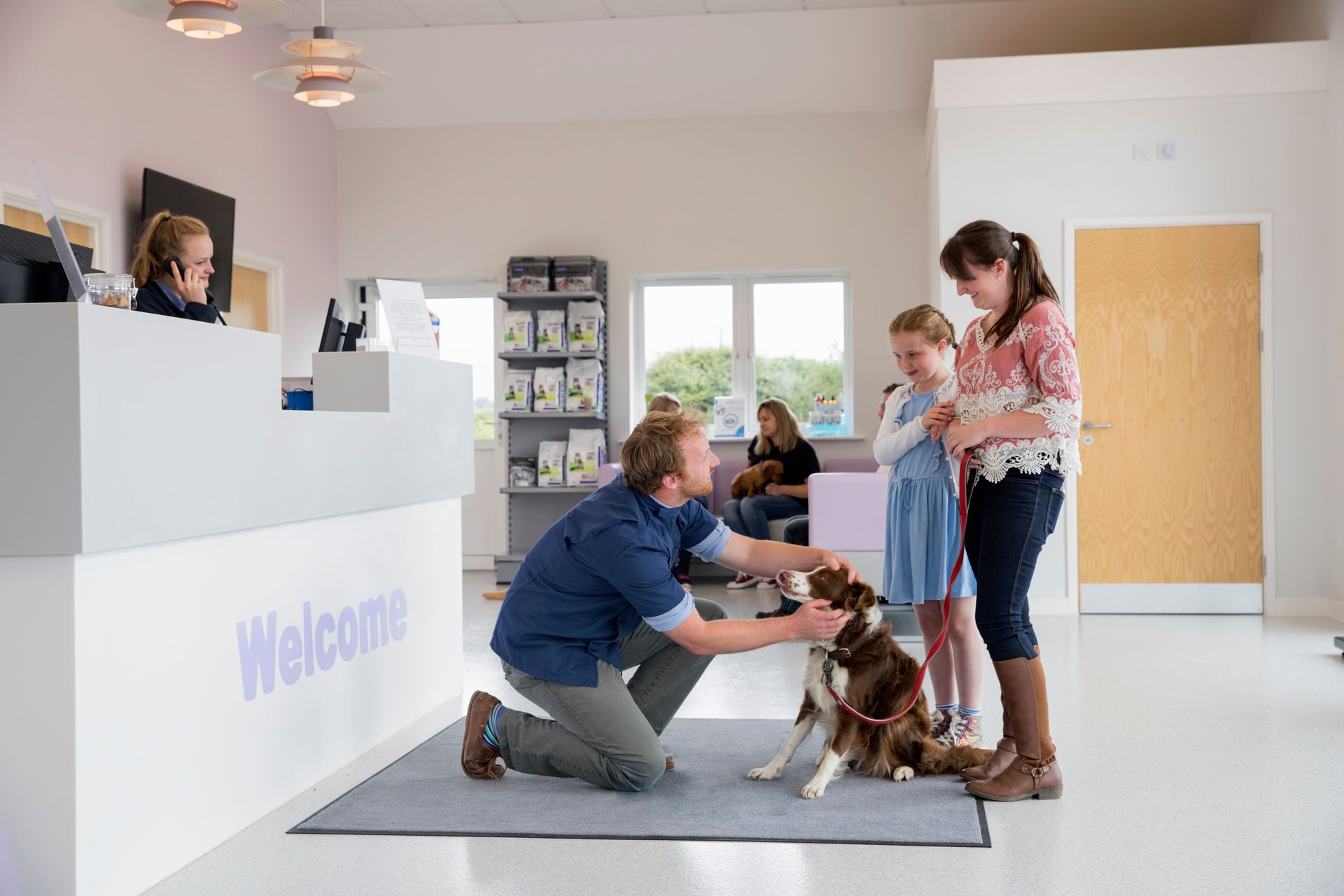
Extra protection
Commercial Umbrella
Adds liability limits above your primary policies for catastrophic claims that exceed standard coverage.
Coverage availability and terms vary by carrier and state. We recommend the right mix for your operation once we talk.
Industries we serve
Built for the businesses that care for animals.
General liability is the baseline for every segment we specialize in. Find the page built for your business.
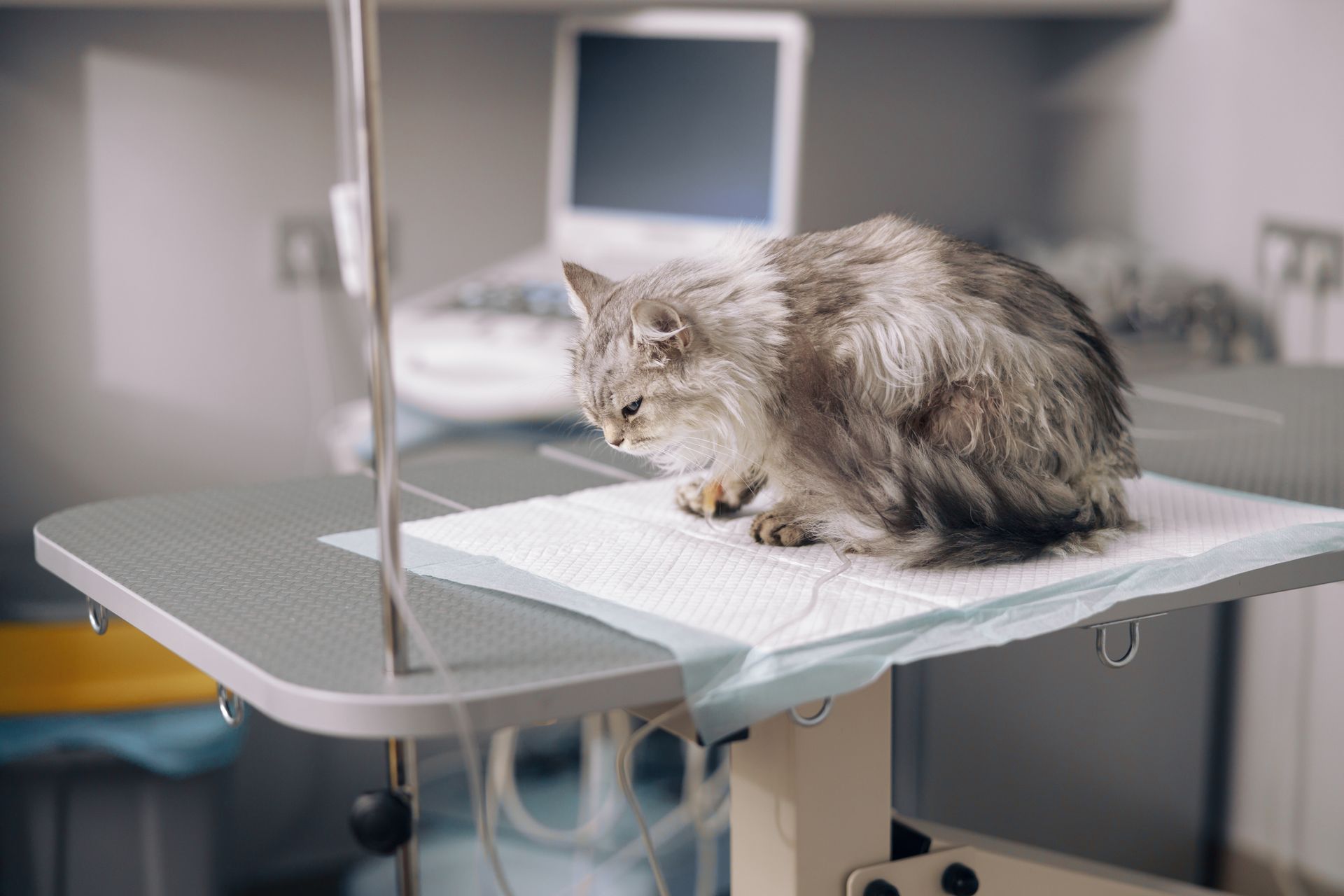
Clinical · high exposure
Veterinarians & Animal Hospitals
Professional and general liability, property, and workers’ comp for clinical operators with high exposure.
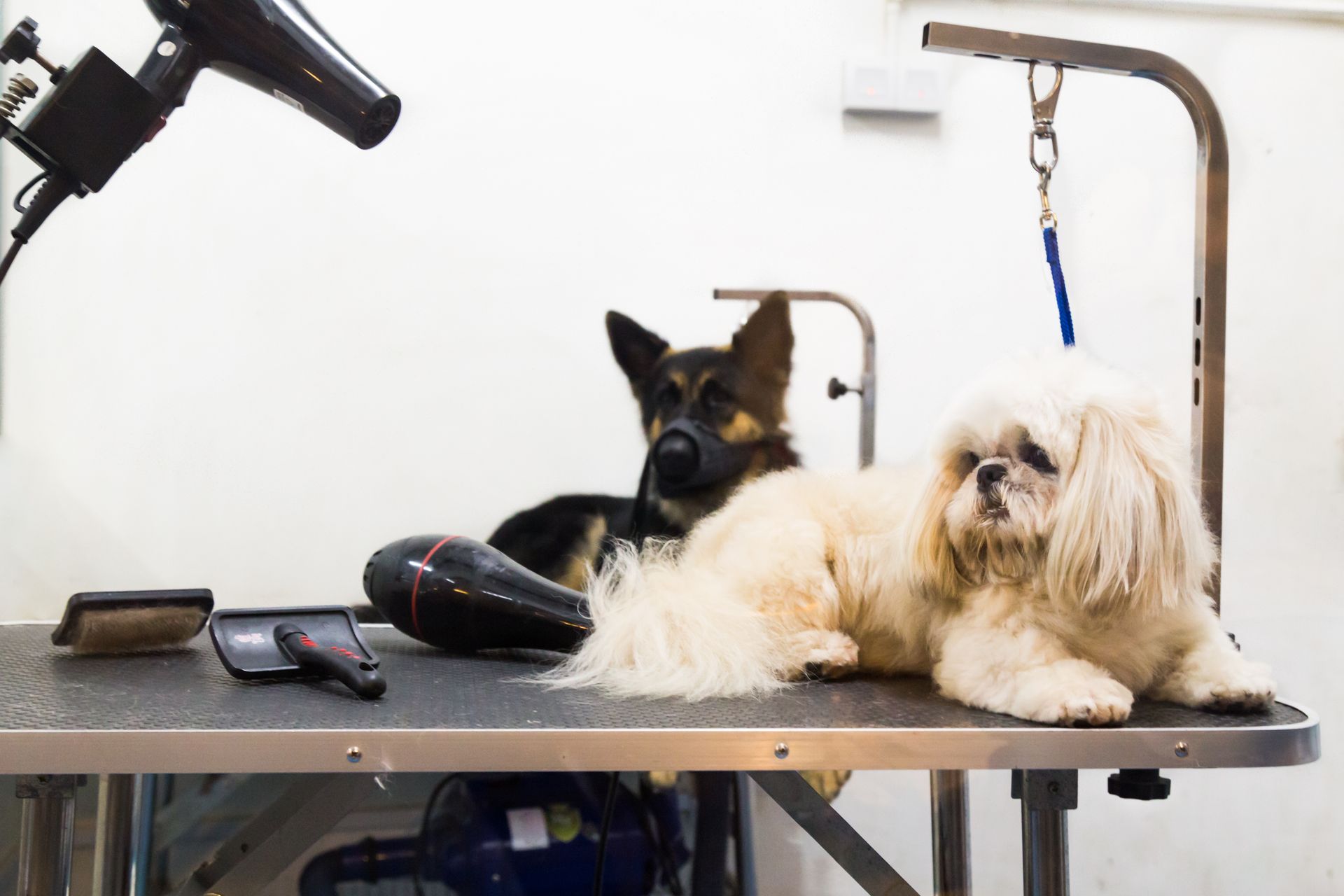
Hands-on · small business
Pet Groomers
Practical protection for animal handling, equipment, and the day-to-day of the grooming table, shop or mobile.

Safety-forward · overnight
Doggy Daycare & Boarding
Coverage matched to facilities responsible for animals overnight and all day long.
Our reviews
Trusted by pet professionals.
See what owners say about working with a specialist who already understands their business.
Frequently asked
Questions pet pros ask us.
What kinds of pet businesses do you insure?
We insure businesses across the animal-care industry — veterinarians and animal hospitals, groomers, doggy daycares and boarding facilities, kennels and trainers, pet sitters and dog walkers, and pet stores. We also cover breeders, equine operations, pet transporters, shelters and rescues, pet photographers, and aquariums or wildlife facilities.
If your work involves caring for, handling, or selling animals, there is a strong chance we cover it. Tell us what you do and we will confirm.
What is care, custody, and control coverage, and why does it matter?
Care, custody, and control coverage protects you when an animal in your charge is injured, becomes ill, or is lost while in your care. Standard general liability policies often exclude this exact exposure, which leaves a serious gap for pet businesses.
For groomers, boarders, sitters, and clinics, this is one of the most important coverages you can carry. We make sure it is in place and sized to your operation.
How is an independent agency different from buying direct from a carrier?
A direct carrier sells you its own single policy. As an independent agency, we shop multiple specialty insurers and compare programs to find the coverage that fits your business and budget.
That means you get options instead of one quote, and an advocate who works for you, not the carrier. We also handle the renewals and claims support over the life of your policy.
How fast can I get a quote?
Most clients get quoted within one business day. Our industry-specific intake forms collect the right details up front, so we can take your information straight to the carriers without a long back-and-forth.
Need it sooner? Call a specialist directly at (346) 738-7297 and we will move quickly.
Which states do you serve?
We are licensed and actively writing coverage in 12 states: Connecticut, Delaware, Georgia, Kentucky, Massachusetts, New Jersey, New York, North Carolina, Pennsylvania, South Carolina, Tennessee, and Virginia.
We continue to add states as we grow. If you operate outside this list, reach out and we will let you know our latest footprint.
From the blog
Coverage notes for pet professionals.
Plain-language risk tips and coverage explainers, written for owners — not insurance pros.
Speak with a specialist
Let's find the right coverage for your business.
No quote bots, no funnel. Talk to a real pet-insurance specialist who already understands your operation — and shops multiple markets on your behalf.
Call us
(346) 738-7297
Toll-free 845-250-5366
Email
service@petindustryins.com
Visit Us
2 Joyce Plaza
Stony Point, NY 10980