Coverage for veterinary practices
North Carolina Equine Insurance
Connecticut isn't the most expensive state for equine insurance, but it's not the least expensive either. Several variables determine what you'll actually pay.
Factors Influencing Insurance Costs in the Nutmeg State
Facility Size and Annual Revenue
North Carolina is home to one of the largest horse populations on the East Coast, with tens of thousands of equines spread across boarding facilities, breeding operations, lesson barns, and private farms. If you run any kind of equine operation here, you already know the risks are real: a horse kicks a visitor, a boarded animal colics overnight, a barn fire wipes out years of investment. The right insurance coverage isn't optional - it's the difference between surviving a bad day and closing your gates for good. But figuring out what you actually need, what the state requires, and what it all costs can feel overwhelming. Between NC-specific liability statutes, workers' compensation rules, and the gap between standard farm policies and true equine coverage, there's a lot of room for expensive mistakes. This guide breaks down equine insurance coverage requirements, costs, and compliance essentials for NC operations so you can protect your horses, your property, and your livelihood without overpaying or leaving dangerous gaps in your coverage.
Understanding North Carolina Equine Liability Laws
North Carolina has specific statutes that shape how liability works for horse-related businesses, and understanding them is non-negotiable if you want your insurance to actually do its job. These laws don't eliminate your liability entirely, but they do create a framework that affects what you need to insure against and how your policies should be structured.
The state treats equine activities differently from general recreational activities, which means your standard business liability thinking might not apply here. Getting this wrong can mean your insurance claim gets denied at the worst possible moment.
The North Carolina Equine Activity Liability Act
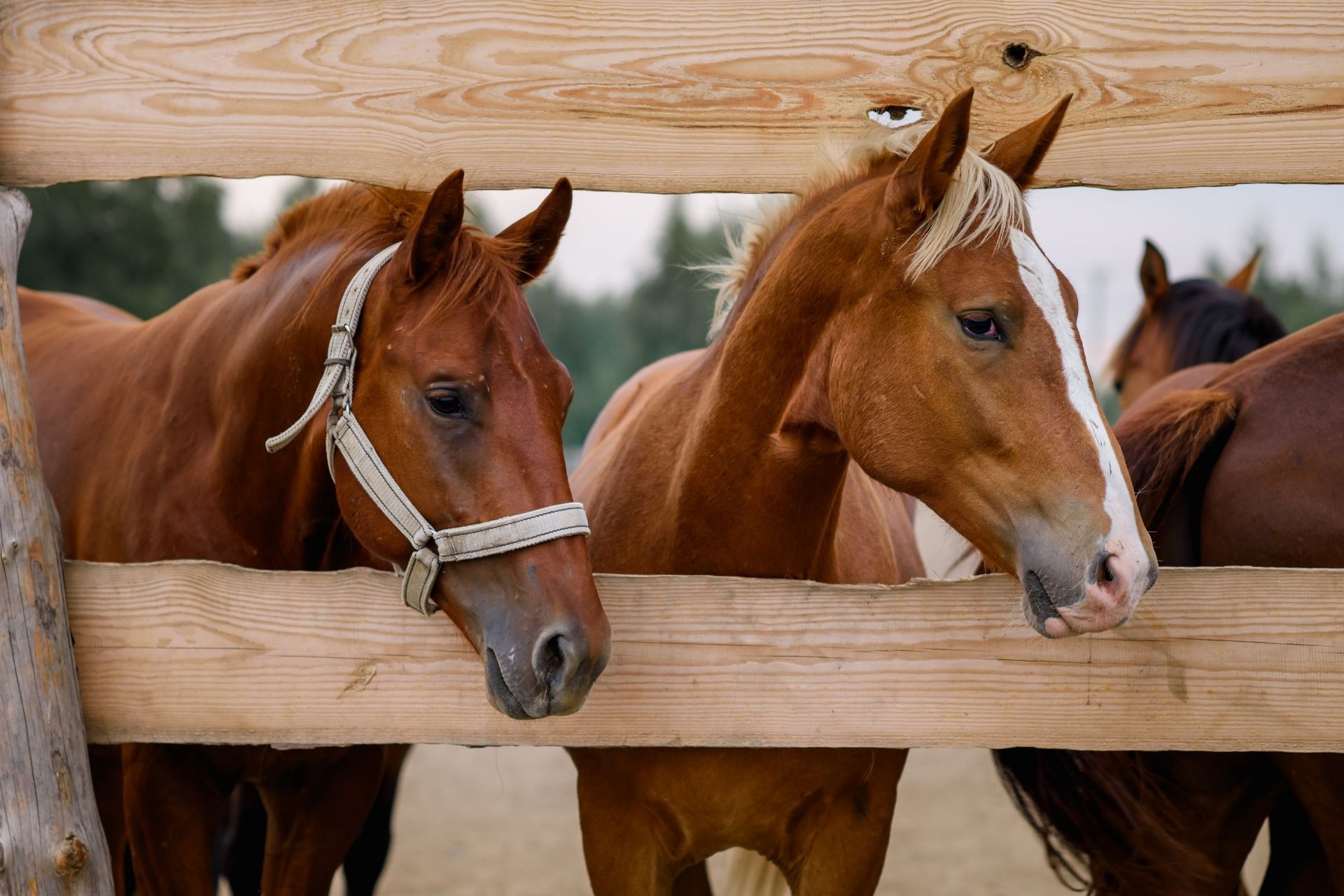
North Carolina General Statute § 99E-1 through § 99E-3 provides limited liability protection for equine activity sponsors and professionals. The law recognizes that horses are inherently unpredictable animals and that participants assume certain risks when they interact with them. This means that if a rider falls off during a lesson because the horse spooked at a bird, the barn owner may have statutory protection from a lawsuit.
But here's the catch: this protection has significant limits. The Act does not protect you if you provide faulty tack, fail to match a rider's skill level to an appropriate horse, or act negligently in any way. Understanding liability waivers for equine activities in North Carolina requires careful attention to both what the statute covers and what it doesn't. A strong liability insurance policy fills the gaps where the statute leaves you exposed.
Required Signage and Contract Language
The Equine Activity Liability Act only protects you if you follow its requirements precisely. You must post warning signs in at least two conspicuous locations on your property, and the signs must contain specific statutory language about the inherent risks of equine activities. Skip this step, and you may lose your statutory protection entirely.
Your contracts and waivers with clients need similar language. Every boarding agreement, lesson contract, and event waiver should include the statutory warning. Many NC equine operations overlook the legal considerations for insuring their business, treating signage as a formality rather than a legal requirement. Have an attorney review your signage and contracts - it's a small investment that can save you from a six-figure lawsuit.
Core Insurance Policies for NC Horse Owners and Businesses
Not every equine operation needs the same coverage stack. A backyard horse owner has very different risk exposure than a 40-stall boarding and training facility. That said, certain policy types form the foundation of any responsible coverage plan.
Commercial General Liability vs. Care, Custody, or Control
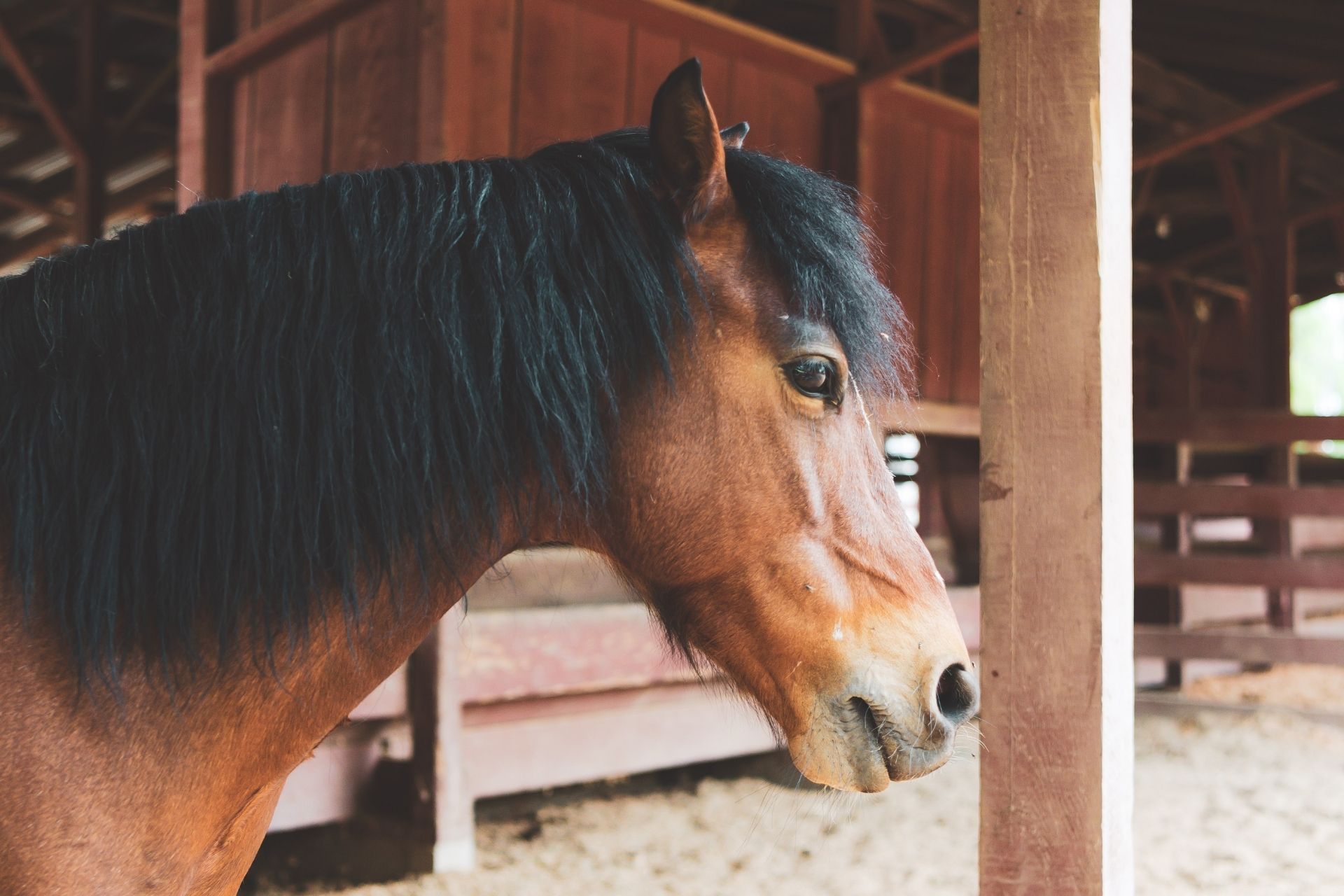
Commercial general liability (CGL) covers injuries to third parties on your property and damage you cause to others' property. If a visitor trips over a wheelbarrow in your barn aisle and breaks a wrist, your CGL responds. This is the baseline policy every equine business needs, and equine liability coverage typically starts around $1,200 to $2,500 annually for small to mid-size operations.
Here's where most barn owners get tripped up: standard CGL policies exclude animals in your care, custody, or control (CCC). That means if a client's horse injures itself in your pasture or dies from a preventable cause while boarded at your facility, your general liability policy won't cover it. You need a separate CCC endorsement or standalone policy. At Pet Professional Insurance Agency, we see this gap constantly among equine and pet-care businesses - it's one of the most common and most dangerous coverage mistakes.
Mortality and Major Medical Coverage for Horses
If you own horses worth significant money, mortality insurance protects your investment if the animal dies from illness, injury, or accident. Full mortality coverage in 2026 typically costs between 2.8% and 4.5% of the animal's insured value. So a horse valued at $50,000 might cost $1,400 to $2,250 per year to insure.
Major medical coverage handles veterinary bills from accidents and illnesses, usually with annual limits between $5,000 and $10,000. Surgical-only policies cost less but cover a narrower range of situations. For breeding operations, loss of use coverage can be critical - if a stallion can no longer breed due to injury, you can recover a portion of the animal's value even though the horse is still alive.
Comparison: Coverage Types for North Carolina Operations
| Coverage Type | What It Protects | Who Needs It | Typical Annual Cost Range |
|---|---|---|---|
| Commercial General Liability | Third-party injuries, property damage | All equine businesses | $1,200 - $3,500 |
| Care, Custody, or Control | Animals boarded or in your care | Boarding barns, trainers, lesson programs | $800 - $2,500 |
| Full Mortality | Death of owned horses | Owners of high-value horses | 2.8% - 4.5% of insured value |
| Major Medical | Vet bills for illness/injury | Horse owners wanting health coverage | 2.8% - 4.5% of insured value |
| Workers' Compensation | Employee injuries on the job | Operations with employees | Varies by payroll |
| Farm/Property | Barns, arenas, equipment, fencing | All facility owners | $1,500 - $5,000+ |
| Commercial Auto | Trucks, trailers used for business | Operations that haul horses | $1,200 - $3,000 |
This table gives you a snapshot, but every operation is different. A lesson barn with 15 school horses and 200 students per week faces very different risks than a private breeding farm with three broodmares.
Factors Influencing Equine Insurance Costs in NC
Your premium isn't pulled from thin air. Insurers look at specific risk factors to determine what you'll pay, and understanding these factors gives you real leverage in managing costs.
Revenue and Number of Boarded Horses
The more horses on your property and the more money flowing through your operation, the higher your liability exposure. A facility boarding 30 horses generates more premium than one boarding 10, simply because there are more opportunities for something to go wrong. Annual revenue matters too - a barn grossing $300,000 from lessons, training, and boarding will pay more than a $75,000-per-year operation.
Insurers also look at the types of activities you offer. Trail rides with the public carry more risk than private training. Hosting events or clinics with outside horses introduces animals and riders whose behavior you can't predict. Each activity layer adds to your premium.
Facility Safety Standards and Risk Mitigation
Your physical setup directly affects what you pay. Insurers want to see proper fencing, fire extinguishers in every barn aisle, safe footing in arenas, and well-maintained structures. A barn with a sprinkler system and lightning rods will typically earn lower premiums than one without.
Documentation matters here. Written safety protocols, incident reports, and proof of regular maintenance all signal to underwriters that you take risk management seriously. Some carriers offer premium credits for completing equine safety courses or maintaining specific certifications. These aren't just nice-to-haves - they can save you hundreds of dollars annually.
Worker Compliance and Farm Property Protection
Running an equine operation means managing risks beyond just the horses. Your employees and your physical assets need protection too, and North Carolina has specific rules you need to follow.
North Carolina Workers' Compensation Requirements
North Carolina requires workers' compensation insurance for businesses with three or more employees. This includes part-time workers, and yes, it includes that teenager who mucks stalls on weekends if they're on your payroll. Farm operations sometimes assume they're exempt, but the agricultural exemption in NC is narrow and doesn't cover most commercial equine businesses.
The penalties for non-compliance are steep: fines, personal liability for medical bills, and potential criminal charges. Workers' comp premiums for equine operations are based on payroll and job classifications. Barn workers and riders handling horses fall into higher-risk categories than office staff, so expect those classifications to carry higher rates. The USDA has also been
announcing changes to livestock insurance programs that may affect how some agricultural operations structure their coverage going forward.
Insuring Barns, Arenas, and Equipment
Standard homeowners' insurance won't cover commercial equine structures, and NC homeowners' rates have been increasing as of mid-2026, making it even more important to separate your personal and commercial coverage. You need a commercial property or farm policy that specifically covers your barns, indoor and outdoor arenas, hay storage, equipment, and fencing.
Replacement cost coverage is worth the extra premium over actual cash value. A 20-year-old barn might have a depreciated value of $40,000, but rebuilding it could cost $150,000. Don't get caught with a policy that pays you pennies on the dollar after a fire or hurricane. NC's coastal and piedmont regions face real storm risks, so make sure your policy addresses wind and hail damage specifically.
Common Questions About NC Horse Insurance
Does the Equine Activity Liability Act mean I don't need liability insurance? Absolutely not. The Act provides limited protection, but it doesn't cover negligence, and lawsuits can be filed regardless. Insurance pays for your legal defense even when the claim is baseless.
Can I add horses to my homeowners' policy? Most homeowners' policies exclude commercial equine activities. If you're boarding horses for others, giving lessons, or running any business involving horses, you need a separate commercial policy.
How do I insure horses I don't own but board at my facility? Care, custody, and control coverage protects you if a client's horse is injured or dies while in your care. Without it, you're personally liable for the animal's value.
What happens if an employee gets hurt and I don't have workers' comp? You become personally responsible for all medical expenses, lost wages, and potential lawsuits. NC can also impose fines and criminal penalties for non-compliance.
Do I need separate coverage for horse shows or events I host? Yes. Most general liability policies require an endorsement or separate event policy for competitions, clinics, or shows with outside participants. Talk to your agent before the event, not after.
Is there a difference between farm insurance and equine insurance?
Farm policies cover agricultural operations broadly. Equine-specific policies are tailored to horse businesses and typically include coverage options like CCC, participant liability, and stallion or broodmare coverage that standard farm policies miss.
Making the Right Choice for Your Stable
Protecting a North Carolina equine operation takes more than a single policy. You need a coverage strategy that accounts for your specific activities, your employees, your facility, and the horses in your care. The Equine Activity Liability Act gives you a foundation, but insurance fills the real gaps.
Start by auditing your current coverage against the risks outlined here. If you're missing CCC coverage, running without workers' comp when you should have it, or relying on a homeowners' policy for a commercial operation, you're exposed in ways that could end your business overnight.
Working with an agency that understands animal-related businesses makes a real difference. At Pet Professional Insurance Agency, we work with multiple specialty markets and use intake forms designed specifically for equine and pet-care operations, which means faster, more accurate coverage. Most clients hear back within 24 to 48 hours, and you'll work directly with an agent who understands your risks - not a call center representative reading from a script.
Get your coverage reviewed before the next boarding contract, lesson, or event. The cost of proper insurance is always less than the cost of being uninsured when something goes wrong.
Index
Pet Professional Insurance Agency is fully licensed and permitted to provide commercial insurance solutions for pet businesses across 12 states.
We proudly serve pet professionals throughout the Northeast, Mid-Atlantic, and Southeast. Powered by Joyce Insurance Agency, our team works with leading specialty carriers — including The Hartford, USLI, Nautilus, and Northland — to make sure veterinarians, groomers, boarding facilities, and pet-care businesses receive coverage that fits their real risks in Connecticut, Delaware, Georgia, Kentucky, Massachusetts, New Jersey, New York, North Carolina, Pennsylvania, South Carolina, Tennessee, and Virginia.
About the author
Barnaby Joyce
Founder, Pet Professional Insurance Agency · Licensed Insurance Producer
I started Pet Professional Insurance Agency because I watched pet businesses get handed generic policies that never fit. After years of placing coverage for veterinary practices, grooming salons, doggy daycares, and kennels through a generalist agency, I saw the same gaps over and over — and the same blank stares when an owner tried to explain care, custody, and control to an agent who had never insured an animal in their life.
So I built an agency that does one thing. I work directly with specialty carriers who actually want pet-industry risk, and I sit down with every client personally. You will not get a call center or a chatbot. You will get someone who already speaks your language and shops the market on your behalf. That is the whole idea.
Recommended coverages
Coverages that pair with general liability.
Most pet businesses build on general liability with the lines below. Explore each — every page cross-links to the
industries we serve.
Services & advice
Professional Liability / E&O
Covers claims tied to your professional services and advice — clinical care, training guidance, and the judgment calls you make daily.
The pet-industry gap
Care, Custody & Control
Covers the animals in your charge against injury, illness, or loss — the critical exposure standard liability policies leave out.
Bundled & cost-effective
Business Owners Policy (BOP)
Bundles property and general liability into one package built for small to mid-sized pet businesses — often the simplest base.
Your building & contents
Commercial Property
Protects your building, build-out, equipment, and inventory against fire, theft, and covered losses — front desk to back room.
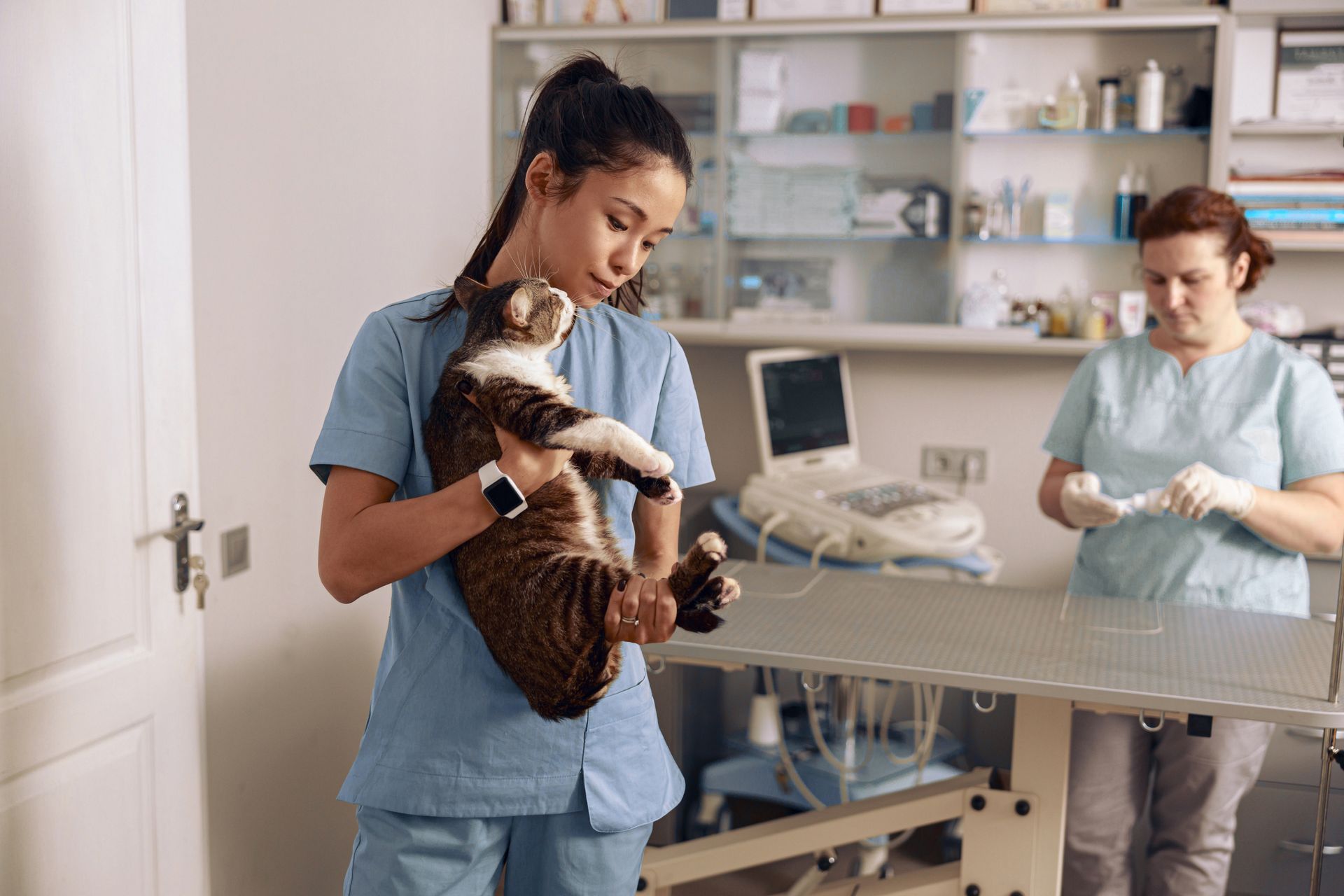
For your team
Workers’ Compensation
Covers medical costs and lost wages when a team member is hurt on the job — required in most states once you have employees.
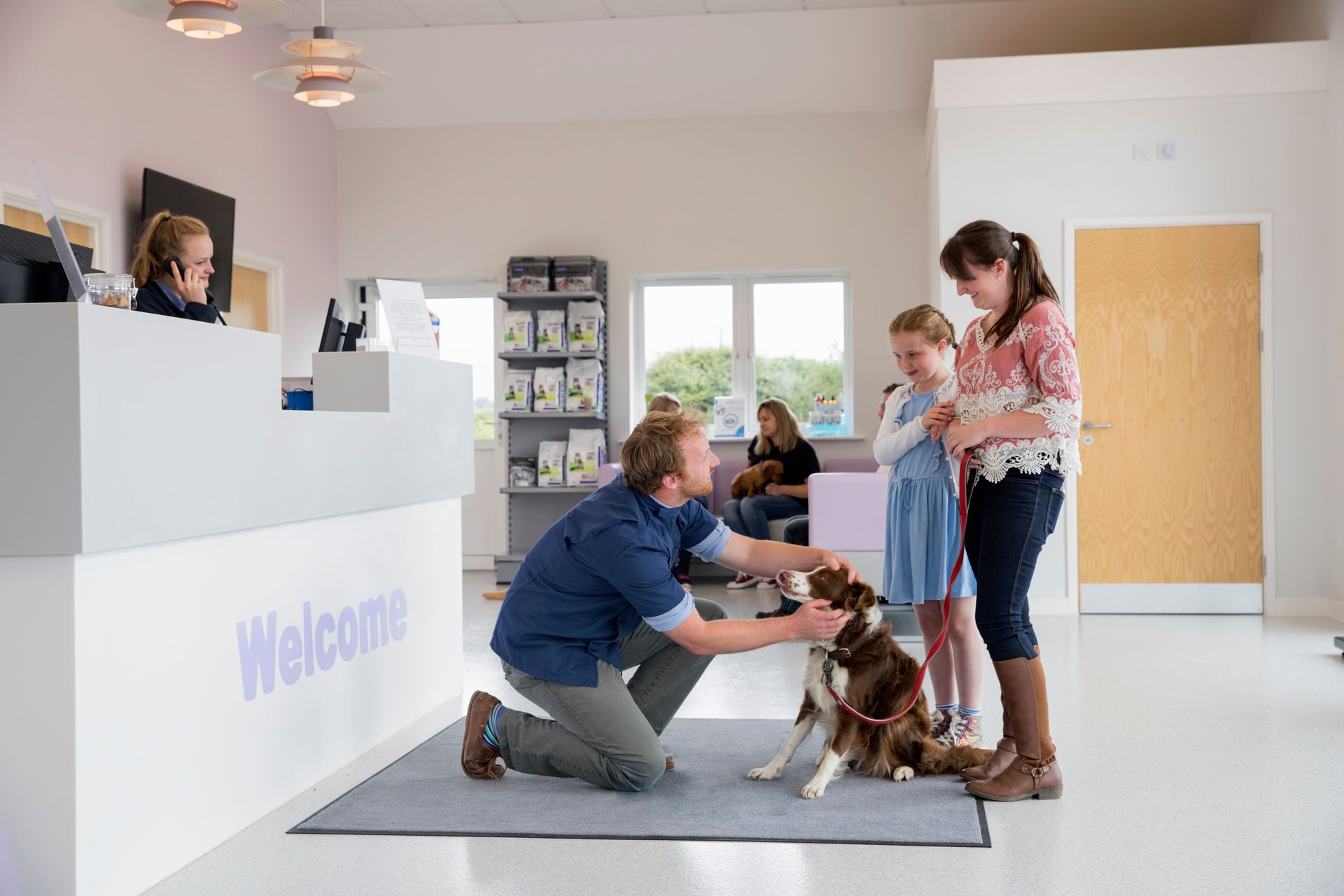
Extra protection
Commercial Umbrella
Adds liability limits above your primary policies for catastrophic claims that exceed standard coverage.
Coverage availability and terms vary by carrier and state. We recommend the right mix for your operation once we talk.
Industries we serve
Built for the businesses that care for animals.
General liability is the baseline for every segment we specialize in. Find the page built for your business.
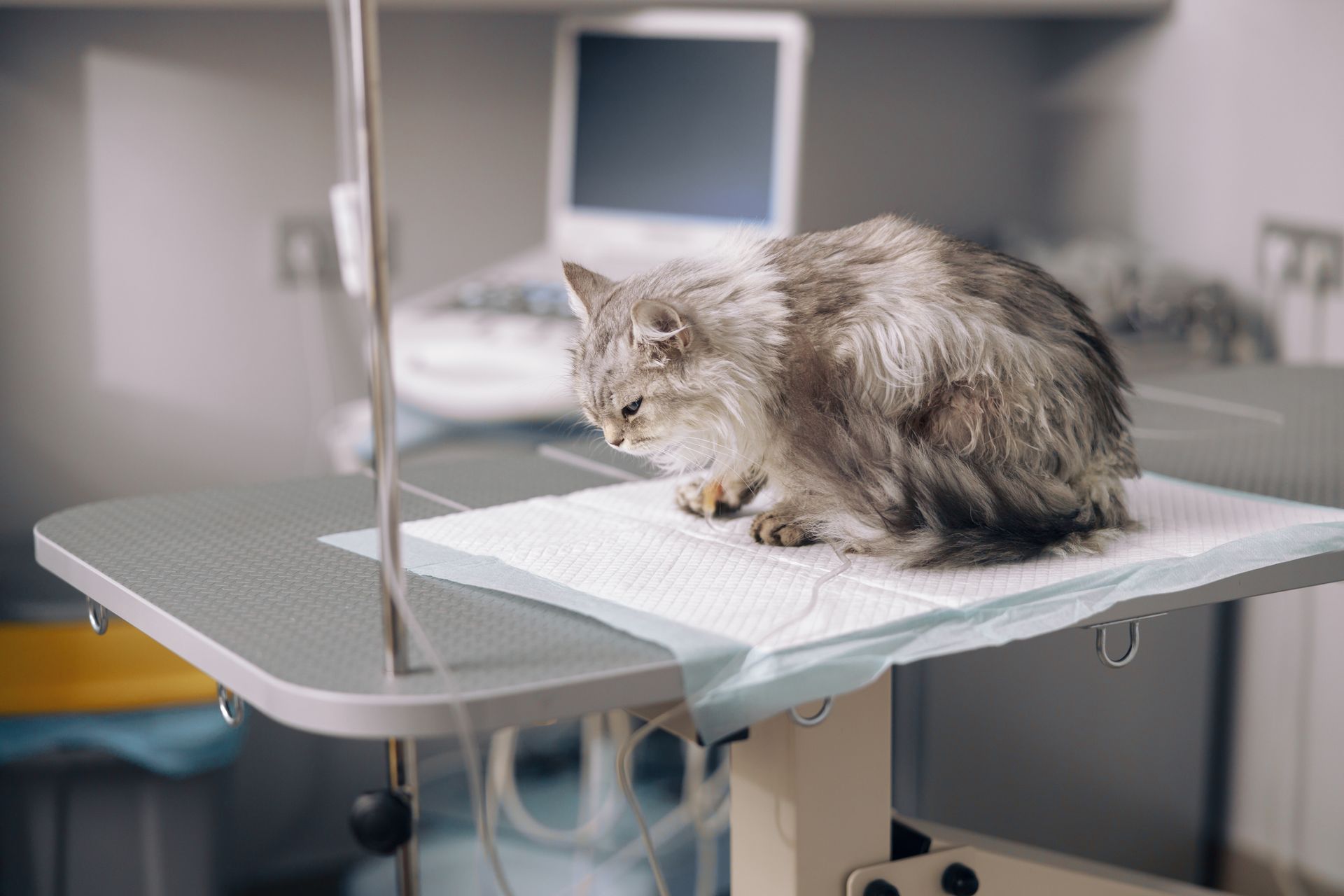
Clinical · high exposure
Veterinarians & Animal Hospitals
Professional and general liability, property, and workers’ comp for clinical operators with high exposure.
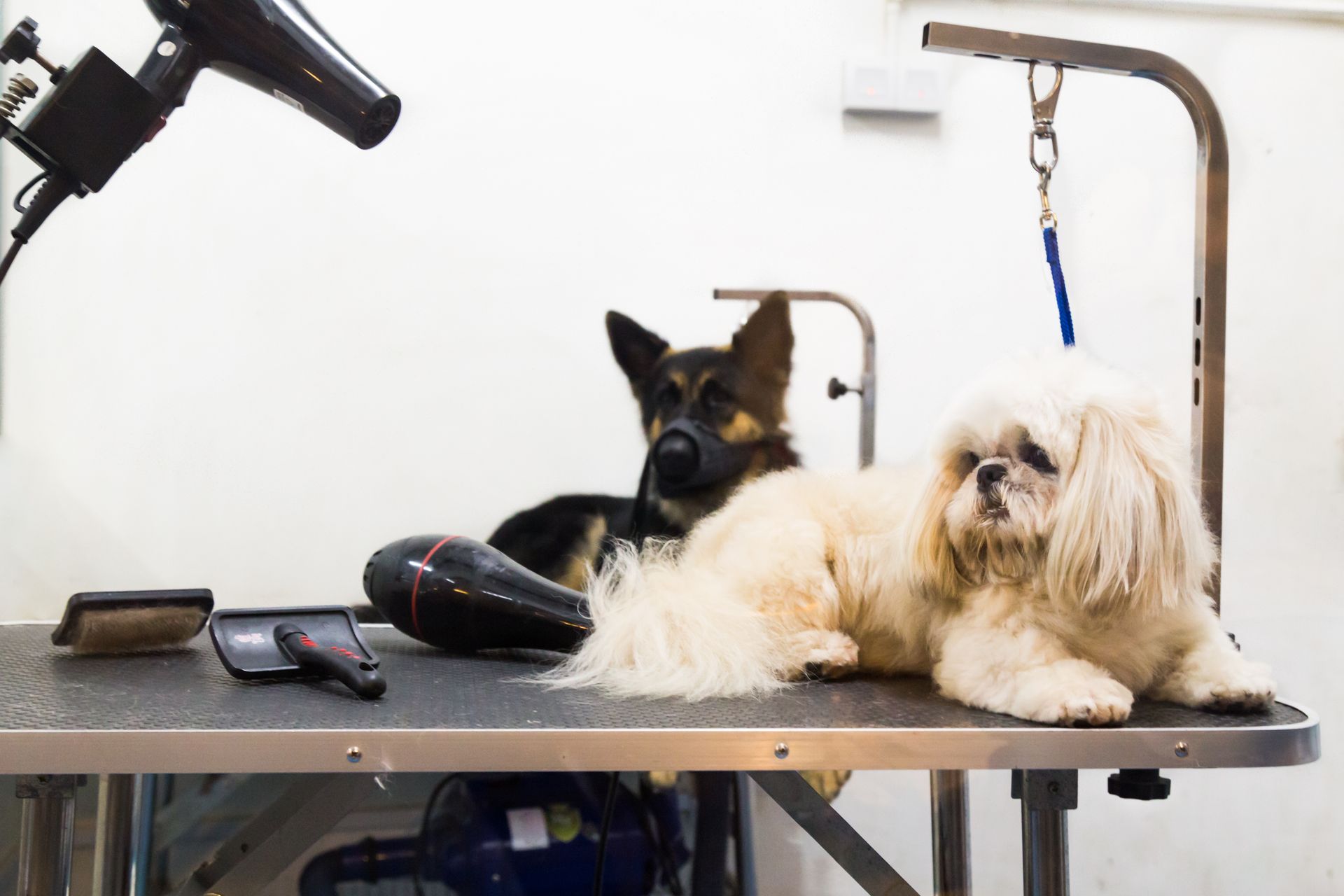
Hands-on · small business
Pet Groomers
Practical protection for animal handling, equipment, and the day-to-day of the grooming table, shop or mobile.
Safety-forward · overnight
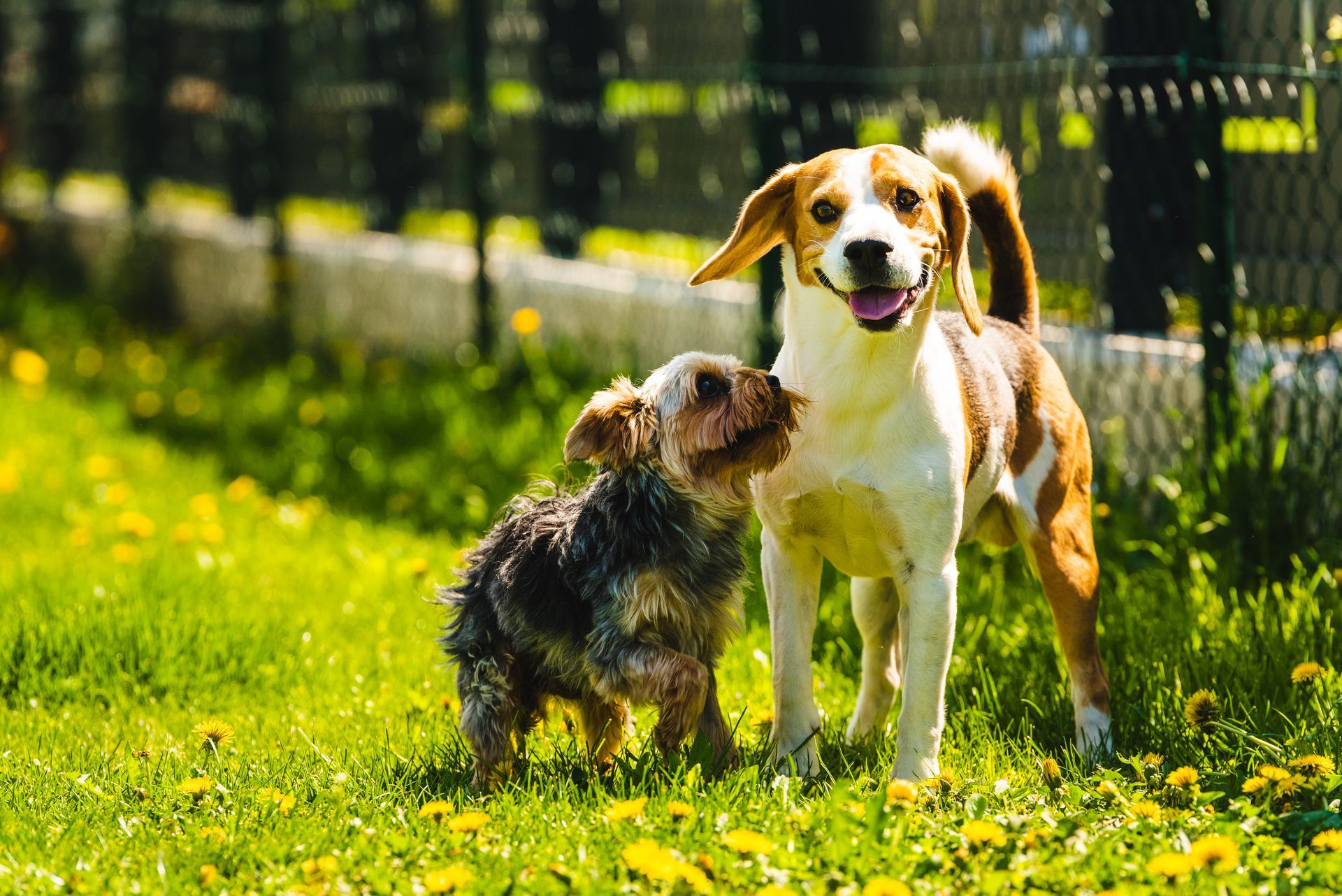
Doggy Daycare & Boarding
Coverage matched to facilities responsible for animals overnight and all day long.
Our reviews
Trusted by pet professionals.
See what owners say about working with a specialist who already understands their business.
Frequently asked
Questions pet pros ask us.
What kinds of pet businesses do you insure?
We insure businesses across the animal-care industry — veterinarians and animal hospitals, groomers, doggy daycares and boarding facilities, kennels and trainers, pet sitters and dog walkers, and pet stores. We also cover breeders, equine operations, pet transporters, shelters and rescues, pet photographers, and aquariums or wildlife facilities.
If your work involves caring for, handling, or selling animals, there is a strong chance we cover it. Tell us what you do and we will confirm.
What is care, custody, and control coverage, and why does it matter?
Care, custody, and control coverage protects you when an animal in your charge is injured, becomes ill, or is lost while in your care. Standard general liability policies often exclude this exact exposure, which leaves a serious gap for pet businesses.
For groomers, boarders, sitters, and clinics, this is one of the most important coverages you can carry. We make sure it is in place and sized to your operation.
How is an independent agency different from buying direct from a carrier?
A direct carrier sells you its own single policy. As an independent agency, we shop multiple specialty insurers and compare programs to find the coverage that fits your business and budget.
That means you get options instead of one quote, and an advocate who works for you, not the carrier. We also handle the renewals and claims support over the life of your policy.
How fast can I get a quote?
Most clients get quoted within one business day. Our industry-specific intake forms collect the right details up front, so we can take your information straight to the carriers without a long back-and-forth.
Need it sooner? Call a specialist directly at (346) 738-7297 and we will move quickly.
Which states do you serve?
We are licensed and actively writing coverage in 12 states: Connecticut, Delaware, Georgia, Kentucky, Massachusetts, New Jersey, New York, North Carolina, Pennsylvania, South Carolina, Tennessee, and Virginia.
We continue to add states as we grow. If you operate outside this list, reach out and we will let you know our latest footprint.
From the blog
Coverage notes for pet professionals.
Plain-language risk tips and coverage explainers, written for owners — not insurance pros.
Speak with a specialist
Let's find the right coverage for your business.
No quote bots, no funnel. Talk to a real pet-insurance specialist who already understands your operation — and shops multiple markets on your behalf.
Call us
(346) 738-7297
Toll-free 845-250-5366
Email
service@petindustryins.com
Visit Us
2 Joyce Plaza
Stony Point, NY 10980