Coverage for veterinary practices
South Carolina Pet Transportation Insurance
Connecticut isn't the most expensive state for equine insurance, but it's not the least expensive either. Several variables determine what you'll actually pay.
Factors Influencing Insurance Costs in the Nutmeg State
Facility Size and Annual Revenue
Standard homeowners' insurance won't cover commercial equine structures, and NC homeowners' rates have been increasing as of mid-2026, making it even more important to separate your personal and commercial coverage. You need a commercial property or farm policy that specifically covers your barns, indoor and outdoor arenas, hay storage, equipment, and fencing.
Replacement cost coverage is worth the extra premium over actual cash value. A 20-year-old barn might have a depreciated value of $40,000, but rebuilding it could cost $150,000. Don't get caught with a policy that pays you pennies on the dollar after a fire or hurricane. NC's coastal and piedmont regions face real storm risks, so make sure your policy addresses wind and hail damage specifically.
Running a pet transport service in South Carolina means you're responsible for living cargo, and that changes the insurance equation entirely. A fender-bender isn't just a property damage claim: it's a potential animal injury, a distraught pet owner, and a liability scenario that standard commercial auto policies weren't designed to handle. Local ground transport for pets in South Carolina typically ranges from $100 to $350 per trip, and long-distance services can run significantly higher. Those price points might seem modest, but a single incident involving an injured animal or a missed delivery window can generate claims that dwarf your revenue. Whether you're shuttling rescue dogs between shelters, running a pet taxi service in Charleston, or handling breeder deliveries across state lines, your insurance needs to match the actual risks you face on the road. South Carolina has its own regulatory layers, and the USDA adds federal requirements on top. Getting the coverage wrong doesn't just leave you financially exposed: it can shut your operation down. Here's what SC pet transporters actually need to know about coverage requirements, costs, and staying compliant.
Core Insurance Requirements for South Carolina Pet Transporters
Most pet transport operators underestimate how many coverage types they need. A personal auto policy won't cut it the moment you accept payment for moving someone's animal. South Carolina requires commercial auto insurance for any vehicle used in business operations, and that's just the starting point. You also need protection for the animals themselves, plus general liability for everything that happens outside the vehicle.
The tricky part is that these coverages come from different policy types, and gaps between them are where claims fall through. An animal that escapes during a handoff, a client who trips over a leash at your facility, a vehicle collision that injures three dogs in transit: each scenario triggers a different coverage line. Building the right insurance stack means understanding what each piece does and where South Carolina sets its minimums.
Commercial Auto and State Minimums
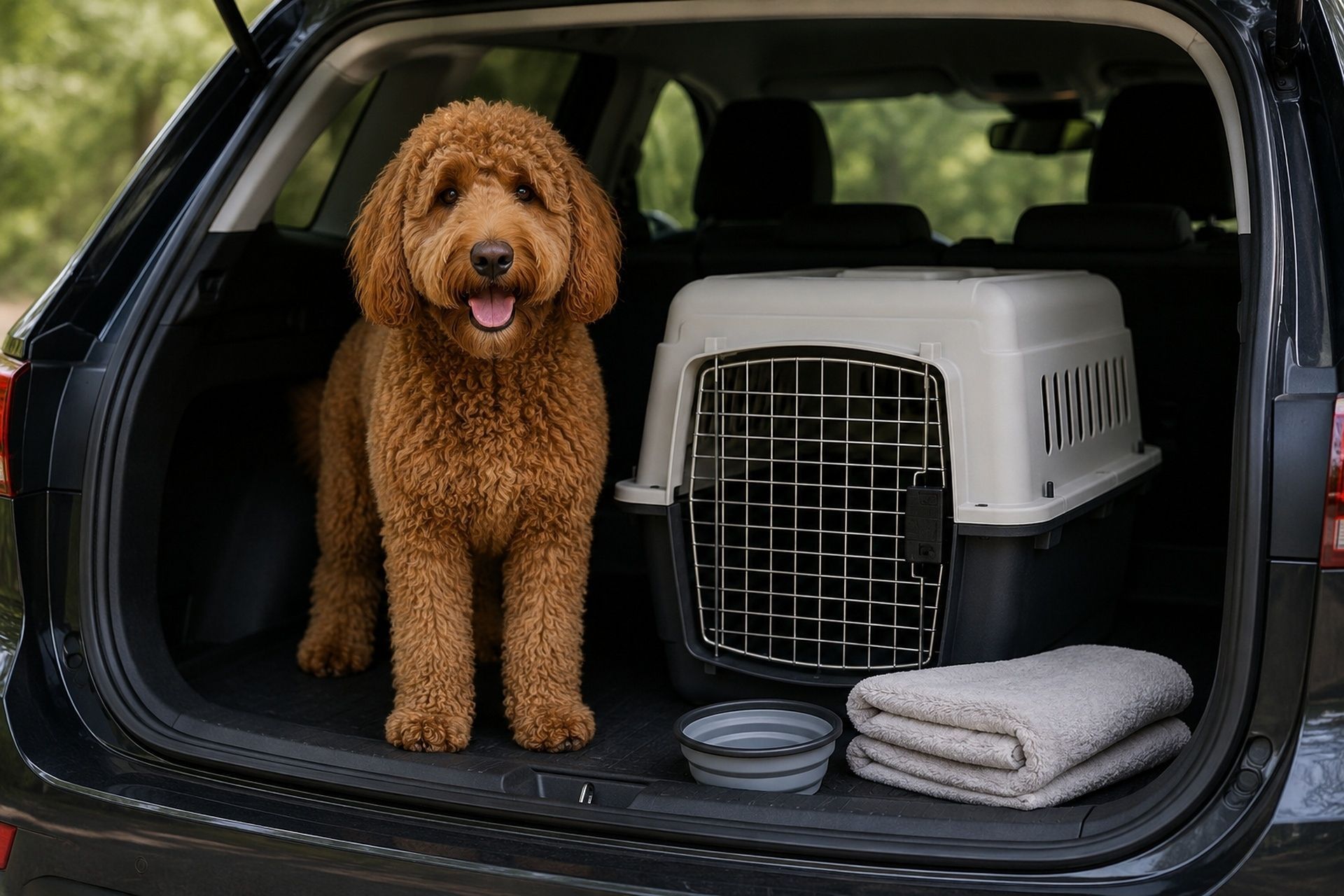
South Carolina mandates minimum liability limits of 25/50/25 for all vehicles: that's $25,000 per person for bodily injury, $50,000 per accident, and $25,000 for property damage. For a pet transport business, those minimums are dangerously low. A multi-vehicle accident with animals on board can blow past $50,000 before you finish the police report.
Most insurers and clients expect you to carry at least $100,000/$300,000 in bodily injury coverage and $100,000 in property damage. Commercial auto insurance for pet businesses should also include comprehensive and collision coverage for your vehicle, since transport vans with custom crating systems and climate controls represent a significant investment. If you're financing your vehicle, your lender will require comprehensive coverage anyway.
One thing people miss: personal auto policies contain business-use exclusions. If you're transporting pets for pay and file a claim under your personal policy, expect a denial.
Animal Bailee Coverage for SC Operations
This is the coverage most unique to pet transport. Animal bailee insurance (sometimes called care, custody, and control coverage) protects you when an animal in your care is injured, becomes ill, or dies during transport. Standard general liability policies specifically exclude animals in your custody, so without bailee coverage, you're personally liable for veterinary bills, replacement costs, and emotional distress claims.
Bailee limits typically range from $5,000 to $25,000 per animal, with aggregate caps per incident. If you're transporting high-value breeds or show animals, you may need higher per-animal limits. A specialty agency like Pet Professional Insurance Agency can help you match bailee limits to the types of animals you actually move, since a service transporting $10,000 French Bulldogs needs very different coverage than one moving rescue cats.
South Carolina General Liability Standards
General liability covers third-party bodily injury and property damage that occurs during your business operations but outside the vehicle. Think: a dog bites a bystander during pickup, a client slips on your loading ramp, or your employee damages a client's property during a home visit.
Most SC pet transporters carry $1 million per occurrence and $2 million aggregate. Pet taxi insurance programs often bundle general liability with animal bailee coverage, which simplifies your policy management. Some municipal contracts and shelter partnerships in South Carolina require proof of general liability before they'll work with you.
Comparing Coverage Levels for Pet Transport Businesses
Not every transporter needs the same coverage depth. A solo operator running local trips around Greenville has different risk exposure than a company doing multi-state runs with a fleet of vans. The table below breaks down typical coverage tiers.
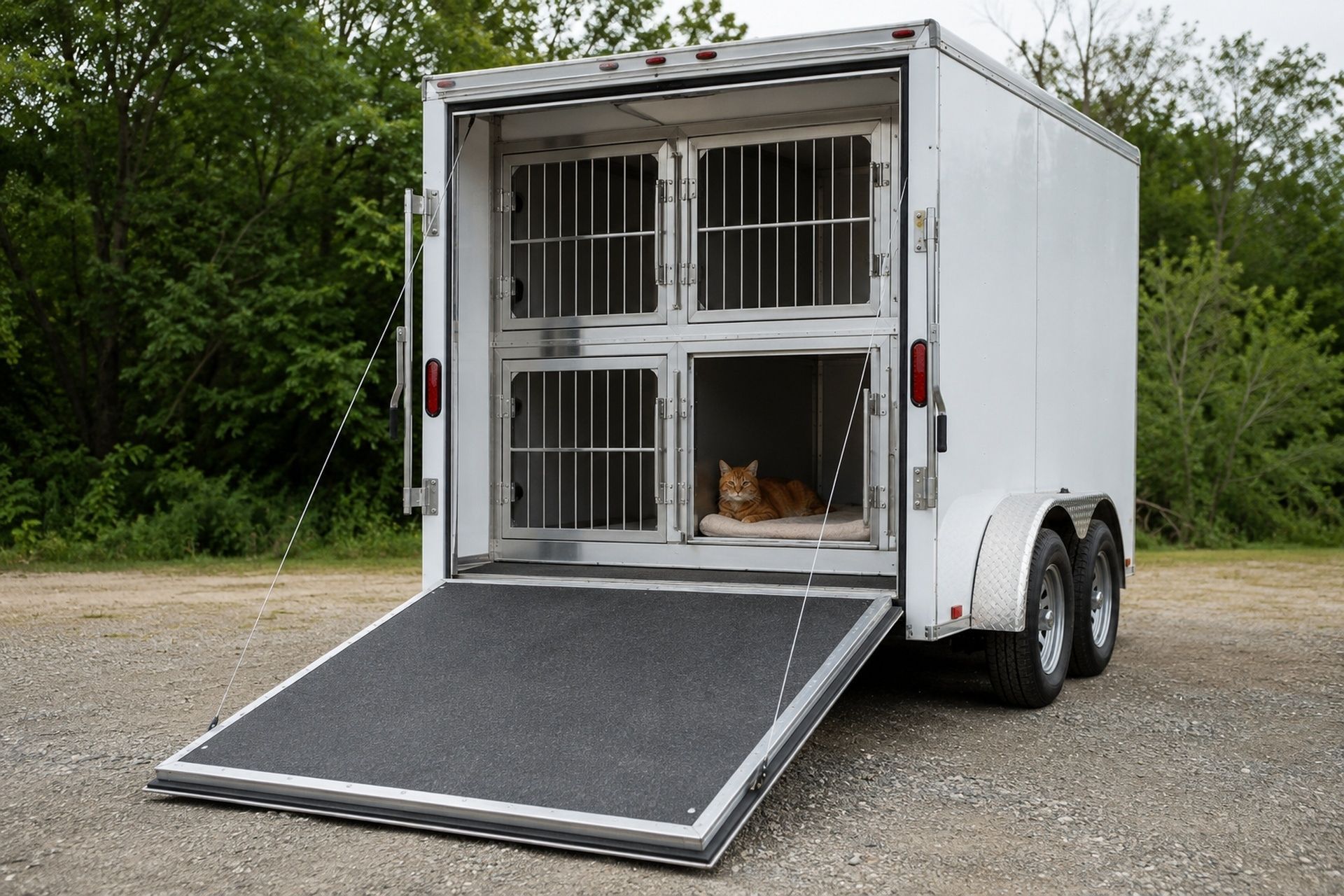
Table: Standard vs. Premium Protection Plans
| Coverage Feature | Standard Plan | Premium Plan |
|---|---|---|
| Commercial Auto Liability | $100K/$300K/$100K | $500K/$500K/$250K |
| Animal Bailee (per animal) | $5,000 | $15,000 - $25,000 |
| General Liability | $1M / $2M aggregate | $2M / $4M aggregate |
| Hired & Non-Owned Auto | Not included | Included |
| Inland Marine (equipment) | Not included | $10,000 - $50,000 |
| Roadside Assistance | Basic | Enhanced with animal-specific protocols |
| Typical Annual Cost | $2,500 - $4,500 | $5,500 - $9,000+ |
The premium tier makes sense if you're transporting high-value animals, operating multiple vehicles, or crossing state lines regularly. Hired and non-owned auto coverage is essential if employees ever use personal vehicles for business errands, even briefly.
Factors Influencing Insurance Costs in the Palmetto State
Your annual premium isn't a fixed number pulled from a rate card. Insurers evaluate a dozen variables specific to your operation, and understanding them gives you some control over what you pay.
Vehicle Type and Safety Upgrades
A converted cargo van with professional crating, climate control, and GPS tracking will cost more to insure than a standard SUV, but it may actually lower your per-mile risk profile. Insurers look favorably on vehicles with dash cameras, backup sensors, and temperature monitoring systems because they reduce claim frequency and severity.
Fleet size matters too. A single-vehicle operation typically pays $2,500 to $4,500 annually for commercial auto, while a three-van fleet might run $8,000 to $15,000 depending on driver records and vehicle age. Newer vehicles with advanced safety features often qualify for premium credits.
Travel Radius and Interstate Considerations
A transporter working exclusively within the Columbia metro area faces different risks than one running animals from South Carolina to Florida or up the East Coast. Interstate operations increase your exposure to accidents, extend transit times (which raises animal health risks), and may trigger insurance requirements in multiple states.
Insurance options for pet transporters vary based on whether you operate locally, regionally, or nationally. If you cross state lines, you'll need to verify that your policy provides coverage in every state you enter. Some policies restrict coverage to a named territory, and an out-of-state claim under a territory-limited policy is a nightmare you want to avoid.
Your driving record and claims history also weigh heavily. A clean five-year record can save you 15% to 25% compared to a driver with at-fault accidents.
Regulatory Compliance and Licensing for SC Transporters
Insurance is only one piece of the compliance puzzle. South Carolina pet transporters face oversight from both state and federal agencies, and the requirements differ based on what types of animals you move and whether you cross state lines.
SC Department of Agriculture Oversight
The South Carolina Department of Agriculture regulates the movement of animals within and across state borders, primarily through health certificate requirements. Any dog or cat transported into South Carolina needs a Certificate of Veterinary Inspection (CVI) issued within 30 days of entry, and the animal must be current on rabies vaccination.
If you're transporting livestock or exotic animals, additional permits and inspections apply. Transporters should maintain copies of all health certificates for at least two years, as state inspectors can request documentation during routine checks or complaint investigations. Failure to produce proper paperwork can result in fines and quarantine orders that disrupt your entire operation.
USDA APHIS Registration Requirements
Any transporter moving animals commercially across state lines must register with USDA APHIS as a carrier. The registration application for animal transporters requires you to demonstrate compliance with the Animal Welfare Act, including vehicle standards for ventilation, temperature control, space requirements, and feeding schedules during transit.
USDA inspectors can show up unannounced. Violations lead to fines, license suspension, or criminal charges in serious cases. Your vehicles must meet specific standards for animal containment, and you need written contingency plans for vehicle breakdowns and weather emergencies. This is where working with an agency that understands pet industry operations, like Pet Professional Insurance Agency, pays off: they can help ensure your coverage aligns with the standards USDA expects you to maintain.
Common Questions About SC Pet Transport Insurance
Do I need commercial auto insurance if I only transport pets part-time? Yes. Any time you accept payment for transporting animals, your personal auto policy's business exclusion kicks in. Even one paid trip per week requires commercial coverage.
Does my general liability policy cover animals that escape during transport? Typically no. Escaped animals fall under your animal bailee or care, custody, and control coverage. General liability covers third-party injuries and property damage, not the animals themselves.
How quickly can I get coverage for a new pet transport business? Most specialty agencies can bind coverage within 24 to 48 hours once your application is complete. Pet Professional Insurance Agency, for example, uses intake forms tailored specifically to pet transport operations, which speeds up the underwriting process.
Will my insurance cover veterinary bills if an animal gets sick during transit? Animal bailee coverage generally covers illness or injury that occurs while the animal is in your care. However, pre-existing conditions are excluded, which is why collecting health certificates before transport protects both you and the animal.
Do I need separate insurance for each vehicle in my fleet? Each vehicle must be listed on your commercial auto policy, but they're typically covered under a single policy with per-vehicle premiums. Fleet policies with three or more vehicles sometimes qualify for volume pricing.
Is workers' compensation required in South Carolina? SC requires workers' comp for businesses with four or more employees. Even if you're below that threshold, carrying it protects you from personal liability if a driver or handler is injured on the job.
The Bottom Line for Your Transport Business
Pet transportation insurance in South Carolina isn't a single policy: it's a combination of commercial auto, animal bailee, and general liability coverage, shaped by your specific operations, vehicle setup, and travel patterns. The regulatory side adds another layer, with both the SC Department of Agriculture and USDA APHIS setting standards you must meet to operate legally.
The most common mistake I see is transporters buying the minimum required coverage and assuming they're protected. State minimums exist to satisfy legal requirements, not to actually cover a serious claim. A $25,000 property damage limit disappears fast when a collision totals your custom transport van and injures someone else's vehicle.
Get your coverage reviewed by someone who understands pet industry risks specifically. The
pet business insurance market has grown substantially, and specialty programs now exist that would have been hard to find even five years ago. Take advantage of that. Talk to an agent who knows the difference between a boarding facility policy and a transport policy, and build coverage that matches the real risks sitting in the back of your van.
Index
Pet Professional Insurance Agency is fully licensed and permitted to provide commercial insurance solutions for pet businesses across 12 states.
We proudly serve pet professionals throughout the Northeast, Mid-Atlantic, and Southeast. Powered by Joyce Insurance Agency, our team works with leading specialty carriers — including The Hartford, USLI, Nautilus, and Northland — to make sure veterinarians, groomers, boarding facilities, and pet-care businesses receive coverage that fits their real risks in Connecticut, Delaware, Georgia, Kentucky, Massachusetts, New Jersey, New York, North Carolina, Pennsylvania, South Carolina, Tennessee, and Virginia.
About the author
Barnaby Joyce
Founder, Pet Professional Insurance Agency · Licensed Insurance Producer
I started Pet Professional Insurance Agency because I watched pet businesses get handed generic policies that never fit. After years of placing coverage for veterinary practices, grooming salons, doggy daycares, and kennels through a generalist agency, I saw the same gaps over and over — and the same blank stares when an owner tried to explain care, custody, and control to an agent who had never insured an animal in their life.
So I built an agency that does one thing. I work directly with specialty carriers who actually want pet-industry risk, and I sit down with every client personally. You will not get a call center or a chatbot. You will get someone who already speaks your language and shops the market on your behalf. That is the whole idea.
Recommended coverages
Coverages that pair with general liability.
Most pet businesses build on general liability with the lines below. Explore each — every page cross-links to the
industries we serve.
Services & advice
Professional Liability / E&O
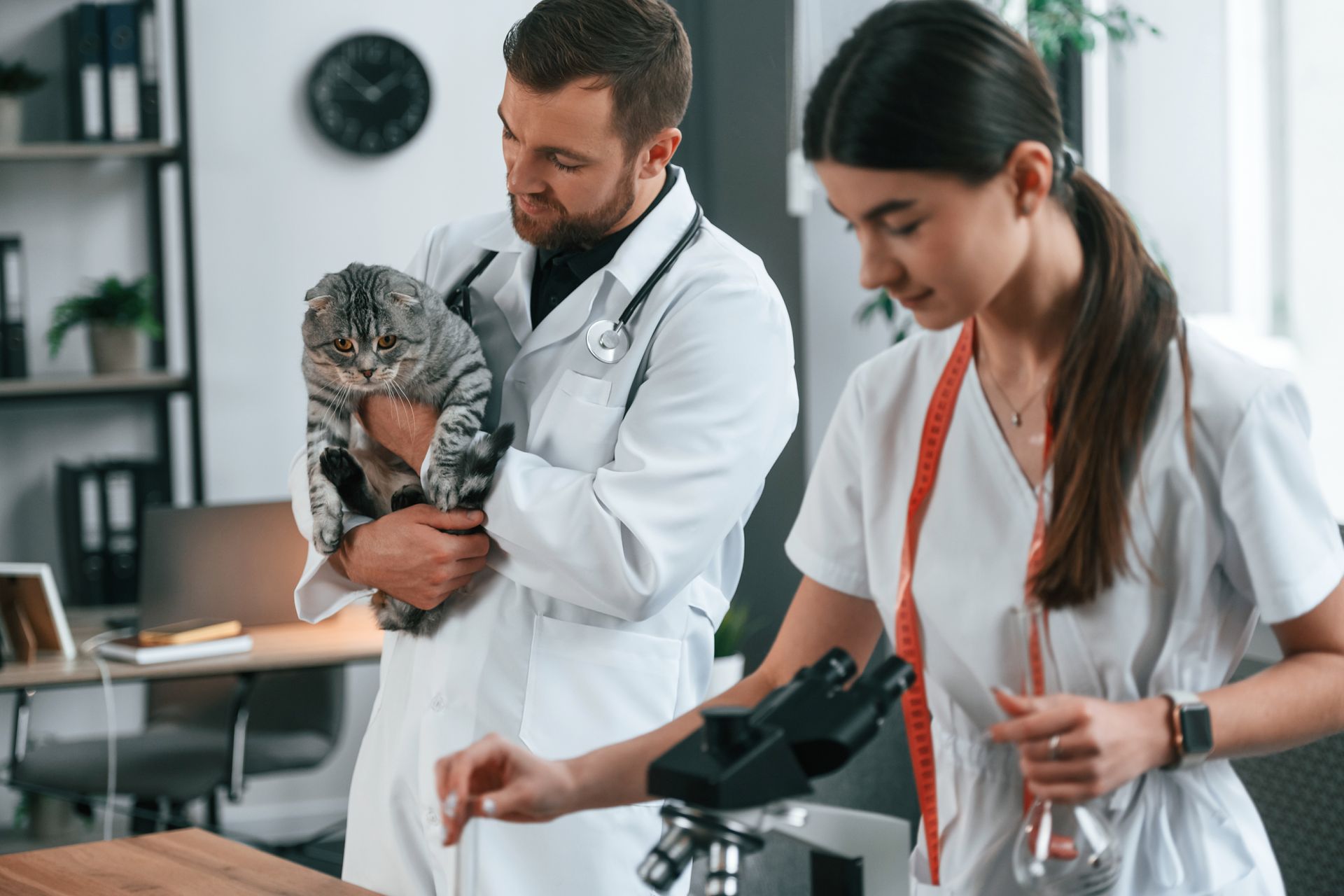
Covers claims tied to your professional services and advice — clinical care, training guidance, and the judgment calls you make daily.
The pet-industry gap
Care, Custody & Control
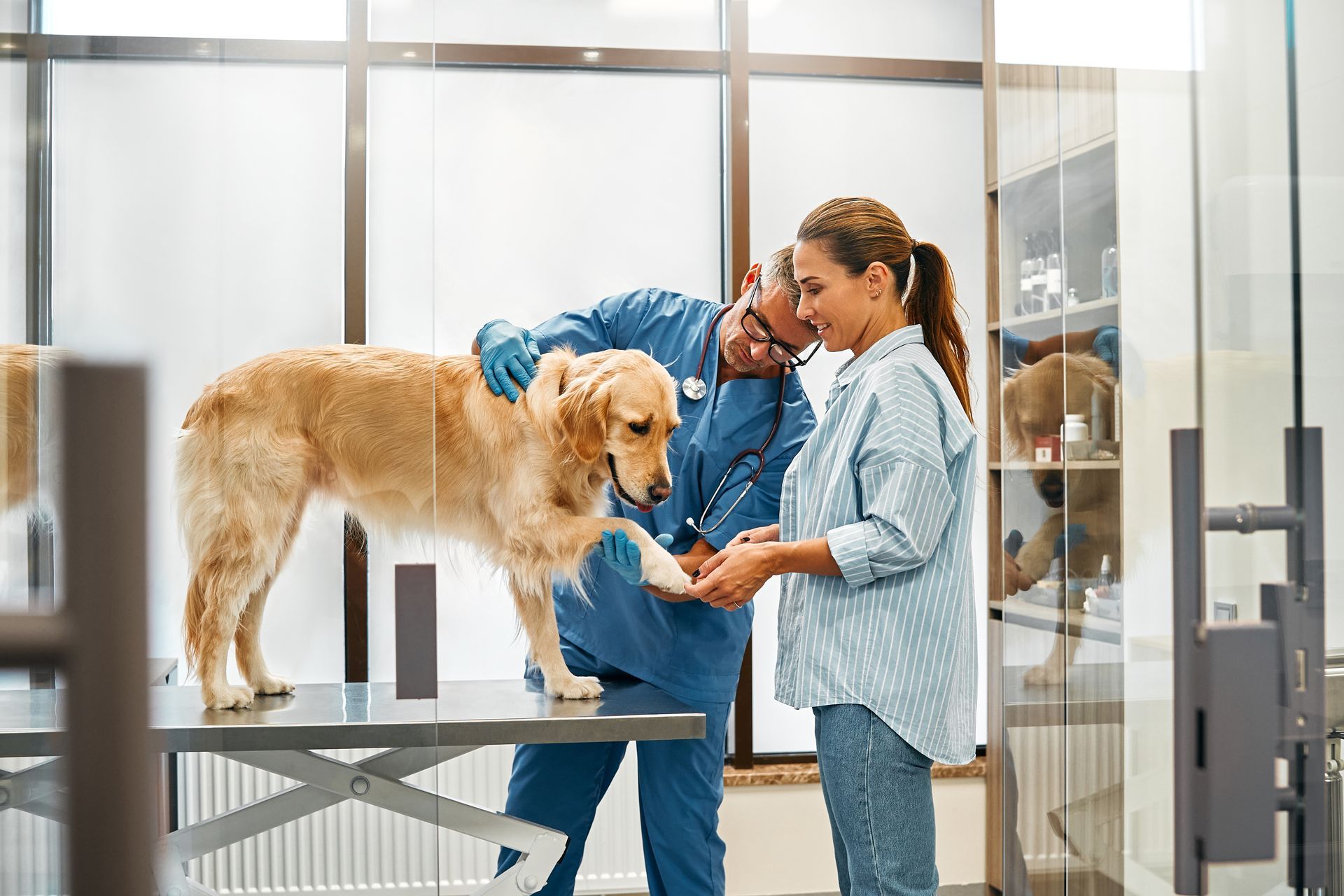
Covers the animals in your charge against injury, illness, or loss — the critical exposure standard liability policies leave out.
Bundled & cost-effective
Business Owners Policy (BOP)
Bundles property and general liability into one package built for small to mid-sized pet businesses — often the simplest base.
Your building & contents
Commercial Property
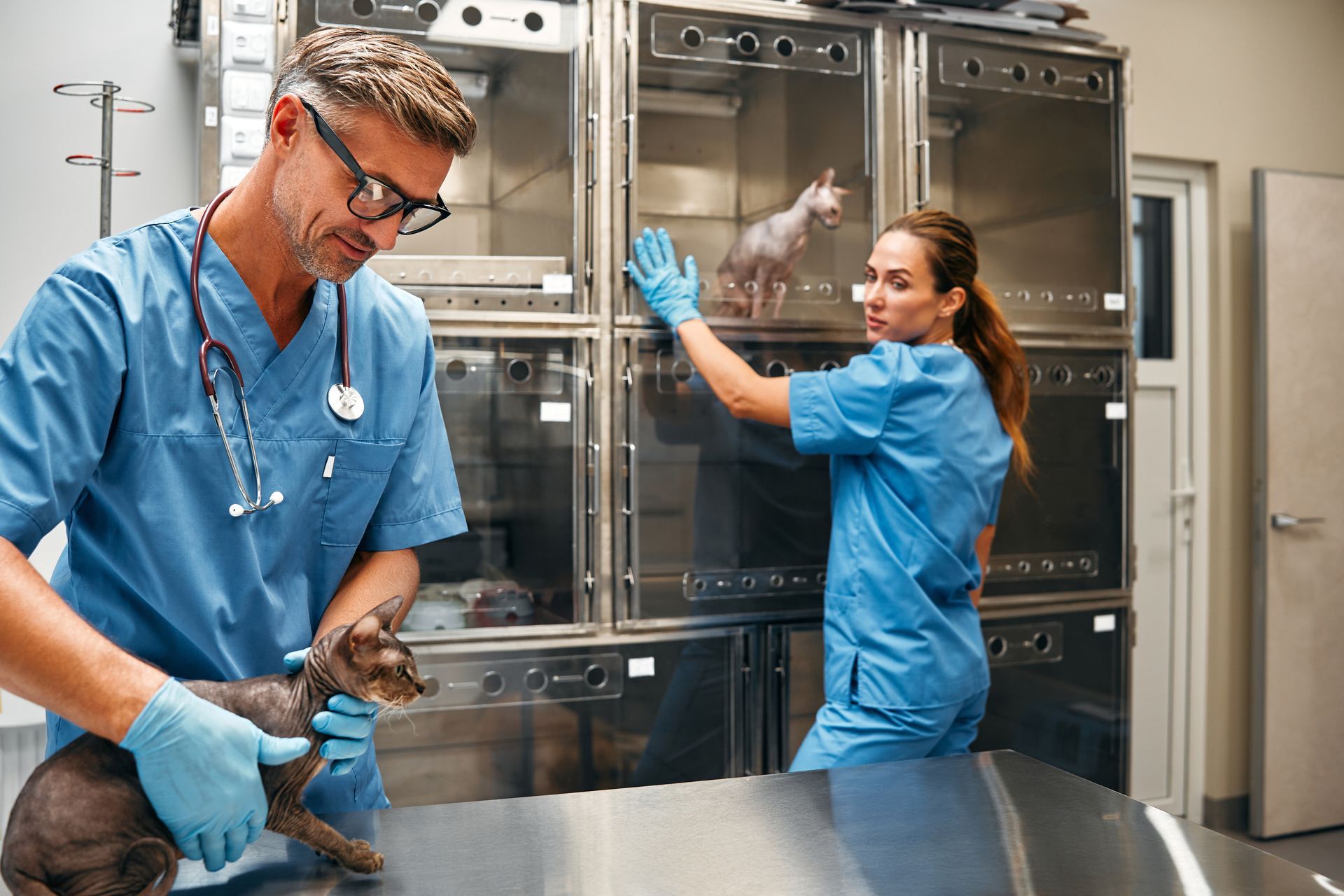
Protects your building, build-out, equipment, and inventory against fire, theft, and covered losses — front desk to back room.
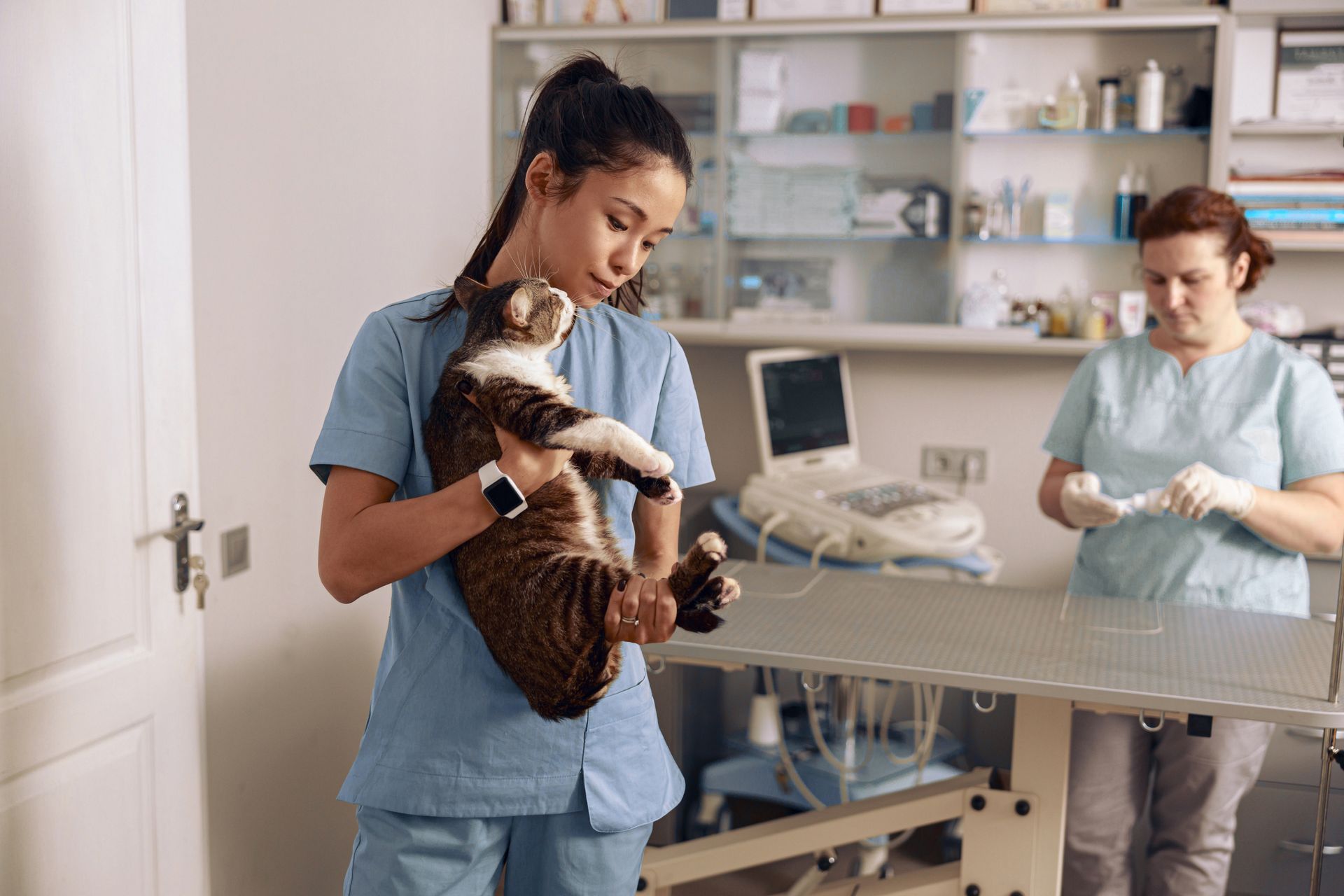
For your team
Workers’ Compensation
Covers medical costs and lost wages when a team member is hurt on the job — required in most states once you have employees.
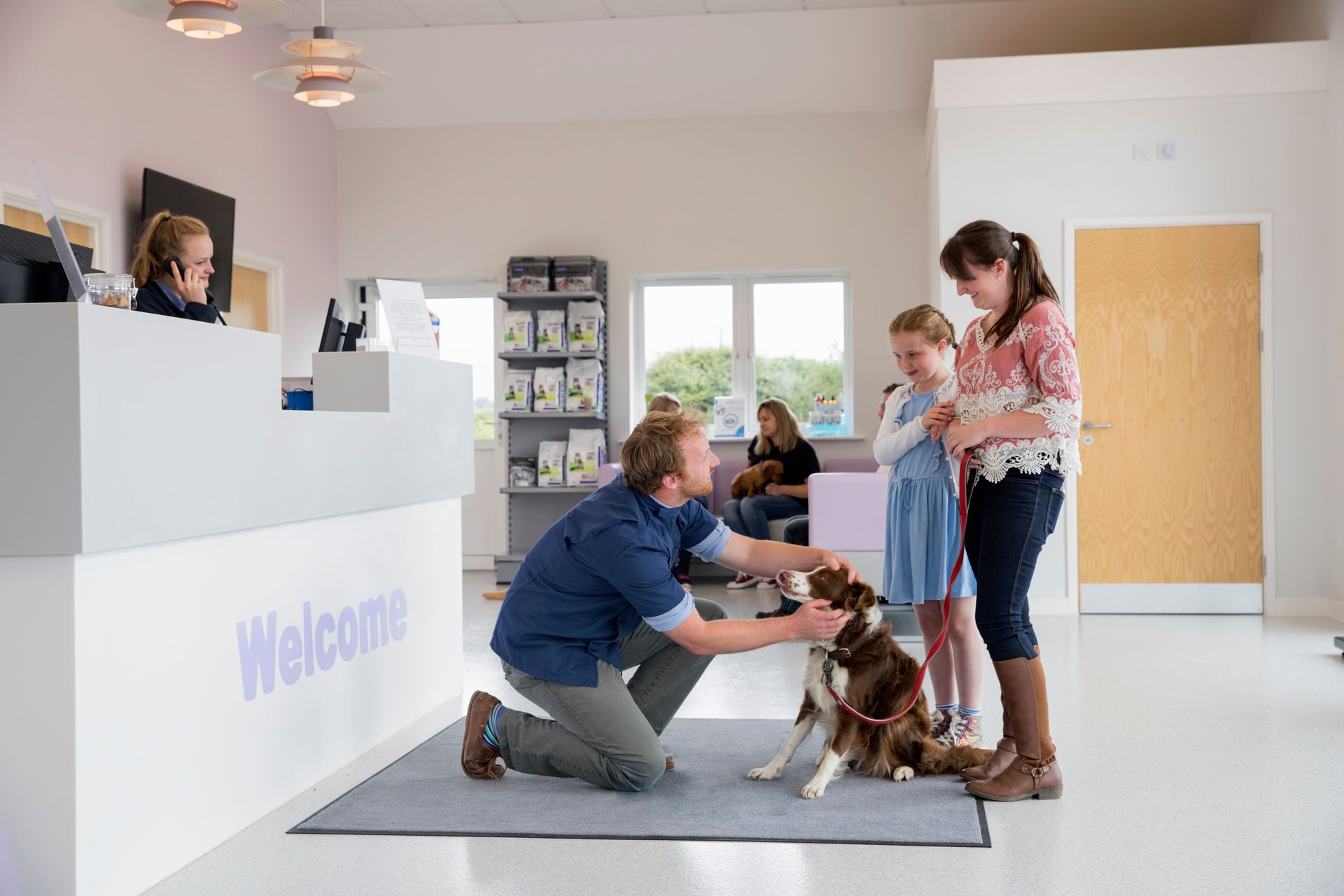
Extra protection
Commercial Umbrella
Adds liability limits above your primary policies for catastrophic claims that exceed standard coverage.
Coverage availability and terms vary by carrier and state. We recommend the right mix for your operation once we talk.
Industries we serve
Built for the businesses that care for animals.
General liability is the baseline for every segment we specialize in. Find the page built for your business.
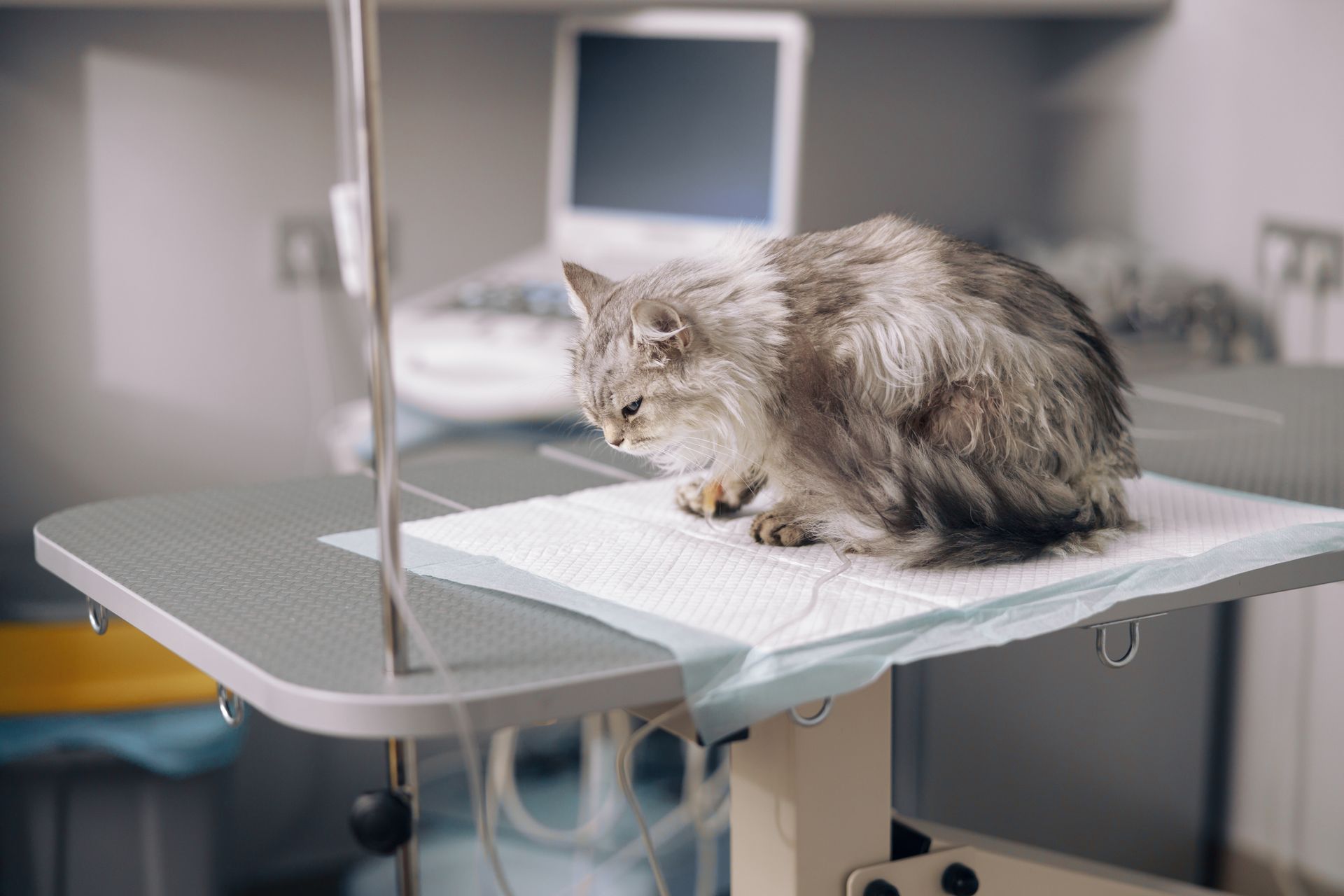
Clinical · high exposure
Veterinarians & Animal Hospitals
Professional and general liability, property, and workers’ comp for clinical operators with high exposure.
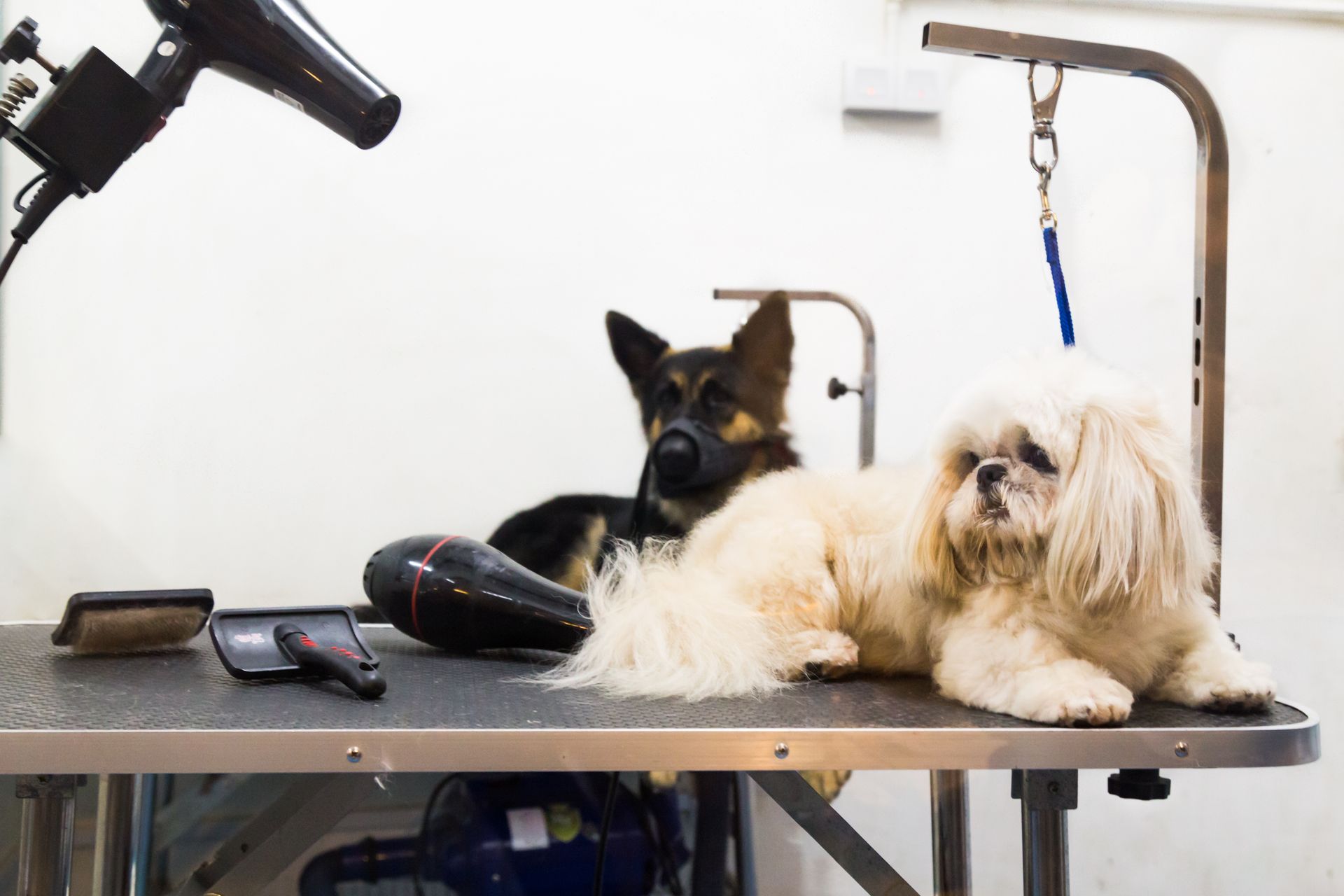
Hands-on · small business
Pet Groomers
Practical protection for animal handling, equipment, and the day-to-day of the grooming table, shop or mobile.
Safety-forward · overnight
Doggy Daycare & Boarding
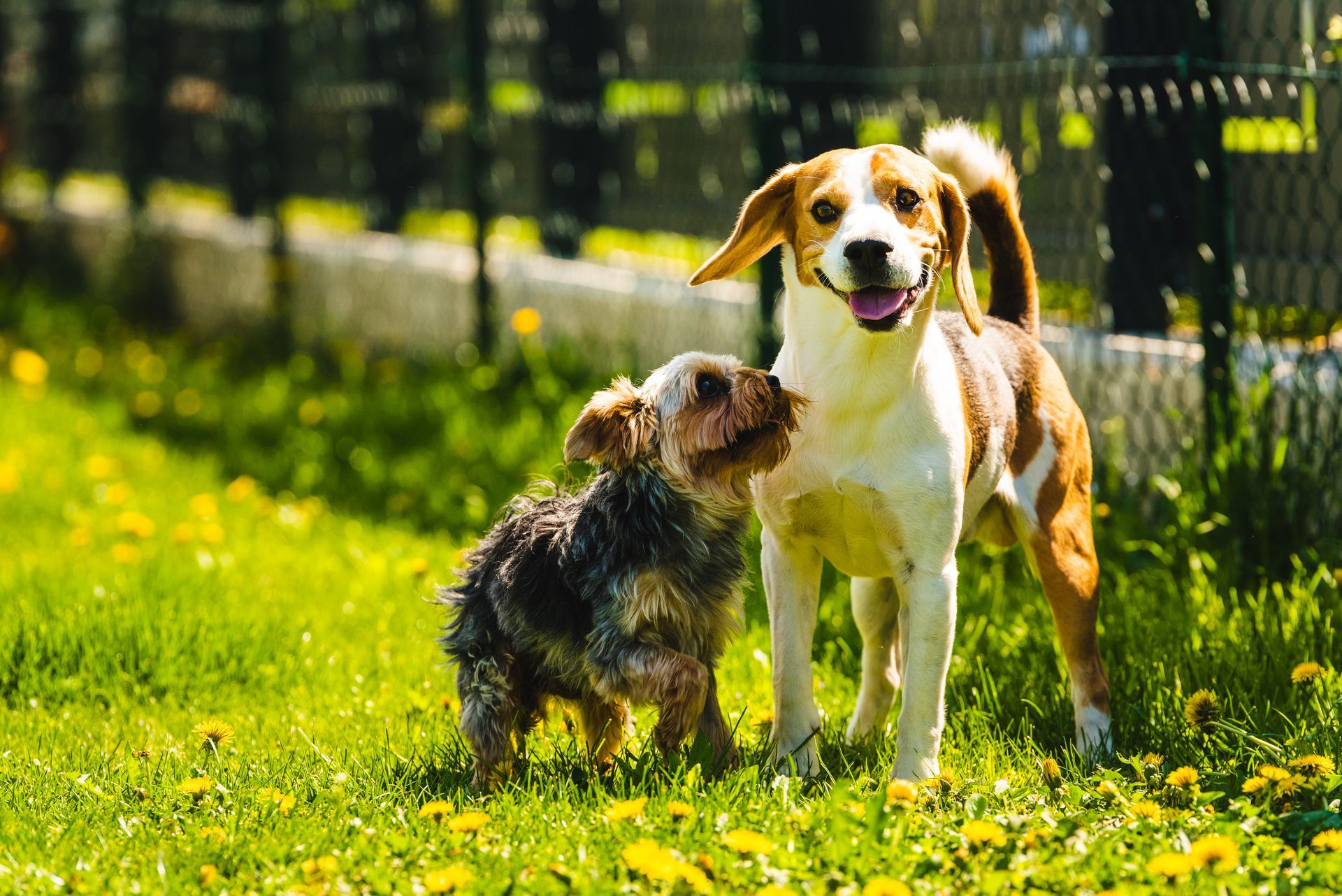
Coverage matched to facilities responsible for animals overnight and all day long.
Our reviews
Trusted by pet professionals.
See what owners say about working with a specialist who already understands their business.
Frequently asked
Questions pet pros ask us.
What kinds of pet businesses do you insure?
We insure businesses across the animal-care industry — veterinarians and animal hospitals, groomers, doggy daycares and boarding facilities, kennels and trainers, pet sitters and dog walkers, and pet stores. We also cover breeders, equine operations, pet transporters, shelters and rescues, pet photographers, and aquariums or wildlife facilities.
If your work involves caring for, handling, or selling animals, there is a strong chance we cover it. Tell us what you do and we will confirm.
What is care, custody, and control coverage, and why does it matter?
Care, custody, and control coverage protects you when an animal in your charge is injured, becomes ill, or is lost while in your care. Standard general liability policies often exclude this exact exposure, which leaves a serious gap for pet businesses.
For groomers, boarders, sitters, and clinics, this is one of the most important coverages you can carry. We make sure it is in place and sized to your operation.
How is an independent agency different from buying direct from a carrier?
A direct carrier sells you its own single policy. As an independent agency, we shop multiple specialty insurers and compare programs to find the coverage that fits your business and budget.
That means you get options instead of one quote, and an advocate who works for you, not the carrier. We also handle the renewals and claims support over the life of your policy.
How fast can I get a quote?
Most clients get quoted within one business day. Our industry-specific intake forms collect the right details up front, so we can take your information straight to the carriers without a long back-and-forth.
Need it sooner? Call a specialist directly at (346) 738-7297 and we will move quickly.
Which states do you serve?
We are licensed and actively writing coverage in 12 states: Connecticut, Delaware, Georgia, Kentucky, Massachusetts, New Jersey, New York, North Carolina, Pennsylvania, South Carolina, Tennessee, and Virginia.
We continue to add states as we grow. If you operate outside this list, reach out and we will let you know our latest footprint.
From the blog
Coverage notes for pet professionals.
Plain-language risk tips and coverage explainers, written for owners — not insurance pros.
Speak with a specialist
Let's find the right coverage for your business.
No quote bots, no funnel. Talk to a real pet-insurance specialist who already understands your operation — and shops multiple markets on your behalf.
Call us
(346) 738-7297
Toll-free 845-250-5366
Email
service@petindustryins.com
Visit Us
2 Joyce Plaza
Stony Point, NY 10980