Coverage for veterinary practices
Tennessee Animal Rescue Insurance
Running an animal rescue in Tennessee means dealing with situations most insurance agents have never thought about: a foster dog biting a delivery driver, a volunteer getting kicked by a horse during intake, or a cat escaping during a transport handoff. These aren't hypothetical scenarios. They're the kinds of claims that can financially destroy a small nonprofit overnight. If you're operating a rescue in Tennessee without proper coverage, you're essentially betting your entire organization on nothing going wrong, and anyone who has worked with animals knows that's a losing bet. Understanding the insurance requirements, costs, and compliance obligations for TN animal rescue operations isn't glamorous work, but it's the foundation that keeps your mission alive when something inevitably goes sideways.
Understanding Tennessee Requirements for Animal Shelters and Rescues
Tennessee has a specific regulatory framework for animal rescues that goes beyond what many founders expect. The state treats rescues differently depending on whether they hold animals in a physical facility, operate through a foster network, or both. Before you even think about insurance, you need to make sure your organization is properly registered and operating within state law. Getting this wrong can create gaps in your coverage, because most insurance policies assume you're in compliance with local and state regulations. If you're not, a carrier may deny a claim.
Registration with the Tennessee Department of Agriculture
Every animal shelter and rescue in Tennessee must register with the Tennessee Department of Agriculture. This isn't optional, and it applies whether you're a brick-and-mortar shelter or a foster-based rescue pulling dogs from rural county facilities. The registration process involves submitting information about your operations, your capacity, and your handling protocols. Tennessee law also requires rescues to maintain certain standards for animal care, including veterinary oversight and record-keeping for each animal in your custody. Failing to register or maintain compliance can result in fines, and it can also void certain insurance protections. Your carrier needs to know you're operating legally, and your registration status is one of the first things they'll verify if a claim comes in.
Mandatory vs. Recommended Insurance Coverages
Tennessee doesn't mandate specific insurance policies for animal rescues by state statute, but that doesn't mean you can skip coverage. If you have a physical facility, your landlord will almost certainly require general liability insurance. If you have employees, workers' compensation is required by Tennessee law for businesses with five or more employees. Nonprofit board members should carry Directors and Officers coverage to protect against personal liability. And if you're adopting animals to the public, animal bailee coverage is strongly recommended because you're responsible for animals that belong to someone else during the adoption trial period. The line between "mandatory" and "recommended" gets blurry fast when you realize that one uninsured incident can shut your doors permanently.
Essential Coverage Types for TN Animal Rescues
The right insurance package for a rescue looks different from a standard business policy. You're dealing with live animals, volunteers who aren't employees, emotional adopters, and public-facing events, all of which create unique liability exposures.
General Liability and Animal Bailee Coverage
General liability is the baseline. It covers third-party bodily injury and property damage, like when an adoption event attendee gets bitten or a foster dog destroys a rental property. For small-to-mid-sized rescues, a $1 million general liability policy typically runs between $300 and $700 annually, which is surprisingly affordable given the risk exposure.
Animal bailee coverage is where many rescues fall short. This protects the animals in your care, custody, and control. If a fire damages your facility and injures the animals inside, or if a dog in your foster network is hit by a car while in a volunteer's yard, bailee coverage responds. Standard general liability won't cover the value of the animals themselves or the veterinary costs to treat them. Pet Professional Insurance Agency works with specialty markets that understand these distinctions, which matters because a generalist agent might not even know animal bailee coverage exists.
Professional Liability and D&O Insurance for Boards
Professional liability covers claims arising from your professional services or advice. If your rescue recommends a training protocol that leads to an injury, or if you place an animal with known behavioral issues without proper disclosure, this is the coverage that responds. It's sometimes called errors and omissions coverage.
D&O insurance protects your board members personally. Nonprofit boards in Tennessee face real exposure: financial mismanagement allegations, wrongful termination of staff, or even disputes with other rescues over animal transfers. Without D&O coverage, board members' personal assets are on the line. Many experienced volunteers will refuse to serve on a board that doesn't carry this protection, and rightfully so.
Workers' Compensation for Staff and Volunteers
Tennessee requires workers' compensation for organizations with five or more employees, and that threshold is easy to hit even at a small rescue once you count part-time kennel staff, administrative help, and transport drivers. The premiums depend on your payroll and the type of work being performed, with animal handling classified as a higher-risk activity.
Volunteers present a trickier situation. Standard workers' comp doesn't cover volunteers, but some specialty policies offer volunteer accident coverage as an add-on. This is worth pursuing because volunteers do the most hands-on, injury-prone work at most rescues: cleaning kennels, handling scared animals, driving transports. A volunteer injury without coverage can result in a personal injury lawsuit against your organization.
Comparison of Standard Rescue Policy Features
Table: General Liability vs. Animal Bailee Protection
| Feature | General Liability | Animal Bailee Coverage |
|---|---|---|
| What it covers | Third-party bodily injury and property damage | Animals in your care, custody, or control |
| Typical claim example | Visitor bitten at adoption event | Foster dog injured in a house fire |
| Covers animal vet costs? | No | Yes |
| Covers property damage by animals? | Sometimes (depends on policy) | No (this falls under GL) |
| Required by landlords? | Almost always | Rarely |
| Average annual cost (small rescue) | $300-$700 | $200-$500 |
| Who needs it? | Every rescue, no exceptions | Any rescue holding animals in foster or facility |
This comparison highlights why you need both coverages working together. A general liability policy alone leaves a massive gap around the animals themselves, which is the entire reason your organization exists.
Factors Influencing Insurance Costs in Tennessee
Insurance pricing for rescues isn't one-size-fits-all. Your premiums reflect the specific risks your organization presents, and two rescues in the same Tennessee county can pay very different rates based on how they operate.
Impact of Rescue Volume and Breed Specialization
A rescue pulling 50 animals per year faces different risk math than one handling 500. Higher volume means more adoption events, more transport trips, more foster placements, and more opportunities for something to go wrong. Carriers price accordingly.
Breed specialization also matters significantly. A rescue focused on pit bulls, Rottweilers, or other breeds commonly associated with bite incidents will generally pay higher premiums than a cat-only rescue. This isn't a judgment call on the breeds themselves: it's actuarial data driving pricing. If your rescue specializes in large or powerful breeds, expect your general liability premiums to land at the higher end of the range. Some nonprofit insurance costs can climb significantly based on these risk factors alone.
Facility-Based vs. Foster-Based Operations
Facility-based rescues carry property-related risks: fire, flooding, structural issues, and premises liability for anyone who walks through the door. These operations need commercial property coverage on top of their liability policies, which increases the overall insurance spend.
Foster-based rescues avoid property costs but introduce distributed risk. Animals are spread across multiple private homes, each with its own hazards and variables. A foster home with a pool, a busy street, or other pets creates liability scenarios that don't exist in a controlled facility. Pet Professional Insurance Agency sees this distinction come up constantly and can help rescues understand how their operational model affects their coverage needs. The key is making sure your policy explicitly covers animals in foster homes, because not all policies do by default.
Common Questions About Insuring a Rescue
FAQ: Tennessee Animal Rescue Insurance Basics
Do I need insurance if my rescue is entirely foster-based with no facility? Yes. Liability follows the animals and your organization's activities, not your building. A foster dog that bites a neighbor creates the same legal exposure whether you have a facility or not.
Does my homeowner's insurance cover foster animals? Almost never. Most homeowner's policies exclude business activities and animals not owned by the policyholder. Your rescue needs its own coverage for animals placed in foster care.
How much does animal rescue insurance cost in Tennessee? For a small rescue, general liability typically costs between $300 and $700 per year for $1 million in coverage. Adding animal bailee, D&O, and volunteer accident coverage will increase the total, but most small rescues can build a solid package for under $2,000 annually.
Are volunteers covered under our rescue's insurance? Not automatically. Standard general liability protects against claims volunteers cause, but it doesn't cover injuries to the volunteers themselves. You'll need a separate volunteer accident policy for that.
Can we get coverage for adoption events at public locations? Yes, but you may need to add the venue as an additional insured on your policy. Most carriers can issue a certificate of insurance for specific events within 24 to 48 hours.
Do we need separate coverage for animal transports? Your commercial auto policy should cover vehicles used for transports. If volunteers use personal vehicles, you'll want hired and non-owned auto coverage added to your policy, which covers liability gaps when personal auto policies fall short.
Making the Right Choice for Your Organization
Getting insurance right for a Tennessee animal rescue isn't about checking a box. It's about building a safety net that matches how your organization actually operates: the breeds you handle, the volume you manage, whether you use foster homes or a facility, and how many volunteers walk through your doors each week.
The most common mistake rescues make is buying a generic business policy that doesn't account for animal-specific risks. A policy that doesn't cover bite incidents, doesn't extend to foster homes, or excludes volunteer injuries isn't really protecting you at all. Working with an agency that specializes in pet-industry risks, like Pet Professional Insurance Agency, means your intake process captures the details that matter and your coverage actually fits your operations.
Start by documenting your current operations: animal count, volunteer roster, event schedule, and foster network size. Then talk to an agent who understands rescue work. Most rescues can get a tailored proposal within 24 to 48 hours, and the peace of mind is worth far more than the premium. Your animals depend on your organization surviving the unexpected. Make sure it can.
Index
Pet Professional Insurance Agency is fully licensed and permitted to provide commercial insurance solutions for pet businesses across 12 states.
We proudly serve pet professionals throughout the Northeast, Mid-Atlantic, and Southeast. Powered by Joyce Insurance Agency, our team works with leading specialty carriers — including The Hartford, USLI, Nautilus, and Northland — to make sure veterinarians, groomers, boarding facilities, and pet-care businesses receive coverage that fits their real risks in Connecticut, Delaware, Georgia, Kentucky, Massachusetts, New Jersey, New York, North Carolina, Pennsylvania, South Carolina, Tennessee, and Virginia.
About the author
Barnaby Joyce
Founder, Pet Professional Insurance Agency · Licensed Insurance Producer
I started Pet Professional Insurance Agency because I watched pet businesses get handed generic policies that never fit. After years of placing coverage for veterinary practices, grooming salons, doggy daycares, and kennels through a generalist agency, I saw the same gaps over and over — and the same blank stares when an owner tried to explain care, custody, and control to an agent who had never insured an animal in their life.
So I built an agency that does one thing. I work directly with specialty carriers who actually want pet-industry risk, and I sit down with every client personally. You will not get a call center or a chatbot. You will get someone who already speaks your language and shops the market on your behalf. That is the whole idea.
Recommended coverages
Coverages that pair with general liability.
Most pet businesses build on general liability with the lines below. Explore each — every page cross-links to the
industries we serve.
Services & advice
Professional Liability / E&O
Covers claims tied to your professional services and advice — clinical care, training guidance, and the judgment calls you make daily.
The pet-industry gap
Care, Custody & Control
Covers the animals in your charge against injury, illness, or loss — the critical exposure standard liability policies leave out.
Bundled & cost-effective
Business Owners Policy (BOP)
Bundles property and general liability into one package built for small to mid-sized pet businesses — often the simplest base.
Your building & contents
Commercial Property
Protects your building, build-out, equipment, and inventory against fire, theft, and covered losses — front desk to back room.
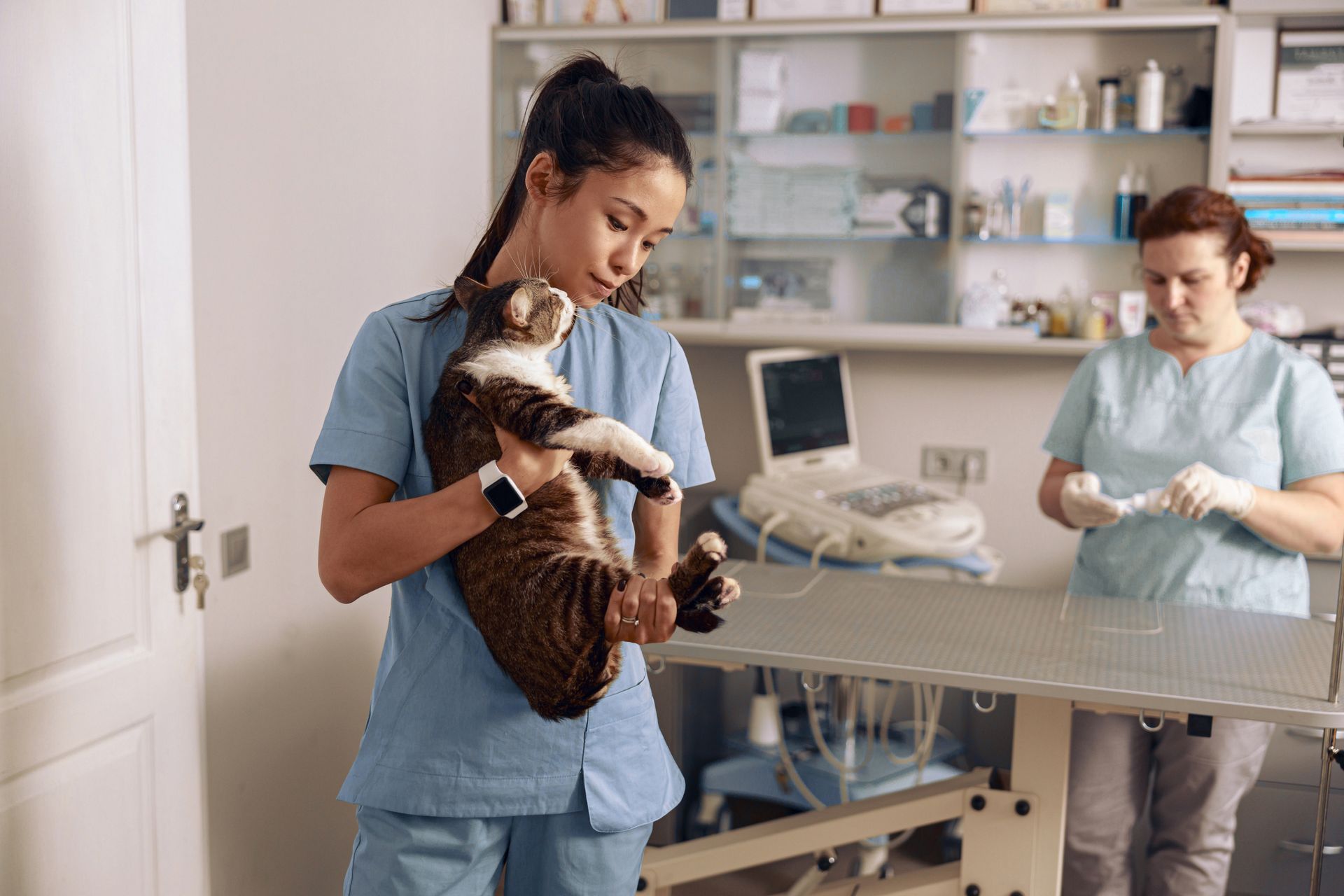
For your team
Workers’ Compensation
Covers medical costs and lost wages when a team member is hurt on the job — required in most states once you have employees.
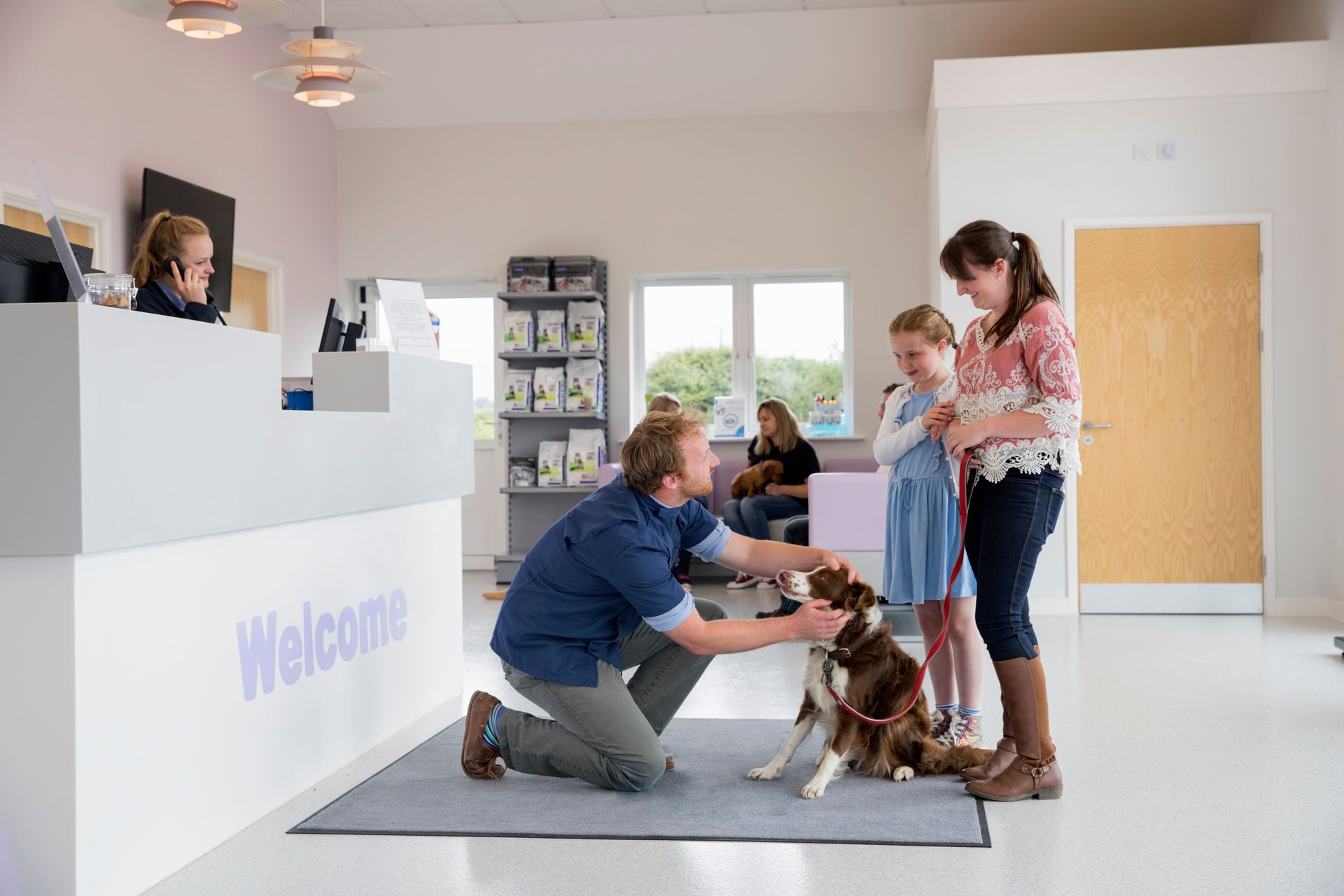
Extra protection
Commercial Umbrella
Adds liability limits above your primary policies for catastrophic claims that exceed standard coverage.
Coverage availability and terms vary by carrier and state. We recommend the right mix for your operation once we talk.
Industries we serve
Built for the businesses that care for animals.
General liability is the baseline for every segment we specialize in. Find the page built for your business.
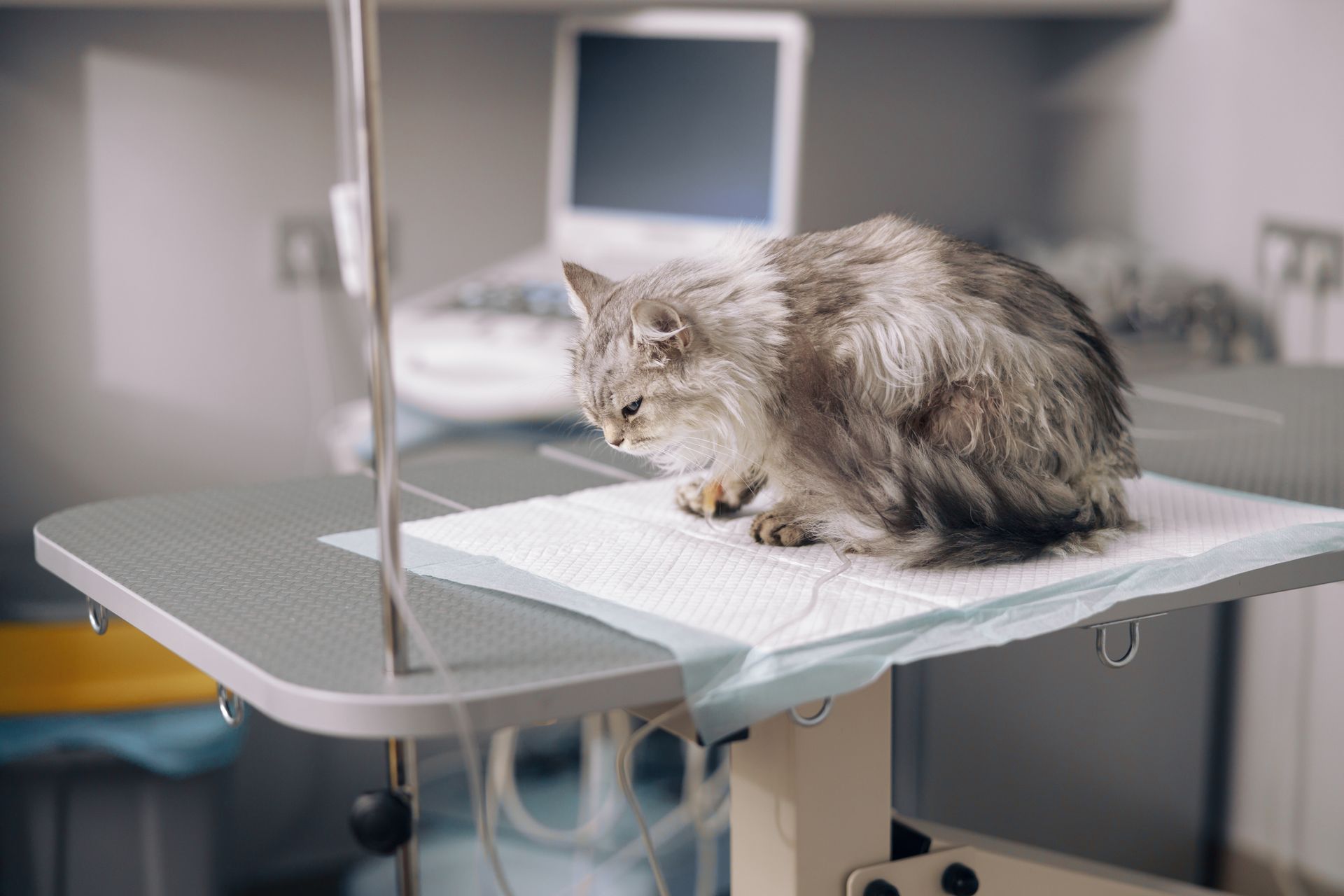
Clinical · high exposure
Veterinarians & Animal Hospitals
Professional and general liability, property, and workers’ comp for clinical operators with high exposure.
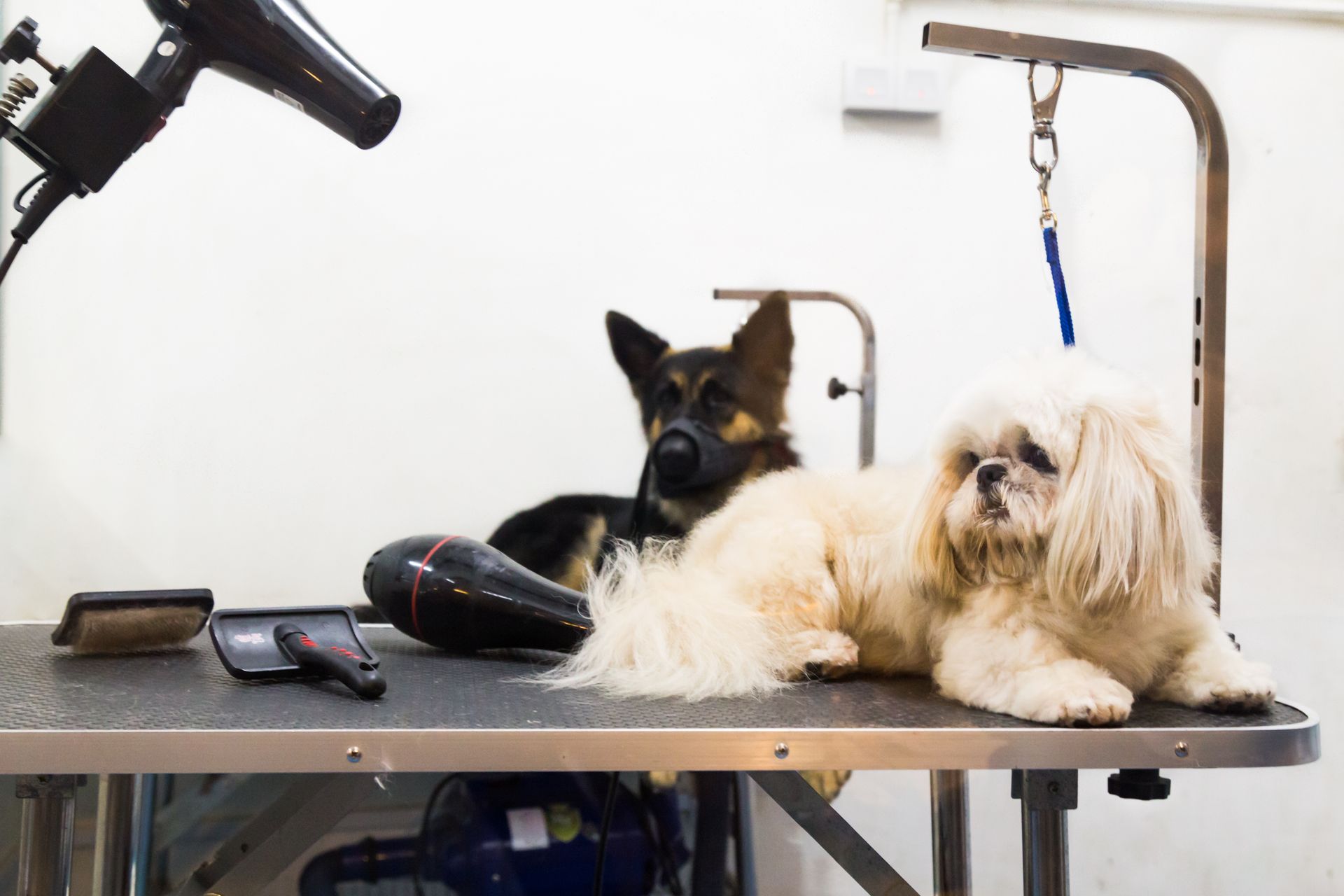
Hands-on · small business
Pet Groomers
Practical protection for animal handling, equipment, and the day-to-day of the grooming table, shop or mobile.
Safety-forward · overnight
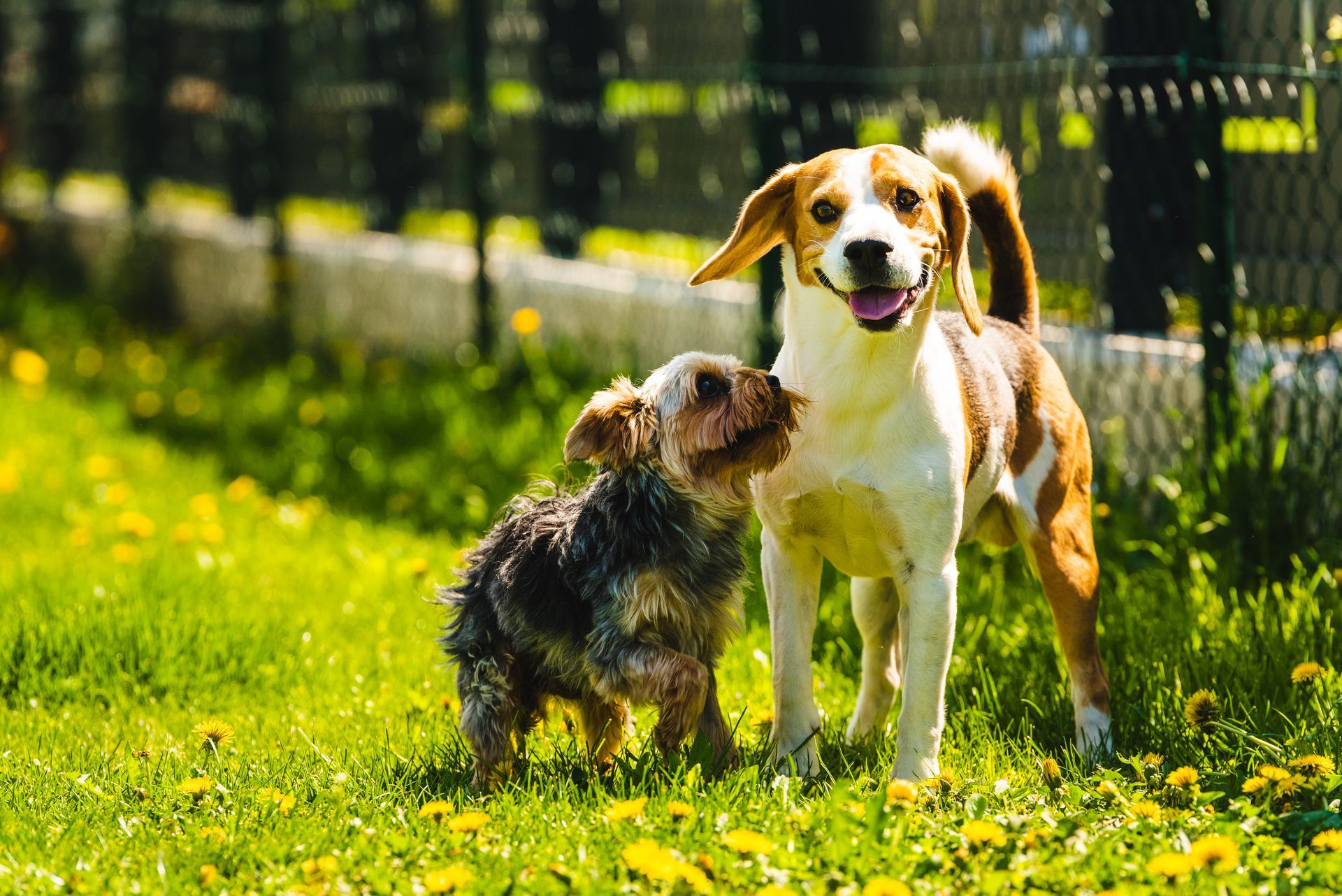
Doggy Daycare & Boarding
Coverage matched to facilities responsible for animals overnight and all day long.
Our reviews
Trusted by pet professionals.
See what owners say about working with a specialist who already understands their business.
Frequently asked
Questions pet pros ask us.
What kinds of pet businesses do you insure?
We insure businesses across the animal-care industry — veterinarians and animal hospitals, groomers, doggy daycares and boarding facilities, kennels and trainers, pet sitters and dog walkers, and pet stores. We also cover breeders, equine operations, pet transporters, shelters and rescues, pet photographers, and aquariums or wildlife facilities.
If your work involves caring for, handling, or selling animals, there is a strong chance we cover it. Tell us what you do and we will confirm.
What is care, custody, and control coverage, and why does it matter?
Care, custody, and control coverage protects you when an animal in your charge is injured, becomes ill, or is lost while in your care. Standard general liability policies often exclude this exact exposure, which leaves a serious gap for pet businesses.
For groomers, boarders, sitters, and clinics, this is one of the most important coverages you can carry. We make sure it is in place and sized to your operation.
How is an independent agency different from buying direct from a carrier?
A direct carrier sells you its own single policy. As an independent agency, we shop multiple specialty insurers and compare programs to find the coverage that fits your business and budget.
That means you get options instead of one quote, and an advocate who works for you, not the carrier. We also handle the renewals and claims support over the life of your policy.
How fast can I get a quote?
Most clients get quoted within one business day. Our industry-specific intake forms collect the right details up front, so we can take your information straight to the carriers without a long back-and-forth.
Need it sooner? Call a specialist directly at (346) 738-7297 and we will move quickly.
Which states do you serve?
We are licensed and actively writing coverage in 12 states: Connecticut, Delaware, Georgia, Kentucky, Massachusetts, New Jersey, New York, North Carolina, Pennsylvania, South Carolina, Tennessee, and Virginia.
We continue to add states as we grow. If you operate outside this list, reach out and we will let you know our latest footprint.
From the blog
Coverage notes for pet professionals.
Plain-language risk tips and coverage explainers, written for owners — not insurance pros.
Speak with a specialist
Let's find the right coverage for your business.
No quote bots, no funnel. Talk to a real pet-insurance specialist who already understands your operation — and shops multiple markets on your behalf.
Call us
(346) 738-7297
Toll-free 845-250-5366
Email
service@petindustryins.com
Visit Us
2 Joyce Plaza
Stony Point, NY 10980