| Factor | Impact on Premium | What You Can Control |
|---|---|---|
| Business type & services | High — sets your base rate | Accurate classification of what you actually do |
| Foot traffic & premises | High — more visitors, more exposure | Signage, flooring, leash and safety rules |
| Claims history | High — past claims predict future risk | Incident logs and loss-prevention programs |
| Revenue & payroll | Medium — measures exposure size | Accurate reporting at each renewal |
| Coverage limits | Medium — higher limits cost more | Match limits to lease and contract requirements |
Running a pet sitting business in Kentucky means dealing with animals that bite, scratch, escape, and occasionally swallow things they shouldn't. A single incident - a dog bolting through an open gate, a cat needing emergency vet care while in your custody - can generate thousands of dollars in liability. Pet sitter insurance tailored to Kentucky operations isn't a luxury or a box to check; it's the financial backstop that keeps your business alive when things go sideways. The Bluegrass State has its own regulatory quirks, tort environment, and market conditions that shape what coverage you need and what it costs. Kentucky lawmakers have been pushing for tort reform in recent legislative sessions, which could shift the liability picture for small businesses like yours. Whether you're doing drop-in visits in Lexington or overnight stays in Louisville, understanding coverage requirements and compliance obligations for your KY pet sitter operation is non-negotiable. This guide breaks down the specific policies you need, what they actually cost in Kentucky's major cities, and how to avoid the coverage gaps that trip up most new pet care professionals.
Why Kentucky Pet Sitters Need Specialized Insurance
A standard business owner's policy won't cut it for pet sitting. Generic commercial policies routinely exclude animal-related claims, which is essentially your entire risk profile. You need coverage built specifically for the work you do: handling other people's animals, entering their homes, transporting pets in your vehicle, and making judgment calls about their health and safety.
Kentucky doesn't require pet sitters to carry a specific state license, but that lack of regulation is a double-edged sword. Without formal licensing requirements, there's no state-mandated insurance minimum, which means many sitters skip coverage entirely. That's a mistake. One serious dog bite claim in Kentucky can easily exceed $50,000 in medical costs and legal fees. Your personal assets are on the line if you're operating without protection.

Understanding Liability in the Bluegrass State
Kentucky follows a modified comparative fault system, meaning liability in injury claims gets divided between parties based on their percentage of fault. If a dog you're watching bites a neighbor, a court could find you partially responsible for failing to properly restrain the animal, even if the dog had no history of aggression. Kentucky's statute of limitations for personal injury claims is one year, which is shorter than many states, but that year can feel very long when you're facing a lawsuit without insurance.
The state also has a strict liability statute for dog bites under KRS 258.235, which holds animal owners responsible for damages. But here's the catch: when you're the pet sitter, you may be treated as a temporary custodian, and plaintiffs' attorneys will absolutely name you in the suit alongside the owner. Having your own liability policy means you have a defense team and financial backing from day one of a claim.
Risks Beyond General Liability
Think beyond bite injuries. Lost or stolen pets, property damage to a client's home, key holder liability, and even allegations of negligence if an animal becomes ill under your watch are all real scenarios. I've seen claims where a pet sitter accidentally left a faucet running, causing water damage that exceeded $15,000. Another common one: a dog chews through a client's furniture or electrical cords while the sitter is responsible.
If you transport pets in your personal vehicle, your auto insurance almost certainly excludes commercial use. An accident during a pet pickup could leave you uncovered for both vehicle damage and animal injury. These layered risks are exactly why pet professionals need specialized policies rather than generic coverage.
Essential Coverage Types for KY Pet Professionals
General Liability and Care, Custody, or Control
General liability is your foundation. It covers third-party bodily injury and property damage: the neighbor who gets bitten, the client's lamp that gets knocked over by an excited retriever. Most policies for pet sitters start at $1 million per occurrence with a $2 million aggregate, which is the standard clients and landlords expect to see.
Care, custody, or control coverage (often called CCC) is where things get specific to your industry. Standard general liability policies typically exclude damage to property in your care, and that includes animals. CCC fills that gap, covering veterinary bills, death, or loss of a pet while it's under your supervision. This is the single most important endorsement on your policy. Without it, you're essentially uninsured for the core risk of your business.

Animal Bailee and Veterinary Reimbursement
Animal bailee coverage works similarly to CCC but is structured specifically for situations where you're holding someone else's animal. It typically covers theft, escape, injury, or death of the pet. Some policies bundle this with CCC; others treat it as a separate endorsement. Make sure you understand which structure your policy uses.
Veterinary reimbursement is a related but distinct coverage. If a pet in your care needs emergency treatment, this pays for vet bills up to a specified limit, often $1,000 to $5,000 per incident. The average pet sitting rate in Kentucky hovers around $11 per hour, so a single emergency vet visit can wipe out weeks of revenue. Having vet reimbursement built into your policy protects both the animal and your bottom line.
Kentucky Workers' Compensation Requirements
If you hire employees, even part-time helpers, Kentucky law requires workers' compensation insurance. The threshold is straightforward: any business with one or more employees must carry workers' comp. Independent contractors are technically exempt, but Kentucky courts look at the actual working relationship, not just what you call it on paper. If you control when, where, and how someone does their work, the state may classify them as an employee regardless of your contract language.
Penalties for non-compliance are serious. Kentucky can issue stop-work orders and impose fines up to $1,000 per day. Pet Professional Insurance Agency works with multiple specialty markets that understand the pet care industry's staffing model, which matters because a general workers' comp insurer may not know how to properly classify pet sitting employees.
Comparing Coverage: Standard vs. Enhanced Policies
Coverage Comparison Table
| Coverage Feature | Standard Policy | Enhanced Policy |
|---|---|---|
| General Liability | $1M per occurrence / $2M aggregate | $1M per occurrence / $2M aggregate |
| Care, Custody, or Control | $2,500 per animal | $5,000-$10,000 per animal |
| Animal Bailee | Not included | Included |
| Veterinary Reimbursement | $1,000 per incident | $2,500-$5,000 per incident |
| Key Holder Liability | Not included | Included |
| Hired/Non-Owned Auto | Not included | Available as endorsement |
| Professional Liability | Not included | Included |
| Lost Key Replacement | Not included | Included |
The gap between standard and enhanced policies matters most when you're doing in-home sitting. Key holder liability covers you if a client's home is burglarized and they allege your key management was at fault. Professional liability protects against claims of negligence in the care decisions you make. If you're charging rates consistent with Louisville's pet sitting market, clients expect professional-grade coverage behind your service.
Cost Factors and Budgeting for Your Business
Average Premiums in Kentucky Cities
Insurance costs for pet sitters in Kentucky are generally lower than coastal states, but they vary meaningfully by location and scope of services. Here's what you can expect in 2026:
- Solo pet sitters with no employees typically pay between $250 and $450 annually for a basic general liability policy with CCC coverage.
- Adding animal bailee, professional liability, and hired auto endorsements pushes annual premiums into the $500 to $800 range.
- Pet sitters in Louisville and Lexington tend to pay 10-15% more than those in smaller markets like Bowling Green or Owensboro, reflecting higher claim frequency in urban areas.
- Workers' compensation, if needed, adds $500 to $1,500 annually depending on payroll size.
These numbers assume a clean claims history and standard policy limits. If you're boarding animals overnight in your home, expect higher premiums than a sitter who only does drop-in visits.
Ways to Lower Your Annual Costs
Pay annually instead of monthly. Most carriers offer a 5-10% savings for annual payment. Bundle your general liability with professional liability and CCC under one policy rather than purchasing separate coverages. Keep detailed service agreements with every client that outline your responsibilities and limitations, as this reduces your risk profile.
Pet Professional Insurance Agency can often find competitive rates quickly because they access multiple specialty insurance markets rather than relying on a single carrier. Their intake forms are built specifically for pet businesses, which means you're not wasting time explaining what a pet sitter actually does to an underwriter who's never written the coverage before. Most clients get responses within 24-48 hours.
Common Questions About Kentucky Pet Sitter Insurance
Frequently Asked Questions
Do I need insurance if I only pet sit for friends and family? If you're accepting payment, you're running a business. Your homeowner's policy won't cover commercial activities, and a single claim could expose your personal assets.
Does my personal auto insurance cover me while transporting clients' pets? Almost certainly not. Personal auto policies exclude commercial use. You need a hired and non-owned auto endorsement on your business policy.
Can I get insured if I work through an app like Rover? Platform policies typically provide limited coverage and may not protect you as fully as an independent policy. Read the fine print carefully and consider carrying your own coverage.
Is bonding the same as insurance? No. A surety bond protects your clients against theft or dishonesty. Insurance protects against liability claims, property damage, and animal injury. You likely need both.
How quickly can I get coverage? Through agencies that specialize in pet businesses, coverage can often be bound within a few business days. Pet Professional Insurance Agency typically responds within 24-48 hours of receiving your application.
Do I need a business license in Kentucky to get insured? Kentucky doesn't have a statewide pet sitter license, but some cities require a general business license. The Lexington-Fayette County area has specific local requirements worth checking before you start operations. Insurance carriers don't usually require a license to bind coverage, but operating legally strengthens your business.
Making the Right Choice for Your Operation
Getting the right insurance for your Kentucky pet sitting business comes down to honestly assessing your risk exposure. A solo sitter doing twice-daily cat visits has a very different profile than someone running overnight dog boarding out of their home with two part-time helpers. Match your coverage to your actual operations, not to the minimum you think you can get away with.
Start with general liability and care, custody, or control coverage as your baseline. Add animal bailee and professional liability if you're doing anything beyond basic drop-in visits. If you have employees, get workers' comp set up before their first shift, not after.
The cost of proper coverage for KY pet sitter operations is genuinely modest compared to the financial devastation of an uninsured claim. A $400 annual premium is a rounding error in your business budget, but a $40,000 dog bite lawsuit without coverage could end your business permanently. Talk to an agent who understands pet care risks specifically, get your coverage in place, and focus on what you do well: taking care of animals.
Index
Pet Professional Insurance Agency is fully licensed and permitted to provide commercial insurance solutions for pet businesses across 12 states.
We proudly serve pet professionals throughout the Northeast, Mid-Atlantic, and Southeast. Powered by Joyce Insurance Agency, our team works with leading specialty carriers — including The Hartford, USLI, Nautilus, and Northland — to make sure veterinarians, groomers, boarding facilities, and pet-care businesses receive coverage that fits their real risks in Connecticut, Delaware, Georgia, Kentucky, Massachusetts, New Jersey, New York, North Carolina, Pennsylvania, South Carolina, Tennessee, and Virginia.
About the author
Barnaby Joyce
Founder, Pet Professional Insurance Agency · Licensed Insurance Producer
I started Pet Professional Insurance Agency because I watched pet businesses get handed generic policies that never fit. After years of placing coverage for veterinary practices, grooming salons, doggy daycares, and kennels through a generalist agency, I saw the same gaps over and over — and the same blank stares when an owner tried to explain care, custody, and control to an agent who had never insured an animal in their life.
So I built an agency that does one thing. I work directly with specialty carriers who actually want pet-industry risk, and I sit down with every client personally. You will not get a call center or a chatbot. You will get someone who already speaks your language and shops the market on your behalf. That is the whole idea.
Recommended coverages
Coverages that pair with general liability.
Most pet businesses build on general liability with the lines below. Explore each — every page cross-links to the
industries we serve.

Services & advice
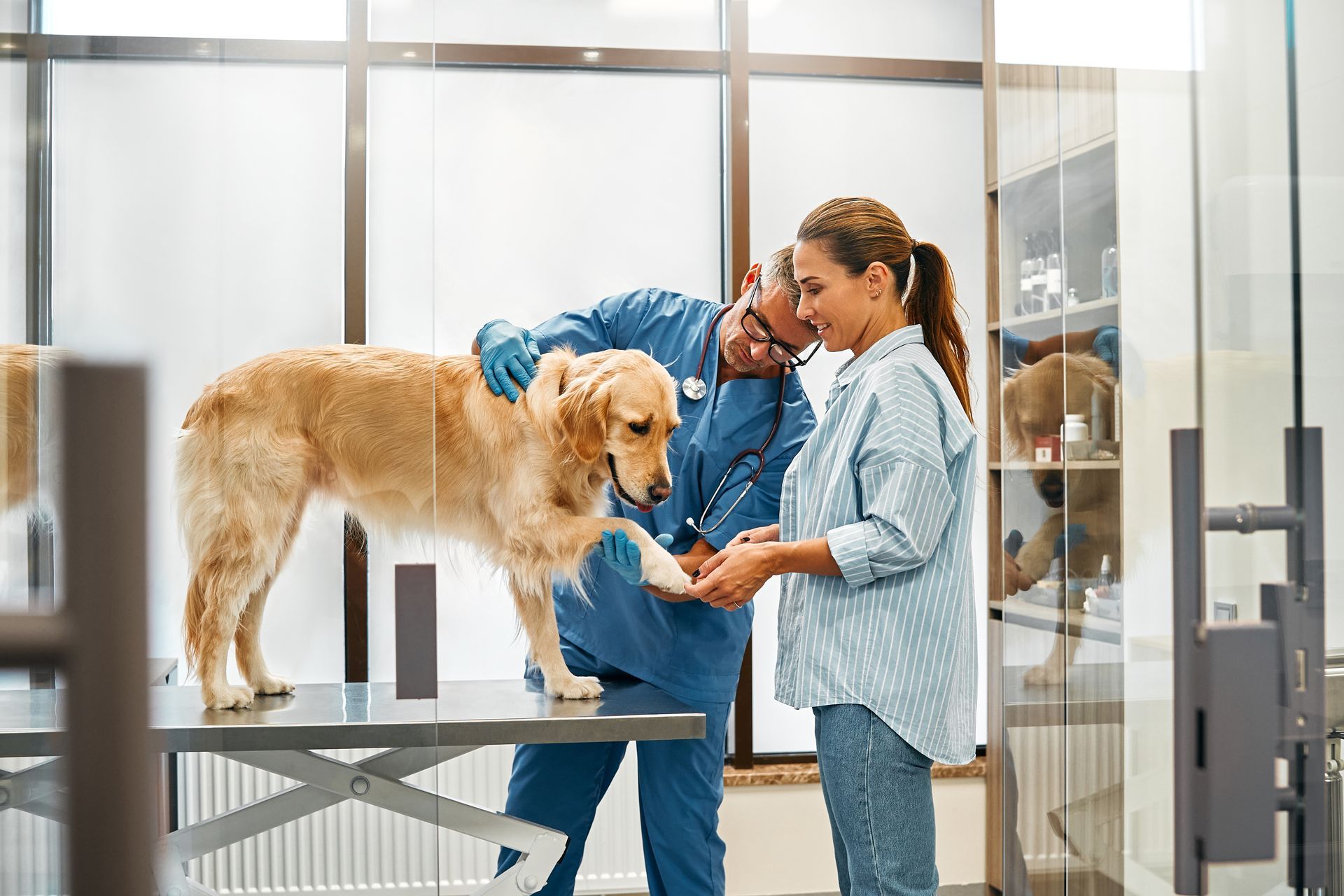
Professional Liability / E&O
Covers claims tied to your professional services and advice — clinical care, training guidance, and the judgment calls you make daily.
The pet-industry gap
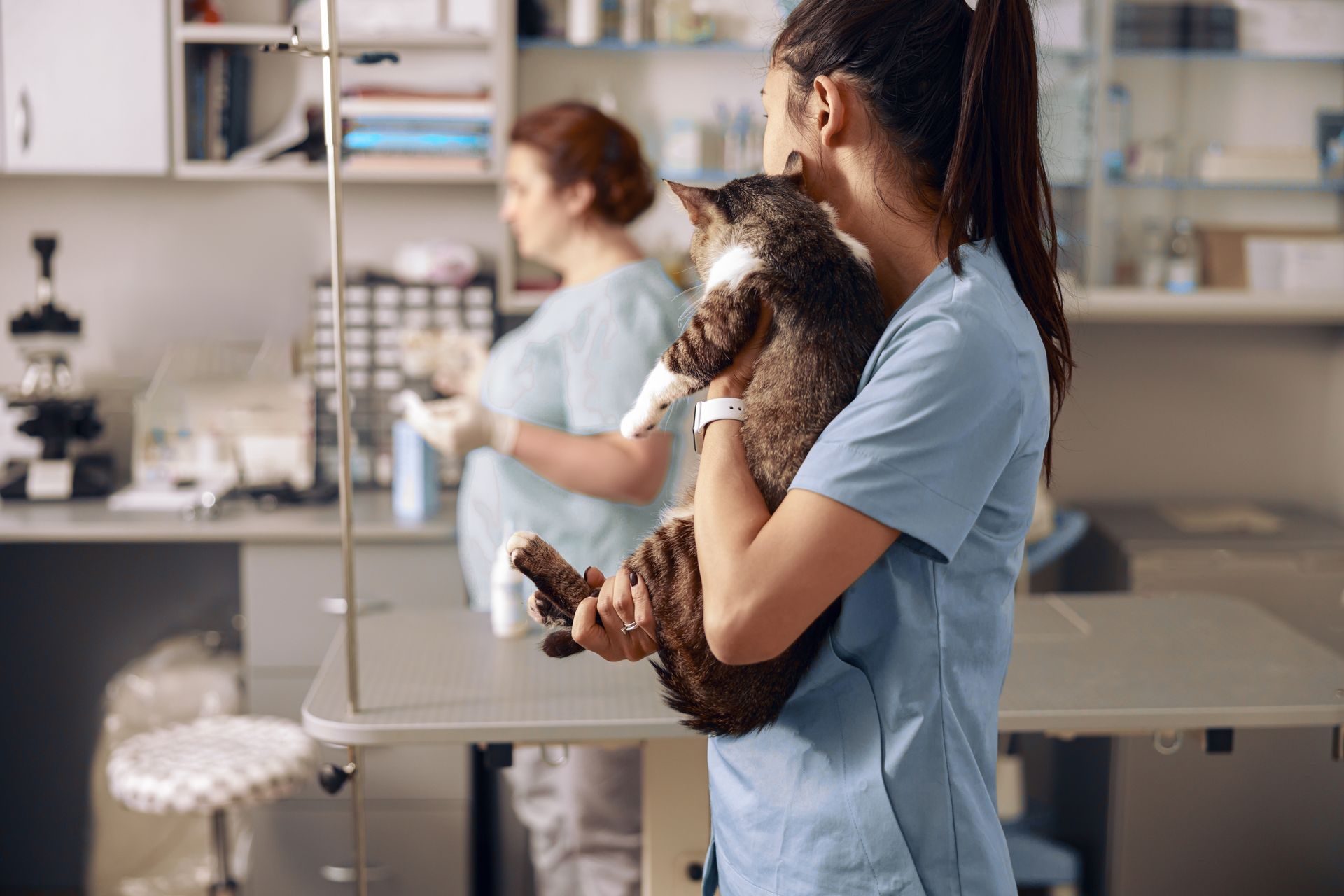
Care, Custody & Control
Covers the animals in your charge against injury, illness, or loss — the critical exposure standard liability policies leave out.
Bundled & cost-effective
Business Owners Policy (BOP)
Bundles property and general liability into one package built for small to mid-sized pet businesses — often the simplest base.
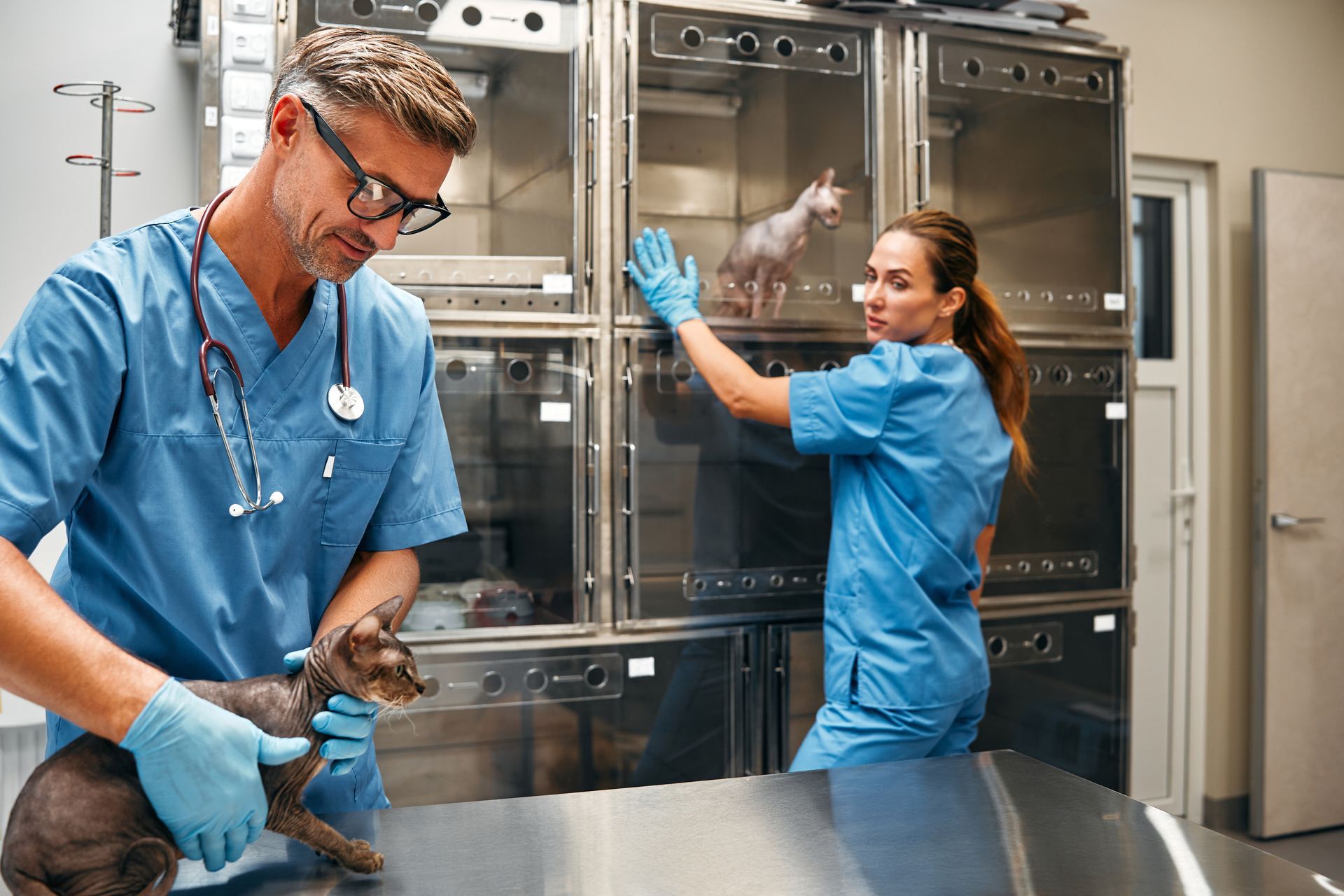
Your building & contents
Commercial Property
Protects your building, build-out, equipment, and inventory against fire, theft, and covered losses — front desk to back room.
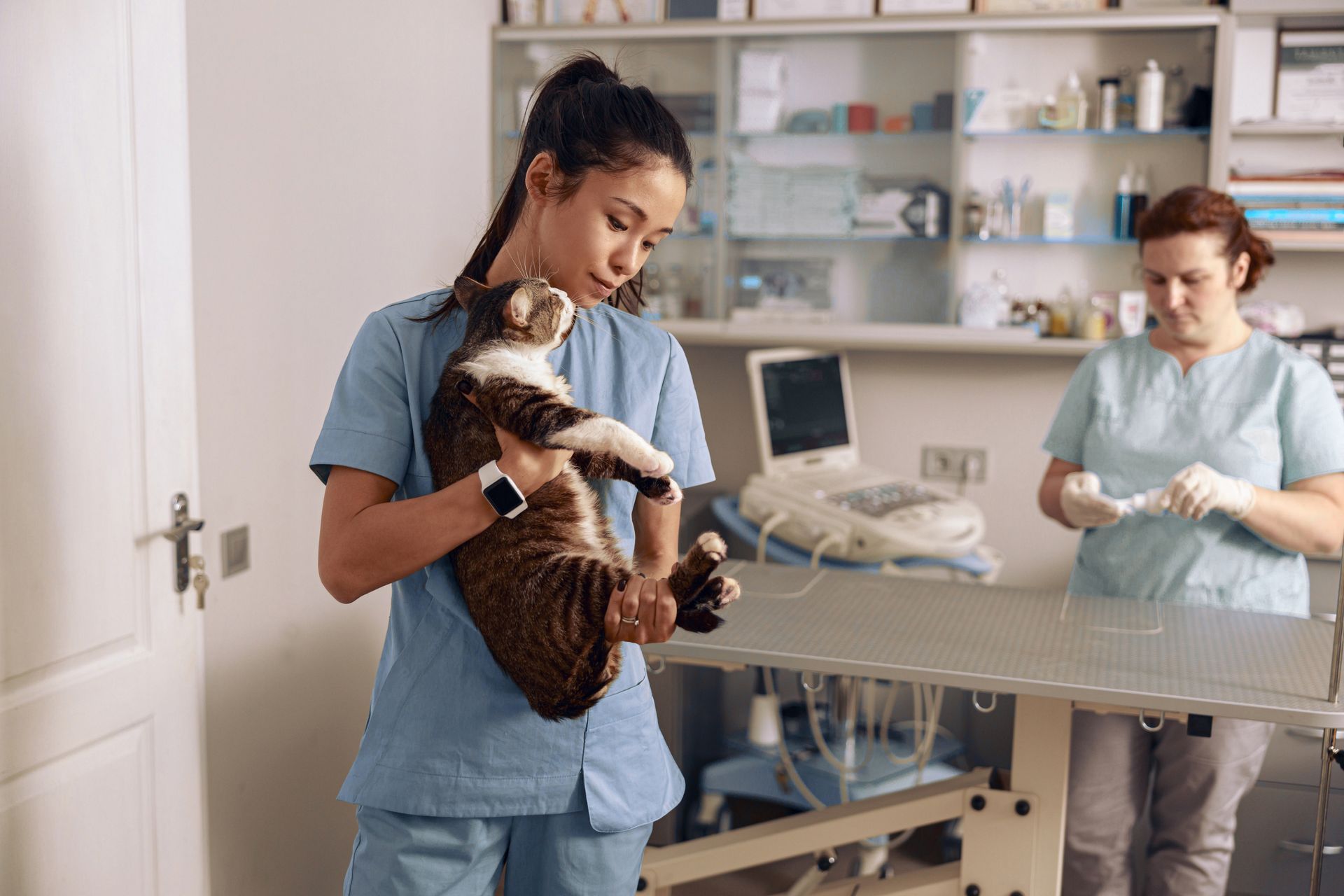
For your team
Workers’ Compensation
Covers medical costs and lost wages when a team member is hurt on the job — required in most states once you have employees.
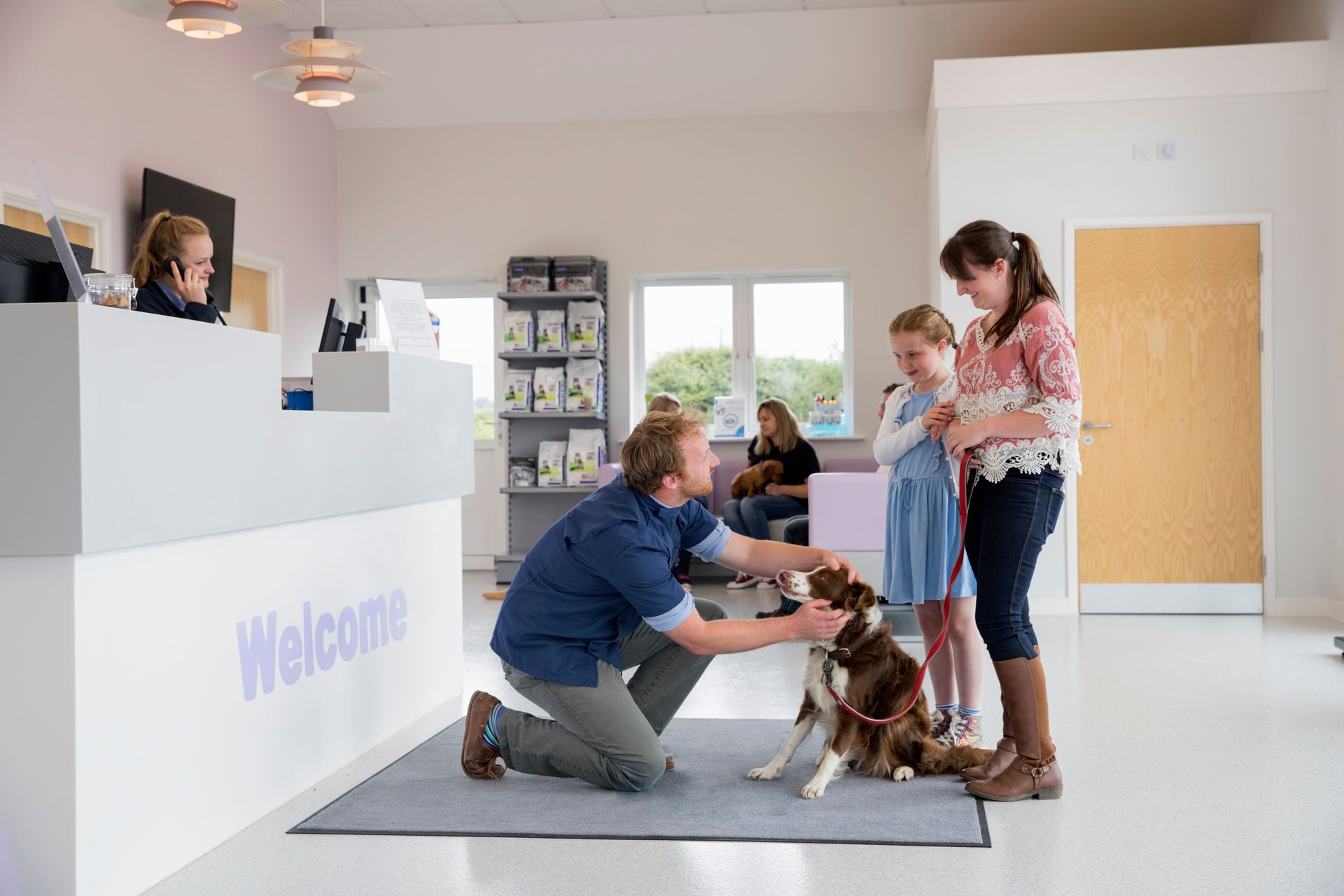
Extra protection
Commercial Umbrella
Adds liability limits above your primary policies for catastrophic claims that exceed standard coverage.
Coverage availability and terms vary by carrier and state. We recommend the right mix for your operation once we talk.
Industries we serve
Built for the businesses that care for animals.
General liability is the baseline for every segment we specialize in. Find the page built for your business.
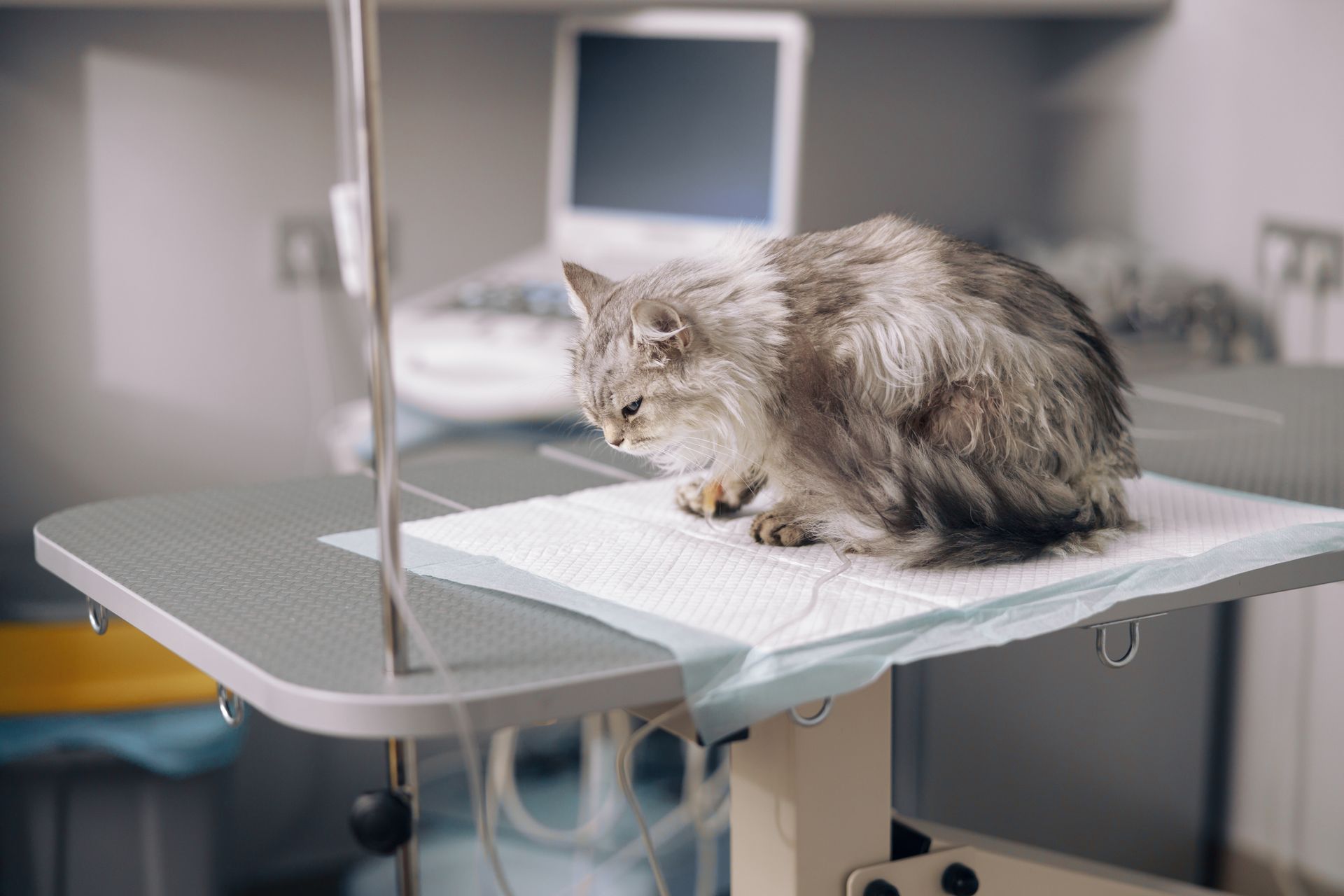
Clinical · high exposure
Veterinarians & Animal Hospitals
Professional and general liability, property, and workers’ comp for clinical operators with high exposure.
Hands-on · small business
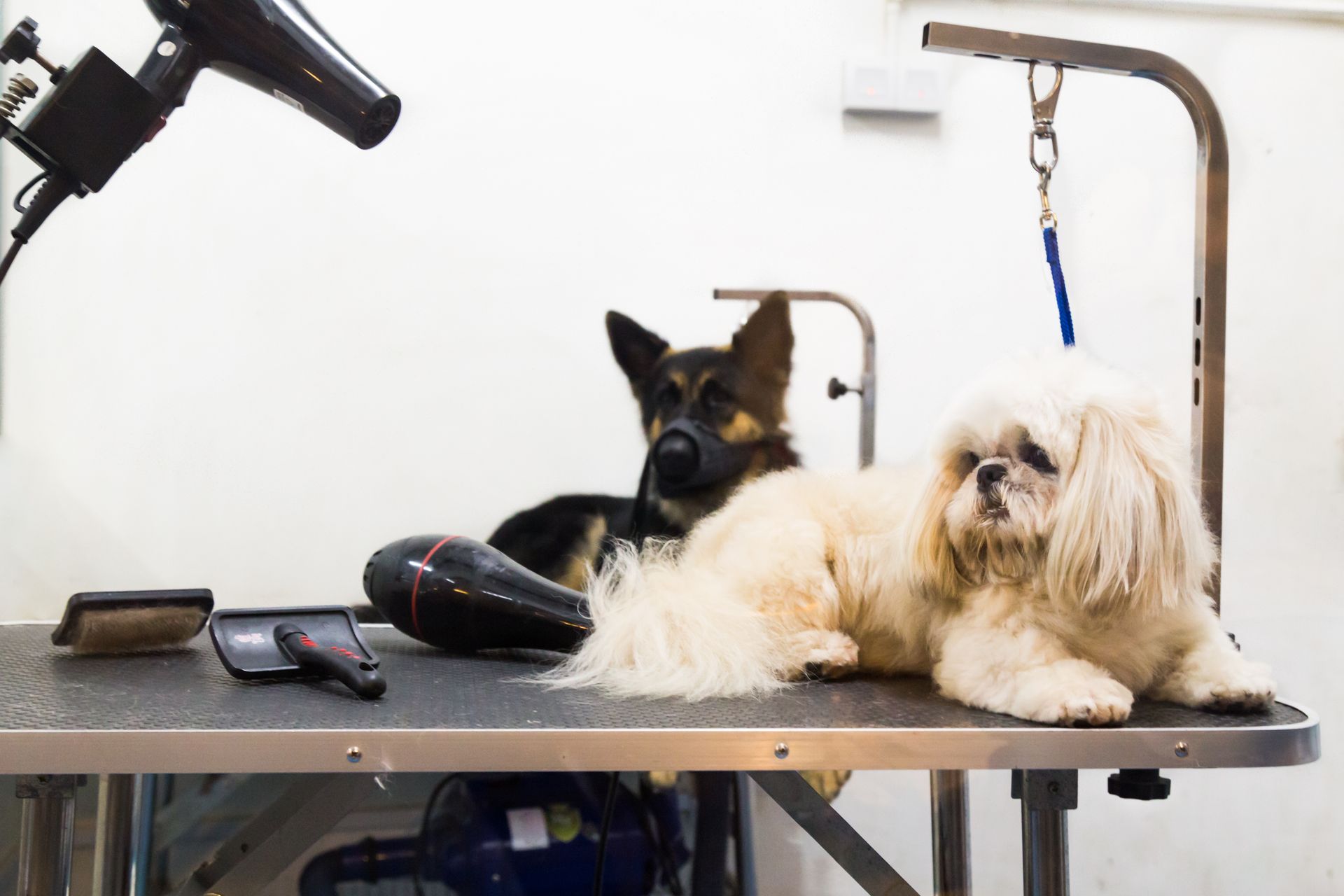
Pet Groomers
Practical protection for animal handling, equipment, and the day-to-day of the grooming table, shop or mobile.

Safety-forward · overnight
Doggy Daycare & Boarding
Coverage matched to facilities responsible for animals overnight and all day long.
Our reviews
Trusted by pet professionals.
See what owners say about working with a specialist who already understands their business.
Frequently asked
Questions pet pros ask us.
What kinds of pet businesses do you insure?
We insure businesses across the animal-care industry — veterinarians and animal hospitals, groomers, doggy daycares and boarding facilities, kennels and trainers, pet sitters and dog walkers, and pet stores. We also cover breeders, equine operations, pet transporters, shelters and rescues, pet photographers, and aquariums or wildlife facilities.
If your work involves caring for, handling, or selling animals, there is a strong chance we cover it. Tell us what you do and we will confirm.
What is care, custody, and control coverage, and why does it matter?
Care, custody, and control coverage protects you when an animal in your charge is injured, becomes ill, or is lost while in your care. Standard general liability policies often exclude this exact exposure, which leaves a serious gap for pet businesses.
For groomers, boarders, sitters, and clinics, this is one of the most important coverages you can carry. We make sure it is in place and sized to your operation.
How is an independent agency different from buying direct from a carrier?
A direct carrier sells you its own single policy. As an independent agency, we shop multiple specialty insurers and compare programs to find the coverage that fits your business and budget.
That means you get options instead of one quote, and an advocate who works for you, not the carrier. We also handle the renewals and claims support over the life of your policy.
How fast can I get a quote?
Most clients get quoted within one business day. Our industry-specific intake forms collect the right details up front, so we can take your information straight to the carriers without a long back-and-forth.
Need it sooner? Call a specialist directly at (346) 738-7297 and we will move quickly.
Which states do you serve?
We are licensed and actively writing coverage in 12 states: Connecticut, Delaware, Georgia, Kentucky, Massachusetts, New Jersey, New York, North Carolina, Pennsylvania, South Carolina, Tennessee, and Virginia.
We continue to add states as we grow. If you operate outside this list, reach out and we will let you know our latest footprint.
From the blog
Coverage notes for pet professionals.
Plain-language risk tips and coverage explainers, written for owners — not insurance pros.

Speak with a specialist
Let's find the right coverage for your business.
No quote bots, no funnel. Talk to a real pet-insurance specialist who already understands your operation — and shops multiple markets on your behalf.
Call us
(346) 738-7297
Toll-free 845-250-5366
Email
service@petindustryins.com
Visit Us
2 Joyce Plaza
Stony Point, NY 10980