Coverage for veterinary practices
Massachusetts Pet Photographer Insurance
A dog lunges at your camera bag during a backyard portrait session in Brookline. Your $3,000 lens shatters on the patio. The dog's owner insists you startled the animal and wants you to cover the vet bill for a chipped tooth. Suddenly, your Saturday side gig feels a lot more complicated.
Situations like this aren't hypothetical for pet photographers in Massachusetts. Between unpredictable animals, expensive gear, and the state's strict liability rules around dog bites, running a pet photography business here carries real financial risk. Pet photographer insurance in Massachusetts isn't just a box to check: it's the difference between absorbing a $15,000 claim out of pocket and letting your policy handle it while you keep shooting.
This guide breaks down the specific coverage types you need, what Massachusetts law requires from small business owners, how costs shake out in the Bay State, and where photographers commonly leave gaps in their protection. Whether you're a full-time studio operator in Worcester or a weekend warrior shooting golden retrievers on Cape Cod beaches, the risks are the same. The dollar amounts just change.
One important note before we get into specifics: insurance regulations and legal requirements shift over time, and your situation may have unique factors. Always consult a qualified attorney or licensed insurance professional for advice tailored to your business.
Essential Insurance Coverage for Massachusetts Pet Photographers
Pet photography sits at an unusual intersection of risk. You're working with animals you can't fully control, hauling expensive equipment to unfamiliar locations, and delivering creative work that clients have strong opinions about. Each of those risk categories maps to a different type of insurance coverage, and skipping any one of them can leave you exposed.
The three pillars of coverage for this niche are general liability, professional liability (also called errors and omissions), and inland marine or equipment coverage. Most photographers grab general liability and stop there, which is a mistake. A complete policy package addresses property damage, bodily injury, professional disputes, and gear loss in a single program.
General Liability for Studio and On-Location Shoots
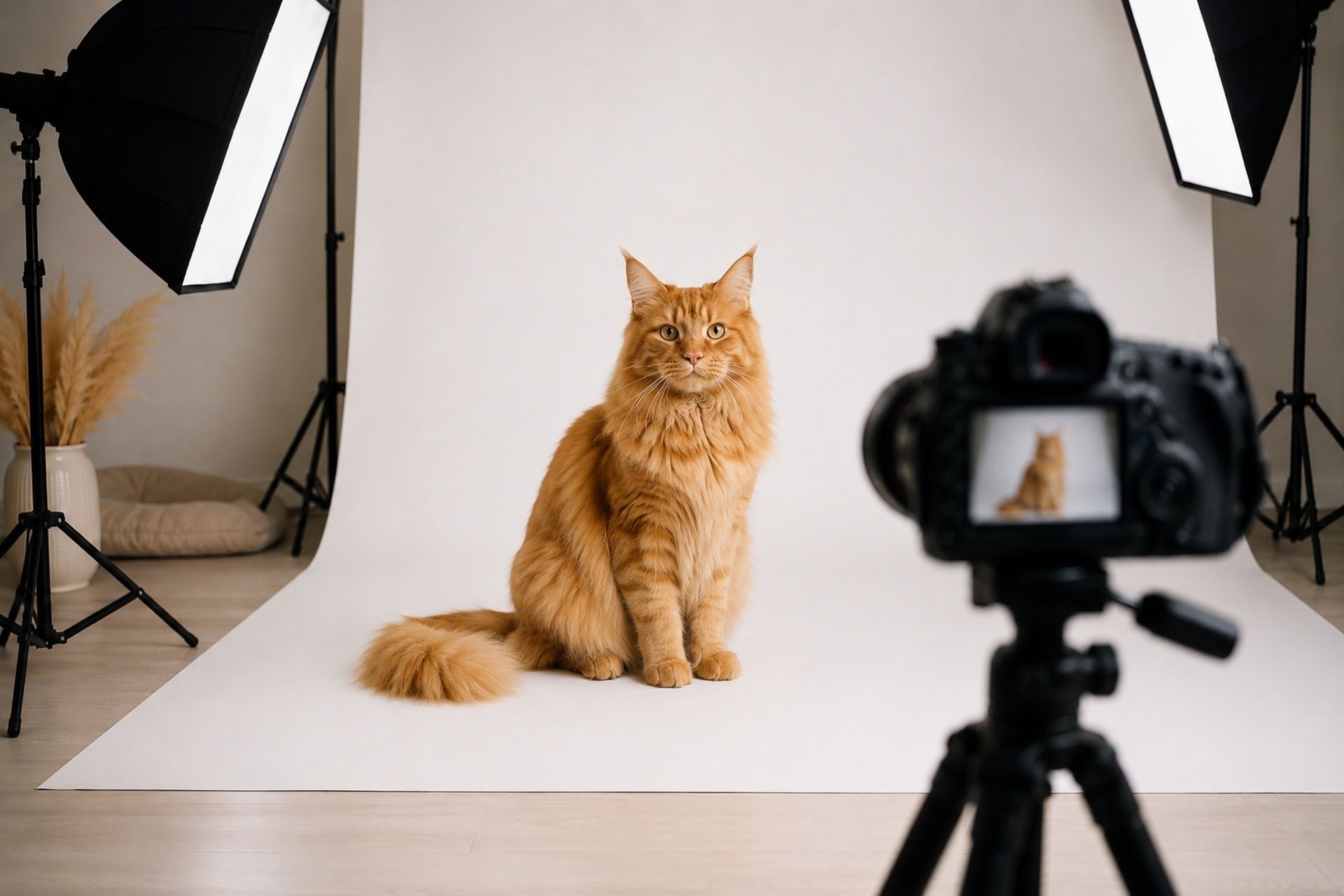
General liability is your foundation. It covers third-party bodily injury and property damage: think a client tripping over your lighting cable or a dog knocking over a vase at someone's home. Massachusetts follows a strict liability standard for dog bite incidents, meaning the dog's owner is typically liable regardless of the animal's history. But if you're working at a client's home and their dog bites a passerby during your session, the situation gets messy fast.
General liability policies for photographers typically run between $300 and $600 per year for $1 million per occurrence and $2 million aggregate limits. If you rent studio space, your landlord will almost certainly require a certificate of insurance with them listed as an additional insured. On-location shoots at parks, beaches, or event venues in Massachusetts often require the same proof.
Professional Photographers of America offers group liability plans as a membership benefit, which can be a starting point. But group plans sometimes lack the pet-industry-specific endorsements that matter for animal-related claims.
Professional Liability and Errors and Omissions
Professional liability, or E&O coverage, protects you when a client claims your work didn't meet expectations or caused them financial harm. Maybe you accidentally deleted an entire session's photos. Maybe you missed a contracted delivery deadline for a breeder's marketing materials. These disputes happen more often than photographers expect.
E&O policies typically cover legal defense costs even if the claim has no merit, which matters because attorney fees in Massachusetts can easily hit $250 per hour. Annual premiums for professional liability usually fall between $200 and $500, depending on your revenue and coverage limits. If you're doing commercial work for pet brands or veterinary practices, this coverage becomes especially important because the dollar amounts at stake are higher.
Equipment Coverage for High-End Gear
A professional pet photography kit: bodies, lenses, lighting, backdrops, and editing hardware: can easily represent $15,000 to $30,000 in value. Your homeowner's or renter's policy almost certainly won't cover business equipment, and even if it does, the sublimits are usually laughably low.
Inland marine insurance (the industry term for equipment coverage) protects your gear against theft, accidental damage, and loss, both in your studio and on location. Policies are priced based on the total scheduled value of your equipment, with annual premiums typically running 1-3% of the total insured value. For a $20,000 kit, that's $200 to $600 per year. Make sure your policy covers equipment in transit: pet photographers spend a lot of time in cars, and gear gets stolen from vehicles more often than you'd think.
Massachusetts Legal Requirements and Compliance
Massachusetts has some of the more demanding small business regulations in New England. Understanding what the state requires, versus what's simply smart to carry, helps you build a compliant operation without overspending.
Workers' Compensation Laws for MA Small Businesses
If you hire anyone: even a part-time assistant who holds reflectors or wrangles pets during shoots: Massachusetts requires workers' compensation insurance. There's no minimum employee threshold. One W-2 employee triggers the requirement.
As of September 16, 2024, all Massachusetts employers must post a revised "Notice to Employees" regarding workers' compensation rights. This updated posting requirement applies even to very small operations. Failure to carry workers' comp in Massachusetts is a criminal offense that can result in fines up to $1,500 per day and a stop-work order.
If you use independent contractors (second shooters, for example), make sure those relationships are properly classified. Massachusetts uses a strict three-prong test for independent contractor status, and misclassification penalties are steep.
Commercial Auto Insurance for Travel to Client Homes
Here's a gap that catches a lot of photographers off guard: your personal auto policy likely excludes or limits coverage when you're using your vehicle for business purposes. Driving to a client's home in Lexington with $10,000 of camera gear in the trunk is a business use.
Commercial auto insurance or a business-use endorsement on your personal policy fills this gap. If you're involved in an accident while traveling to a shoot and your personal insurer determines you were conducting business, they can deny the claim entirely. Commercial auto premiums vary widely based on your driving record and vehicle, but expect $1,200 to $2,500 annually for a single vehicle. Photographer-specific insurance programs sometimes bundle commercial auto with general liability for a lower combined rate.
Comparing Coverage Options: Basic vs. Comprehensive
Not every pet photographer needs the same level of protection. Here's how basic and comprehensive coverage packages typically compare:
| Coverage Feature | Basic Package | Comprehensive Package |
|---|---|---|
| General Liability | $1M/$2M limits | $1M/$2M limits |
| Professional Liability (E&O) | Not included | $1M limit |
| Equipment/Inland Marine | $5,000 limit | $25,000+ scheduled |
| Commercial Auto | Not included | Included |
| Workers' Comp | Not included | Included (if applicable) |
| Care, Custody & Control | Not included | Included |
| Annual Premium Range | $350-$600 | $1,200-$3,000+ |
That "care, custody & control" line is worth highlighting. Standard general liability policies exclude damage to property in your care. If a client's dog swallows a piece of your equipment and needs emergency surgery, or if you're temporarily holding a leash and the dog bolts into traffic, care/custody/control coverage responds. Pet Professional Insurance Agency specializes in exactly these kinds of pet-industry risk scenarios, with intake forms designed for animal-related businesses and access to multiple specialty markets that understand bite liability and animal care exposures.
Factors Influencing Insurance Costs in the Bay State
Massachusetts insurance premiums tend to run 10-20% higher than the national average for small businesses, driven by higher litigation costs, stricter regulations, and the general cost of doing business in the Northeast. But several factors within your control affect what you'll actually pay.
Service Volume and Revenue Impact
Insurers price policies partly based on your annual revenue because higher revenue generally correlates with more client interactions and more exposure to claims. A photographer doing $30,000 in annual revenue will pay meaningfully less than one doing $150,000. Most carriers also consider the number of sessions you shoot per year and whether you work with large animals (horses, for instance) versus small pets.
If you're just starting out and your revenue is under $50,000, you'll likely qualify for lower premium tiers. As your business grows, expect your insurance costs to scale, but not proportionally. Going from $50,000 to $100,000 in revenue might only add $100 to $200 to your annual premium.
Deductible Choices and Coverage Limits
Your deductible is the amount you pay out of pocket before insurance kicks in. Choosing a $1,000 deductible instead of $500 can reduce your premium by 10-15%, but you need to be comfortable covering that amount if a claim arises. For equipment coverage specifically, higher deductibles make sense if you have an emergency fund, since small gear claims (a scratched filter, a broken flash) are often not worth filing anyway due to potential premium increases.
Coverage limits matter too. A $1 million per occurrence limit is standard for general liability, but if you're shooting at high-value properties or working with expensive show animals, $2 million might be worth the modest premium increase.
Common Questions About Pet Photography Insurance
Do I need insurance if I only shoot pets outdoors in public parks? Yes. Public locations don't eliminate your liability. If your equipment injures someone or a pet in your care causes damage, you're exposed regardless of the setting.
Does my homeowner's insurance cover my photography business? Almost never. Most homeowner's policies explicitly exclude business activities and business equipment. Don't assume you're covered: check your policy language.
What if a dog bites me during a session? Massachusetts holds dog owners strictly liable for bite injuries unless the victim was trespassing or provoking the animal. Your health insurance would cover medical bills, but you may have a claim against the owner's homeowner's policy.
Can I get coverage for just one event or session? Some insurers offer short-term or per-event policies, though they're rarely cost-effective if you shoot regularly. Annual policies almost always deliver more value.
How quickly can I get a certificate of insurance? With agencies like Pet Professional Insurance Agency that specialize in pet businesses, most clients receive a response within 24-48 hours. You'll work directly with an agent, not a call center, which speeds things up when venues or clients need certificates on short notice.
Are animal-specific injuries covered under standard photographer policies? Often not. Standard photographer policies may exclude animal-related injury claims or damage caused by animals in your care. You need pet-industry-specific endorsements to close that gap.
Making the Right Choice for Your Photography Business
GGetting insurance right for your MA pet photography operation comes down to three things: understanding what Massachusetts law actually requires (workers' comp, proper auto coverage), knowing which risks are specific to working with animals (bite liability, care/custody/control), and building a policy package that matches your current business size without leaving critical gaps.
Don't default to the cheapest general liability policy you can find and call it done. The claims that hurt pet photographers most: equipment theft from vehicles, E&O disputes over deleted files, and injury claims involving animals: are exactly the ones a bare-bones policy won't cover.
Index
Pet Professional Insurance Agency is fully licensed and permitted to provide commercial insurance solutions for pet businesses across 12 states.
We proudly serve pet professionals throughout the Northeast, Mid-Atlantic, and Southeast. Powered by Joyce Insurance Agency, our team works with leading specialty carriers — including The Hartford, USLI, Nautilus, and Northland — to make sure veterinarians, groomers, boarding facilities, and pet-care businesses receive coverage that fits their real risks in Connecticut, Delaware, Georgia, Kentucky, Massachusetts, New Jersey, New York, North Carolina, Pennsylvania, South Carolina, Tennessee, and Virginia.
About the author
Barnaby Joyce
Founder, Pet Professional Insurance Agency · Licensed Insurance Producer
I started Pet Professional Insurance Agency because I watched pet businesses get handed generic policies that never fit. After years of placing coverage for veterinary practices, grooming salons, doggy daycares, and kennels through a generalist agency, I saw the same gaps over and over — and the same blank stares when an owner tried to explain care, custody, and control to an agent who had never insured an animal in their life.
So I built an agency that does one thing. I work directly with specialty carriers who actually want pet-industry risk, and I sit down with every client personally. You will not get a call center or a chatbot. You will get someone who already speaks your language and shops the market on your behalf. That is the whole idea.
Recommended coverages
Coverages that pair with general liability.
Most pet businesses build on general liability with the lines below. Explore each — every page cross-links to the
industries we serve.
Services & advice
Professional Liability / E&O
Covers claims tied to your professional services and advice — clinical care, training guidance, and the judgment calls you make daily.
The pet-industry gap
Care, Custody & Control
Covers the animals in your charge against injury, illness, or loss — the critical exposure standard liability policies leave out.
Bundled & cost-effective
Business Owners Policy (BOP)
Bundles property and general liability into one package built for small to mid-sized pet businesses — often the simplest base.
Your building & contents
Commercial Property
Protects your building, build-out, equipment, and inventory against fire, theft, and covered losses — front desk to back room.
For your team
Workers’ Compensation
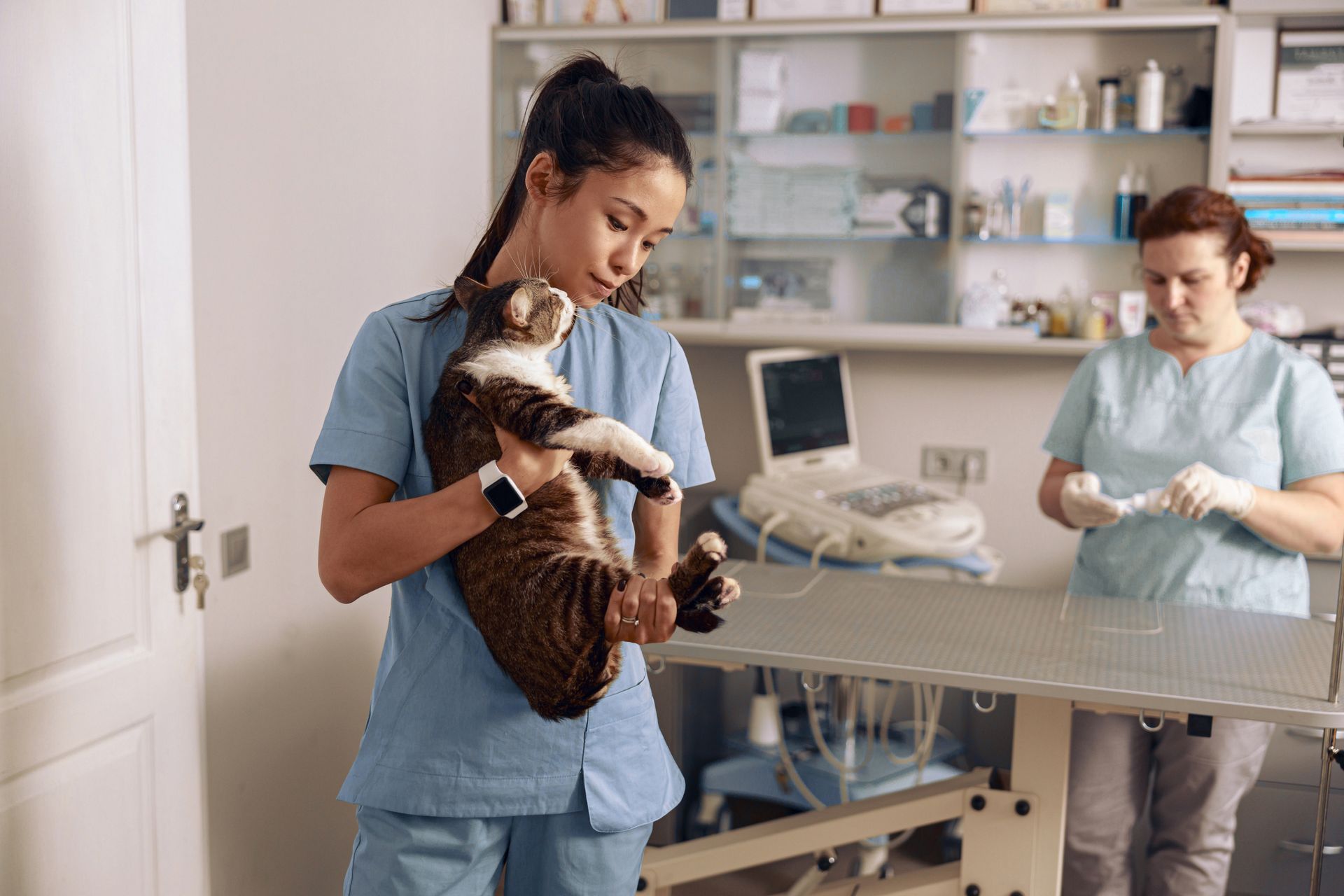
Covers medical costs and lost wages when a team member is hurt on the job — required in most states once you have employees.
Extra protection
Commercial Umbrella
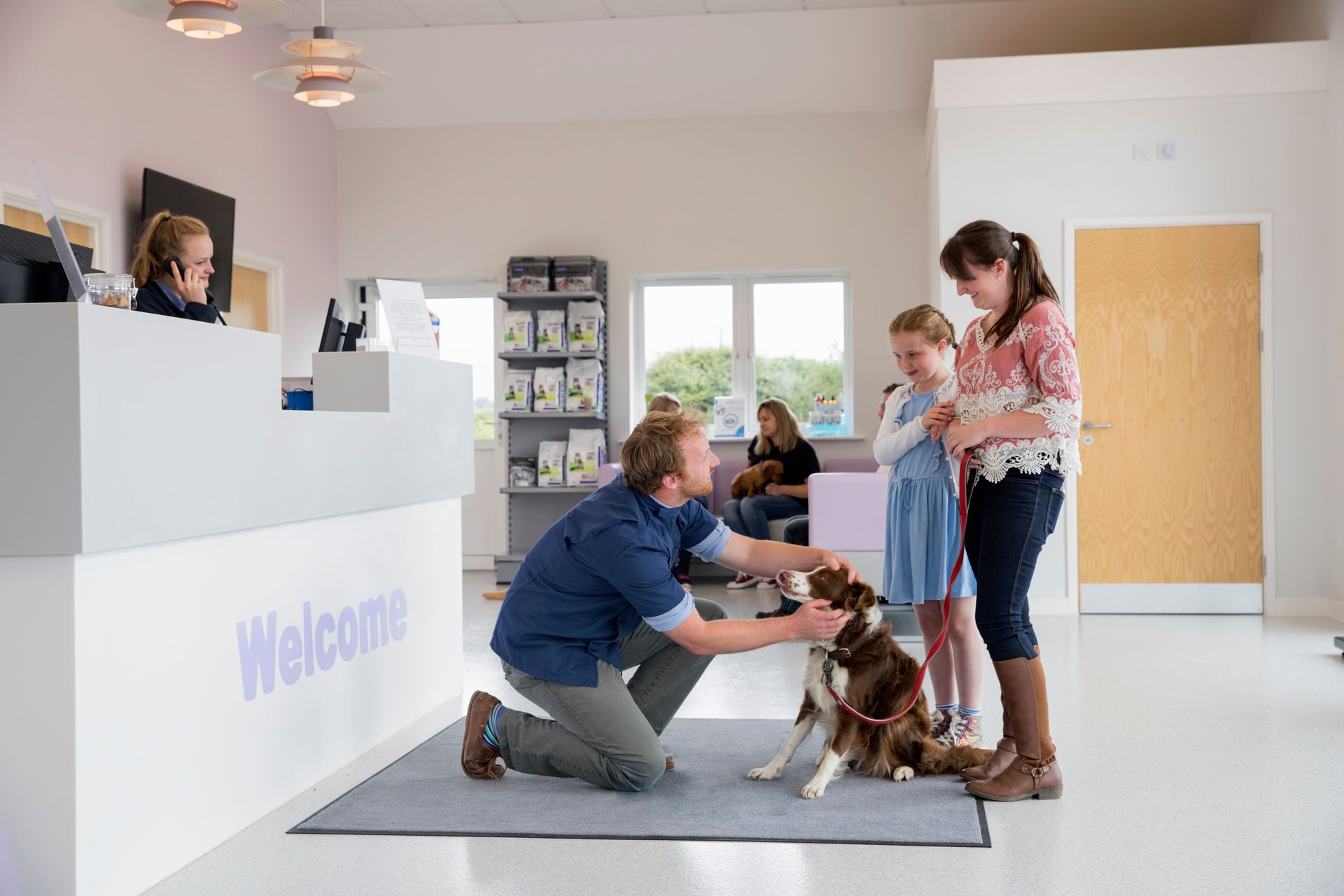
Adds liability limits above your primary policies for catastrophic claims that exceed standard coverage.
Coverage availability and terms vary by carrier and state. We recommend the right mix for your operation once we talk.
Industries we serve
Built for the businesses that care for animals.
General liability is the baseline for every segment we specialize in. Find the page built for your business.
Clinical · high exposure
Veterinarians & Animal Hospitals
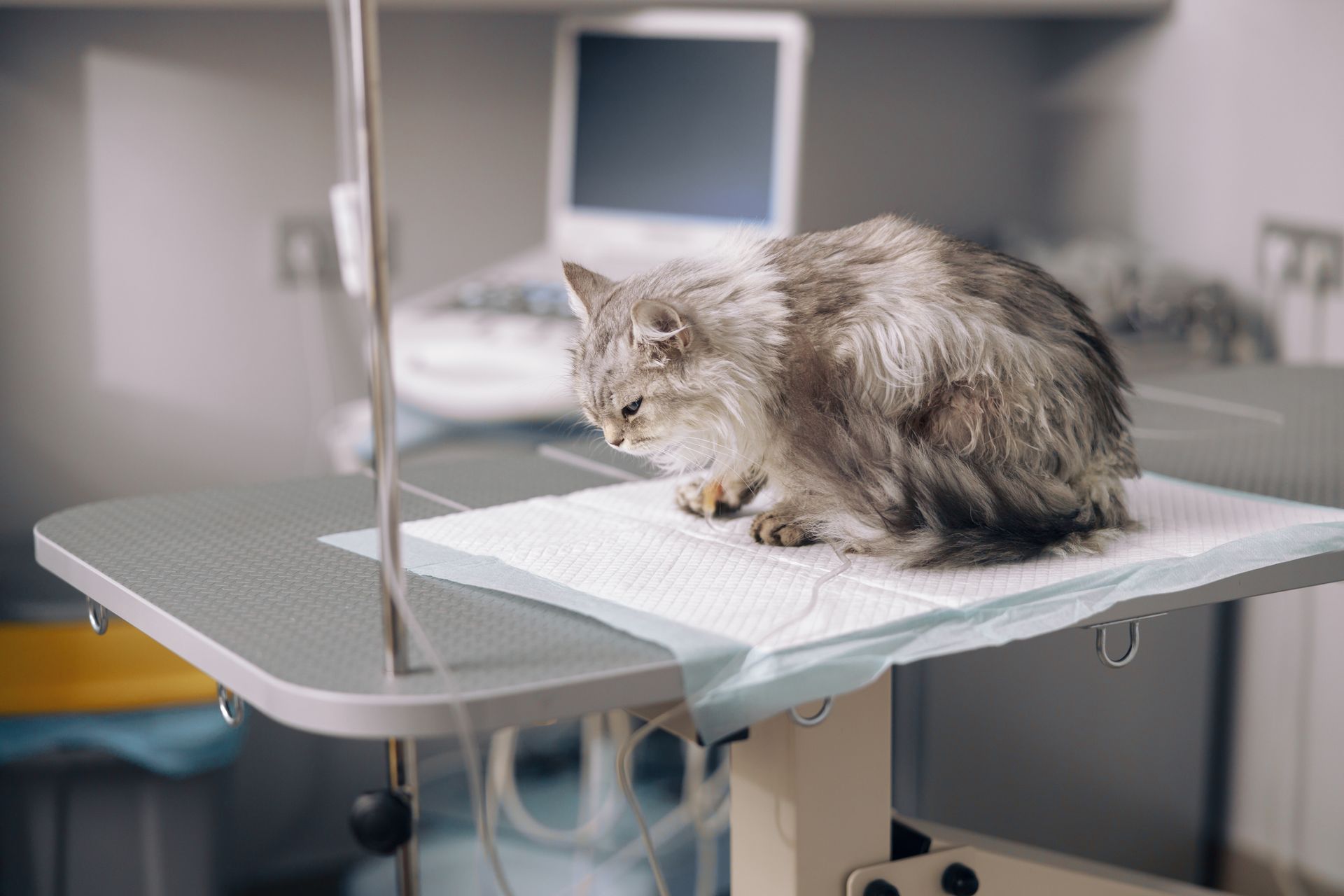
Professional and general liability, property, and workers’ comp for clinical operators with high exposure.
Hands-on · small business
Pet Groomers
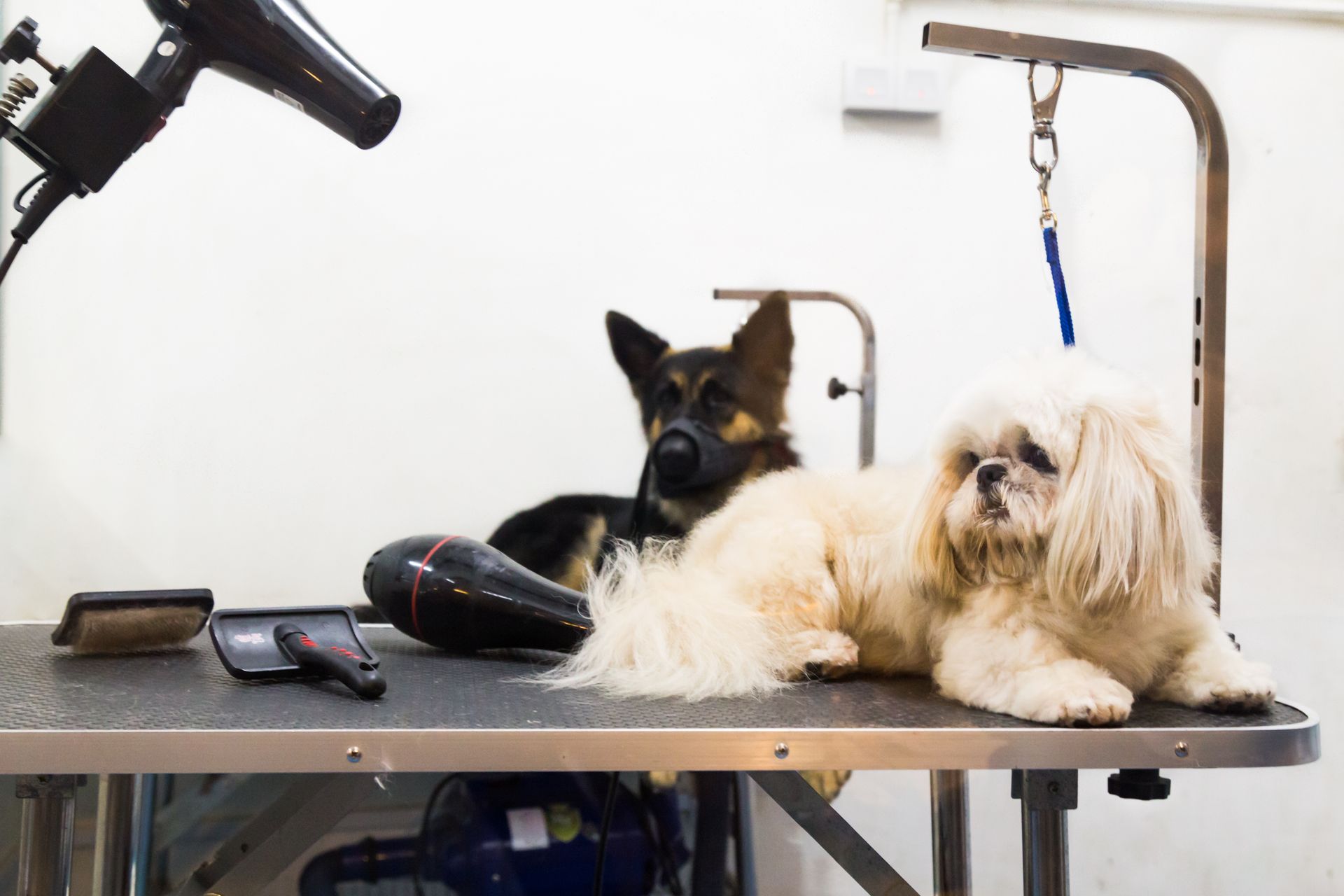
Practical protection for animal handling, equipment, and the day-to-day of the grooming table, shop or mobile.
Safety-forward · overnight
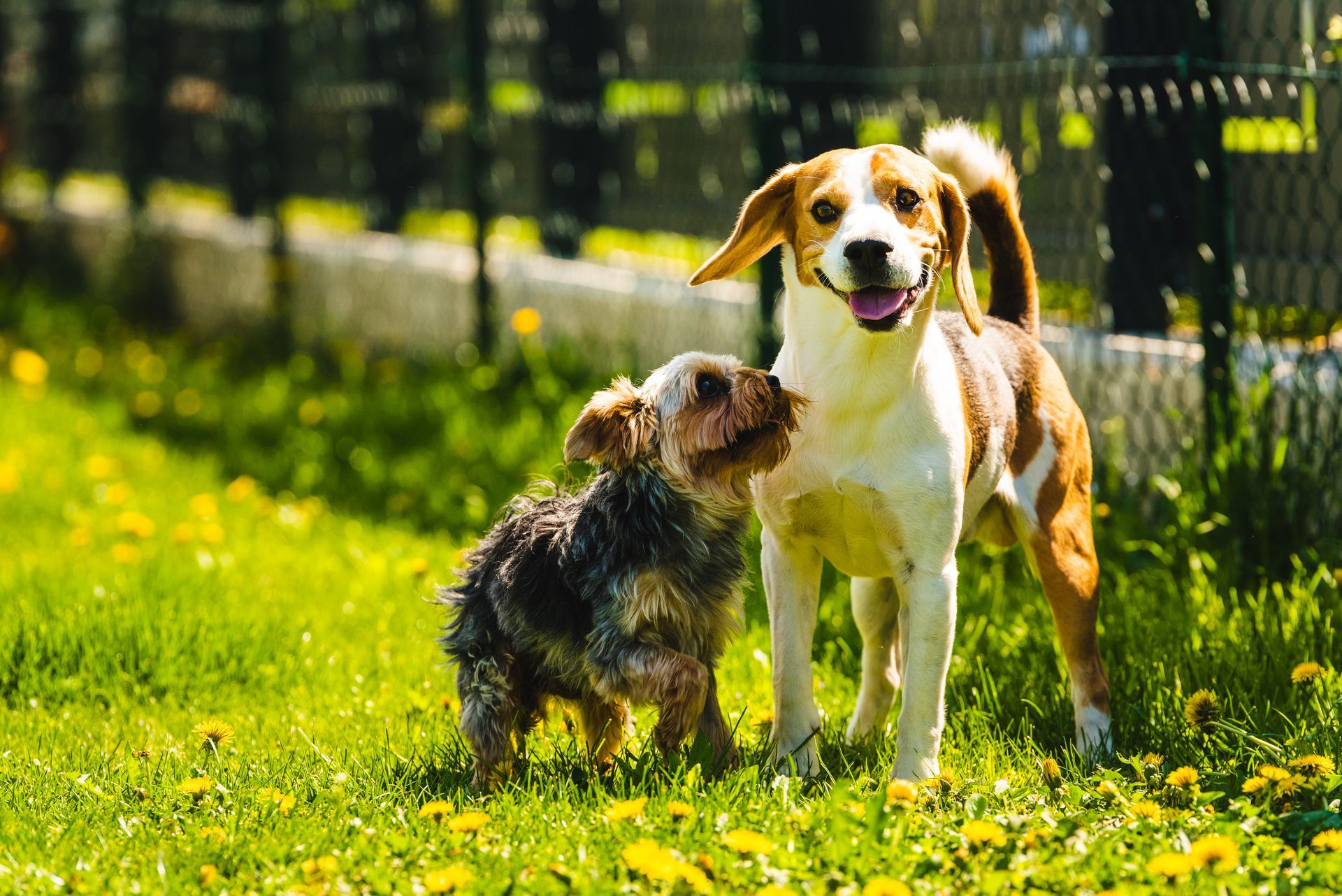
Doggy Daycare & Boarding
Coverage matched to facilities responsible for animals overnight and all day long.
Our reviews
Trusted by pet professionals.
See what owners say about working with a specialist who already understands their business.
Frequently asked
Questions pet pros ask us.
What kinds of pet businesses do you insure?
We insure businesses across the animal-care industry — veterinarians and animal hospitals, groomers, doggy daycares and boarding facilities, kennels and trainers, pet sitters and dog walkers, and pet stores. We also cover breeders, equine operations, pet transporters, shelters and rescues, pet photographers, and aquariums or wildlife facilities.
If your work involves caring for, handling, or selling animals, there is a strong chance we cover it. Tell us what you do and we will confirm.
What is care, custody, and control coverage, and why does it matter?
Care, custody, and control coverage protects you when an animal in your charge is injured, becomes ill, or is lost while in your care. Standard general liability policies often exclude this exact exposure, which leaves a serious gap for pet businesses.
For groomers, boarders, sitters, and clinics, this is one of the most important coverages you can carry. We make sure it is in place and sized to your operation.
How is an independent agency different from buying direct from a carrier?
A direct carrier sells you its own single policy. As an independent agency, we shop multiple specialty insurers and compare programs to find the coverage that fits your business and budget.
That means you get options instead of one quote, and an advocate who works for you, not the carrier. We also handle the renewals and claims support over the life of your policy.
How fast can I get a quote?
Most clients get quoted within one business day. Our industry-specific intake forms collect the right details up front, so we can take your information straight to the carriers without a long back-and-forth.
Need it sooner? Call a specialist directly at (346) 738-7297 and we will move quickly.
Which states do you serve?
We are licensed and actively writing coverage in 12 states: Connecticut, Delaware, Georgia, Kentucky, Massachusetts, New Jersey, New York, North Carolina, Pennsylvania, South Carolina, Tennessee, and Virginia.
We continue to add states as we grow. If you operate outside this list, reach out and we will let you know our latest footprint.
From the blog
Coverage notes for pet professionals.
Plain-language risk tips and coverage explainers, written for owners — not insurance pros.
Speak with a specialist
Let's find the right coverage for your business.
No quote bots, no funnel. Talk to a real pet-insurance specialist who already understands your operation — and shops multiple markets on your behalf.
Call us
(346) 738-7297
Toll-free 845-250-5366
Email
service@petindustryins.com
Visit Us
2 Joyce Plaza
Stony Point, NY 10980