Coverage for veterinary practices
Tennessee Pet Sitter Insurance
Technically, casual favors for friends don't require business insurance. But the moment you accept payment, even Venmo or cash, you're operating a business. If something goes wrong and you don't have coverage, your personal assets are exposed. If you're getting paid, get insured.
Running a pet sitting business in Tennessee without proper insurance is like walking a reactive dog off-leash near a highway: it might work out fine, but the consequences of something going wrong are catastrophic. A single dog bite, a lost cat, or a slip-and-fall at a client's home can generate thousands of dollars in liability, and Tennessee courts won't care that you're a solo operator who "just watches a few dogs." The pet sitting industry is projected to reach $3.4 billion nationally in 2026, which means more sitters entering the market, more competition, and more clients expecting professional-grade coverage before handing over their house keys. Whether you're running a full-time operation in Nashville or picking up weekend walks in Knoxville, understanding the insurance and compliance requirements specific to Tennessee operations is non-negotiable if you want to build a sustainable business. This guide breaks down exactly what coverage you need, what it costs, and how to stay on the right side of TN regulations.
Understanding Tennessee Pet Sitter Insurance Requirements
Tennessee doesn't have a single "pet sitter license" the way some states regulate cosmetologists or contractors. But that doesn't mean you can operate without any oversight. The state treats pet sitting as a business activity, which means you're subject to general business regulations, local zoning laws, and potentially animal care statutes depending on how you structure your services.
One common mistake: assuming that because Tennessee doesn't specifically license pet sitters, you don't need insurance. Clients increasingly ask for proof of coverage before booking, and many pet sitting platforms require it. If you're watching animals in your own home, local animal ordinances may apply, and some Tennessee counties have specific regulations around keeping multiple animals on a property that could affect your business model.

Legal Compliance and TN Business Licensing
Every pet sitter in Tennessee needs a basic business license from their county clerk's office. If you're operating under a name other than your own legal name, you'll also need to register a DBA (doing business as) with the county. The Tennessee Department of Commerce oversees general business regulations, and new regulatory changes effective July 1, 2026 may affect how certain professional services are classified.
Sales tax is another area where sitters trip up. Tennessee has one of the highest combined state and local sales tax rates in the country, but services like pet sitting are generally exempt from sales tax. That said, if you sell pet products alongside your services, those sales are taxable. Keep clean records from day one.
If you're operating as an LLC or corporation, you'll need to register with the Tennessee Secretary of State. This isn't optional: it's what separates your personal assets from your business liabilities. And speaking of liabilities, that's exactly where insurance enters the picture.
Workers' Compensation Rules for TN Pet Businesses
Tennessee requires workers' compensation insurance for any business with five or more employees. If you're a solo sitter, you're exempt. But the moment you start hiring help for busy seasons, holiday coverage, or expanded territory, you need to track your headcount carefully.
Here's where it gets tricky: independent contractors don't count toward that five-employee threshold, but Tennessee has been cracking down on worker misclassification. If you're telling your "contractors" when to show up, what routes to walk, and how to administer medications, the state may reclassify them as employees. That reclassification comes with back taxes, penalties, and a workers' comp violation.
Even if you're under the five-employee threshold, carrying workers' comp voluntarily can protect you from personal injury lawsuits filed by your team. A dog walker who gets bitten by a client's aggressive dog while on the job could sue you personally without workers' comp in place.
Core Coverage Types for Pet Sitters and Dog Walkers
Not all insurance policies are built the same, and pet sitters need specific coverage types that a generic small business policy won't include. The three pillars of pet sitter insurance are general liability, professional liability, and animal bailee coverage. Missing any one of these leaves a significant gap.
General Liability vs. Professional Liability
General liability covers third-party bodily injury and property damage. If a dog you're walking bites a pedestrian in Germantown, or you accidentally break a client's antique vase during a home visit, general liability responds. It's the foundation of any commercial insurance program.
Professional liability, sometimes called errors and omissions coverage, protects against claims arising from your professional judgment. Say a client gives you detailed medication instructions for their diabetic cat, you follow them correctly, but the cat still has a medical episode. The client blames you. Professional liability covers the defense costs and any resulting settlement, even when you did everything right.
The distinction matters because general liability won't cover a claim that stems from your professional services. A policy that only includes GL leaves you exposed to the exact claims most likely to hit a pet sitter: allegations of negligence in animal care. Agencies like Pet Professional Insurance Agency that specialize in pet-industry coverage understand these distinctions and can match you with policies that address both risk categories.
Animal Bailee and Care, Custody, or Control
Standard general liability policies contain a care, custody, or control exclusion. This means if an animal is injured or dies while in your care, your GL policy won't pay the claim. That's a problem when your entire business revolves around having animals in your care.
Animal bailee coverage fills this gap. It covers veterinary bills, the animal's value, and sometimes death benefits if a pet is injured, becomes ill, or dies while you're responsible for it. Given that the average emergency vet visit in Tennessee runs $1,500 to $3,000, and some purebred dogs are valued at $5,000 or more, this coverage isn't a luxury.
One thing to keep in mind: not all animal bailee policies are equal. Some cap per-animal payouts at $1,000, which won't cover a serious injury to a large breed dog. Review the per-animal and aggregate limits carefully before binding a policy.
Comparison of Coverage Levels
| Coverage Feature | Basic Plan | Standard Plan | Premium Plan |
|---|---|---|---|
| General Liability Limit | General Liability Limit | $1,000,000 per occurrence | $2,000,000 per occurrence |
| $2,000,000 per occurrence | Not included | $1,000,000 per occurrence | $2,000,000 per occurrence |
| Animal Bailee (per animal) | $1,000 | $2,500 | $5,000+ |
| Care, Custody, Control | Limited or excluded | Included | Included with higher limits |
| Commercial Property | Not included | Optional add-on | Included |
| Hired/Non-Owned Auto | Not included | Optional | Included |
| Workers' Comp | Not included | Not included | Available as endorsement |
Most Tennessee sitters operating solo with fewer than 10 regular clients can work with a standard plan. If you're managing a team, handling high-value breeds, or offering overnight boarding in your home, the premium tier makes more financial sense. The cost difference between standard and premium is often only $20 to $40 per month, which is trivial compared to the coverage gap it closes.
Estimating Your Insurance Costs in Tennessee
Pet sitter insurance in Tennessee typically runs between $250 and $600 per year for a solo operator with standard coverage limits. That range shifts based on several variables, and understanding them helps you budget accurately.
Factors Influencing Your Annual Premium
Your premium isn't pulled from thin air. Insurers evaluate specific risk factors:
- Number of animals in your care at any given time: More animals means more exposure. A sitter handling 10 dogs daily pays more than someone watching two cats.
- Services offered: Dog walking carries different risk than overnight boarding. Administering medications or providing grooming adds to your premium.
- Revenue: Higher annual revenue signals more client interactions and greater exposure.
- Claims history: A clean record keeps premiums low. Even one prior claim can increase your rate by 15 to 30 percent.
- Location within Tennessee: Urban areas like Memphis and Nashville tend to carry slightly higher premiums than rural counties due to higher claim frequency and litigation costs.
- Employee count: Each additional employee increases your liability exposure and premium.
Working with an agency that specializes in pet business insurance, like Pet Professional Insurance Agency, can save you time here. Their intake forms are tailored specifically to pet-care businesses, so you're not answering irrelevant questions about manufacturing equipment or retail foot traffic. Most clients hear back within 24 to 48 hours with coverage options from multiple specialty markets.
Common Questions About TN Pet Sitter Insurance
Do I need insurance if I only pet sit for friends and family? If you're accepting payment, you're running a business. Homeowner's insurance won't cover a business-related claim, even if the "client" is your neighbor. Get covered.
Can I use my personal auto insurance while transporting pets? No. Personal auto policies exclude business use. You need a hired and non-owned auto endorsement or a commercial auto policy if you're driving pets to vet appointments or dog parks.
Does my landlord's insurance cover me if I pet sit in a rental? Absolutely not. Your landlord's policy protects the building owner, not your business activities. You need your own general liability and professional liability coverage as a tenant operating a business.
What happens if a dog bites someone while I'm walking it? Your general liability policy responds to third-party bodily injury claims. Without it, you're personally liable for medical bills, legal fees, and potential settlements that can reach six figures.
Is bonding the same as insurance? A surety bond and an insurance policy serve different purposes. A bond protects your clients against theft or dishonesty. Insurance protects against liability claims. Most professional sitters carry both.
How quickly can I get coverage? Through specialty agencies focused on pet businesses, coverage can often be bound within a few business days. Some policies offer same-day certificates of insurance once the application is approved.
Making the Right Choice for Your TN Business
Getting insurance for your Tennessee pet sitting operation isn't about checking a box: it's about protecting the business you've built and the animals you care for. The right policy covers the risks that actually show up in pet care, from dog bites and escaped animals to medication errors and property damage.
Start by honestly assessing your services, your client volume, and your risk tolerance. A solo walker doing five visits per week has different needs than a team of four handling overnight stays. Don't buy more coverage than you need, but don't skimp on the areas that matter most: professional liability and animal bailee coverage are where most pet sitter claims originate.
If you're unsure where to start, reach out to Pet Professional Insurance Agency. You'll work directly with an agent who understands pet-industry risks, not a call center reading from a script. They can walk you through options from multiple specialty markets and help you find coverage that fits your specific Tennessee operation.
Index
Pet Professional Insurance Agency is fully licensed and permitted to provide commercial insurance solutions for pet businesses across 12 states.
We proudly serve pet professionals throughout the Northeast, Mid-Atlantic, and Southeast. Powered by Joyce Insurance Agency, our team works with leading specialty carriers — including The Hartford, USLI, Nautilus, and Northland — to make sure veterinarians, groomers, boarding facilities, and pet-care businesses receive coverage that fits their real risks in Connecticut, Delaware, Georgia, Kentucky, Massachusetts, New Jersey, New York, North Carolina, Pennsylvania, South Carolina, Tennessee, and Virginia.
About the author
Barnaby Joyce
Founder, Pet Professional Insurance Agency · Licensed Insurance Producer
I started Pet Professional Insurance Agency because I watched pet businesses get handed generic policies that never fit. After years of placing coverage for veterinary practices, grooming salons, doggy daycares, and kennels through a generalist agency, I saw the same gaps over and over — and the same blank stares when an owner tried to explain care, custody, and control to an agent who had never insured an animal in their life.
So I built an agency that does one thing. I work directly with specialty carriers who actually want pet-industry risk, and I sit down with every client personally. You will not get a call center or a chatbot. You will get someone who already speaks your language and shops the market on your behalf. That is the whole idea.
Recommended coverages
Coverages that pair with general liability.
Most pet businesses build on general liability with the lines below. Explore each — every page cross-links to the
industries we serve.

Services & advice
Professional Liability / E&O
Covers claims tied to your professional services and advice — clinical care, training guidance, and the judgment calls you make daily.
The pet-industry gap
Care, Custody & Control
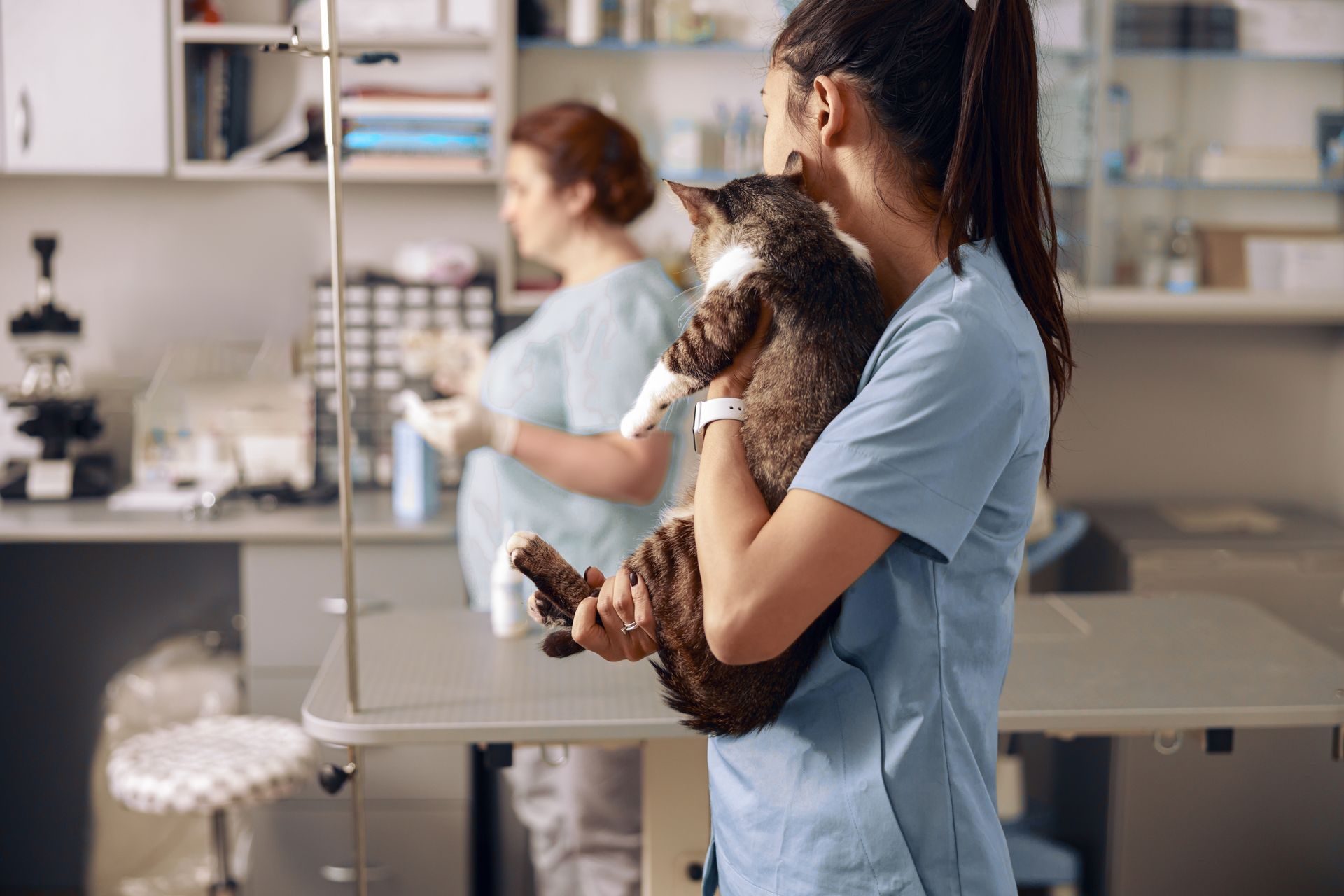
Covers the animals in your charge against injury, illness, or loss — the critical exposure standard liability policies leave out.
Bundled & cost-effective
Business Owners Policy (BOP)
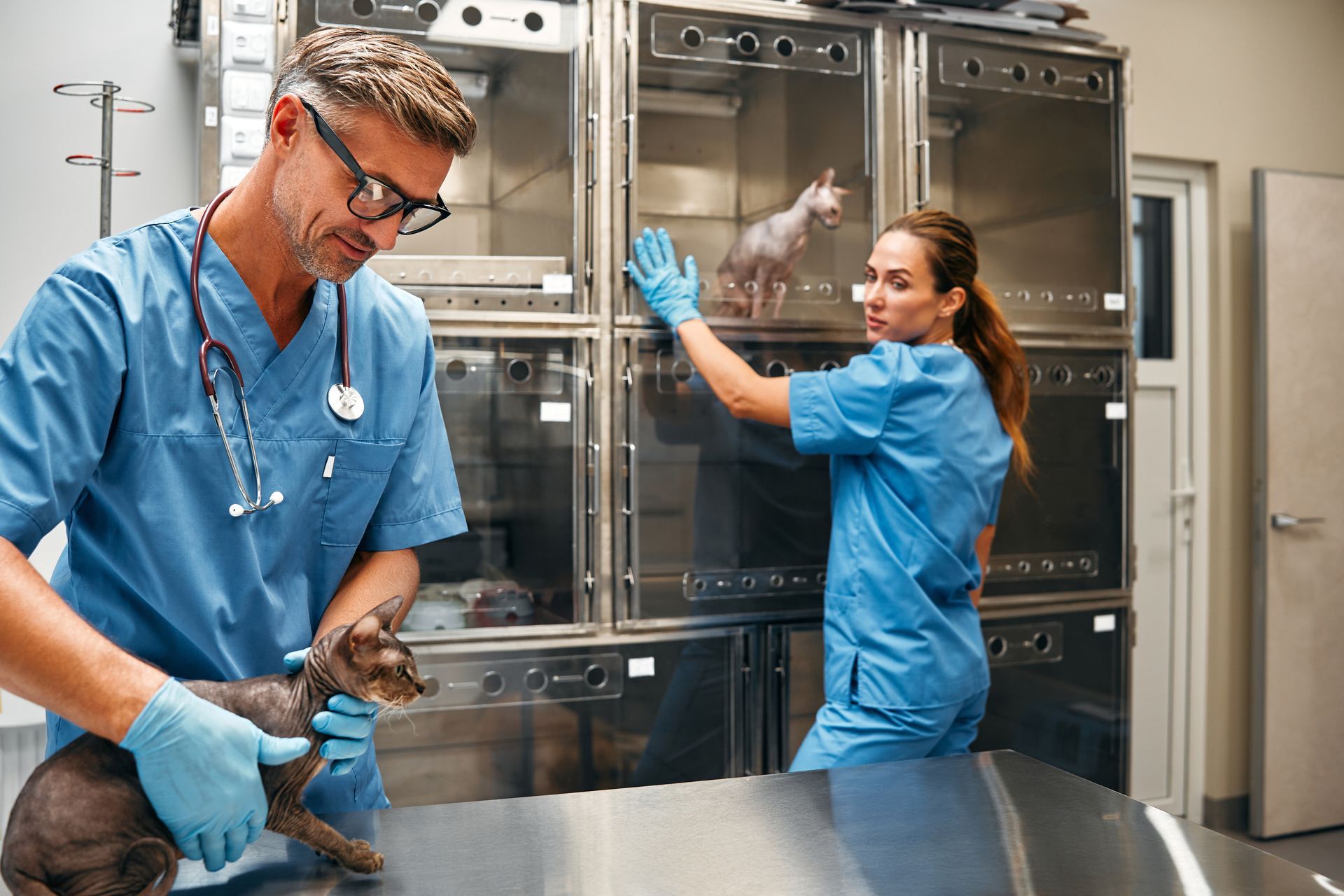
Bundles property and general liability into one package built for small to mid-sized pet businesses — often the simplest base.
Your building & contents
Commercial Property
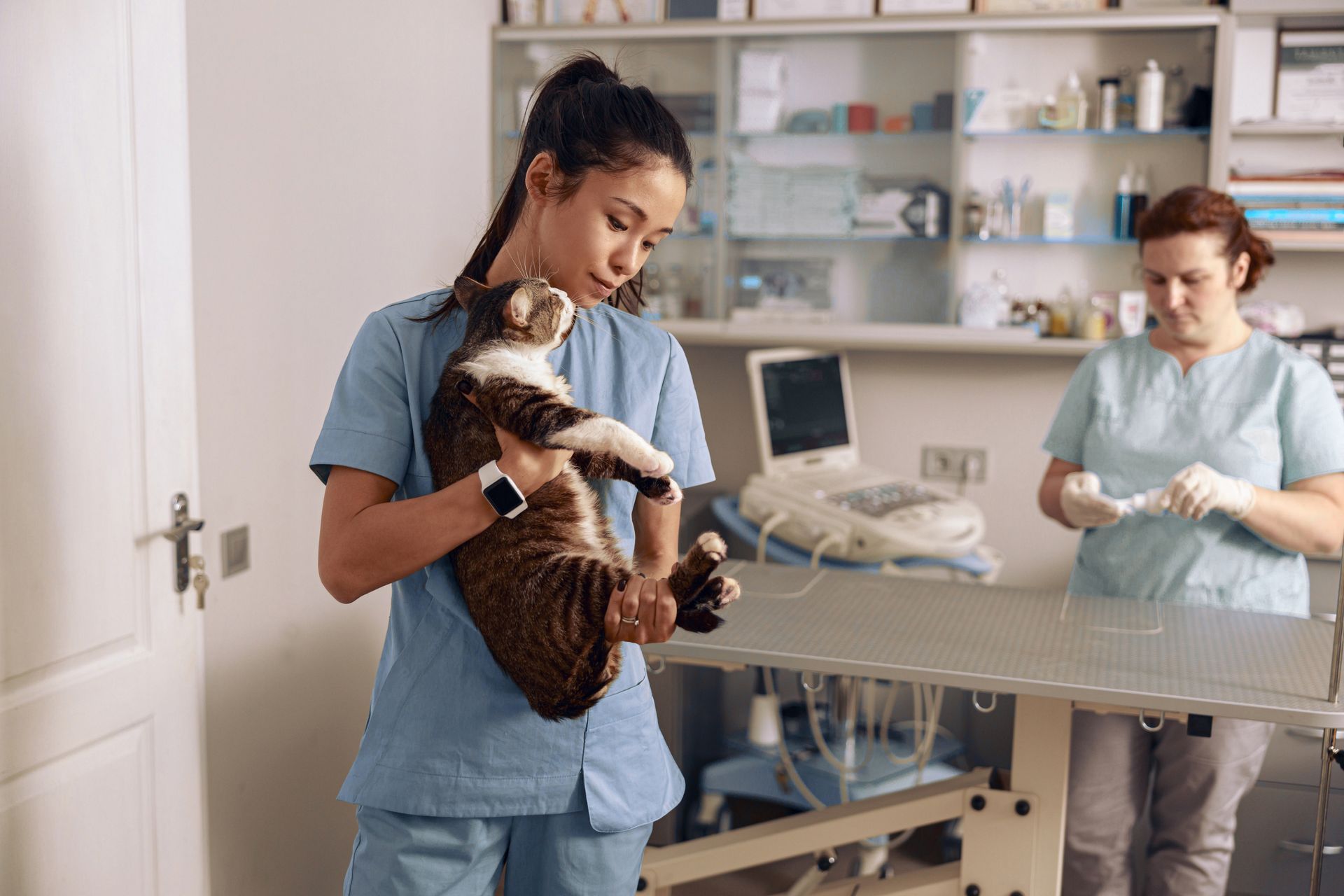
Protects your building, build-out, equipment, and inventory against fire, theft, and covered losses — front desk to back room.
For your team
Workers’ Compensation
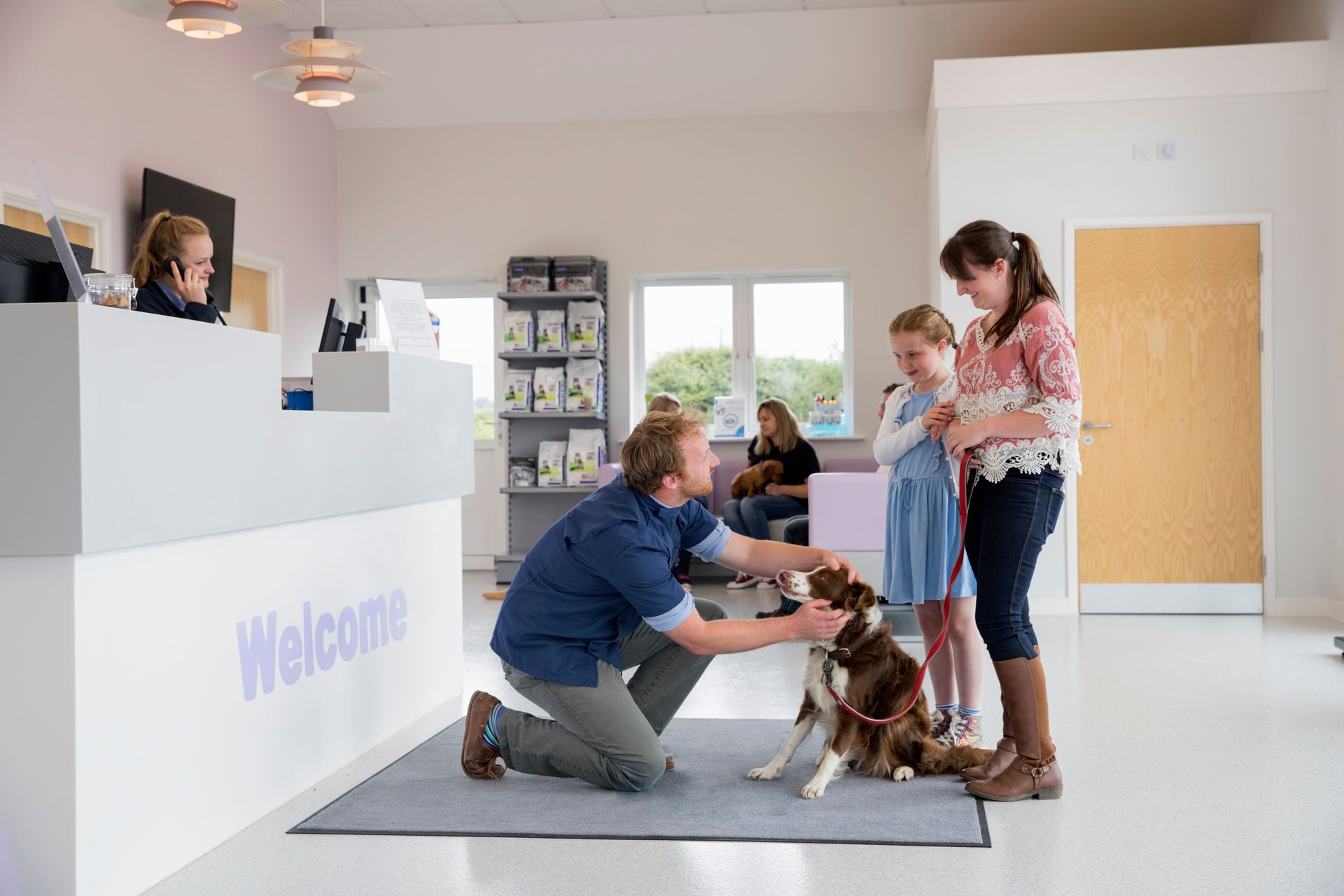
Covers medical costs and lost wages when a team member is hurt on the job — required in most states once you have employees.
Extra protection
Commercial Umbrella
Adds liability limits above your primary policies for catastrophic claims that exceed standard coverage.
Coverage availability and terms vary by carrier and state. We recommend the right mix for your operation once we talk.
Industries we serve
Built for the businesses that care for animals.
General liability is the baseline for every segment we specialize in. Find the page built for your business.
Clinical · high exposure
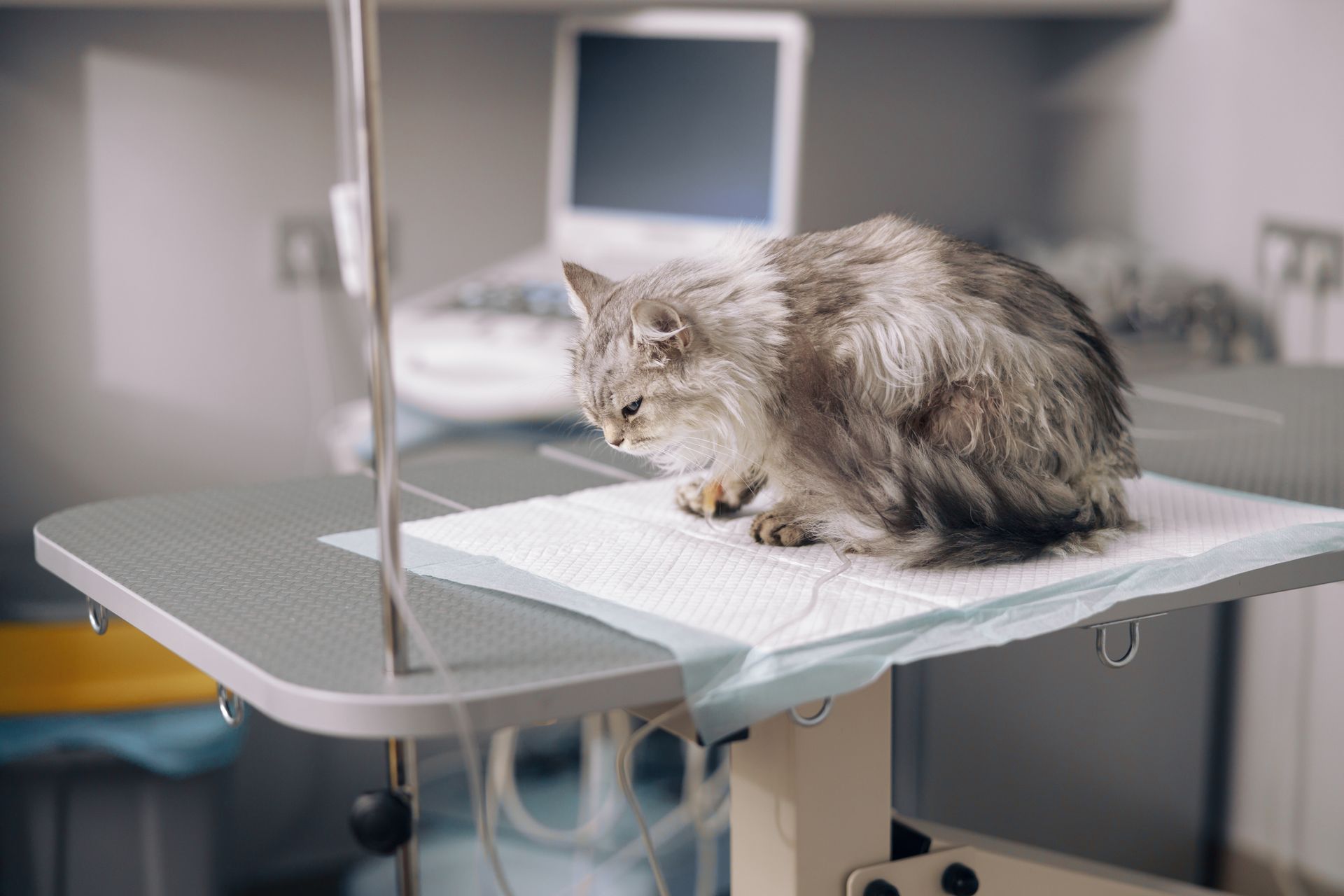
Veterinarians & Animal Hospitals
Professional and general liability, property, and workers’ comp for clinical operators with high exposure.
Hands-on · small business
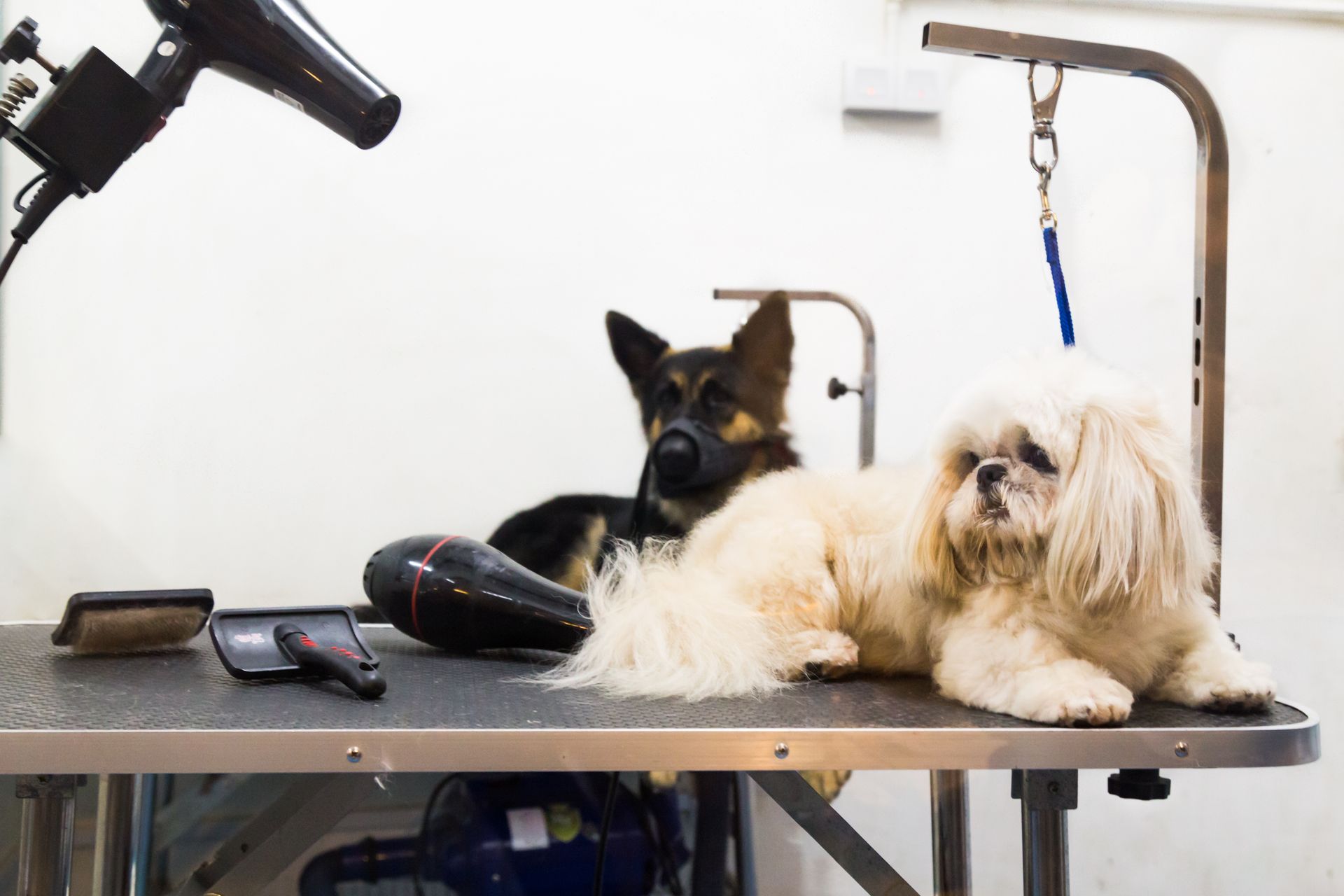
Pet Groomers
Practical protection for animal handling, equipment, and the day-to-day of the grooming table, shop or mobile.

Safety-forward · overnight
Doggy Daycare & Boarding
Coverage matched to facilities responsible for animals overnight and all day long.
Our reviews
Trusted by pet professionals.
See what owners say about working with a specialist who already understands their business.
Frequently asked
Questions pet pros ask us.
What kinds of pet businesses do you insure?
We insure businesses across the animal-care industry — veterinarians and animal hospitals, groomers, doggy daycares and boarding facilities, kennels and trainers, pet sitters and dog walkers, and pet stores. We also cover breeders, equine operations, pet transporters, shelters and rescues, pet photographers, and aquariums or wildlife facilities.
If your work involves caring for, handling, or selling animals, there is a strong chance we cover it. Tell us what you do and we will confirm.
What is care, custody, and control coverage, and why does it matter?
Care, custody, and control coverage protects you when an animal in your charge is injured, becomes ill, or is lost while in your care. Standard general liability policies often exclude this exact exposure, which leaves a serious gap for pet businesses.
For groomers, boarders, sitters, and clinics, this is one of the most important coverages you can carry. We make sure it is in place and sized to your operation.
How is an independent agency different from buying direct from a carrier?
A direct carrier sells you its own single policy. As an independent agency, we shop multiple specialty insurers and compare programs to find the coverage that fits your business and budget.
That means you get options instead of one quote, and an advocate who works for you, not the carrier. We also handle the renewals and claims support over the life of your policy.
How fast can I get a quote?
Most clients get quoted within one business day. Our industry-specific intake forms collect the right details up front, so we can take your information straight to the carriers without a long back-and-forth.
Need it sooner? Call a specialist directly at (346) 738-7297 and we will move quickly.
Which states do you serve?
We are licensed and actively writing coverage in 12 states: Connecticut, Delaware, Georgia, Kentucky, Massachusetts, New Jersey, New York, North Carolina, Pennsylvania, South Carolina, Tennessee, and Virginia.
We continue to add states as we grow. If you operate outside this list, reach out and we will let you know our latest footprint.
From the blog
Coverage notes for pet professionals.
Plain-language risk tips and coverage explainers, written for owners — not insurance pros.

Speak with a specialist
Let's find the right coverage for your business.
No quote bots, no funnel. Talk to a real pet-insurance specialist who already understands your operation — and shops multiple markets on your behalf.
Call us
(346) 738-7297
Toll-free 845-250-5366
Email
service@petindustryins.com
Visit Us
2 Joyce Plaza
Stony Point, NY 10980