Coverage for veterinary practices
South Carolina Animal Rescue Insurance
Running an animal rescue in South Carolina means juggling adoptions, veterinary care, foster networks, and fundraising, all while hoping nothing goes wrong. But things do go wrong. A foster dog bites a visitor. A volunteer trips over a kennel gate and breaks a wrist. A board member gets sued for a financial decision that didn't pan out. Without the right insurance, any one of these scenarios can shut down an organization that exists solely to save animals. Insurance coverage for SC animal rescue operations isn't just a bureaucratic checkbox: it's the financial backbone that keeps your mission alive when real-world risks show up uninvited. The state has been tightening oversight of rescue organizations, and 2026 brings new registration requirements that make understanding your compliance obligations more urgent than ever. Whether you're a small foster-based rescue pulling dogs from rural shelters or a larger facility housing dozens of cats, horses, or exotics, your insurance needs are more specific than a standard nonprofit policy can handle. This guide breaks down what South Carolina requires, what coverage types actually matter, how costs shake out, and where rescues commonly leave themselves exposed.
Understanding South Carolina Insurance Requirements for Animal Rescues
South Carolina's regulatory framework for animal rescues has shifted significantly. The state legislature has been pushing for more accountability, and rescue organizations that operated informally for years are now facing real compliance obligations. Understanding what the state expects, and what insurers expect, is the first step toward protecting your operation.
State Licensing and Mandatory Coverages
As of March 2026, South Carolina Bill 5320 requires all animal rescue organizations to register with the county in which they operate. This registration process signals a broader push toward standardized oversight, and it has practical implications for insurance. Many counties are beginning to ask for proof of liability coverage as part of the registration process, even if the state doesn't mandate a specific policy type by statute.
South Carolina doesn't have a single law that says "every rescue must carry X coverage." But the combination of county registration requirements, landlord or property owner demands, and grant application stipulations means most rescues functionally need general liability at minimum. If you host adoption events at pet stores, farmers markets, or community centers, those venues almost always require a certificate of insurance before you set foot on their property.
The practical reality: operating without insurance in SC isn't technically illegal in most counties, but it makes running a legitimate rescue nearly impossible.
The Role of Workers' Compensation in SC Nonprofits
Here's where rescues often get tripped up. South Carolina requires workers' compensation coverage for any employer with four or more employees. Many rescue founders assume this doesn't apply because "we're all volunteers." But if you pay anyone, even a part-time kennel cleaner or an administrative assistant, you may hit that threshold faster than you think.
Volunteers themselves aren't typically covered under workers' comp, which creates its own gap. If a volunteer is injured while transporting animals or cleaning kennels, your general liability policy may or may not cover their medical bills depending on how the policy is structured. This is exactly the kind of nuance where working with an agency that specializes in pet-industry risk, like Pet Professional Insurance Agency, pays off. They understand the volunteer-versus-employee distinction and can flag gaps before they become claims.
Essential Coverage Types for Animal Welfare Organizations
Not all policies are created equal, and a generic nonprofit insurance package will leave an animal rescue dangerously underinsured. The risks specific to animal care: bites, escapes, disease transmission, custody disputes: require coverage designed for this industry.
General Liability and Animal Bailee Coverage
General liability is your foundation. It covers third-party bodily injury and property damage, so if a dog you're fostering bites someone at an adoption event, this policy responds. In South Carolina, dog owners and custodians face strict liability for bites in many circumstances, meaning the victim doesn't need to prove you were negligent. They just need to prove your dog bit them.
Animal bailee coverage is the piece most general policies miss entirely. This covers animals in your care, custody, or control. If a foster animal dies due to an accident at your facility, or escapes and is hit by a car, bailee coverage helps pay for the loss. Standard business policies exclude animals from property coverage, so without a pet-industry-specific policy, you're self-insuring every animal in your program.
Directors and Officers (D&O) Liability
Rescue boards make financial and operational decisions that can attract lawsuits. A disgruntled former board member, a donor who believes funds were mismanaged, or even a dispute over an animal's placement can result in a D&O claim. This coverage protects individual board members from personal financial liability when they're sued for decisions made in their official capacity.
Most volunteer board members don't realize they could be personally liable without D&O coverage. Recruiting and retaining quality board members gets a lot easier when you can tell them they're protected.
Professional Liability for Veterinary Services
If your rescue employs or contracts veterinarians, or if staff members administer medications, vaccinations, or medical treatments, professional liability (sometimes called errors and omissions) becomes critical. A misdiagnosed condition, a medication error, or a surgical complication can generate claims that general liability won't touch.
Even rescues that rely on volunteer veterinarians should verify coverage. The vet's own malpractice policy may not extend to pro bono work performed at your facility. Confirm this in writing before assuming you're covered.
Comparing Coverage Needs: Basic vs. Comprehensive Plans
The difference between a bare-bones policy and a comprehensive one can be the difference between surviving a claim and closing your doors. Here's how they typically compare:
| Coverage Feature | Basic Plan | Comprehensive Plan |
|---|---|---|
| General Liability | $1M per occurrence | $1M-$2M per occurrence |
| Animal Bailee | Not included | $10K-$50K per animal |
| D&O Liability | Not included | $500K-$1M |
| Professional Liability | Not included | $1M per occurrence |
| Hired/Non-Owned Auto | Not included | Included |
| Volunteer Coverage | Limited or none | Accident medical payments |
| Event Liability | Per-event certificates only | Blanket coverage for events |
A basic plan might run $800 to $1,500 annually for a small foster-based rescue. A comprehensive plan for a facility-based operation with employees, regular events, and veterinary services can range from $2,500 to $6,000 or more. The gap in coverage is significant, and the price difference is often smaller than people expect.
One thing to keep in mind: the animals you handle matter enormously. A cat-only rescue faces very different risk than one pulling large-breed dogs from shelters.
Factors Influencing Insurance Costs in South Carolina
Your premium isn't pulled from thin air. Insurers evaluate specific risk factors, and understanding them gives you some control over what you pay.
Impact of Breed Restrictions and Bite History
South Carolina doesn't have a statewide breed-specific legislation ban, but individual insurers absolutely factor breed into their underwriting. Rescues that work with pit bulls, Rottweilers, German Shepherds, or other breeds commonly flagged by insurers will typically pay higher premiums or face exclusions.
Bite history matters even more. South Carolina courts have held that a dog's prior aggressive behavior can establish knowledge of dangerousness, which strengthens a plaintiff's case significantly. If your rescue has had bite incidents, expect your premiums to reflect that. Documenting behavior assessments, training protocols, and incident response procedures can help demonstrate risk management to your insurer.
The state's approach to dog bite liability places responsibility on the animal's custodian, which means rescues bear direct exposure any time an animal is in their care, whether at a facility, in a foster home, or at a public event.
Volunteer vs. Employee Ratios
Rescues that rely heavily on volunteers present a unique underwriting challenge. Volunteers are less predictable than trained employees: they may not follow protocols consistently, they might bring children to the facility, and their personal auto insurance may not cover accidents during rescue-related driving.
Insurers look at your volunteer-to-employee ratio, your training documentation, and whether you require volunteers to sign waivers. A rescue with 50 active volunteers and zero paid staff looks very different from one with five employees and 10 occasional volunteers. Pet Professional Insurance Agency uses intake forms specifically designed for rescue operations, which helps capture these details accurately so you're not overpaying for coverage you don't need or, worse, missing coverage you do.
Common Questions About Animal Rescue Insurance
Do foster homes need their own insurance? Generally, the rescue's policy should extend to approved foster homes, but verify this with your agent. Some policies limit coverage to the rescue's physical location, which leaves foster families exposed.
Does my homeowner's insurance cover foster animals? Most homeowner's policies exclude animals kept for business or organizational purposes. Don't assume your personal policy will respond to a bite claim involving a foster dog.
Are we covered at off-site adoption events? Only if your policy includes event liability or you purchase per-event certificates. Venues will require proof of coverage, and your standard GL policy may not automatically extend to off-site locations.
What happens if a rescued animal injures another animal? This falls under your general liability policy's property damage coverage, since pets are legally considered property. South Carolina law holds animal custodians responsible for damages their animals cause, including damage to other people's pets.
Do we need commercial auto insurance for animal transport? If you own vehicles used for rescue operations, yes. If volunteers use personal vehicles, you need hired and non-owned auto coverage to fill the gap between their personal auto policy and your organization's liability.
How quickly can we get coverage? Through specialty agencies focused on pet businesses, most rescues hear back within 24 to 48 hours with options. Generic insurance brokers often take weeks because they're unfamiliar with animal-specific risks.
Next Steps for Securing Your Rescue Operation
Getting the right insurance for your South Carolina animal rescue isn't about buying the most expensive policy available. It's about matching your actual risk profile: the animals you handle, the people involved, the locations you use, and the services you provide: to coverage that responds when something goes wrong.
Start by documenting your operations thoroughly. How many animals do you typically house? What species and breeds? How many volunteers and employees? Do you host public events? Do you provide veterinary care on-site? These details determine what coverage you need and what you'll pay.
Work with an agency that understands animal rescue operations specifically. Pet Professional Insurance Agency works directly with rescue organizations and has access to multiple specialty markets designed for this exact type of risk. You'll talk to an actual agent, not a call center, and they can identify coverage gaps that a generalist broker would miss entirely.
South Carolina's regulatory environment for rescues is evolving. Bill 5320's registration requirements signal that more formal oversight is coming, and carrying proper insurance positions your rescue as a credible, responsible organization. The animals you save deserve an organization that can weather a lawsuit, a claim, or a regulatory change without missing a beat.
Index
Pet Professional Insurance Agency is fully licensed and permitted to provide commercial insurance solutions for pet businesses across 12 states.
We proudly serve pet professionals throughout the Northeast, Mid-Atlantic, and Southeast. Powered by Joyce Insurance Agency, our team works with leading specialty carriers — including The Hartford, USLI, Nautilus, and Northland — to make sure veterinarians, groomers, boarding facilities, and pet-care businesses receive coverage that fits their real risks in Connecticut, Delaware, Georgia, Kentucky, Massachusetts, New Jersey, New York, North Carolina, Pennsylvania, South Carolina, Tennessee, and Virginia.
About the author
Barnaby Joyce
Founder, Pet Professional Insurance Agency · Licensed Insurance Producer
I started Pet Professional Insurance Agency because I watched pet businesses get handed generic policies that never fit. After years of placing coverage for veterinary practices, grooming salons, doggy daycares, and kennels through a generalist agency, I saw the same gaps over and over — and the same blank stares when an owner tried to explain care, custody, and control to an agent who had never insured an animal in their life.
So I built an agency that does one thing. I work directly with specialty carriers who actually want pet-industry risk, and I sit down with every client personally. You will not get a call center or a chatbot. You will get someone who already speaks your language and shops the market on your behalf. That is the whole idea.
Recommended coverages
Coverages that pair with general liability.
Most pet businesses build on general liability with the lines below. Explore each — every page cross-links to the
industries we serve.
Services & advice
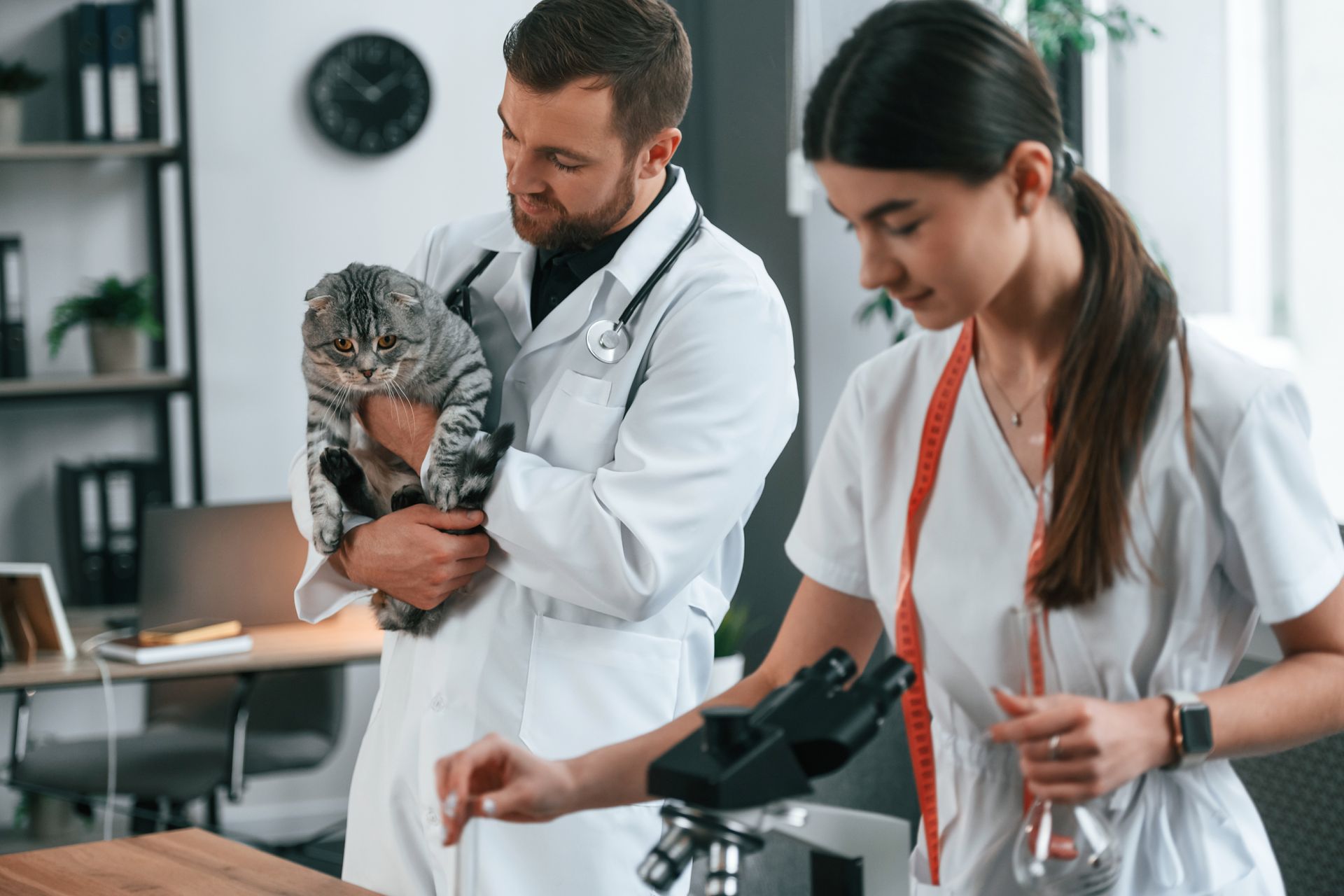
Professional Liability / E&O
Covers claims tied to your professional services and advice — clinical care, training guidance, and the judgment calls you make daily.
The pet-industry gap
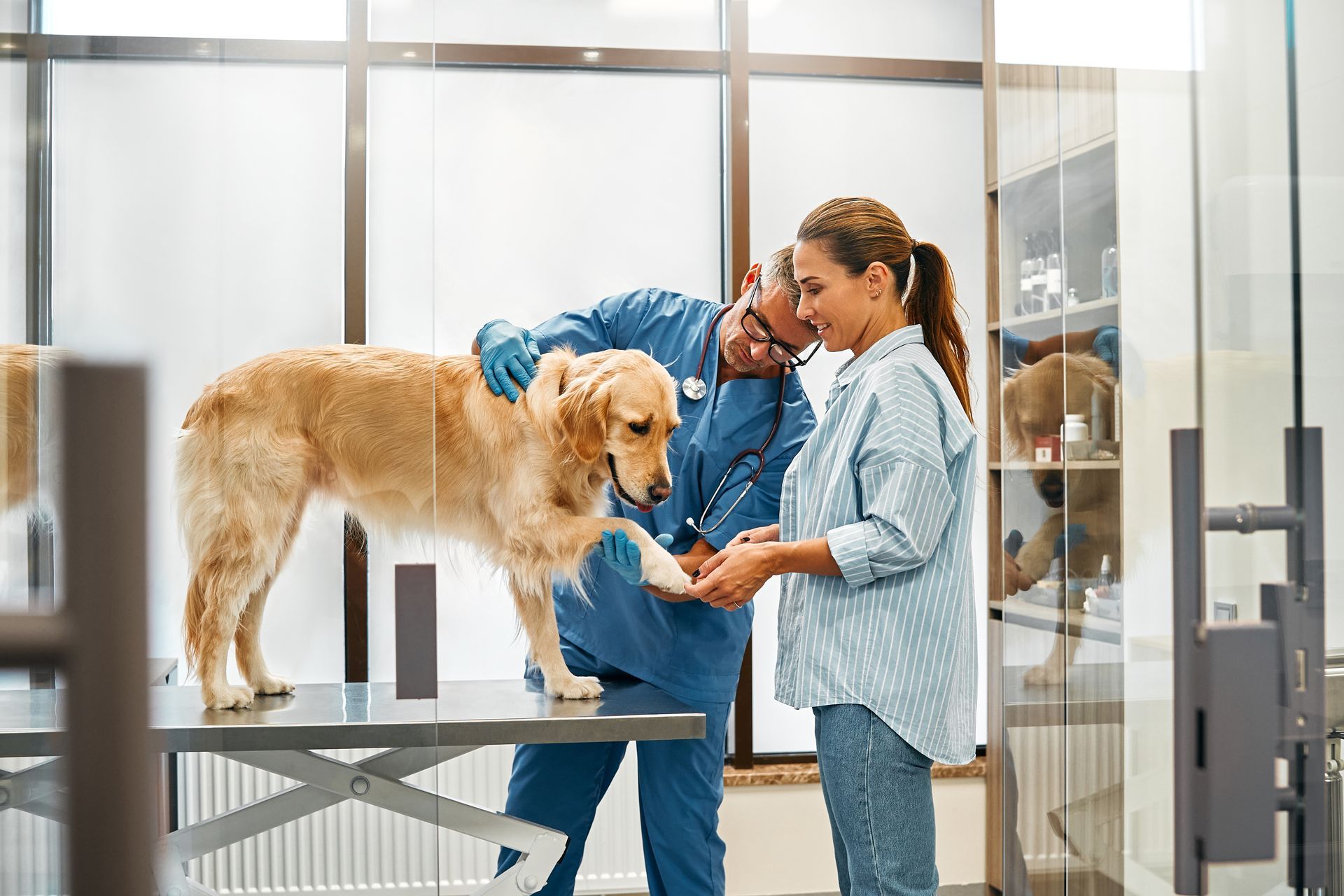
Care, Custody & Control
Covers the animals in your charge against injury, illness, or loss — the critical exposure standard liability policies leave out.
Bundled & cost-effective
Business Owners Policy (BOP)
Bundles property and general liability into one package built for small to mid-sized pet businesses — often the simplest base.
Your building & contents
Commercial Property
Protects your building, build-out, equipment, and inventory against fire, theft, and covered losses — front desk to back room.
For your team
Workers’ Compensation
Covers medical costs and lost wages when a team member is hurt on the job — required in most states once you have employees.
Extra protection
Commercial Umbrella
Adds liability limits above your primary policies for catastrophic claims that exceed standard coverage.
Coverage availability and terms vary by carrier and state. We recommend the right mix for your operation once we talk.
Industries we serve
Built for the businesses that care for animals.
General liability is the baseline for every segment we specialize in. Find the page built for your business.
Clinical · high exposure
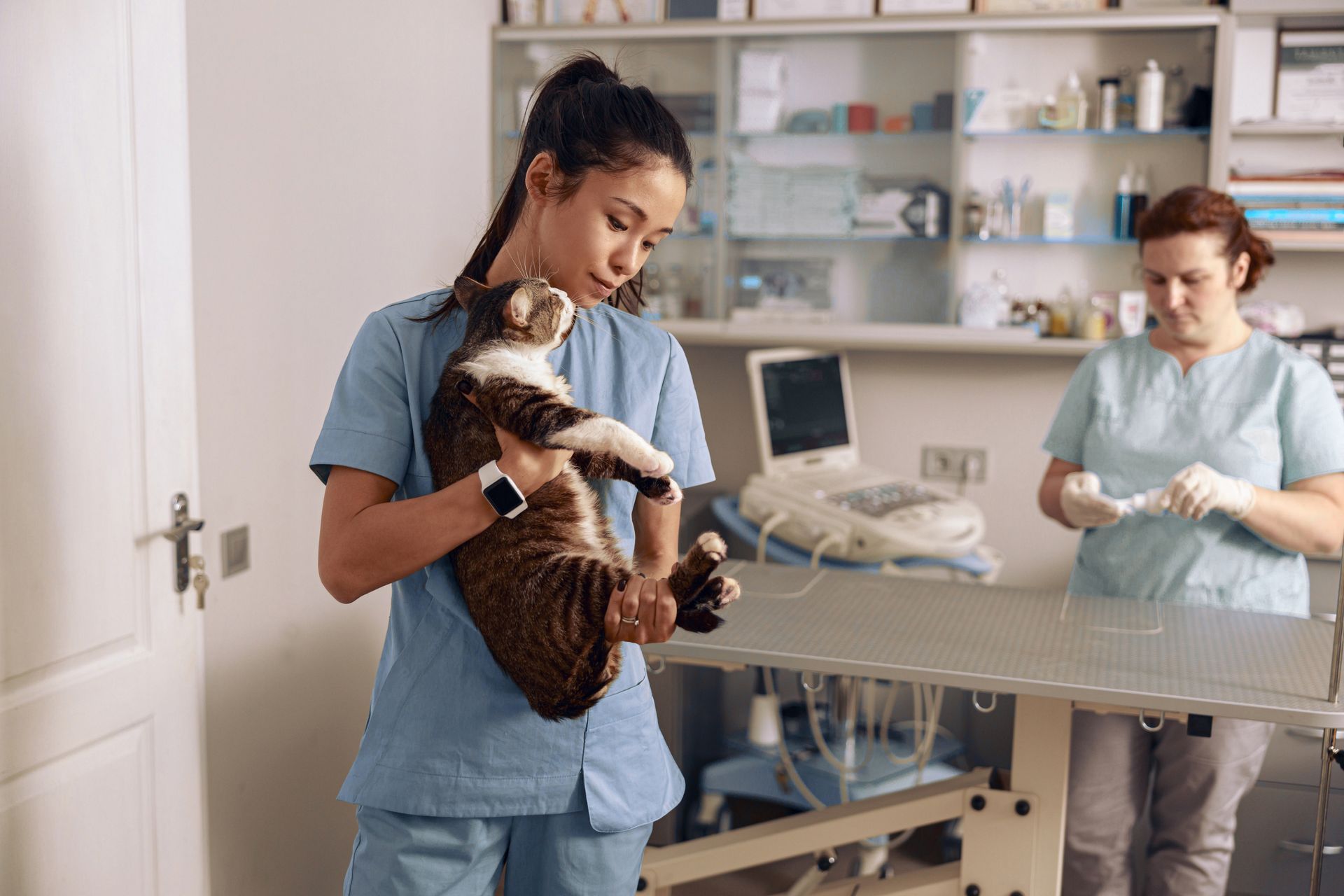
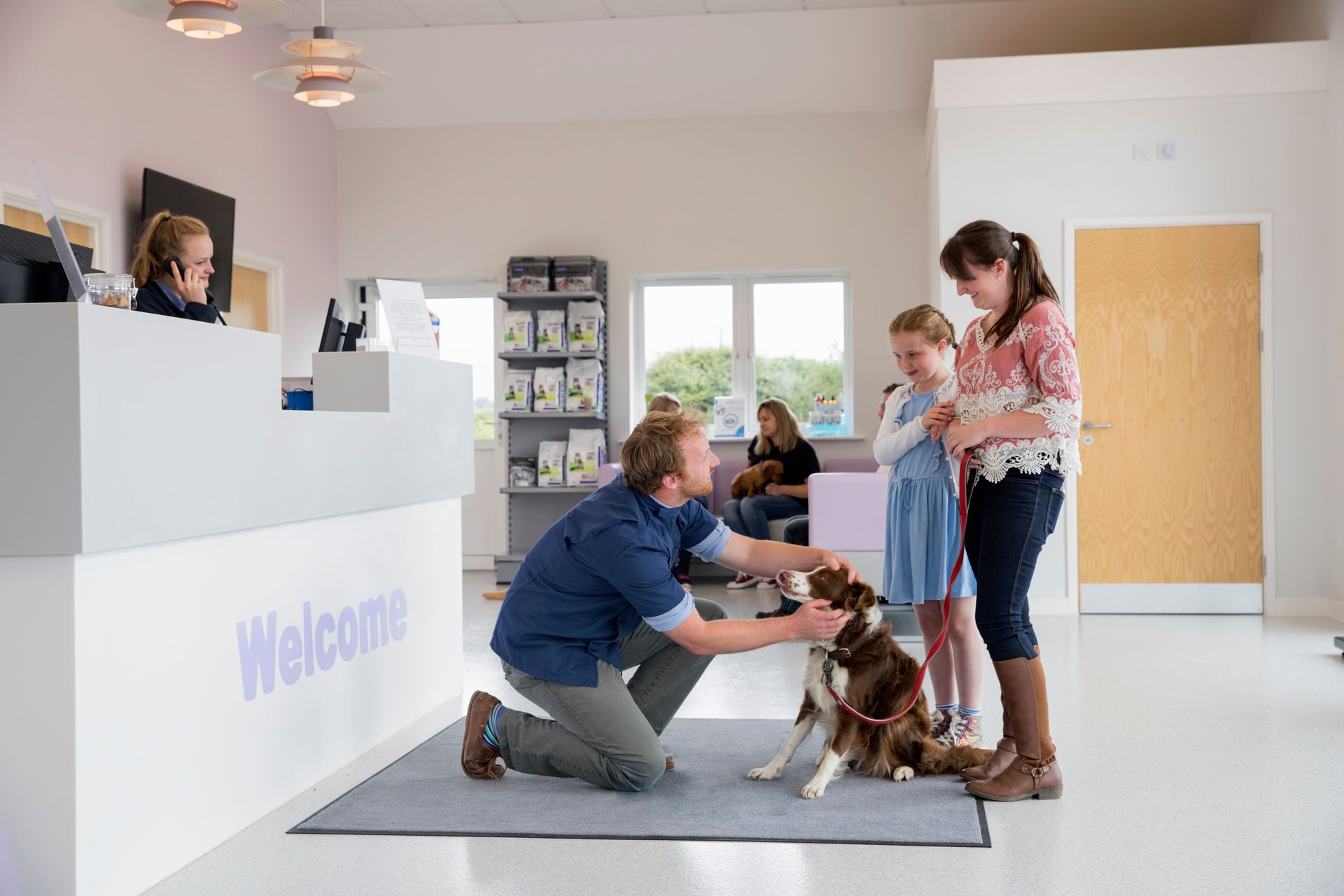
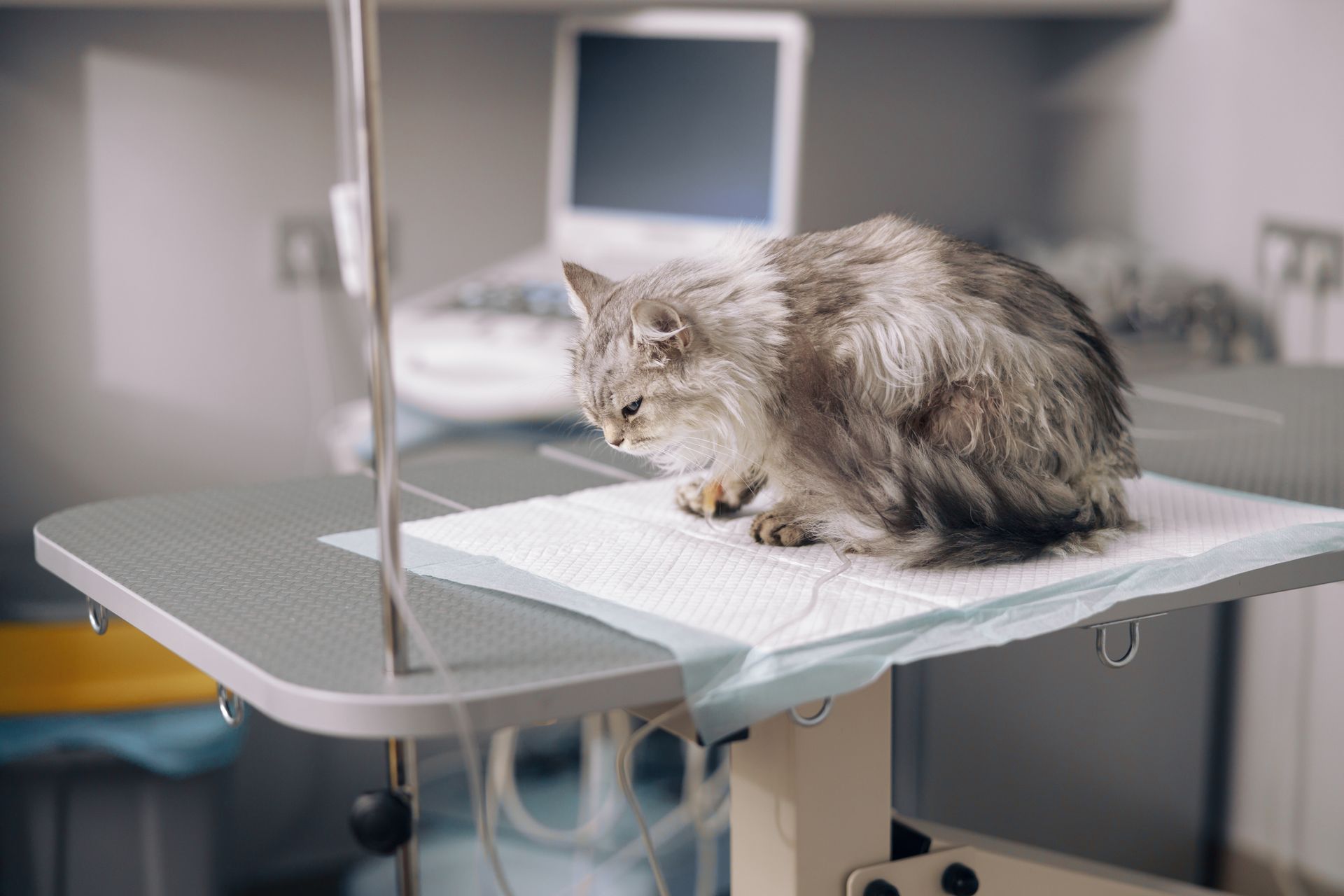
Veterinarians & Animal Hospitals
Professional and general liability, property, and workers’ comp for clinical operators with high exposure.
Hands-on · small business
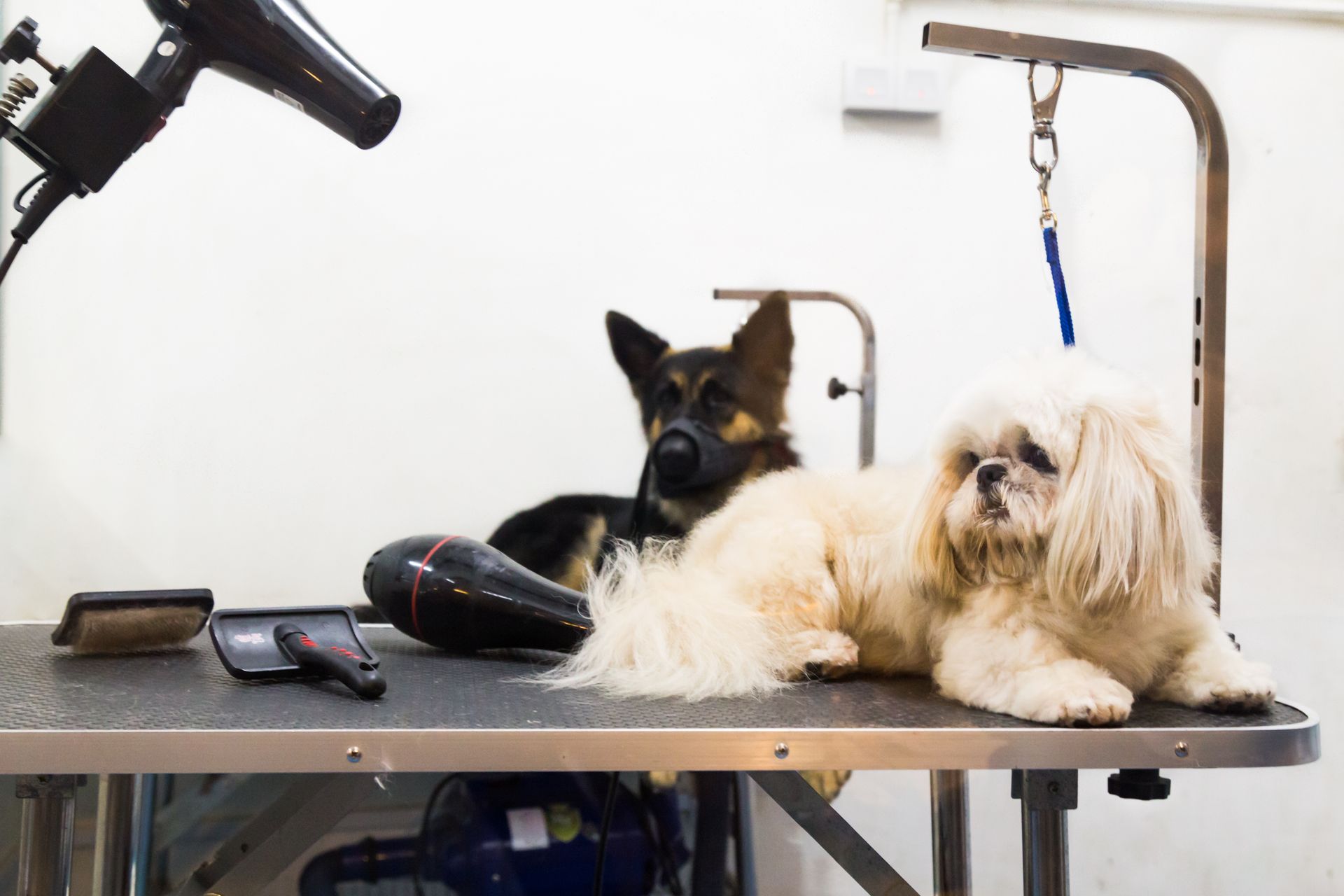
Pet Groomers
Practical protection for animal handling, equipment, and the day-to-day of the grooming table, shop or mobile.
Safety-forward · overnight
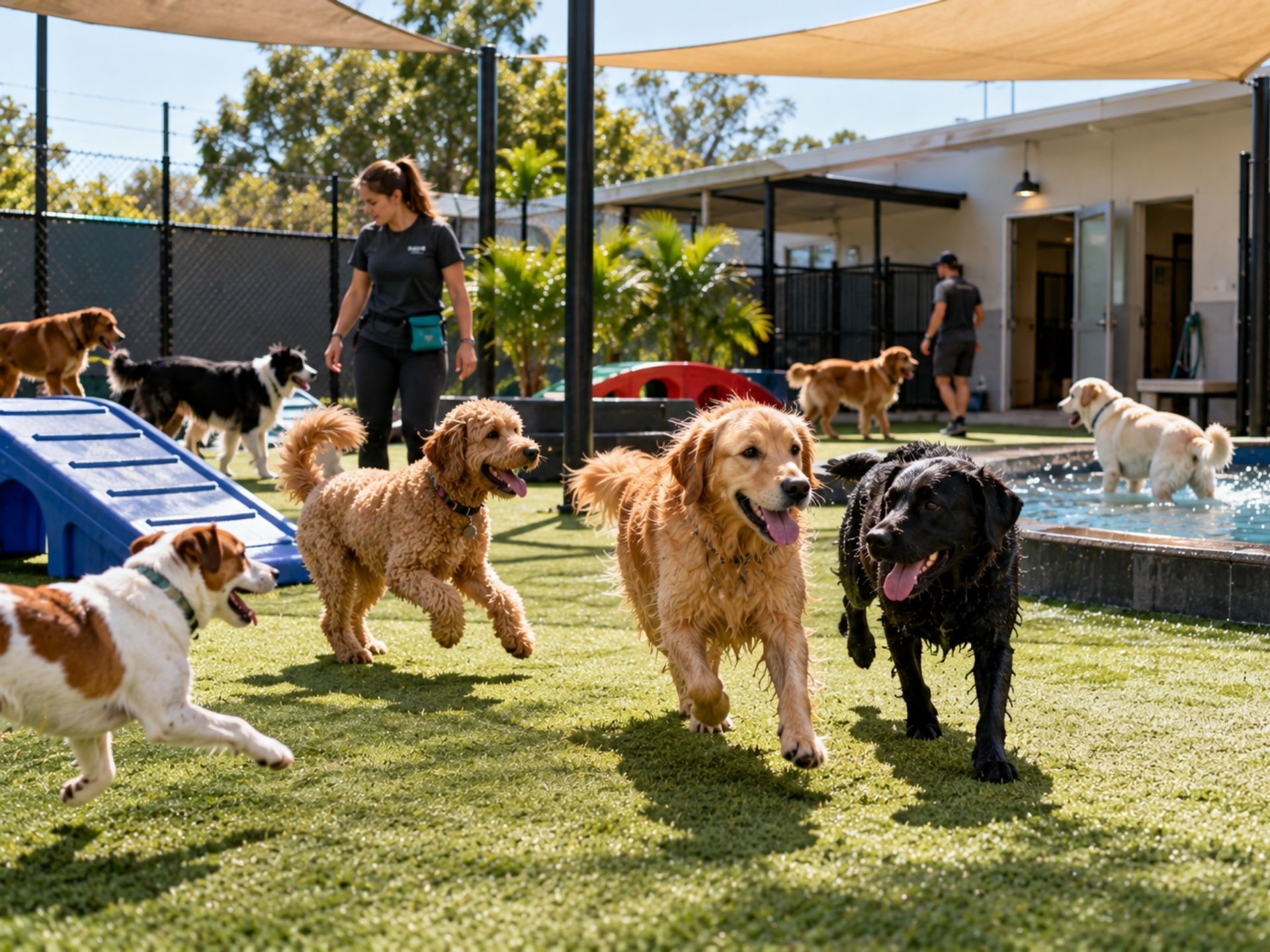
Doggy Daycare & Boarding
Coverage matched to facilities responsible for animals overnight and all day long.
Our reviews
Trusted by pet professionals.
See what owners say about working with a specialist who already understands their business.
Frequently asked
Questions pet pros ask us.
What kinds of pet businesses do you insure?
We insure businesses across the animal-care industry — veterinarians and animal hospitals, groomers, doggy daycares and boarding facilities, kennels and trainers, pet sitters and dog walkers, and pet stores. We also cover breeders, equine operations, pet transporters, shelters and rescues, pet photographers, and aquariums or wildlife facilities.
If your work involves caring for, handling, or selling animals, there is a strong chance we cover it. Tell us what you do and we will confirm.
What is care, custody, and control coverage, and why does it matter?
Care, custody, and control coverage protects you when an animal in your charge is injured, becomes ill, or is lost while in your care. Standard general liability policies often exclude this exact exposure, which leaves a serious gap for pet businesses.
For groomers, boarders, sitters, and clinics, this is one of the most important coverages you can carry. We make sure it is in place and sized to your operation.
How is an independent agency different from buying direct from a carrier?
A direct carrier sells you its own single policy. As an independent agency, we shop multiple specialty insurers and compare programs to find the coverage that fits your business and budget.
That means you get options instead of one quote, and an advocate who works for you, not the carrier. We also handle the renewals and claims support over the life of your policy.
How fast can I get a quote?
Most clients get quoted within one business day. Our industry-specific intake forms collect the right details up front, so we can take your information straight to the carriers without a long back-and-forth.
Need it sooner? Call a specialist directly at (346) 738-7297 and we will move quickly.
Which states do you serve?
We are licensed and actively writing coverage in 12 states: Connecticut, Delaware, Georgia, Kentucky, Massachusetts, New Jersey, New York, North Carolina, Pennsylvania, South Carolina, Tennessee, and Virginia.
We continue to add states as we grow. If you operate outside this list, reach out and we will let you know our latest footprint.
From the blog
Coverage notes for pet professionals.
Plain-language risk tips and coverage explainers, written for owners — not insurance pros.
Speak with a specialist
Let's find the right coverage for your business.
No quote bots, no funnel. Talk to a real pet-insurance specialist who already understands your operation — and shops multiple markets on your behalf.
Call us
(346) 738-7297
Toll-free 845-250-5366
Email
service@petindustryins.com
Visit Us
2 Joyce Plaza
Stony Point, NY 10980