Coverage for veterinary practices
Springfield, MA Pet Boarding Insurance
Because we are independent, we compare general liability programs across specialty carriers that want pet-industry risk — which often reveals real premium differences for identical coverage.
FAQ: Does my insurance cover vet bills if a dog gets sick?
This scenario falls under your general liability policy, which covers third-party bodily injury claims and associated legal defense costs. If your employee was walking a boarded dog and it bit someone on a Rochester sidewalk, your GL policy would respond to the claim.
Running a pet boarding facility in Springfield, MA, means you're responsible for other people's animals around the clock. A dog escapes through a damaged fence panel, a cat develops an illness during a weekend stay, or a staff member gets bitten during feeding time: these aren't hypothetical scenarios. They happen regularly in the boarding industry, and they're exactly why the right insurance coverage matters so much for Springfield-based kennel and boarding operators. The Western Massachusetts market has its own quirks, from seasonal demand spikes during holiday travel periods to the density of multi-pet households in the greater Springfield area. Understanding what coverage you actually need, what Massachusetts requires by law, and what you should expect to pay gives you a real advantage over operators who treat insurance as an afterthought. Pet boarding insurance in Springfield covers a range of risks specific to animal care businesses, and the costs and requirements can differ meaningfully from what you'd find in Boston or Worcester. This guide breaks down the essentials so you can make informed decisions about protecting your business, your staff, and the animals in your care.
Essential Insurance Coverages for Springfield Pet Boarding Facilities
Most boarding facility owners start their insurance search thinking they just need "general liability" and call it a day. That's a mistake. A standard general liability policy covers slip-and-fall incidents if a client trips in your lobby, but it usually won't cover a dog that gets injured while under your supervision. The distinction matters because the animals themselves represent your biggest exposure.
Springfield boarding facilities typically need a layered approach: general liability, animal bailee coverage (sometimes called care, custody, and control), property insurance for your physical facility, and professional liability if you offer ancillary services like training or grooming. Some operators also carry inland marine coverage for mobile boarding transport or equipment.
General Liability vs. Animal Bailee Coverage
General liability protects you when someone else's property gets damaged or a person gets injured on your premises. If a client's child gets knocked over by a dog in your waiting area, that's a general liability claim. But if a boarded pet gets sick, injured, or dies while in your facility, general liability almost always excludes that scenario.
Animal bailee coverage fills that gap. It specifically protects you when animals in your care are harmed, lost, or killed. This is the coverage that pays out when a dog gets into a fight with another boarded animal, when a cat escapes during a cage transfer, or when a pet has an allergic reaction to a cleaning product used in your facility. Without it, you're personally on the hook for veterinary bills, the animal's value, and potentially emotional distress claims.
One thing to keep in mind: animal bailee limits vary widely. Some policies cap per-animal payouts at $1,000, while others go up to $5,000 or more. If you board high-value breeds, you'll want to pay attention to those limits.
Comparison of Standard vs. Specialized Protection
Here's a side-by-side look at how a generic business policy stacks up against a pet-industry-specific policy:
| Coverage Feature | Standard Business Policy | Specialized Pet Boarding Policy |
|---|---|---|
| Slip-and-fall (clients) | Covered | Covered |
| Animal injury/death in your care | Typically excluded | Covered under animal bailee |
| Bite liability (animal bites staff or client) | May be excluded | Covered |
| Off-premises animal transport | Not covered | Often included or available |
| Professional liability (training, advice) | Not covered | Available as add-on |
| Kennel-specific property damage | Generic limits | Tailored to facility type |
A specialty agency like Pet Professional Insurance Agency works with multiple insurance markets that understand these distinctions. Their intake forms are designed specifically for boarding facilities, which means you're not trying to shoehorn your business into a generic application meant for retail shops or restaurants.
Massachusetts Legal Requirements and State Mandates
Massachusetts has specific regulations that affect how you operate and insure a pet boarding business. Ignoring them can result in fines, license revocation, or worse: being uninsured when a claim hits.
Workers' Compensation Laws in the Commonwealth
Massachusetts is strict about workers' comp. If you have even one employee, you're required to carry workers' compensation insurance. There's no minimum employee threshold like some other states allow. This applies to part-time staff, seasonal holiday helpers, and kennel attendants who work weekends.
For boarding facilities, workers' comp claims often involve animal bites, back injuries from lifting large dogs, and slip-and-fall incidents in wet kennel areas. Springfield's climate adds another layer: icy walkways and parking lots during winter months create real exposure for outdoor exercise areas. The Massachusetts Department of Industrial Accidents enforces compliance aggressively, and penalties for operating without workers' comp can include fines up to $100 per day and even criminal charges.
State Licensing and Liability Minimums
Springfield boarding facilities must obtain a kennel license through the city clerk's office, and inspections are conducted by the local animal control department. Massachusetts General Laws Chapter 140, Sections 137A through 174E govern kennel licensing statewide, though Springfield may impose additional municipal requirements.
While Massachusetts doesn't mandate a specific dollar amount of liability insurance for kennel licenses, many municipalities including Springfield require proof of insurance as part of the licensing process. The practical minimum most carriers will write for a boarding facility is $1 million per occurrence and $2 million aggregate for general liability. Some landlords and commercial lease agreements in Springfield require even higher limits or additional insured endorsements.
Laws change, and municipal requirements can shift from year to year. Consult a local attorney familiar with animal-related business regulations to confirm current requirements for your specific situation.
Average Costs and Pricing Factors in Springfield
What Springfield pet boarding businesses pay for coverage depends on several variables, and the range can be wider than most owners expect. A small home-based boarding operation might pay $800 to $1,500 annually for a basic package, while a large commercial kennel with 50+ runs, multiple employees, and grooming services could see premiums between $3,500 and $7,000 or more per year.
How Local Risk Factors Influence Premiums
Springfield's insurance market reflects both statewide and hyperlocal conditions. Massachusetts generally has higher insurance costs than the national average due to its regulatory environment and litigation climate. Springfield specifically presents a few factors that affect pricing:
- Claims history in the 01101-01109 zip codes influences how carriers price risk for the area
- The mix of residential and commercial zoning in many Springfield neighborhoods can affect property insurance rates
- Proximity to veterinary emergency facilities (like those along Route 5 or near Baystate Medical Center) can actually work in your favor, since faster emergency vet access can reduce claim severity
- Springfield's weather patterns, with heavy snowfall and ice from November through March, increase premises liability exposure
Your own claims history matters most. A boarding facility with zero claims over five years will pay significantly less than one with two or three animal injury claims on record.
Typical Monthly Rates for Small vs. Large Kennels
Breaking annual premiums into monthly figures helps with budgeting. Here's what Springfield-area boarding facilities typically see:
- A home-based operation boarding up to 10 animals: roughly $70 to $125 per month
- A mid-size commercial kennel with 20 to 40 runs and two to four employees: approximately $200 to $400 per month
- A large facility with 50+ capacity, grooming, daycare, and training services: $350 to $600+ per month
These figures include general liability and animal bailee coverage but don't account for workers' comp, commercial auto, or umbrella policies, which add to the total. Pet Professional Insurance Agency can typically provide a coverage breakdown within 24 to 48 hours because their team specializes in these exact business types and knows which markets are writing competitively for boarding facilities in Massachusetts right now.
Common Questions About Pet Boarding Policies
Does my homeowner's insurance cover my home-based boarding business? Almost certainly not. Homeowner's policies exclude commercial activity, and boarding animals for pay counts as a business. You need a separate commercial policy.
What happens if a boarded dog bites another boarded dog? Your animal bailee coverage would typically respond to cover the injured animal's vet bills. If the biting dog's owner sues you for negligence, your general liability policy handles the defense costs.
Do I need separate coverage for cats and dogs? No. Animal bailee coverage generally applies to all species you board, though you should confirm with your agent that your policy doesn't exclude specific animal types.
Am I covered if a pet escapes my facility? Most specialized boarding policies include coverage for escaped animals, including the cost of recovery efforts and any injuries the animal sustains while loose. Standard business policies rarely cover this.
Can I add coverage for pet transportation? Yes, but you'll need commercial auto insurance if you're transporting animals in a business vehicle. Your personal auto policy won't cover accidents that happen during business use.
How does adding grooming services affect my premium? Grooming increases your premium because it introduces new risks: clipper injuries, allergic reactions to shampoos, and thermal burns from dryers. Expect a 15 to 25 percent increase depending on volume.
Making the Right Choice for Your Springfield Business
Choosing insurance for a Springfield boarding facility isn't just about finding the lowest premium. It's about matching your actual risk profile to coverage that will respond when something goes wrong. A policy that saves you $300 a year but excludes animal bailee coverage is a terrible deal when a $4,000 veterinary bill lands on your desk.
Start by documenting exactly what services you offer, how many animals you board at peak capacity, how many employees you have, and what your facility looks like physically. That information drives accurate pricing and ensures you're not overpaying for coverage you don't need or, worse, missing coverage you do.
Working with an agency that focuses specifically on pet-care businesses makes a real difference here. Pet Professional Insurance Agency, for example, uses intake forms tailored to boarding operations, which means your application captures the right details from the start. You talk to an actual agent who understands bite liability, care and custody exposures, and the specific regulations Massachusetts imposes on kennel operations.
Index
Pet Professional Insurance Agency is fully licensed and permitted to provide commercial insurance solutions for pet businesses across 12 states.
We proudly serve pet professionals throughout the Northeast, Mid-Atlantic, and Southeast. Powered by Joyce Insurance Agency, our team works with leading specialty carriers — including The Hartford, USLI, Nautilus, and Northland — to make sure veterinarians, groomers, boarding facilities, and pet-care businesses receive coverage that fits their real risks in Connecticut, Delaware, Georgia, Kentucky, Massachusetts, New Jersey, New York, North Carolina, Pennsylvania, South Carolina, Tennessee, and Virginia.
Pet Insurance By City
Pet Insurance Coverage
About the author
Barnaby Joyce
Founder, Pet Professional Insurance Agency · Licensed Insurance Producer
I started Pet Professional Insurance Agency because I watched pet businesses get handed generic policies that never fit. After years of placing coverage for veterinary practices, grooming salons, doggy daycares, and kennels through a generalist agency, I saw the same gaps over and over — and the same blank stares when an owner tried to explain care, custody, and control to an agent who had never insured an animal in their life.
So I built an agency that does one thing. I work directly with specialty carriers who actually want pet-industry risk, and I sit down with every client personally. You will not get a call center or a chatbot. You will get someone who already speaks your language and shops the market on your behalf. That is the whole idea.
Recommended coverages
Coverages that pair with general liability.
Most pet businesses build on general liability with the lines below. Explore each — every page cross-links to the
industries we serve.
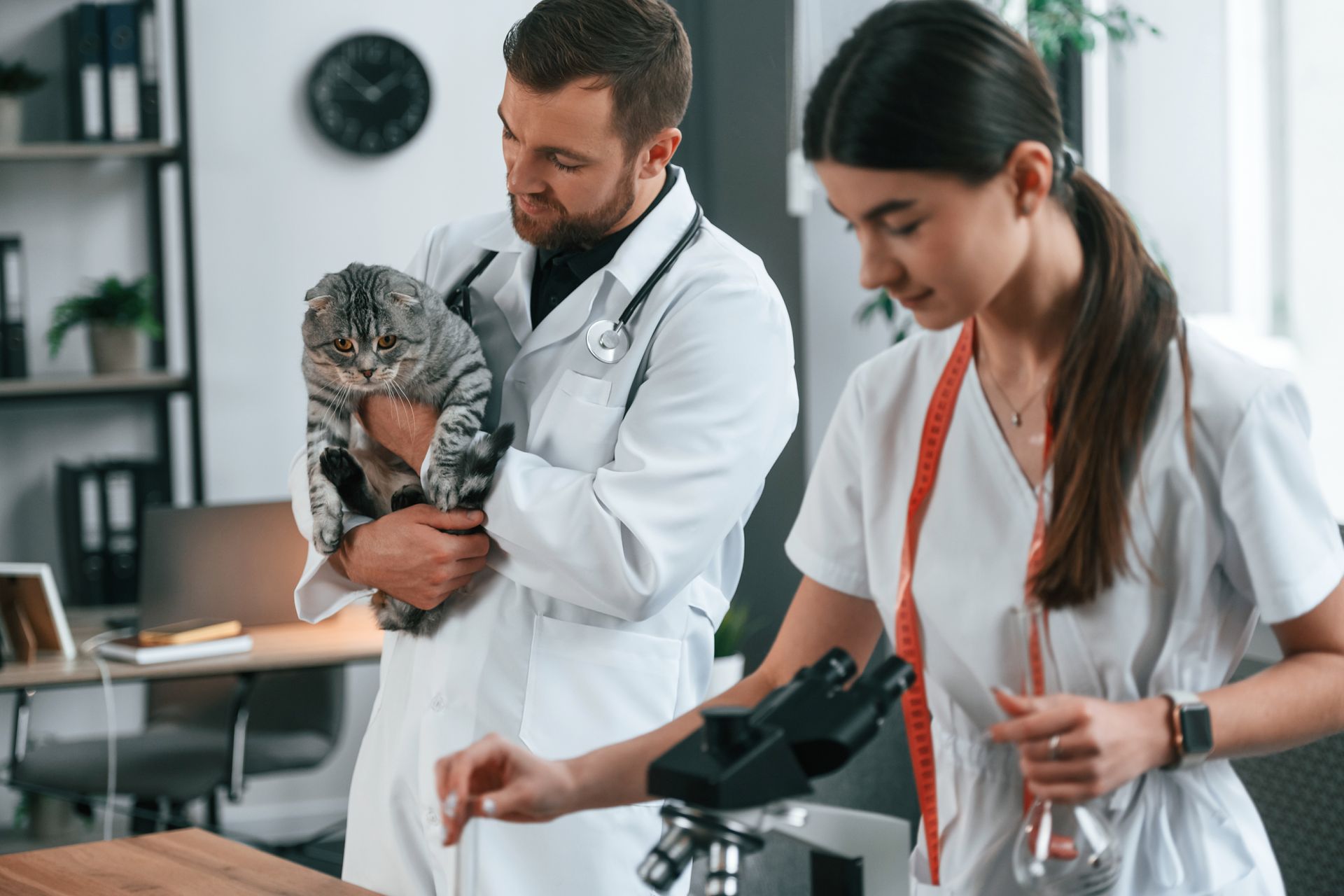
Services & advice
Professional Liability / E&O
Covers claims tied to your professional services and advice — clinical care, training guidance, and the judgment calls you make daily.
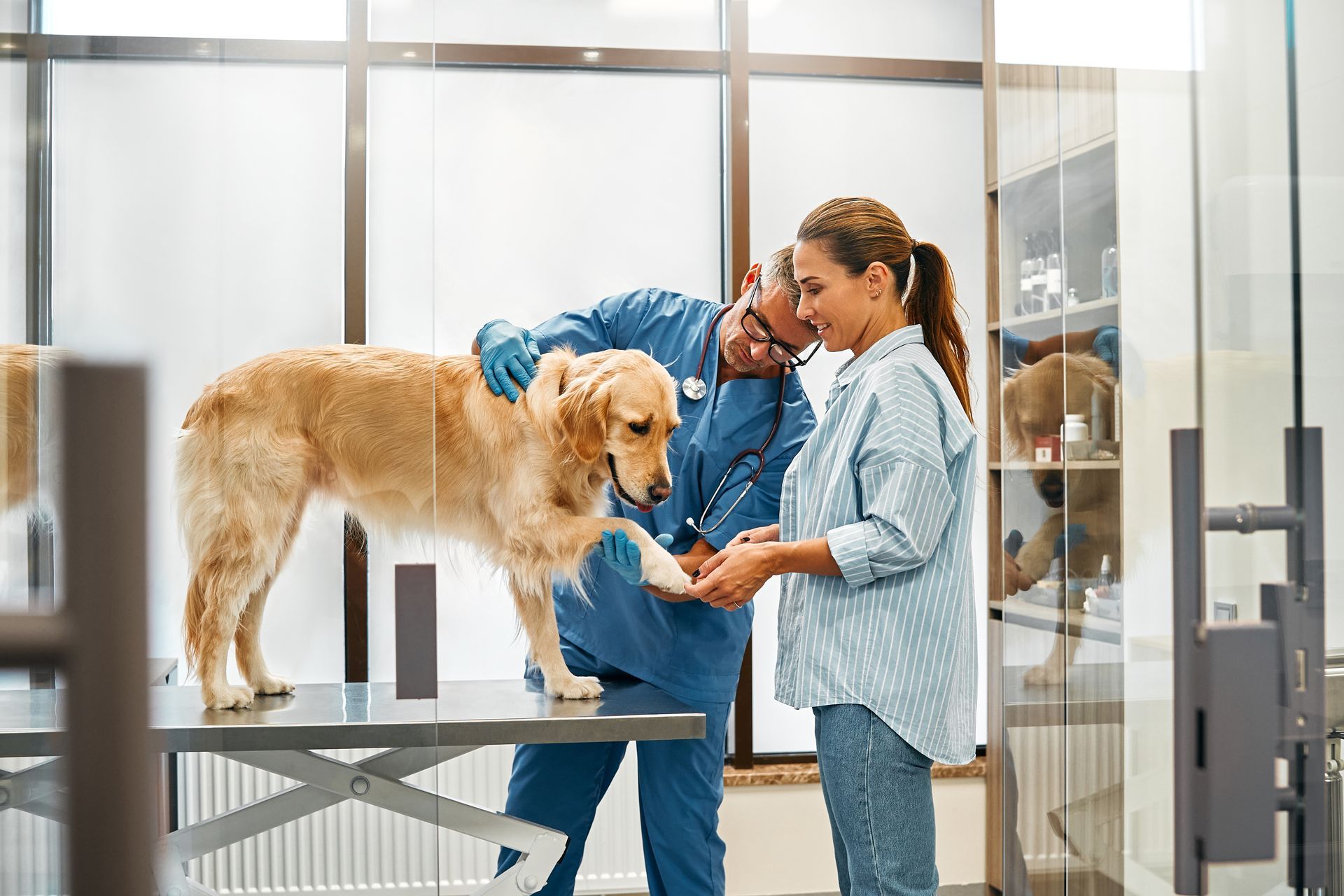
The pet-industry gap
Care, Custody & Control
Covers the animals in your charge against injury, illness, or loss — the critical exposure standard liability policies leave out.
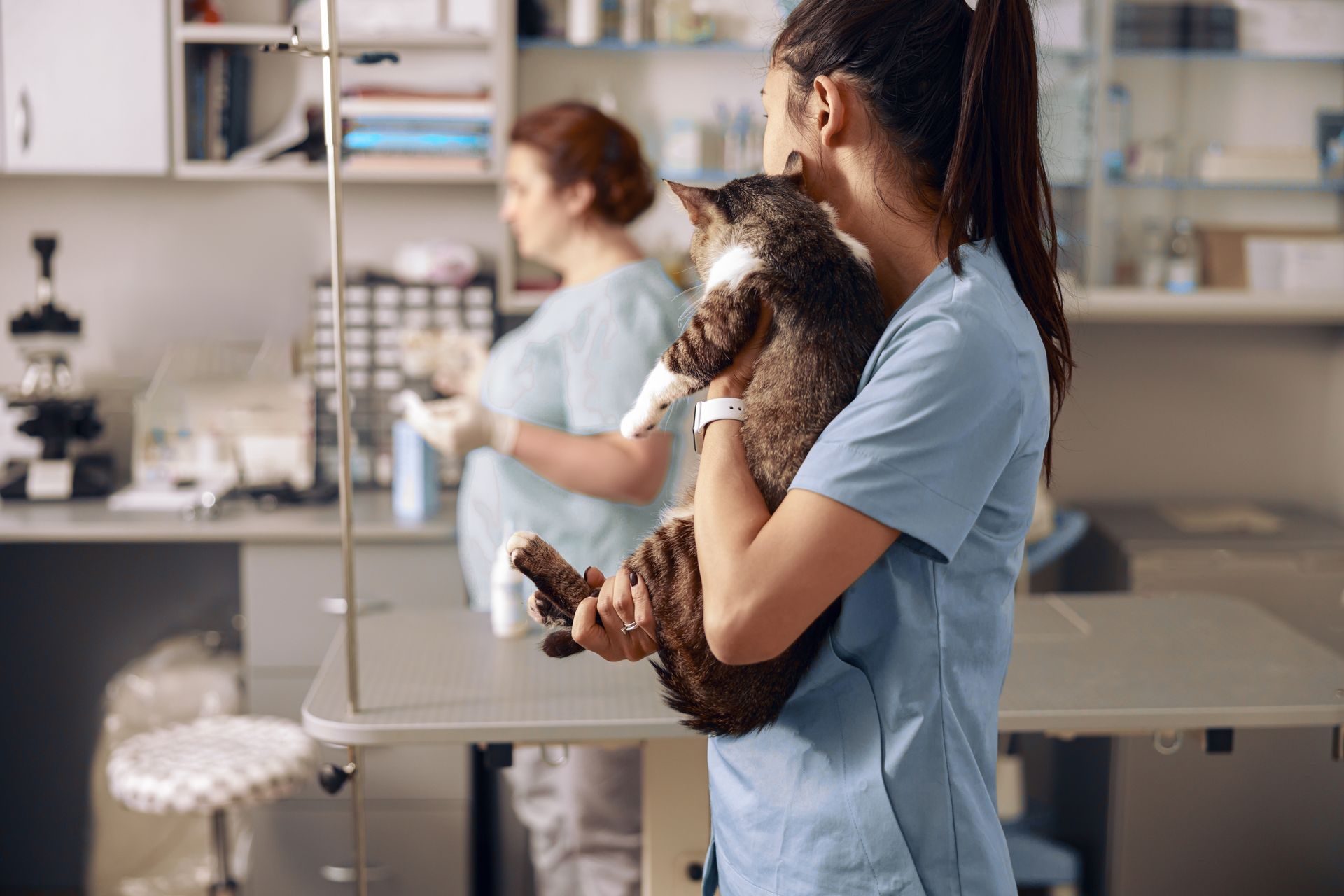
Bundled & cost-effective
Business Owners Policy (BOP)
Bundles property and general liability into one package built for small to mid-sized pet businesses — often the simplest base.
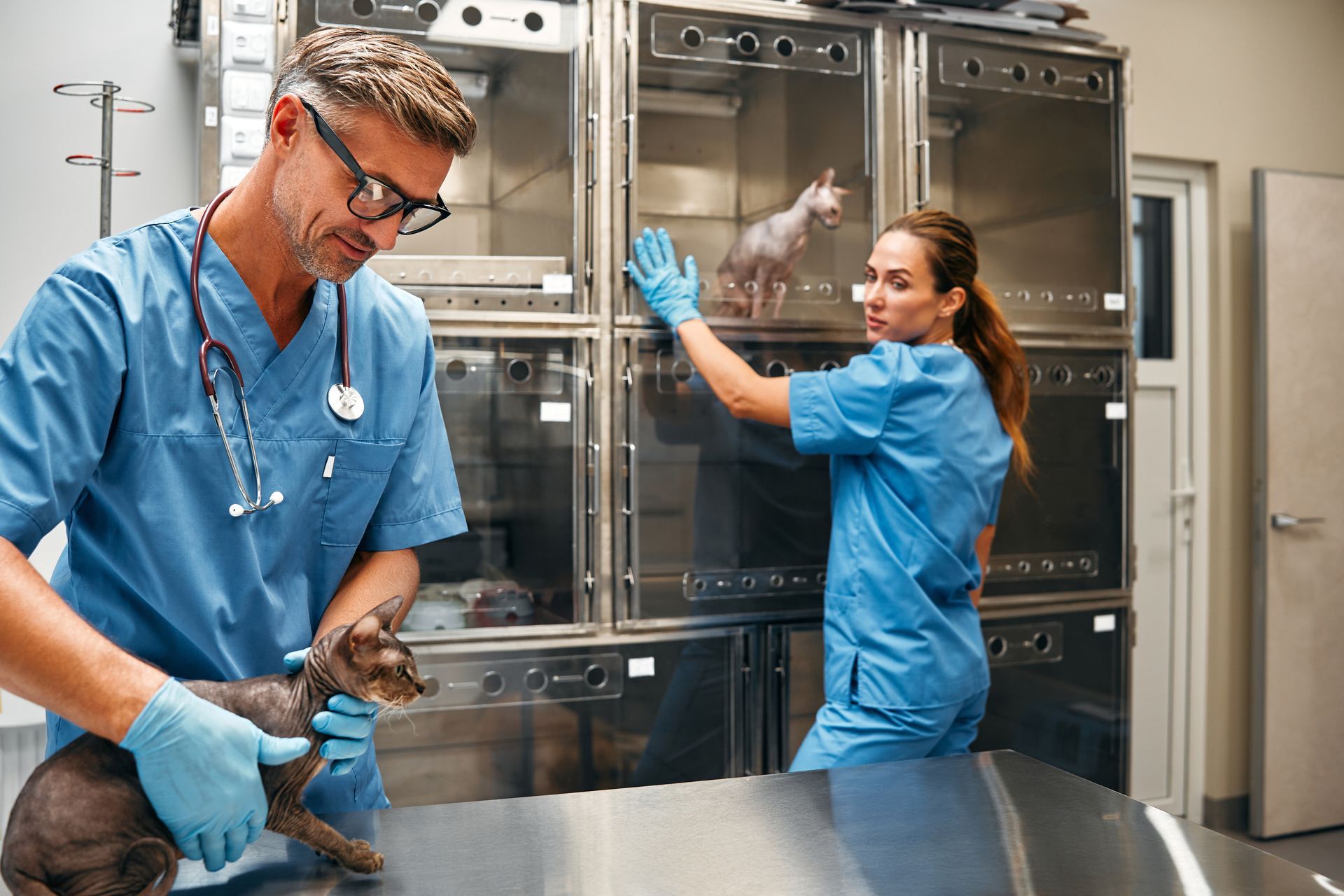
Your building & contents
Commercial Property
Protects your building, build-out, equipment, and inventory against fire, theft, and covered losses — front desk to back room.
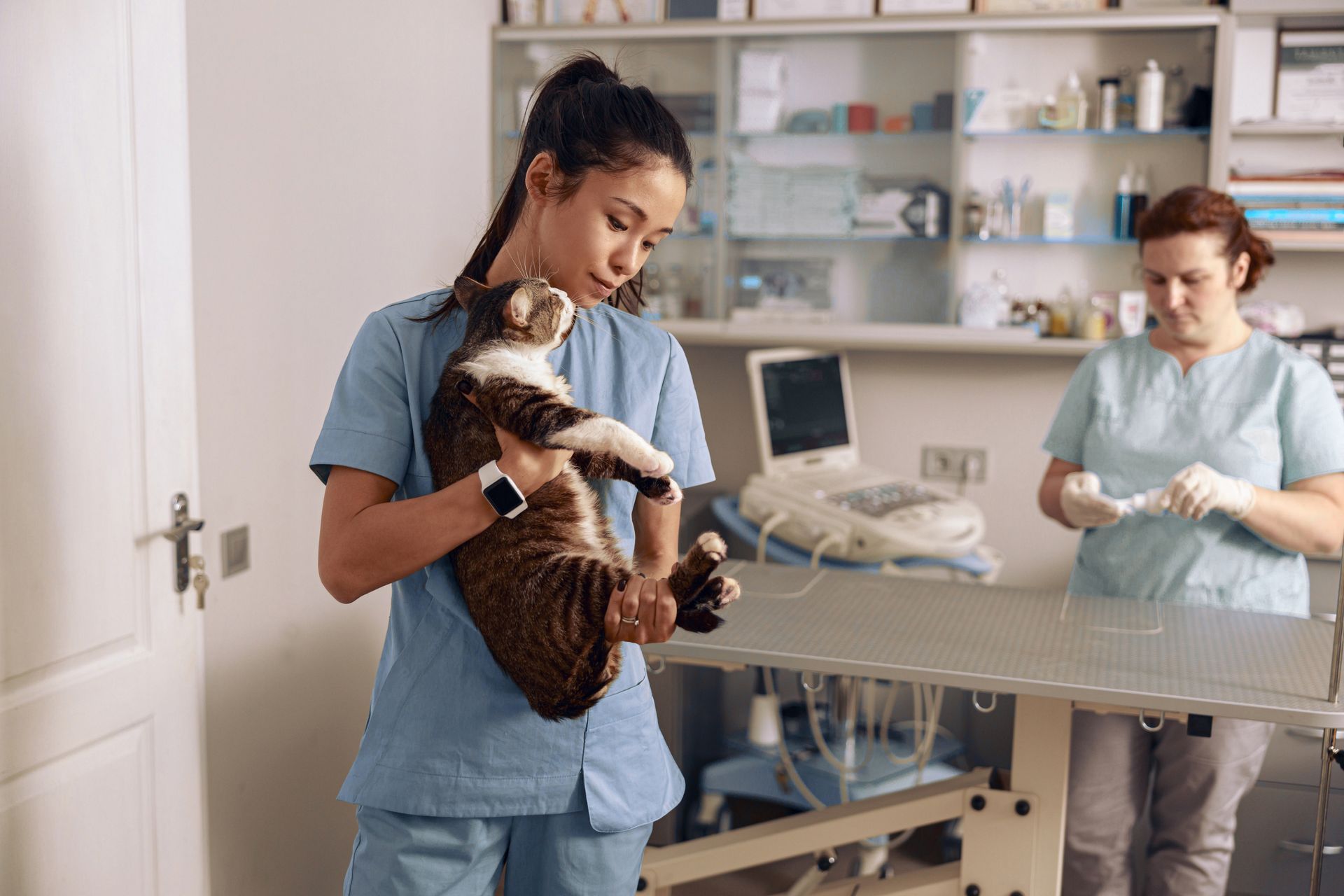
For your team
Workers’ Compensation
Covers medical costs and lost wages when a team member is hurt on the job — required in most states once you have employees.
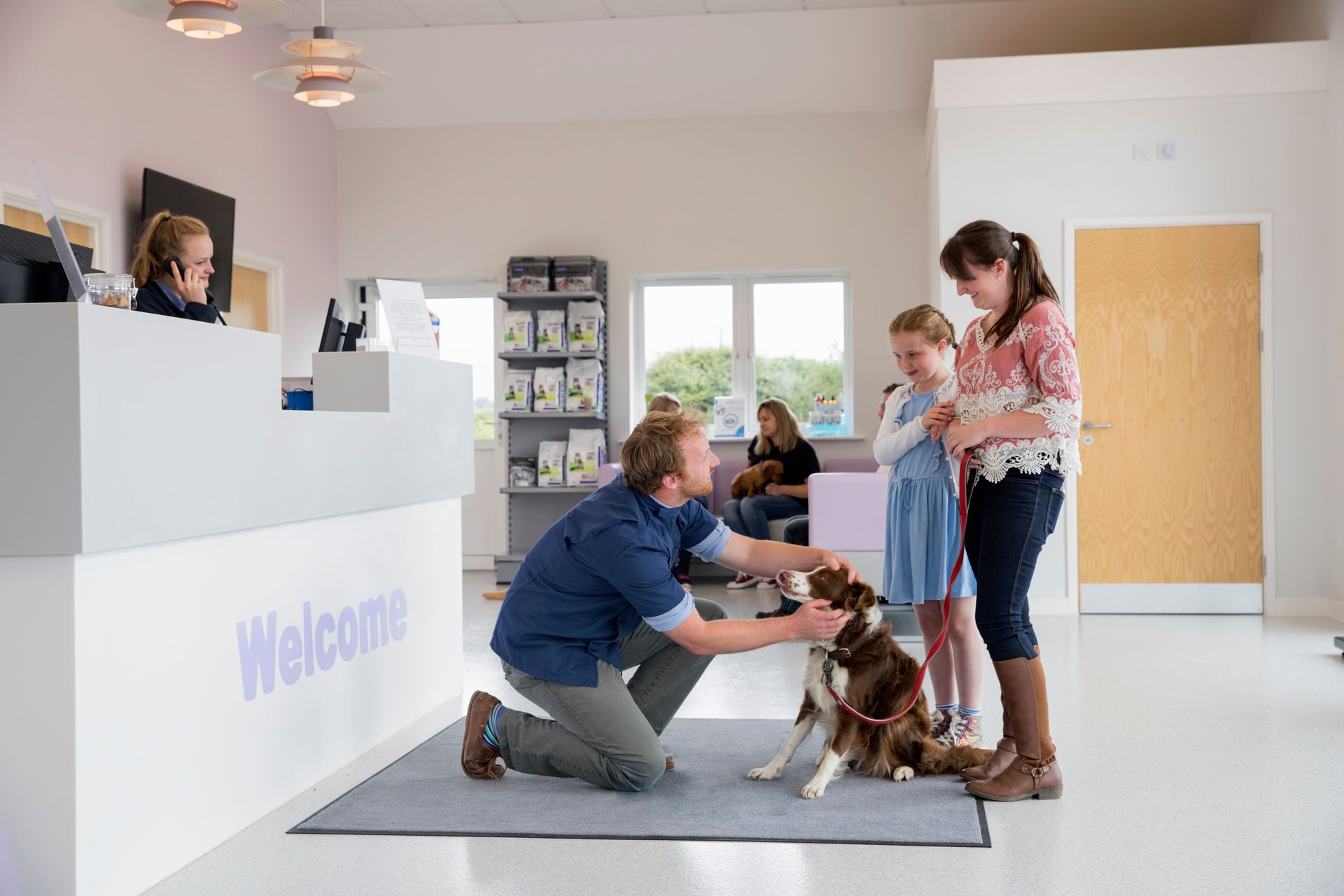
Extra protection
Commercial Umbrella
Adds liability limits above your primary policies for catastrophic claims that exceed standard coverage.
Coverage availability and terms vary by carrier and state. We recommend the right mix for your operation once we talk.
Industries we serve
Built for the businesses that care for animals.
General liability is the baseline for every segment we specialize in. Find the page built for your business.
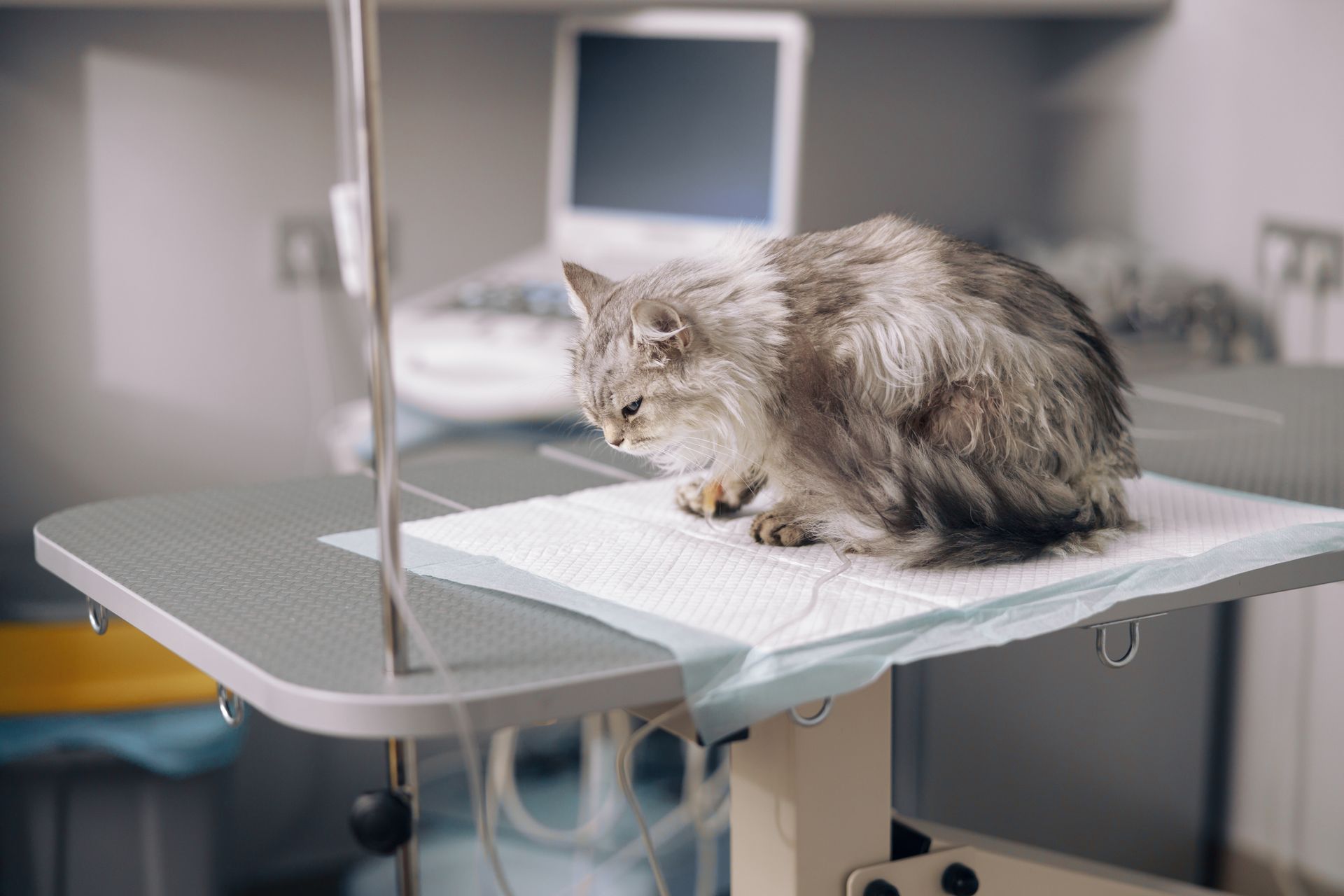
Clinical · high exposure
Veterinarians & Animal Hospitals
Professional and general liability, property, and workers’ comp for clinical operators with high exposure.
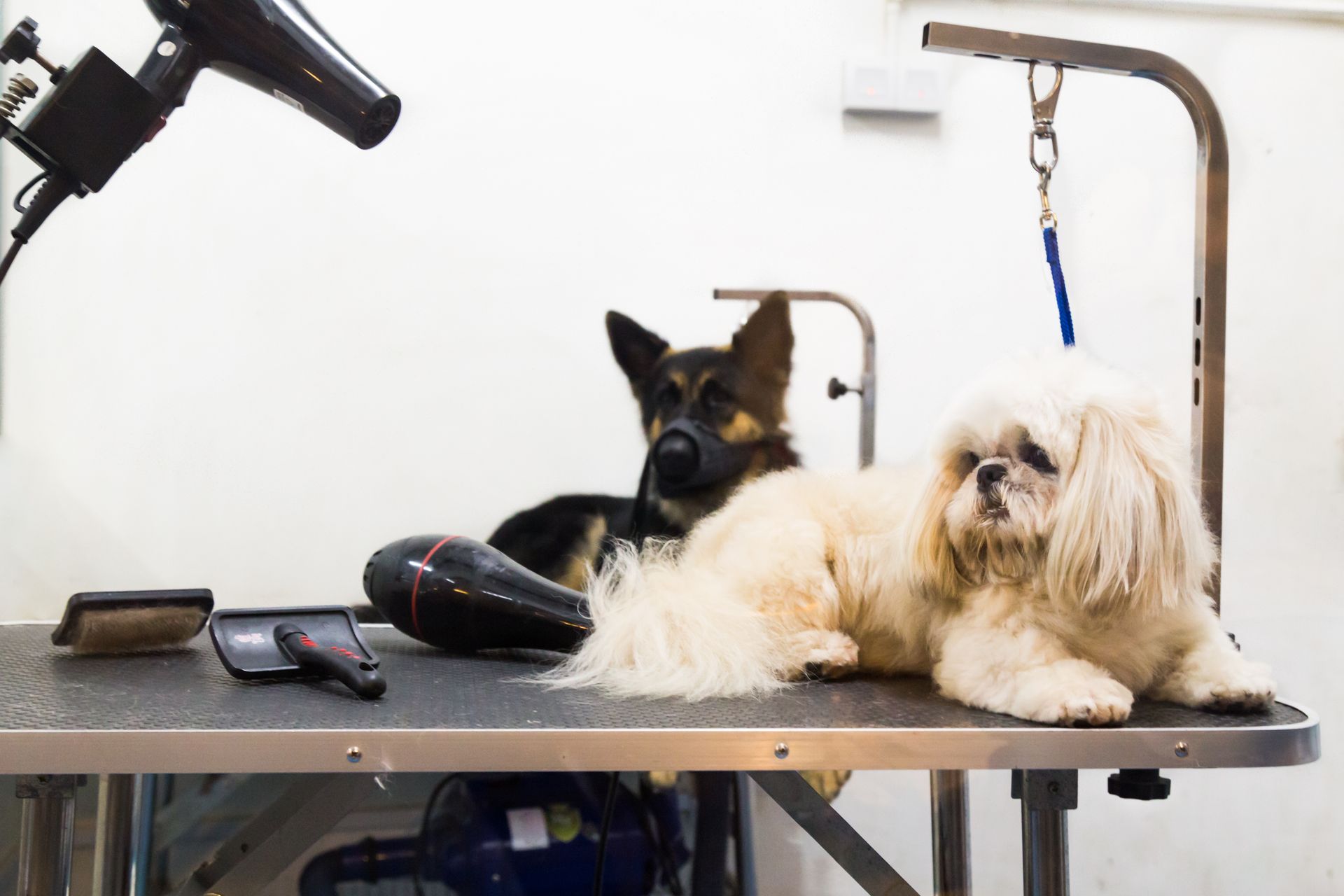
Hands-on · small business
Pet Groomers
Practical protection for animal handling, equipment, and the day-to-day of the grooming table, shop or mobile.

Safety-forward · overnight
Doggy Daycare & Boarding
Coverage matched to facilities responsible for animals overnight and all day long.
Our reviews
Trusted by pet professionals.
See what owners say about working with a specialist who already understands their business.
Frequently asked
Questions pet pros ask us.
What kinds of pet businesses do you insure?
We insure businesses across the animal-care industry — veterinarians and animal hospitals, groomers, doggy daycares and boarding facilities, kennels and trainers, pet sitters and dog walkers, and pet stores. We also cover breeders, equine operations, pet transporters, shelters and rescues, pet photographers, and aquariums or wildlife facilities.
If your work involves caring for, handling, or selling animals, there is a strong chance we cover it. Tell us what you do and we will confirm.
What is care, custody, and control coverage, and why does it matter?
Care, custody, and control coverage protects you when an animal in your charge is injured, becomes ill, or is lost while in your care. Standard general liability policies often exclude this exact exposure, which leaves a serious gap for pet businesses.
For groomers, boarders, sitters, and clinics, this is one of the most important coverages you can carry. We make sure it is in place and sized to your operation.
How is an independent agency different from buying direct from a carrier?
A direct carrier sells you its own single policy. As an independent agency, we shop multiple specialty insurers and compare programs to find the coverage that fits your business and budget.
That means you get options instead of one quote, and an advocate who works for you, not the carrier. We also handle the renewals and claims support over the life of your policy.
How fast can I get a quote?
Most clients get quoted within one business day. Our industry-specific intake forms collect the right details up front, so we can take your information straight to the carriers without a long back-and-forth.
Need it sooner? Call a specialist directly at (346) 738-7297 and we will move quickly.
Which states do you serve?
We are licensed and actively writing coverage in 12 states: Connecticut, Delaware, Georgia, Kentucky, Massachusetts, New Jersey, New York, North Carolina, Pennsylvania, South Carolina, Tennessee, and Virginia.
We continue to add states as we grow. If you operate outside this list, reach out and we will let you know our latest footprint.
From the blog
Coverage notes for pet professionals.
Plain-language risk tips and coverage explainers, written for owners — not insurance pros.
Speak with a specialist
Let's find the right coverage for your business.
No quote bots, no funnel. Talk to a real pet-insurance specialist who already understands your operation — and shops multiple markets on your behalf.
Call us
(346) 738-7297
Toll-free 845-250-5366
Email
service@petindustryins.com
Visit Us
2 Joyce Plaza
Stony Point, NY 10980