Coverage for veterinary practices
Tennessee Pet Groomer Insurance
Core Coverage Types for Groomers
Factors Influencing Insurance Costs in NY
Comparison Chart: Liability vs. Bailee vs. Property
Running a grooming salon or mobile van in Tennessee means handling anxious animals, sharp tools, and expensive equipment on a daily basis. One spooked dog, one nicked ear, one slip on a wet floor, and you're staring at a potential claim that could cost thousands. Pet groomer insurance in Tennessee isn't just a box to check: it's the financial backbone that keeps your business running when something goes sideways. And things do go sideways. I've seen groomers lose entire seasons of revenue over a single bite incident that spiraled into a lawsuit because they didn't carry the right coverage. Tennessee has its own quirks, too. The state taxes pet grooming services as part of its sales and use tax framework, and cities like Nashville and Memphis layer on their own licensing requirements. Whether you operate a brick-and-mortar shop in Knoxville or drive a mobile grooming rig across Davidson County, the compliance landscape is specific enough that generic advice won't cut it. This guide breaks down the coverage types that actually matter for TN grooming operations, what they cost, and how to stay on the right side of state and local regulations. If you're opening a new grooming business or reviewing an existing policy, the details here should save you real money and real headaches.
Essential Insurance Coverage for Tennessee Pet Groomers
Every grooming business faces a handful of core risks: injury to a pet in your care, a client slipping on your premises, damage to your equipment, or a vehicle accident if you're mobile. The trick is matching the right policies to your specific operation, because a one-size-fits-all approach almost always leaves gaps. Tennessee doesn't mandate a single "groomer's license" at the state level, but the financial risks are real regardless of what the law requires. A solid insurance portfolio for a Tennessee groomer typically includes general liability, professional liability (often called animal bailee coverage), property insurance, and - if you're running a mobile operation - commercial auto. Each of these covers a different slice of your risk profile, and skipping any one of them can leave you exposed in ways that aren't obvious until a claim hits.
General Liability vs. Professional Liability (Animal Bailee)
General liability covers the "slip and fall" scenarios: a customer trips over a leash in your lobby, a delivery driver gets bitten in your parking lot, or water damage spreads to a neighboring tenant. It's your baseline protection against third-party bodily injury and property damage claims. Most landlords and shopping center management companies in Tennessee will require proof of general liability before they'll sign a lease.
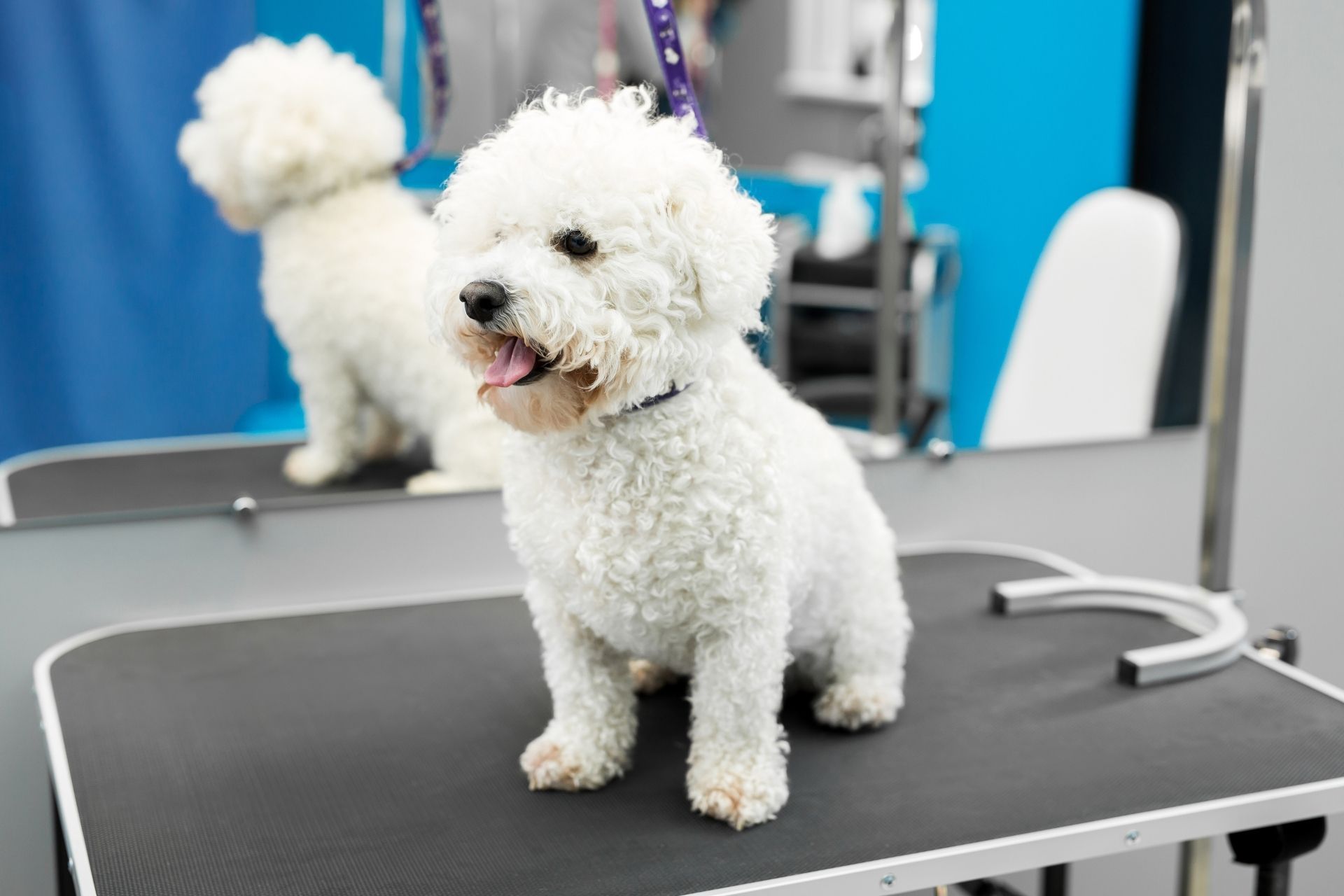
Professional liability, sometimes structured as an animal bailee policy, covers something different entirely. This is what protects you when a pet is injured or dies while in your care, custody, or control. Think clipper burns, allergic reactions to shampoo, a dog jumping off a grooming table, or heat-related incidents. These claims are far more common than most new groomers expect. A single animal injury claim can run $3,000 to $15,000 depending on veterinary bills and the owner's emotional distress, and contested cases push higher.
The key distinction: general liability won't cover damage to an animal you're actively grooming. You need both policies working together.
| Coverage Type | What It Covers | What It Doesn't Cover |
|---|---|---|
| General Liability | Client injuries on premises, third-party property damage, advertising injury | $1M per occurrence / $2M aggregate |
| Professional Liability / Animal Bailee | Injury or death of pets during grooming, allergic reactions, accidental cuts | Slip-and-fall by humans, vehicle accidents, employee injuries |
| Combined Policy | Both of the above, often with shared limits | May still exclude auto, property, or workers' comp |
Property and Equipment Protection
Grooming equipment isn't inexpensive. A professional hydraulic table runs $800 to $2,500, high-velocity dryers cost $300 to $600 each, and a full set of clipper blades and shears can represent another $1,000 or more. If a fire, burst pipe, or break-in wipes out your shop, replacing everything out of pocket could easily exceed $15,000 to $25,000.
A business property policy (sometimes called a business owner's policy, or BOP, when bundled with general liability) covers your equipment, inventory, furniture, and improvements to leased space. If you've invested in specialized tubs, water filtration systems, or HVAC upgrades for ventilation, make sure those are listed on your policy. Tennessee sees its share of severe weather, including tornadoes and flooding in certain counties, so review your policy's exclusions for wind and water damage carefully.
Mobile Grooming Van and Commercial Auto Insurance
Mobile grooming has exploded across Tennessee, and starting a mobile pet grooming business requires specific insurance considerations beyond what a stationary salon needs. Your personal auto policy will not cover a vehicle used for commercial purposes. Full stop. If you're driving a converted van or trailer to client homes, you need a commercial auto policy that covers liability, collision, and the equipment inside the vehicle.
One common mistake: groomers assume their property policy extends to equipment bolted into the van. It usually doesn't unless you've added an inland marine or "tools and equipment" endorsement. Ask your agent specifically about coverage for items permanently installed in a mobile unit.
Tennessee State Compliance and Legal Requirements
Tennessee doesn't require a state-level grooming license, but that doesn't mean you can operate without paperwork. The compliance requirements come from multiple directions: state tax obligations, city and county business licenses, and insurance mandates tied to your lease or employees.
Pet grooming services in Tennessee are subject to sales and use tax, which means you need to register with the Tennessee Department of Revenue and collect tax on your grooming fees. This has been a point of legislative discussion in recent years, so staying current on the rules matters. Failure to collect and remit sales tax can result in penalties that compound quickly.
Workers' Compensation Rules for TN Small Businesses
Tennessee requires workers' compensation insurance for any business with five or more employees. If you're a solo groomer or have just one or two part-time bathers, you may be exempt, but the threshold is lower than many people think. Independent contractors don't count toward the five-employee threshold, but Tennessee is strict about misclassification. If you control how, when, and where a worker performs their duties, the state may consider them an employee regardless of what your contract says.
Even if you're below the five-employee threshold, carrying workers' comp voluntarily can protect you from personal injury lawsuits filed by employees. Without it, an injured bather could sue you directly, and those claims aren't covered by your general liability policy.
Local Business Licensing and Insurance Proof
Cities across Tennessee have their own licensing requirements. Nashville requires a general business license through the County Clerk's office, and Memphis has its own business licensing process with specific categories for service businesses. Smaller cities and counties may have simpler requirements, but you still need to check.
Many municipal licenses require proof of insurance before they'll issue or renew your permit. This is where having an agent who understands pet-industry businesses pays off. Pet Professional Insurance Agency, for example, works with specialty markets that can issue certificates of insurance quickly, often within 24 to 48 hours, so you're not stuck waiting on paperwork while your license application sits in limbo.
Please note that local regulations change frequently. Consult a local attorney or your city clerk's office for the most current requirements in your area.
Comparing Coverage: Basic vs. Comprehensive Protection
A bare-minimum policy might include general liability at $1 million per occurrence and $2 million aggregate. That's enough to satisfy most landlords and get your doors open. But it leaves significant gaps: no coverage for animals in your care, no protection for your equipment, and no coverage for employee injuries.
A comprehensive package typically bundles general liability, professional liability or animal bailee coverage, business property, and possibly commercial auto and workers' comp. The cost difference between basic and comprehensive coverage often surprises people. For a small grooming salon doing $150,000 or less in annual revenue, the jump from a basic GL-only policy to a full package might be $40 to $80 per month. That's a remarkably small price to close the gaps that actually generate claims.
The most common coverage gap I see among Tennessee groomers is the lack of animal bailee or care, custody, and control coverage. Groomers assume their general liability handles pet injuries, file a claim, and discover it doesn't. By then, they're paying out of pocket for vet bills and potentially facing a small claims lawsuit.
Factors That Influence Insurance Costs in Tennessee
Several variables affect what you'll pay for coverage. Understanding them helps you budget accurately and avoid overpaying.
Service Volume and Number of Employees
Insurers price policies partly based on your annual revenue and payroll. A solo groomer doing $80,000 a year will pay significantly less than a four-person shop doing $300,000. Each additional employee increases your exposure, both for workers' comp and for general liability. Starting a grooming operation with a solid business plan helps you project these costs accurately before you sign a lease or hire staff.
The types of services you offer also matter. Shops that handle aggressive breeds, offer teeth cleaning, or do creative grooming with dyes may face higher premiums. If you board animals overnight or offer daycare alongside grooming, that's a different risk class entirely.
Location Risks: Nashville vs. Rural TN Areas
A grooming salon in downtown Nashville faces different risks than one in a rural town outside Chattanooga. Urban locations typically see higher property values, more foot traffic (which means more slip-and-fall exposure), and higher crime rates. Insurance premiums reflect that. A Nashville groomer might pay 15 to 25 percent more for the same coverage compared to a groomer in a smaller Tennessee market.
Severe weather patterns also play a role. Shops in flood-prone areas or tornado corridors may need additional endorsements. Your agent should review FEMA flood maps for your specific address, because standard property policies exclude flood damage.
Frequently Asked Questions About Grooming Insurance
Does Tennessee require pet groomers to carry insurance? There's no state law mandating insurance specifically for groomers, but your landlord, city license, or financing agreement may require it. Workers' comp is required once you hit five employees.
How much does grooming insurance typically cost in Tennessee? For a small salon, expect to pay roughly $500 to $1,500 per year for general liability alone. A comprehensive package with professional liability and property coverage usually runs $1,200 to $3,000 annually, depending on revenue and location.
Can I use my personal auto insurance for my mobile grooming van? No. Personal auto policies exclude vehicles used for business purposes. You need a commercial auto policy, and you'll want an endorsement covering equipment inside the vehicle.
What's the difference between animal bailee and care, custody, and control coverage? They're closely related. Animal bailee specifically covers loss or damage to animals left in your care. Care, custody, and control is a broader term that may appear as an exclusion on your general liability policy. You need a separate policy or endorsement to fill this gap.
Do I need insurance if I groom pets at clients' homes? Yes, and arguably more so. You're working in someone else's space, which increases your liability exposure. If you damage their property or their pet is injured, you need coverage that responds regardless of where the grooming happens.
Are grooming-related injuries covered under general liability? Injuries to clients or bystanders, yes. Injuries to animals you're grooming, no. That requires professional liability or animal bailee coverage.
Your Next Steps for Securing Coverage
Getting the right insurance for your Tennessee grooming operation doesn't need to be complicated, but it does need to be specific. Generic business policies miss the risks unique to handling animals: bite liability, care and custody exposure, and the specialized equipment you rely on daily. The grooming industry continues to evolve, and your coverage should keep pace.
Start by documenting your services, revenue, employee count, and whether you operate from a fixed location or mobile unit. Then talk to an agent who actually understands pet-care businesses. Pet Professional Insurance Agency works with multiple specialty insurance markets and uses intake forms designed specifically for grooming operations, which means you're not explaining what a grooming loop is or why you need animal bailee coverage. Most clients get a response within one to two business days.
Index
Pet Professional Insurance Agency is fully licensed and permitted to provide commercial insurance solutions for pet businesses across 12 states.
We proudly serve pet professionals throughout the Northeast, Mid-Atlantic, and Southeast. Powered by Joyce Insurance Agency, our team works with leading specialty carriers — including The Hartford, USLI, Nautilus, and Northland — to make sure veterinarians, groomers, boarding facilities, and pet-care businesses receive coverage that fits their real risks in Connecticut, Delaware, Georgia, Kentucky, Massachusetts, New Jersey, New York, North Carolina, Pennsylvania, South Carolina, Tennessee, and Virginia.
About the author
Barnaby Joyce
Founder, Pet Professional Insurance Agency · Licensed Insurance Producer
I started Pet Professional Insurance Agency because I watched pet businesses get handed generic policies that never fit. After years of placing coverage for veterinary practices, grooming salons, doggy daycares, and kennels through a generalist agency, I saw the same gaps over and over — and the same blank stares when an owner tried to explain care, custody, and control to an agent who had never insured an animal in their life.
So I built an agency that does one thing. I work directly with specialty carriers who actually want pet-industry risk, and I sit down with every client personally. You will not get a call center or a chatbot. You will get someone who already speaks your language and shops the market on your behalf. That is the whole idea.
Recommended coverages
Coverages that pair with general liability.
Most pet businesses build on general liability with the lines below. Explore each — every page cross-links to the
industries we serve.
Services & advice
Professional Liability / E&O
Covers claims tied to your professional services and advice — clinical care, training guidance, and the judgment calls you make daily.
The pet-industry gap
Care, Custody & Control
Covers the animals in your charge against injury, illness, or loss — the critical exposure standard liability policies leave out.
Bundled & cost-effective
Business Owners Policy (BOP)
Bundles property and general liability into one package built for small to mid-sized pet businesses — often the simplest base.
Your building & contents
Commercial Property
Protects your building, build-out, equipment, and inventory against fire, theft, and covered losses — front desk to back room.
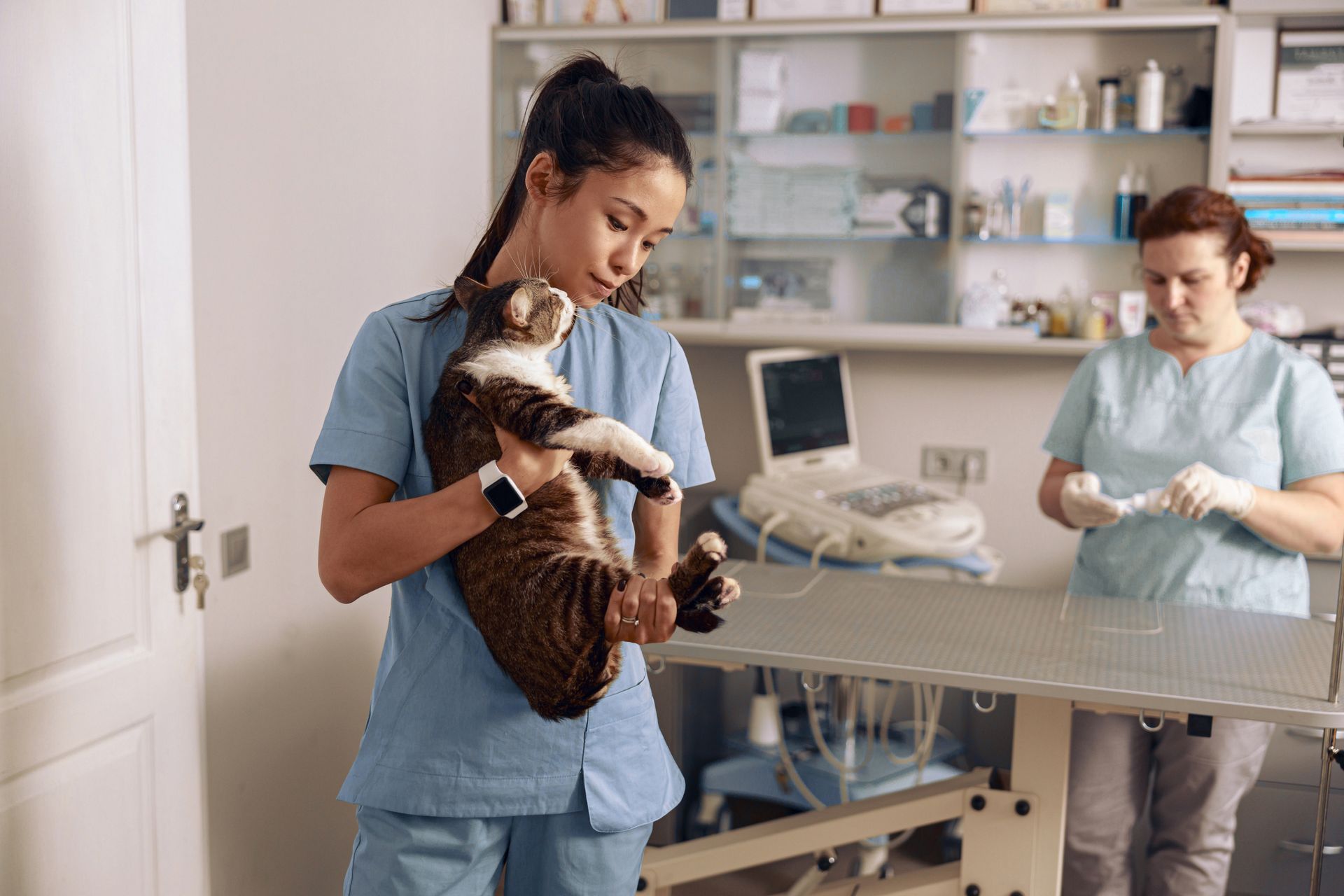
For your team
Workers’ Compensation
Covers medical costs and lost wages when a team member is hurt on the job — required in most states once you have employees.
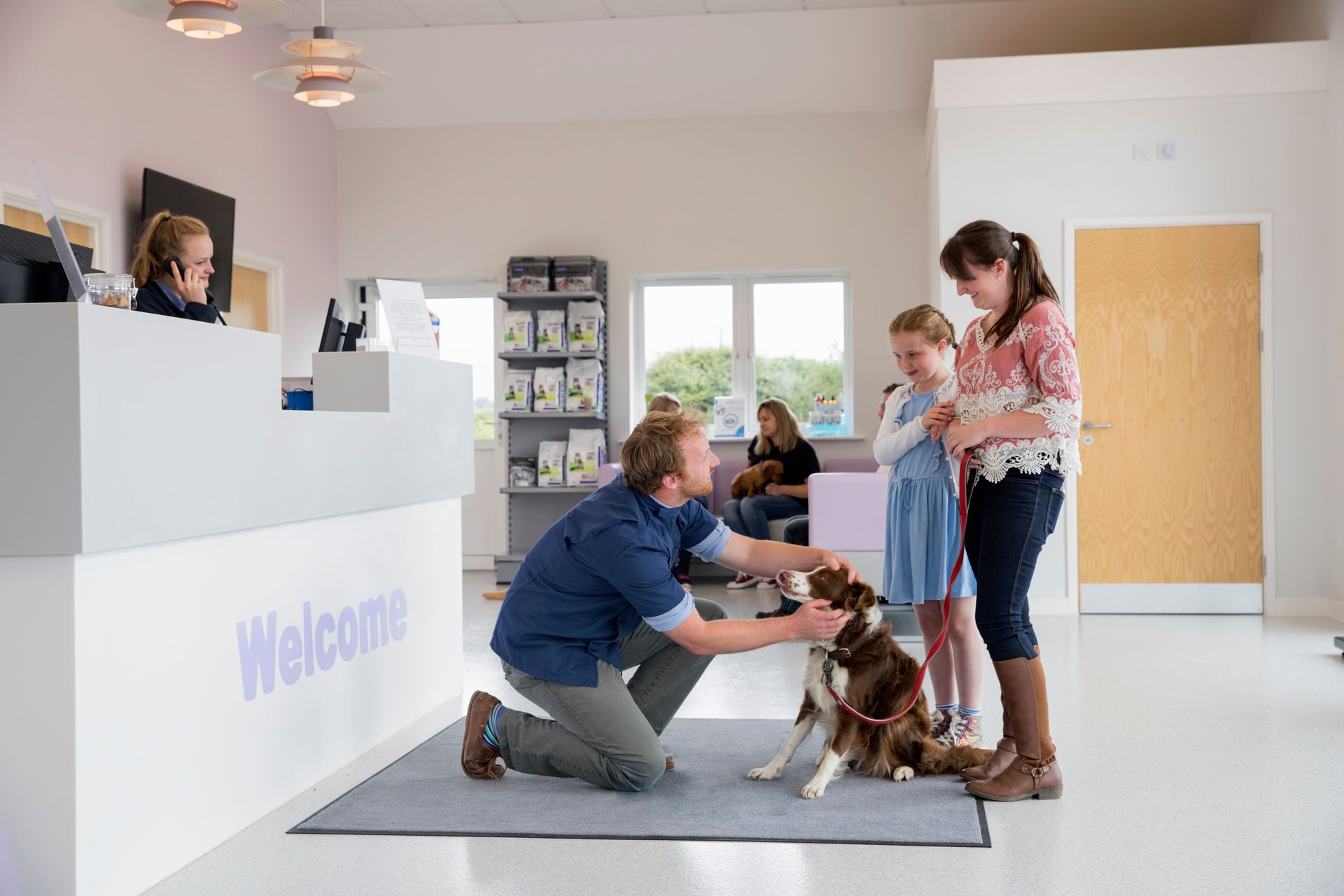
Extra protection
Commercial Umbrella
Adds liability limits above your primary policies for catastrophic claims that exceed standard coverage.
Coverage availability and terms vary by carrier and state. We recommend the right mix for your operation once we talk.
Industries we serve
Built for the businesses that care for animals.
General liability is the baseline for every segment we specialize in. Find the page built for your business.
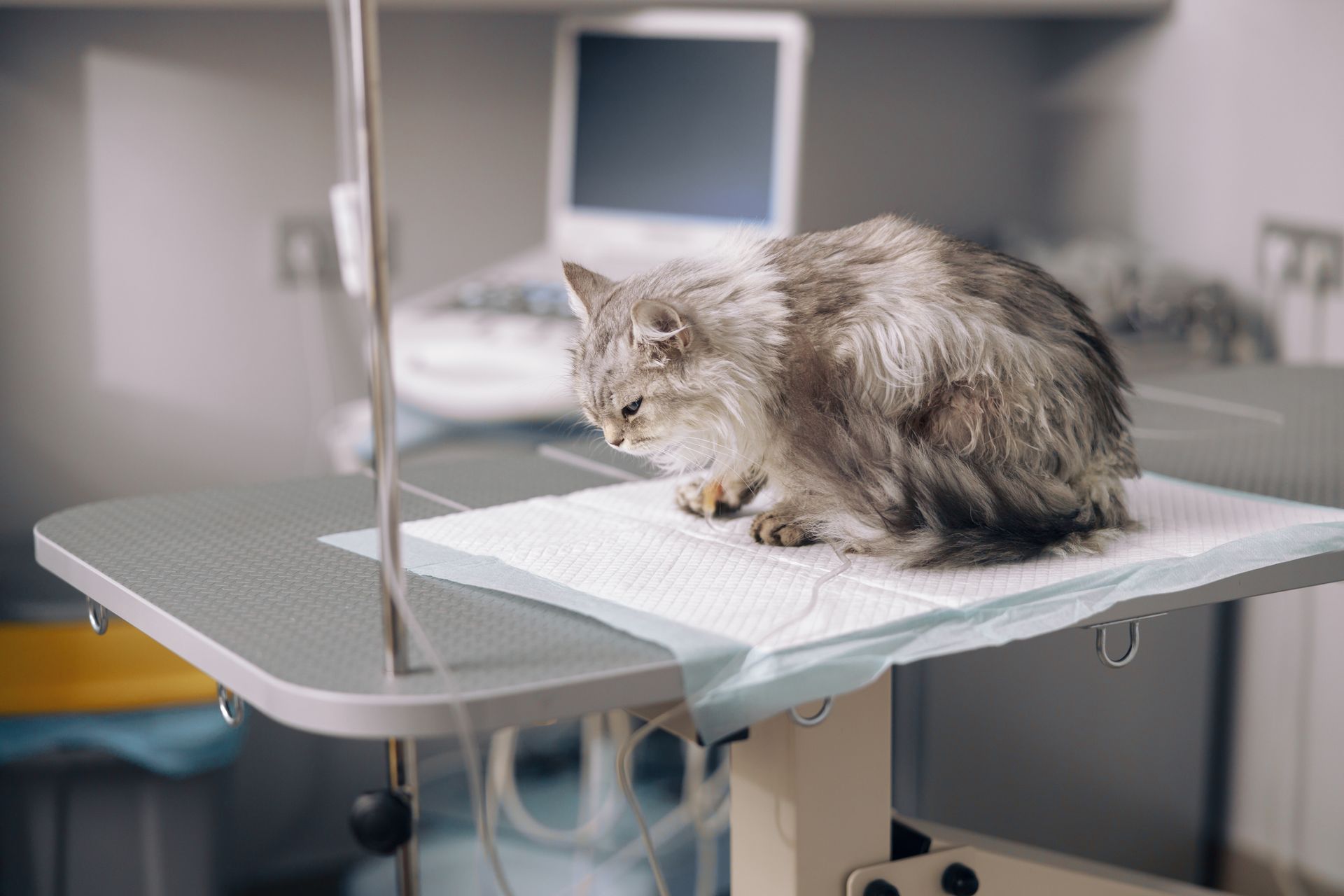
Clinical · high exposure
Veterinarians & Animal Hospitals
Professional and general liability, property, and workers’ comp for clinical operators with high exposure.
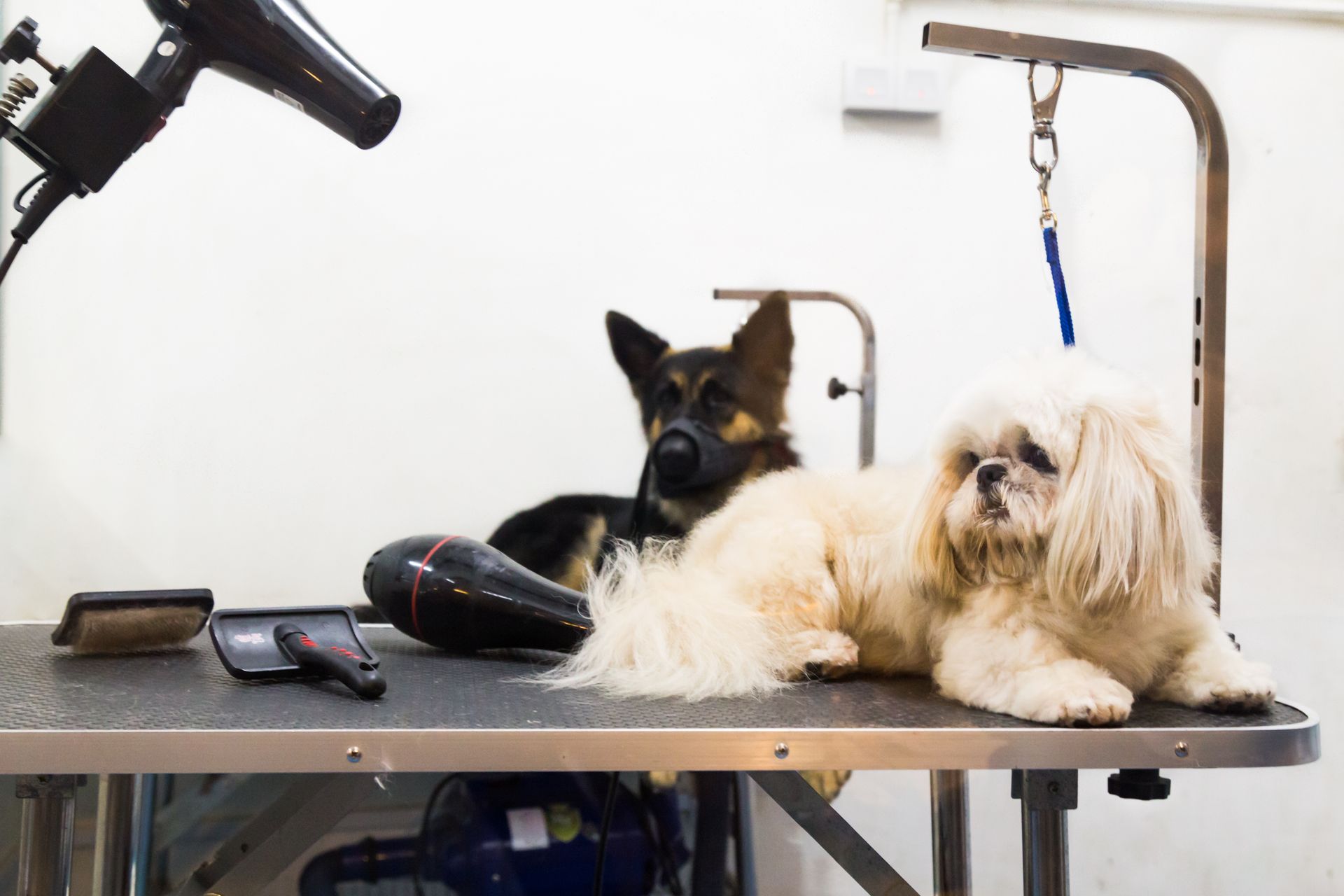
Hands-on · small business
Pet Groomers
Practical protection for animal handling, equipment, and the day-to-day of the grooming table, shop or mobile.
Safety-forward · overnight
Doggy Daycare & Boarding
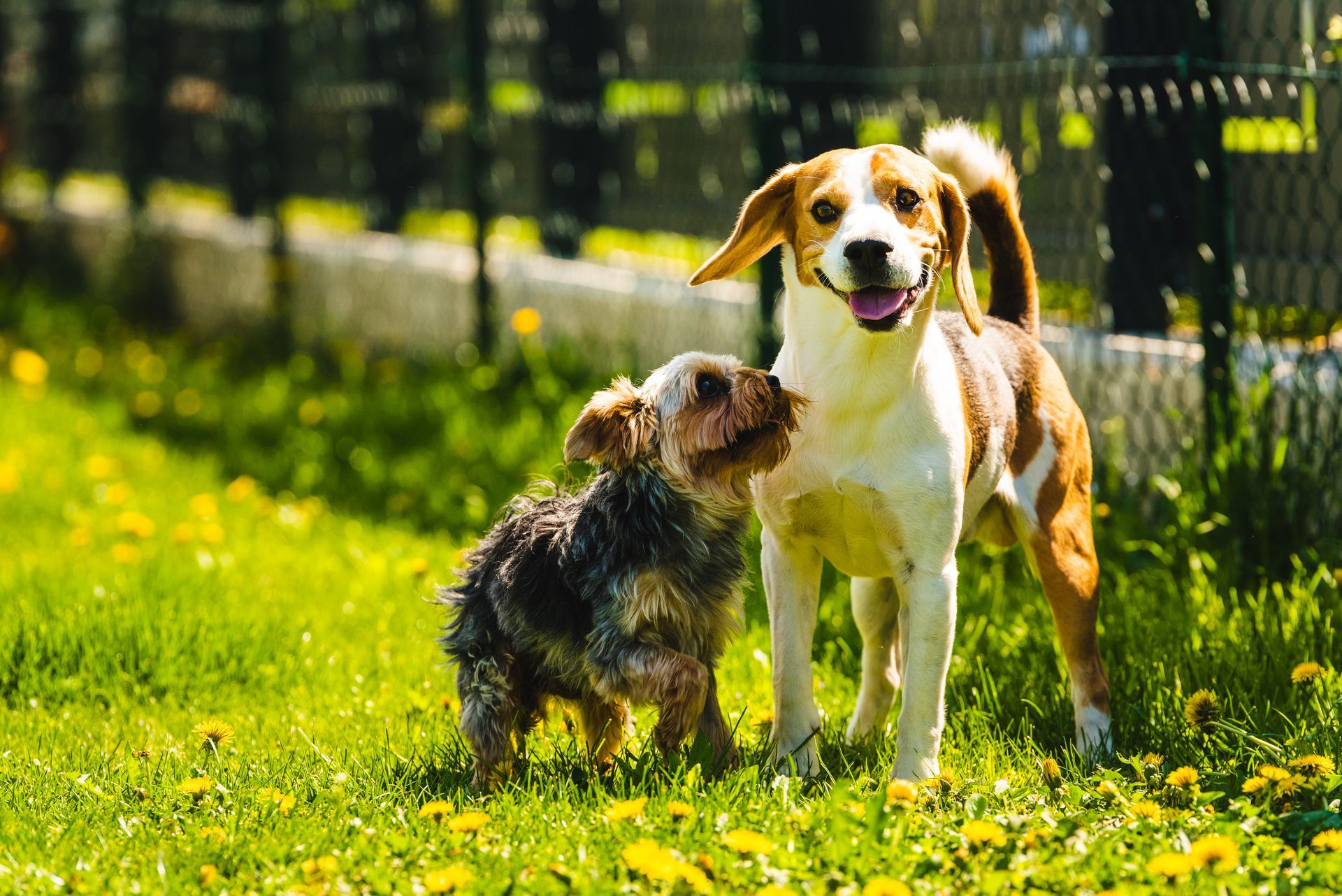
Coverage matched to facilities responsible for animals overnight and all day long.
Our reviews
Trusted by pet professionals.
See what owners say about working with a specialist who already understands their business.
Frequently asked
Questions pet pros ask us.
What kinds of pet businesses do you insure?
We insure businesses across the animal-care industry — veterinarians and animal hospitals, groomers, doggy daycares and boarding facilities, kennels and trainers, pet sitters and dog walkers, and pet stores. We also cover breeders, equine operations, pet transporters, shelters and rescues, pet photographers, and aquariums or wildlife facilities.
If your work involves caring for, handling, or selling animals, there is a strong chance we cover it. Tell us what you do and we will confirm.
What is care, custody, and control coverage, and why does it matter?
Care, custody, and control coverage protects you when an animal in your charge is injured, becomes ill, or is lost while in your care. Standard general liability policies often exclude this exact exposure, which leaves a serious gap for pet businesses.
For groomers, boarders, sitters, and clinics, this is one of the most important coverages you can carry. We make sure it is in place and sized to your operation.
How is an independent agency different from buying direct from a carrier?
A direct carrier sells you its own single policy. As an independent agency, we shop multiple specialty insurers and compare programs to find the coverage that fits your business and budget.
That means you get options instead of one quote, and an advocate who works for you, not the carrier. We also handle the renewals and claims support over the life of your policy.
How fast can I get a quote?
Most clients get quoted within one business day. Our industry-specific intake forms collect the right details up front, so we can take your information straight to the carriers without a long back-and-forth.
Need it sooner? Call a specialist directly at (346) 738-7297 and we will move quickly.
Which states do you serve?
We are licensed and actively writing coverage in 12 states: Connecticut, Delaware, Georgia, Kentucky, Massachusetts, New Jersey, New York, North Carolina, Pennsylvania, South Carolina, Tennessee, and Virginia.
We continue to add states as we grow. If you operate outside this list, reach out and we will let you know our latest footprint.
From the blog
Coverage notes for pet professionals.
Plain-language risk tips and coverage explainers, written for owners — not insurance pros.
Speak with a specialist
Let's find the right coverage for your business.
No quote bots, no funnel. Talk to a real pet-insurance specialist who already understands your operation — and shops multiple markets on your behalf.
Call us
(346) 738-7297
Toll-free 845-250-5366
Email
service@petindustryins.com
Visit Us
2 Joyce Plaza
Stony Point, NY 10980