Coverage for veterinary practices
Georgia Pet Transportation Insurance
Connecticut isn't the most expensive state for equine insurance, but it's not the least expensive either. Several variables determine what you'll actually pay.
Factors Influencing Insurance Costs in the Nutmeg State
Facility Size and Annual Revenue
Running a pet transport operation in Georgia without the right insurance is like driving without a seatbelt: you might be fine for a while, but one bad day changes everything. A dog slips its crate during a highway transfer, a cat overheats because the AC fails mid-route, or a client's purebred gets injured in a fender bender. These aren't hypothetical scenarios. They're the kinds of claims that shut down small pet transport businesses every year. Georgia has specific rules around animal transport, and the insurance requirements for these operations differ meaningfully from a standard commercial auto policy. Whether you're running a dedicated pet taxi service, adding transport to an existing boarding or grooming business, or coordinating interstate relocations, understanding the coverage requirements, realistic costs, and compliance obligations in Georgia will save you from expensive surprises. This guide breaks down what GA pet transportation operations actually need to stay legal, protected, and competitive.
Understanding Georgia State Requirements for Pet Transporters
Georgia treats pet transportation as a regulated activity, particularly when animals cross state lines or when businesses hold themselves out as professional animal carriers. The state's regulatory framework sits primarily under the Georgia Department of Agriculture (GDA), which oversees animal welfare standards including transport conditions, health documentation, and facility inspections.
One critical development: Commissioner Tyler Harper recently announced enhanced animal import requirements to protect Georgia's agricultural interests. These changes affect anyone transporting animals into Georgia and tighten documentation standards. If your operation involves interstate moves, you need to be tracking these updates closely.
The GDA also maintains oversight of pet dealers and transporters under the Animal Protection Act, which includes licensing provisions for businesses that commercially transport companion animals. Failure to comply can result in fines, license revocation, or both.
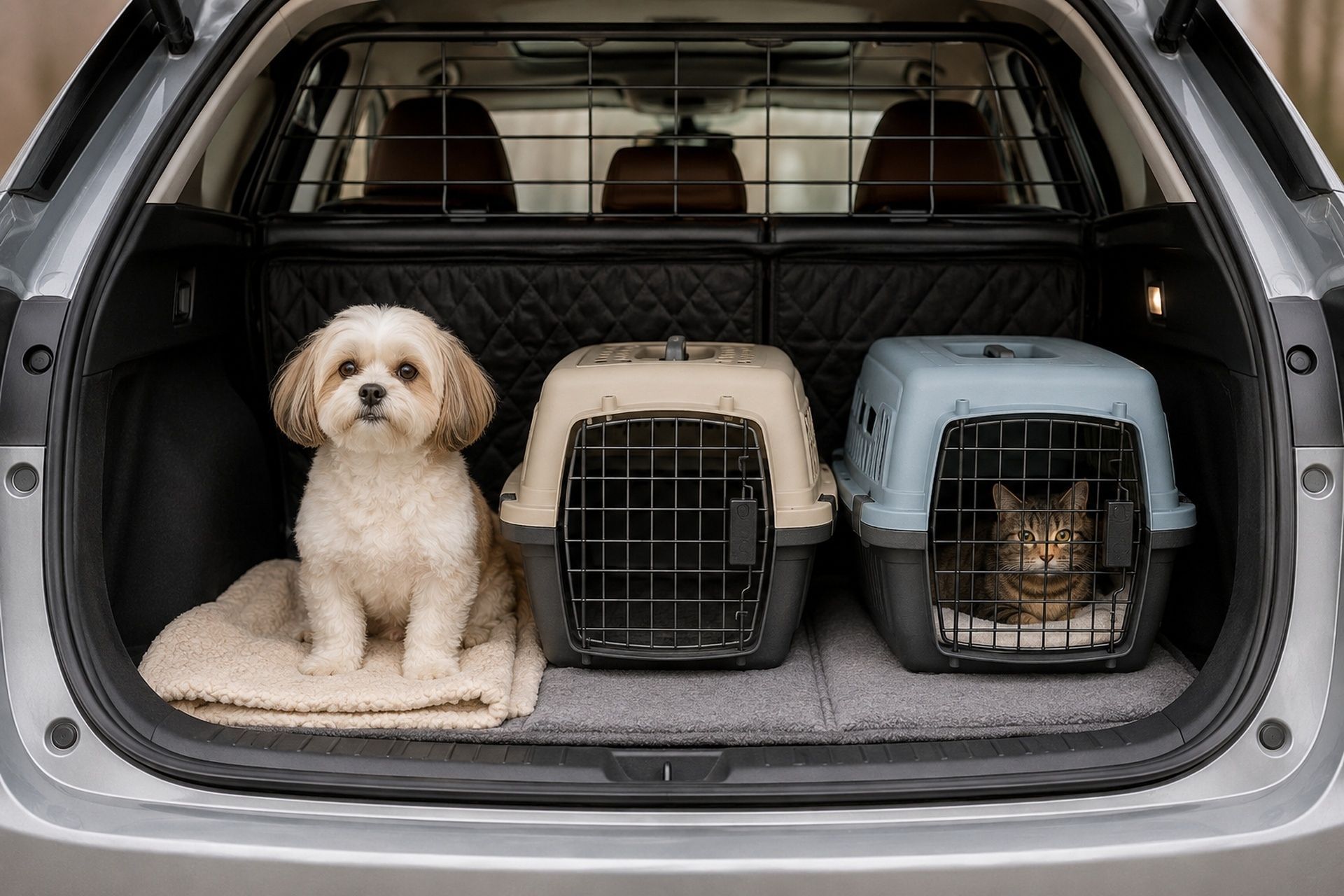
Georgia Department of Agriculture Licensing Standards
Any business commercially transporting pets in Georgia needs to determine whether it falls under the GDA's licensing requirements. The state has proposed amendments to the Animal Protection Act rules that could expand the definition of regulated animal businesses, so staying current matters.
Licensing typically requires proof of adequate facilities (even if your "facility" is a climate-controlled van), veterinary health certificates for animals in transit, and evidence of financial responsibility. That last requirement is where insurance enters the picture. The GDA wants to know you can cover damages if something goes wrong with an animal in your care.
Keep records of every transport: pickup and delivery times, animal health status, temperature logs, and client communications. These records aren't just good business practice; they're what regulators ask for during inspections.
Minimum Liability and Cargo Insurance Mandates
Georgia requires commercial vehicles to carry minimum liability insurance, but the state doesn't publish a pet-transport-specific insurance mandate the way it does for, say, for-hire passenger carriers. That said, commercial auto liability minimums in Georgia start at $25,000/$50,000 for bodily injury and $25,000 for property damage. For a professional pet transport operation, those minimums are dangerously low.
Most clients, especially those shipping high-value breeds, expect proof of animal-specific coverage before handing over their pets. And if you're contracting with veterinary clinics, rescue organizations, or breeders, they'll almost certainly require certificates of insurance showing limits well above the state minimum. Think $500,000 to $1 million in general liability as a practical floor for doing real business.
Note: laws and regulations vary by jurisdiction and can change. Consult a qualified attorney or insurance professional for guidance specific to your situation.
Core Insurance Coverages for GA Pet Transit Businesses
Pet transportation insurance in Georgia isn't a single policy. It's a combination of coverages layered together to protect against the specific risks your operation faces. Here's what those layers look like.
Commercial Auto and Hired/Non-Owned Coverage
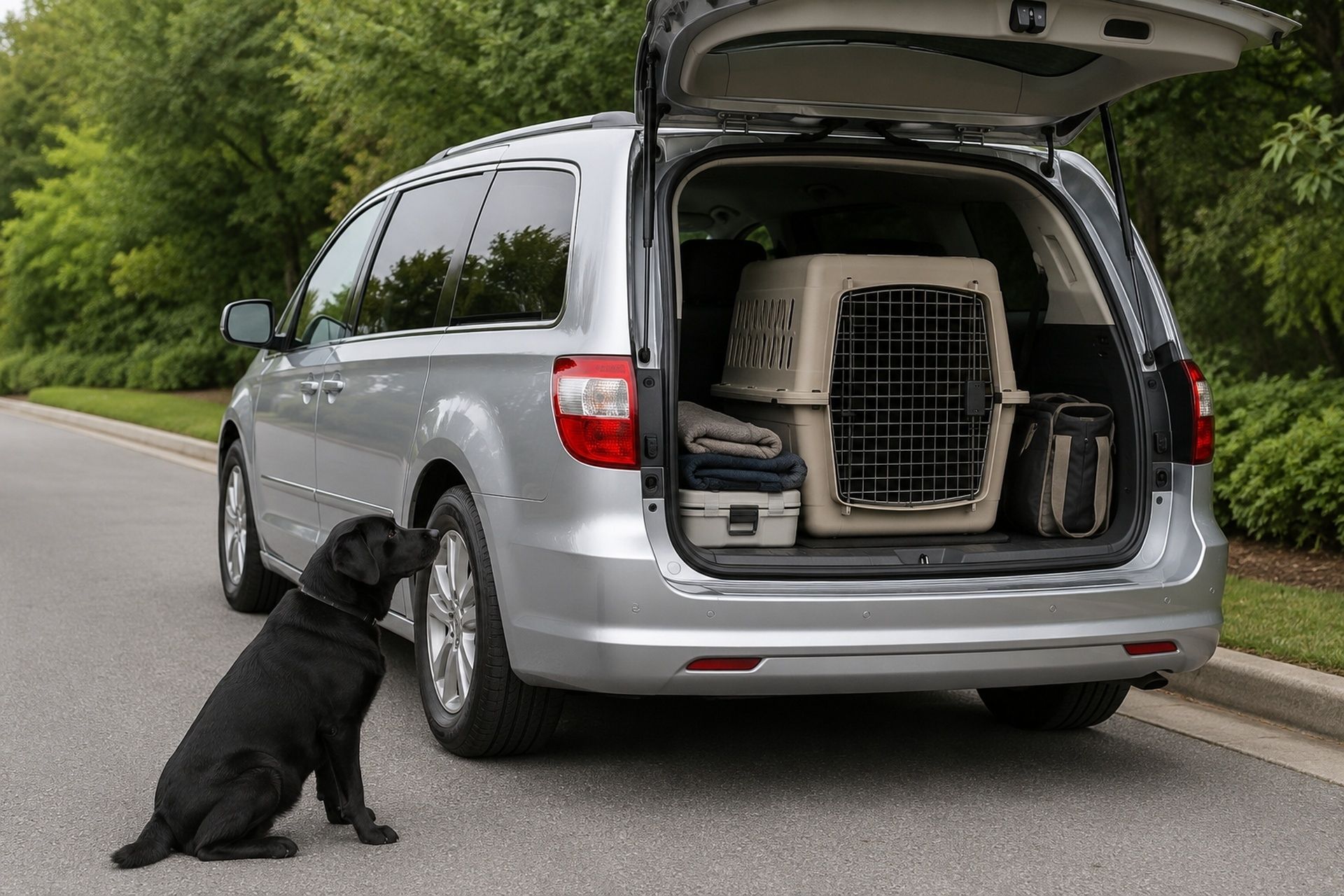
Your vehicles are the backbone of your operation, and Georgia's commercial auto insurance market reflects that. Commercial auto premiums in Georgia vary significantly based on vehicle type and usage, but expect to pay more than a standard commercial driver because you're hauling live cargo.
A commercial auto policy covers liability if you cause an accident, plus physical damage to your own vehicle. But here's a gap many operators miss: if you or your employees ever use personal vehicles for business purposes, or if you hire independent contractors who drive their own cars, you need hired and non-owned auto coverage. Without it, an accident in a personal vehicle on a business run creates a coverage gap that could bankrupt you.
Georgia commercial auto rates have been climbing steadily over the past few years, driven by higher repair costs and more frequent claims. Budget accordingly.
Animal Bailee and Inland Marine Protections
This is where pet transport insurance diverges from generic commercial coverage. Animal bailee insurance covers animals that are temporarily in your care, custody, and control. If a dog escapes during a rest stop, a cat is injured in transit, or an animal dies due to a vehicle malfunction, bailee coverage responds.
Inland marine insurance (despite the confusing name, it has nothing to do with boats) covers property in transit. For pet transporters, this can extend to the animals themselves, crates, specialized equipment, and veterinary supplies you carry in your vehicle.
These coverages are not included in standard commercial auto or general liability policies. You have to add them specifically, and not every insurance market offers them. Working with an agency that specializes in pet-industry risks, like Pet Professional Insurance Agency, makes finding these coverages significantly easier. Their intake forms are built specifically for pet businesses, so you're not trying to explain your operation to an agent who's never heard of animal bailee coverage.
General Liability vs. Professional Liability Needs
General liability covers third-party bodily injury and property damage: a client trips over a crate at your facility, or your employee damages a customer's property during pickup. Professional liability (sometimes called errors and omissions) covers claims arising from your professional services: you delivered the wrong animal, missed a medication schedule, or failed to follow specific transport instructions.
| Coverage Type | What It Covers | Example Claim | Typical Limits |
|---|---|---|---|
| General Liability | Third-party injury, property damage | Client's child bitten during pickup | $500K - $2M |
| Professional Liability | Errors in professional service delivery | Wrong pet delivered to wrong address | $250K - $1M |
| Animal Bailee | Animals in your care/custody/control | Dog injured during highway transport | $5K - $50K per animal |
| Commercial Auto | Vehicle accidents, liability, physical damage | Collision during interstate transport | State min - $1M |
Most pet transport businesses need both general and professional liability. Skipping professional liability is a common mistake I see with newer operations, and it's exactly the kind of claim that ends up being the most expensive.
Comparison of Coverage Tiers and Limits
Not every pet transport operation needs the same level of coverage. A solo operator running local pet taxi rides within metro Atlanta has different risk exposure than a company coordinating cross-country breed relocations.
A basic tier might include commercial auto at state minimums, $500,000 in general liability, and minimal bailee limits. This works for very small, local operations but leaves significant gaps. A mid-tier setup bumps commercial auto to $500,000, general liability to $1 million, adds professional liability, and includes animal bailee coverage with per-animal limits of $10,000 to $25,000. A comprehensive tier, appropriate for interstate operations or businesses handling high-value animals, includes $1 million in commercial auto, $2 million aggregate general liability, professional liability, bailee coverage up to $50,000 per animal, and inland marine for equipment.
Pet business insurance costs in Georgia
typically range from a few hundred to several thousand dollars annually depending on the coverages selected. The jump from basic to mid-tier is often surprisingly affordable, and the protection difference is enormous.
Factors Influencing Insurance Premiums in Georgia
Your premium isn't arbitrary. Insurers evaluate specific risk factors, and understanding them gives you some control over what you pay.
Operational Radius and Mileage Considerations
A pet transporter operating within a 50-mile radius of Savannah presents a very different risk profile than one running Atlanta-to-Miami routes weekly. Interstate operations mean more highway miles, more jurisdictions, and higher exposure. Insurers price accordingly.
Annual mileage matters too. If your vehicles log 40,000+ miles per year, expect higher premiums than an operation running 15,000 miles. Some carriers offer tiered pricing based on radius: local, regional, and national. Keeping accurate mileage records can help you avoid overpaying if your actual usage is lower than what your policy assumes.
Vehicle Safety Modifications and Climate Control Systems
Here's where you can actually reduce your premiums. Vehicles equipped with GPS tracking, dash cameras, backup cameras, and commercial-grade climate control systems are viewed as lower risk. Temperature monitoring systems that alert you to HVAC failures are particularly valued by underwriters because heat-related animal deaths are among the most expensive and reputation-damaging claims in the industry.
Crate anchoring systems, partition walls, and ventilation upgrades all signal to insurers that you take animal safety seriously. Document these modifications when applying for coverage. An agency like Pet Professional Insurance Agency understands which modifications actually move the needle on pricing because they work with specialty markets that evaluate these factors daily.
Common Questions About Georgia Pet Transport Insurance
Do I need special insurance if I only transport pets occasionally as part of my grooming or boarding business? Yes. Your general business policy likely excludes coverage for animals in transit. Even occasional transport creates a care-custody-and-control exposure that needs specific coverage.
Does my personal auto insurance cover me if I use my car for pet transport? Almost never. Personal auto policies exclude commercial use. One claim denial is all it takes to learn this lesson the expensive way.
How quickly can I get proof of insurance for a new pet transport business in Georgia? Most specialty agencies can turn around a certificate of insurance within 24 to 48 hours once your application is complete. Pet Professional Insurance Agency is known for this kind of turnaround.
Are there separate requirements for transporting exotic animals versus dogs and cats? Georgia has additional regulations for exotic and wild animals that go beyond standard companion animal rules. You'll likely need higher coverage limits and may need specialized endorsements.
What happens if an animal dies during transport and I don't have bailee coverage? You're personally liable for the animal's value, veterinary costs, and potentially emotional distress damages. For a high-value breed, this can easily exceed $10,000 to $20,000.
Is workers' compensation required for pet transport employees in Georgia? Georgia requires workers' comp for businesses with three or more employees. Even with fewer, carrying it protects you from employee injury lawsuits.
Before You Buy a Policy
Getting pet transportation insurance right in Georgia means understanding that no single policy covers everything. You need a combination of commercial auto, general liability, professional liability, and animal-specific coverages like bailee and inland marine. The state's regulatory environment is tightening, with the GDA actively updating its animal protection rules, so compliance isn't optional.
Start by documenting your operation clearly: routes, vehicle specs, safety equipment, number of animals per trip, and the types of animals you handle. This information directly affects your coverage options and pricing. Then work with an agency that actually understands pet-industry risks rather than trying to fit your business into a generic commercial template.
Index
Pet Professional Insurance Agency is fully licensed and permitted to provide commercial insurance solutions for pet businesses across 12 states.
We proudly serve pet professionals throughout the Northeast, Mid-Atlantic, and Southeast. Powered by Joyce Insurance Agency, our team works with leading specialty carriers — including The Hartford, USLI, Nautilus, and Northland — to make sure veterinarians, groomers, boarding facilities, and pet-care businesses receive coverage that fits their real risks in Connecticut, Delaware, Georgia, Kentucky, Massachusetts, New Jersey, New York, North Carolina, Pennsylvania, South Carolina, Tennessee, and Virginia.
About the author
Barnaby Joyce
Founder, Pet Professional Insurance Agency · Licensed Insurance Producer
I started Pet Professional Insurance Agency because I watched pet businesses get handed generic policies that never fit. After years of placing coverage for veterinary practices, grooming salons, doggy daycares, and kennels through a generalist agency, I saw the same gaps over and over — and the same blank stares when an owner tried to explain care, custody, and control to an agent who had never insured an animal in their life.
So I built an agency that does one thing. I work directly with specialty carriers who actually want pet-industry risk, and I sit down with every client personally. You will not get a call center or a chatbot. You will get someone who already speaks your language and shops the market on your behalf. That is the whole idea.
Recommended coverages
Coverages that pair with general liability.
Most pet businesses build on general liability with the lines below. Explore each — every page cross-links to the
industries we serve.
Services & advice
Professional Liability / E&O
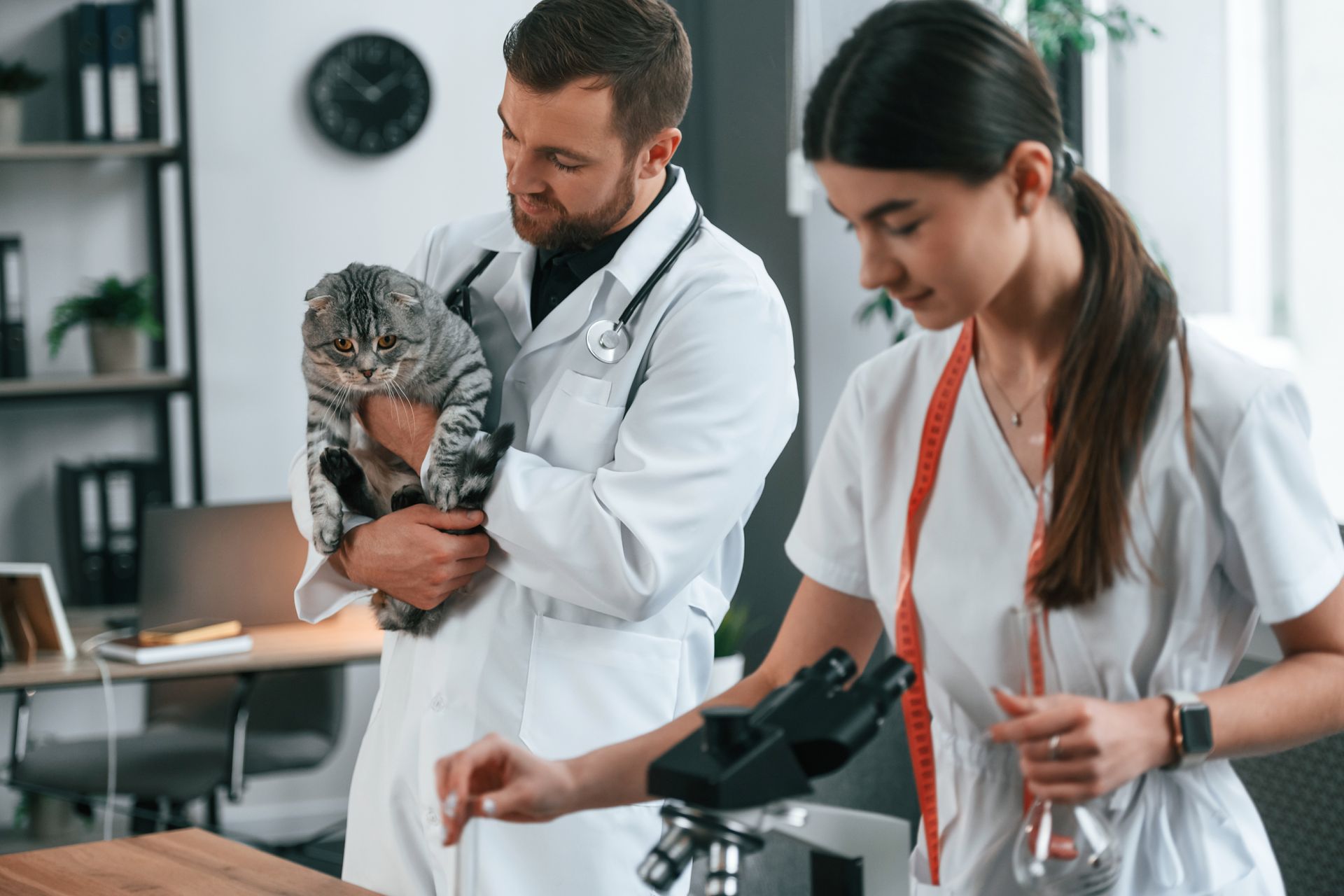
Covers claims tied to your professional services and advice — clinical care, training guidance, and the judgment calls you make daily.
The pet-industry gap
Care, Custody & Control
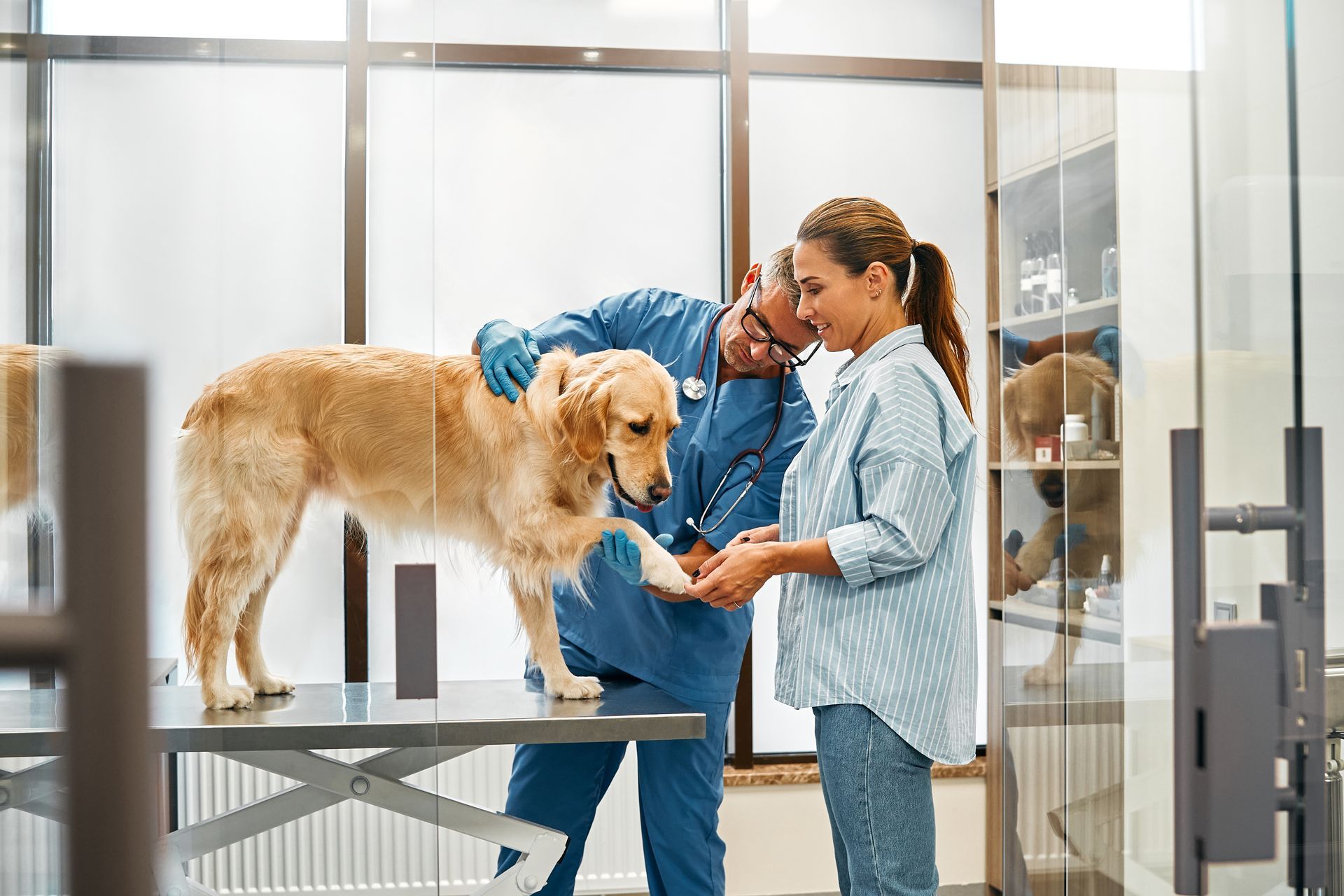
Covers the animals in your charge against injury, illness, or loss — the critical exposure standard liability policies leave out.
Bundled & cost-effective
Business Owners Policy (BOP)
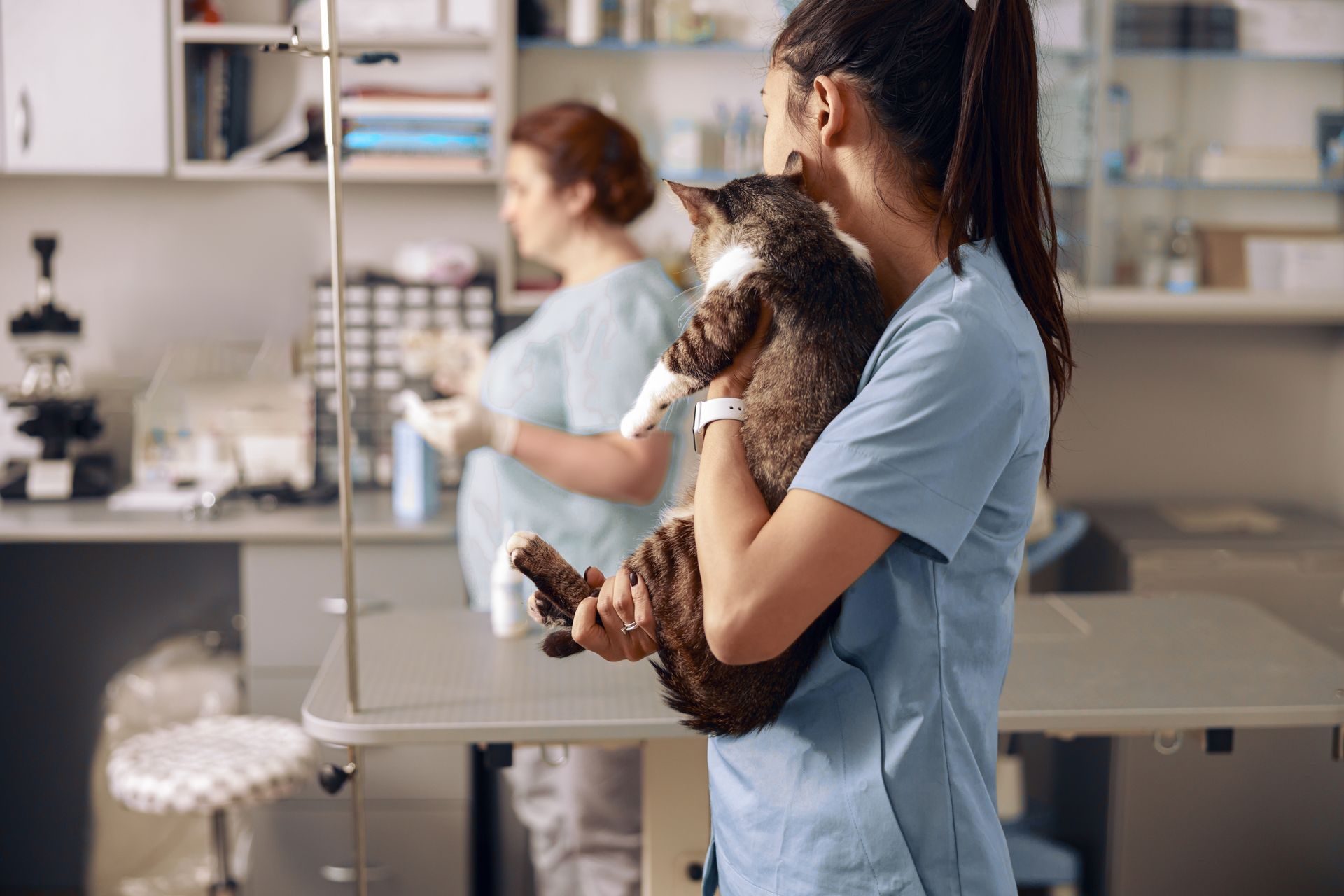
Bundles property and general liability into one package built for small to mid-sized pet businesses — often the simplest base.
Your building & contents
Commercial Property
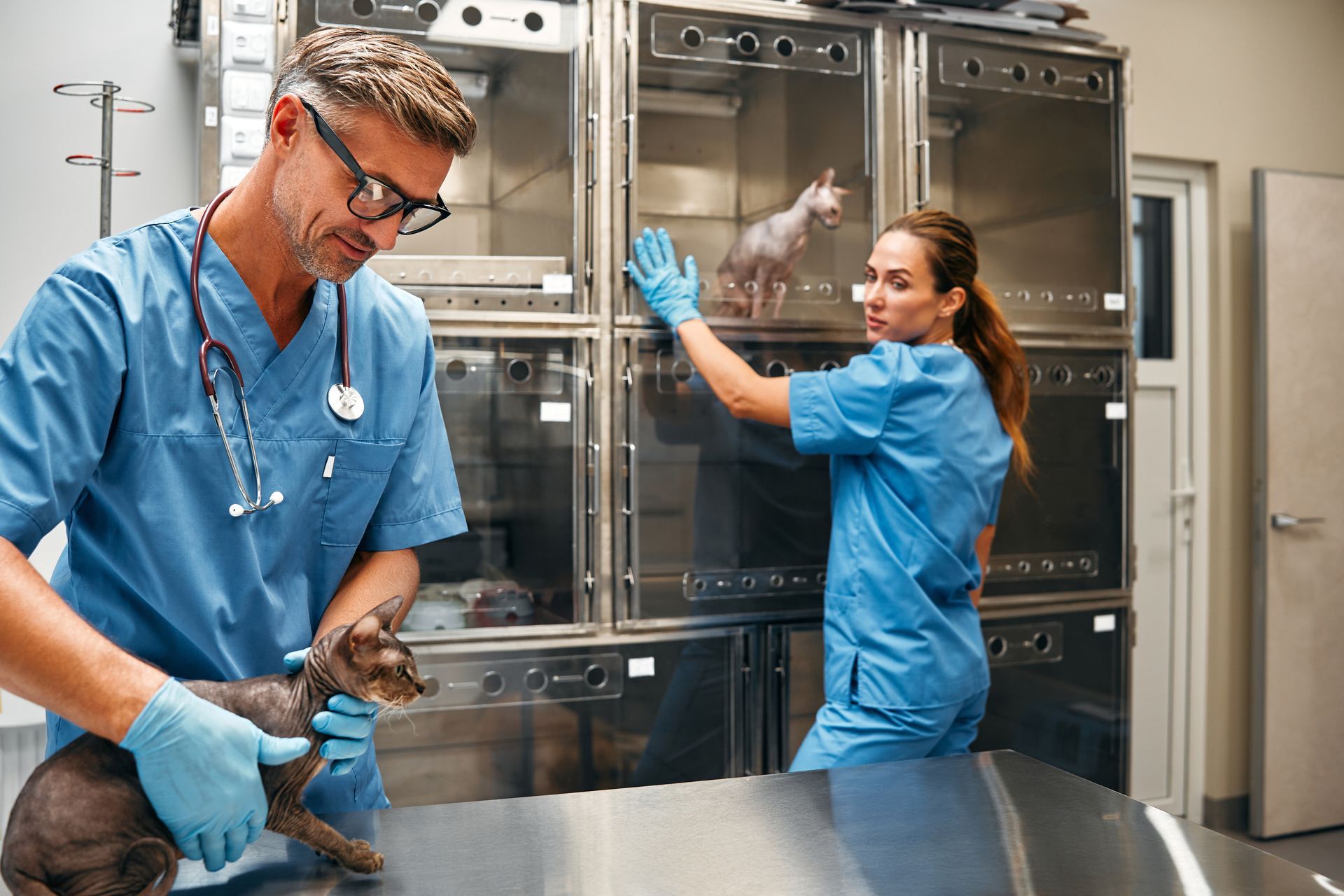
Protects your building, build-out, equipment, and inventory against fire, theft, and covered losses — front desk to back room.
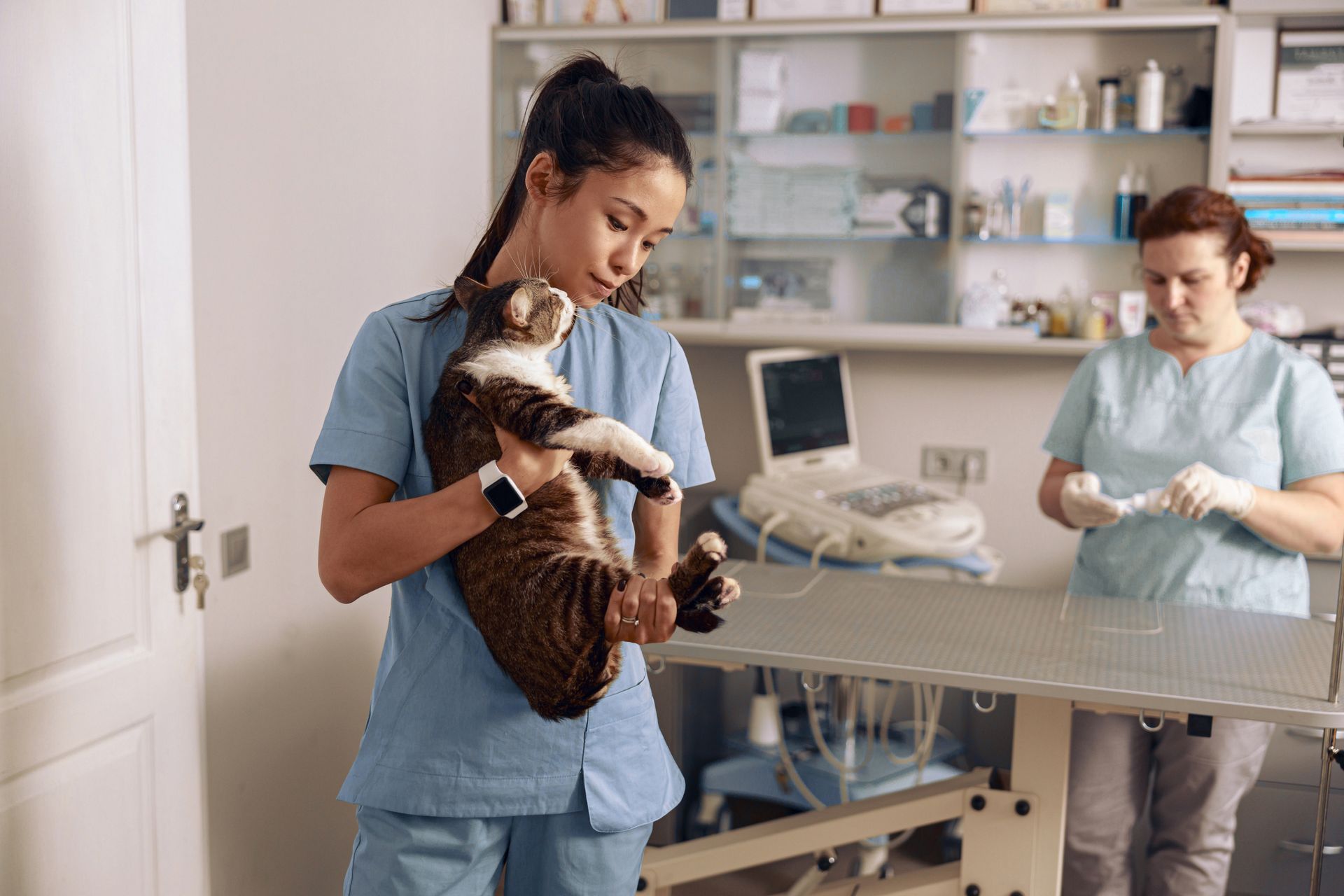
For your team
Workers’ Compensation
Covers medical costs and lost wages when a team member is hurt on the job — required in most states once you have employees.
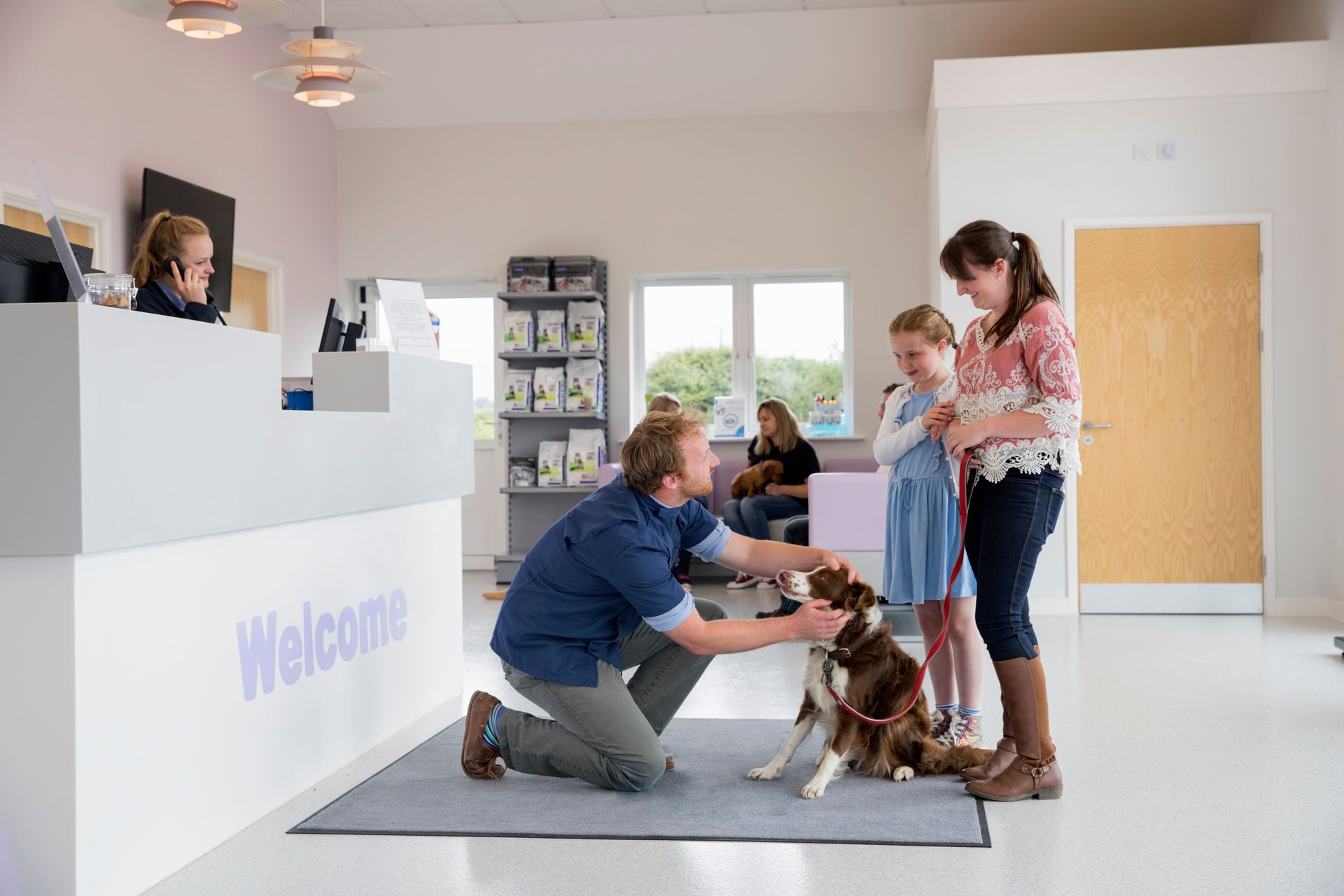
Extra protection
Commercial Umbrella
Adds liability limits above your primary policies for catastrophic claims that exceed standard coverage.
Coverage availability and terms vary by carrier and state. We recommend the right mix for your operation once we talk.
Industries we serve
Built for the businesses that care for animals.
General liability is the baseline for every segment we specialize in. Find the page built for your business.
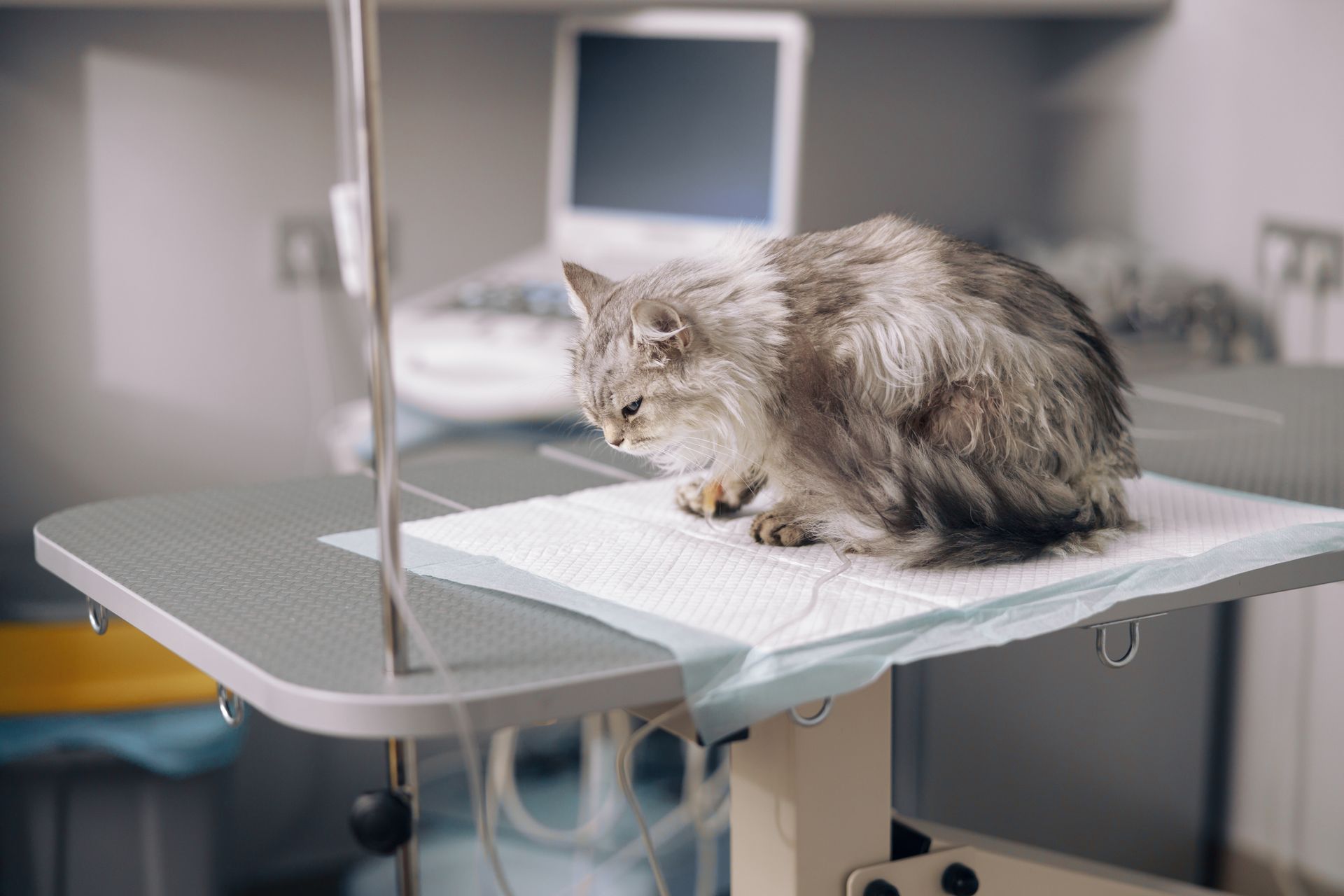
Clinical · high exposure
Veterinarians & Animal Hospitals
Professional and general liability, property, and workers’ comp for clinical operators with high exposure.
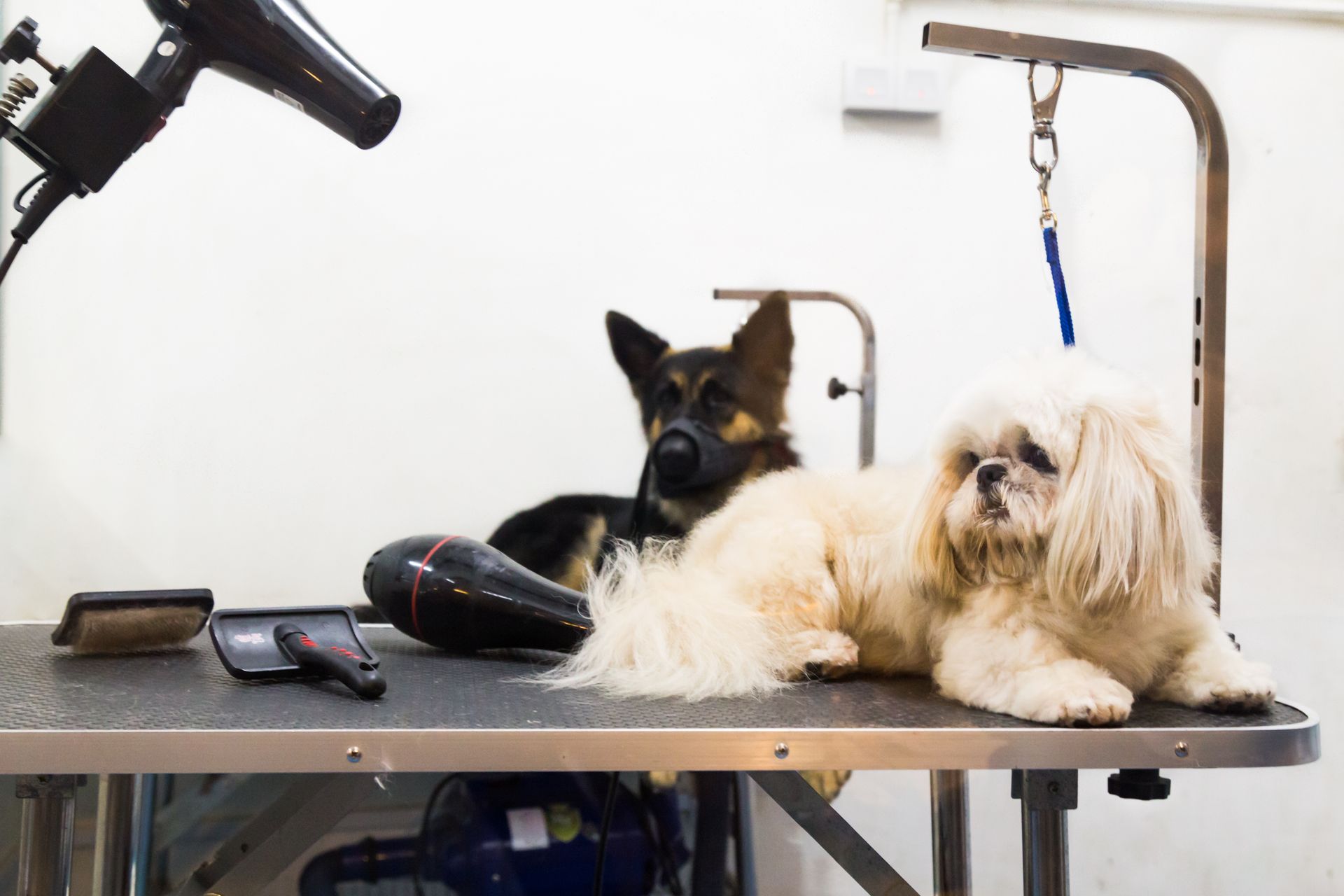
Hands-on · small business
Pet Groomers
Practical protection for animal handling, equipment, and the day-to-day of the grooming table, shop or mobile.
Safety-forward · overnight
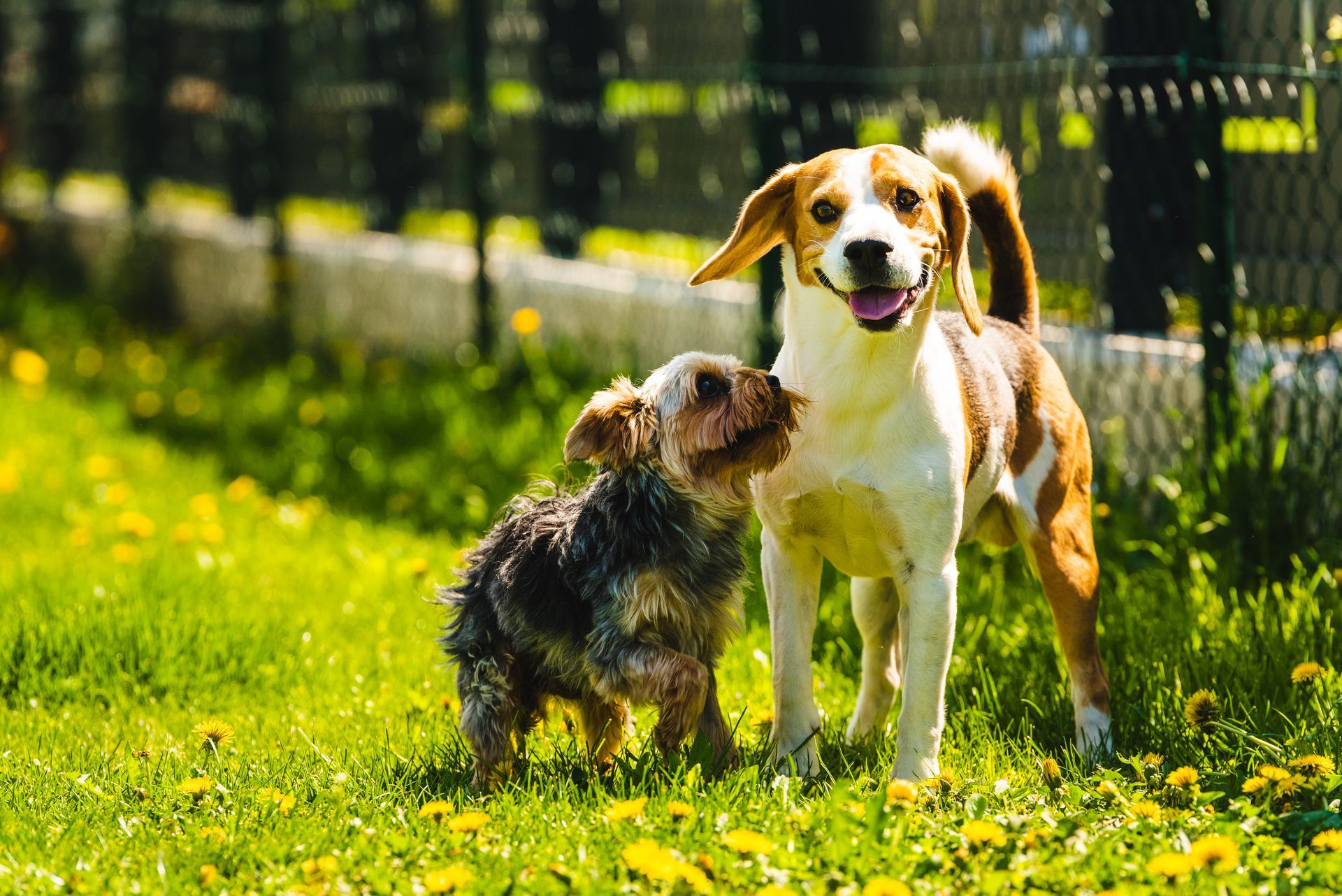
Doggy Daycare & Boarding
Coverage matched to facilities responsible for animals overnight and all day long.
Our reviews
Trusted by pet professionals.
See what owners say about working with a specialist who already understands their business.
Frequently asked
Questions pet pros ask us.
What kinds of pet businesses do you insure?
We insure businesses across the animal-care industry — veterinarians and animal hospitals, groomers, doggy daycares and boarding facilities, kennels and trainers, pet sitters and dog walkers, and pet stores. We also cover breeders, equine operations, pet transporters, shelters and rescues, pet photographers, and aquariums or wildlife facilities.
If your work involves caring for, handling, or selling animals, there is a strong chance we cover it. Tell us what you do and we will confirm.
What is care, custody, and control coverage, and why does it matter?
Care, custody, and control coverage protects you when an animal in your charge is injured, becomes ill, or is lost while in your care. Standard general liability policies often exclude this exact exposure, which leaves a serious gap for pet businesses.
For groomers, boarders, sitters, and clinics, this is one of the most important coverages you can carry. We make sure it is in place and sized to your operation.
How is an independent agency different from buying direct from a carrier?
A direct carrier sells you its own single policy. As an independent agency, we shop multiple specialty insurers and compare programs to find the coverage that fits your business and budget.
That means you get options instead of one quote, and an advocate who works for you, not the carrier. We also handle the renewals and claims support over the life of your policy.
How fast can I get a quote?
Most clients get quoted within one business day. Our industry-specific intake forms collect the right details up front, so we can take your information straight to the carriers without a long back-and-forth.
Need it sooner? Call a specialist directly at (346) 738-7297 and we will move quickly.
Which states do you serve?
We are licensed and actively writing coverage in 12 states: Connecticut, Delaware, Georgia, Kentucky, Massachusetts, New Jersey, New York, North Carolina, Pennsylvania, South Carolina, Tennessee, and Virginia.
We continue to add states as we grow. If you operate outside this list, reach out and we will let you know our latest footprint.
From the blog
Coverage notes for pet professionals.
Plain-language risk tips and coverage explainers, written for owners — not insurance pros.
Speak with a specialist
Let's find the right coverage for your business.
No quote bots, no funnel. Talk to a real pet-insurance specialist who already understands your operation — and shops multiple markets on your behalf.
Call us
(346) 738-7297
Toll-free 845-250-5366
Email
service@petindustryins.com
Visit Us
2 Joyce Plaza
Stony Point, NY 10980