Coverage for veterinary practices
Connecticut Aquarium Insurance
Running an aquarium in Connecticut presents a unique mix of risks that most general insurance policies weren't designed to handle. A single life support system failure at 2 a.m. can wipe out hundreds of thousands of dollars in marine specimens before anyone notices. A child gets nipped at a touch tank, and suddenly you're facing a liability claim. Water damage from a cracked exhibit tank doesn't just affect the tank itself: it can destroy floors, walls, electrical systems, and neighboring tenant spaces. These aren't hypothetical scenarios. They're the kinds of calls insurance agents who work with aquatic facilities receive regularly. If you operate an aquarium or marine exhibit in Connecticut, understanding the right insurance coverage, what the state requires, and what it actually costs is essential to keeping your doors open and your animals alive. This guide breaks down coverage requirements, cost factors, and compliance details specific to CT aquarium operations so you can make informed decisions rather than expensive mistakes.
Understanding Aquarium Insurance Requirements in Connecticut
Connecticut regulates commercial insurance with some state-specific wrinkles that aquarium operators need to understand. One significant change taking effect October 1, 2026, is that Connecticut has repealed the "diligent effort" requirement under Public Act No. 26-69. Previously, agents had to demonstrate they'd attempted to place coverage in the standard market before going to surplus lines carriers. That requirement is going away, which means your agent can go directly to specialty markets that actually understand aquarium risks without jumping through bureaucratic hoops first.
This matters because aquarium insurance rarely fits neatly into standard commercial packages. Most standard carriers don't know how to underwrite a facility that houses live animals in complex water systems, welcomes the public for interactive experiences, and operates specialized equipment worth more than the building itself. The repeal of diligent effort streamlines the process of getting you to the right carrier faster.
General Liability for Public and Private Exhibits
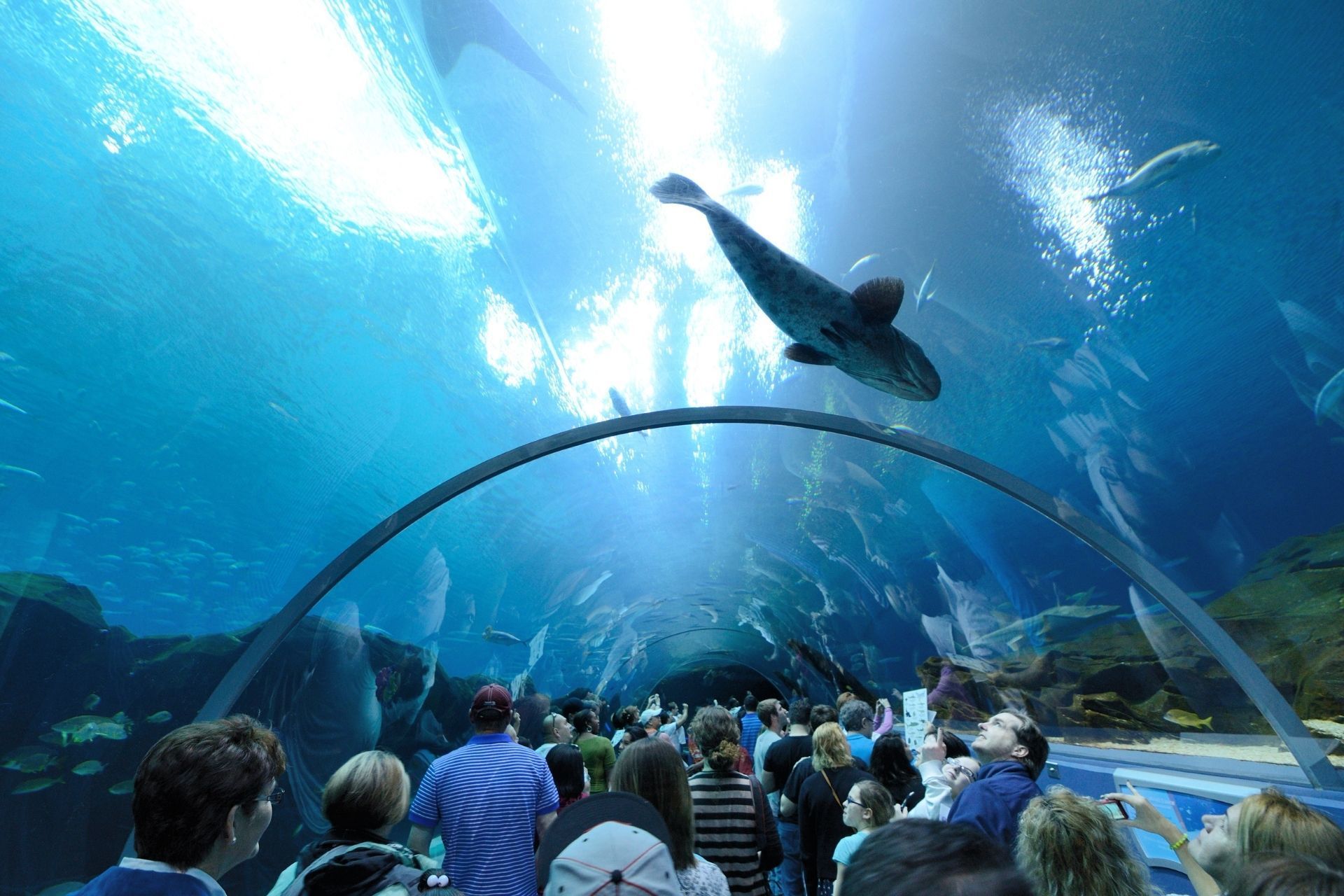
General liability is the foundation of any aquarium's insurance program, and Connecticut doesn't set a statutory minimum for GL coverage the way it does for auto insurance. That said, most landlords, lenders, and municipal permits will require at least $1 million per occurrence and $2 million aggregate.
Public-facing aquariums carry heavier liability exposure than private breeding or research facilities. Slip-and-fall claims near wet exhibit areas are common. Animal bites or stings at interactive exhibits create another layer of risk. If your facility hosts school groups, birthday parties, or behind-the-scenes tours, each of those activities expands your liability profile. A solid GL policy should cover bodily injury, property damage to third parties, and personal/advertising injury. One thing to keep in mind: standard GL policies often exclude care, custody, and control of animals belonging to others, so if you board or rehabilitate marine animals for third parties, you'll need that gap addressed explicitly.
Connecticut Workers' Compensation Mandates
Connecticut requires workers' compensation coverage for virtually all employers, with very few exceptions. If you have even one employee, you need a policy. This isn't optional, and the penalties for non-compliance include fines up to $50,000 and potential criminal charges.
Aquarium employees face workplace hazards that bump up workers' comp classification codes and premiums. Divers cleaning tanks risk decompression injuries. Staff handling venomous species face envenomation. Even routine maintenance around high-voltage life support systems and wet environments creates electrocution risks. Your workers' comp rates will reflect these exposures, so accurate job classification is critical. Misclassifying a diver as general office staff might save money initially, but an audit will catch it and the back-premiums plus penalties will hurt far more.
Essential Coverage Types for Aquatic Facilities
Beyond the basics of GL and workers' comp, aquariums need several specialized coverages that most business owners don't encounter. These aren't add-ons for the paranoid: they're policies that experienced aquarium operators consider non-negotiable after learning hard lessons.
Animal Mortality and Life Support System Failure
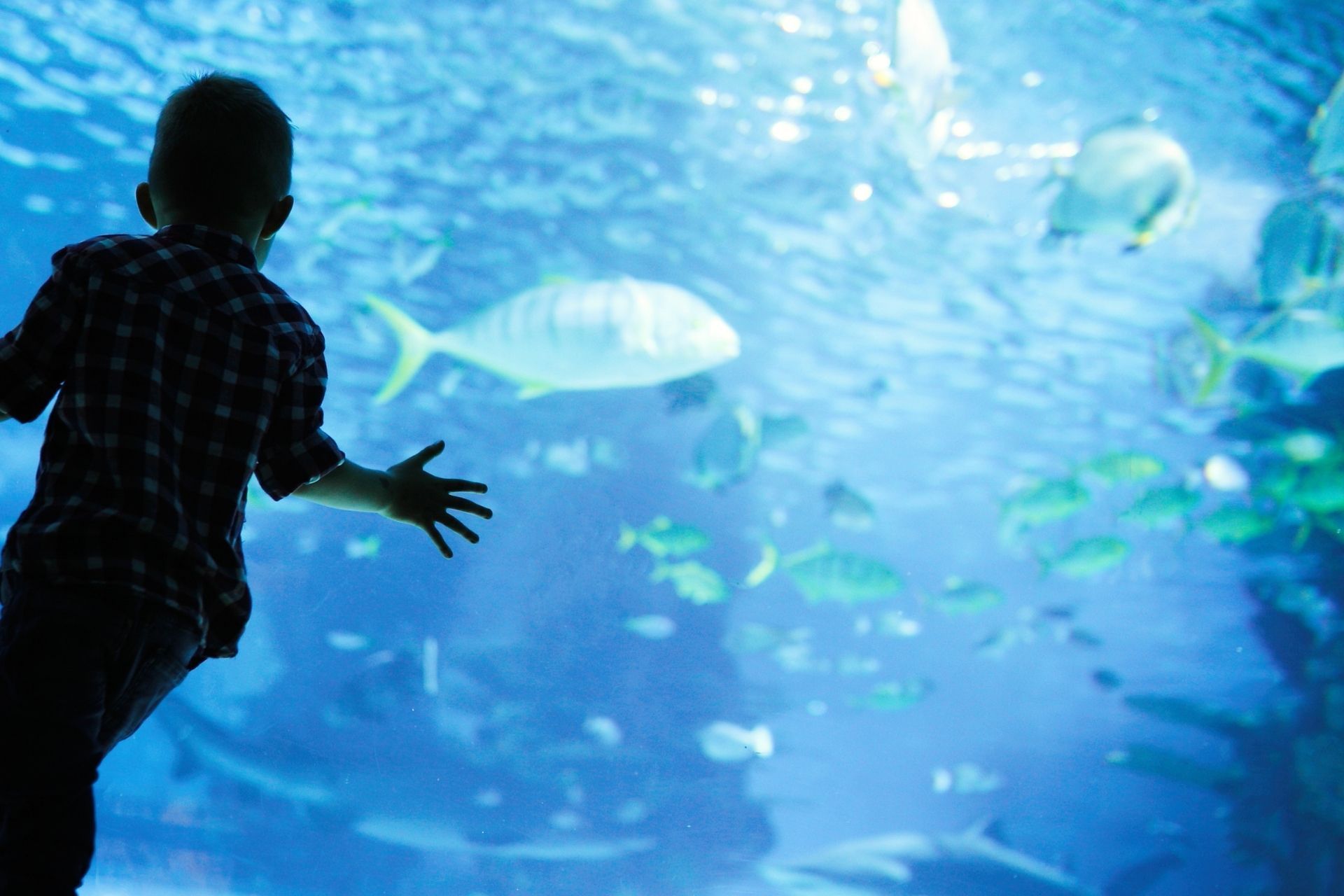
Your marine specimens are likely your most valuable and irreplaceable assets. A collection of healthy coral, rare fish species, or marine mammals can represent an investment of hundreds of thousands of dollars. Animal mortality insurance covers the death of these specimens from covered perils, including disease, accident, and equipment failure.
The critical companion to mortality coverage is equipment breakdown insurance. Life support systems, including pumps, chillers, UV sterilizers, protein skimmers, and backup generators, are the only things standing between your collection and catastrophe. A cracked aquarium or equipment failure can trigger losses that go far beyond the cost of the equipment itself. When a chiller fails on a July weekend, water temperatures can spike lethally within hours. Equipment breakdown coverage pays for the repair or replacement of the failed equipment and often covers the resulting loss of specimens, spoilage, and business interruption.
Commercial Property and Water Damage Endorsements
Standard commercial property policies often contain exclusions or sublimits for water damage that can leave aquarium operators dangerously underinsured. Think about it: your entire business model involves containing thousands of gallons of water inside a building. When containment fails, the damage is immediate and severe.
You'll want to confirm your property policy addresses water damage from internal sources, not just external flooding. A 500-gallon tank rupture that destroys flooring, drywall, and electrical systems in a leased retail space could easily generate $100,000 or more in property damage claims. Flood insurance through the NFIP or private flood markets is a separate consideration, especially for coastal Connecticut facilities. Make sure your policy's water damage sublimits actually match your exposure: a $25,000 sublimit on a facility with 10,000 gallons of exhibit water is essentially decorative.
Comparing Coverage: Basic vs. Comprehensive Plans
Not every aquarium needs the same insurance program. A small retail fish store with a few display tanks has different needs than a 50,000-square-foot public attraction. Here's how basic and comprehensive plans typically differ.
Coverage Comparison Table
| Coverage Element | Basic Plan | Comprehensive Plan |
|---|---|---|
| General Liability | $1M/$2M limits | $1M/$2M + $5M umbrella |
| Property Coverage | Building and contents | Building, contents, exhibits, life support |
| Animal Mortality | Not included | Covered with scheduled values |
| Equipment Breakdown | Not included | Full coverage including spoilage |
| Water Damage Sublimit | $25,000-$50,000 | $250,000+ or no sublimit |
| Business Interruption | Basic form, 30-day limit | Extended, 90-180 day limit |
| Workers' Comp | Included (state-required) | Included (state-required) |
| Professional Liability | Not included | Included for consulting/education |
| Hired/Non-Owned Auto | Not included | Included for specimen transport |
| Typical Annual Premium | $3,000-$8,000 | $15,000-$50,000+ |
The gap between these two tiers is where most claim disputes happen. Operators who carry basic coverage often discover the gaps only after a loss, when it's too late to fix them.
Factors Influencing Insurance Costs in CT
Premiums for aquarium insurance in Connecticut vary widely based on several risk factors. Understanding what drives your costs gives you the ability to manage them proactively rather than just accepting the first number you see.
Facility Size and Annual Visitor Volume
A 2,000-square-foot private breeding facility with no public access is a fundamentally different risk than a 30,000-square-foot public aquarium welcoming 200,000 visitors per year. Underwriters look at total square footage, number and size of exhibits, total water volume, and annual visitor count as primary rating factors.
Higher visitor volume means more slip-and-fall exposure, more potential animal interaction incidents, and greater business interruption costs if you have to close. Facilities with annual attendance above 100,000 visitors typically see GL premiums that are three to five times higher than similar-sized facilities with limited public access. Your location within Connecticut matters too: a facility in downtown Mystic with high foot traffic carries different premises liability exposure than a rural research facility in Litchfield County.
Specialized Risks: Touch Tanks and Diving Programs
Touch tanks and dive programs are two of the biggest premium drivers for aquariums, and for good reason. Touch tanks invite the public to physically interact with live animals, creating a direct path to both bodily injury claims and animal mortality losses. Children can be rough with specimens, and even docile species like horseshoe crabs and sea stars occasionally cause allergic reactions.
Dive programs, whether for staff maintenance or public dive experiences, introduce professional liability and heightened workers' comp exposure. USDA regulations also apply to facilities exhibiting certain marine mammals and other regulated species, and updated animal welfare inspection guidelines mean your facility could face scrutiny that affects both your licensing and your insurability. Carriers want to see documented safety protocols, trained staff, and incident response plans before they'll offer favorable terms on these higher-risk activities.
Common Questions About Aquarium Coverage
Does my homeowner's policy cover a home-based aquarium breeding operation? Almost certainly not. Home-based businesses involving animal breeding and sales are typically excluded from homeowner's policies. You'll need a separate commercial policy even for small-scale operations.
How are marine specimens valued for insurance purposes? Specimens are usually scheduled at agreed values based on replacement cost, which includes the purchase price plus shipping, acclimation, and quarantine costs. Rare or captive-bred specimens may require independent appraisals.
Can I bundle aquarium coverage with my pet retail store insurance? Yes, and it often makes sense to do so. An agency like Pet Professional Insurance Agency that specializes in pet-industry businesses can structure a program covering both your retail operations and aquarium exhibits under coordinated policies, which avoids coverage gaps between separate carriers.
Do I need separate pollution liability coverage? If your facility uses chemicals for water treatment or houses species that could be considered invasive, pollution liability is worth serious consideration. A chemical spill or accidental release into local waterways could generate significant cleanup and regulatory costs.
What happens if my backup generator fails during a power outage? Equipment breakdown coverage typically extends to backup generators. If the generator failure leads to specimen losses, both the equipment repair and animal mortality should be covered under a comprehensive plan. This is one reason marine attraction insurance programs specifically address cascading equipment failures.
Is business interruption coverage really necessary for a small aquarium? If closing your doors for two weeks would cause financial hardship, then yes. Business interruption pays for lost income and continuing expenses like rent and payroll while you're unable to operate due to a covered loss.
Making the Right Choice for Your Aquatic Business
Getting insurance right for a Connecticut aquarium means going beyond a standard business owner's policy and working with people who understand aquatic risks specifically. The difference between a $25,000 water damage sublimit and proper coverage could be the difference between rebuilding after a tank failure and closing permanently.
Start by documenting your total specimen value, water volume, equipment inventory, and visitor numbers. These are the data points underwriters need to give you accurate pricing. If you're unsure where your current coverage falls short, Pet Professional Insurance Agency works with multiple specialty markets that handle aquatic and marine exhibit risks, and their intake process is built around the specific exposures pet and animal businesses face. Most clients hear back within 24 to 48 hours.
Index
Pet Professional Insurance Agency is fully licensed and permitted to provide commercial insurance solutions for pet businesses across 12 states.
We proudly serve pet professionals throughout the Northeast, Mid-Atlantic, and Southeast. Powered by Joyce Insurance Agency, our team works with leading specialty carriers — including The Hartford, USLI, Nautilus, and Northland — to make sure veterinarians, groomers, boarding facilities, and pet-care businesses receive coverage that fits their real risks in Connecticut, Delaware, Georgia, Kentucky, Massachusetts, New Jersey, New York, North Carolina, Pennsylvania, South Carolina, Tennessee, and Virginia.
About the author
Barnaby Joyce
Founder, Pet Professional Insurance Agency · Licensed Insurance Producer
I started Pet Professional Insurance Agency because I watched pet businesses get handed generic policies that never fit. After years of placing coverage for veterinary practices, grooming salons, doggy daycares, and kennels through a generalist agency, I saw the same gaps over and over — and the same blank stares when an owner tried to explain care, custody, and control to an agent who had never insured an animal in their life.
So I built an agency that does one thing. I work directly with specialty carriers who actually want pet-industry risk, and I sit down with every client personally. You will not get a call center or a chatbot. You will get someone who already speaks your language and shops the market on your behalf. That is the whole idea.
Recommended coverages
Coverages that pair with general liability.
Most pet businesses build on general liability with the lines below. Explore each — every page cross-links to the
industries we serve.
Services & advice
Professional Liability / E&O
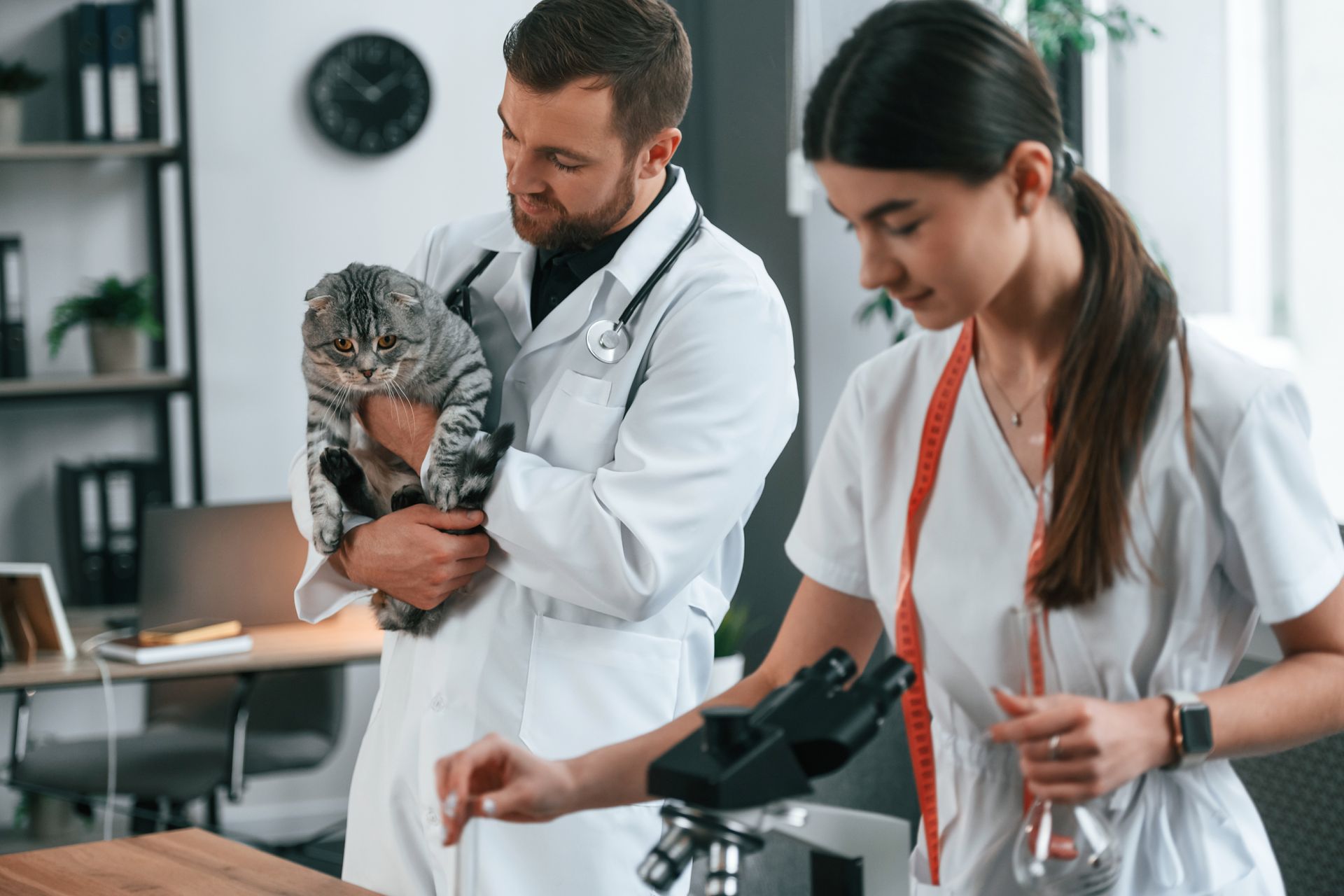
Covers claims tied to your professional services and advice — clinical care, training guidance, and the judgment calls you make daily.
The pet-industry gap
Care, Custody & Control
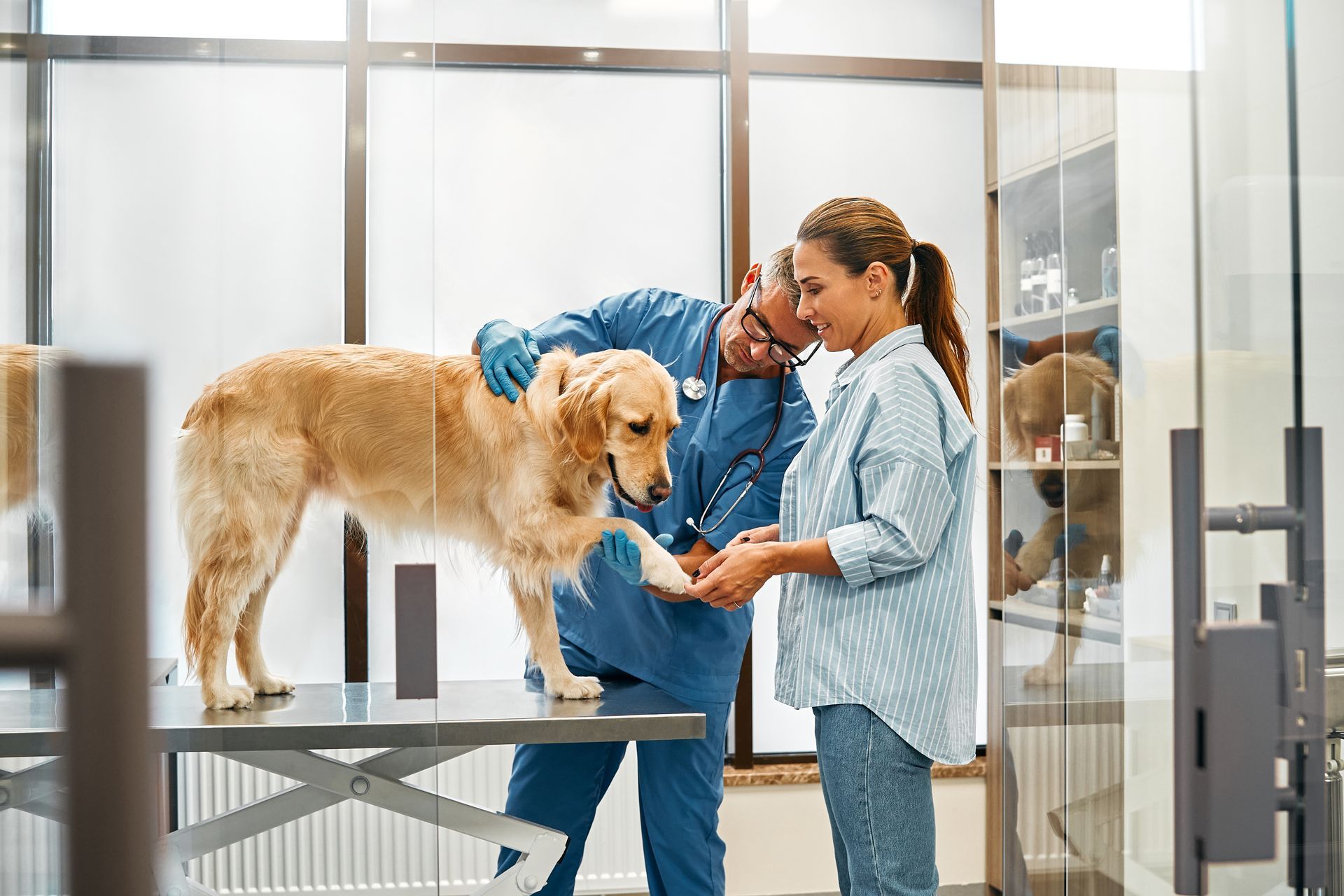
Covers the animals in your charge against injury, illness, or loss — the critical exposure standard liability policies leave out.
Bundled & cost-effective
Business Owners Policy (BOP)
Bundles property and general liability into one package built for small to mid-sized pet businesses — often the simplest base.
Your building & contents
Commercial Property
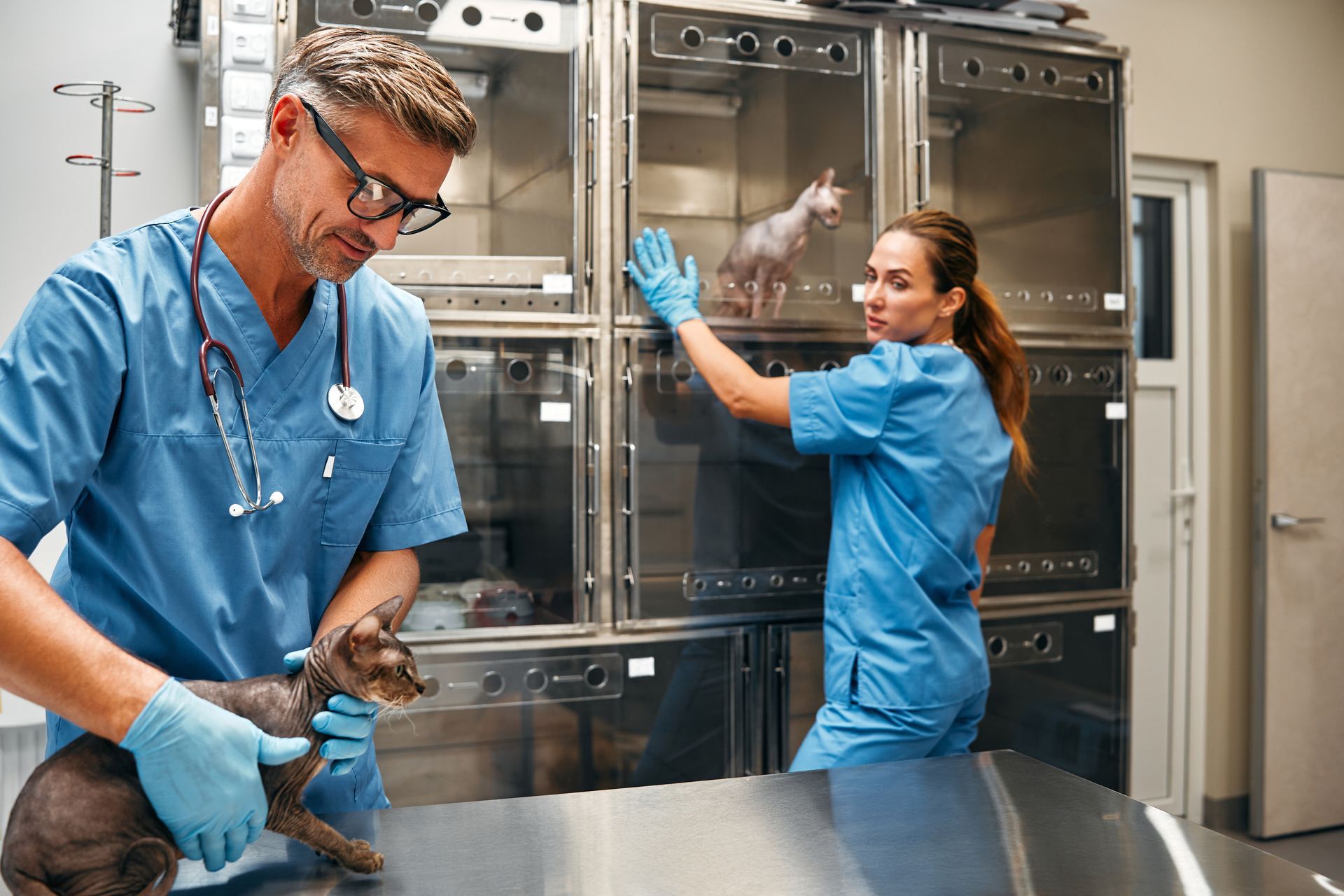
Protects your building, build-out, equipment, and inventory against fire, theft, and covered losses — front desk to back room.
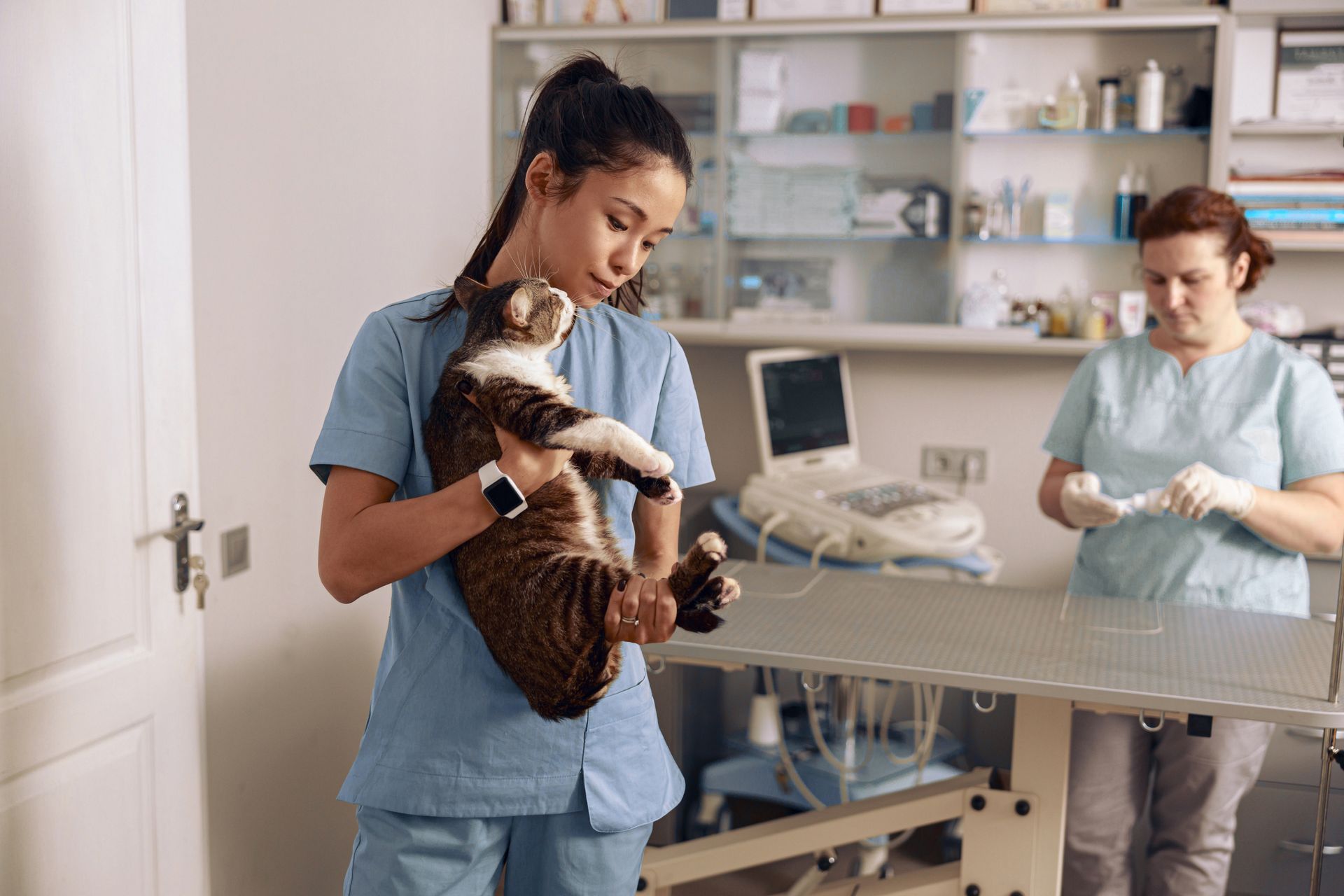
For your team
Workers’ Compensation
Covers medical costs and lost wages when a team member is hurt on the job — required in most states once you have employees.
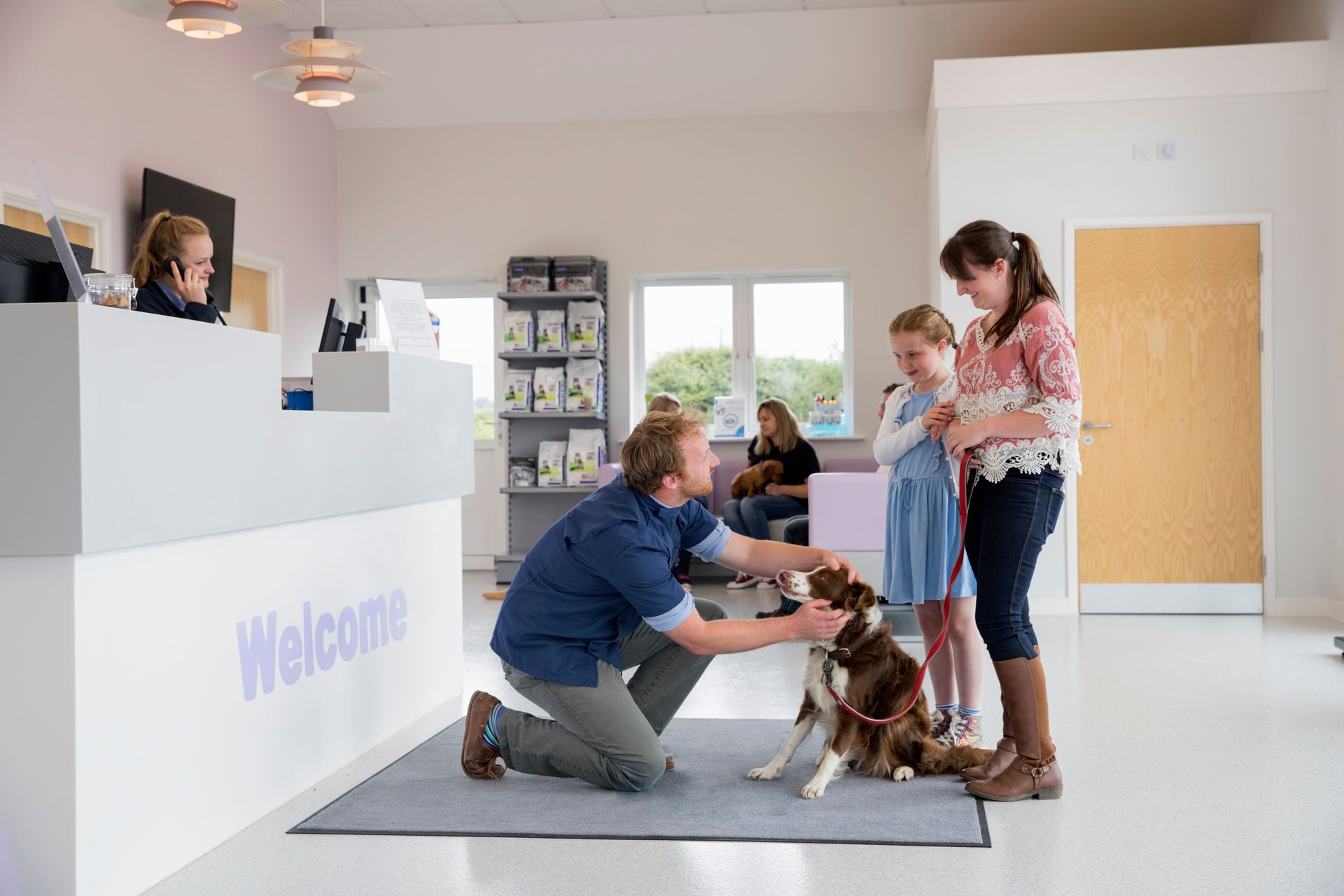
Extra protection
Commercial Umbrella
Adds liability limits above your primary policies for catastrophic claims that exceed standard coverage.
Coverage availability and terms vary by carrier and state. We recommend the right mix for your operation once we talk.
Industries we serve
Built for the businesses that care for animals.
General liability is the baseline for every segment we specialize in. Find the page built for your business.
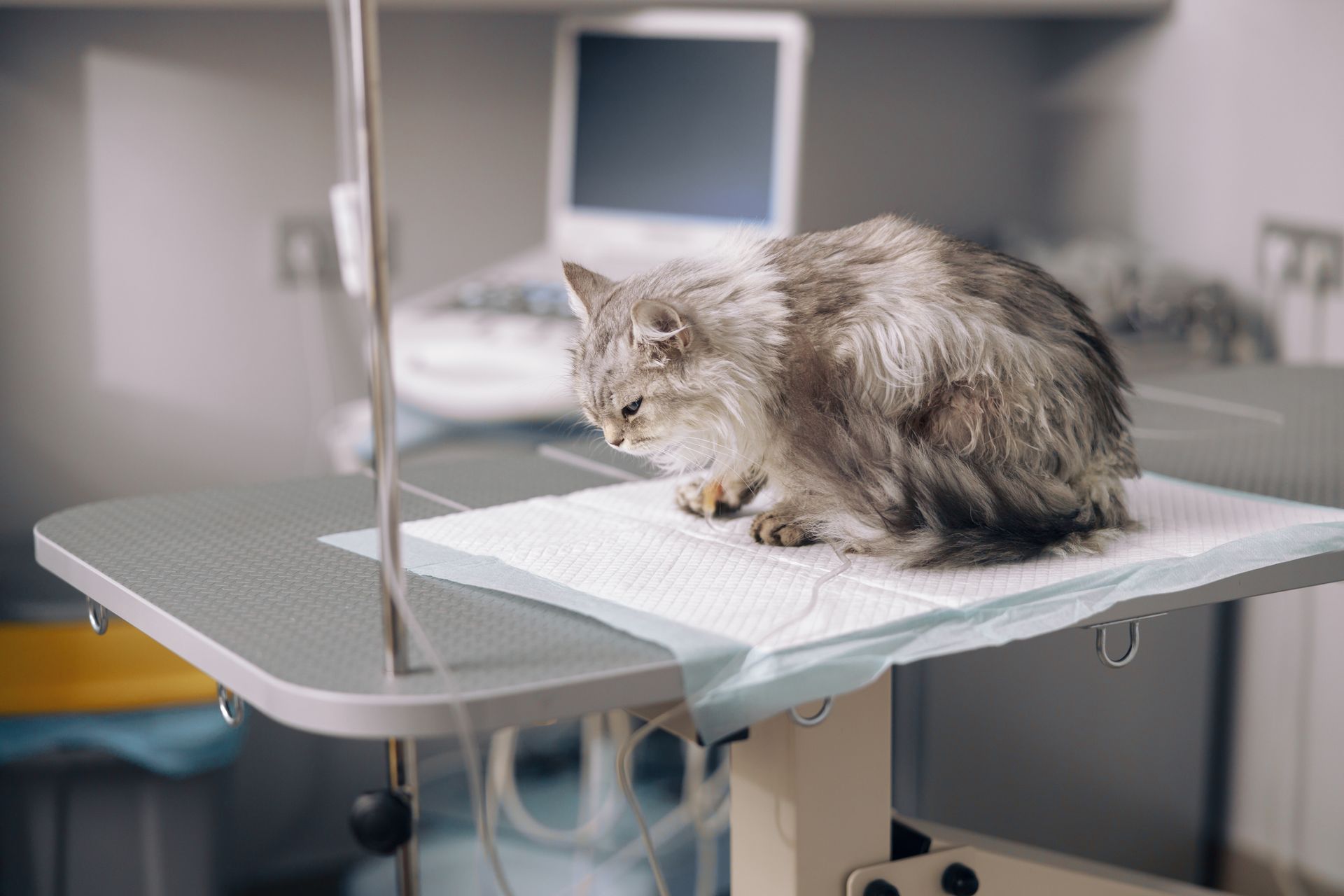
Clinical · high exposure
Veterinarians & Animal Hospitals
Professional and general liability, property, and workers’ comp for clinical operators with high exposure.
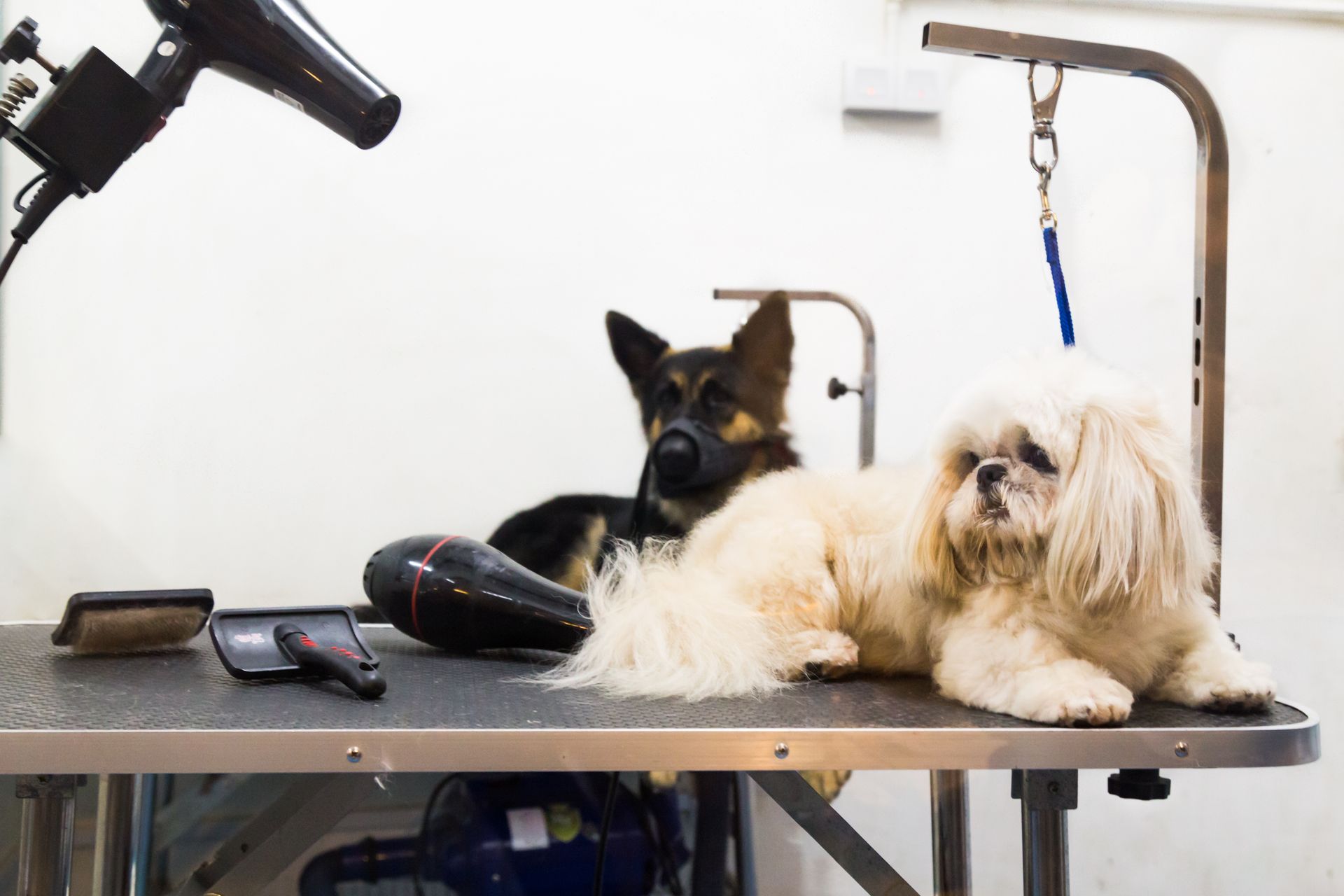
Hands-on · small business
Pet Groomers
Practical protection for animal handling, equipment, and the day-to-day of the grooming table, shop or mobile.
Safety-forward · overnight
Doggy Daycare & Boarding
Coverage matched to facilities responsible for animals overnight and all day long.
Our reviews
Trusted by pet professionals.
See what owners say about working with a specialist who already understands their business.
Frequently asked
Questions pet pros ask us.
What kinds of pet businesses do you insure?
We insure businesses across the animal-care industry — veterinarians and animal hospitals, groomers, doggy daycares and boarding facilities, kennels and trainers, pet sitters and dog walkers, and pet stores. We also cover breeders, equine operations, pet transporters, shelters and rescues, pet photographers, and aquariums or wildlife facilities.
If your work involves caring for, handling, or selling animals, there is a strong chance we cover it. Tell us what you do and we will confirm.
What is care, custody, and control coverage, and why does it matter?
Care, custody, and control coverage protects you when an animal in your charge is injured, becomes ill, or is lost while in your care. Standard general liability policies often exclude this exact exposure, which leaves a serious gap for pet businesses.
For groomers, boarders, sitters, and clinics, this is one of the most important coverages you can carry. We make sure it is in place and sized to your operation.
How is an independent agency different from buying direct from a carrier?
A direct carrier sells you its own single policy. As an independent agency, we shop multiple specialty insurers and compare programs to find the coverage that fits your business and budget.
That means you get options instead of one quote, and an advocate who works for you, not the carrier. We also handle the renewals and claims support over the life of your policy.
How fast can I get a quote?
Most clients get quoted within one business day. Our industry-specific intake forms collect the right details up front, so we can take your information straight to the carriers without a long back-and-forth.
Need it sooner? Call a specialist directly at (346) 738-7297 and we will move quickly.
Which states do you serve?
We are licensed and actively writing coverage in 12 states: Connecticut, Delaware, Georgia, Kentucky, Massachusetts, New Jersey, New York, North Carolina, Pennsylvania, South Carolina, Tennessee, and Virginia.
We continue to add states as we grow. If you operate outside this list, reach out and we will let you know our latest footprint.
From the blog
Coverage notes for pet professionals.
Plain-language risk tips and coverage explainers, written for owners — not insurance pros.
Speak with a specialist
Let's find the right coverage for your business.
No quote bots, no funnel. Talk to a real pet-insurance specialist who already understands your operation — and shops multiple markets on your behalf.
Call us
(346) 738-7297
Toll-free 845-250-5366
Email
service@petindustryins.com
Visit Us
8 Joyce Plaza
Stony Point, NY 10980