Coverage for veterinary practices
Pet Sitter Hired and Non-Owned Auto Insurance
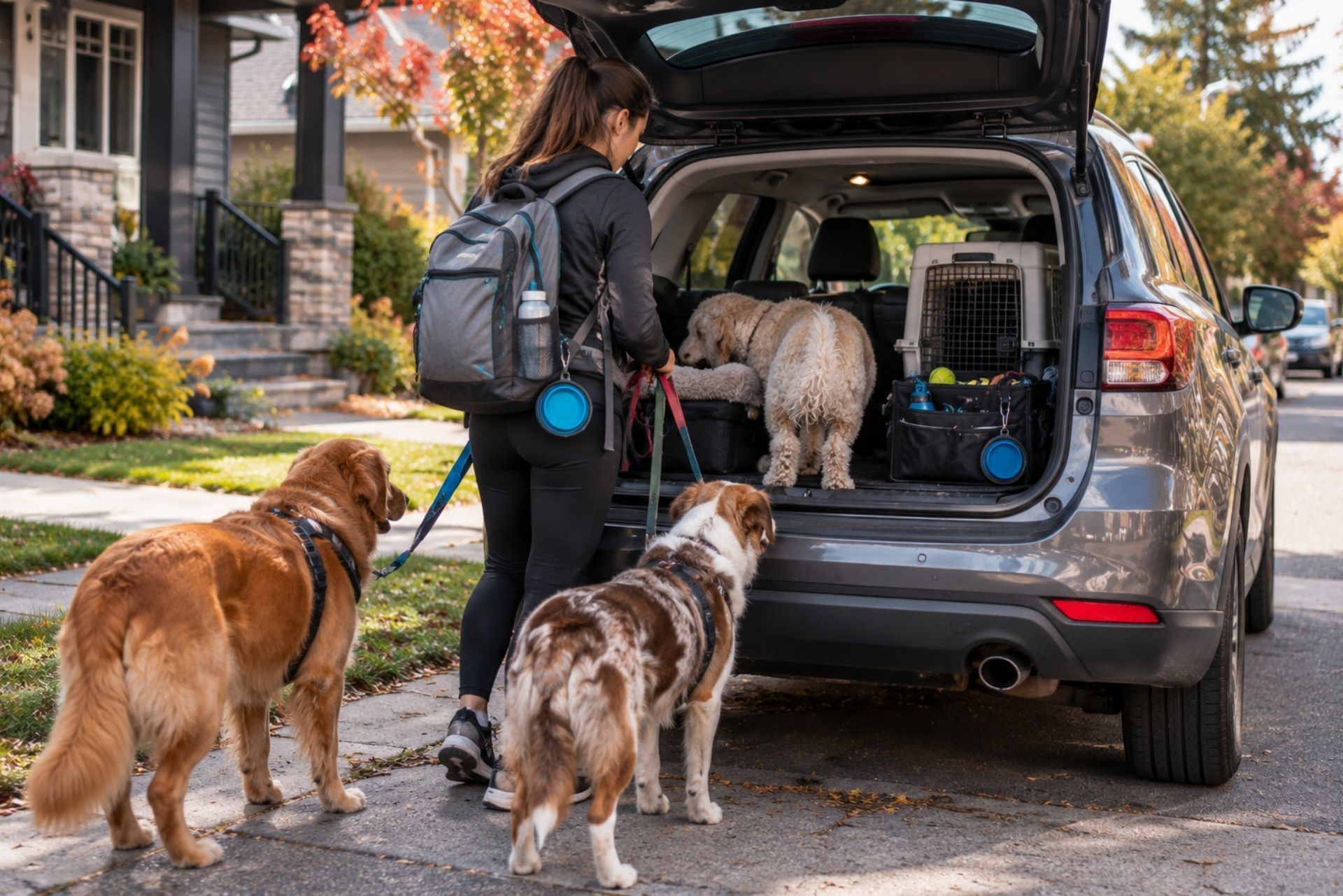
A dog walker loads three client pets into her SUV for a trip to the park. On the way, another driver runs a red light and slams into her passenger side. Two of the dogs are injured, the other driver's car is totaled, and the walker's personal auto insurer denies the claim because she was using her vehicle for business purposes. This scenario plays out more often than most pet professionals expect, and it exposes a coverage gap that can bankrupt a small operation overnight.
If you run a pet sitting or dog walking business and use any vehicle to transport animals, pick up supplies, or visit client homes, you need to understand how hired and non-owned auto (HNOA) insurance fills the gap between your personal auto policy and the real risks of driving for work. With pet care spending projected to hit $165 billion annually across roughly 95 million pet-owning households, the industry is growing fast, and so is the liability exposure for anyone behind the wheel with someone else's pet in the back seat.
This guide covers personal vehicle gaps, employee drivers, pets in transit, accidents, and the liability questions that keep pet business owners up at night.
Understanding Hired and Non-Owned Auto Insurance (HNOA)
HNOA is a type of liability coverage that protects your business when vehicles not titled to the company are used for business purposes. It's typically added as an endorsement to your general liability or business owner's policy rather than purchased as a standalone product. The "non-owned" portion covers vehicles owned by employees or the business owner that are used for work tasks. The "hired" portion covers vehicles your business rents or temporarily uses.
For pet sitters and dog walkers, this distinction matters because almost no one in the industry owns a fleet of company vehicles. You're driving your personal car, your employee is driving theirs, or you've rented a van for a busy holiday weekend. HNOA addresses the liability your business faces in all three situations.
Why Personal Auto Policies Often Fail Pet Sitters
Personal auto insurance is designed for personal use: commuting, grocery runs, road trips. The moment you start using that vehicle to earn income, most personal policies either exclude or limit coverage. Insurers call this the "business use exclusion," and it's buried in the fine print of nearly every personal auto policy.
Here's what typically happens: you file a claim after an accident that occurred while transporting a client's dog, and your personal insurer investigates. They discover you were working. Claim denied. You're now personally liable for the other driver's medical bills, vehicle repairs, and potentially a lawsuit, all because your policy wasn't built for what you were doing.
The Difference Between Hired and Non-Owned Coverage
Think of these as two sides of the same coin. Non-owned auto coverage applies when you or your employees use personally owned vehicles for business tasks. If your dog walker drives her own Honda Civic to a client's house and causes an accident on the way, non-owned coverage responds on behalf of your business.
Hired auto coverage kicks in when your business rents, leases, or borrows a vehicle. Say you rent a minivan to handle extra holiday bookings. If an accident happens in that rental, hired auto coverage protects your business from the resulting liability claims. Neither of these covers physical damage to the vehicle itself, which is a critical distinction we'll address later.
When Pet Sitters Need HNOA Coverage
The short answer: if anyone drives any vehicle for any reason related to your pet care business, you likely need this coverage. The longer answer depends on your specific operations.
Transporting Pets to Vet Appointments or Parks
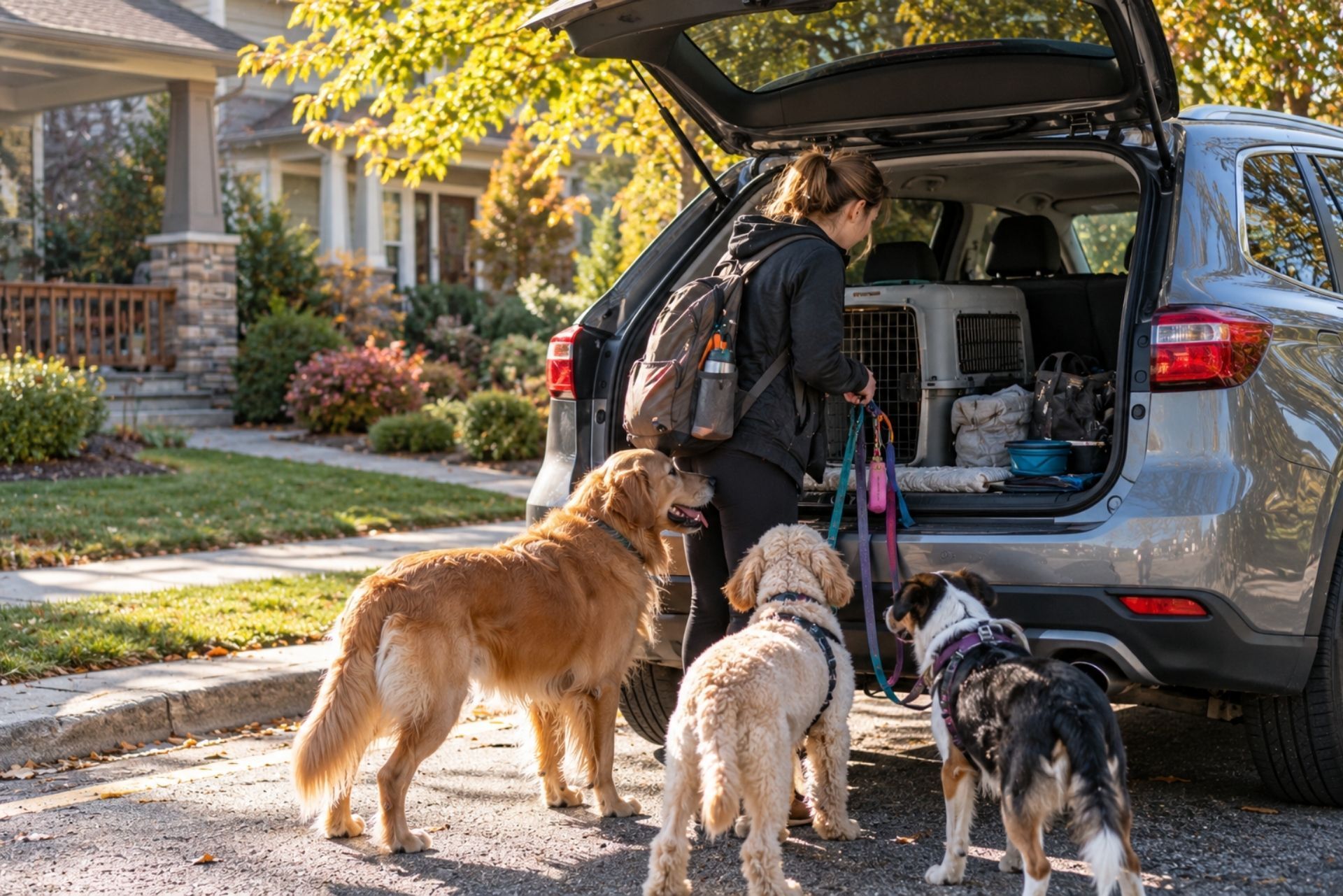
This is the most common trigger. You pick up a client's golden retriever, drive to the dog park or a vet visit, and drive back. During that trip, you're operating a vehicle for commercial purposes. Your personal auto policy may not cover you, and if a dog escapes the vehicle and injures a third party, the liability exposure multiplies quickly.
Courts in 2026 are increasingly treating pets as family members rather than property, which means emotional distress claims are driving settlements higher than they were even a few years ago. A simple fender-bender with a client's pet in the car can turn into a five-figure or six-figure claim.
Using Personal Vehicles for Business Errands
Pet transport isn't the only risk. Driving to a pet supply store for client-specific food, picking up medications, or heading to a client consultation all count as business use. Even if there's no animal in the car, the business-use exclusion on your personal policy can still apply.
Managing Employees or Independent Contractors
This is where liability gets especially tricky. If you employ other walkers or sitters and they use their own cars for work, your business can be held liable for accidents they cause while on the clock. The legal concept of "respondeat superior" means employers are generally responsible for employees' actions during the scope of employment.
Independent contractors create a different but related risk. While you may have less direct liability, courts sometimes reclassify contractors as employees, especially if you control how, when, and where they work. HNOA coverage gives your business a layer of protection regardless of how that classification shakes out.
Comparing Auto Insurance Options for Pet Professionals
Not every pet business needs the same type of auto coverage. The right choice depends on whether you own business vehicles, how many people drive for your company, and how often vehicles are used for work.
Comparison Table: Personal Auto vs. Commercial Auto vs. HNOA
| Feature | Personal Auto | Commercial Auto | HNOA Endorsement |
|---|---|---|---|
| Covers business use | Usually excluded | Yes | Yes (liability only) |
| Covers company-owned vehicles | No | Yes | No |
| Covers employee-owned vehicles used for work | No | Only if scheduled | Yes |
| Covers rented/hired vehicles | Limited | Yes | Yes (liability only) |
| Physical damage to vehicle | Yes (your car) | Yes | No |
| Typical cost | Standard personal rates | Higher premiums | Low-cost endorsement |
| Who needs it | Personal drivers | Businesses with fleet vehicles | Businesses using personal or rented vehicles |
For most solo pet sitters and small dog walking operations without company-owned vehicles, HNOA added to a general liability policy is the most practical and cost-effective option. If you own a van with your logo on it, you need a commercial auto policy instead, and HNOA won't replace that.
Key Benefits and Coverage Limits
HNOA isn't a catch-all, but it fills a specific and critical gap. Understanding what it does and doesn't cover helps you avoid surprises at claim time.
Third-Party Liability for Bodily Injury and Property Damage
The primary function of HNOA is covering your business's liability to third parties. If your employee rear-ends someone while driving to a pet sitting appointment, HNOA can cover the injured person's medical expenses and vehicle damage. With dog-related injury claims alone totaling $1.86 billion in 2025 and the average claim reaching $65,450, the financial exposure from any vehicle-related incident involving pets is substantial.
Coverage limits typically mirror your general liability policy limits, often $1 million per occurrence. Your agent can help you determine whether higher limits make sense based on your operations.
Legal Defense Costs and Settlements
One often-overlooked benefit: HNOA generally covers the cost of legal defense if your business is sued after a vehicle accident. Attorney fees, court costs, and settlement payments can add up fast. Commercial auto insurance rates have climbed 9% to nearly 10% recently, partly because of so-called "nuclear verdicts" in bodily injury cases. Having your defense costs covered by your policy rather than coming out of your business account can be the difference between surviving a lawsuit and closing your doors.
Pet Professional Insurance Agency works with multiple specialty insurance markets that understand these risks specifically for pet care businesses. If you're unsure whether your current policy includes HNOA or whether your limits are adequate, an agent with pet-industry expertise can review your situation and identify gaps, usually within 24 to 48 hours.
Common Questions About Pet Sitter Auto Insurance
Does this cover damage to my own car? No. HNOA is liability-only coverage, meaning it protects your business from claims made by others. Physical damage to your own vehicle, whether from a collision or a dog scratching up the interior, falls under your personal auto policy or a commercial auto policy if you have one.
Is HNOA required if I don't have employees? It's not legally mandated in most states, but it's strongly recommended even for solo operators. If you use your personal vehicle for any business purpose, your personal auto insurer can deny a claim. HNOA protects your business entity from that gap. Some clients and pet care platforms also require proof of auto liability coverage before they'll work with you.
Will my rates go up if I add this to my general liability? HNOA endorsements are generally one of the more affordable additions to a general liability policy. The exact cost depends on your operations, number of drivers, and claims history, but for many small pet businesses, it's a modest annual increase for significant protection. Some insurers are even offering premium discounts for businesses that use certified pet restraint systems in their vehicles to combat record-high distracted driving claims.
Does this cover the pet if they are injured in the car? HNOA does not cover injury to a pet in your care. That type of coverage falls under "care, custody, and control" provisions in your general liability or a separate animal bailee policy. If a client's pet is hurt during transit, you'd need to look at those coverages, not your auto policy. Pet Professional Insurance Agency's intake forms are specifically designed for pet businesses and flag these kinds of coverage needs during the application process.
One more thing worth mentioning: pet sitters who transport animals across state lines may need USDA registration under the Animal Welfare Act. Failing to comply can void your insurance coverage during interstate transit, so check your obligations if your service area crosses state boundaries.
Making the Right Choice for Your Pet Business
The gap between personal auto insurance and the real risks of driving for a pet care business is wider than most people realize. A single denied claim can leave you personally responsible for tens of thousands of dollars in damages, legal fees, and settlements.
Here's what to do right now: pull out your personal auto policy and look for business-use exclusions. Then check your general liability policy for an HNOA endorsement. If it's not there, or if you're not sure what you're reading, talk to an agent who specializes in pet business insurance. The team at Pet Professional Insurance Agency can walk you through your specific exposure and match you with the right coverage from specialty markets that actually understand pet care operations.
Don't wait for an accident to find out you're not covered. A five-minute conversation with the right agent is worth more than a hundred hours of regret after a claim denial.
Index
Pet Professional Insurance Agency is fully licensed and permitted to provide commercial insurance solutions for pet businesses across 12 states.
We proudly serve pet professionals throughout the Northeast, Mid-Atlantic, and Southeast. Powered by Joyce Insurance Agency, our team works with leading specialty carriers — including The Hartford, USLI, Nautilus, and Northland — to make sure veterinarians, groomers, boarding facilities, and pet-care businesses receive coverage that fits their real risks in Connecticut, Delaware, Georgia, Kentucky, Massachusetts, New Jersey, New York, North Carolina, Pennsylvania, South Carolina, Tennessee, and Virginia.
About the author
Barnaby Joyce
Founder, Pet Professional Insurance Agency · Licensed Insurance Producer
I started Pet Professional Insurance Agency because I watched pet businesses get handed generic policies that never fit. After years of placing coverage for veterinary practices, grooming salons, doggy daycares, and kennels through a generalist agency, I saw the same gaps over and over — and the same blank stares when an owner tried to explain care, custody, and control to an agent who had never insured an animal in their life.
So I built an agency that does one thing. I work directly with specialty carriers who actually want pet-industry risk, and I sit down with every client personally. You will not get a call center or a chatbot. You will get someone who already speaks your language and shops the market on your behalf. That is the whole idea.
Business insurance
Coverage built around pet-business risk.
A typical program combines several commercial lines. Explore each coverage below — every page cross-links to the industries we serve.
Services & advice
Professional Liability / E&O
Covers claims tied to your professional services and advice — clinical care, training guidance, and the judgment calls you make daily.
The pet-industry gap
Care, Custody & Control
Covers the animals in your charge against injury, illness, or loss — the critical exposure standard liability policies leave out.
Bundled & cost-effective
Business Owners Policy (BOP)
Bundles property and general liability into one package built for small to mid-sized pet businesses — often the simplest base.
Your building & contents
Commercial Property
Protects your building, build-out, equipment, and inventory against fire, theft, and covered losses — front desk to back room.
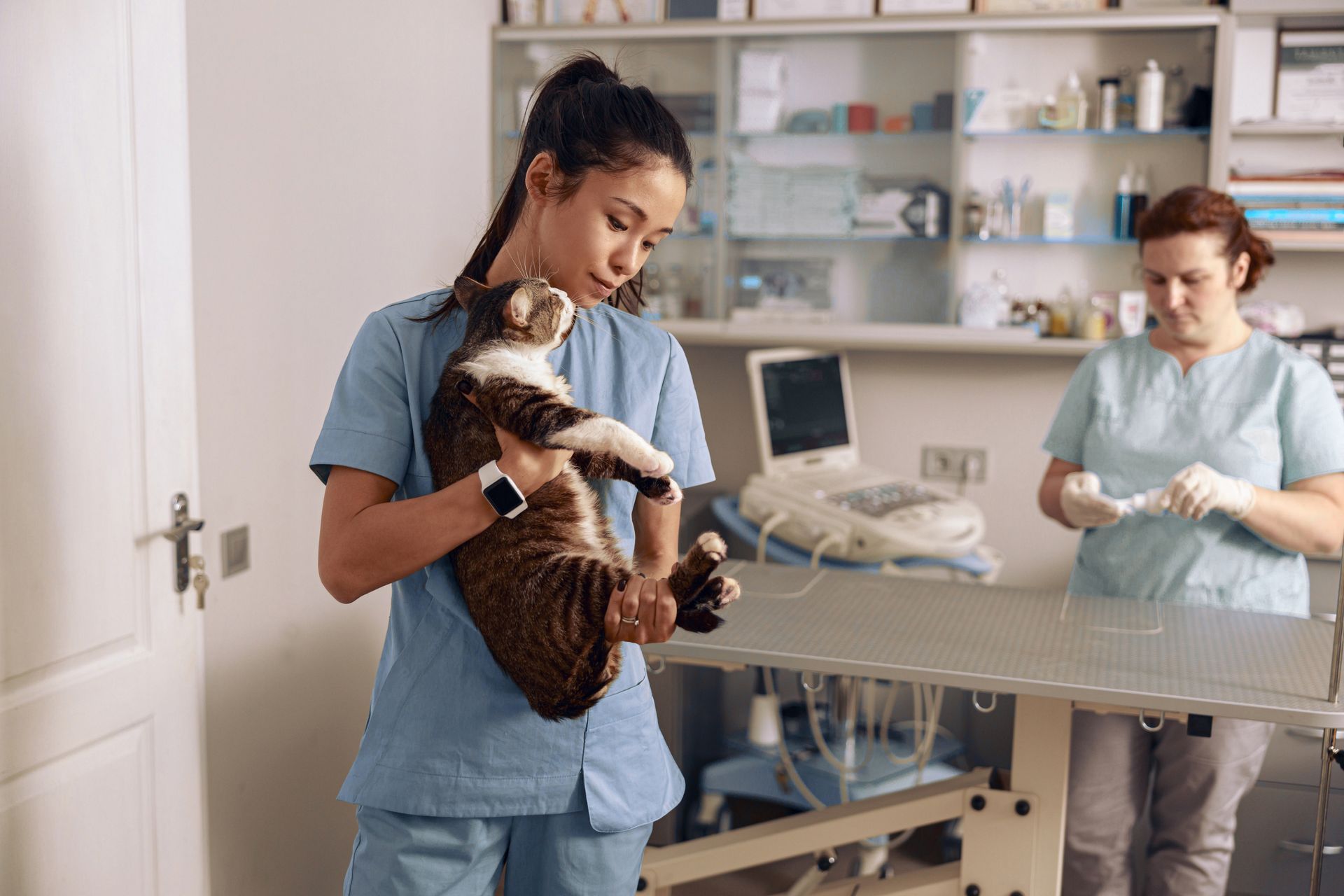
For your team
Workers’ Compensation
Covers medical costs and lost wages when a team member is hurt on the job — required in most states once you have employees.
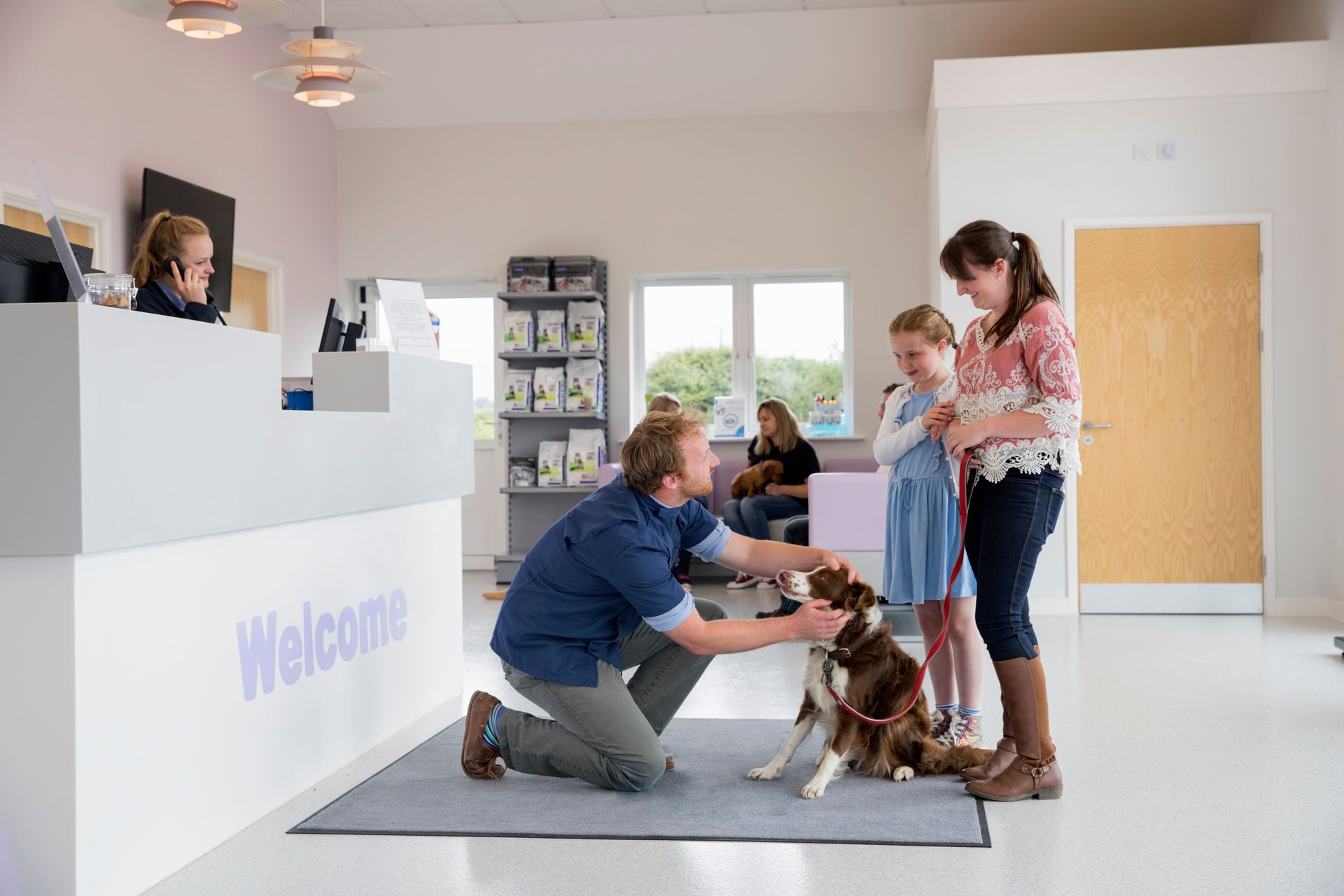
Extra protection
Commercial Umbrella
Adds liability limits above your primary policies for catastrophic claims that exceed standard coverage.
Coverage availability and terms vary by carrier and state. We recommend the right mix for your operation once we talk.
Industries we serve
Built for the businesses that care for animals.
General liability is the baseline for every segment we specialize in. Find the page built for your business.
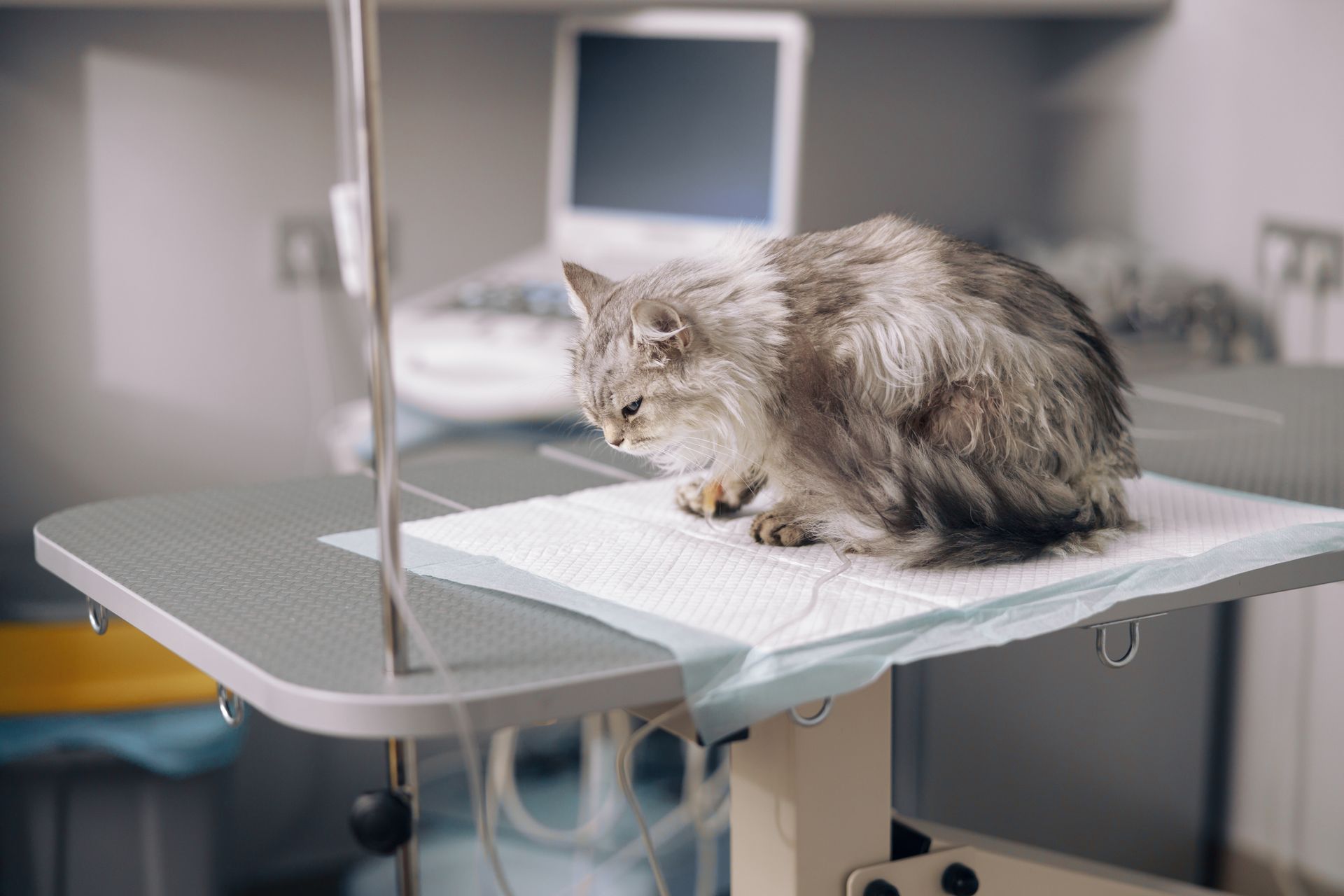
Clinical · high exposure
Veterinarians & Animal Hospitals
Professional and general liability, property, and workers’ comp for clinical operators with high exposure.
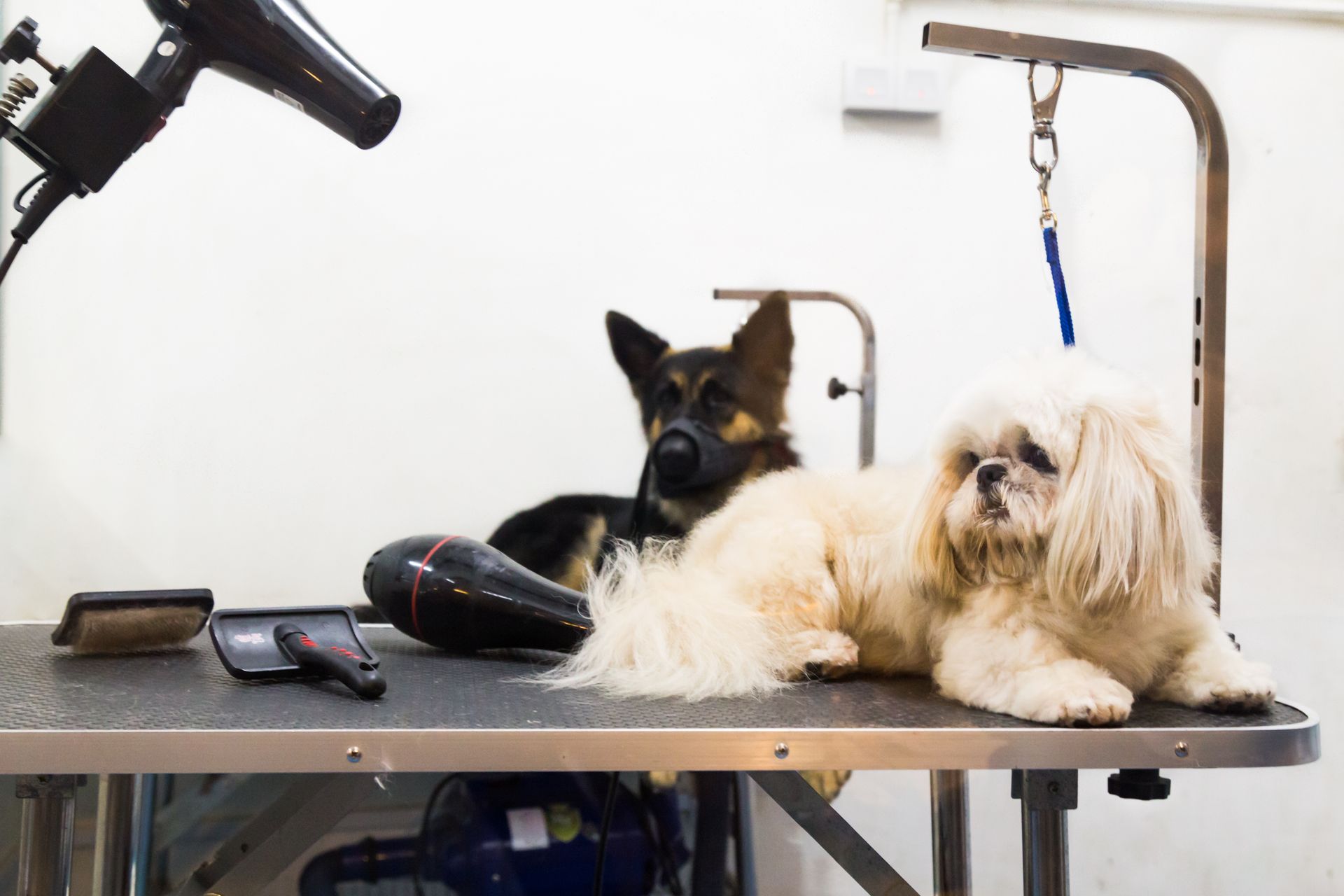
Hands-on · small business
Pet Groomers
Practical protection for animal handling, equipment, and the day-to-day of the grooming table, shop or mobile.
Safety-forward · overnight
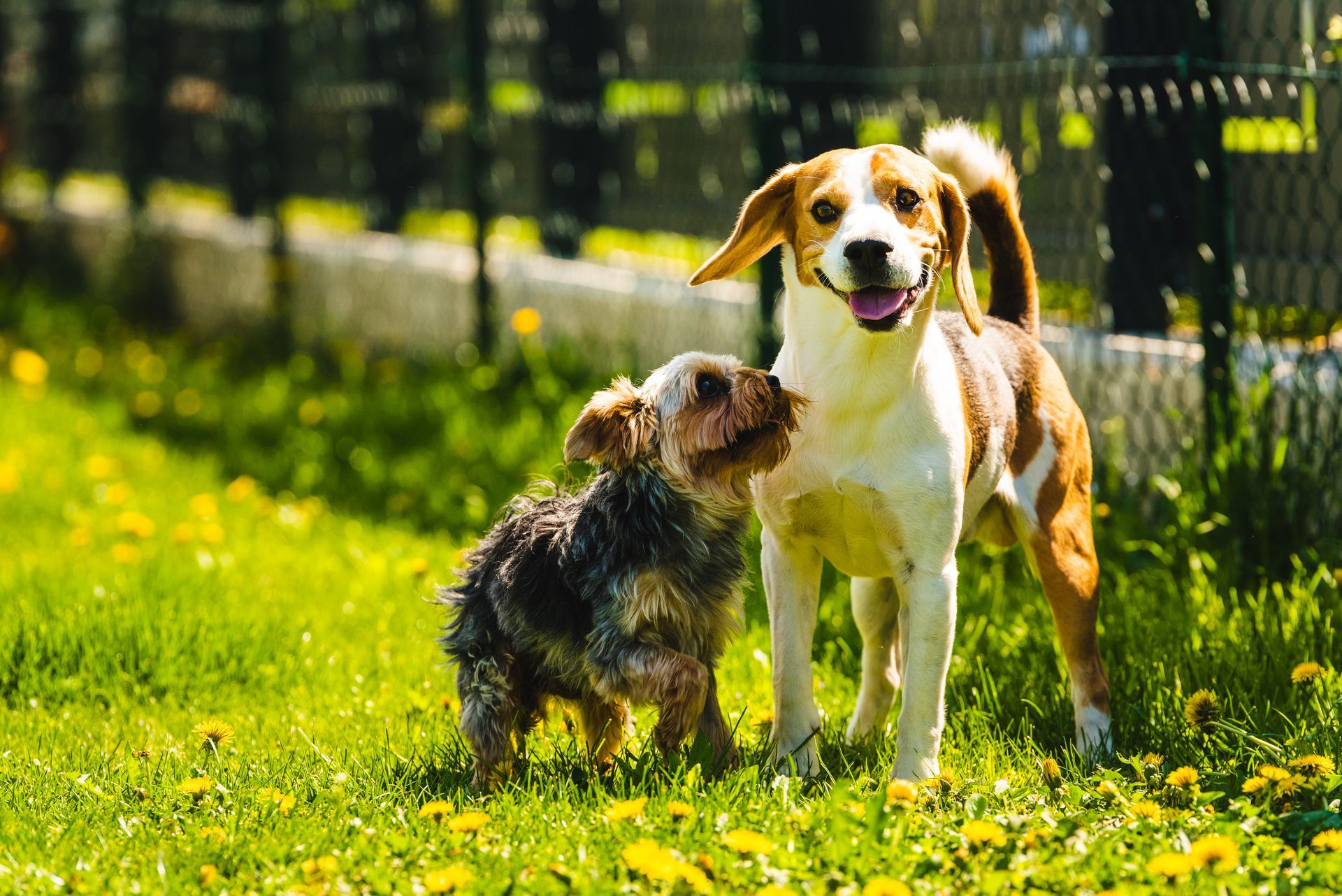
Doggy Daycare & Boarding
Coverage matched to facilities responsible for animals overnight and all day long.
Our reviews
Trusted by pet professionals.
See what owners say about working with a specialist who already understands their business.
Frequently asked
Questions pet pros ask us.
What kinds of pet businesses do you insure?
We insure businesses across the animal-care industry — veterinarians and animal hospitals, groomers, doggy daycares and boarding facilities, kennels and trainers, pet sitters and dog walkers, and pet stores. We also cover breeders, equine operations, pet transporters, shelters and rescues, pet photographers, and aquariums or wildlife facilities.
If your work involves caring for, handling, or selling animals, there is a strong chance we cover it. Tell us what you do and we will confirm.
What is care, custody, and control coverage, and why does it matter?
Care, custody, and control coverage protects you when an animal in your charge is injured, becomes ill, or is lost while in your care. Standard general liability policies often exclude this exact exposure, which leaves a serious gap for pet businesses.
For groomers, boarders, sitters, and clinics, this is one of the most important coverages you can carry. We make sure it is in place and sized to your operation.
How is an independent agency different from buying direct from a carrier?
A direct carrier sells you its own single policy. As an independent agency, we shop multiple specialty insurers and compare programs to find the coverage that fits your business and budget.
That means you get options instead of one quote, and an advocate who works for you, not the carrier. We also handle the renewals and claims support over the life of your policy.
How fast can I get a quote?
Most clients get quoted within one business day. Our industry-specific intake forms collect the right details up front, so we can take your information straight to the carriers without a long back-and-forth.
Need it sooner? Call a specialist directly at (346) 738-7297 and we will move quickly.
Which states do you serve?
We are licensed and actively writing coverage in 12 states: Connecticut, Delaware, Georgia, Kentucky, Massachusetts, New Jersey, New York, North Carolina, Pennsylvania, South Carolina, Tennessee, and Virginia.
We continue to add states as we grow. If you operate outside this list, reach out and we will let you know our latest footprint.
From the blog
Coverage notes for pet professionals.
Plain-language risk tips and coverage explainers, written for owners — not insurance pros.
Speak with a specialist
Let's find the right coverage for your business.
No quote bots, no funnel. Talk to a real pet-insurance specialist who already understands your operation — and shops multiple markets on your behalf.
Call us
(346) 738-7297
Toll-free 845-250-5366
Email
service@petindustryins.com
Visit Us
8 Joyce Plaza
Stony Point, NY 10980