Coverage for veterinary practices
Virginia Animal Rescue Insurance
Running an animal rescue in Virginia means juggling dozens of responsibilities: intake protocols, veterinary care, adoption events, foster coordination, and fundraising. Insurance rarely tops the excitement list, but it's the thing that keeps your organization from financial ruin when a dog bites a volunteer, a foster animal destroys a landlord's property, or a board member gets sued over a financial decision. Virginia has specific licensing and regulatory requirements for rescue operations, and the insurance piece ties directly into your ability to stay compliant and operational. Whether you run a small foster-based network out of your living room or manage a facility with kennels and a full staff, understanding coverage requirements and costs for VA animal rescue operations is non-negotiable. Here's what you actually need to know, broken down without the jargon.
Understanding Virginia Legal Requirements for Animal Rescues
Virginia treats animal rescue organizations differently than casual pet ownership. The state requires rescues to obtain proper licensing, and the regulatory framework has teeth. Virginia's rescue licensing law establishes clear expectations for organizations that take in, rehabilitate, and rehome animals. Failing to meet these standards can result in license revocation, fines, or worse.
Your rescue must register with the appropriate state agencies and maintain records of intake, veterinary care, and adoptions. Insurance isn't always explicitly mandated by statute, but it's functionally required: landlords, event venues, and partner organizations will demand proof of coverage before working with you. Many grant-making foundations also require liability insurance as a condition of funding.
VDACS Regulations and Insurance Compliance
The Virginia Department of Agriculture and Consumer Services (VDACS) oversees animal-related businesses and organizations under Title 3.2, Chapter 65 of the Virginia Code. Rescues must comply with facility standards, record-keeping requirements, and inspection protocols. While VDACS doesn't mandate specific insurance policies, their inspection process evaluates your overall operational fitness, and carrying proper coverage demonstrates organizational responsibility.
If your rescue operates a physical facility, VDACS inspectors will look at everything from sanitation to animal handling procedures. A liability incident without insurance coverage can trigger scrutiny that goes well beyond the incident itself. Think of insurance as part of your compliance infrastructure, not an optional add-on.
Virginia Workers' Compensation Rules for Non-Profits
Virginia requires workers' compensation coverage for any employer with three or more employees, and non-profits are not exempt. If your rescue has paid staff handling animals, cleaning facilities, or managing operations, you need workers' comp. Volunteer-only organizations may not face the same mandate, but the line between "volunteer" and "employee" gets blurry fast, especially if you provide stipends, housing, or other compensation.
Animal rescue work carries real physical risks: bites, scratches, lifting injuries, and exposure to zoonotic diseases. A workers' comp claim from an injured employee without coverage can expose your organization to significant penalties. Virginia takes enforcement seriously, so confirm your status with a qualified attorney before assuming you're exempt.
Essential Coverage Types for VA Rescue Operations
Not all insurance policies are built the same, and rescue organizations have exposure points that generic non-profit policies miss entirely. The right coverage package addresses your specific risks: animals in your care, people on your property, volunteers in the field, and board members making financial decisions.
General Liability vs. Professional Liability
General liability covers third-party bodily injury and property damage. If an adopted dog bites someone at a community event, or a visitor trips over a kennel gate at your facility, general liability responds. This is the foundational policy every rescue needs.
Professional liability (sometimes called errors and omissions) covers claims arising from your professional judgment or advice. If you place an animal with a known behavioral issue and fail to disclose it, or if your adoption screening process misses a red flag that leads to harm, professional liability is what protects you. Many rescues skip this coverage and regret it later.
| Feature | General Liability | Professional Liability |
|---|---|---|
| Covers | Bodily injury, property damage | Negligent acts, errors, omissions |
| Example Claim | Dog bites visitor at adoption event | Failure to disclose known aggression |
| Typical Limit | $1M per occurrence / $2M aggregate | $1M per claim / $1M aggregate |
| Required By | Most landlords, venues, grants | Often overlooked but critical |
Directors and Officers (D&O) Protection
Board members and officers of your rescue face personal liability for decisions they make on behalf of the organization. D&O insurance protects them against claims of mismanagement, breach of fiduciary duty, or improper use of funds. Without it, good people stop volunteering for your board, and the ones who stay are personally exposed.
I've seen rescues lose experienced board members simply because they learned D&O coverage wasn't in place. The cost is relatively modest compared to the protection it provides, and it's essential for any rescue with a formal board structure.
Animal Bailee and Transport Coverage
Standard general liability policies typically exclude animals in your care, custody, or control. That's a massive gap for a rescue organization. Animal bailee coverage fills it, protecting you if an animal in your care is injured, escapes, or causes damage while under your supervision.
Transport coverage matters too. If you're running animals from a high-kill shelter in southern Virginia to foster homes in Northern Virginia, or coordinating interstate transports, you need coverage that follows the animals during transit. Vehicle accidents, escaped animals at rest stops, and injuries during loading are all real scenarios that play out regularly.
Comparing Basic and Comprehensive Policy Features
A bare-bones policy might cover general liability and nothing else. A comprehensive package layers in professional liability, D&O, animal bailee, hired and non-owned auto, and possibly an umbrella policy for higher limits. The difference in annual premium between basic and comprehensive coverage is often only a few hundred dollars, but the difference in protection is enormous.
Pet Professional Insurance Agency works with multiple specialty insurance markets that understand rescue operations specifically. Their intake forms are tailored to animal rescue organizations, which means you're not trying to shoehorn your operation into a generic non-profit application. That specificity matters because it ensures your policy actually reflects what you do, not what a general underwriter assumes you do.
Factors Influencing Insurance Costs in Virginia
Premiums for animal rescue insurance in Virginia depend on several variables, and understanding them helps you budget realistically. The minimum annual premium for a commercial general liability policy for a dog fostering organization in Virginia now starts at approximately $1,700. That's a baseline: your actual cost could be higher depending on your risk profile.
Impact of Annual Intake and Adoption Volume
Underwriters look closely at how many animals move through your organization each year. A rescue processing 50 animals annually presents a different risk profile than one handling 500. Higher volume means more adoption interactions, more transport trips, more foster placements, and statistically more opportunities for something to go wrong.
Your adoption process matters too. Rescues with thorough screening, home visits, and adoption contracts tend to get more favorable pricing than those with minimal vetting. Documenting your procedures isn't just good practice: it directly influences what you pay for coverage.
Risk Assessment for Specific Breeds and Temperaments
This is where things get uncomfortable, but it's reality. Rescues that primarily handle breeds commonly associated with bite claims, such as pit bulls, Rottweilers, or German Shepherds, often face higher premiums or coverage restrictions. Some insurers won't cover certain breeds at all.
Behavioral assessment protocols can help offset this. If your rescue conducts temperament testing, works with certified behaviorists, and maintains detailed behavioral records, you're in a stronger position to negotiate coverage. Specialty pet-industry insurance markets, like those accessed through Pet Professional Insurance Agency, are more likely to understand breed-specific nuances than a generalist carrier.
Managing Risks for Foster-Based Networks
Foster-based rescues face unique challenges because the animals are dispersed across private homes rather than centralized in a facility. Each foster home introduces variables you can't fully control: other pets, children, unfenced yards, and varying levels of animal handling experience.
A strong foster agreement is your first line of defense. It should clearly outline responsibilities, prohibited activities (like taking the foster animal to off-leash parks), and what happens if an incident occurs. Training requirements for foster families aren't just nice to have: they're a risk management tool that insurers look for.
Extending Liability to Foster Homes
Your general liability policy needs to explicitly extend coverage to foster homes. This isn't automatic. Many standard policies only cover incidents at your primary location. If a foster dog bites a neighbor's child at the foster family's home and your policy doesn't extend to that location, you're exposed.
Work with an agent who understands this gap. The coverage extension typically adds modest cost to your premium but closes one of the most dangerous gaps in foster-based rescue insurance. Non-profit insurance costs vary widely based on exactly these kinds of coverage extensions, so get specific numbers for your situation.
Common Questions About VA Animal Rescue Insurance
Does Virginia require animal rescues to carry insurance? No state law mandates a specific insurance policy, but VDACS licensing, landlord requirements, and grant conditions make it functionally necessary. Operating without coverage is a serious financial risk.
How much does rescue insurance typically cost per year? Baseline general liability starts around $1,700 annually for a fostering organization. Comprehensive packages with D&O, animal bailee, and professional liability typically run $2,500 to $5,000 depending on your size and risk factors.
Are volunteers covered under our general liability policy? Usually yes, but confirm this with your agent. Volunteer injuries and actions by volunteers are common claim triggers, and some policies have limitations. Non-profit insurance structures vary significantly between carriers.
Can we get coverage if we primarily rescue pit bulls or other restricted breeds? Yes, but you may need to work with specialty markets. Generalist insurers often exclude certain breeds. An agency with deep pet-industry expertise can place coverage through markets that evaluate your actual risk management practices rather than just breed labels.
Do we need separate coverage for fundraising events? Your general liability policy may cover events, but check the terms. Large events, events serving alcohol, or events at third-party venues often require additional coverage or a separate event policy.
Making the Right Choice for Your Rescue
Animal rescue insurance in Virginia isn't a one-size-fits-all purchase. Your coverage needs depend on whether you're facility-based or foster-based, how many animals you handle, what species and breeds you work with, and how your organization is structured. The right policy protects your mission, your people, and the animals you serve.
Start by getting clear on your actual risks. Then work with an agent who specializes in pet-industry coverage and can access multiple markets on your behalf. Pet Professional Insurance Agency offers tailored intake forms for rescue organizations and typically responds within 24 to 48 hours, so you're not waiting weeks for answers. Reach out to get a coverage review specific to your Virginia rescue operation.
Index
Pet Professional Insurance Agency is fully licensed and permitted to provide commercial insurance solutions for pet businesses across 12 states.
We proudly serve pet professionals throughout the Northeast, Mid-Atlantic, and Southeast. Powered by Joyce Insurance Agency, our team works with leading specialty carriers — including The Hartford, USLI, Nautilus, and Northland — to make sure veterinarians, groomers, boarding facilities, and pet-care businesses receive coverage that fits their real risks in Connecticut, Delaware, Georgia, Kentucky, Massachusetts, New Jersey, New York, North Carolina, Pennsylvania, South Carolina, Tennessee, and Virginia.
About the author
Barnaby Joyce
Founder, Pet Professional Insurance Agency · Licensed Insurance Producer
I started Pet Professional Insurance Agency because I watched pet businesses get handed generic policies that never fit. After years of placing coverage for veterinary practices, grooming salons, doggy daycares, and kennels through a generalist agency, I saw the same gaps over and over — and the same blank stares when an owner tried to explain care, custody, and control to an agent who had never insured an animal in their life.
So I built an agency that does one thing. I work directly with specialty carriers who actually want pet-industry risk, and I sit down with every client personally. You will not get a call center or a chatbot. You will get someone who already speaks your language and shops the market on your behalf. That is the whole idea.
Recommended coverages
Coverages that pair with general liability.
Most pet businesses build on general liability with the lines below. Explore each — every page cross-links to the
industries we serve.
Services & advice
Professional Liability / E&O
Covers claims tied to your professional services and advice — clinical care, training guidance, and the judgment calls you make daily.
The pet-industry gap
Care, Custody & Control
Covers the animals in your charge against injury, illness, or loss — the critical exposure standard liability policies leave out.
Bundled & cost-effective
Business Owners Policy (BOP)
Bundles property and general liability into one package built for small to mid-sized pet businesses — often the simplest base.
Your building & contents
Commercial Property
Protects your building, build-out, equipment, and inventory against fire, theft, and covered losses — front desk to back room.
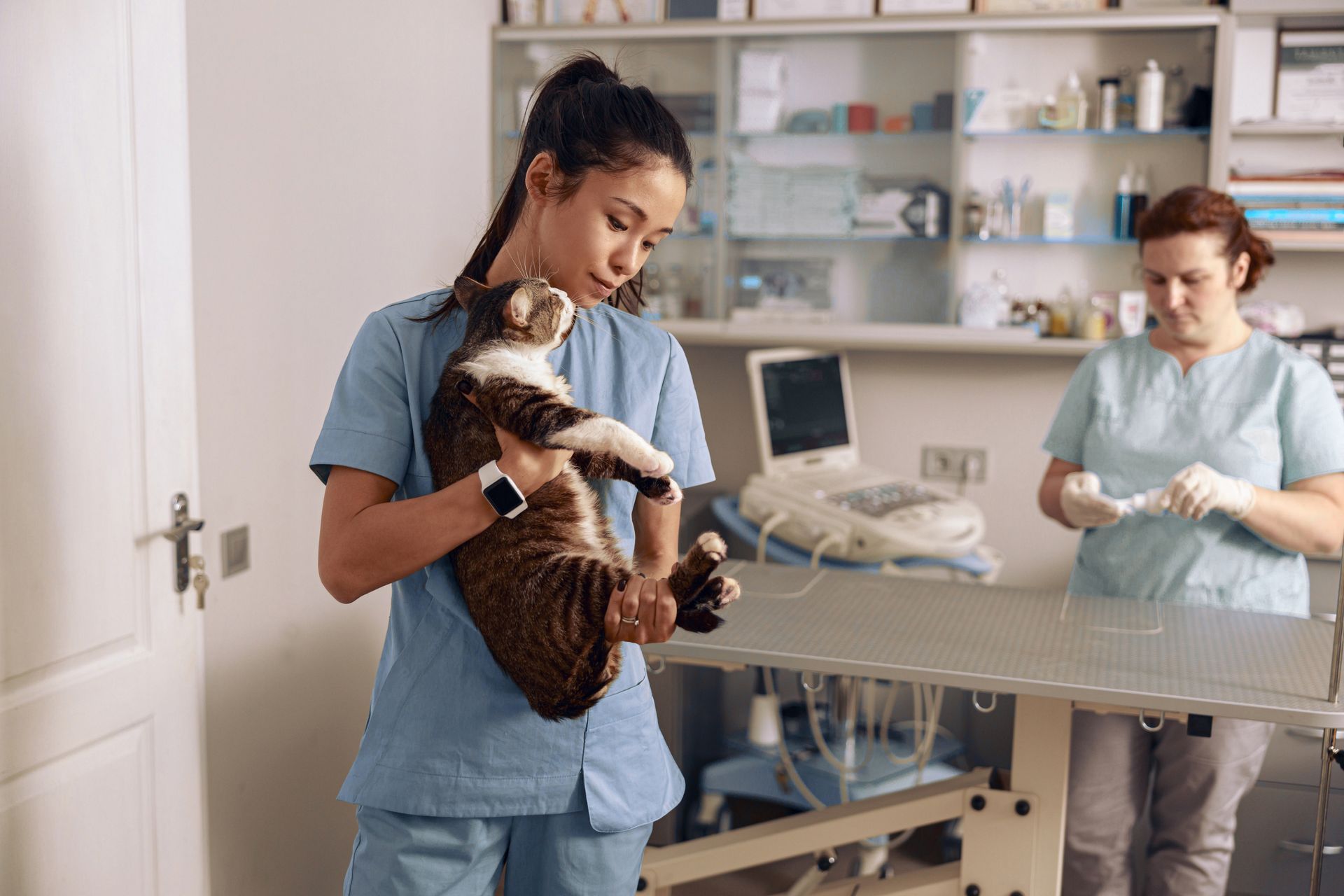
For your team
Workers’ Compensation
Covers medical costs and lost wages when a team member is hurt on the job — required in most states once you have employees.
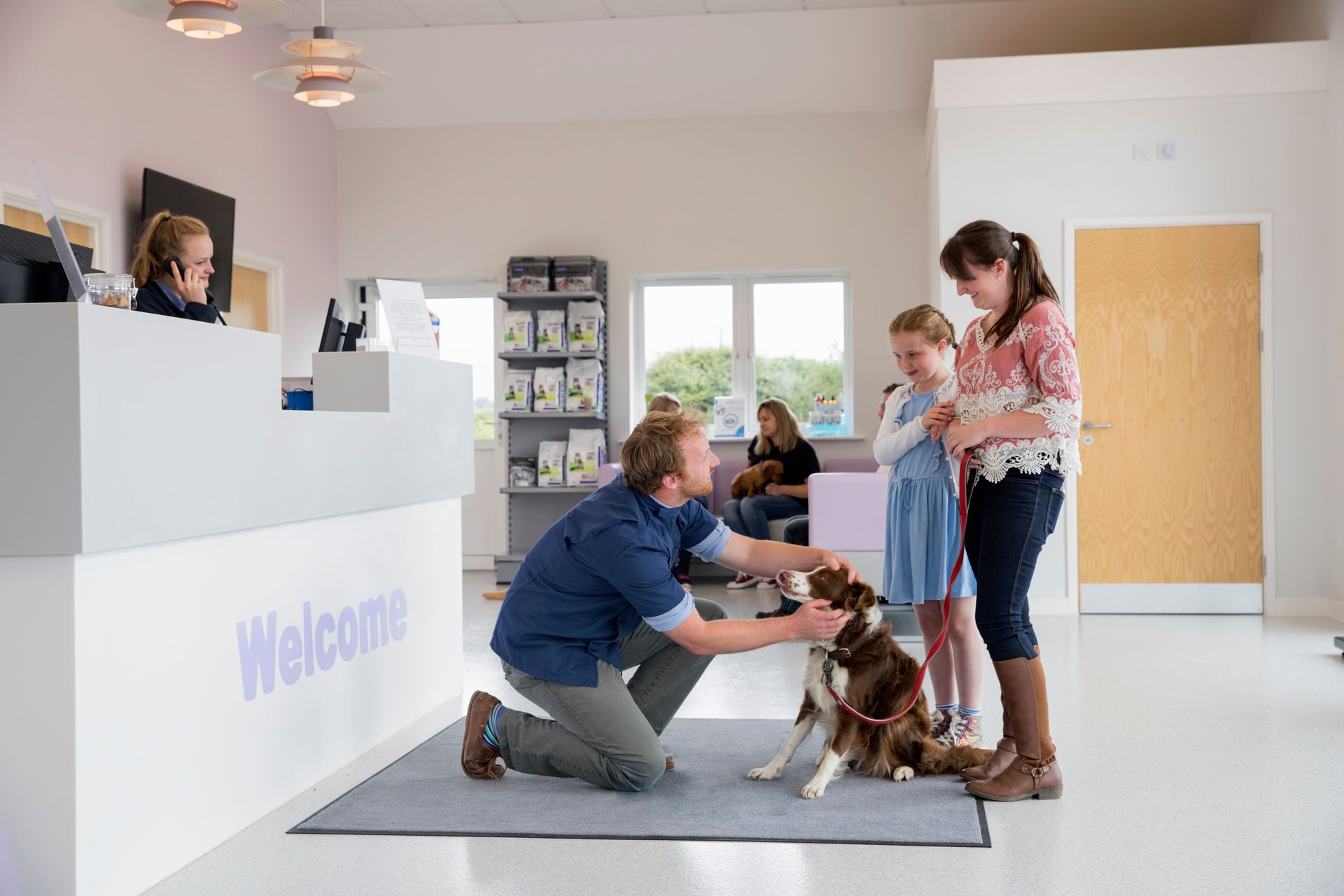
Extra protection
Commercial Umbrella
Adds liability limits above your primary policies for catastrophic claims that exceed standard coverage.
Coverage availability and terms vary by carrier and state. We recommend the right mix for your operation once we talk.
Industries we serve
Built for the businesses that care for animals.
General liability is the baseline for every segment we specialize in. Find the page built for your business.
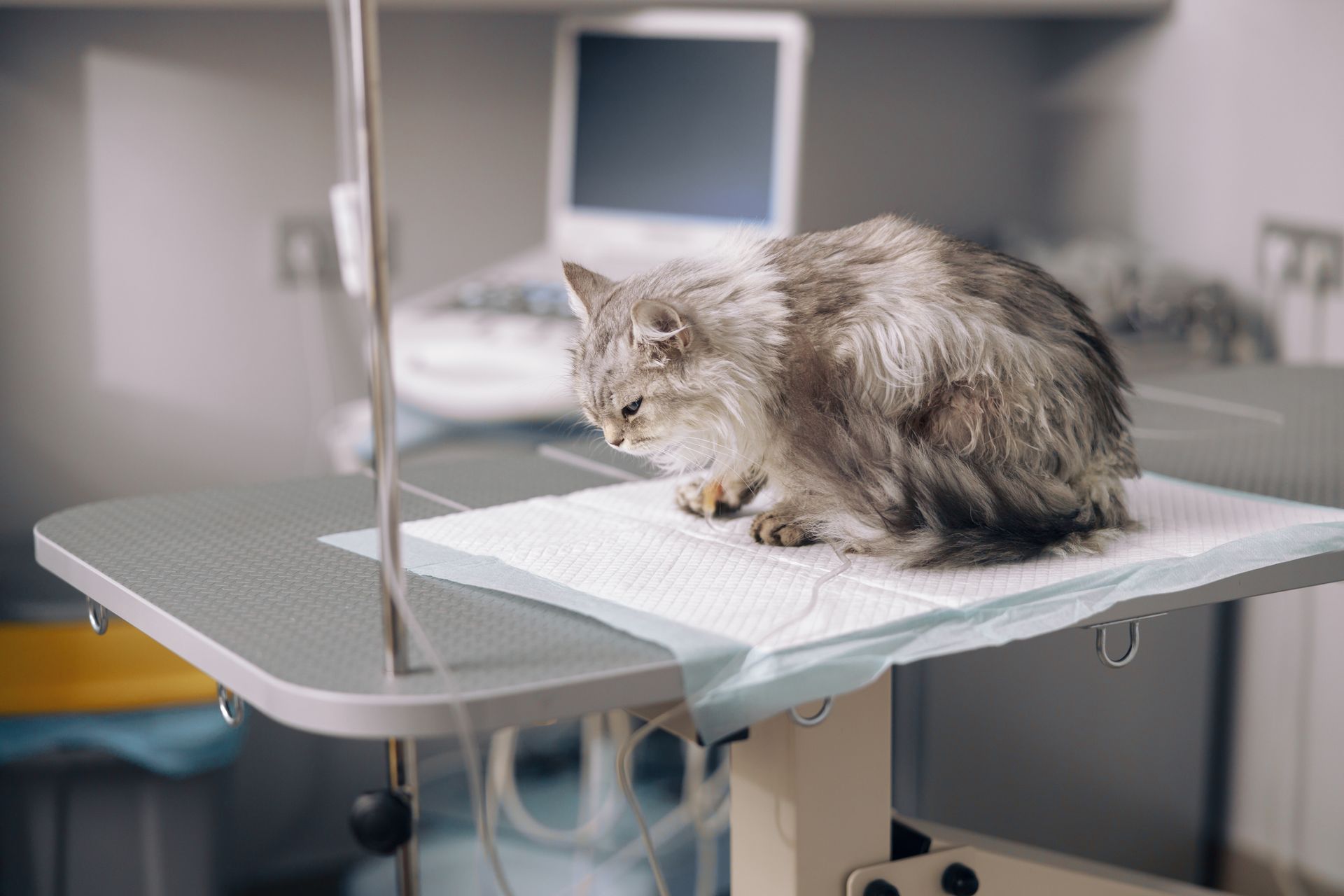
Clinical · high exposure
Veterinarians & Animal Hospitals
Professional and general liability, property, and workers’ comp for clinical operators with high exposure.
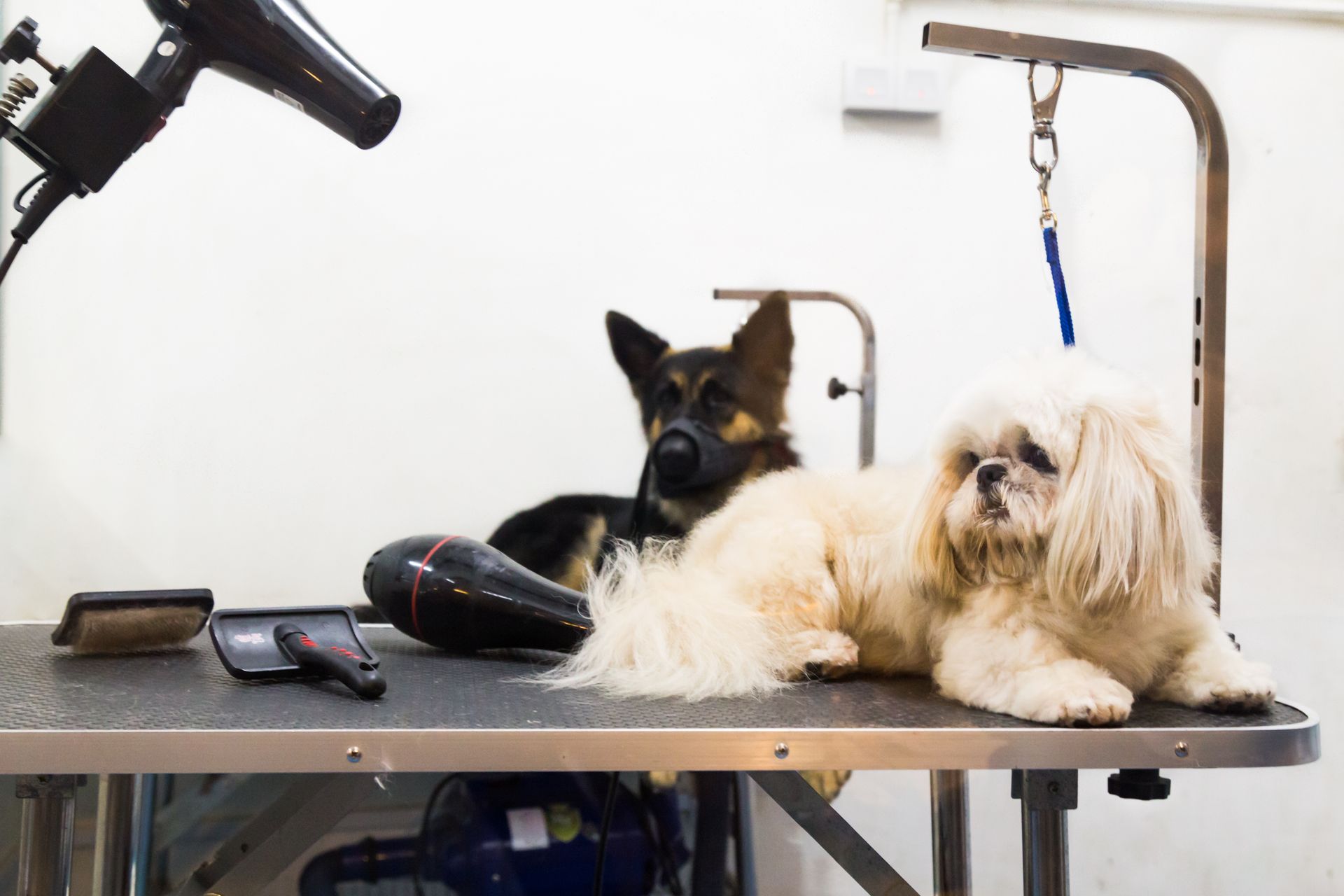
Hands-on · small business
Pet Groomers
Practical protection for animal handling, equipment, and the day-to-day of the grooming table, shop or mobile.
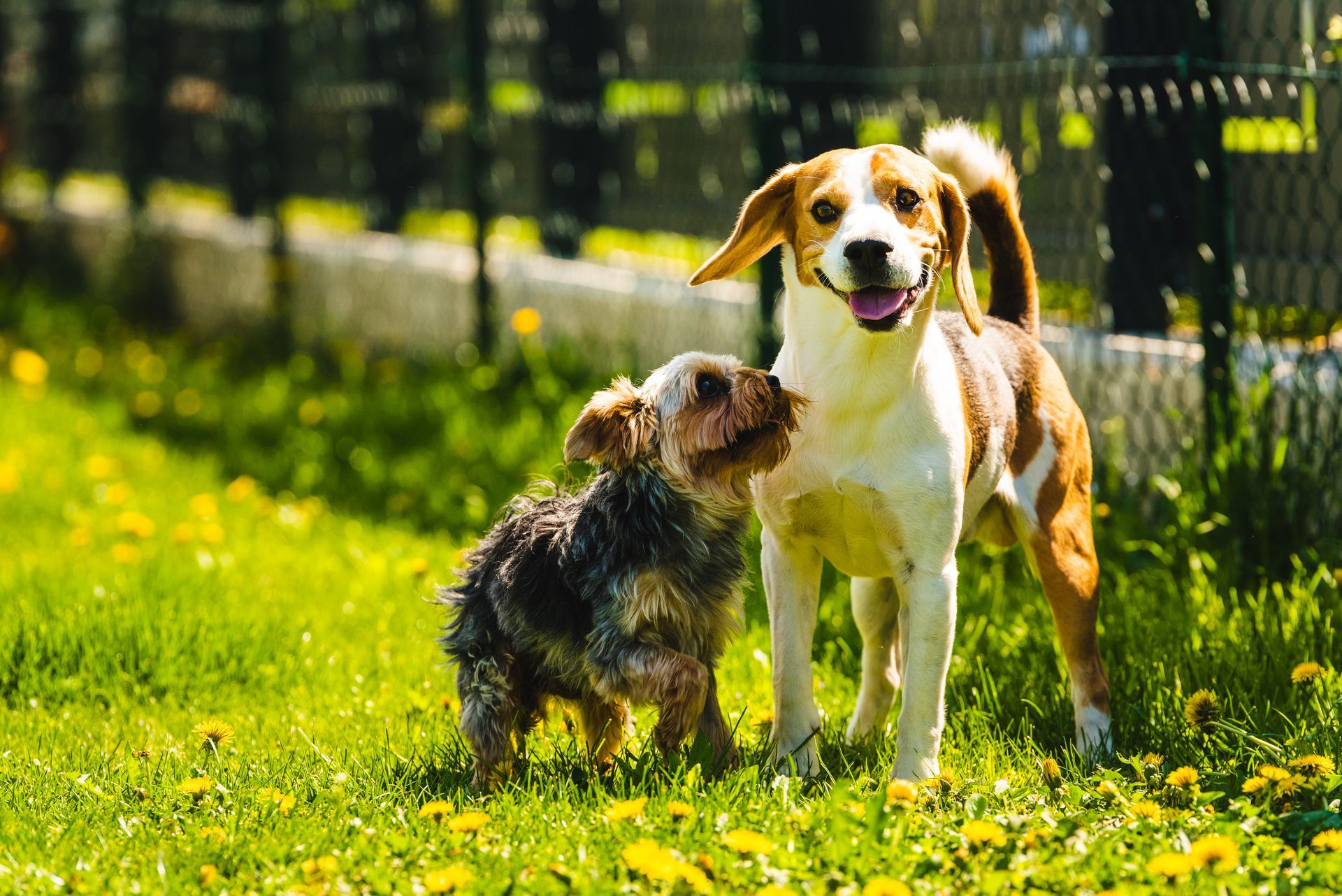
Safety-forward · overnight
Doggy Daycare & Boarding
Coverage matched to facilities responsible for animals overnight and all day long.
Our reviews
Trusted by pet professionals.
See what owners say about working with a specialist who already understands their business.
Frequently asked
Questions pet pros ask us.
What kinds of pet businesses do you insure?
We insure businesses across the animal-care industry — veterinarians and animal hospitals, groomers, doggy daycares and boarding facilities, kennels and trainers, pet sitters and dog walkers, and pet stores. We also cover breeders, equine operations, pet transporters, shelters and rescues, pet photographers, and aquariums or wildlife facilities.
If your work involves caring for, handling, or selling animals, there is a strong chance we cover it. Tell us what you do and we will confirm.
What is care, custody, and control coverage, and why does it matter?
Care, custody, and control coverage protects you when an animal in your charge is injured, becomes ill, or is lost while in your care. Standard general liability policies often exclude this exact exposure, which leaves a serious gap for pet businesses.
For groomers, boarders, sitters, and clinics, this is one of the most important coverages you can carry. We make sure it is in place and sized to your operation.
How is an independent agency different from buying direct from a carrier?
A direct carrier sells you its own single policy. As an independent agency, we shop multiple specialty insurers and compare programs to find the coverage that fits your business and budget.
That means you get options instead of one quote, and an advocate who works for you, not the carrier. We also handle the renewals and claims support over the life of your policy.
How fast can I get a quote?
Most clients get quoted within one business day. Our industry-specific intake forms collect the right details up front, so we can take your information straight to the carriers without a long back-and-forth.
Need it sooner? Call a specialist directly at (346) 738-7297 and we will move quickly.
Which states do you serve?
We are licensed and actively writing coverage in 12 states: Connecticut, Delaware, Georgia, Kentucky, Massachusetts, New Jersey, New York, North Carolina, Pennsylvania, South Carolina, Tennessee, and Virginia.
We continue to add states as we grow. If you operate outside this list, reach out and we will let you know our latest footprint.
From the blog
Coverage notes for pet professionals.
Plain-language risk tips and coverage explainers, written for owners — not insurance pros.
Speak with a specialist
Let's find the right coverage for your business.
No quote bots, no funnel. Talk to a real pet-insurance specialist who already understands your operation — and shops multiple markets on your behalf.
Call us
(346) 738-7297
Toll-free 845-250-5366
Email
service@petindustryins.com
Visit Us
2 Joyce Plaza
Stony Point, NY 10980