Coverage for veterinary practices
North Carolina Pet Store Insurance
Tell us about your business. Your services, size, and how animals and customers move through your operation.
Compare quotes across carriers. We shop multiple specialty markets and present your options in plain language.
Running a pet store in North Carolina means juggling live animal care, retail inventory, grooming appointments, and a steady stream of customers who sometimes bring their own pets along for the ride. One dog bite, one burst pipe, or one escaped reptile can turn a normal Tuesday into a five-figure problem. Pet store insurance for NC operations isn't just a box to check: it's the difference between absorbing a crisis and closing your doors. The state has specific requirements around workers' compensation, animal welfare licensing, and liability that don't always mirror what you'll find in neighboring states. And because pet retail blends traditional storefront risks with animal-specific exposures like bite liability and care, custody, and control coverage, a generic business policy almost never covers everything. The pet insurance industry itself has been growing rapidly, with the North American market expanding year over year, which reflects just how seriously both consumers and business owners are taking risk management around animals. Whether you're running a small independent shop in Asheville or a multi-location operation near Charlotte, understanding your coverage requirements, realistic cost ranges, and NC compliance obligations will save you from expensive surprises. This guide breaks down exactly what you need, what it costs, and where store owners most often get caught off guard.
Essential Insurance Coverages for North Carolina Pet Stores
Pet stores face a unique combination of risks that most retail businesses never encounter. You're selling live animals, stocking perishable supplies, running grooming stations with sharp tools and hot dryers, and inviting the public into a space full of unpredictable creatures. A standard business owner's policy might cover your building and basic liability, but it won't address the animal-specific exposures that generate the majority of pet store claims.
The three coverage areas below form the foundation of any serious insurance program for an NC pet retailer. Skipping any one of them leaves a gap that could cost you tens of thousands of dollars or more.
General Liability and Animal Bailee Coverage
General liability is the starting point. It covers bodily injury and property damage claims: a customer slips on a wet floor, a parrot bites a child, or a dog knocks over an elderly shopper. Most pet stores need at least $1 million per occurrence and $2 million aggregate, which is the standard minimum landlords and shopping centers require.
But here's where pet stores differ from a typical retailer: you need animal bailee coverage. This protects you when animals belonging to customers are in your care. If a customer's dog is being groomed or boarded overnight and gets injured, lost, or dies, animal bailee coverage responds. Standard general liability policies typically exclude animals in your custody. Pet store insurance costs generally range from $500 to $2,500 annually for general liability alone, but adding bailee coverage will push that number higher depending on volume.
Commercial Property and Inventory Protection
Your inventory isn't just leashes and kibble. Live animals represent significant value, and they're vulnerable to power outages, HVAC failures, and water damage in ways that a shelf of dog toys simply isn't. Commercial property coverage protects your building (if you own it), equipment, fixtures, and stock.
Pay close attention to how your policy handles live animal inventory. Some policies cap animal coverage at frustratingly low limits or exclude certain species entirely. If you stock saltwater fish, exotic reptiles, or birds, make sure your policy explicitly covers them. North Carolina's coastal counties also face hurricane and flood exposure, which standard property policies exclude: you'll need separate flood coverage through the NFIP or a private carrier.
Professional Liability for Grooming and Training Services
If your store offers grooming, training classes, or behavioral consultations, professional liability (sometimes called errors and omissions) covers claims arising from the services you provide. A bad haircut that causes skin irritation, a training technique that leads to injury, or advice that results in harm to an animal: these fall outside general liability.
Grooming injuries are among the most common claims in the pet care industry. Clipper burns, nicks, and stress-related incidents happen even to experienced groomers. Professional liability fills the gap that general liability leaves open, and it's a coverage that agencies like Pet Professional Insurance Agency specifically build into pet retail programs because they see these claims regularly.
North Carolina State Compliance and Legal Requirements
North Carolina has its own set of rules that pet store owners must follow, and insurance ties into several of them. Ignoring these requirements doesn't just risk fines: it can shut down your operation entirely.
Workers' Compensation Mandates for NC Businesses
North Carolina requires workers' compensation insurance for any business with three or more employees. This isn't optional, and the NC Industrial Commission enforces it actively. If you have two part-time groomers and one cashier, you've hit the threshold.
Workers' comp covers medical expenses and lost wages when an employee is injured on the job. In a pet store, that means dog bites, back injuries from lifting heavy bags of food, slips on wet grooming floors, and repetitive motion injuries from brushing and clipping. Penalties for operating without coverage include fines of up to $1 per day per employee, plus personal liability for any workplace injuries. The math is simple: carry the coverage.
NC Department of Agriculture Licensing and Insurance Links
The NC Department of Agriculture oversees animal welfare licensing for pet stores that sell dogs, cats, or other regulated species. Your facility must meet specific standards for housing, veterinary care, and record-keeping. Recent enforcement actions have shown that NC animal facilities face real consequences for non-compliance, including license suspensions.
While the state doesn't mandate a specific insurance policy as part of licensing, having proper coverage demonstrates operational responsibility. Some municipalities in NC also require proof of liability insurance before issuing a business license. New animal welfare laws taking effect in 2026 have introduced additional requirements for pet retailers nationwide, and NC store owners should confirm their policies align with any new obligations. Consult a local attorney familiar with NC animal law to ensure full compliance, as regulations vary by county and municipality.
Comparing Coverage: Basic vs. Comprehensive Protection
Not all insurance programs are built the same, and the difference between a bare-minimum policy and a comprehensive one is significant. Here's how they typically compare for NC pet stores:
| Coverage Feature | Basic Policy | Comprehensive Policy |
|---|---|---|
| General Liability | $1M/$2M limits | $1M/$2M with higher umbrella options |
| Commercial Property | Building and contents | Building, contents, and live animal inventory |
| Animal Bailee | Not included | Included with customizable limits |
| Professional Liability | Not included | Included for grooming/training |
| Workers' Compensation | Separate policy required | Bundled or coordinated |
| Business Interruption | Limited or excluded | Included with extended coverage |
| Hired/Non-Owned Auto | Not included | Included for delivery vehicles |
The cost difference between basic and comprehensive coverage is often smaller than people expect. Annual premiums for a comprehensive pet store package typically fall between $2,000 and $6,000, depending on your revenue, location, and services offered. Skipping professional liability or animal bailee coverage to save $500 a year is a gamble that rarely pays off.
Factors Influencing Insurance Costs in North Carolina
Your premium isn't pulled from thin air. Insurers evaluate specific risk factors, and understanding them helps you anticipate costs and potentially reduce them.
Location Risks and Coastal vs. Inland Rates
A pet store in Wilmington faces fundamentally different risks than one in Greensboro. Coastal NC counties carry higher property insurance rates due to hurricane, wind, and flood exposure. If you're in a flood zone, expect to pay $1,000 to $3,000 or more annually for flood coverage alone, on top of your standard property policy.
Inland stores generally benefit from lower property rates, but urban locations may see higher liability premiums due to foot traffic volume. Crime rates in your specific area also affect pricing: stores in higher-crime ZIP codes pay more for theft and vandalism coverage.
Revenue Size and Employee Headcount Impact
Insurers price general liability partly based on your annual revenue, and workers' compensation is calculated using your total payroll. A store doing $800,000 in annual sales with eight employees will pay meaningfully more than a $200,000 operation with two staff members.
Pet store insurance costs can vary significantly based on these operational factors, which is why working with an agency that understands pet retail specifically, like Pet Professional Insurance Agency, matters. Their intake forms are tailored to pet businesses, so nothing gets missed during the underwriting process, and they can typically get you a response within 24 to 48 hours.
Common Questions About NC Pet Shop Insurance
Do I need insurance just to sell pet supplies, with no live animals? Yes. General liability and commercial property coverage are still essential. Customer injuries, product liability claims, and property damage can happen in any retail setting.
Does my landlord's insurance cover my pet store? No. Your landlord's policy covers the building structure, not your inventory, equipment, or liability. You need your own commercial policy.
Are exotic animals harder to insure? They can be. Some insurers exclude venomous reptiles or large constrictors. Disclose your full inventory honestly: failing to do so can void your coverage entirely.
How quickly can I get a policy in place? Through specialty agencies focused on pet businesses, most policies can be bound within a few days. Pet Professional Insurance Agency typically provides initial responses within 24 to 48 hours.
Is business interruption coverage worth it? Absolutely, especially in coastal NC. If a hurricane forces you to close for two weeks, business interruption coverage replaces your lost income and covers ongoing expenses like rent and payroll.
Do I need separate coverage for each location? Each location needs to be listed on your policy. Multi-location operations can often be covered under a single policy with multiple premises listed, but each site's risks are evaluated individually.
Making the Right Choice for Your Store's Future
Getting insurance right for your NC pet store isn't about finding the lowest premium: it's about making sure the policy actually responds when something goes wrong. The most expensive insurance is the kind that doesn't pay a claim because you were missing a critical coverage.
Start by inventorying your actual risks. Do you groom? Do you sell live animals? How many employees do you have? Are you in a flood zone? These questions determine what you need, and a generalist insurance agent who writes one pet store policy a year probably won't ask all of them. Work with specialists who understand bite liability, care and custody exposures, and the specific compliance landscape in North Carolina.
Index
Pet Professional Insurance Agency is fully licensed and permitted to provide commercial insurance solutions for pet businesses across 12 states.
We proudly serve pet professionals throughout the Northeast, Mid-Atlantic, and Southeast. Powered by Joyce Insurance Agency, our team works with leading specialty carriers — including The Hartford, USLI, Nautilus, and Northland — to make sure veterinarians, groomers, boarding facilities, and pet-care businesses receive coverage that fits their real risks in Connecticut, Delaware, Georgia, Kentucky, Massachusetts, New Jersey, New York, North Carolina, Pennsylvania, South Carolina, Tennessee, and Virginia.
About the author
Barnaby Joyce
Founder, Pet Professional Insurance Agency · Licensed Insurance Producer
I started Pet Professional Insurance Agency because I watched pet businesses get handed generic policies that never fit. After years of placing coverage for veterinary practices, grooming salons, doggy daycares, and kennels through a generalist agency, I saw the same gaps over and over — and the same blank stares when an owner tried to explain care, custody, and control to an agent who had never insured an animal in their life.
So I built an agency that does one thing. I work directly with specialty carriers who actually want pet-industry risk, and I sit down with every client personally. You will not get a call center or a chatbot. You will get someone who already speaks your language and shops the market on your behalf. That is the whole idea.
Recommended coverages
Coverages that pair with general liability.
Most pet businesses build on general liability with the lines below. Explore each — every page cross-links to the
industries we serve.
Services & advice
Professional Liability / E&O
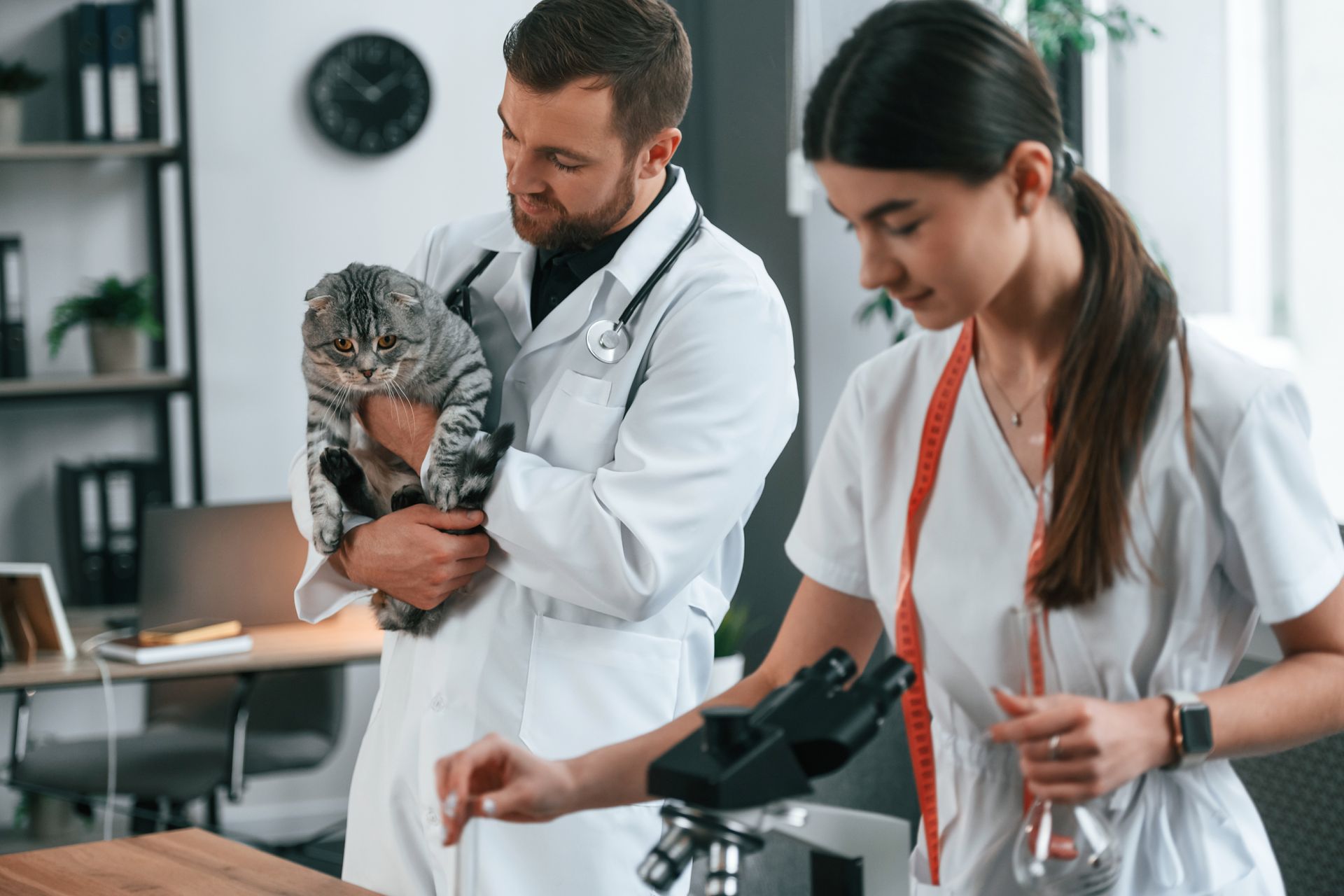
Covers claims tied to your professional services and advice — clinical care, training guidance, and the judgment calls you make daily.
The pet-industry gap
Care, Custody & Control
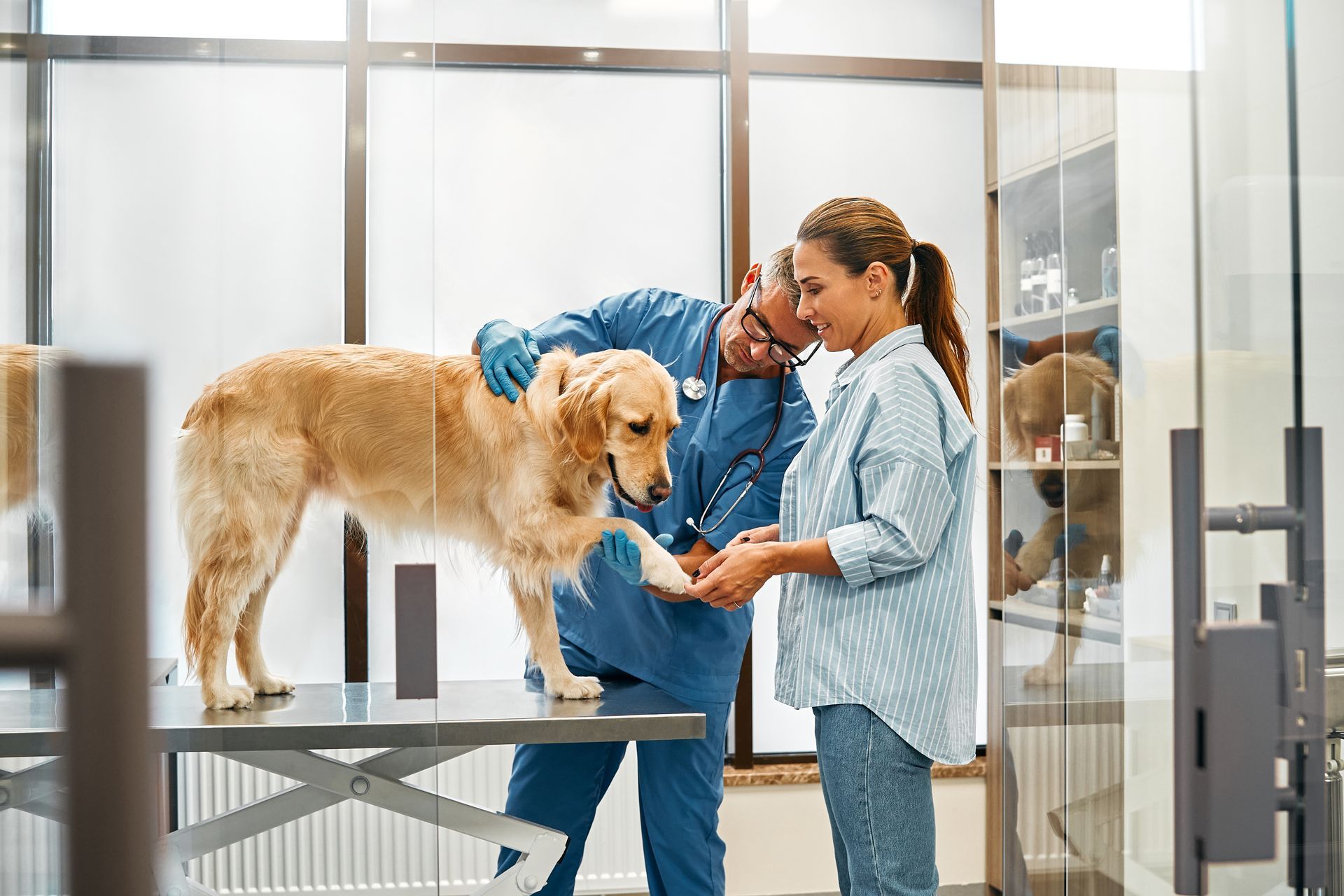
Covers the animals in your charge against injury, illness, or loss — the critical exposure standard liability policies leave out.
Bundled & cost-effective
Business Owners Policy (BOP)
Bundles property and general liability into one package built for small to mid-sized pet businesses — often the simplest base.
Your building & contents
Commercial Property
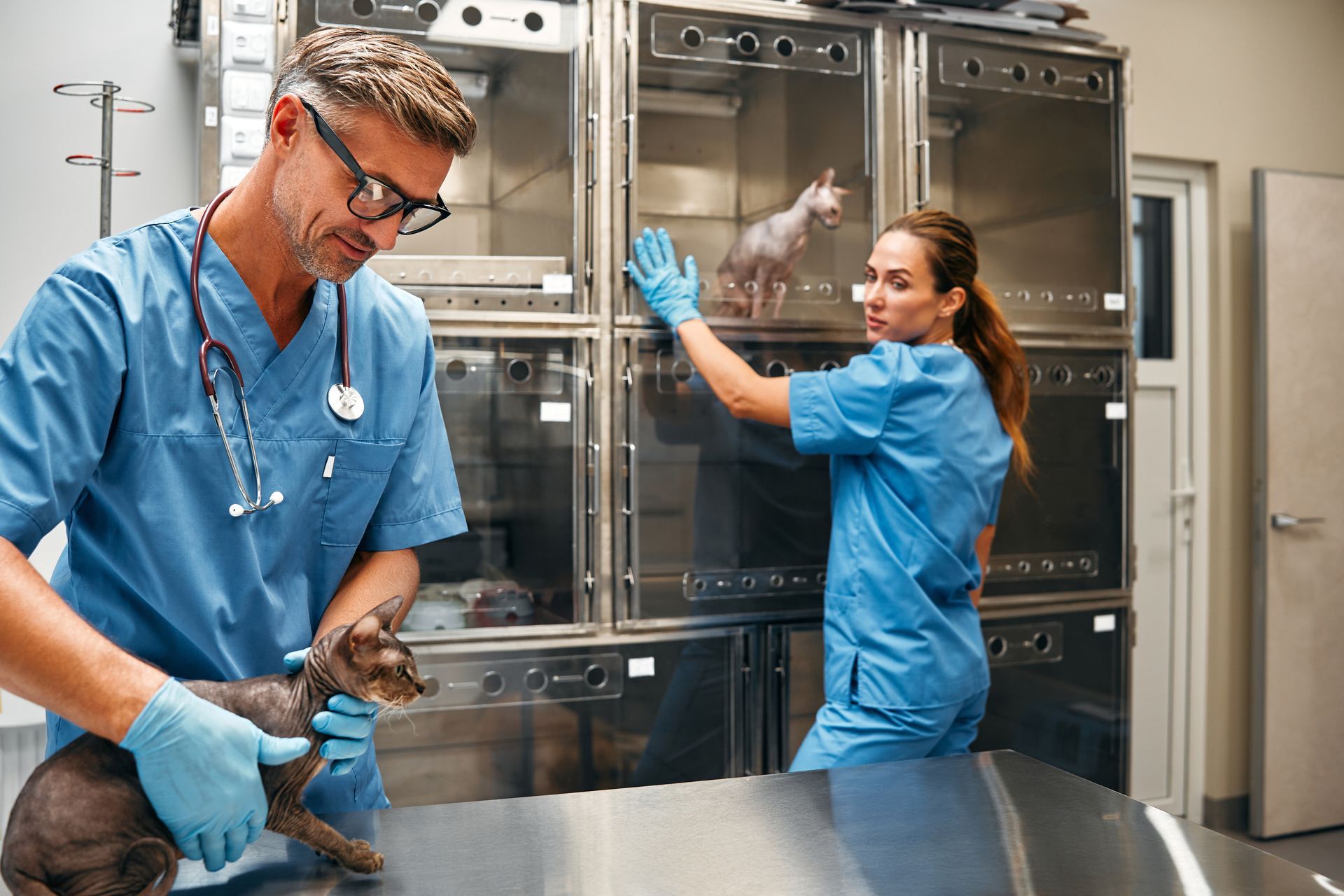
Protects your building, build-out, equipment, and inventory against fire, theft, and covered losses — front desk to back room.
For your team
Workers’ Compensation
Covers medical costs and lost wages when a team member is hurt on the job — required in most states once you have employees.
Extra protection
Commercial Umbrella
Adds liability limits above your primary policies for catastrophic claims that exceed standard coverage.
Coverage availability and terms vary by carrier and state. We recommend the right mix for your operation once we talk.
Industries we serve
Built for the businesses that care for animals.
General liability is the baseline for every segment we specialize in. Find the page built for your business.
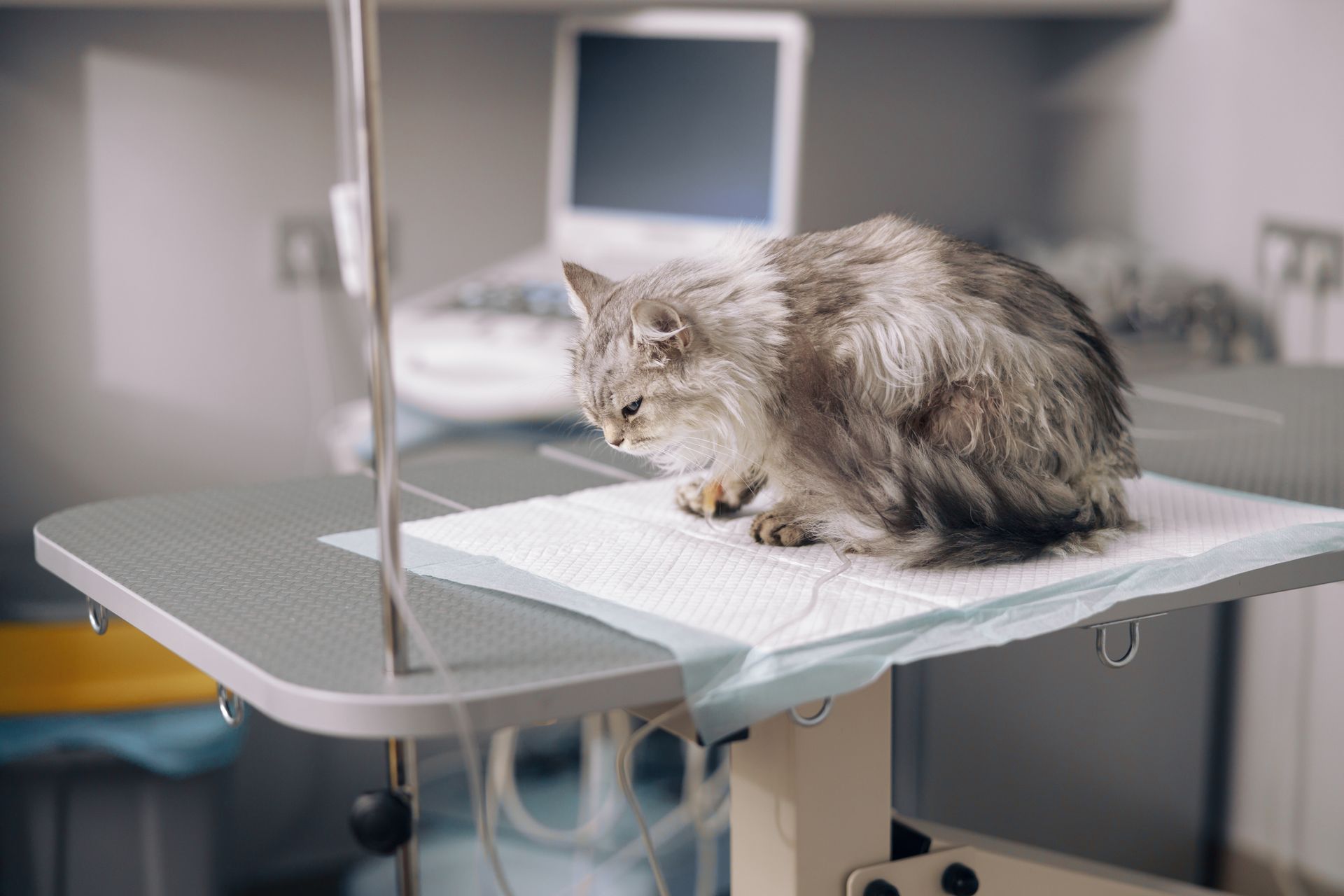
Clinical · high exposure
Veterinarians & Animal Hospitals
Professional and general liability, property, and workers’ comp for clinical operators with high exposure.
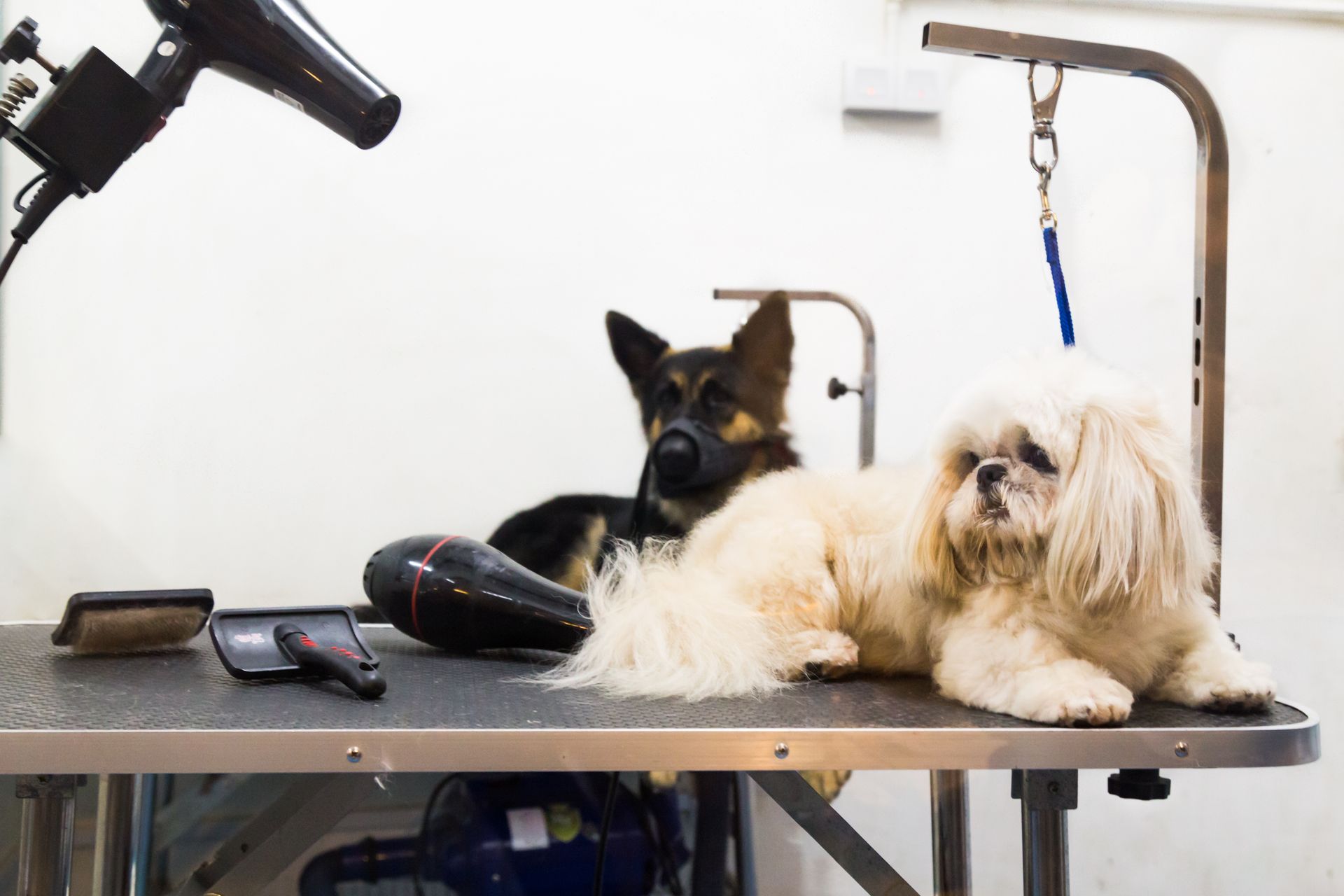
Hands-on · small business
Pet Groomers
Practical protection for animal handling, equipment, and the day-to-day of the grooming table, shop or mobile.
Safety-forward · overnight
Doggy Daycare & Boarding
Coverage matched to facilities responsible for animals overnight and all day long.
Our reviews
Trusted by pet professionals.
See what owners say about working with a specialist who already understands their business.
Frequently asked
Questions pet pros ask us.
What kinds of pet businesses do you insure?
We insure businesses across the animal-care industry — veterinarians and animal hospitals, groomers, doggy daycares and boarding facilities, kennels and trainers, pet sitters and dog walkers, and pet stores. We also cover breeders, equine operations, pet transporters, shelters and rescues, pet photographers, and aquariums or wildlife facilities.
If your work involves caring for, handling, or selling animals, there is a strong chance we cover it. Tell us what you do and we will confirm.
What is care, custody, and control coverage, and why does it matter?
Care, custody, and control coverage protects you when an animal in your charge is injured, becomes ill, or is lost while in your care. Standard general liability policies often exclude this exact exposure, which leaves a serious gap for pet businesses.
For groomers, boarders, sitters, and clinics, this is one of the most important coverages you can carry. We make sure it is in place and sized to your operation.
How is an independent agency different from buying direct from a carrier?
A direct carrier sells you its own single policy. As an independent agency, we shop multiple specialty insurers and compare programs to find the coverage that fits your business and budget.
That means you get options instead of one quote, and an advocate who works for you, not the carrier. We also handle the renewals and claims support over the life of your policy.
How fast can I get a quote?
Most clients get quoted within one business day. Our industry-specific intake forms collect the right details up front, so we can take your information straight to the carriers without a long back-and-forth.
Need it sooner? Call a specialist directly at (346) 738-7297 and we will move quickly.
Which states do you serve?
We are licensed and actively writing coverage in 12 states: Connecticut, Delaware, Georgia, Kentucky, Massachusetts, New Jersey, New York, North Carolina, Pennsylvania, South Carolina, Tennessee, and Virginia.
We continue to add states as we grow. If you operate outside this list, reach out and we will let you know our latest footprint.
From the blog
Coverage notes for pet professionals.
Plain-language risk tips and coverage explainers, written for owners — not insurance pros.
Speak with a specialist
Let's find the right coverage for your business.
No quote bots, no funnel. Talk to a real pet-insurance specialist who already understands your operation — and shops multiple markets on your behalf.
Call us
(346) 738-7297
Toll-free 845-250-5366
Email
service@petindustryins.com
Visit Us
2 Joyce Plaza
Stony Point, NY 10980