Coverage for veterinary practices
Buffalo, NY Veterinarian Insurance
Running a veterinary practice in Buffalo means dealing with Western New York's particular mix of challenges: harsh winters that drive up slip-and-fall risks, a competitive hiring market for licensed vet techs, and New York's notoriously strict regulatory environment. If you're opening a new clinic near Elmwood Village or expanding an established large-animal practice out in the rural stretches of Erie County, insurance isn't just a box to check. It's the thing standing between you and a lawsuit that could close your doors. Pet care insurance in New York State runs significantly higher than the national average, so understanding exactly what you need, what the state mandates, and what Buffalo veterinary businesses actually pay matters more than you'd think. This guide breaks down coverage types, state requirements, and real cost expectations for vet practices operating in the Buffalo metro area.
Essential Insurance Coverage for Buffalo Veterinary Practices
Every vet clinic faces a core set of risks, but Buffalo practices deal with a few extras. Ice on your parking lot from November through April. Water damage from lake-effect storms. The occasional aggressive patient who bites a client in the waiting room. Your insurance program needs to account for all of it.
The right coverage package typically includes general liability, professional liability, commercial property, animal bailee, and workers' compensation. Some of these are legally required in New York; others are technically optional but practically essential. Skipping them is like performing surgery without anesthesia monitoring: you might get away with it, but the consequences of failure are catastrophic.
General Liability and Professional Liability (Malpractice)
General liability covers the "someone slipped on your wet floor" scenarios. It handles bodily injury and property damage claims from third parties, including clients, delivery drivers, or anyone else who walks through your door. For a Buffalo practice, think about the ice and snow liability alone. If a client falls in your parking lot during a February ice storm, you're potentially looking at a five-figure claim.
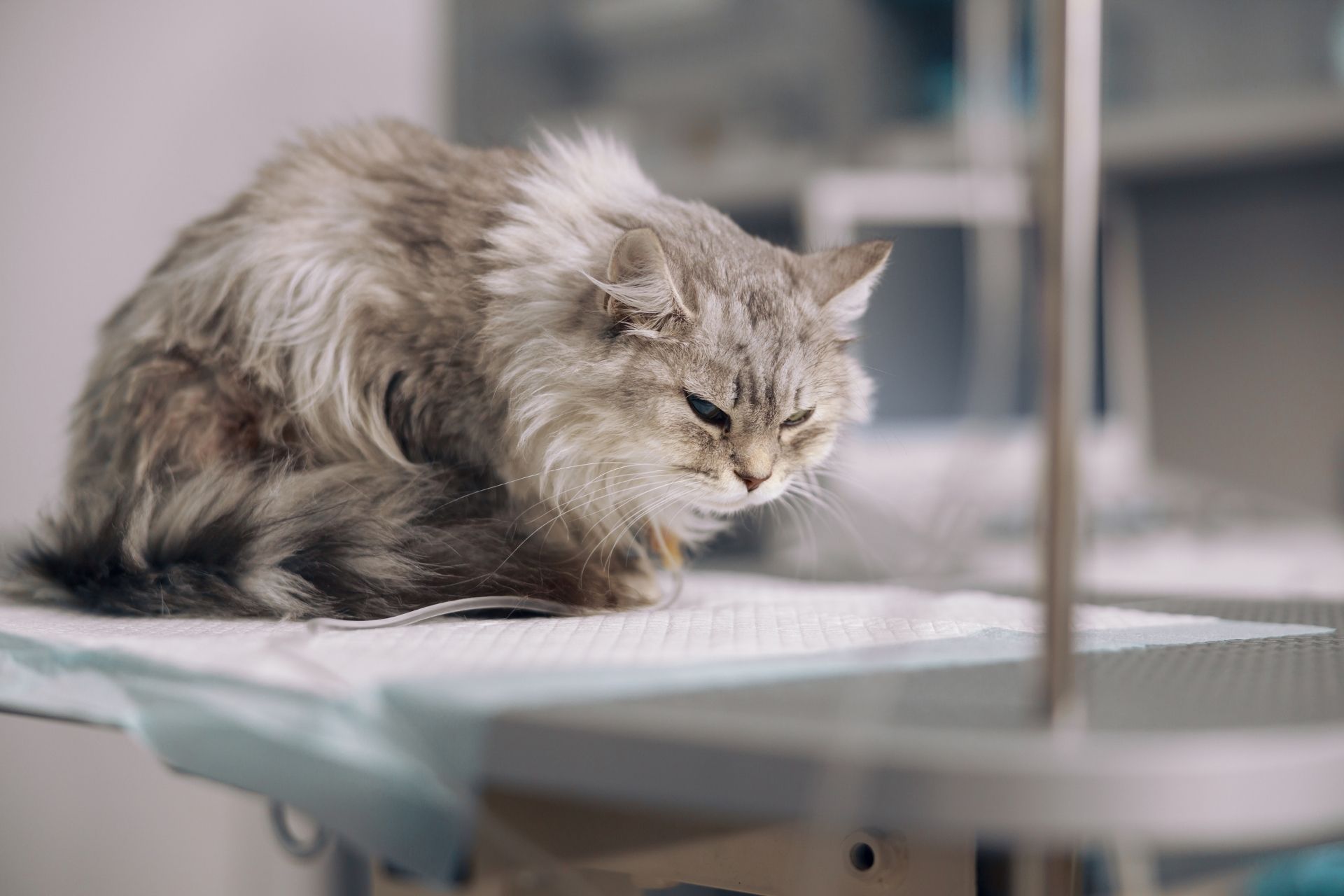
Professional liability, often called malpractice or errors and omissions coverage, is a different animal entirely. This protects you when a client alleges that your medical judgment caused harm to their pet. Maybe a surgical complication leads to additional treatment costs, or a misdiagnosis results in a wrongful death claim. These cases are becoming more common as pet owners increasingly view their animals as family members, and jury awards reflect that shift. General liability policies in the pet care industry average around $92 per month in New York, which runs about 46% above the national average of $63. Professional liability is typically a separate policy or endorsement, and it's not one you want to skip.
Animal Bailee and Mobile Vet Coverage
Animal bailee coverage protects you when animals are in your care, custody, or control. If a dog escapes from a kennel run and gets hit by a car, or a cat injures itself jumping from an exam table while unsupervised, bailee coverage responds. Standard general liability policies often exclude animals that have been entrusted to you, which creates a dangerous gap for any practice that boards patients overnight or keeps them for post-surgical recovery.
Mobile veterinary services are growing fast in the Buffalo area, especially for large-animal work in surrounding Erie County communities like Orchard Park, East Aurora, and Clarence. If you operate a mobile unit, you need coverage that extends beyond your clinic walls. That means commercial auto insurance for your vehicle, inland marine coverage for portable equipment, and professional liability that applies at client locations. Pet Professional Insurance Agency works with specialty insurance markets that understand these mobile-practice risks and can structure policies accordingly.
Commercial Property Protection for Erie County Clinics
Your building, equipment, and inventory represent a massive investment. A single digital X-ray unit can cost $30,000 or more. Anesthesia machines, surgical instruments, pharmaceuticals: the contents of a typical veterinary clinic are worth hundreds of thousands of dollars.
Commercial property insurance covers damage from fire, theft, vandalism, and certain weather events. Buffalo's lake-effect snow and occasional severe thunderstorms make this coverage particularly relevant. One thing to keep in mind: standard property policies often exclude flood damage, and parts of Buffalo sit in FEMA-designated flood zones. If your clinic is near Buffalo Creek or any low-lying area, a separate flood policy is worth investigating. Business interruption coverage, which pays lost income while your clinic is closed for repairs, is another add-on that pays for itself the moment you need it.
New York State Insurance Requirements for Veterinarians
New York doesn't mess around with employer obligations. The state has some of the strictest insurance mandates in the country, and the penalties for non-compliance are severe: we're talking potential criminal charges, not just fines.
Mandatory Workers' Compensation and Disability Insurance
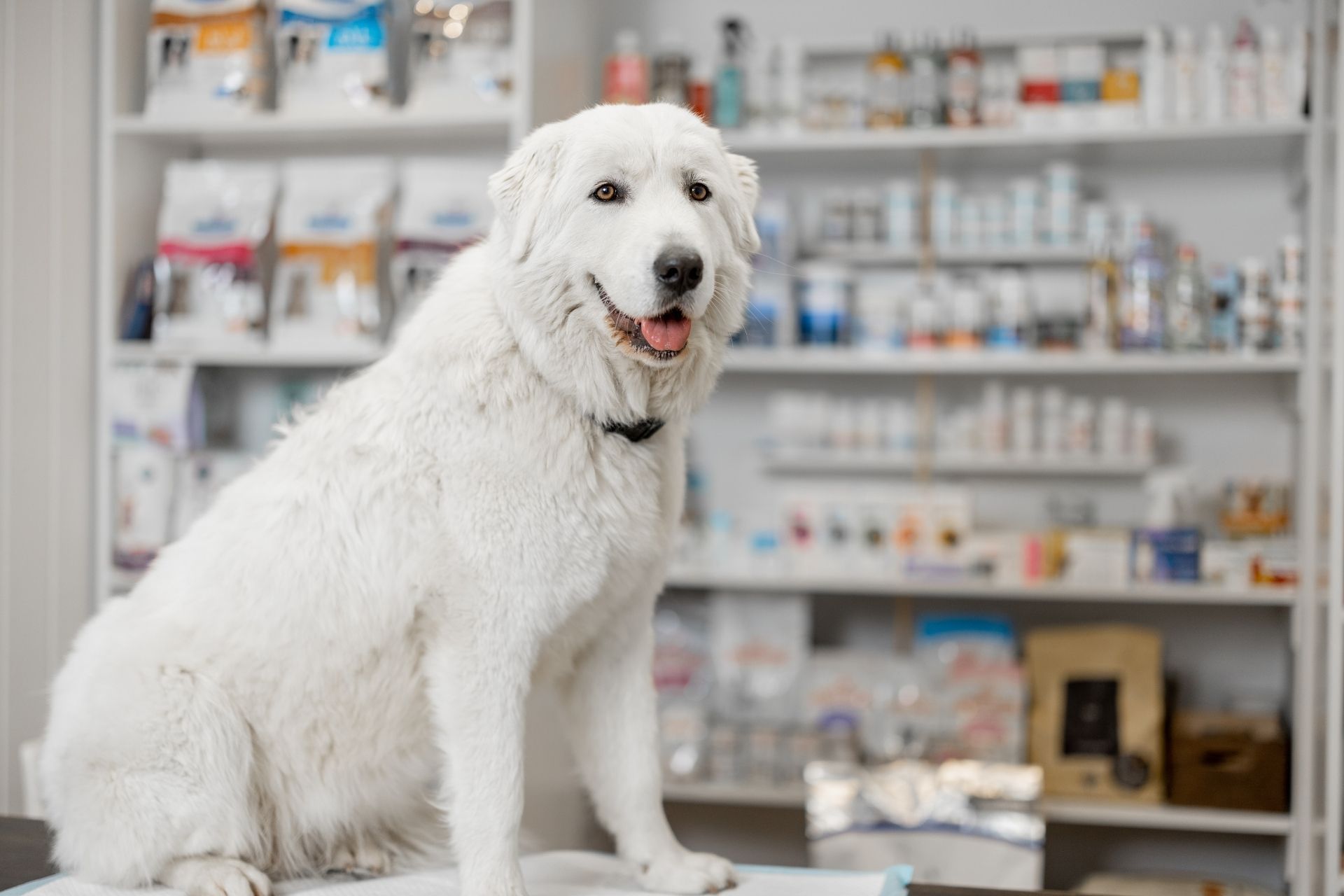
If you have even one employee, New York requires workers' compensation insurance. There's no minimum employee threshold and no exemption for part-time staff. This applies to your front desk team, your vet techs, your kennel assistants, everyone on payroll. The state Workers' Compensation Board actively audits businesses, and operating without coverage can result in fines of $2,000 per 10-day period plus potential felony charges for repeat offenders.
New York also mandates disability benefits insurance (DBL) and paid family leave (PFL) coverage for employees. DBL provides partial wage replacement for off-the-job injuries and illnesses, while PFL covers time off for family caregiving. These are separate from workers' comp and are frequently overlooked by new practice owners. Your workers' comp carrier may offer DBL and PFL as add-ons, or you may need to arrange them separately.
The catch is that veterinary work is physically demanding and involves regular contact with unpredictable animals. Bite injuries, needle sticks, back strains from lifting large dogs: these are everyday risks. Your workers' comp premiums will reflect that reality, but the alternative is personal liability for every workplace injury, which would be financially devastating.
Table: NY State Mandates vs. Recommended Private Coverage
| Coverage Type | NY State Required? | Recommended for Vets? | Why It Matters |
|---|---|---|---|
| Workers' Compensation | Yes (1+ employees) | Essential | Covers employee injuries; non-compliance is a felony |
| Disability Benefits (DBL) | Yes (1+ employees) | Essential | Off-the-job injury/illness wage replacement |
| Paid Family Leave (PFL) | Yes (1+ employees) | Essential | Employee caregiving leave; state-mandatedc |
| General Liability | No | Strongly recommended | Client injuries, property damage claims |
| Professional Liability | No | Strongly recommended | Malpractice/misdiagnosis claims |
| Animal Bailee | No | Strongly recommended | Animals in your care, custody, control |
| Commercial Property | No | Strongly recommended | Building, equipment, inventory protection |
| Commercial Auto | Yes (if vehicles owned) | Essential for mobile vets | Required for business-owned vehicles |
| Cyber Liability | No | Recommended | Client data, payment processing breaches |
Note: Laws and requirements can change, and specific situations vary. Consult a qualified attorney or insurance professional for guidance tailored to your practice.
What Buffalo Veterinarian Businesses Pay for Insurance
Let's talk real numbers. Cost is usually the first question practice owners ask, and vague answers like "it depends" aren't helpful. While every practice is different, there are reliable ranges that give you a solid starting point.
Factors Influencing Local Premium Rates
Several variables drive your premiums up or down:
- Practice size and revenue: A solo practitioner grossing $400,000 annually will pay less than a multi-doctor hospital doing $2 million.
- Number of employees: More staff means higher workers' comp costs and greater liability exposure.
- Services offered: Practices performing surgeries, dental procedures, or emergency care face higher professional liability premiums than wellness-only clinics.
- Claims history: A clean record for three to five years can earn you meaningful premium reductions. One malpractice claim can push rates up 20% or more.
- Location within Erie County: Urban Buffalo locations may have higher property and liability rates than suburban or rural practices due to foot traffic and crime statistics.
New York's overall pet care insurance costs run significantly above the national average, and Buffalo is no exception. The state's legal environment, including higher jury awards and plaintiff-friendly courts, contributes to elevated premiums across all liability lines.
Average Cost Estimates for Small and Large Animal Practices
A small companion-animal practice in Buffalo with one veterinarian, three to four staff members, and annual revenue under $500,000 can expect to pay roughly $8,000 to $15,000 per year for a comprehensive insurance package. That includes general liability, professional liability, property coverage, and workers' comp.
Larger multi-vet practices, especially those offering emergency services, boarding, or surgical specialties, typically see total annual premiums between $20,000 and $45,000. Mixed practices handling both small and large animals tend to land on the higher end because large-animal work carries elevated injury risk for both the veterinarian and staff.
These figures shift based on your specific situation. Pet Professional Insurance Agency can typically provide initial feedback within 24 to 48 hours using intake forms designed specifically for veterinary practices, which speeds up the process considerably compared to general commercial insurance agents who may not understand veterinary-specific risks.
Common Questions About Vet Insurance in Western New York
FAQ: Coverage, Claims, and Buffalo-Specific Concerns
Do I need malpractice insurance if I only do wellness exams? Yes. Even routine procedures like vaccinations can lead to claims if a pet has an adverse reaction. Professional liability coverage protects you regardless of the complexity of services you provide.
Will my policy cover me if an employee gets bitten by a patient? Workers' compensation covers employee injuries on the job, including animal bites. Your general liability policy would cover bites to clients or visitors, not employees.
Does my landlord's insurance cover my equipment? No. A landlord's policy covers the building structure only. You need your own commercial property or business personal property policy to protect your equipment, inventory, and improvements to the leased space.
How does Buffalo's weather affect my insurance costs? Lake-effect storms and heavy snowfall increase property damage risk and slip-and-fall liability. Insurers factor Western New York's climate into their rating, so premiums here tend to run higher than in milder parts of the state.
Can I bundle all my coverage into one policy? A Business Owner's Policy (BOP) bundles general liability and property coverage, often at a lower combined cost. Professional liability, workers' comp, and animal bailee coverage are typically separate policies or endorsements. An agent who specializes in veterinary insurance can package everything efficiently.
What happens if I hire an independent contractor instead of an employee? New York scrutinizes independent contractor classifications aggressively. If the state determines your "contractor" is actually an employee, you could face back-dated workers' comp premiums and penalties. Get the classification right from the start.
Making the Right Choice for Your Clinic
Veterinarian insurance in Buffalo requires balancing New York's mandatory coverages with the practical realities of running a practice in Western New York. The state won't let you skip workers' comp, disability, or paid family leave. And while general liability, professional liability, and animal bailee coverage aren't technically mandated, operating without them is a risk no responsible practice owner should take.
Your premiums will be higher than the national average. That's the cost of doing business in New York. But the right insurance program, built by someone who actually understands veterinary risks, protects you from the claims that could otherwise end your career.
Index
Pet Professional Insurance Agency is fully licensed and permitted to provide commercial insurance solutions for pet businesses across 12 states.
We proudly serve pet professionals throughout the Northeast, Mid-Atlantic, and Southeast. Powered by Joyce Insurance Agency, our team works with leading specialty carriers — including The Hartford, USLI, Nautilus, and Northland — to make sure veterinarians, groomers, boarding facilities, and pet-care businesses receive coverage that fits their real risks in Connecticut, Delaware, Georgia, Kentucky, Massachusetts, New Jersey, New York, North Carolina, Pennsylvania, South Carolina, Tennessee, and Virginia.
About the author
Barnaby Joyce
Founder, Pet Professional Insurance Agency · Licensed Insurance Producer
I started Pet Professional Insurance Agency because I watched pet businesses get handed generic policies that never fit. After years of placing coverage for veterinary practices, grooming salons, doggy daycares, and kennels through a generalist agency, I saw the same gaps over and over — and the same blank stares when an owner tried to explain care, custody, and control to an agent who had never insured an animal in their life.
So I built an agency that does one thing. I work directly with specialty carriers who actually want pet-industry risk, and I sit down with every client personally. You will not get a call center or a chatbot. You will get someone who already speaks your language and shops the market on your behalf. That is the whole idea.
Recommended coverages
Coverages that pair with general liability.
Most pet businesses build on general liability with the lines below. Explore each — every page cross-links to the
industries we serve.
Services & advice
Professional Liability / E&O
Covers claims tied to your professional services and advice — clinical care, training guidance, and the judgment calls you make daily.
The pet-industry gap
Care, Custody & Control
Covers the animals in your charge against injury, illness, or loss — the critical exposure standard liability policies leave out.
Bundled & cost-effective
Business Owners Policy (BOP)
Bundles property and general liability into one package built for small to mid-sized pet businesses — often the simplest base.
Your building & contents
Commercial Property
Protects your building, build-out, equipment, and inventory against fire, theft, and covered losses — front desk to back room.
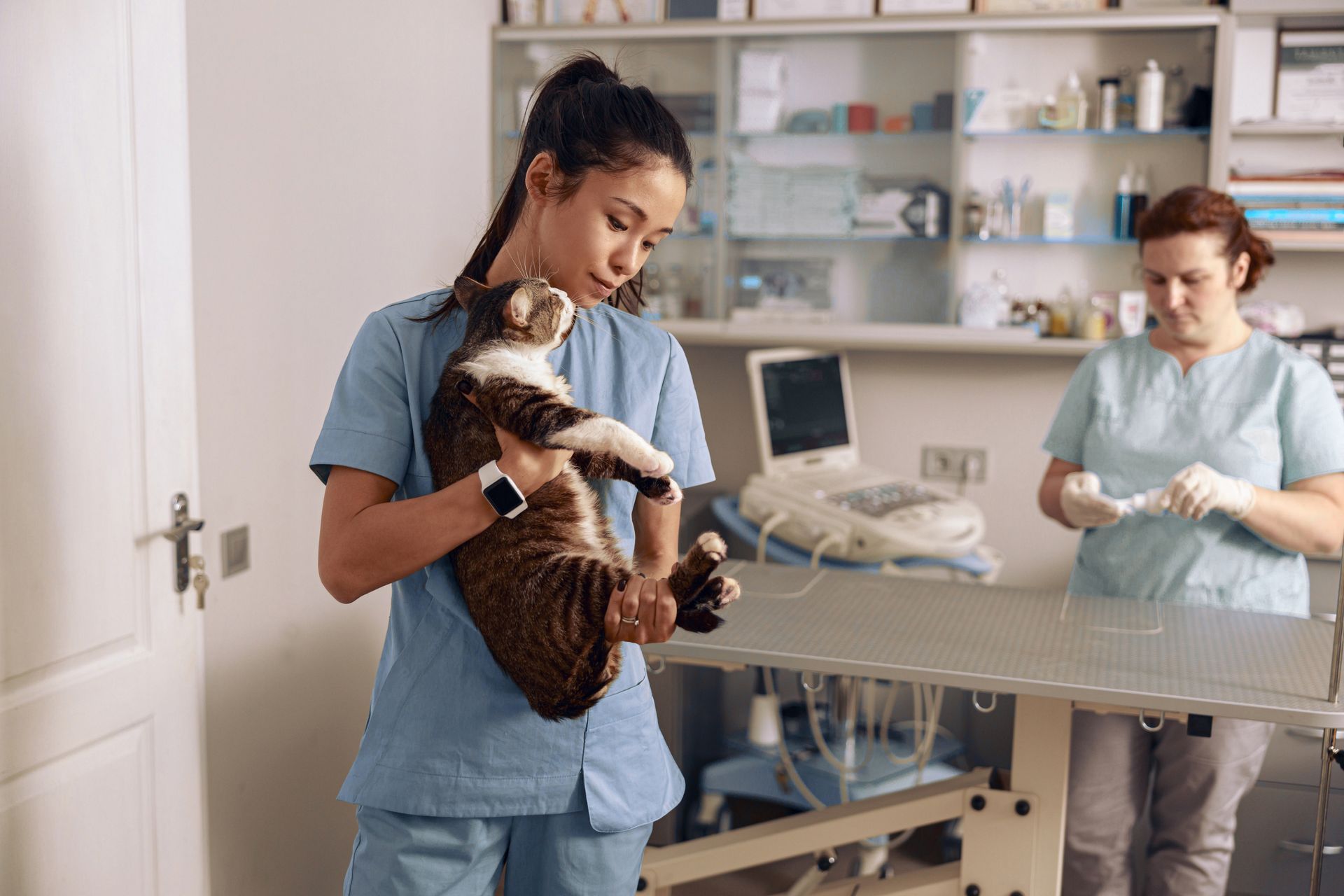
For your team
Workers’ Compensation
Covers medical costs and lost wages when a team member is hurt on the job — required in most states once you have employees.
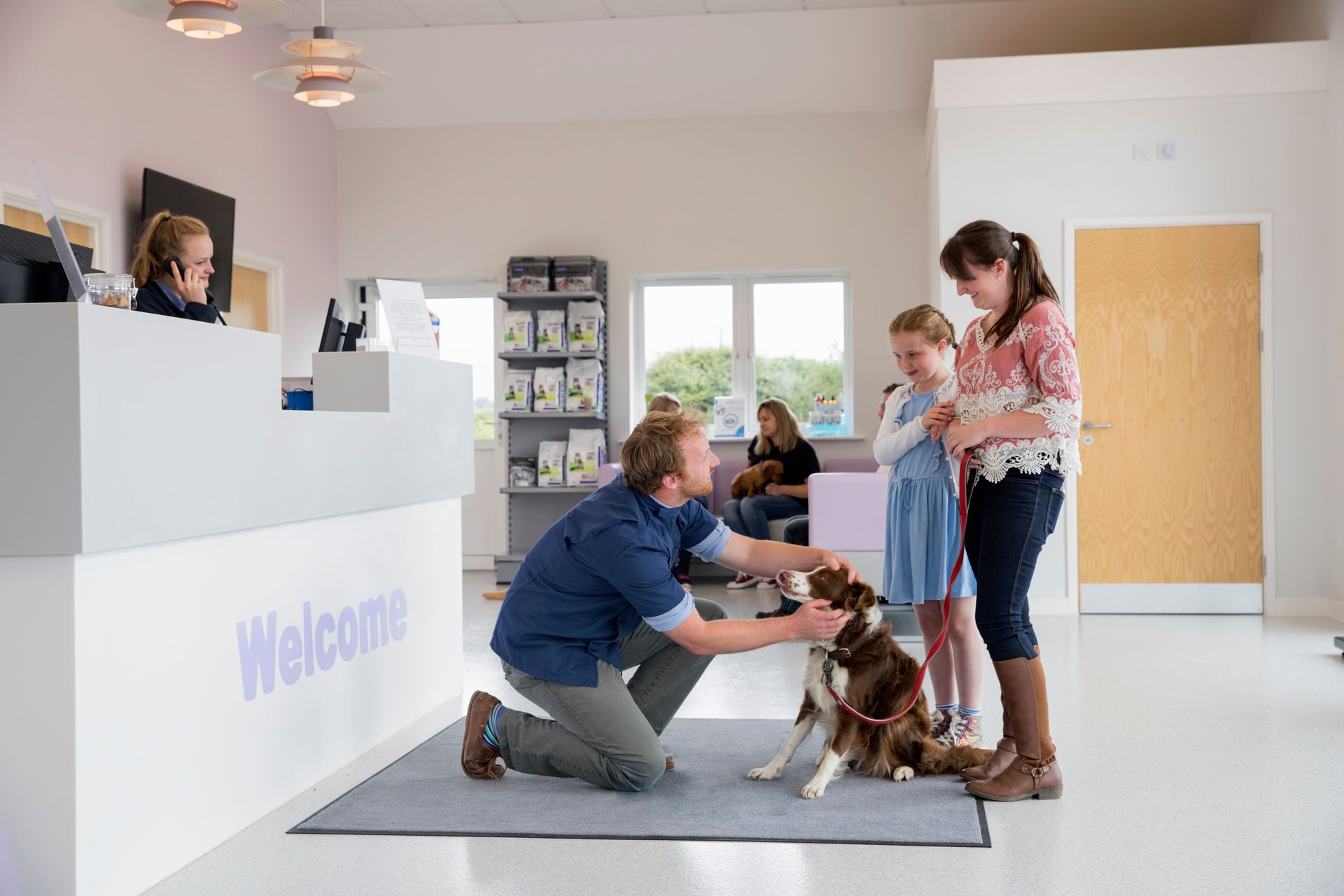
Extra protection
Commercial Umbrella
Adds liability limits above your primary policies for catastrophic claims that exceed standard coverage.
Coverage availability and terms vary by carrier and state. We recommend the right mix for your operation once we talk.
Industries we serve
Built for the businesses that care for animals.
General liability is the baseline for every segment we specialize in. Find the page built for your business.
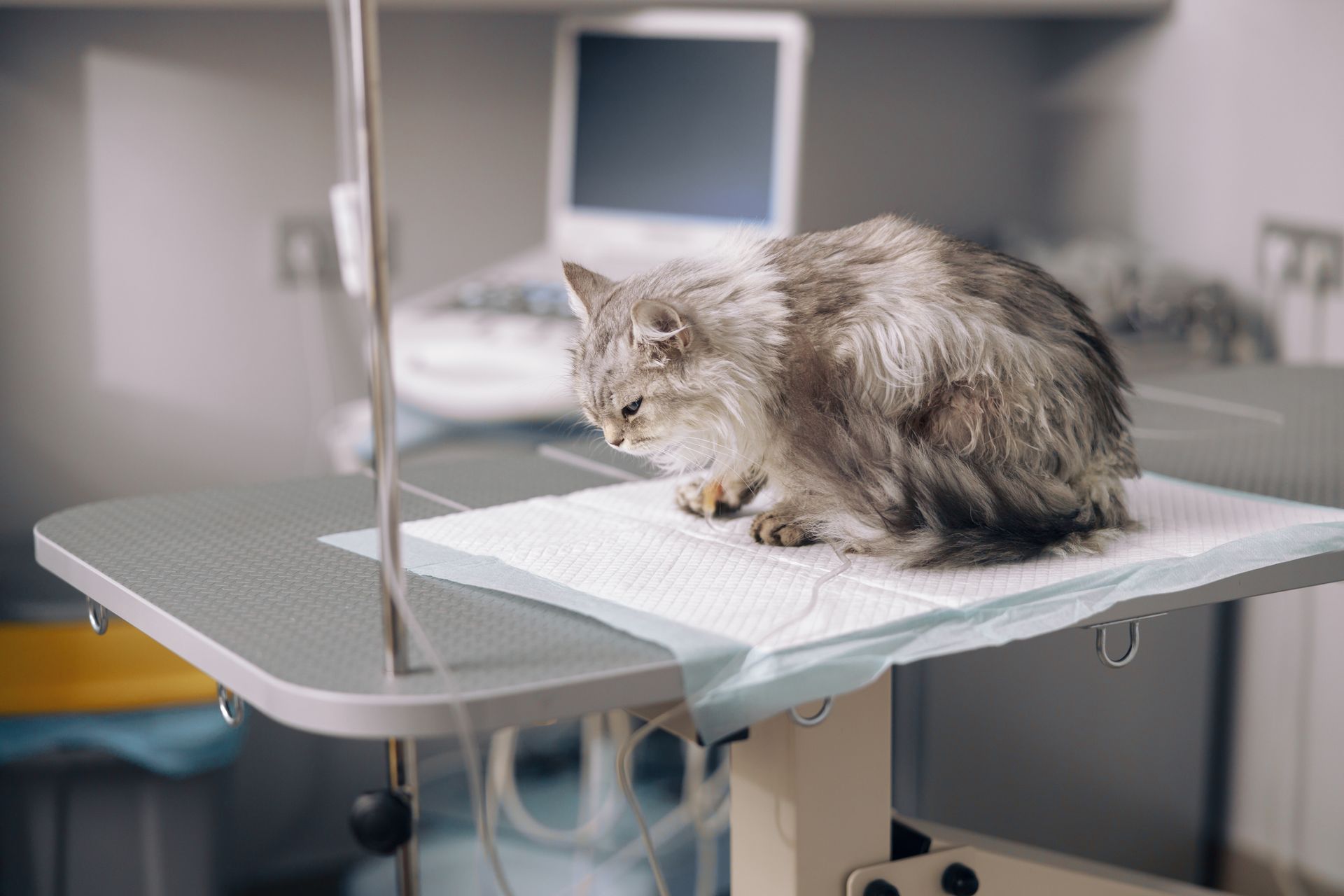
Clinical · high exposure
Veterinarians & Animal Hospitals
Professional and general liability, property, and workers’ comp for clinical operators with high exposure.
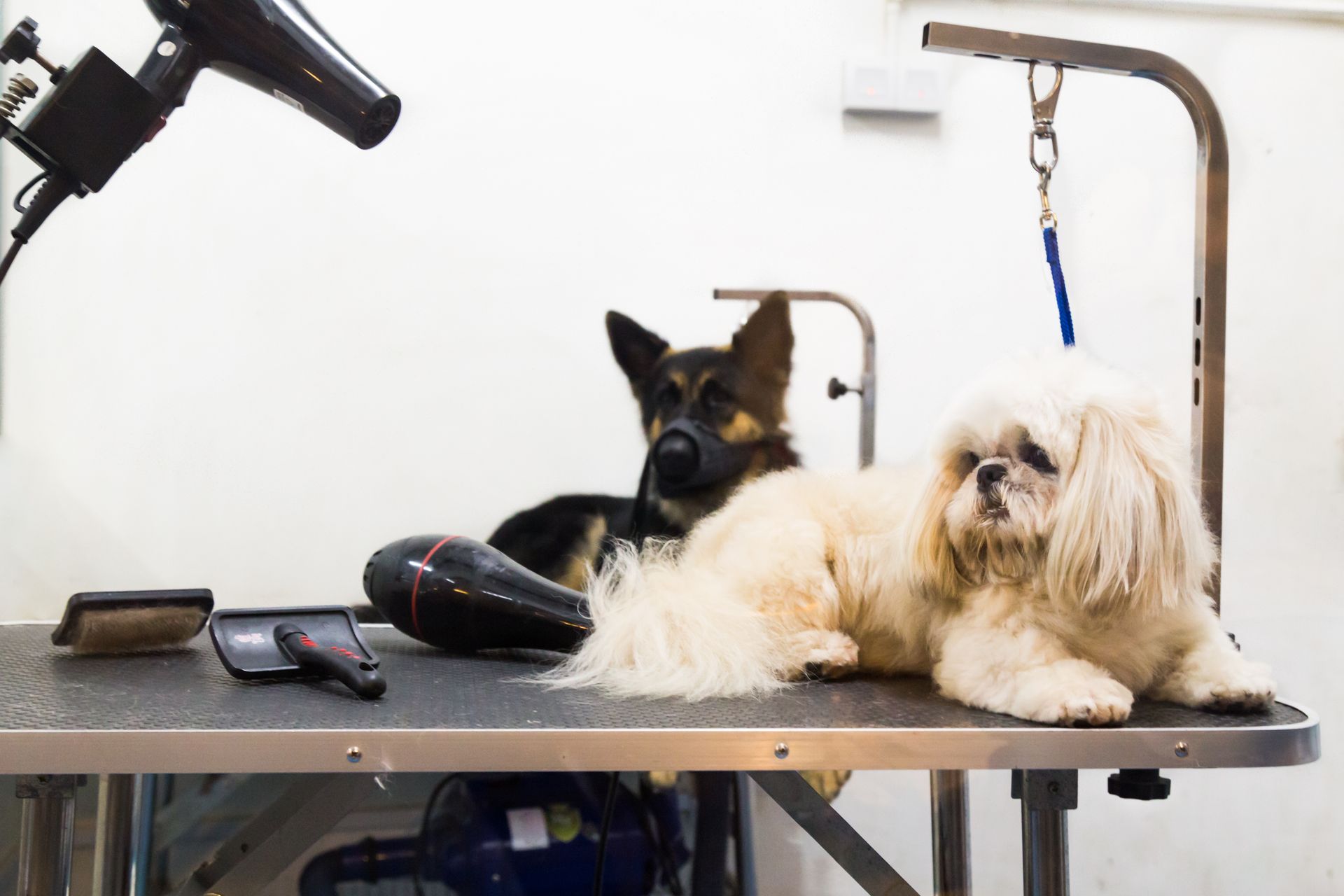
Hands-on · small business
Pet Groomers
Practical protection for animal handling, equipment, and the day-to-day of the grooming table, shop or mobile.

Safety-forward · overnight
Doggy Daycare & Boarding
Coverage matched to facilities responsible for animals overnight and all day long.
Our reviews
Trusted by pet professionals.
See what owners say about working with a specialist who already understands their business.
Frequently asked
Questions pet pros ask us.
What kinds of pet businesses do you insure?
We insure businesses across the animal-care industry — veterinarians and animal hospitals, groomers, doggy daycares and boarding facilities, kennels and trainers, pet sitters and dog walkers, and pet stores. We also cover breeders, equine operations, pet transporters, shelters and rescues, pet photographers, and aquariums or wildlife facilities.
If your work involves caring for, handling, or selling animals, there is a strong chance we cover it. Tell us what you do and we will confirm.
What is care, custody, and control coverage, and why does it matter?
Care, custody, and control coverage protects you when an animal in your charge is injured, becomes ill, or is lost while in your care. Standard general liability policies often exclude this exact exposure, which leaves a serious gap for pet businesses.
For groomers, boarders, sitters, and clinics, this is one of the most important coverages you can carry. We make sure it is in place and sized to your operation.
How is an independent agency different from buying direct from a carrier?
A direct carrier sells you its own single policy. As an independent agency, we shop multiple specialty insurers and compare programs to find the coverage that fits your business and budget.
That means you get options instead of one quote, and an advocate who works for you, not the carrier. We also handle the renewals and claims support over the life of your policy.
How fast can I get a quote?
Most clients get quoted within one business day. Our industry-specific intake forms collect the right details up front, so we can take your information straight to the carriers without a long back-and-forth.
Need it sooner? Call a specialist directly at (346) 738-7297 and we will move quickly.
Which states do you serve?
We are licensed and actively writing coverage in 12 states: Connecticut, Delaware, Georgia, Kentucky, Massachusetts, New Jersey, New York, North Carolina, Pennsylvania, South Carolina, Tennessee, and Virginia.
We continue to add states as we grow. If you operate outside this list, reach out and we will let you know our latest footprint.
From the blog
Coverage notes for pet professionals.
Plain-language risk tips and coverage explainers, written for owners — not insurance pros.
Speak with a specialist
Let's find the right coverage for your business.
No quote bots, no funnel. Talk to a real pet-insurance specialist who already understands your operation — and shops multiple markets on your behalf.
Call us
(346) 738-7297
Toll-free 845-250-5366
Email
service@petindustryins.com
Visit Us
8 Joyce Plaza
Stony Point, NY 10980