Coverage for veterinary practices
Connecticut Veterinarian Insurance
Running a veterinary practice in Connecticut means juggling clinical care, staff management, and a mountain of regulatory obligations. Insurance often falls to the bottom of the priority list until something goes wrong: a dog bites a client in your lobby, a surgical complication leads to a malpractice claim, or a staff member gets injured restraining a fractened animal. Connecticut has specific requirements for veterinary operations, and the insurance landscape here differs from neighboring states in meaningful ways. Whether you're opening a new clinic in Stamford or expanding a mixed-animal practice in Litchfield County, understanding your coverage needs, compliance obligations, and realistic cost expectations will save you from expensive surprises. This guide breaks down what CT veterinary practice owners actually need to know about protecting their businesses.
Essential Insurance Coverages for Connecticut Veterinary Practices
Every veterinary clinic faces a unique mix of risks. You're handling live animals, dispensing controlled substances, performing surgeries, and interacting with emotionally invested pet owners. A single bad outcome can generate a claim that threatens your entire practice.
The core coverages most CT veterinary operations need include professional liability (malpractice), general liability, property insurance, animal bailee coverage, workers' compensation, and potentially commercial auto if you run a mobile clinic. Some of these are legally required; others are practically essential because operating without them is reckless. The AVMA has been consolidating its insurance service offerings to simplify how veterinarians access coverage, which reflects how complex the insurance picture has become for practices of all sizes.
The trick is matching your coverage to your actual risk profile. A small-animal clinic in West Hartford has very different exposure than an equine practice in rural Tolland County. Cookie-cutter policies miss critical gaps.
Professional Liability and Veterinary Malpractice
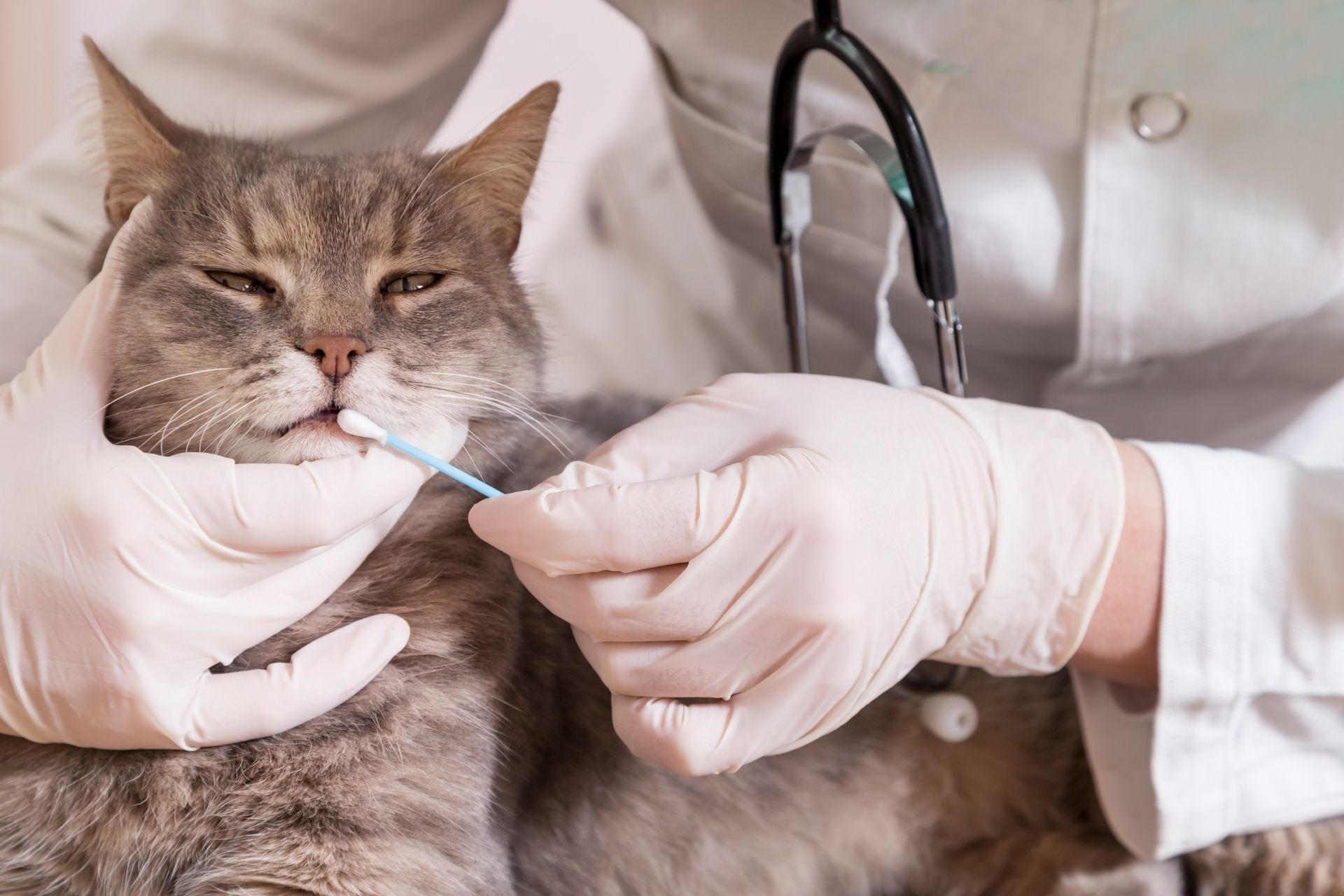
Professional liability, often called veterinary malpractice insurance, covers claims arising from errors, omissions, or negligence in your clinical work. If a client alleges that a misdiagnosis led to their pet's death, or that a surgical error caused unnecessary suffering, this policy responds.
Connecticut doesn't mandate professional liability insurance by statute for veterinarians, but operating without it is a serious gamble. Defense costs alone for a malpractice claim can easily exceed $50,000 before you even get to a settlement. Most policies cover both defense costs and damages up to your policy limits.
One common mistake: assuming your general liability policy covers malpractice claims. It doesn't. Professional liability is a separate coverage, and you need both. Claims-made versus occurrence-based policies matter here too. Claims-made policies only cover incidents reported during the active policy period, meaning you'll need tail coverage if you ever switch carriers or retire.
General Liability vs. Professional Liability: Key Differences
These two coverages get confused constantly, so here's a clear breakdown:
| Feature | General Liability | Professional Liability |
|---|---|---|
| What it covers | Bodily injury, property damage on premises | Errors or omissions in professional services |
| Example claim | Client slips on wet floor in your lobby | Incorrect medication dosage harms a patient |
| Who's covered | Business as an entity, employees | Licensed veterinarians, sometimes vet techs |
| Typical limits | $1M per occurrence / $2M aggregate | $1M per claim / $3M aggregate |
| Required by law in CT? | Not mandated, but landlords often require it | Not mandated, but practically essential |
General liability handles the "premises and operations" side of your risk: someone trips over a leash in your waiting room, or your clinic sign falls and damages a car. Professional liability handles the clinical side. You need both, and they work together to create a full picture of protection.
Animal Bailee Coverage for Boarding and Hospitalization
Here's a coverage gap that catches many veterinary practices off guard. If an animal is injured, becomes ill, or dies while in your care, custody, and control, your general liability policy typically excludes it. That's where animal bailee coverage steps in.
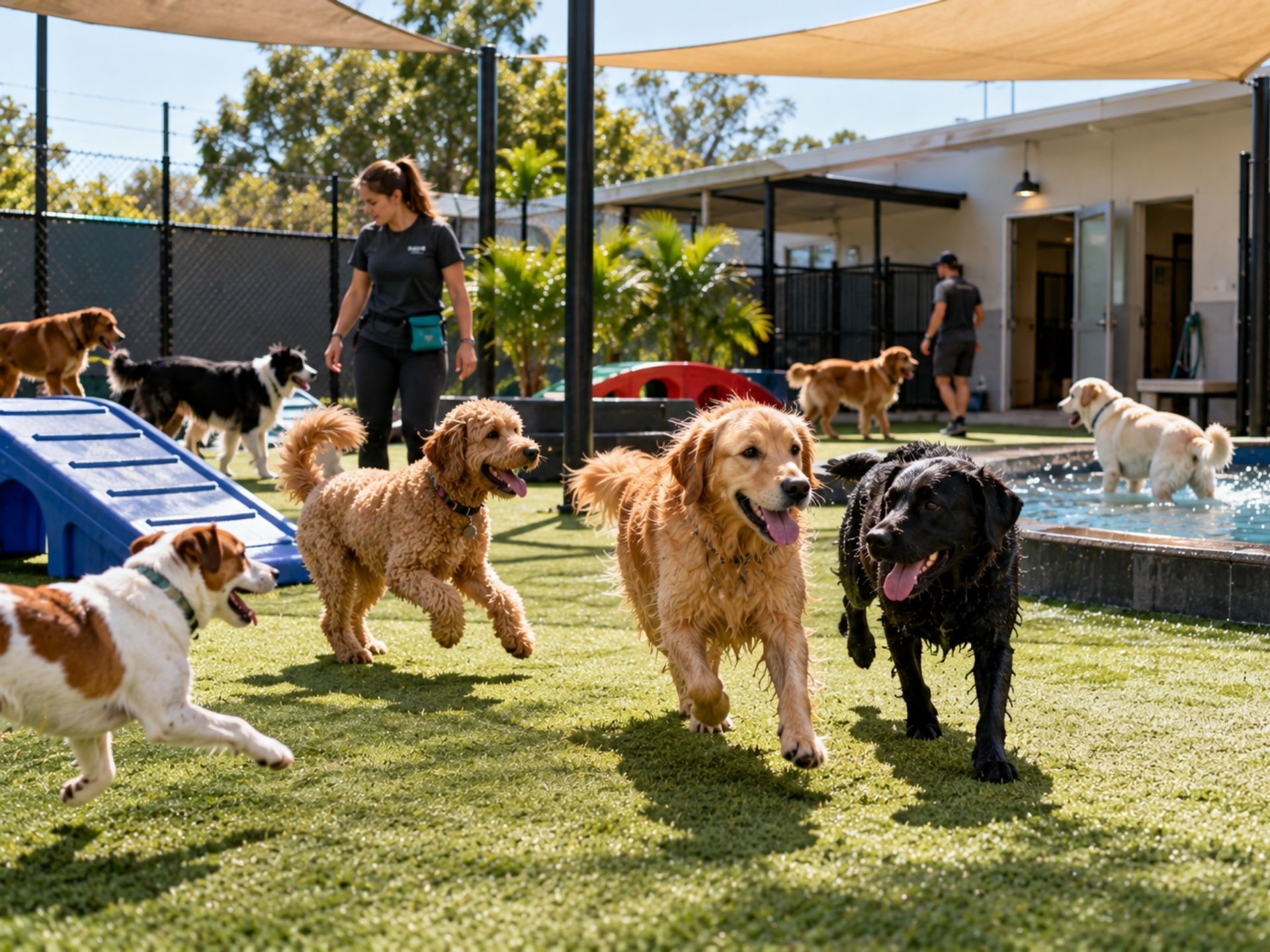
Any time you're boarding animals overnight, holding them for post-surgical recovery, or running a daycare service alongside your practice, you have bailee exposure. A fire, a kennel fight, or even an HVAC failure on a hot August day in Connecticut can result in significant claims. Bailee coverage pays for the value of the animal and related costs.
Pet Professional Insurance Agency works with specialty markets that understand these specific risks, and their intake forms are tailored to capture the nuances of veterinary boarding operations. That matters because a generic commercial policy won't ask the right questions about your animal-handling protocols.
Connecticut State Compliance and Mandatory Requirements
Connecticut regulates veterinary practices through the Department of Public Health, and licensure requirements are detailed and specific. Beyond licensing, several insurance-related obligations apply to CT veterinary operations. Getting these wrong can result in fines, license suspension, or personal liability exposure.
State law evolves, too. The Connecticut General Assembly has been
active on animal-related legislation, and staying current matters. Always consult a qualified attorney for guidance on how specific statutes apply to your practice.
Workers' Compensation Laws for CT Veterinary Staff
Connecticut requires workers' compensation insurance for virtually all employers, including veterinary practices. If you have even one employee, you need a policy. There are very limited exceptions, and most vet clinics don't qualify for them.
The good news for 2026: Connecticut veterinary practices will benefit from a 4.0% reduction in voluntary market workers' compensation rates effective January 1. That's real money back in your budget, especially for practices with larger staffs.
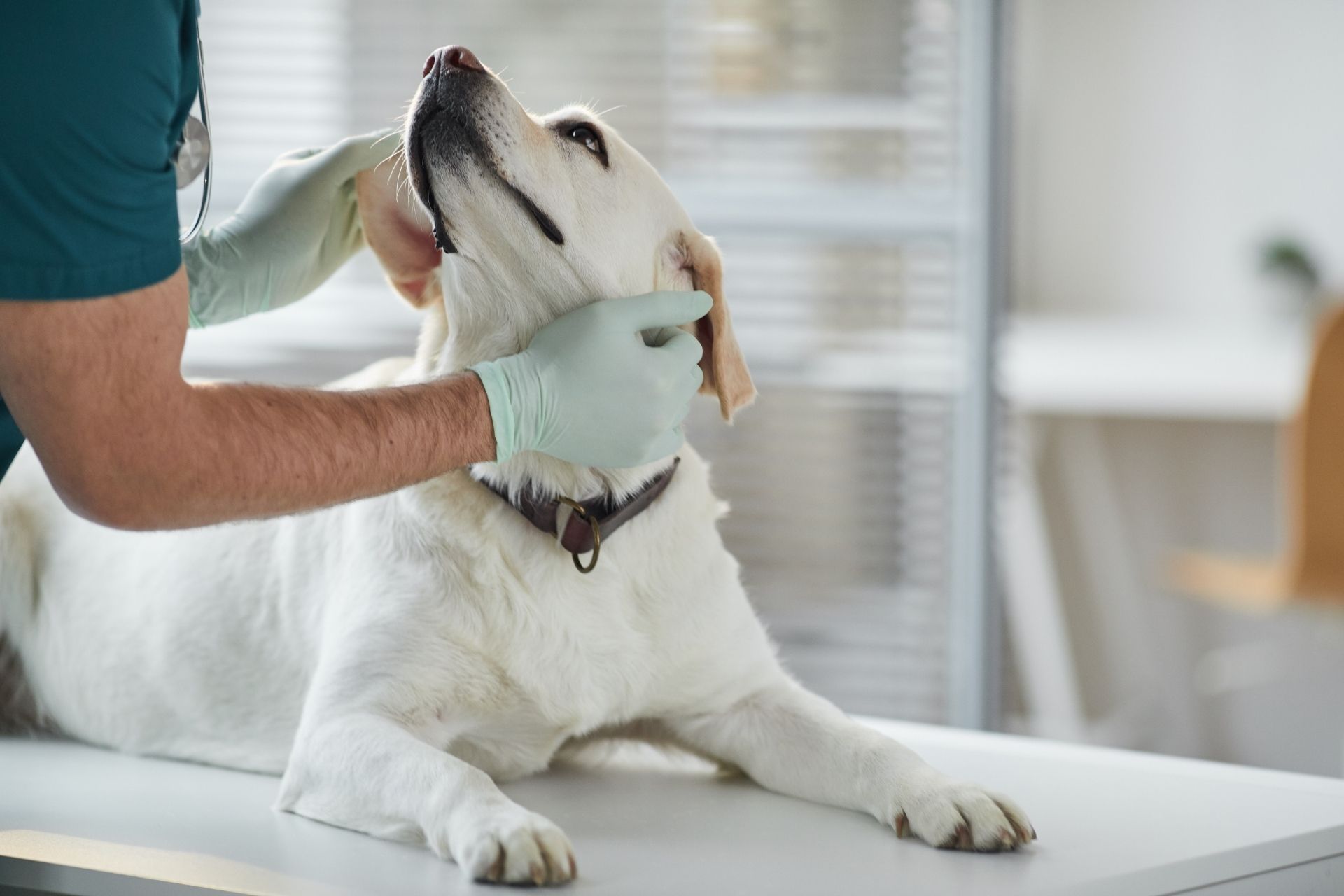
Veterinary work carries above-average workers' comp risk. Bite injuries, scratches, needle sticks, lifting injuries from large animals, and exposure to anesthetic gases all contribute to claims. Your classification code and payroll size directly determine your premium, so accurate job classifications matter. Misclassifying a veterinary technician as an office worker might lower your premium initially, but it creates audit problems and potential penalties down the road.
Commercial Auto Insurance for Mobile Clinics
Mobile veterinary services have grown significantly in Connecticut, particularly for equine practitioners and house-call small-animal vets. If your practice owns or leases vehicles used for business purposes, you need commercial auto insurance. Personal auto policies exclude business use, full stop.
Your commercial auto policy should include hired and non-owned auto coverage if employees ever use their personal vehicles for practice errands like picking up supplies or transporting lab samples. Liability limits of at least $1 million are standard for veterinary mobile operations, and you'll want to confirm that your medical equipment stored in the vehicle is covered under either the auto policy or an inland marine floater.
Comparing Coverage: Basic vs. Comprehensive Protection Plans
Not every practice needs the same level of coverage, but skimping in the wrong places is a recipe for disaster. Here's how basic and comprehensive plans typically differ for Connecticut veterinary operations:
- A basic plan usually includes general liability, professional liability, and property coverage. It protects against the most common claims but leaves gaps around boarding, employee injuries, and specialized services.
- A comprehensive plan adds animal bailee coverage, employment practices liability, cyber liability (yes, your patient records contain sensitive client data), business interruption insurance, and umbrella coverage that extends your limits across multiple policies.
The cost difference between basic and comprehensive coverage is often smaller than practice owners expect: sometimes only 20-30% more in annual premium for substantially broader protection. Pet Professional Insurance Agency can help you compare options from multiple specialty markets, which gives you a clearer picture of what's available without having to shop each carrier individually. Most clients hear back within 24-48 hours, which matters when you're trying to get coverage in place before opening day.
Factors Influencing Insurance Costs in Connecticut
Insurance pricing isn't random, even though it can feel that way. Several concrete factors determine what your Connecticut veterinary practice will pay.
Practice Size, Location, and Specialized Services
A solo practitioner in a leased 1,200-square-foot space in New Haven will pay substantially less than a multi-doctor emergency hospital in Fairfield County. Revenue, square footage, number of employees, and annual patient volume all feed into the rating formula.
Specialized services move the needle on pricing. Practices offering exotic animal care, oncology, orthopedic surgery, or emergency and critical care face higher premiums because these services carry greater malpractice exposure. The veterinary practice market remains active in 2026, with consolidation continuing to reshape the industry. Larger corporate-owned practices may have different insurance structures than independent clinics, but the underlying risk factors are similar.
Location within Connecticut matters too. Urban practices in Hartford or Bridgeport may face higher general liability premiums due to foot traffic and crime rates, while rural practices might see higher auto insurance costs for mobile services covering larger territories.
Claim History and Risk Management Strategies
Your loss history is the single most powerful factor in your premium. A clean claims record over three to five years can earn you significant credits, while even one or two claims can push your rates up substantially.
Proactive risk management pays off directly. Documenting informed consent for every procedure, maintaining proper restraint protocols, keeping facilities in good repair, and training staff on safety procedures all reduce claim frequency. Some carriers offer premium credits for practices that implement formal safety programs.
One thing to keep in mind: even claims that get denied or closed without payment still show up on your loss runs. Frivolous lawsuits count against you in the underwriting process. That's frustrating, but it's reality, and it's another reason to invest in prevention.
Frequently Asked Questions About CT Veterinary Insurance
Does Connecticut require veterinarians to carry malpractice insurance? No state statute mandates professional liability insurance for veterinarians in Connecticut. That said, most practice owners carry it because the financial exposure without it is enormous.
How much does veterinary malpractice insurance cost in CT? Solo practitioners typically pay between $1,500 and $4,000 annually for professional liability coverage. Multi-doctor practices pay more based on staff count and services offered. The AVMA offers insurance resources for members that can help with comparison shopping.
Do I need animal bailee coverage if I only board animals for post-surgical recovery? Yes. Any time an animal is in your care, custody, and control, you have bailee exposure. Even short-term post-op stays create liability that general policies typically exclude.
Is cyber liability insurance necessary for a veterinary practice? If you store client payment information, medical records, or employee data electronically, yes. Data breach notification costs in Connecticut can run $50,000 or more even for a small practice.
Can I bundle my veterinary insurance policies? Most specialty insurers offer package policies that combine general liability, professional liability, and property coverage. Bundling usually saves 10-15% compared to purchasing each policy separately.
What happens if I operate without workers' comp in Connecticut? You face fines of up to $50,000, potential criminal penalties, and personal liability for any employee injuries. Connecticut takes workers' comp compliance seriously.
Making the Right Choice for Your Clinic
Choosing the right insurance for your Connecticut veterinary practice isn't about finding the lowest premium. It's about matching your coverage to your actual risk profile so that a single bad day doesn't threaten everything you've built. Start by honestly assessing your services, your staff size, your facility, and your tolerance for risk.
Work with an agent who understands veterinary operations specifically. Pet Professional Insurance Agency specializes in pet-industry businesses and has access to multiple specialty markets, so you're not limited to a single carrier's offerings. Their team works directly with you, not through a call center, which means your specific situation gets the attention it deserves.
Index
Pet Professional Insurance Agency is fully licensed and permitted to provide commercial insurance solutions for pet businesses across 12 states.
We proudly serve pet professionals throughout the Northeast, Mid-Atlantic, and Southeast. Powered by Joyce Insurance Agency, our team works with leading specialty carriers — including The Hartford, USLI, Nautilus, and Northland — to make sure veterinarians, groomers, boarding facilities, and pet-care businesses receive coverage that fits their real risks in Connecticut, Delaware, Georgia, Kentucky, Massachusetts, New Jersey, New York, North Carolina, Pennsylvania, South Carolina, Tennessee, and Virginia.
About the author
Barnaby Joyce
Founder, Pet Professional Insurance Agency · Licensed Insurance Producer
I started Pet Professional Insurance Agency because I watched pet businesses get handed generic policies that never fit. After years of placing coverage for veterinary practices, grooming salons, doggy daycares, and kennels through a generalist agency, I saw the same gaps over and over — and the same blank stares when an owner tried to explain care, custody, and control to an agent who had never insured an animal in their life.
So I built an agency that does one thing. I work directly with specialty carriers who actually want pet-industry risk, and I sit down with every client personally. You will not get a call center or a chatbot. You will get someone who already speaks your language and shops the market on your behalf. That is the whole idea.
Recommended coverages
Coverages that pair with general liability.
Most pet businesses build on general liability with the lines below. Explore each — every page cross-links to the
industries we serve.

Services & advice
Professional Liability / E&O
Covers claims tied to your professional services and advice — clinical care, training guidance, and the judgment calls you make daily.
The pet-industry gap
Care, Custody & Control
Covers the animals in your charge against injury, illness, or loss — the critical exposure standard liability policies leave out.
Bundled & cost-effective
Business Owners Policy (BOP)
Bundles property and general liability into one package built for small to mid-sized pet businesses — often the simplest base.
Your building & contents
Commercial Property
Protects your building, build-out, equipment, and inventory against fire, theft, and covered losses — front desk to back room.
For your team
Workers’ Compensation
Covers medical costs and lost wages when a team member is hurt on the job — required in most states once you have employees.
Extra protection
Commercial Umbrella
Adds liability limits above your primary policies for catastrophic claims that exceed standard coverage.
Coverage availability and terms vary by carrier and state. We recommend the right mix for your operation once we talk.
Industries we serve
Built for the businesses that care for animals.
General liability is the baseline for every segment we specialize in. Find the page built for your business.
Clinical · high exposure
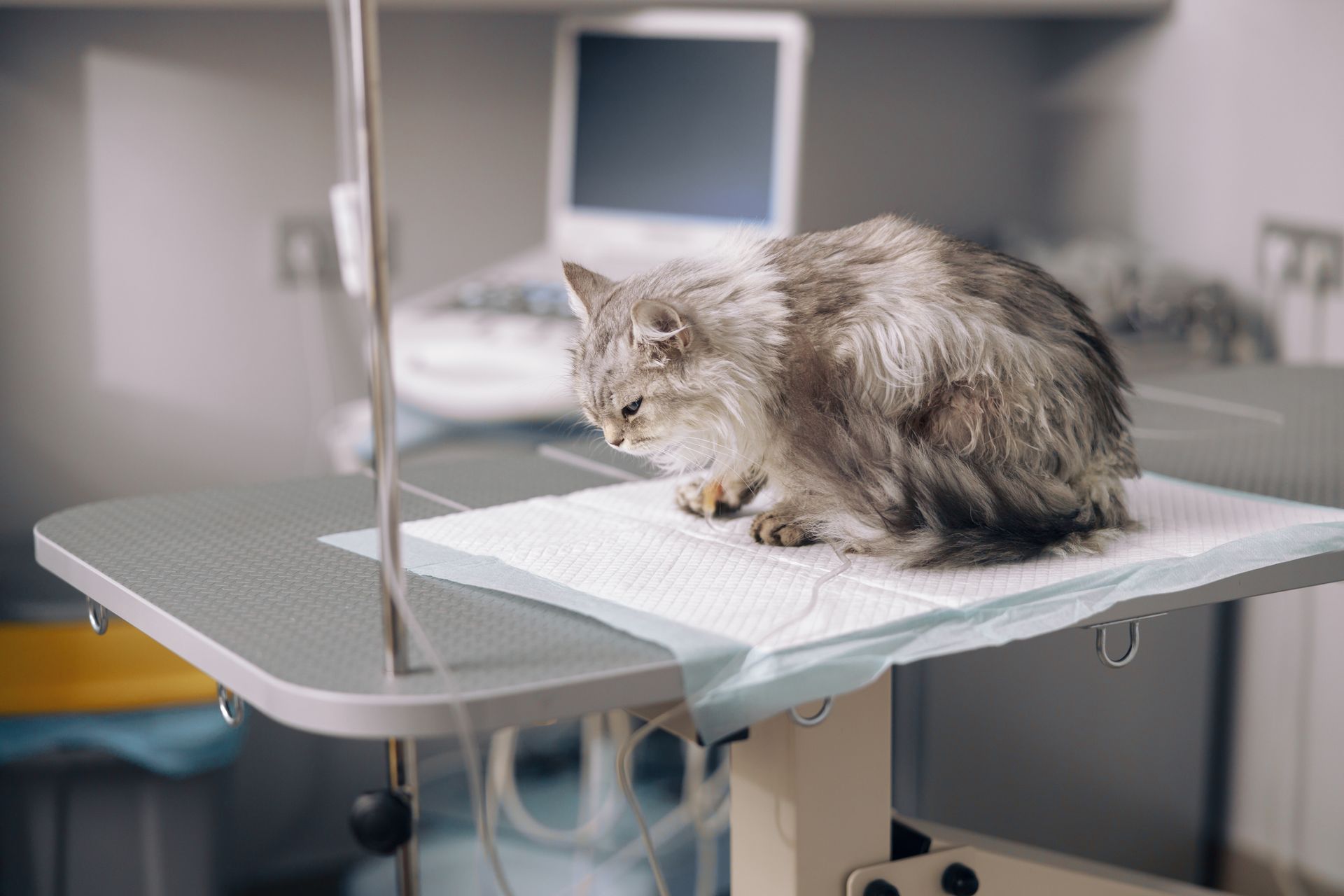
Veterinarians & Animal Hospitals
Professional and general liability, property, and workers’ comp for clinical operators with high exposure.
Hands-on · small business
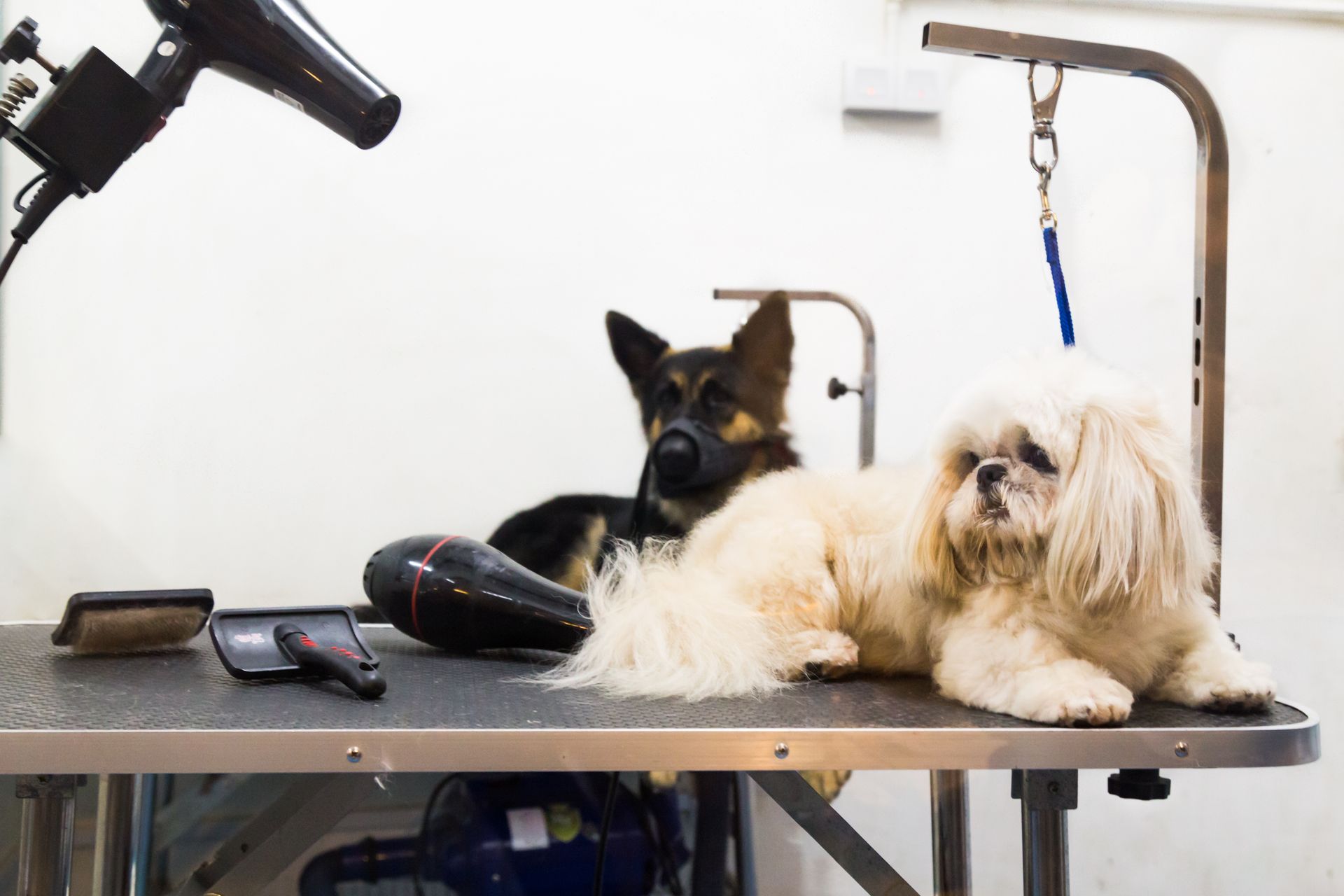
Pet Groomers
Practical protection for animal handling, equipment, and the day-to-day of the grooming table, shop or mobile.

Safety-forward · overnight
Doggy Daycare & Boarding
Coverage matched to facilities responsible for animals overnight and all day long.
Our reviews
Trusted by pet professionals.
See what owners say about working with a specialist who already understands their business.
Frequently asked
Questions pet pros ask us.
What kinds of pet businesses do you insure?
We insure businesses across the animal-care industry — veterinarians and animal hospitals, groomers, doggy daycares and boarding facilities, kennels and trainers, pet sitters and dog walkers, and pet stores. We also cover breeders, equine operations, pet transporters, shelters and rescues, pet photographers, and aquariums or wildlife facilities.
If your work involves caring for, handling, or selling animals, there is a strong chance we cover it. Tell us what you do and we will confirm.
What is care, custody, and control coverage, and why does it matter?
Care, custody, and control coverage protects you when an animal in your charge is injured, becomes ill, or is lost while in your care. Standard general liability policies often exclude this exact exposure, which leaves a serious gap for pet businesses.
For groomers, boarders, sitters, and clinics, this is one of the most important coverages you can carry. We make sure it is in place and sized to your operation.
How is an independent agency different from buying direct from a carrier?
A direct carrier sells you its own single policy. As an independent agency, we shop multiple specialty insurers and compare programs to find the coverage that fits your business and budget.
That means you get options instead of one quote, and an advocate who works for you, not the carrier. We also handle the renewals and claims support over the life of your policy.
How fast can I get a quote?
Most clients get quoted within one business day. Our industry-specific intake forms collect the right details up front, so we can take your information straight to the carriers without a long back-and-forth.
Need it sooner? Call a specialist directly at (346) 738-7297 and we will move quickly.
Which states do you serve?
We are licensed and actively writing coverage in 12 states: Connecticut, Delaware, Georgia, Kentucky, Massachusetts, New Jersey, New York, North Carolina, Pennsylvania, South Carolina, Tennessee, and Virginia.
We continue to add states as we grow. If you operate outside this list, reach out and we will let you know our latest footprint.
From the blog
Coverage notes for pet professionals.
Plain-language risk tips and coverage explainers, written for owners — not insurance pros.
Speak with a specialist
Let's find the right coverage for your business.
No quote bots, no funnel. Talk to a real pet-insurance specialist who already understands your operation — and shops multiple markets on your behalf.
Call us
(346) 738-7297
Toll-free 845-250-5366
Email
service@petindustryins.com
Visit Us
8 Joyce Plaza
Stony Point, NY 10980