Coverage for veterinary practices
Rochester, NY Veterinarian Insurance
Because we are independent, we compare general liability programs across specialty carriers that want pet-industry risk — which often reveals real premium differences for identical coverage.
Running a veterinary practice in Rochester means dealing with risks that most business owners never think about: a dog biting a client in your waiting room, a surgical complication that leads to a malpractice claim, or a burst pipe destroying $200,000 worth of diagnostic equipment in the middle of January. Monroe County's harsh winters and aging commercial buildings add their own wrinkles to the equation. If you own or operate a veterinary clinic in the Rochester area, understanding your insurance options isn't just smart planning - it's essential for survival. The coverage requirements in New York State are stricter than most states, the penalties for non-compliance are steep, and the costs vary widely depending on how your practice is structured. This guide breaks down what Rochester veterinarian businesses actually pay for coverage, what New York law requires, and where clinics commonly leave gaps that come back to haunt them.
Core Insurance Coverages for Rochester Veterinary Clinics
Every veterinary practice in Rochester needs a layered insurance strategy. A single policy won't cover the full range of risks you face daily. From professional errors to client injuries to equipment damage, the threats are distinct and require separate coverage responses.
Most Rochester clinics carry at least three to four policy types, though the exact mix depends on your services, staff size, and whether you own or lease your building. The goal isn't to buy every policy available - it's to match your coverage to your actual risk profile without leaving dangerous gaps.
Professional Liability and Animal Bailee Coverage
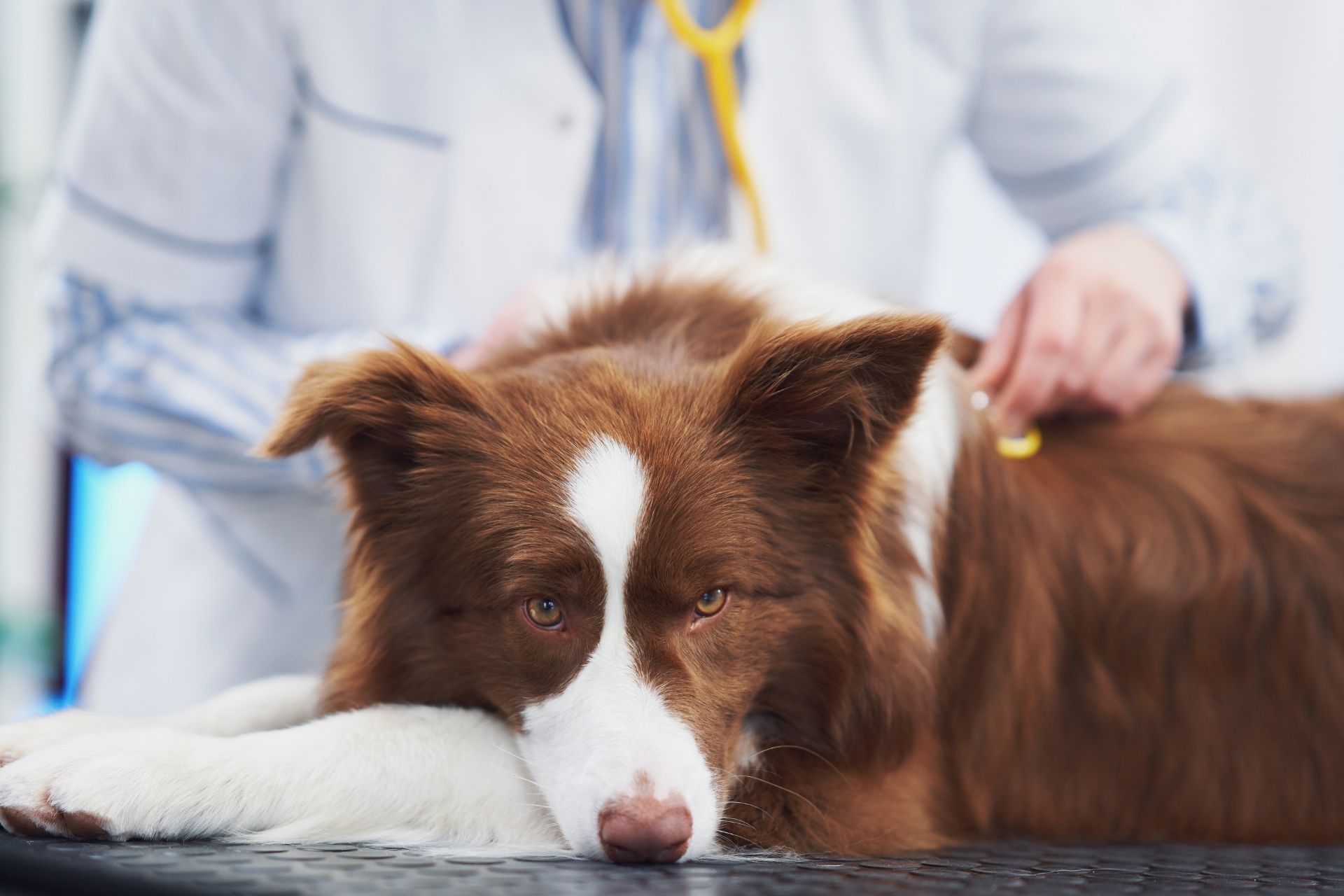
Professional liability, sometimes called veterinary malpractice insurance, covers claims arising from errors in treatment, diagnosis, or surgery. If a pet owner alleges that your care caused injury or death to their animal, this policy pays for your legal defense and any resulting settlement or judgment. In Rochester, where pet owners are increasingly willing to pursue legal action over treatment outcomes, this coverage is non-negotiable.
Animal bailee coverage is a related but separate protection. It covers animals in your care, custody, or control - meaning if a boarded pet escapes, gets injured, or dies while at your facility, the policy responds. Standard general liability policies typically exclude animals left in your care, which is a gap that catches many practice owners off guard. Pet Professional Insurance Agency specializes in placing these coverages through multiple specialty markets, which matters because not every insurer understands the difference between a boarding facility claim and a surgical malpractice claim.
General Liability for Client Safety
General liability insurance protects your practice when a client, vendor, or visitor is injured on your premises. Slip-and-fall injuries in icy Rochester parking lots are a real and recurring problem from November through March. If a client trips over a leash in your lobby or a delivery driver slips on your back steps, this policy covers their medical bills and your legal costs.
This coverage also handles property damage claims - say a client's car is damaged by falling ice from your building's roof. Policies typically start at $1 million per occurrence with a $2 million aggregate, though landlords in Monroe County commercial spaces often require higher limits as a condition of your lease. Don't assume your lease's insurance requirements match what you actually need; review both with your agent.
Commercial Property Protection for Specialized Equipment
Veterinary equipment is expensive. Digital X-ray systems, ultrasound machines, dental units, and anesthesia monitors can easily represent $150,000 to $500,000 in assets for a mid-sized Rochester clinic. Commercial property insurance covers these items against fire, theft, vandalism, and certain weather events.
Here's what trips up many practice owners: standard property policies may not cover equipment breakdown or power surge damage without a specific endorsement. Rochester's older electrical infrastructure in neighborhoods like Park Avenue or South Wedge can make power surges a genuine concern. Make sure your policy includes equipment breakdown coverage, and verify that your coverage limits reflect current replacement costs, not what you paid five years ago.
New York State Legal Requirements for Veterinarians
New York doesn't leave much to chance with business insurance requirements. The state mandates several coverages that veterinary practices must carry, and the enforcement mechanisms have real teeth.
Mandatory Workers' Compensation and Disability Insurance
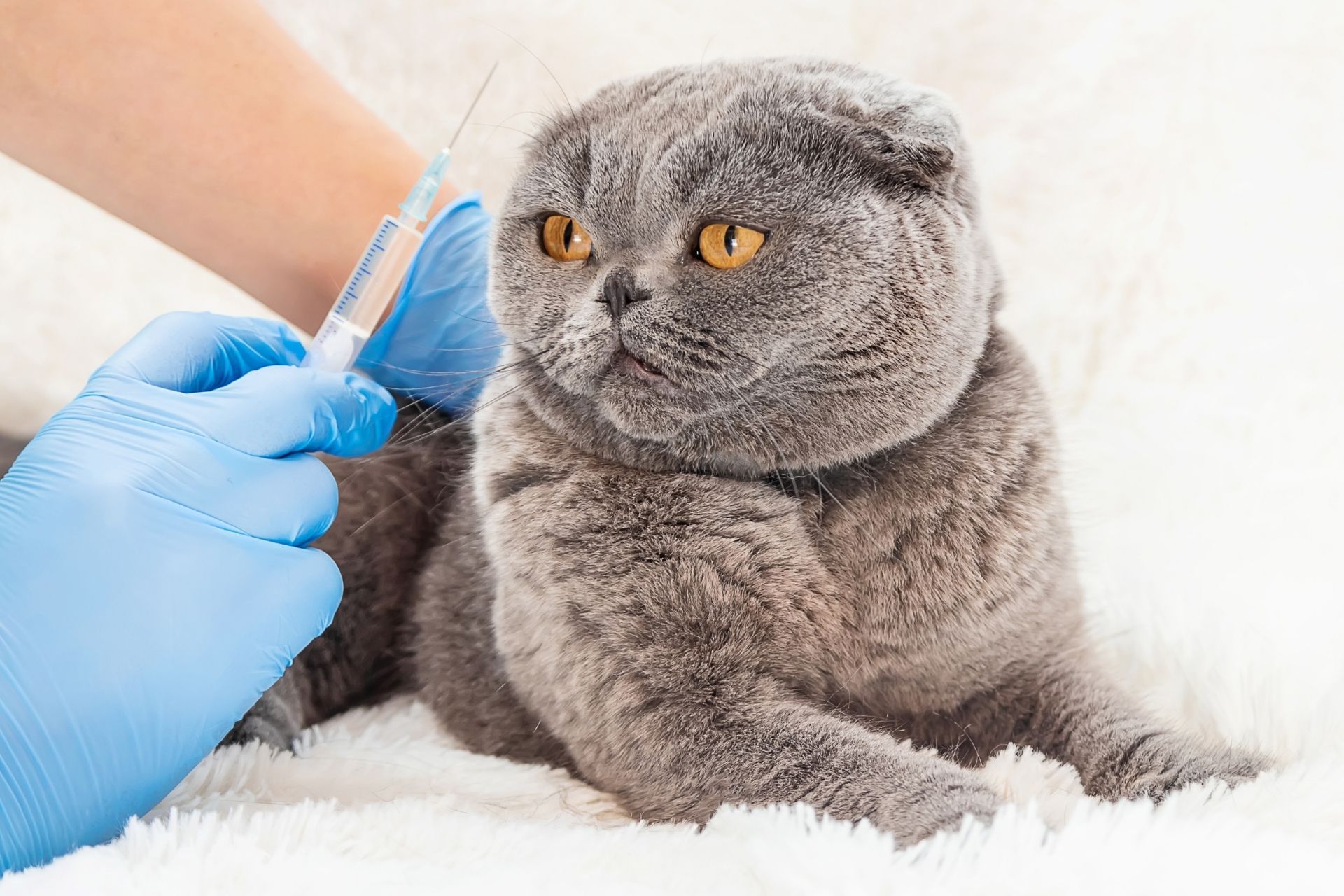
Every veterinary practice in New York with one or more employees must carry workers' compensation insurance. There are no exceptions for small practices. The 2026 loss cost for veterinary hospitals under Class Code 8831 is set at 0.7, which means for every $100 of payroll, the base rate before carrier modifications starts at $0.70. Your actual premium will be higher after the carrier applies its loss cost multiplier, experience modification factor, and any applicable surcharges.
New York also requires Statutory Disability Benefits (DBL) insurance, which provides partial wage replacement for employees who become disabled off the job. This is separate from workers' comp and is frequently overlooked by new practice owners. Penalties for operating without either coverage include fines of up to $2,000 per 10-day period of non-compliance, plus potential criminal charges. New York's 2026 insurance premium landscape reflects ongoing adjustments that affect what Rochester practices pay annually.
Commercial Auto Insurance for Mobile Vets
If your practice operates a mobile veterinary unit or uses vehicles for farm calls in the surrounding Monroe County agricultural areas, commercial auto insurance is required. Personal auto policies explicitly exclude business use, so driving your personal car to a farm call in Henrietta or Pittsford without commercial coverage leaves you completely exposed.
Commercial auto policies cover liability, collision, and comprehensive damage for vehicles used in business operations. If you employ vet techs who drive company vehicles, make sure your policy includes hired and non-owned auto coverage to protect the practice when employees use their own cars for work errands.
Comparing Policy Tiers: Basic vs. Comprehensive Protection
Not all veterinary insurance packages are created equal. Here's how basic and comprehensive coverage typically compare for a Rochester practice:
| Coverage Feature | Basic Tier | Comprehensive Tier |
|---|---|---|
| General Liability | $1M per occurrence / $2M aggregate | $2M per occurrence / $4M aggregate |
| Professional Liability | $500K per claim | $1M+ per claim |
| Animal Bailee | Limited or excluded | $25K-$100K per animal |
| Property Coverage | Building and contents only | Includes equipment breakdown |
| Business Interruption | Not included | 12 months of lost income |
| Cyber Liability | Not included | Included (client data protection) |
| Employment Practices | Not included | Included |
A basic package might run $3,000 to $5,000 annually for a solo practitioner, while comprehensive coverage for a multi-vet practice with surgical services can range from $8,000 to $18,000 or more. The jump in premium between tiers is usually much smaller than the jump in protection, which is why most experienced practice owners lean toward comprehensive plans.
Factors Influencing Insurance Costs in Monroe County
Your premium isn't pulled from thin air. Insurers evaluate specific risk factors tied to your practice, your location, and your claims history.
Practice Size and Staffing Levels
A solo vet with two support staff faces very different risks than a five-vet practice with 20 employees. Workers' compensation premiums scale directly with payroll - the Class Code 8831 loss cost of 0.7 is applied to every $100 of your total payroll. A practice with $800,000 in annual payroll will pay substantially more than one with $200,000, even before experience mods are factored in.
Staff count also affects general liability pricing. More employees mean more client interactions, more opportunities for incidents, and higher aggregate risk. Practices that employ vet techs performing advanced procedures may face additional underwriting scrutiny.
Range of Services and Surgical Procedures
A wellness-only practice that handles vaccinations and routine exams carries lower professional liability risk than a clinic performing orthopedic surgeries, dental extractions, or emergency care. Insurers price this difference aggressively. If you've recently added surgical capabilities or started offering exotic animal care, your premiums will reflect that expanded risk.
Boarding and daycare services bundled with veterinary care also increase costs because they introduce care, custody, and control exposure. Pet Professional Insurance Agency uses intake forms tailored to each type of pet business, which helps match your actual service mix to the right coverage without overpaying for risks you don't have.
Common Questions About Veterinary Coverage in Rochester
Does my veterinary license require me to carry malpractice insurance in New York? New York doesn't mandate professional liability insurance for veterinarians by law, but operating without it is extremely risky. A single malpractice claim can easily exceed $50,000 in legal costs alone.
How quickly can I get coverage for a new practice? Most specialty agencies, including Pet Professional Insurance Agency, can provide initial responses within 24 to 48 hours. Binding coverage typically takes a few additional days depending on the complexity of your practice.
Are bite injuries covered under general liability? Usually, yes - if a patient bites a client or staff member on your premises, general liability typically responds for the injured party. Workers' comp covers employee injuries. Animal bailee would apply if the biting animal was injured during the incident.
Do I need separate coverage for telemedicine consultations? Yes. Telehealth services create professional liability exposure that may not be covered under a standard in-person practice policy. Ask your agent to confirm your professional liability extends to virtual consultations.
What happens if I let my workers' comp lapse? New York's penalties are severe: fines up to $2,000 for every 10-day period without coverage, plus the possibility of a misdemeanor charge. The Workers' Compensation Board actively audits businesses.
Making the Right Choice for Your Clinic
Veterinary insurance in Rochester isn't a one-size-fits-all decision. Your practice's location, services, staff, and growth plans all shape the coverage you need and what you'll pay. The biggest mistake I see Rochester practice owners make is buying the minimum required coverage and assuming they're protected - then discovering a $75,000 gap when a real claim hits.
Start by getting clear on what New York requires (workers' comp, disability, and commercial auto if applicable), then build outward based on your specific risks. Compare at least two to three proposals from agencies that understand veterinary operations, not generalist brokers who treat your clinic like a retail store. If you want a conversation with someone who actually knows the difference between animal bailee and care, custody, and control coverage, reach out to Pet Professional Insurance Agency for a review of your current policies.
Index
Pet Professional Insurance Agency is fully licensed and permitted to provide commercial insurance solutions for pet businesses across 12 states.
We proudly serve pet professionals throughout the Northeast, Mid-Atlantic, and Southeast. Powered by Joyce Insurance Agency, our team works with leading specialty carriers — including The Hartford, USLI, Nautilus, and Northland — to make sure veterinarians, groomers, boarding facilities, and pet-care businesses receive coverage that fits their real risks in Connecticut, Delaware, Georgia, Kentucky, Massachusetts, New Jersey, New York, North Carolina, Pennsylvania, South Carolina, Tennessee, and Virginia.
About the author
Barnaby Joyce
Founder, Pet Professional Insurance Agency · Licensed Insurance Producer
I started Pet Professional Insurance Agency because I watched pet businesses get handed generic policies that never fit. After years of placing coverage for veterinary practices, grooming salons, doggy daycares, and kennels through a generalist agency, I saw the same gaps over and over — and the same blank stares when an owner tried to explain care, custody, and control to an agent who had never insured an animal in their life.
So I built an agency that does one thing. I work directly with specialty carriers who actually want pet-industry risk, and I sit down with every client personally. You will not get a call center or a chatbot. You will get someone who already speaks your language and shops the market on your behalf. That is the whole idea.
Recommended coverages
Coverages that pair with general liability.
Most pet businesses build on general liability with the lines below. Explore each — every page cross-links to the
industries we serve.
Services & advice
Professional Liability / E&O
Covers claims tied to your professional services and advice — clinical care, training guidance, and the judgment calls you make daily.
The pet-industry gap
Care, Custody & Control
Covers the animals in your charge against injury, illness, or loss — the critical exposure standard liability policies leave out.
Bundled & cost-effective
Business Owners Policy (BOP)
Bundles property and general liability into one package built for small to mid-sized pet businesses — often the simplest base.
Your building & contents
Commercial Property
Protects your building, build-out, equipment, and inventory against fire, theft, and covered losses — front desk to back room.
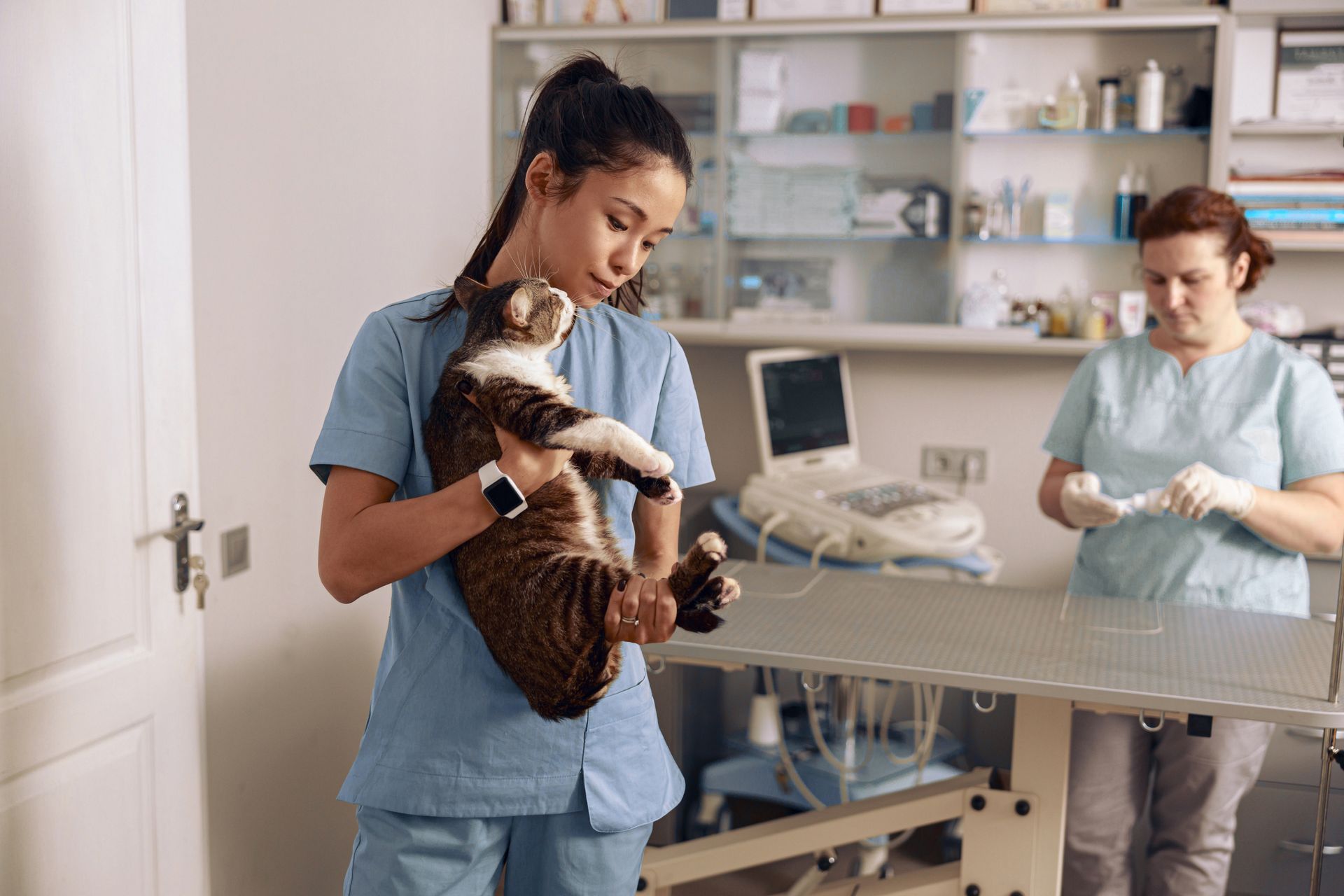
For your team
Workers’ Compensation
Covers medical costs and lost wages when a team member is hurt on the job — required in most states once you have employees.
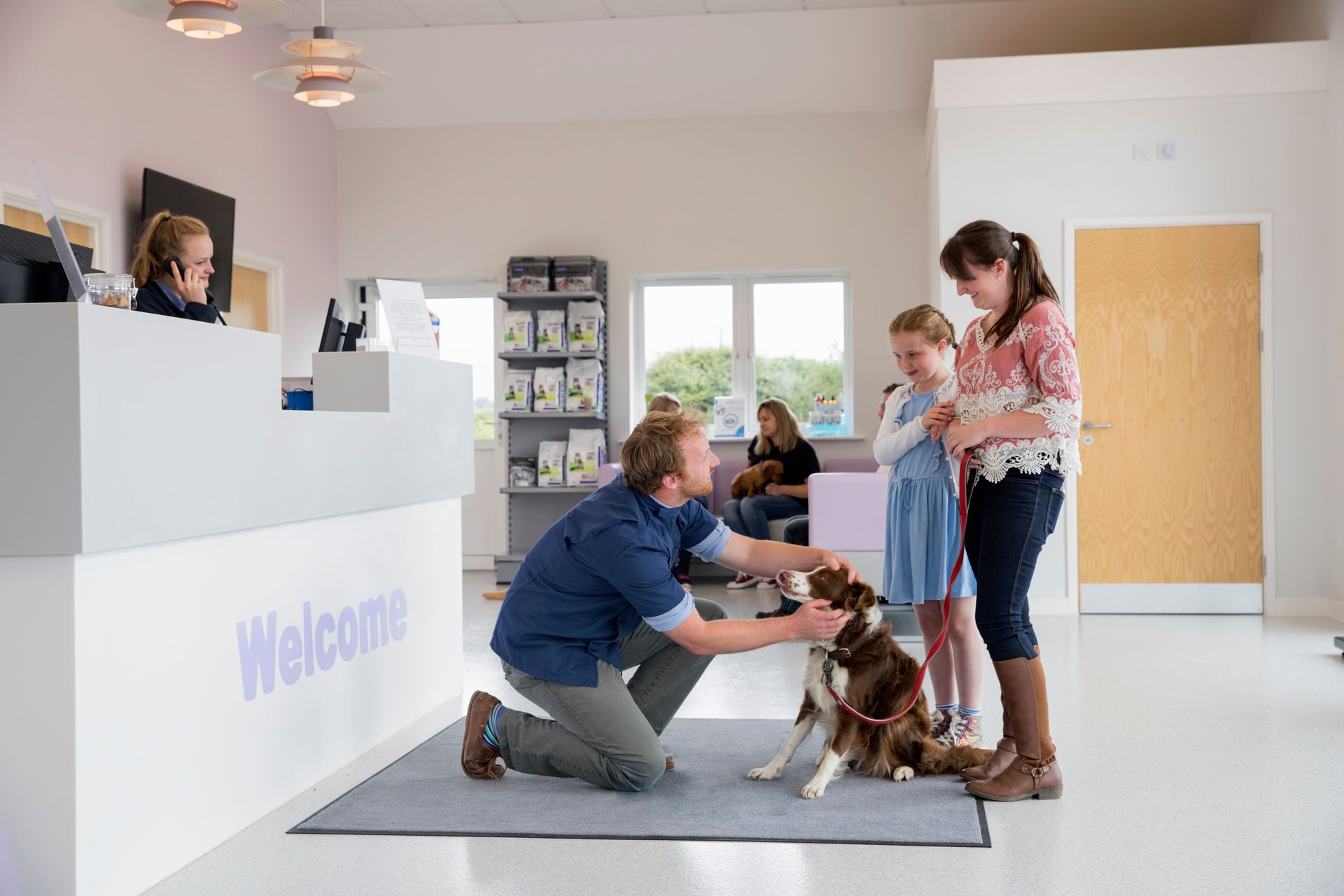
Extra protection
Commercial Umbrella
Adds liability limits above your primary policies for catastrophic claims that exceed standard coverage.
Coverage availability and terms vary by carrier and state. We recommend the right mix for your operation once we talk.
Industries we serve
Built for the businesses that care for animals.
General liability is the baseline for every segment we specialize in. Find the page built for your business.
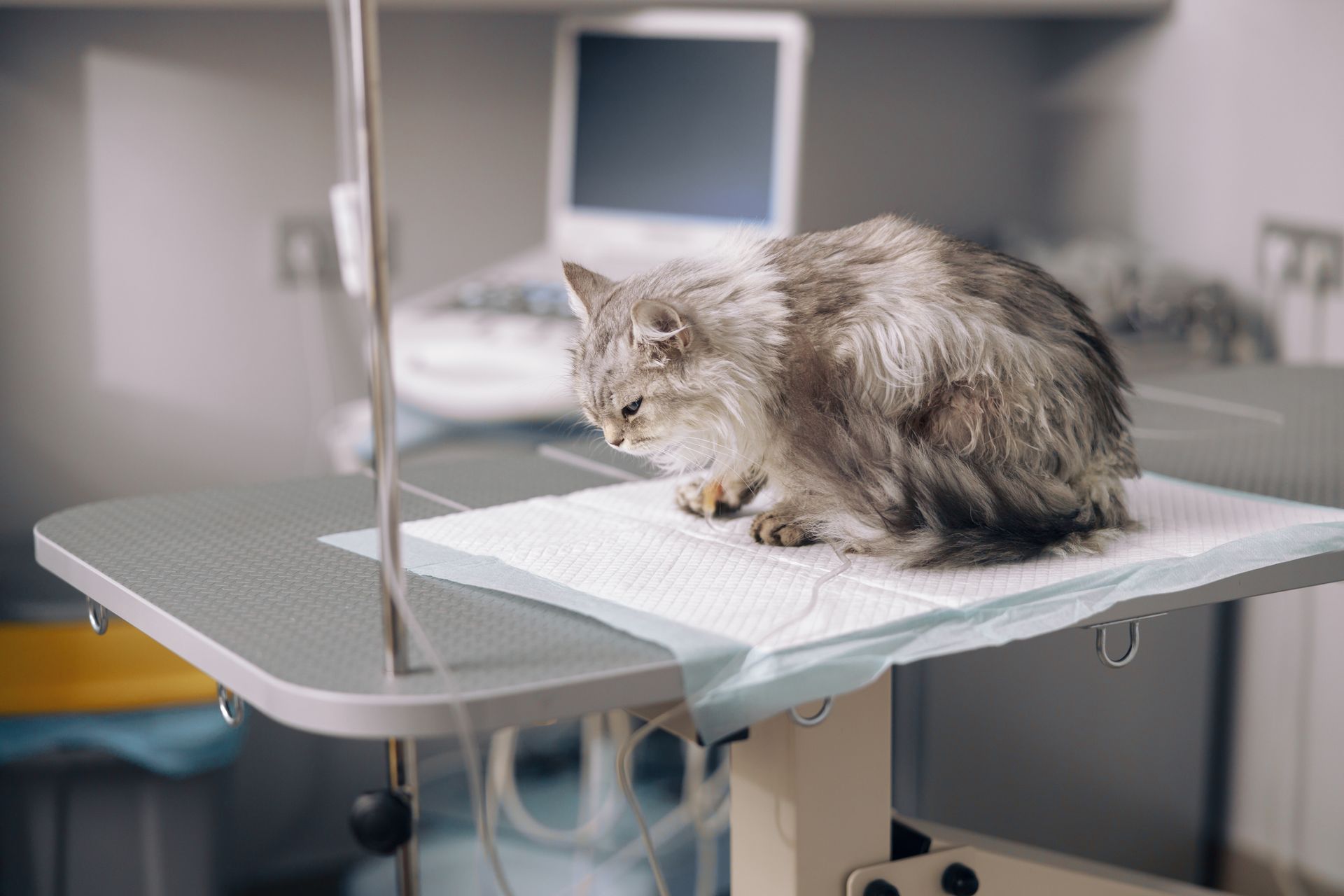
Clinical · high exposure
Veterinarians & Animal Hospitals
Professional and general liability, property, and workers’ comp for clinical operators with high exposure.
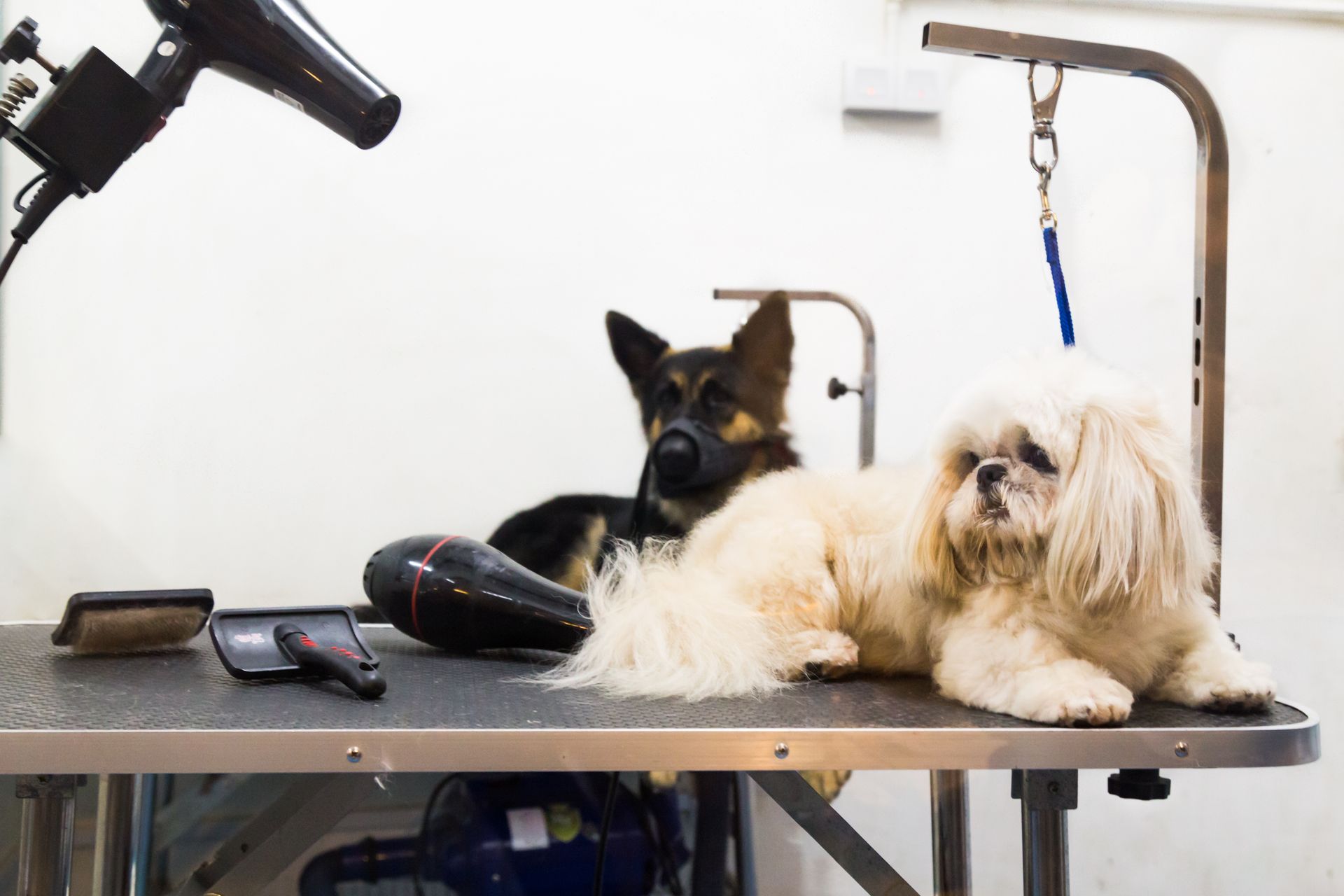
Hands-on · small business
Pet Groomers
Practical protection for animal handling, equipment, and the day-to-day of the grooming table, shop or mobile.

Safety-forward · overnight
Doggy Daycare & Boarding
Coverage matched to facilities responsible for animals overnight and all day long.
Our reviews
Trusted by pet professionals.
See what owners say about working with a specialist who already understands their business.
Frequently asked
Questions pet pros ask us.
What kinds of pet businesses do you insure?
We insure businesses across the animal-care industry — veterinarians and animal hospitals, groomers, doggy daycares and boarding facilities, kennels and trainers, pet sitters and dog walkers, and pet stores. We also cover breeders, equine operations, pet transporters, shelters and rescues, pet photographers, and aquariums or wildlife facilities.
If your work involves caring for, handling, or selling animals, there is a strong chance we cover it. Tell us what you do and we will confirm.
What is care, custody, and control coverage, and why does it matter?
Care, custody, and control coverage protects you when an animal in your charge is injured, becomes ill, or is lost while in your care. Standard general liability policies often exclude this exact exposure, which leaves a serious gap for pet businesses.
For groomers, boarders, sitters, and clinics, this is one of the most important coverages you can carry. We make sure it is in place and sized to your operation.
How is an independent agency different from buying direct from a carrier?
A direct carrier sells you its own single policy. As an independent agency, we shop multiple specialty insurers and compare programs to find the coverage that fits your business and budget.
That means you get options instead of one quote, and an advocate who works for you, not the carrier. We also handle the renewals and claims support over the life of your policy.
How fast can I get a quote?
Most clients get quoted within one business day. Our industry-specific intake forms collect the right details up front, so we can take your information straight to the carriers without a long back-and-forth.
Need it sooner? Call a specialist directly at (346) 738-7297 and we will move quickly.
Which states do you serve?
We are licensed and actively writing coverage in 12 states: Connecticut, Delaware, Georgia, Kentucky, Massachusetts, New Jersey, New York, North Carolina, Pennsylvania, South Carolina, Tennessee, and Virginia.
We continue to add states as we grow. If you operate outside this list, reach out and we will let you know our latest footprint.
From the blog
Coverage notes for pet professionals.
Plain-language risk tips and coverage explainers, written for owners — not insurance pros.
Speak with a specialist
Let's find the right coverage for your business.
No quote bots, no funnel. Talk to a real pet-insurance specialist who already understands your operation — and shops multiple markets on your behalf.
Call us
(346) 738-7297
Toll-free 845-250-5366
Email
service@petindustryins.com
Visit Us
8 Joyce Plaza
Stony Point, NY 10980