Coverage for veterinary practices
New Haven, CT Veterinarian Insurance
Because we are independent, we compare general liability programs across specialty carriers that want pet-industry risk — which often reveals real premium differences for identical coverage.
Running a veterinary practice in New Haven means juggling clinical excellence with the less glamorous realities of business ownership: payroll, compliance, and yes, insurance. Whether you operate a small companion animal clinic near East Rock or a multi-vet hospital closer to the Yale-New Haven corridor, the coverage you carry directly affects your financial stability. A single malpractice claim, a dog bite in your waiting room, or a workers' comp audit gone wrong can turn a profitable year into a devastating one. Veterinarian insurance in New Haven requires understanding both Connecticut-specific regulations and the unique risks that come with treating animals for a living. The state has its own mandates around workers' compensation and commercial auto, while the nature of veterinary work introduces exposures most general business policies simply don't address: animals in your custody, controlled substances on-site, expensive diagnostic equipment, and staff members who get scratched, bitten, or kicked on a daily basis. This guide breaks down local coverage needs, state requirements, and realistic cost expectations so you can make informed decisions about protecting your New Haven veterinary business. The goal isn't to sell you on the most expensive policy available: it's to help you understand what you actually need and what you're probably overpaying for.
Core Insurance Needs for New Haven Veterinary Practices
Every veterinary practice shares a baseline set of risks, but the specifics shift depending on your services, your staff size, and even your neighborhood. A walk-in clinic in Westville faces different foot traffic patterns than a specialty referral hospital near the medical district. That said, three coverage types form the foundation of any solid veterinary insurance program, and skipping any of them leaves a dangerous gap.
New Haven practices also face some location-specific considerations. The city's density means more client interactions per square foot, higher property values affecting lease requirements, and landlords who often demand proof of specific coverage limits before signing a commercial lease. Getting these foundational policies right from the start saves you from scrambling later.
Professional Liability and Veterinary Malpractice
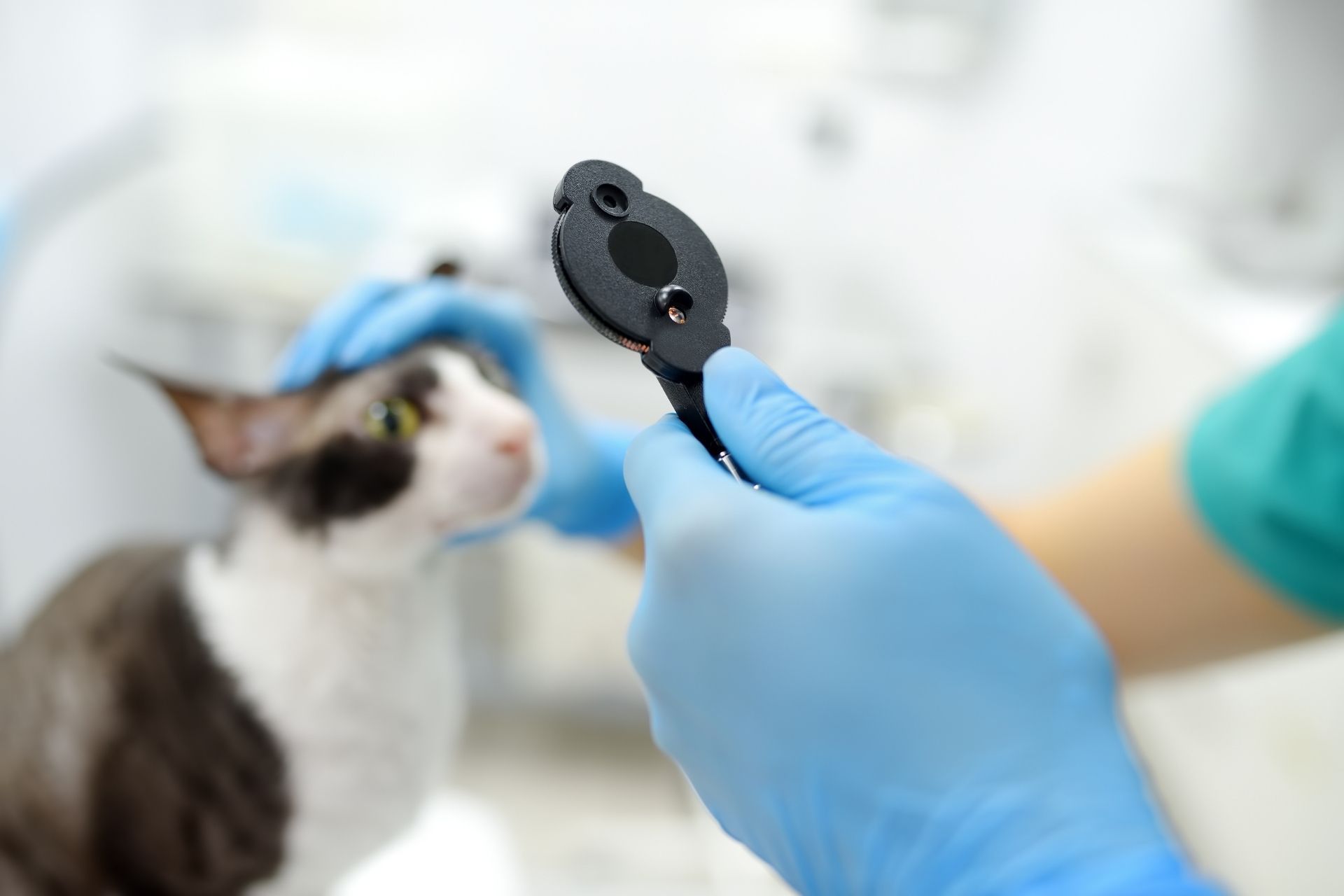
This is the coverage that keeps you practicing medicine. Professional liability, often called veterinary malpractice insurance, protects you when a client alleges that your treatment caused harm to their animal. These claims don't have to involve actual negligence: a bad surgical outcome, a medication reaction, or even a misunderstanding about prognosis can trigger a lawsuit. Defense costs alone can run $30,000 to $75,000, even if you did nothing wrong.
One newer development worth knowing about: veterinary professional liability policies now frequently include license defense options that cover legal costs if the Connecticut Board of Veterinary Medicine investigates a complaint against your license. This matters because a board investigation can run parallel to a civil claim, doubling your legal expenses. Most New Haven vets carry $1 million per occurrence and $3 million aggregate limits, though practices performing complex surgeries or emergency work may want higher.
General Liability for Animal Hospitals
General liability covers the "slip and fall" category of risk, but for veterinary practices, it extends well beyond wet floors. If a client's dog bites another client in your lobby, if a visitor trips over a leash in the parking lot, or if your signage falls and damages a neighboring storefront, general liability responds. Practice owners need to understand how liability insurance interacts with their specific operations, because standard commercial general liability policies often exclude animal-related incidents unless the policy is specifically endorsed for veterinary use.
New Haven landlords typically require $1 million per occurrence and $2 million aggregate, with the property owner named as an additional insured. Don't sign a lease without confirming your policy meets these thresholds.
Animal Bailee Coverage for Boarded Pets
If animals stay overnight at your practice for any reason: post-surgical recovery, boarding services, or observation: you need animal bailee coverage. This protects you financially if an animal in your care is injured, escapes, or dies while under your supervision. Standard general liability policies almost never cover animals in your custody, care, or control. That's a critical gap.
A common mistake I see New Haven practices make is assuming their professional liability handles this. It doesn't. Professional liability covers treatment-related claims. If a boarded cat escapes through a faulty cage latch and gets hit by a car on Whalley Avenue, that's a bailee claim. Coverage limits typically range from $5,000 to $25,000 per animal, with aggregate limits of $50,000 to $150,000. Practices with dedicated boarding services should push for the higher end.
Connecticut State Requirements for Veterinary Businesses
Connecticut doesn't leave much to interpretation when it comes to mandatory business insurance. The state enforces specific requirements, and veterinary practices aren't exempt just because they're in healthcare.
Mandatory Workers' Compensation in CT
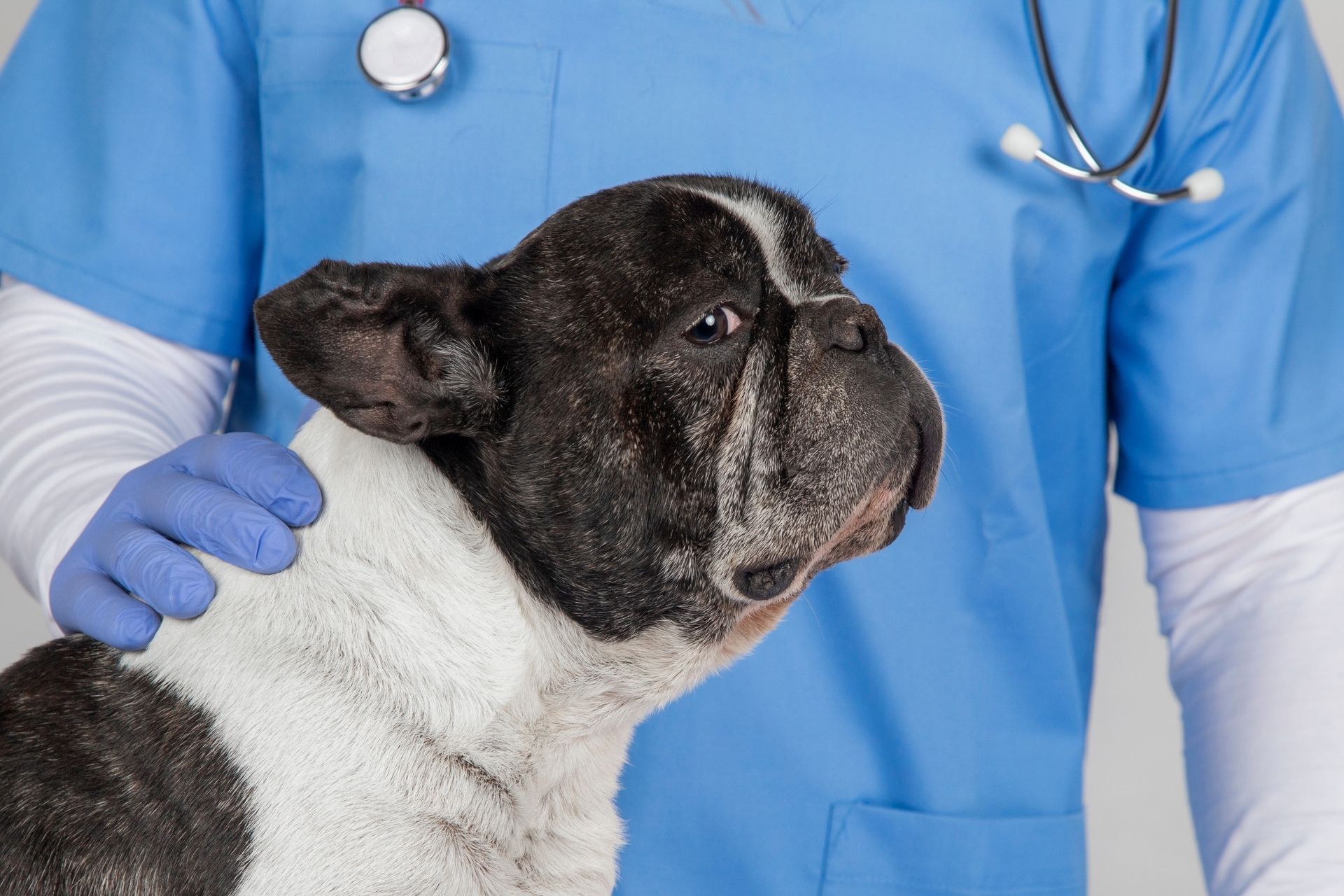
Connecticut requires workers' compensation coverage for virtually all employers, including veterinary practices with even one employee. There's no minimum employee threshold like some states allow. If you have staff, you need workers' comp. Period. Failure to carry it can result in fines of up to $50,000 and even criminal penalties.
The good news for New Haven practice owners is that Connecticut approved an average 3.8% decrease in voluntary market workers' compensation rates for 2026, marking the 13th consecutive year of rate reductions. That translates to real savings, especially for practices with larger staffs. Veterinary workers' comp classifications carry relatively high rates because of the injury frequency: animal bites, needle sticks, lifting injuries, and exposure to zoonotic diseases all contribute. Expect to pay between $2.50 and $4.00 per $100 of payroll for clinical staff, depending on your claims history.
Commercial Auto Insurance for Mobile Vets
If your practice operates any vehicles: whether for mobile veterinary services, transporting animals, or making farm calls outside New Haven: Connecticut requires commercial auto insurance. Personal auto policies exclude business use, and a claim denied on those grounds leaves you fully exposed.
Mobile veterinary practices operating in the greater New Haven area need to carry minimum liability limits of $25,000/$50,000 for bodily injury and $25,000 for property damage under Connecticut law, though most insurers and common sense suggest carrying at least $500,000 in combined single limits. Your vehicle is essentially a mobile clinic, and the liability exposure reflects that. If you're transporting animals, make sure your policy includes coverage for animals in transit: this isn't automatic.
Comparing Coverage Options: Basic vs. Comprehensive
Not every practice needs the same level of coverage. Here's how a basic program stacks up against a comprehensive one:
| Coverage Component | Basic Program | Comprehensive Program |
|---|---|---|
| Professional Liability | $1M / $1M limits | $1M / $3M limits with license defense |
| General Liability | $1M / $2M limits | $1M / $2M with animal-specific endorsements |
| Animal Bailee | Not included | $10,000-$25,000 per animal |
| Workers' Compensation | State minimum | State minimum plus return-to-work program |
| Business Personal Property | $50,000 limit | $250,000+ (covers diagnostic equipment) |
| Cyber Liability | Not included | $1M limit (protects client/payment data) |
| Employment Practices | Not included | $500,000 limit |
| Estimated Annual Cost | $3,500 - $5,500 | $8,000 - $15,000+ |
A solo practitioner with one vet tech might get by with a basic program. A multi-doctor practice with boarding, grooming, and digital records absolutely needs the comprehensive approach. The cost difference is significant, but so is the exposure gap. An agency like Pet Professional Insurance Agency, which works exclusively with veterinary and pet-care businesses, can help you identify exactly where your practice falls on this spectrum without pushing unnecessary coverage.
Factors Influencing Insurance Costs in New Haven
What New Haven veterinary businesses pay for insurance varies widely, and understanding the pricing drivers helps you control costs.
Practice Size and Staffing Levels
A solo vet with two employees and $400,000 in annual revenue will pay dramatically less than a five-doctor practice with 20 staff members doing $2.5 million. Revenue and payroll are the two biggest rating factors for general liability and workers' comp, respectively. Each additional employee increases your workers' comp premium directly, and higher revenue signals more client interactions, which means more potential claims.
New Haven practices with strong safety protocols and low claims histories can qualify for experience modification factors below 1.0, which directly reduces workers' comp premiums. Investing in proper animal handling training, bite prevention protocols, and ergonomic equipment pays for itself through lower insurance costs over time. Veterinary insurance costs in the New Haven market also reflect the area's relatively high cost of living, which affects medical treatment costs and, by extension, workers' comp claim values.
Specialized Services and Equipment Value
Practices offering surgery, dentistry, oncology, or emergency services face higher professional liability premiums than those limited to wellness exams and vaccinations. The logic is straightforward: more complex procedures carry more risk of adverse outcomes and resulting claims.
Equipment value matters too. A practice with a $150,000 digital X-ray system, a $75,000 ultrasound unit, and a $200,000 CT scanner needs substantially more business personal property coverage than a clinic with basic diagnostic tools. The cost of insuring veterinary practices scales with the replacement value of your equipment, and underinsuring here is one of the most common mistakes I see. After a fire or flood, discovering your policy covers only $50,000 of your $400,000 equipment inventory is a brutal lesson.
Common Questions About Local Veterinary Coverage
Does my veterinary degree automatically come with malpractice coverage? No. Some professional associations offer group policies, and the AVMA has consolidated its insurance services, but coverage isn't automatic with licensure. You need to actively purchase and maintain a policy.
How much does general liability cost for a small New Haven vet clinic? A single-location practice with under $500,000 in revenue typically pays between $1,200 and $2,500 annually for general liability. Practices with boarding or grooming services will land on the higher end.
Can I bundle all my veterinary business coverage into one policy? Yes, a Business Owner's Policy (BOP) combines general liability with property coverage at a lower rate than purchasing them separately. Professional liability is usually written as a standalone policy, though some specialty markets offer package options.
Do I need cyber liability insurance for my vet practice? If you store client credit card information, use cloud-based practice management software, or maintain digital medical records, yes. A data breach affecting client financial information triggers notification requirements under Connecticut law and can cost $50,000 or more to remediate.
What happens if I don't carry workers' comp in Connecticut? The state can issue stop-work orders, impose fines up to $50,000, and pursue criminal charges. It's not a gray area: Connecticut enforces this requirement aggressively.
Are independent contractor vets covered under my policy? Usually not. Independent contractors typically need their own professional liability coverage. If a relief vet works at your practice, confirm their coverage status before they see patients. Your policy likely excludes their acts.
Making the Right Choice for Your Practice
Protecting a New Haven veterinary practice isn't about buying every policy available: it's about matching your coverage to your actual risk profile. A practice doing routine wellness visits has fundamentally different needs than one performing orthopedic surgery or running a 24-hour emergency service.
Start by auditing your current exposures honestly. How many animals are in your custody overnight? What's the replacement value of your equipment? How many staff members handle aggressive animals? These answers drive your coverage decisions more than any generic recommendation can.
Working with an agency that understands veterinary-specific risks makes a real difference here. Pet Professional Insurance Agency works with multiple specialty insurance markets and uses intake forms designed specifically for veterinary practices, which means your coverage reflects what you actually do rather than what a generic business policy assumes. Most practices hear back within 24 to 48 hours, and you work directly with an agent who understands the difference between a bailee claim and a malpractice claim.
Index
Pet Professional Insurance Agency is fully licensed and permitted to provide commercial insurance solutions for pet businesses across 12 states.
We proudly serve pet professionals throughout the Northeast, Mid-Atlantic, and Southeast. Powered by Joyce Insurance Agency, our team works with leading specialty carriers — including The Hartford, USLI, Nautilus, and Northland — to make sure veterinarians, groomers, boarding facilities, and pet-care businesses receive coverage that fits their real risks in Connecticut, Delaware, Georgia, Kentucky, Massachusetts, New Jersey, New York, North Carolina, Pennsylvania, South Carolina, Tennessee, and Virginia.
About the author
Barnaby Joyce
Founder, Pet Professional Insurance Agency · Licensed Insurance Producer
I started Pet Professional Insurance Agency because I watched pet businesses get handed generic policies that never fit. After years of placing coverage for veterinary practices, grooming salons, doggy daycares, and kennels through a generalist agency, I saw the same gaps over and over — and the same blank stares when an owner tried to explain care, custody, and control to an agent who had never insured an animal in their life.
So I built an agency that does one thing. I work directly with specialty carriers who actually want pet-industry risk, and I sit down with every client personally. You will not get a call center or a chatbot. You will get someone who already speaks your language and shops the market on your behalf. That is the whole idea.
Recommended coverages
Coverages that pair with general liability.
Most pet businesses build on general liability with the lines below. Explore each — every page cross-links to the
industries we serve.
Services & advice
Professional Liability / E&O
Covers claims tied to your professional services and advice — clinical care, training guidance, and the judgment calls you make daily.
The pet-industry gap
Care, Custody & Control
Covers the animals in your charge against injury, illness, or loss — the critical exposure standard liability policies leave out.
Bundled & cost-effective
Business Owners Policy (BOP)
Bundles property and general liability into one package built for small to mid-sized pet businesses — often the simplest base.
Your building & contents
Commercial Property
Protects your building, build-out, equipment, and inventory against fire, theft, and covered losses — front desk to back room.
For your team
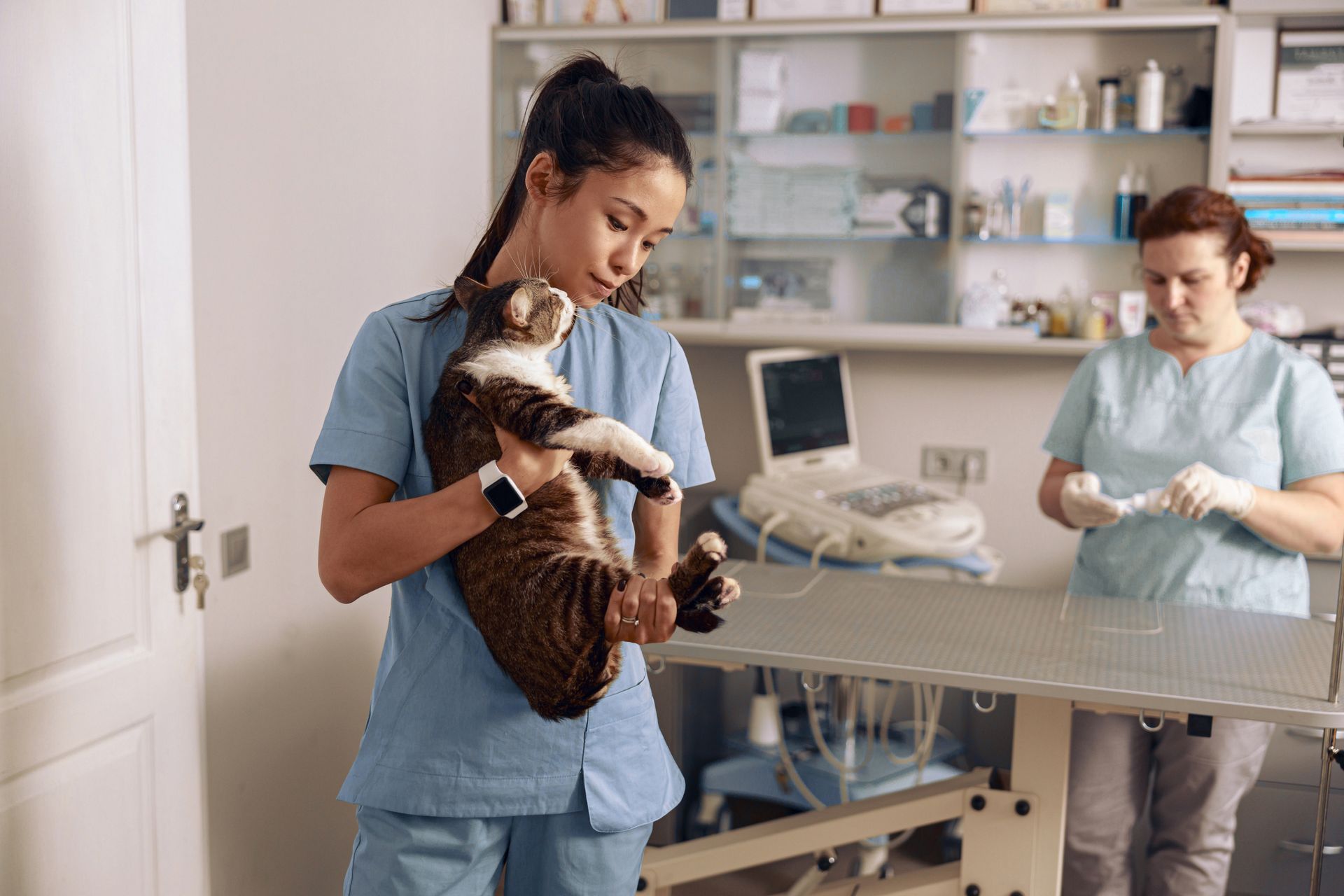
Workers’ Compensation
Covers medical costs and lost wages when a team member is hurt on the job — required in most states once you have employees.
Extra protection
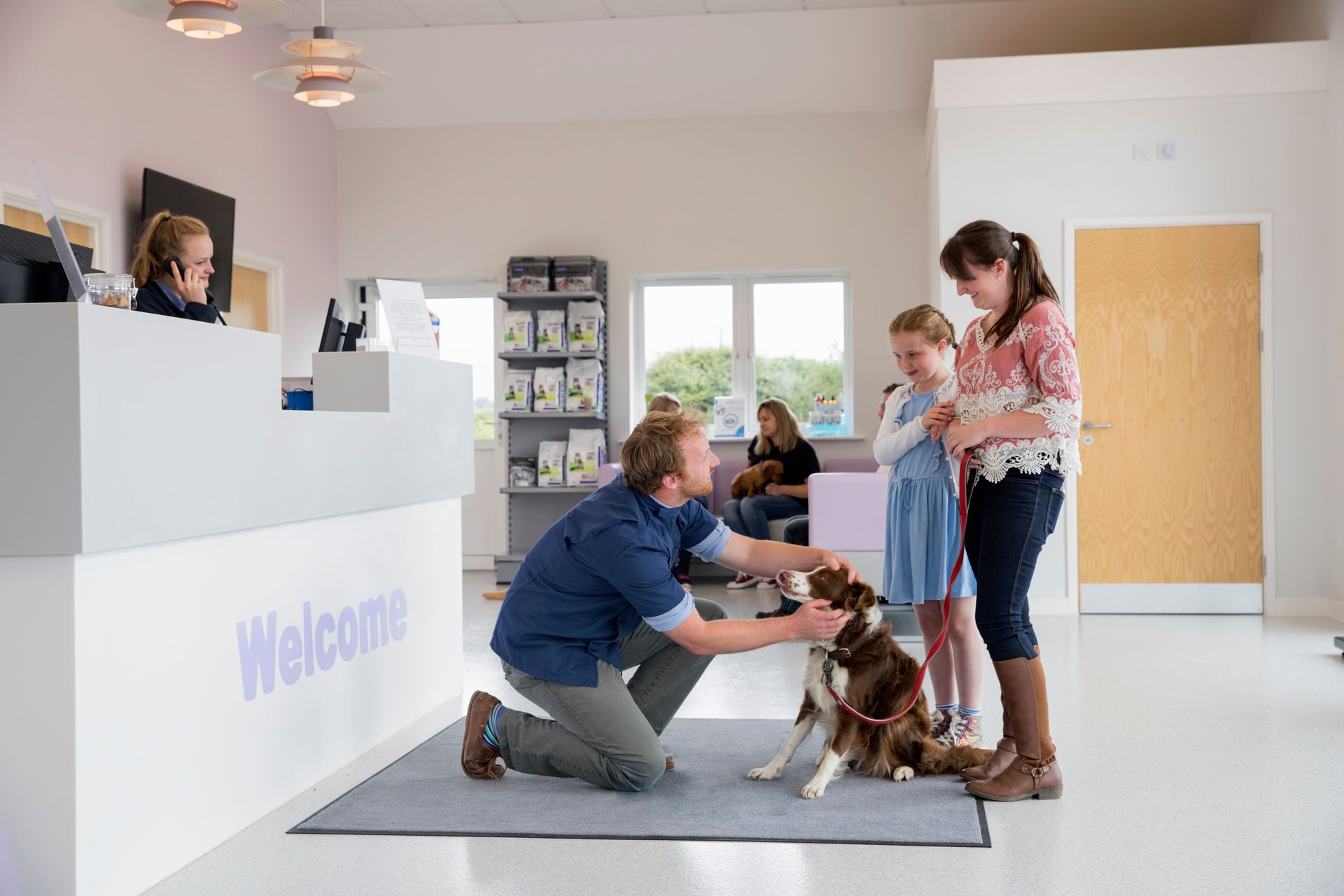
Commercial Umbrella
Adds liability limits above your primary policies for catastrophic claims that exceed standard coverage.
Coverage availability and terms vary by carrier and state. We recommend the right mix for your operation once we talk.
Industries we serve
Built for the businesses that care for animals.
General liability is the baseline for every segment we specialize in. Find the page built for your business.
Clinical · high exposure
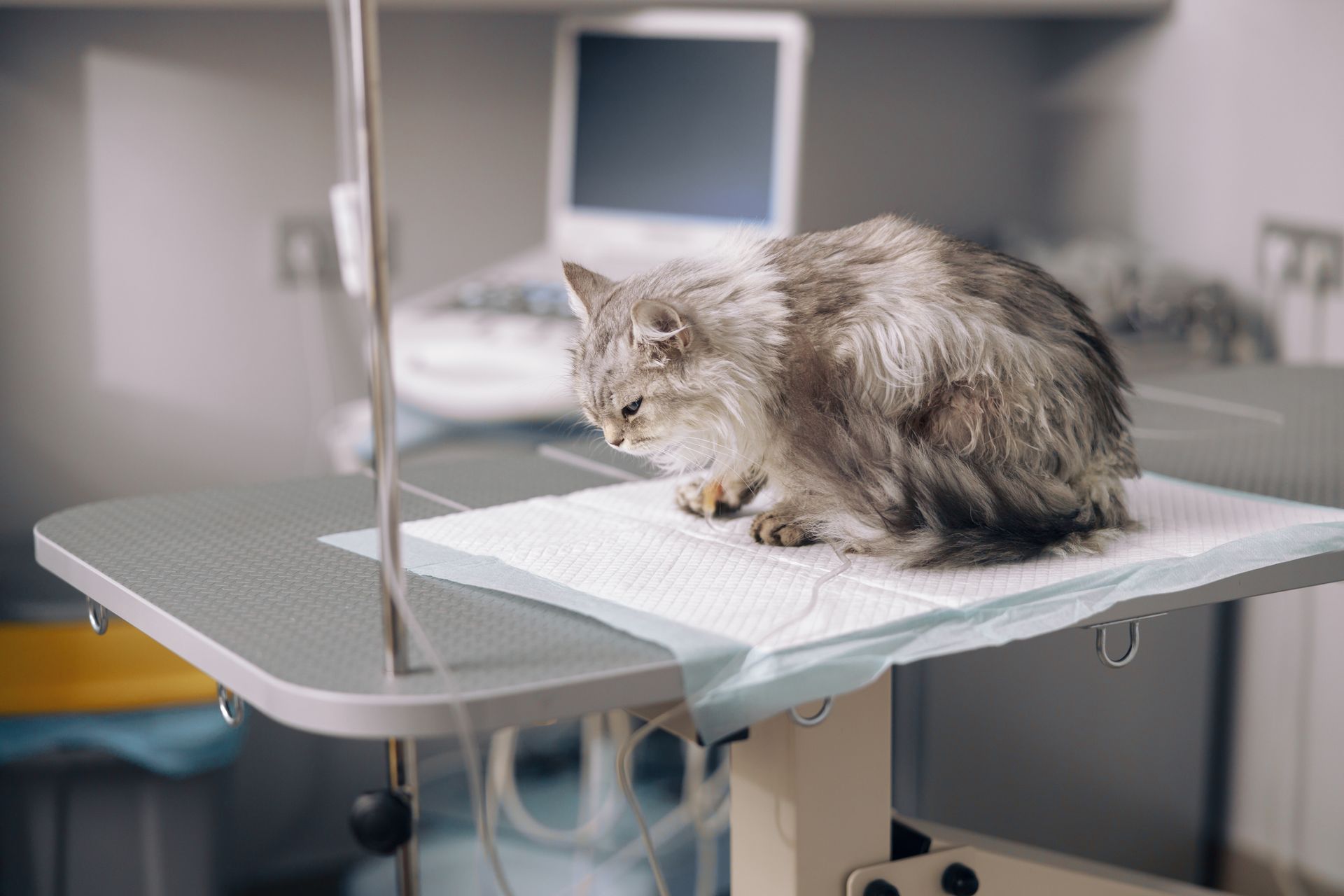
Veterinarians & Animal Hospitals
Professional and general liability, property, and workers’ comp for clinical operators with high exposure.
Hands-on · small business
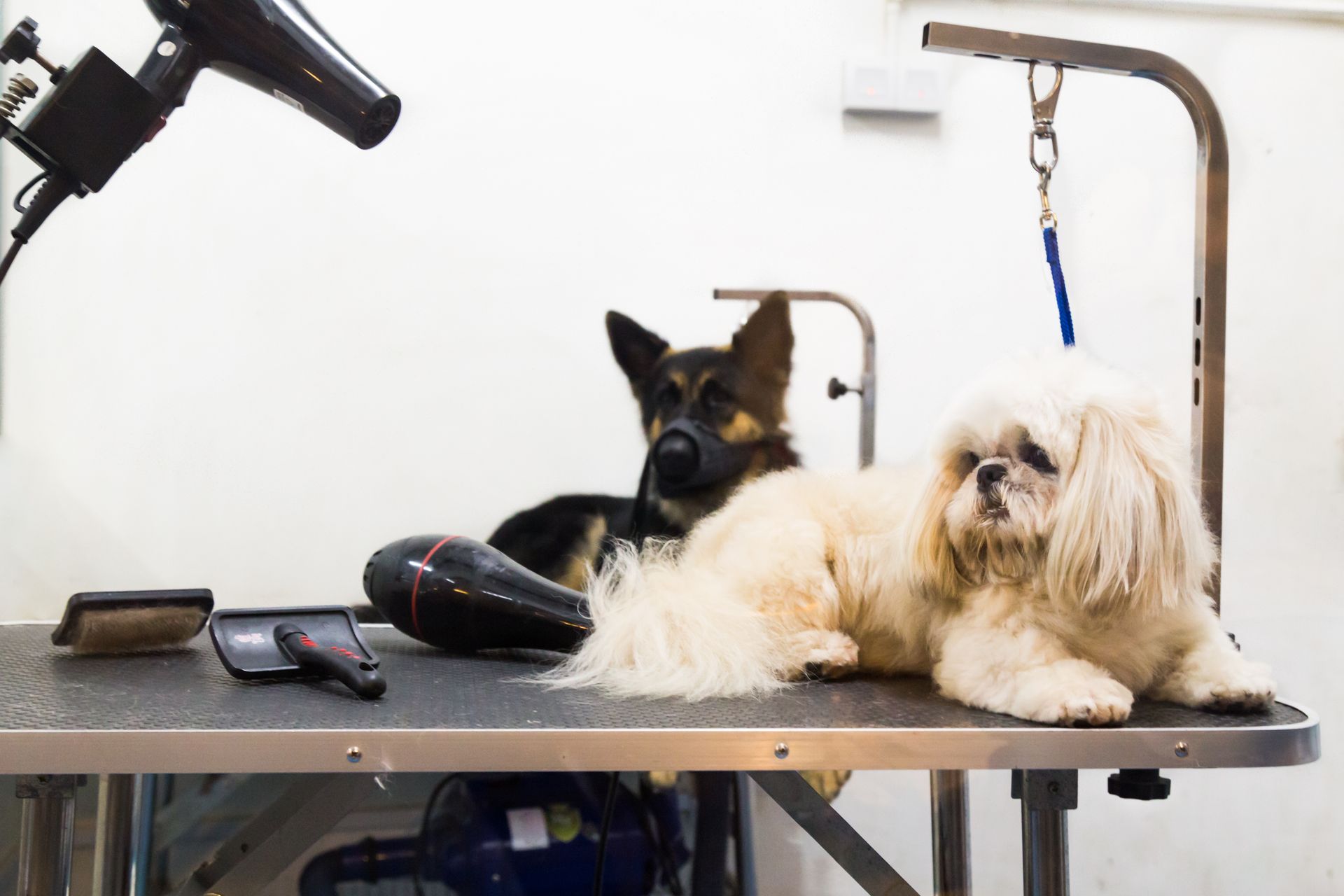
Pet Groomers
Practical protection for animal handling, equipment, and the day-to-day of the grooming table, shop or mobile.

Safety-forward · overnight
Doggy Daycare & Boarding
Coverage matched to facilities responsible for animals overnight and all day long.
Our reviews
Trusted by pet professionals.
See what owners say about working with a specialist who already understands their business.
Frequently asked
Questions pet pros ask us.
What kinds of pet businesses do you insure?
We insure businesses across the animal-care industry — veterinarians and animal hospitals, groomers, doggy daycares and boarding facilities, kennels and trainers, pet sitters and dog walkers, and pet stores. We also cover breeders, equine operations, pet transporters, shelters and rescues, pet photographers, and aquariums or wildlife facilities.
If your work involves caring for, handling, or selling animals, there is a strong chance we cover it. Tell us what you do and we will confirm.
What is care, custody, and control coverage, and why does it matter?
Care, custody, and control coverage protects you when an animal in your charge is injured, becomes ill, or is lost while in your care. Standard general liability policies often exclude this exact exposure, which leaves a serious gap for pet businesses.
For groomers, boarders, sitters, and clinics, this is one of the most important coverages you can carry. We make sure it is in place and sized to your operation.
How is an independent agency different from buying direct from a carrier?
A direct carrier sells you its own single policy. As an independent agency, we shop multiple specialty insurers and compare programs to find the coverage that fits your business and budget.
That means you get options instead of one quote, and an advocate who works for you, not the carrier. We also handle the renewals and claims support over the life of your policy.
How fast can I get a quote?
Most clients get quoted within one business day. Our industry-specific intake forms collect the right details up front, so we can take your information straight to the carriers without a long back-and-forth.
Need it sooner? Call a specialist directly at (346) 738-7297 and we will move quickly.
Which states do you serve?
We are licensed and actively writing coverage in 12 states: Connecticut, Delaware, Georgia, Kentucky, Massachusetts, New Jersey, New York, North Carolina, Pennsylvania, South Carolina, Tennessee, and Virginia.
We continue to add states as we grow. If you operate outside this list, reach out and we will let you know our latest footprint.
From the blog
Coverage notes for pet professionals.
Plain-language risk tips and coverage explainers, written for owners — not insurance pros.
Speak with a specialist
Let's find the right coverage for your business.
No quote bots, no funnel. Talk to a real pet-insurance specialist who already understands your operation — and shops multiple markets on your behalf.
Call us
(346) 738-7297
Toll-free 845-250-5366
Email
service@petindustryins.com
Visit Us
8 Joyce Plaza
Stony Point, NY 10980