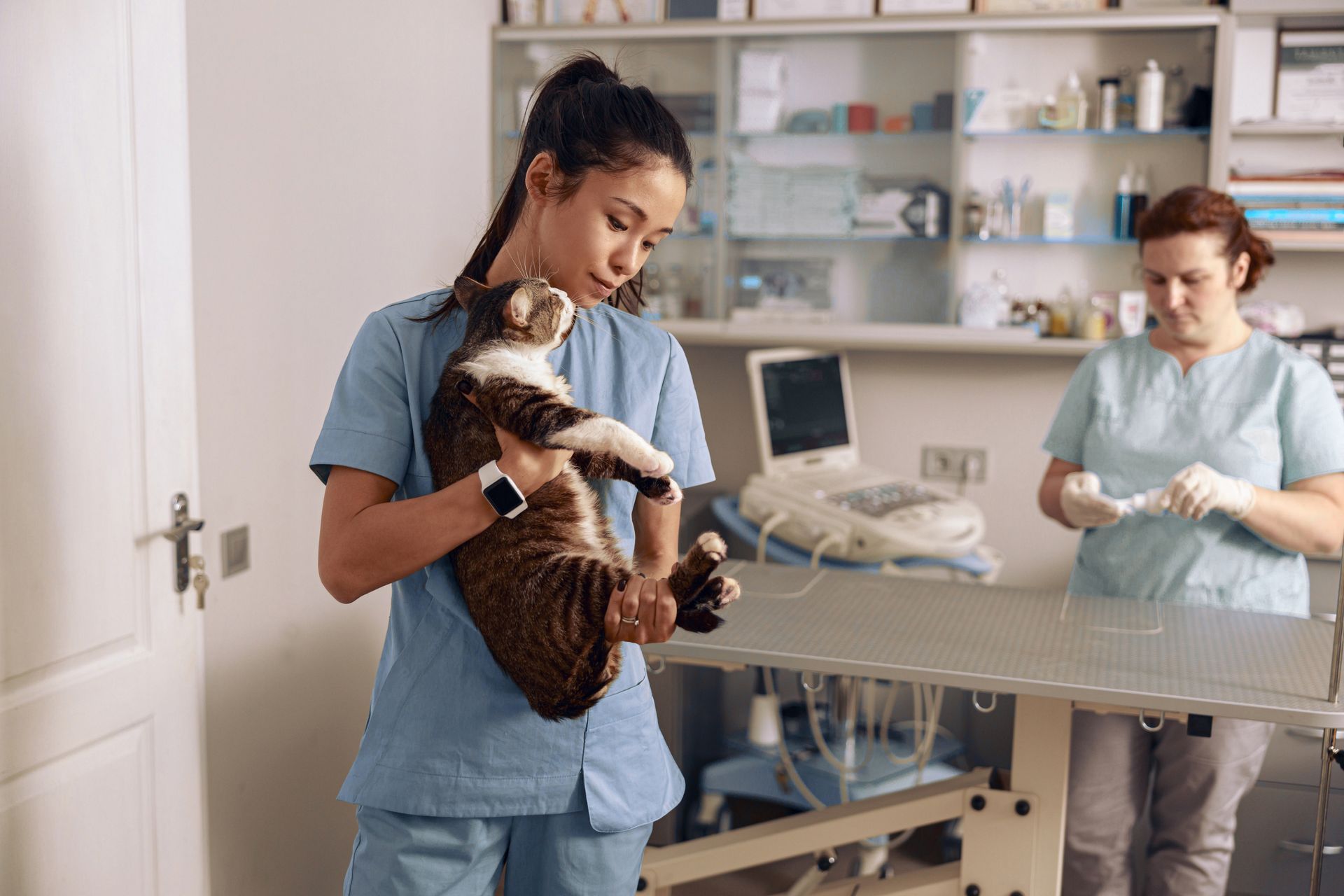
Coverage for veterinary practices
Pennsylvania Pet Boarding Insurance
This is the coverage that separates pet-specific insurance from generic business policies. Standard general liability excludes animals in your care, custody, and control. That means if a dog in your facility gets injured during a play session, escapes through a gate, or dies from a medical emergency, your GL policy won't pay the claim.
Animal bailee coverage fills that gap. It protects you financially when a pet is injured, becomes ill, dies, or goes missing while under your supervision. Given that some dogs coming through New York boarding facilities are valued at $5,000 to $15,000 or more (think French Bulldogs, designer breeds, and show dogs), a single bailee claim can easily exceed $10,000 once you factor in emergency vet bills and the pet's replacement value.
Make sure your bailee limits match the value of animals you're boarding. A $2,500 per-animal limit sounds fine until you're caring for a client's $12,000 Cavalier King Charles with a heart condition.
Running a pet boarding facility in Pennsylvania means you're responsible for dozens of animals every single day, each one somebody's family member. A dog fight in the play yard, a kennel door that malfunctions, an employee who slips on a freshly mopped floor: these aren't hypothetical scenarios. They happen regularly, and the financial fallout can be severe if you're uninsured or underinsured. Pet boarding insurance in Pennsylvania carries specific requirements that differ from other states, partly because of the commonwealth's strict Dog Law and partly because of mandatory workers' compensation rules that catch many small business owners off guard. The pet care industry has been
growing steadily year over year, and insurers are paying closer attention to boarding operations as a distinct risk class. Understanding what coverage you actually need, what Pennsylvania law demands, and what a policy realistically costs will save you from expensive surprises. This guide breaks down the compliance landscape, coverage types, cost factors, and practical steps for PA boarding operations so you can make informed decisions rather than just checking a box.
Understanding Pennsylvania State Requirements for Pet Boarding
Pennsylvania regulates pet boarding more aggressively than most states. The Bureau of Dog Law Enforcement, housed under the Department of Agriculture, oversees kennel licensing, facility inspections, and animal welfare standards. If you board even one dog overnight, you need a kennel license, and that license comes with facility requirements covering ventilation, sanitation, enclosure sizing, and veterinary care protocols.
Insurance isn't just a smart business decision here: it's often a practical prerequisite. Many landlords, municipalities, and even kennel license reviewers expect proof of liability coverage before approving your operation. Some PA townships have zoning ordinances that specifically require boarding facilities to carry general liability insurance with minimum limits.
The regulatory environment has also been tightening. Recent legislative efforts in Pennsylvania have focused on strengthening oversight of commercial kennels, which means compliance standards could shift. Staying ahead of these changes protects both your license and your livelihood.
PA Dog Law and Licensing Compliance
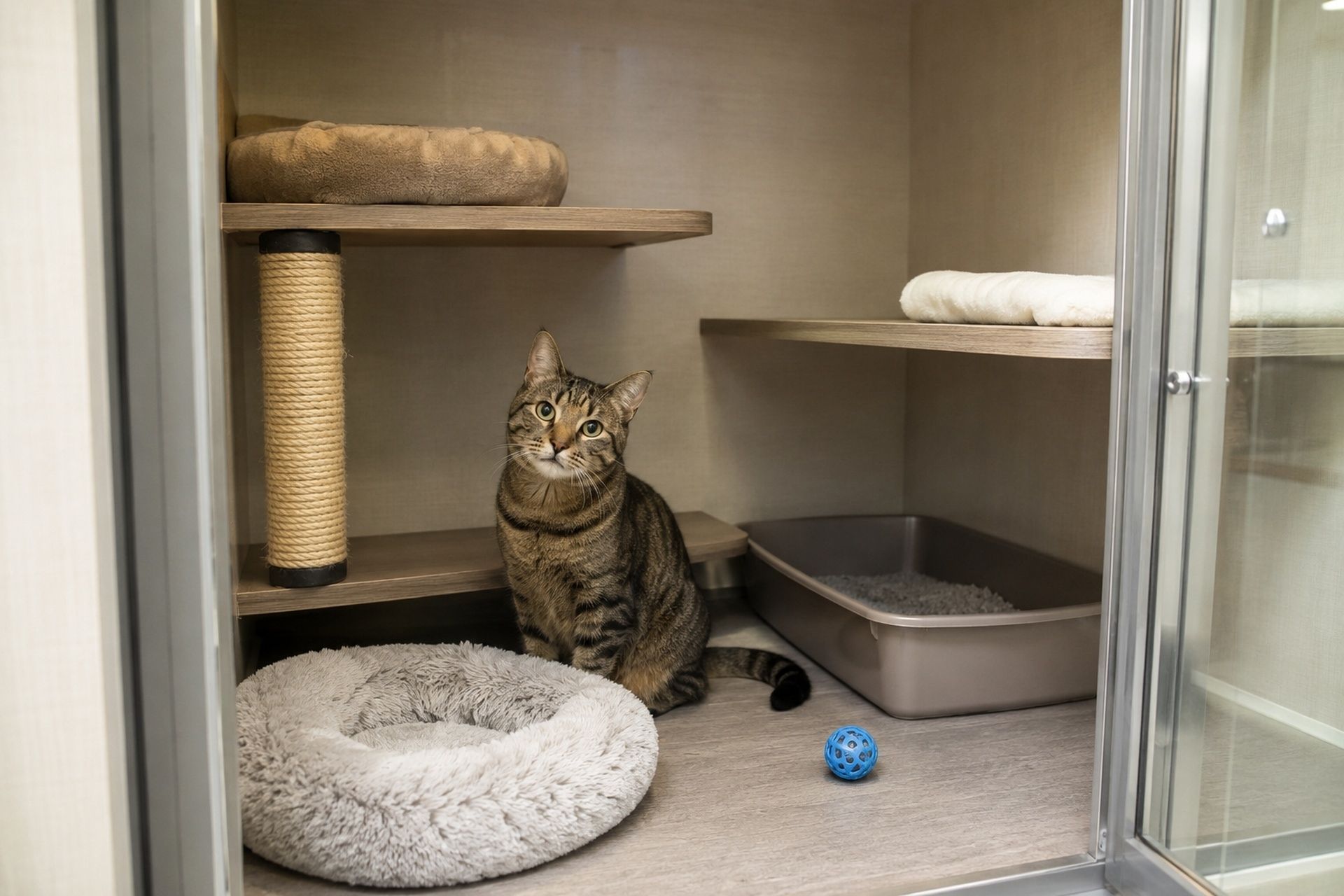
Pennsylvania's Dog Law (3 P.S. § 459-101 et seq.) requires any facility housing dogs to obtain a kennel license from the Department of Agriculture. The 2026 licensing cycle brings updated fee schedules and inspection criteria. Kennel classes range from Class I (boarding up to 50 dogs) through Class VI for large-scale operations, and each class carries different annual fees and inspection frequencies.
What trips up many new boarding operators is the assumption that licensing alone equals compliance. It doesn't. Your kennel license demonstrates you meet physical facility standards and animal care protocols. Insurance is a separate layer that protects you financially when something goes wrong despite your best efforts. A licensed kennel that lacks proper insurance is one bad incident away from a lawsuit that could close its doors permanently.
Keep your license documentation and insurance certificates together. Inspectors may ask for both, and having them organized signals professionalism.
Mandatory Workers' Compensation for PA Staff
Here's the part that surprises a lot of small boarding operators: Pennsylvania requires workers' compensation coverage for virtually every business with employees. There are very narrow exceptions (some agricultural workers, certain sole proprietors), but if you have even one part-time kennel attendant, you almost certainly need a workers' comp policy.
The median monthly premium for workers' compensation in Pennsylvania pet boarding sits around $124 per month. That figure fluctuates based on your payroll size, claims history, and the specific job duties your staff performs. Kennel work involves animal handling, cleaning with chemicals, and physical labor, all of which carry elevated risk.
Failing to carry workers' comp in PA isn't just risky: it's a criminal offense. The Uninsured Employers Guaranty Fund can pursue penalties, and you could face stop-work orders. This is one area where cutting corners simply isn't an option. Consult with a qualified attorney if you're unsure whether your specific staffing arrangement triggers the mandate.
Essential Coverage Types for Boarding Facilities
Not all insurance policies are created equal, and boarding facilities have a unique risk profile that generic business insurance doesn't fully address. You need policies designed around the specific things that go wrong in kennels: animals injuring each other, pets escaping, clients alleging negligence in care, and property damage from anxious or destructive animals.
A well-structured insurance program for a PA boarding facility typically includes general liability, professional liability, animal bailee coverage, property insurance, and workers' compensation. Some operators also add commercial auto coverage if they offer pickup and drop-off services. The key is building a program that matches your actual operations rather than buying a one-size-fits-all package.
General Liability vs. Professional Liability
General liability covers third-party bodily injury and property damage. If a client trips over a leash in your lobby and breaks a wrist, that's a general liability claim. If a boarding dog bites a visitor, same thing. General liability premiums for PA boarding businesses typically run around $53 per month at the median, though your specific rate depends on revenue, location, and claims history.
Professional liability (sometimes called errors and omissions) covers claims arising from the professional services you provide. If a client alleges you gave their diabetic dog the wrong insulin dose, or that you failed to follow specific feeding instructions that resulted in illness, that falls under professional liability. The distinction matters because general liability policies often exclude claims related to professional negligence.
Many boarding operators mistakenly assume general liability covers everything. It doesn't. A claim alleging you were negligent in your care protocols, that you should have noticed signs of illness and didn't, or that your staff made an error in medication administration requires professional liability coverage. Agencies like Pet Professional Insurance Agency that specialize in the pet care sector understand these distinctions and can help you avoid gaps.
Animal Bailee Coverage for Pets in Your Care
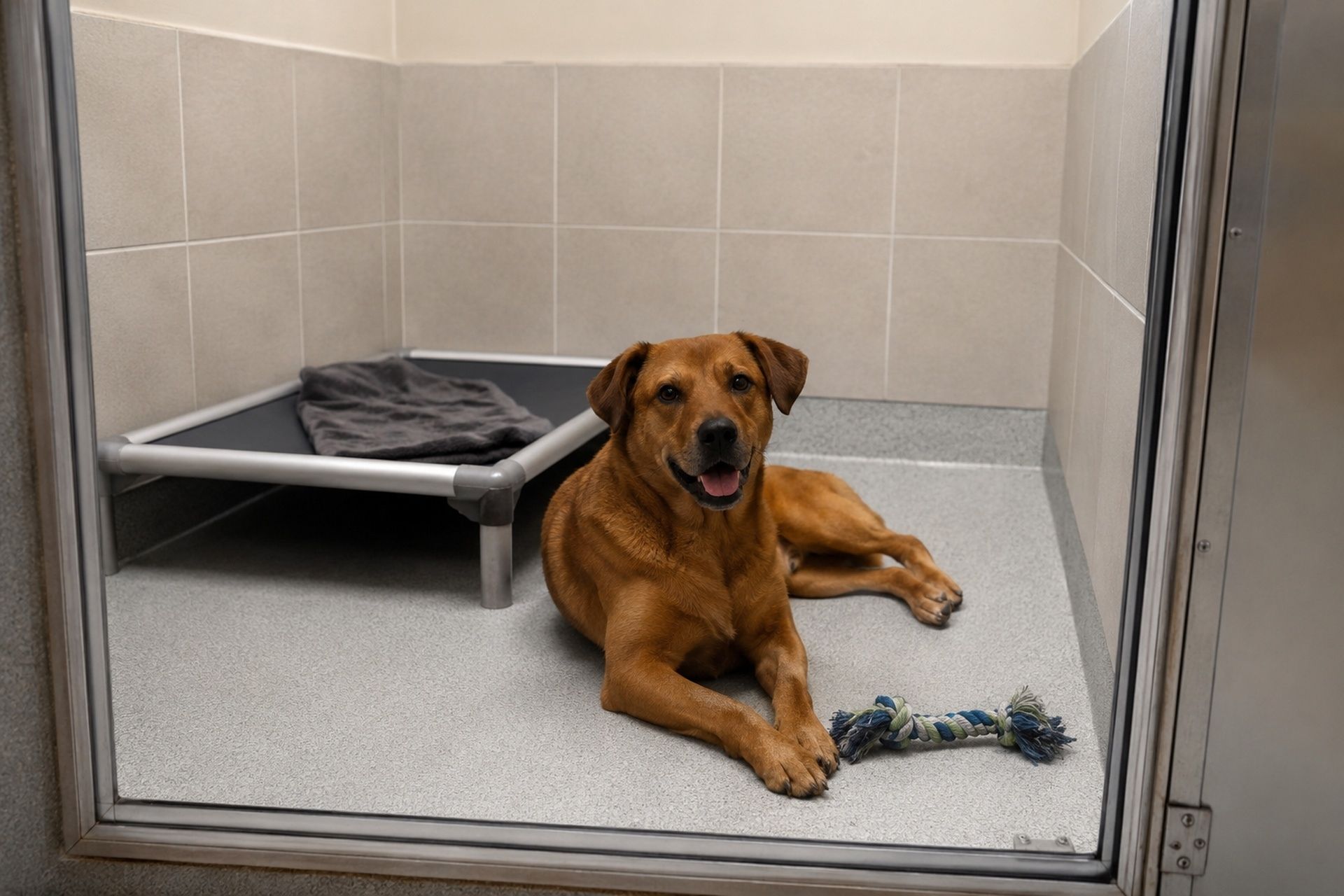
This is the coverage type that's most specific to boarding operations, and it's the one most commonly overlooked. Animal bailee insurance protects you when an animal in your care, custody, or control is injured, becomes ill, or dies. Standard general liability policies typically exclude animals you've accepted responsibility for, which means animal bailee coverage fills a critical gap that would otherwise leave you exposed.
Think about the scenarios: two dogs get into a fight during group play and one needs emergency surgery. A cat escapes from its enclosure and is injured. A dog develops bloat overnight and dies before morning. In each case, the pet owner may hold you financially responsible, and without animal bailee coverage, you're paying out of pocket.
Coverage limits for animal bailee policies vary, but most boarding facilities should carry per-animal limits that reflect the actual value of the pets they board. If you regularly board high-value breeds or animals with extensive training, discuss those specifics with your agent.
Comparing Coverage: Basic vs. Comprehensive Protection
The difference between a bare-minimum policy and a comprehensive insurance program can be the difference between surviving a major claim and closing your business. Many boarding operators start with the minimum required coverage and plan to upgrade later, but "later" often arrives as a lawsuit.
A basic program typically includes general liability and workers' comp. A comprehensive program adds professional liability, animal bailee, business property, business interruption, and possibly cyber liability and commercial auto. The premium difference between basic and comprehensive coverage is often smaller than people expect, especially when policies are bundled.
Comparison Chart: Standard vs. Extended Policy Features
| Coverage Feature | Basic Program | Comprehensive ProgramPlan |
|---|---|---|
| General Liability | Included (typical $1M/$2M limits) | Included (higher limits available) |
| Workers' Compensation | Included (PA-mandated) | Included (PA-mandated) |
| Professional Liability | Not included | Included |
| Animal Bailee | Not included | Included (per-animal and aggregate limits) |
| Business Property | Not included | Included (building, equipment, contents) |
| Business Interruption | Not included | Included |
| Commercial Auto | Not included | Available as add-on |
| Cyber Liability | Not included | Available as add-on |
The gap between these two columns is where most claims problems occur. A boarding facility with only basic coverage is protected against slip-and-fall lawsuits and employee injuries but completely exposed on animal care claims, which represent the most frequent and often most expensive category of boarding-related losses.
Factors Influencing Insurance Costs in Pennsylvania
Your premium isn't a random number. Insurers evaluate specific risk factors to determine what you'll pay, and understanding those factors gives you some control over your costs. The insurance market for pet care businesses has become more specialized in recent years, which means underwriters are getting better at pricing risk accurately for boarding operations.
Location within Pennsylvania matters too. A facility in downtown Philadelphia faces different liability exposure than a rural kennel in Lancaster County, and premiums reflect that. Your claims history, years in business, and professional certifications all factor in as well.
Facility Size and Daily Occupancy Rates
A 10-run kennel and a 100-run facility present fundamentally different risk profiles. More animals mean more opportunities for incidents: fights, escapes, illness transmission, and staff injuries. Insurers look at your maximum daily occupancy, not just your average, because your exposure is highest on your busiest days.
Square footage also matters. Larger facilities have more property to insure and more areas where a client or employee could be injured. If you're planning an expansion, contact your agent before construction begins. Your current policy may not automatically extend to cover new structures or increased capacity.
Additional Services: Grooming, Training, and Transport
Every service you add beyond basic boarding changes your risk profile. Grooming introduces sharp tools, hot dryers, and chemical products. Training involves off-leash work and behavior modification with potentially reactive dogs. Transport means commercial auto exposure and the risk of an animal being injured during transit.
Each of these services may require separate coverage endorsements or standalone policies. A common mistake is adding grooming services without notifying your insurer, then discovering the hard way that your policy excludes grooming-related claims. Pet Professional Insurance Agency uses intake forms tailored to each type of pet business, which helps identify these coverage needs before they become gaps.
Be transparent with your insurer about every service you offer. Undisclosed services can give an insurer grounds to deny a claim, even if you've been paying premiums faithfully.
Common Questions About PA Boarding Insurance
The growing insurance needs of pet care businesses have generated a lot of questions from boarding operators across Pennsylvania. Here are the ones that come up most frequently.
FAQ: Coverage Limits, Claims, and PA Regulations
Do I need insurance just to get a PA kennel license? Pennsylvania doesn't explicitly require insurance for kennel licensure, but many municipalities and landlords require proof of liability coverage independently. Practically speaking, operating without it is a significant financial risk.
What happens if a dog in my care bites another dog or a person? Dog-on-dog incidents typically fall under animal bailee coverage, while bites to people are usually general liability claims. Having both coverages is essential for a boarding facility.
How quickly can I get coverage in place? Most specialty pet insurance agencies, including Pet Professional Insurance Agency, can provide initial responses within 24 to 48 hours. Binding coverage often happens within a few business days after submitting your application.
Are independent contractors covered under my policy? Generally no. Independent contractors are expected to carry their own insurance. If you use contract workers, require certificates of insurance from them before they start.
Does my policy cover me if a pet dies of natural causes while boarding? This depends on your specific policy language. Some animal bailee policies cover death from any cause while in your care; others exclude pre-existing conditions. Read your policy carefully and ask your agent to clarify.
Can I reduce my premiums? Yes. Professional certifications from organizations like the Professional Animal Care Certification Council, security cameras, double-gated entry systems, and a clean claims history can all help lower your rates.
Your Next Steps for Securing Protection
Getting the right insurance for your Pennsylvania boarding operation isn't something you should put off or treat as an afterthought. A single uninsured claim, whether it's a dog fight, an employee injury, or a professional negligence allegation, can cost more than years of premium payments combined.
Start by documenting every service you offer and every risk your facility presents. Be honest about your occupancy numbers, staffing structure, and facility condition. Then work with an agent who specializes in pet care businesses rather than a generalist who writes one boarding policy a year. The nuances of animal bailee coverage, PA Dog Law compliance, and boarding-specific liability require someone who understands this industry inside and out.
Your coverage needs will evolve as your business grows. Review your policies annually, especially after adding services, expanding your facility, or hiring new staff. The goal isn't just to have insurance: it's to have the right insurance so that when something goes wrong, your business survives it.
Index
Pet Professional Insurance Agency is fully licensed and permitted to provide commercial insurance solutions for pet businesses across 12 states.
We proudly serve pet professionals throughout the Northeast, Mid-Atlantic, and Southeast. Powered by Joyce Insurance Agency, our team works with leading specialty carriers — including The Hartford, USLI, Nautilus, and Northland — to make sure veterinarians, groomers, boarding facilities, and pet-care businesses receive coverage that fits their real risks in Connecticut, Delaware, Georgia, Kentucky, Massachusetts, New Jersey, New York, North Carolina, Pennsylvania, South Carolina, Tennessee, and Virginia.
About the author
Barnaby Joyce
Founder, Pet Professional Insurance Agency · Licensed Insurance Producer
I started Pet Professional Insurance Agency because I watched pet businesses get handed generic policies that never fit. After years of placing coverage for veterinary practices, grooming salons, doggy daycares, and kennels through a generalist agency, I saw the same gaps over and over — and the same blank stares when an owner tried to explain care, custody, and control to an agent who had never insured an animal in their life.
So I built an agency that does one thing. I work directly with specialty carriers who actually want pet-industry risk, and I sit down with every client personally. You will not get a call center or a chatbot. You will get someone who already speaks your language and shops the market on your behalf. That is the whole idea.
Recommended coverages
Coverages that pair with general liability.
Most pet businesses build on general liability with the lines below. Explore each — every page cross-links to the
industries we serve.
Services & advice
Professional Liability / E&O
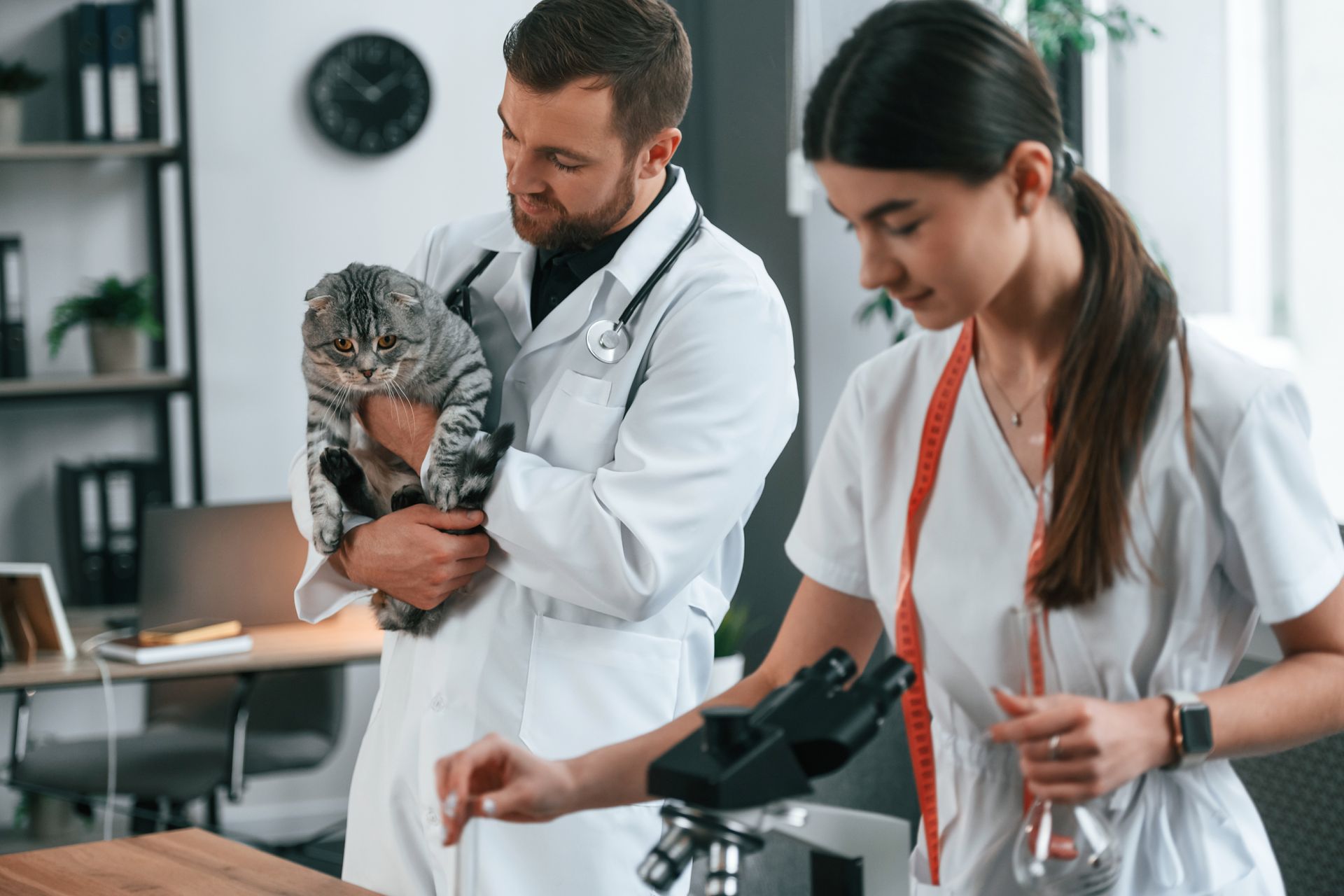
Covers claims tied to your professional services and advice — clinical care, training guidance, and the judgment calls you make daily.
The pet-industry gap
Care, Custody & Control
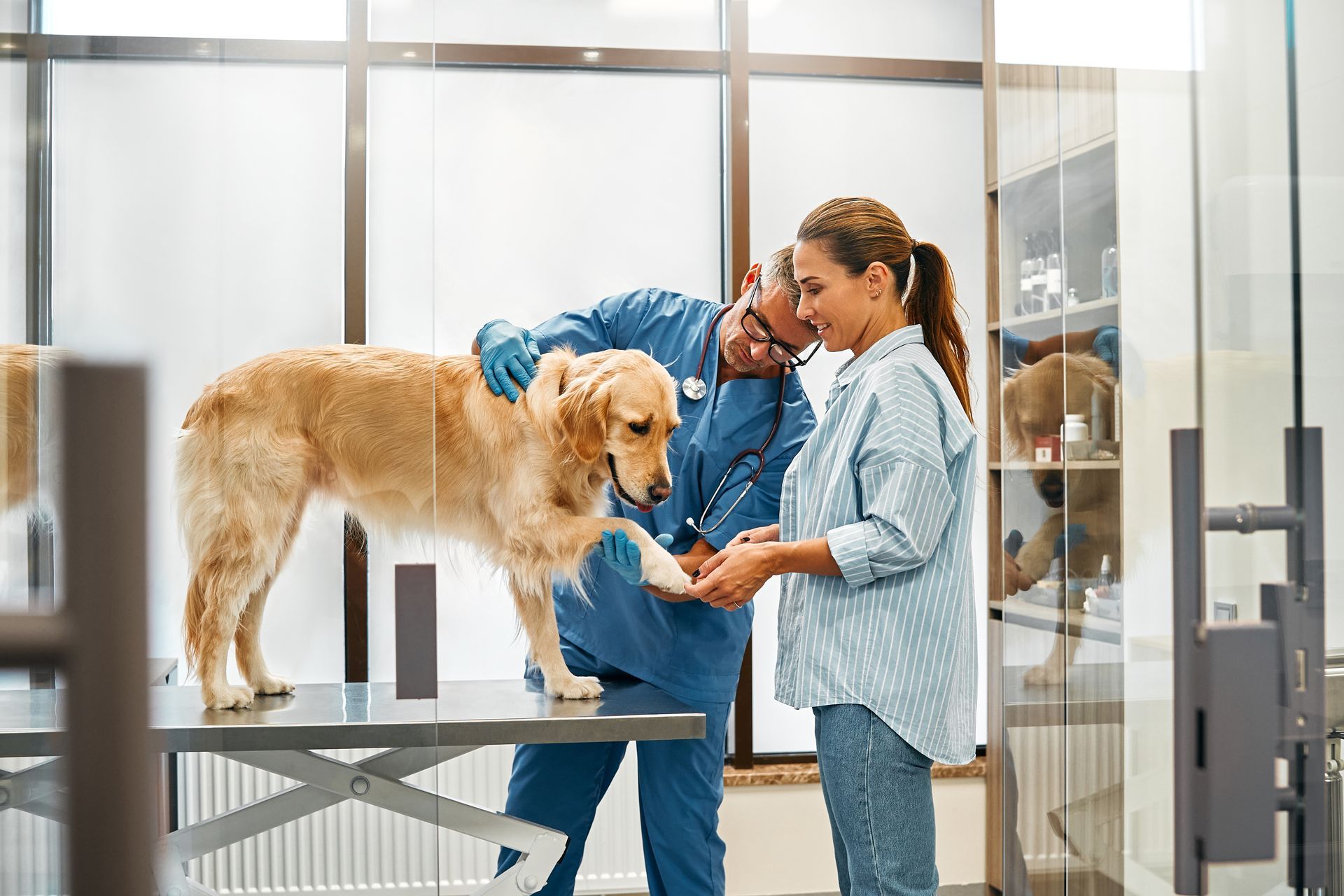
Covers the animals in your charge against injury, illness, or loss — the critical exposure standard liability policies leave out.
Bundled & cost-effective
Business Owners Policy (BOP)
Bundles property and general liability into one package built for small to mid-sized pet businesses — often the simplest base.
Your building & contents
Commercial Property
Protects your building, build-out, equipment, and inventory against fire, theft, and covered losses — front desk to back room.
For your team
Workers’ Compensation
Covers medical costs and lost wages when a team member is hurt on the job — required in most states once you have employees.
Extra protection
Commercial Umbrella
Adds liability limits above your primary policies for catastrophic claims that exceed standard coverage.
Coverage availability and terms vary by carrier and state. We recommend the right mix for your operation once we talk.
Industries we serve
Built for the businesses that care for animals.
General liability is the baseline for every segment we specialize in. Find the page built for your business.
Clinical · high exposure
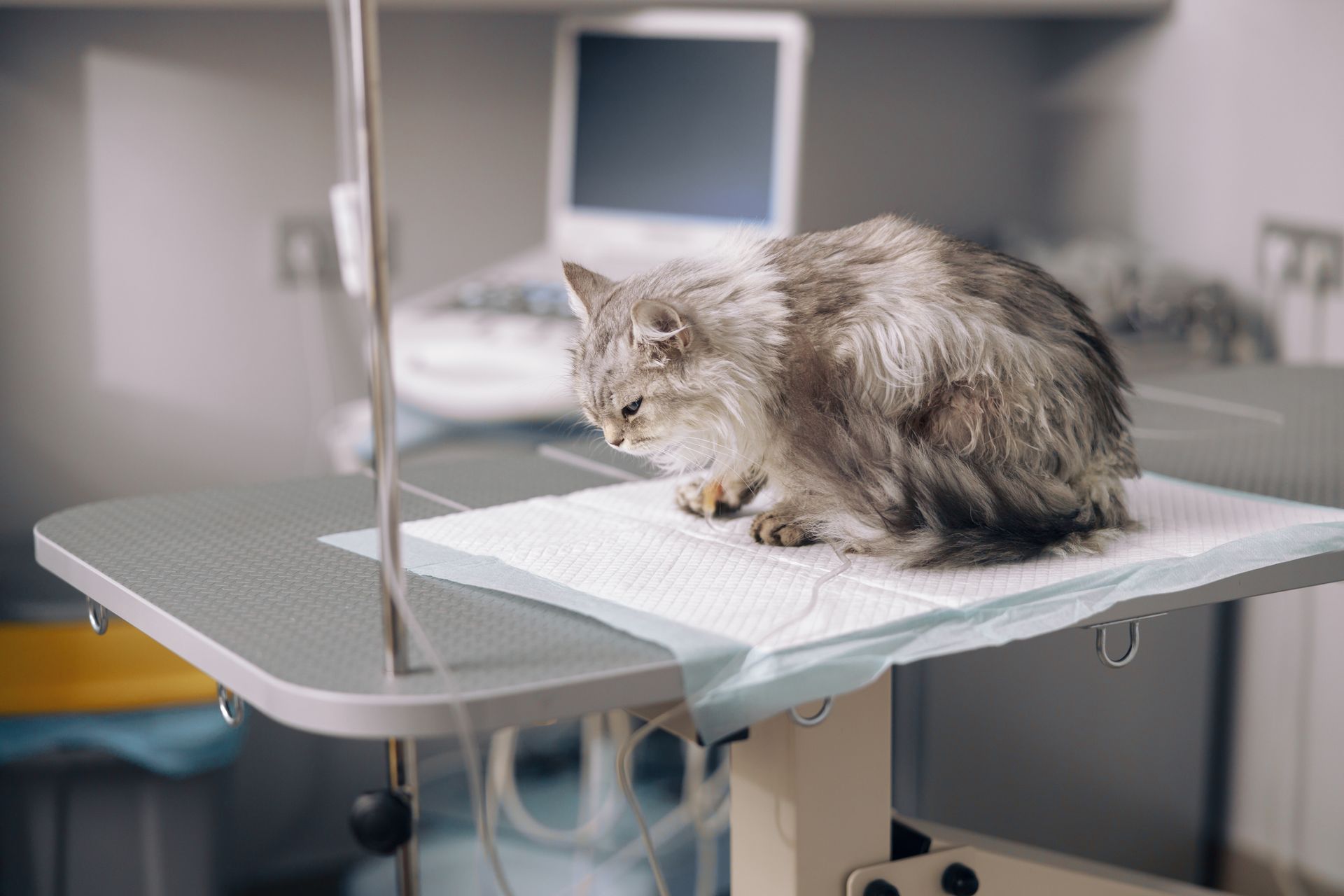
Veterinarians & Animal Hospitals
Professional and general liability, property, and workers’ comp for clinical operators with high exposure.
Hands-on · small business
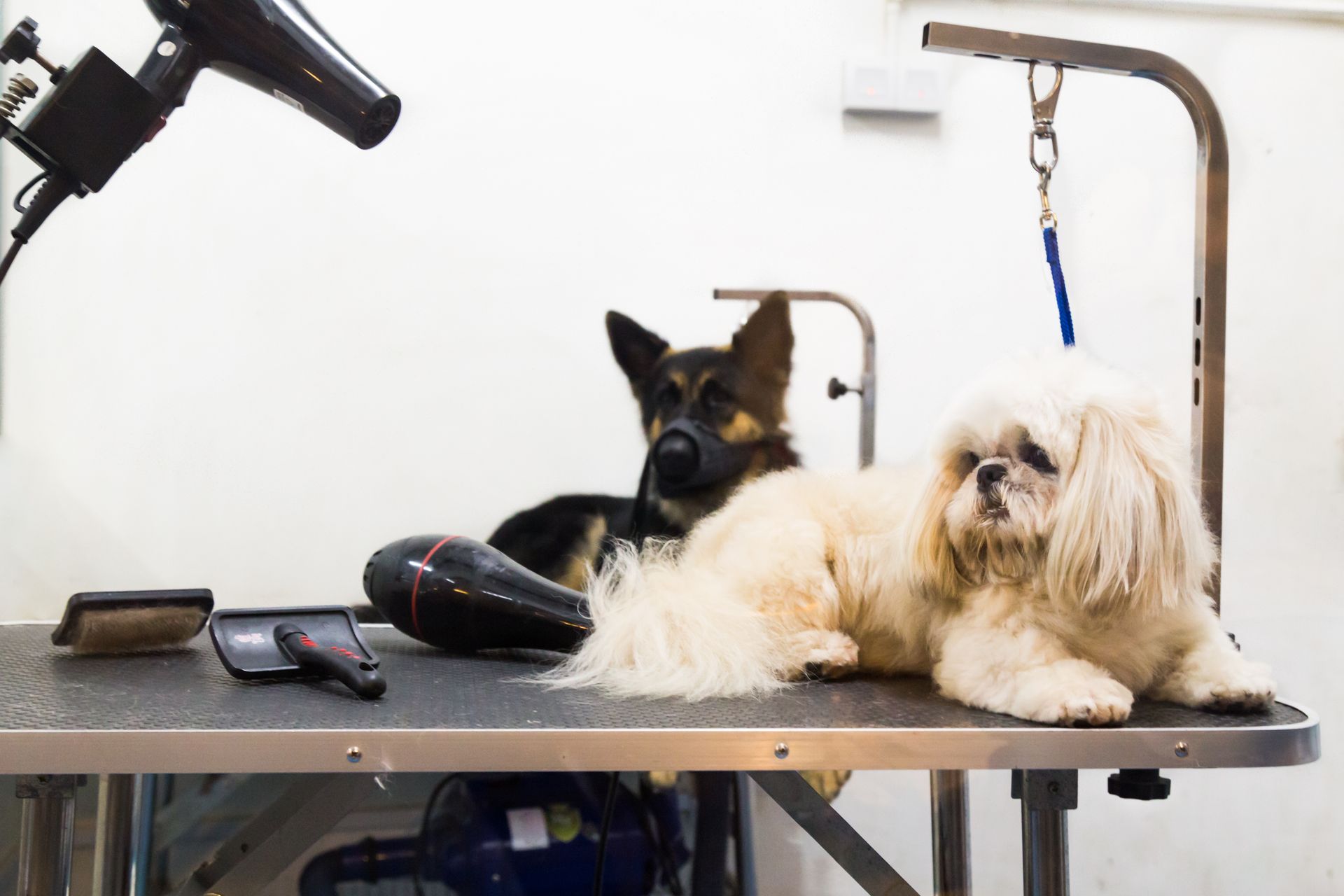
Pet Groomers
Practical protection for animal handling, equipment, and the day-to-day of the grooming table, shop or mobile.
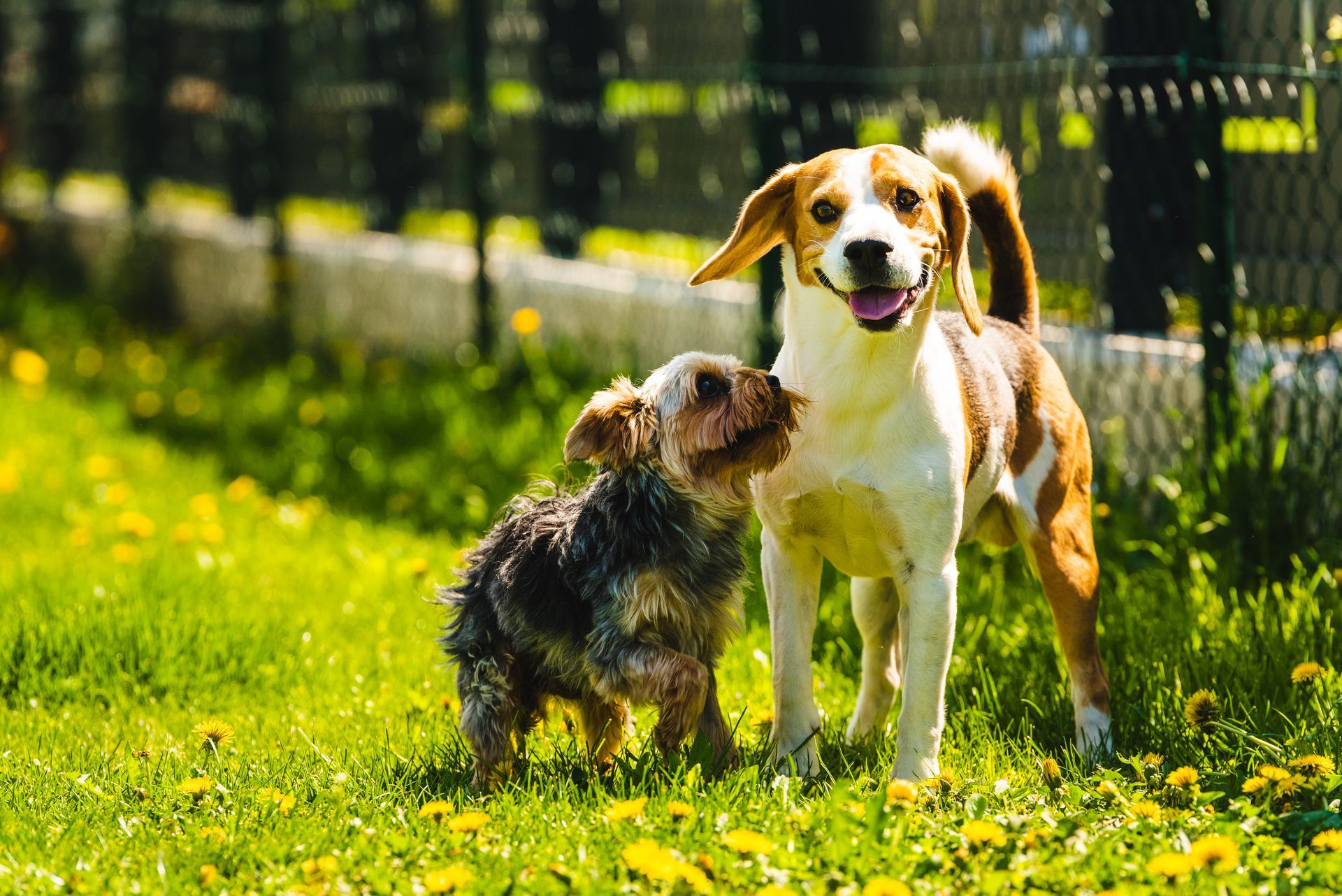
Safety-forward · overnight
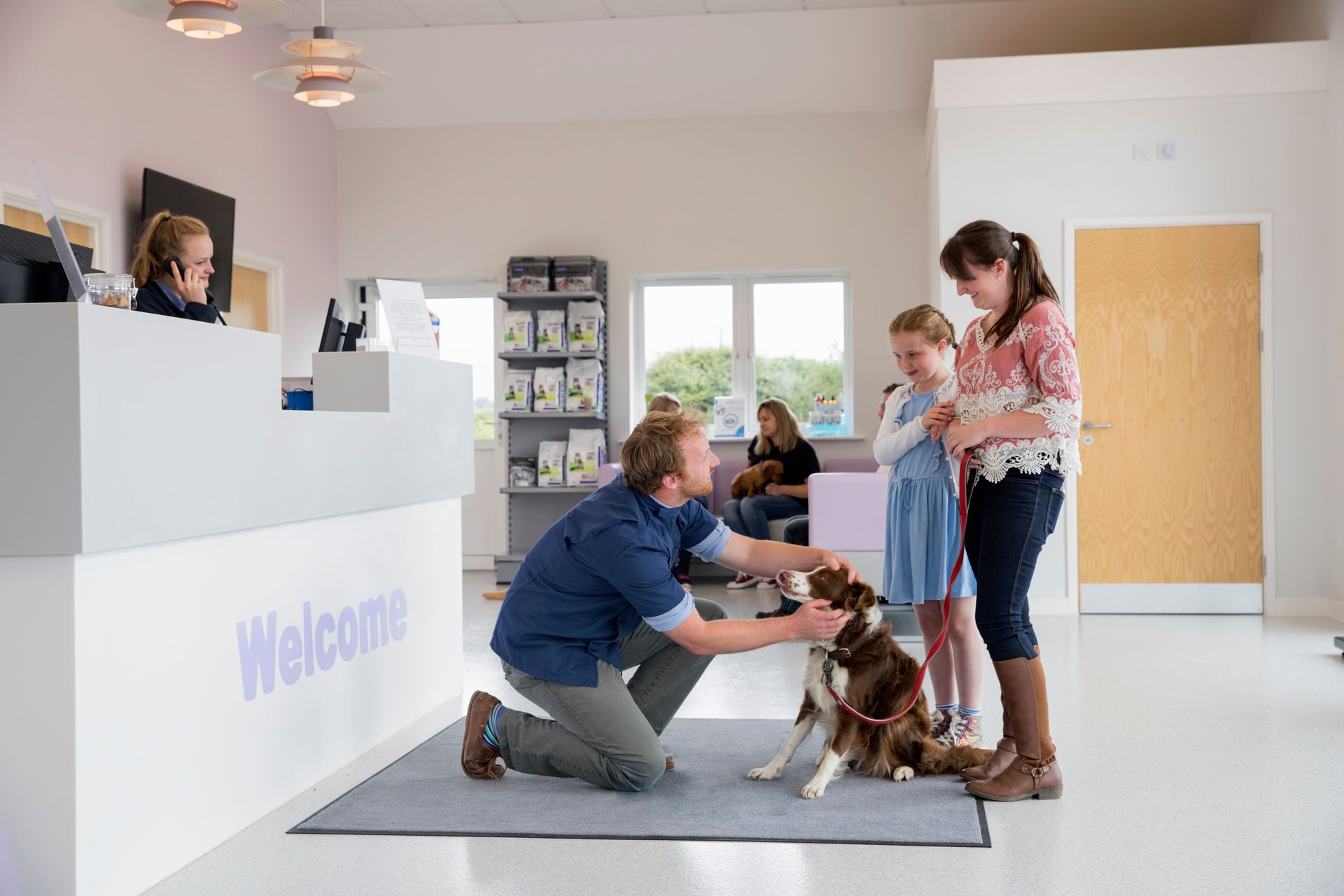
Doggy Daycare & Boarding
Coverage matched to facilities responsible for animals overnight and all day long.
Our reviews
Trusted by pet professionals.
See what owners say about working with a specialist who already understands their business.
Frequently asked
Questions pet pros ask us.
What kinds of pet businesses do you insure?
We insure businesses across the animal-care industry — veterinarians and animal hospitals, groomers, doggy daycares and boarding facilities, kennels and trainers, pet sitters and dog walkers, and pet stores. We also cover breeders, equine operations, pet transporters, shelters and rescues, pet photographers, and aquariums or wildlife facilities.
If your work involves caring for, handling, or selling animals, there is a strong chance we cover it. Tell us what you do and we will confirm.
What is care, custody, and control coverage, and why does it matter?
Care, custody, and control coverage protects you when an animal in your charge is injured, becomes ill, or is lost while in your care. Standard general liability policies often exclude this exact exposure, which leaves a serious gap for pet businesses.
For groomers, boarders, sitters, and clinics, this is one of the most important coverages you can carry. We make sure it is in place and sized to your operation.
How is an independent agency different from buying direct from a carrier?
A direct carrier sells you its own single policy. As an independent agency, we shop multiple specialty insurers and compare programs to find the coverage that fits your business and budget.
That means you get options instead of one quote, and an advocate who works for you, not the carrier. We also handle the renewals and claims support over the life of your policy.
How fast can I get a quote?
Most clients get quoted within one business day. Our industry-specific intake forms collect the right details up front, so we can take your information straight to the carriers without a long back-and-forth.
Need it sooner? Call a specialist directly at (346) 738-7297 and we will move quickly.
Which states do you serve?
We are licensed and actively writing coverage in 12 states: Connecticut, Delaware, Georgia, Kentucky, Massachusetts, New Jersey, New York, North Carolina, Pennsylvania, South Carolina, Tennessee, and Virginia.
We continue to add states as we grow. If you operate outside this list, reach out and we will let you know our latest footprint.
From the blog
Coverage notes for pet professionals.
Plain-language risk tips and coverage explainers, written for owners — not insurance pros.
Speak with a specialist
Let's find the right coverage for your business.
No quote bots, no funnel. Talk to a real pet-insurance specialist who already understands your operation — and shops multiple markets on your behalf.
Call us
(346) 738-7297
Toll-free 845-250-5366
Email
service@petindustryins.com
Visit Us
2 Joyce Plaza
Stony Point, NY 10980