Running an animal rescue means handling unpredictable situations every single day: a foster dog that nips a visitor, a cat that escapes during transport, a volunteer who trips carrying a crate of supplies. The personal pet insurance policy you carry for your own animals won't cover any of it. And a standard business liability policy written for a retail shop or office won't account for the unique risks that come with housing, rehabilitating, and rehoming animals.
The pet insurance market is projected to reach $25.7 billion in 2026, reflecting how seriously the industry now takes animal-related risk. But most of that growth is driven by individual pet owners insuring their dogs and cats. Rescue organizations operate in a completely different risk category, and they need coverage built for what they actually do. Insurance designed for animal rescues covers gaps that generic policies miss entirely: bite liability during adoption events, injuries to volunteers in the field, and allegations of negligence when a placed animal causes harm.
This guide breaks down what animal rescue insurance actually covers, the claims that hit rescue organizations most often, and how much coverage pet professionals running these operations really need. Whether you're a small foster-based rescue or a full-facility shelter, the right policy structure can mean the difference between surviving a lawsuit and shutting your doors.
Why Standard Pet Insurance Isn't Enough for Rescues
Most people hear "pet insurance" and think of the policy they carry on their golden retriever: one that reimburses vet bills for illness or injury. That type of coverage is designed for individual pet owners and has nothing to do with the operational risks a rescue faces daily. A rescue isn't just caring for animals; it's running an organization with staff, volunteers, donors, public events, and legal obligations that create liability exposure at every turn.
Standard commercial general liability policies written for non-animal businesses also fall short. They typically exclude animal-related incidents or severely limit coverage for bite injuries, animal escapes, and damage caused by animals in your care. A rescue needs policies specifically structured around the reality that animals are both the product and the primary source of risk.
The Difference Between Personal Pet Coverage and Professional Liability
Your personal pet insurance reimburses you when your pet gets sick. Professional liability for a rescue covers you when someone claims your organization made a mistake: placing an aggressive animal, failing to disclose a known medical condition, or providing incorrect care instructions. These are fundamentally different types of risk.
Professional liability (sometimes called errors and omissions) protects against claims that your professional judgment or actions caused harm. If an adopter alleges you knew a dog had a bite history and placed it anyway, that's a professional liability claim, not something your personal pet policy or even a basic general liability policy would touch. The growing insurance needs for pet-care businesses reflect exactly this kind of exposure.
Protecting Staff, Volunteers, and Foster Families
Rescues rely heavily on unpaid help. Volunteers walk dogs, clean kennels, transport animals, and staff adoption events. Foster families house animals in their own homes for weeks or months. Each of these situations creates liability your organization needs to address.
If a volunteer gets bitten while socializing a new intake, or a foster family's property is damaged by a rescue animal, your organization could be held responsible. Workers' compensation may cover paid staff injuries, but volunteers typically fall outside that coverage. Your policy needs to explicitly extend protection to volunteers and foster networks, or you're leaving your most dedicated people exposed. This is a gap that catches many smaller rescues off guard.
Core Coverage Types for Animal Welfare Organizations
A proper rescue insurance program isn't a single policy: it's a combination of coverage types that work together to protect the organization from multiple angles. Understanding what each piece does helps you avoid buying too little or paying for coverage you don't need.
General Liability and Professional Errors
General liability is the foundation. It covers third-party bodily injury and property damage: a visitor slips on a wet floor at your facility, or a rescue dog damages someone's car at an adoption event. Most rescues need at least $1 million per occurrence and $2 million aggregate, though your specific situation may call for more.
Professional liability covers claims arising from your services and decisions. Did you recommend a training protocol that led to an injury? Did you fail to disclose a medical condition during adoption? These claims fall under professional errors coverage, and they're becoming more common as adopters grow more litigious. Animal shelter insurance programs typically bundle these two coverages because they complement each other so directly.
Animal Bailee Coverage: Protecting the Animals in Your Care
Bailee coverage is specific to businesses and organizations that temporarily hold someone else's property, and in this context, the "property" is animals. If a rescue animal in your care is injured, escapes, or dies due to negligence, bailee coverage responds to the resulting claim.
This matters more than many rescue operators realize. Animals in your custody aren't technically yours: they're often owner-surrenders awaiting placement, strays held during a stray hold period, or transfers from other organizations. Without bailee coverage, damage to or loss of these animals could come directly out of your operating budget.
Directors and Officers (D&O) Insurance for Nonprofits
Most rescues are structured as 501(c)(3) nonprofits with a board of directors. D&O insurance protects those board members and officers from personal liability when someone sues the organization over management decisions: alleged misuse of funds, employment disputes, or failure to fulfill the organization's mission.
Board members who serve without D&O coverage are putting their personal assets at risk. Recruiting quality board members becomes much harder when you can't offer this protection. A solid D&O policy typically runs $1,000 to $3,000 annually for small to mid-size nonprofits, and it's money well spent.
Comparison: Basic vs. Comprehensive Rescue Policies
Not every rescue needs the same level of coverage. Here's how a basic policy stacks up against a comprehensive program:
| Coverage Element | Basic Policy | Comprehensive Policy |
|---|---|---|
| General Liability | $1M per occurrence | $1M-$2M per occurrence |
| Professional Liability | Often excluded | Included |
| Animal Bailee | Limited or excluded | Full care/custody/control |
| D&O Coverage | Not included | Included |
| Volunteer Coverage | May be excluded | Explicitly included |
| Foster Home Extension | Not included | Covered under policy |
| Hired/Non-Owned Auto | Not included | Available as endorsement |
| Event Liability | Limited | Covered for off-site events |
A foster-based rescue with 20 animals in homes across a metro area has very different needs than a brick-and-mortar shelter. Working with an agency that understands these distinctions, like Pet Professional Insurance Agency, means your policy actually reflects your operation rather than forcing a generic template onto a specialized risk.
Common Claims and Risk Factors in Animal Rescue
Understanding where claims come from helps you manage risk proactively, not just reactively. The patterns are remarkably consistent across rescues of all sizes.
Bite Incidents and Third-Party Property Damage
Bite claims are the single most frequent liability issue for rescues. They happen at adoption events, during home visits, at the facility, and in foster homes. Even well-socialized animals can bite when stressed, and the rescue is typically named in any resulting lawsuit regardless of the circumstances.
Property damage claims often accompany bite incidents: a dog lunges and knocks someone down, breaking their phone or glasses. Escaped animals that damage neighboring property also generate claims. The most common animal-related insurance claims in 2026 confirm that behavioral incidents remain a top concern across the pet-care industry. Having clear intake protocols, behavioral assessments, and documentation practices reduces your exposure significantly.
Allegations of Negligence During the Adoption Process
These claims are trickier and often more expensive to defend. An adopter claims you failed to disclose a known health issue. A returned animal injures someone, and the adopter argues you should have warned them about behavioral problems. A placed animal turns out to have a communicable disease that spreads to the adopter's existing pets.
Thorough adoption contracts, veterinary disclosure forms, and documented behavioral evaluations are your first line of defense. But even the most careful rescue can face a negligence allegation, which is exactly why professional liability coverage exists. The legal defense costs alone can exceed $50,000 before you even get to a settlement.
Determining How Much Coverage Your Organization Needs
The right coverage amount depends on several factors specific to your operation. A rescue handling 50 animals per year has different exposure than one processing 500. Organizations with physical facilities face premises liability that foster-only rescues may not. Rescues operating in states with strict liability for animal bites need higher limits than those in states requiring proof of negligence.
Start with these baseline considerations:
- Number of animals in your care at any given time
- Whether you operate a physical facility or are foster-based
- Number of volunteers and paid staff
- Frequency and size of public adoption events
- Whether you transport animals across state lines
- Annual operating budget and assets worth protecting
Pet Professional Insurance Agency uses intake forms tailored specifically to rescue operations, which means you're not answering irrelevant questions about retail inventory or grooming equipment. That specificity translates to more accurate coverage recommendations and faster turnaround: most clients hear back within 24 to 48 hours.
As a general rule, rescues with annual budgets under $500,000 should carry at minimum $1 million per occurrence in general liability with professional liability included. Larger organizations or those with significant assets should consider $2 million or more. Your state may also require specific coverages: check local nonprofit and animal welfare regulations, and consult an attorney familiar with your jurisdiction's requirements.
Common Questions About Rescue Insurance
Does homeowner's insurance cover foster families who house rescue animals? Usually not. Most homeowner's policies exclude liability for animals that aren't the policyholder's own pets. Your rescue's policy should extend coverage to foster homes, or foster families should be required to carry their own coverage.
Are volunteers automatically covered under our rescue's insurance? Not always. Some policies exclude volunteer injuries or limit coverage to paid employees only. Confirm that your policy explicitly names volunteer coverage, especially for off-site activities like transport and home visits.
Do we need separate event insurance for adoption fairs? It depends on your policy. Some comprehensive rescue policies include off-site event coverage. Others require a separate event rider. Venues often require a certificate of insurance naming them as an additional insured, so check this well before your event date.
How much does animal rescue insurance typically cost? Small foster-based rescues might pay $800 to $2,000 annually for basic coverage. Larger facility-based operations with more animals, staff, and public interaction can expect $3,000 to $8,000 or more depending on coverage limits and claims history.
Can we get coverage if we've had previous claims? Yes, though your options may be more limited and premiums higher. Working with an agency that accesses multiple specialty markets gives you a better chance of finding appropriate coverage at a reasonable rate. Understanding whether rescue-specific insurance is worth the investment starts with knowing your risk profile.
Making the Right Choice for Your Rescue
The animals in your care depend on your organization's ability to keep operating, even after a bad incident. A single uninsured bite claim or negligence lawsuit can drain a rescue's funds and force closure, leaving animals without the safety net you've built.
Getting the right insurance for your rescue isn't about buying the most expensive policy available. It's about matching your coverage to your actual operations: the number of animals you handle, the volunteers you depend on, the events you host, and the legal environment in your state. Generic policies leave gaps. Specialty coverage fills them.
Index
Pet Professional Insurance Agency is fully licensed and permitted to provide commercial insurance solutions for pet businesses across 12 states.
We proudly serve pet professionals throughout the Northeast, Mid-Atlantic, and Southeast. Powered by Joyce Insurance Agency, our team works with leading specialty carriers — including The Hartford, USLI, Nautilus, and Northland — to make sure veterinarians, groomers, boarding facilities, and pet-care businesses receive coverage that fits their real risks in Connecticut, Delaware, Georgia, Kentucky, Massachusetts, New Jersey, New York, North Carolina, Pennsylvania, South Carolina, Tennessee, and Virginia.
About the author
Barnaby Joyce
Founder, Pet Professional Insurance Agency · Licensed Insurance Producer
I started Pet Professional Insurance Agency because I watched pet businesses get handed generic policies that never fit. After years of placing coverage for veterinary practices, grooming salons, doggy daycares, and kennels through a generalist agency, I saw the same gaps over and over — and the same blank stares when an owner tried to explain care, custody, and control to an agent who had never insured an animal in their life.
So I built an agency that does one thing. I work directly with specialty carriers who actually want pet-industry risk, and I sit down with every client personally. You will not get a call center or a chatbot. You will get someone who already speaks your language and shops the market on your behalf. That is the whole idea.
Recommended coverages
Coverages that pair with general liability.
Most pet businesses build on general liability with the lines below. Explore each — every page cross-links to the
industries we serve.
Services & advice
Professional Liability / E&O
Covers claims tied to your professional services and advice — clinical care, training guidance, and the judgment calls you make daily.
The pet-industry gap
Care, Custody & Control
Covers the animals in your charge against injury, illness, or loss — the critical exposure standard liability policies leave out.
Bundled & cost-effective
Business Owners Policy (BOP)
Bundles property and general liability into one package built for small to mid-sized pet businesses — often the simplest base.
Your building & contents
Commercial Property
Protects your building, build-out, equipment, and inventory against fire, theft, and covered losses — front desk to back room.
For your team
Workers’ Compensation
Covers medical costs and lost wages when a team member is hurt on the job — required in most states once you have employees.
Extra protection
Commercial Umbrella
Adds liability limits above your primary policies for catastrophic claims that exceed standard coverage.
Coverage availability and terms vary by carrier and state. We recommend the right mix for your operation once we talk.
Industries we serve
Built for the businesses that care for animals.
General liability is the baseline for every segment we specialize in. Find the page built for your business.
Clinical · high exposure
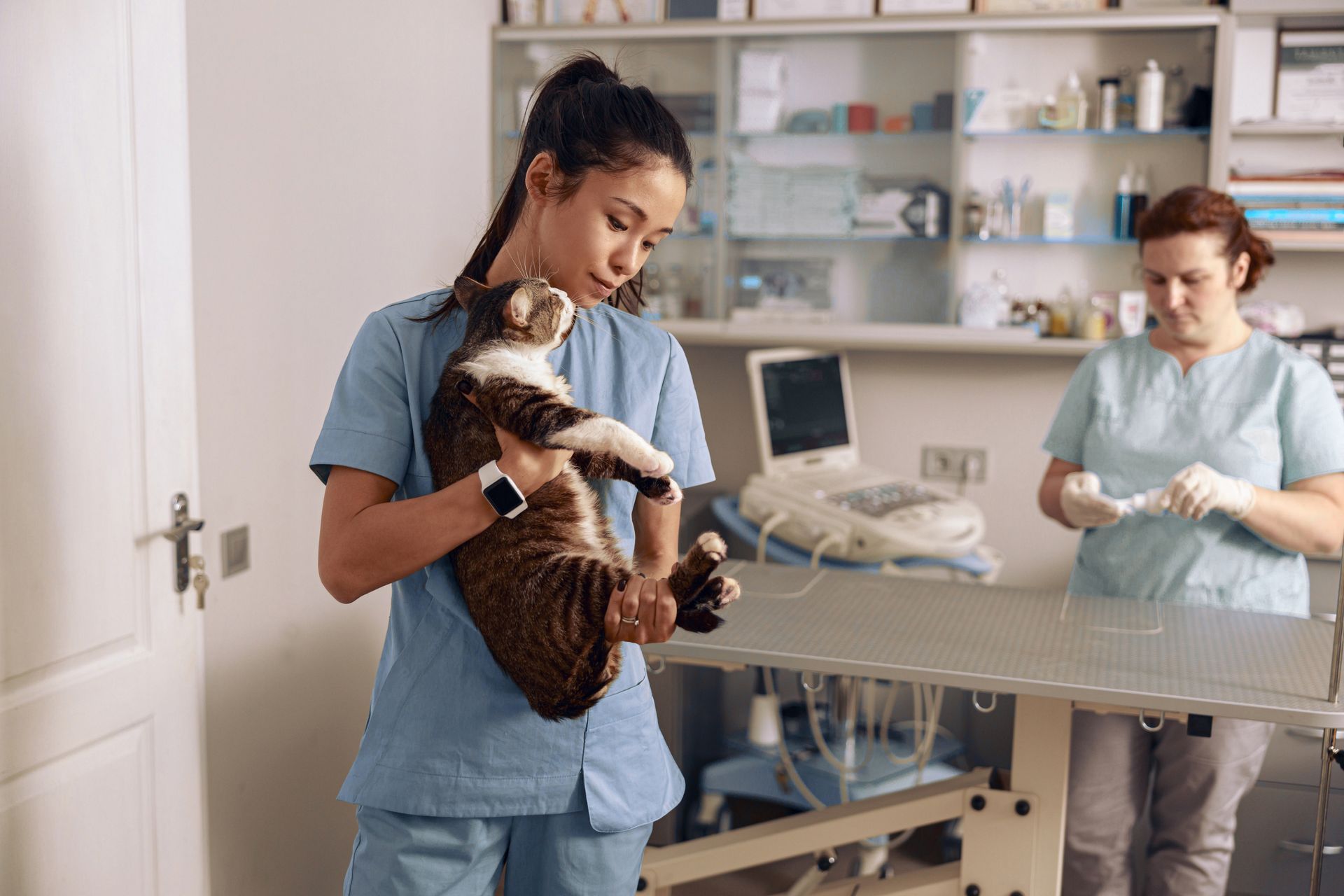
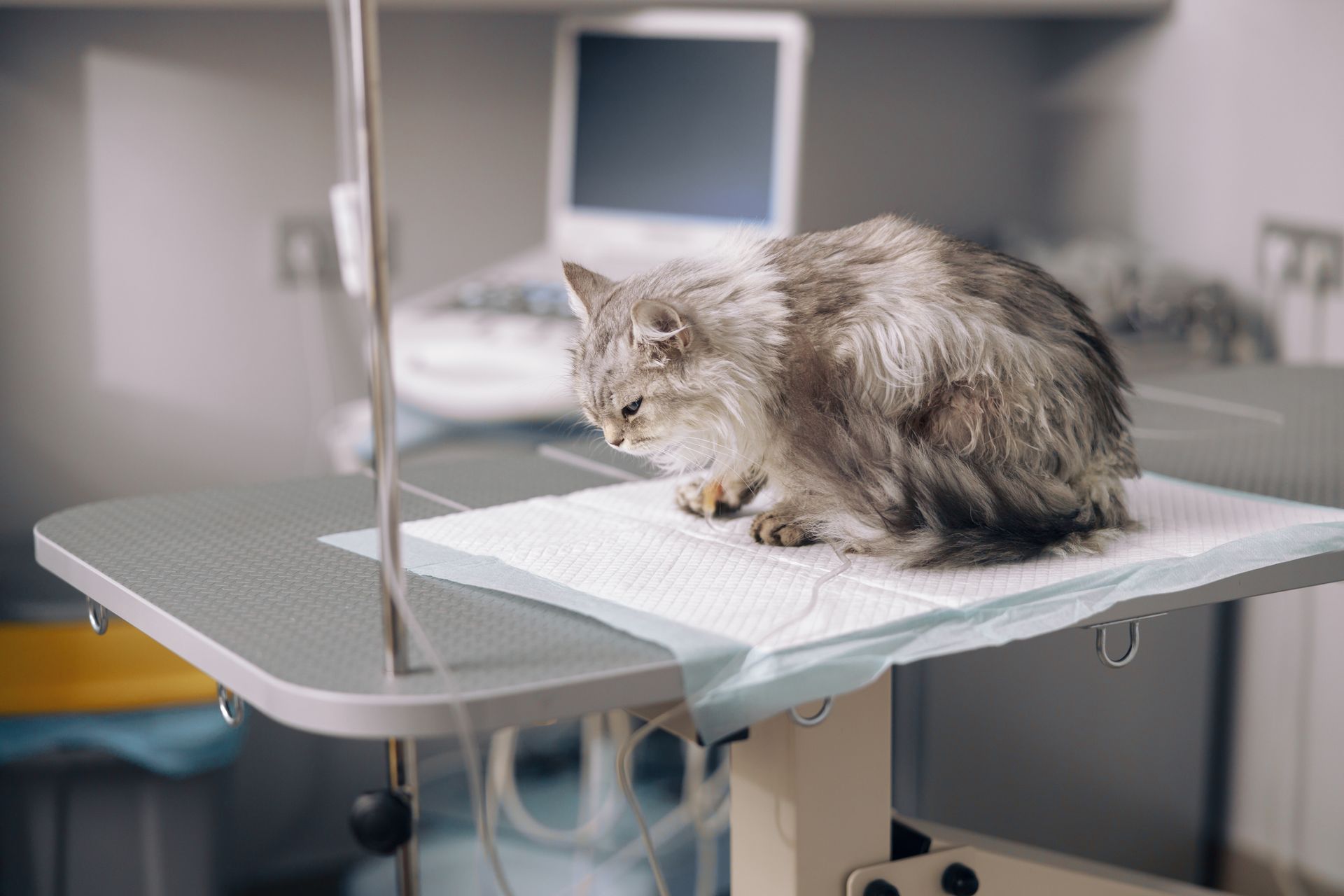
Veterinarians & Animal Hospitals
Professional and general liability, property, and workers’ comp for clinical operators with high exposure.
Hands-on · small business
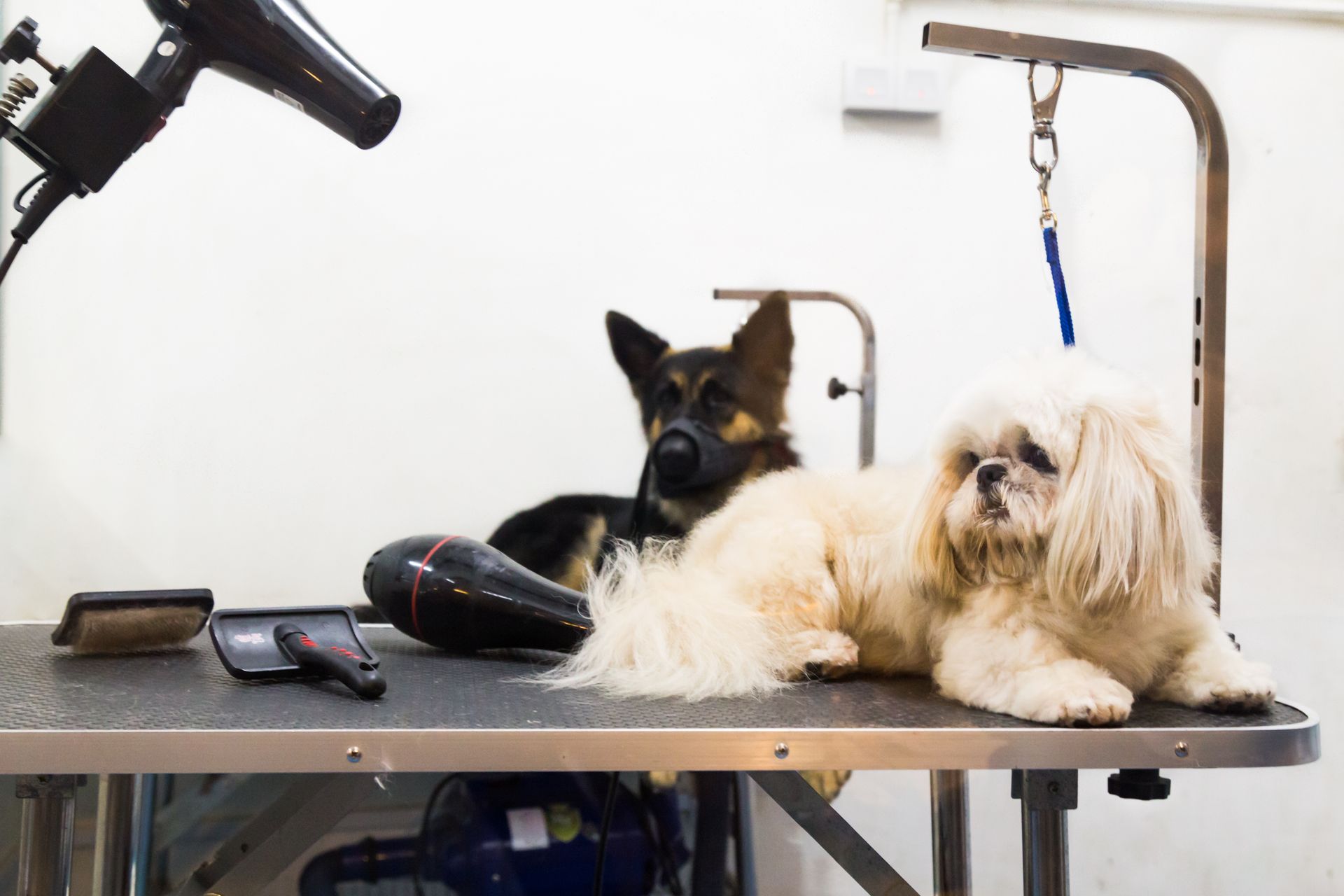
Pet Groomers
Practical protection for animal handling, equipment, and the day-to-day of the grooming table, shop or mobile.
Safety-forward · overnight
Doggy Daycare & Boarding
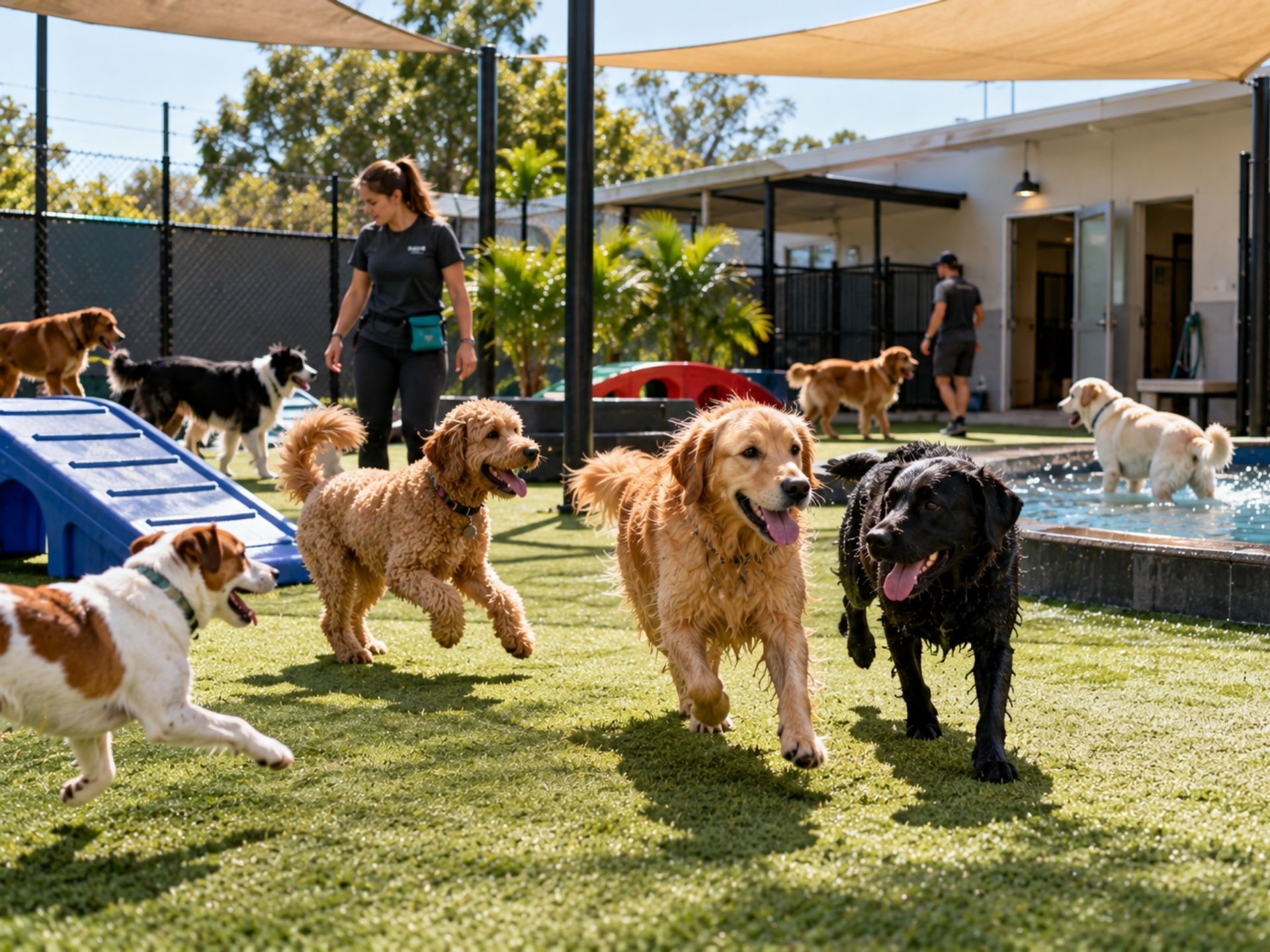
Coverage matched to facilities responsible for animals overnight and all day long.
Our reviews
Trusted by pet professionals.
See what owners say about working with a specialist who already understands their business.
Frequently asked
Questions pet pros ask us.
What kinds of pet businesses do you insure?
We insure businesses across the animal-care industry — veterinarians and animal hospitals, groomers, doggy daycares and boarding facilities, kennels and trainers, pet sitters and dog walkers, and pet stores. We also cover breeders, equine operations, pet transporters, shelters and rescues, pet photographers, and aquariums or wildlife facilities.
If your work involves caring for, handling, or selling animals, there is a strong chance we cover it. Tell us what you do and we will confirm.
What is care, custody, and control coverage, and why does it matter?
Care, custody, and control coverage protects you when an animal in your charge is injured, becomes ill, or is lost while in your care. Standard general liability policies often exclude this exact exposure, which leaves a serious gap for pet businesses.
For groomers, boarders, sitters, and clinics, this is one of the most important coverages you can carry. We make sure it is in place and sized to your operation.
How is an independent agency different from buying direct from a carrier?
A direct carrier sells you its own single policy. As an independent agency, we shop multiple specialty insurers and compare programs to find the coverage that fits your business and budget.
That means you get options instead of one quote, and an advocate who works for you, not the carrier. We also handle the renewals and claims support over the life of your policy.
How fast can I get a quote?
Most clients get quoted within one business day. Our industry-specific intake forms collect the right details up front, so we can take your information straight to the carriers without a long back-and-forth.
Need it sooner? Call a specialist directly at (346) 738-7297 and we will move quickly.
Which states do you serve?
We are licensed and actively writing coverage in 12 states: Connecticut, Delaware, Georgia, Kentucky, Massachusetts, New Jersey, New York, North Carolina, Pennsylvania, South Carolina, Tennessee, and Virginia.
We continue to add states as we grow. If you operate outside this list, reach out and we will let you know our latest footprint.
From the blog
Coverage notes for pet professionals.
Plain-language risk tips and coverage explainers, written for owners — not insurance pros.
Speak with a specialist
Let's find the right coverage for your business.
No quote bots, no funnel. Talk to a real pet-insurance specialist who already understands your operation — and shops multiple markets on your behalf.
Call us
(346) 738-7297
Toll-free 845-250-5366
Email
service@petindustryins.com
Visit Us
2 Joyce Plaza
Stony Point, NY 10980