Coverage for veterinary practices
Care, Custody & Control Insurance
A golden retriever breaks free from a leash during a group walk. She darts into traffic, gets clipped by a car, and the vet bill comes to $8,700. The dog walker's general liability policy? It won't cover a dime. That's because the dog was entrusted to the walker's care, and standard liability policies specifically exclude damage to property (yes, pets are legally classified as property) that's been placed in your custody.
This gap catches pet business owners off guard constantly. You carry insurance, you pay your premiums, you assume you're covered. Then a claim hits and you discover the hard way that the one scenario you feared most - a client's pet getting hurt while under your supervision - falls into a coverage blind spot. Care, custody, and control coverage exists to fill exactly this gap, and for anyone running a pet-focused business in 2026, understanding what it protects is no longer optional. Veterinary costs have risen roughly 40% since 2020, turning what used to be a manageable out-of-pocket expense into a potential business-ending liability. A torn ACL repair can run $5,000 to $7,000. Emergency surgery after a dog fight at daycare? Easily $10,000 or more. Without the right policy in place, those costs come straight from your bank account.
Understanding Care, Custody & Control (CCC) Insurance
Defining 'Care, Custody & Control' in a Pet Care Context
Care, custody, and control - often abbreviated as CCC - is an insurance term that refers to property temporarily entrusted to you by someone else. In the pet world, this means any animal a client hands over for walking, grooming, boarding, training, or sitting. The moment you accept responsibility for that pet, it falls under your care, custody, and control.
Standard commercial general liability policies contain what's called a "care, custody, or control exclusion." This exclusion removes coverage for damage to any third-party property that's in your possession. Since pets are legally considered personal property in every U.S. state, any injury or death that happens to a client's animal while you're responsible for it gets excluded from your general liability policy. CCC coverage is a separate policy or endorsement designed specifically to override that exclusion.

Why General Liability Isn't Enough for Pet Injuries
General liability insurance protects you if a dog in your care bites a passerby, if a client trips over a leash in your facility, or if your business causes property damage to someone else's belongings that aren't in your custody. It's essential, but it has a specific blind spot for animals you've agreed to watch over.
Think of it this way: if a dog escapes your facility and damages a neighbor's fence, general liability covers that. But if that same dog injures itself while escaping, general liability won't pay for the vet bills because the dog was in your care at the time. This distinction trips up even experienced business owners. The pet insurance industry has been growing rapidly as liability risks increase, and CCC coverage is a direct response to the unique risk profile pet businesses face.
What This Coverage Protects (and What It Doesn't)
Covered Incidents: Veterinary Bills and Accidental Death
CCC coverage typically pays for veterinary treatment when a client's pet is injured while under your supervision. This includes accidents during grooming (clipper cuts, dryer burns, falls from grooming tables), injuries sustained during group play at daycare, illnesses contracted at a boarding facility, and escape-related injuries.
Most policies also cover accidental death, meaning if a pet dies from an accident or injury that occurs on your watch, the policy can reimburse the owner for the animal's value. Some policies extend to cover lost or stolen animals as well. Coverage limits vary widely, with per-incident limits typically ranging from $2,500 to $15,000 and aggregate annual limits from $25,000 to $100,000 depending on the policy and your business size.

Common Exclusions: Intentional Acts and Pre-existing Conditions
No insurance policy covers everything, and CCC is no exception. Standard exclusions include intentional harm or abuse, pre-existing medical conditions the animal had before entering your care, injuries resulting from breeding activities (unless specifically endorsed), and animals you own yourself.
Negligence is a gray area worth understanding. If a pet is injured because you failed to follow basic safety protocols - say you left a dog unattended on a grooming table with no restraint - the insurer may still cover the claim but could investigate whether gross negligence was involved. Policies also typically exclude exotic animals unless you've specifically added that coverage. If you board reptiles, birds, or other non-traditional pets, make sure your policy reflects that. Laws governing animal care liability vary by state and municipality, so consult a local attorney if you're unsure how your jurisdiction handles these claims.
Comparing General Liability vs. CCC Coverage
The confusion between these two coverage types is the single most common misunderstanding we see among pet business owners. Here's a clear breakdown:
| Scenario | General Liability | CCC Coverage |
|---|---|---|
| Client's dog bites a stranger during a walk | Covered | Not applicable |
| Dog injures itself jumping off grooming table | Not covered | Covered |
| Client slips on wet floor in your facility | Covered | Not applicable |
| Two boarded dogs fight; both need vet care | Not covered | Covered |
| Your sign falls and damages a neighbor's car | Covered | Not applicable |
| Cat escapes boarding and is hit by a car | Not covered | Covered |
| Dog has allergic reaction to shampoo during grooming | Not covered | Covered |
The pattern is straightforward. If the injured party is a person or uninvolved third party's property, general liability responds. If the injured party is an animal that was entrusted to your business, you need CCC coverage. Most pet businesses need both, and trying to operate with only one leaves a significant hole in your protection.
Which Pet Businesses Need CCC Coverage?
The short answer: any business that takes temporary physical possession of someone else's pet. But the risk levels and coverage needs differ by business type.
Dog Walkers and Pet Sitters
Dog walkers face unique exposure because they operate in uncontrolled environments. Busy streets, off-leash parks, encounters with aggressive dogs, extreme weather - the variables are endless. A pet sitter working in a client's home has a different risk profile but still carries responsibility for the animal's safety during the service period.
If you're just starting a pet sitting business, CCC coverage should be one of your first purchases alongside general liability. The costs are relatively modest for solo operators, often running $300 to $800 annually depending on how many animals you handle. One emergency vet visit can exceed your entire annual premium several times over.
Groomers and Pet Stylists
Grooming involves sharp tools, hot dryers, restraint equipment, and stressed animals - a combination that produces claims more frequently than most pet business owners expect. Common grooming injuries include clipper burns, nicks requiring stitches, broken nails cut too short (which can become infected), and heat-related incidents from cage dryers.
A groomer we've worked with at Pet Professional Insurance Agency had a situation where a dog jumped from a table, fracturing its leg. The vet bill was over $4,500. Without CCC coverage, that would have been entirely out of pocket. With it, the claim was handled within weeks. Groomers should also pay attention to per-incident limits, since orthopedic injuries in dogs can easily exceed lower coverage thresholds.
Boarding Facilities and Doggy Daycares
Boarding and daycare operations carry the highest CCC exposure in the pet industry because they handle multiple animals simultaneously over extended periods. Dog-on-dog aggression during group play is the number one claim driver, followed by escape incidents and illness transmission.
A facility boarding 30 dogs at any given time has 30 individual CCC exposures running concurrently. That's why boarding facilities typically need higher aggregate limits - $50,000 to $100,000 or more annually. Pet Professional Insurance Agency works with specialty insurance markets that understand these risks specifically, using intake forms tailored to boarding and daycare operations rather than generic commercial applications. The difference matters because a properly underwritten policy accounts for your facility's layout, staff-to-animal ratios, and playgroup protocols.
Common Questions About Pet Business Insurance
Does my homeowner's insurance cover pet sitting I do from home? Almost never. Homeowner's policies exclude business activities, and most will deny claims related to commercial pet care conducted on the premises. You need a separate commercial policy.
How much does CCC coverage typically cost? For solo operators like dog walkers and pet sitters, expect $300 to $800 per year. Grooming shops usually pay $500 to $1,500. Boarding facilities and daycares range from $1,000 to $5,000 or more depending on capacity and claims history.
Can I bundle CCC with my general liability policy? Yes, and this is the most common approach. Many specialty pet business insurance programs offer CCC as part of a business owner's policy or as an endorsement to your general liability coverage. Pet Professional Insurance Agency can typically get you options from multiple markets within 24 to 48 hours.
What happens if a pet dies in my care from a pre-existing condition? If the animal had a documented pre-existing condition that caused its death, CCC coverage generally won't respond. This is why many boarding facilities and daycares require veterinary health certificates or at minimum a signed disclosure form from pet owners before accepting animals.
Am I covered if a pet escapes and is never found? Many CCC policies do cover lost animals, reimbursing the owner for the pet's value. Check your specific policy language, as coverage for lost versus stolen versus escaped animals can vary significantly between insurers.
Do I need CCC coverage if I only handle one or two pets at a time? Yes. The number of animals doesn't change the risk - it only changes the frequency. One injured pet can generate a claim that exceeds $10,000. The question isn't how many animals you handle but whether you can absorb that cost if something goes wrong.
Making the Right Choice for Your Pet Business
CCC coverage isn't a luxury add-on anymore. With veterinary costs continuing to climb and pet owners increasingly willing to pursue claims when their animals are injured, operating without this protection is a gamble that doesn't make financial sense for any pet care professional.
The right policy depends on your specific business type, the number of animals you handle, your facility setup, and your risk tolerance. A mobile groomer has different needs than a 50-kennel boarding facility, and your insurance should reflect that. Work with an agent who understands pet industry risks specifically - not a generalist who handles your auto insurance on the side.
If you're unsure whether your current policy includes CCC protection, pull it out and look for the care, custody, and control exclusion in your general liability section. If it's there and you don't have a separate CCC endorsement or policy, you have a gap. Getting that gap filled before your next client drops off their pet is one of the smartest moves you can make for your business.
Index
Pet Professional Insurance Agency is fully licensed and permitted to provide commercial insurance solutions for pet businesses across 12 states.
We proudly serve pet professionals throughout the Northeast, Mid-Atlantic, and Southeast. Powered by Joyce Insurance Agency, our team works with leading specialty carriers — including The Hartford, USLI, Nautilus, and Northland — to make sure veterinarians, groomers, boarding facilities, and pet-care businesses receive coverage that fits their real risks in Connecticut, Delaware, Georgia, Kentucky, Massachusetts, New Jersey, New York, North Carolina, Pennsylvania, South Carolina, Tennessee, and Virginia.
About the author
Barnaby Joyce
Founder, Pet Professional Insurance Agency · Licensed Insurance Producer
I started Pet Professional Insurance Agency because I watched pet businesses get handed generic policies that never fit. After years of placing coverage for veterinary practices, grooming salons, doggy daycares, and kennels through a generalist agency, I saw the same gaps over and over — and the same blank stares when an owner tried to explain care, custody, and control to an agent who had never insured an animal in their life.
So I built an agency that does one thing. I work directly with specialty carriers who actually want pet-industry risk, and I sit down with every client personally. You will not get a call center or a chatbot. You will get someone who already speaks your language and shops the market on your behalf. That is the whole idea.
Recommended coverages
Coverages that pair with general liability.
Most pet businesses build on general liability with the lines below. Explore each — every page cross-links to the
industries we serve.

Services & advice
Professional Liability / E&O
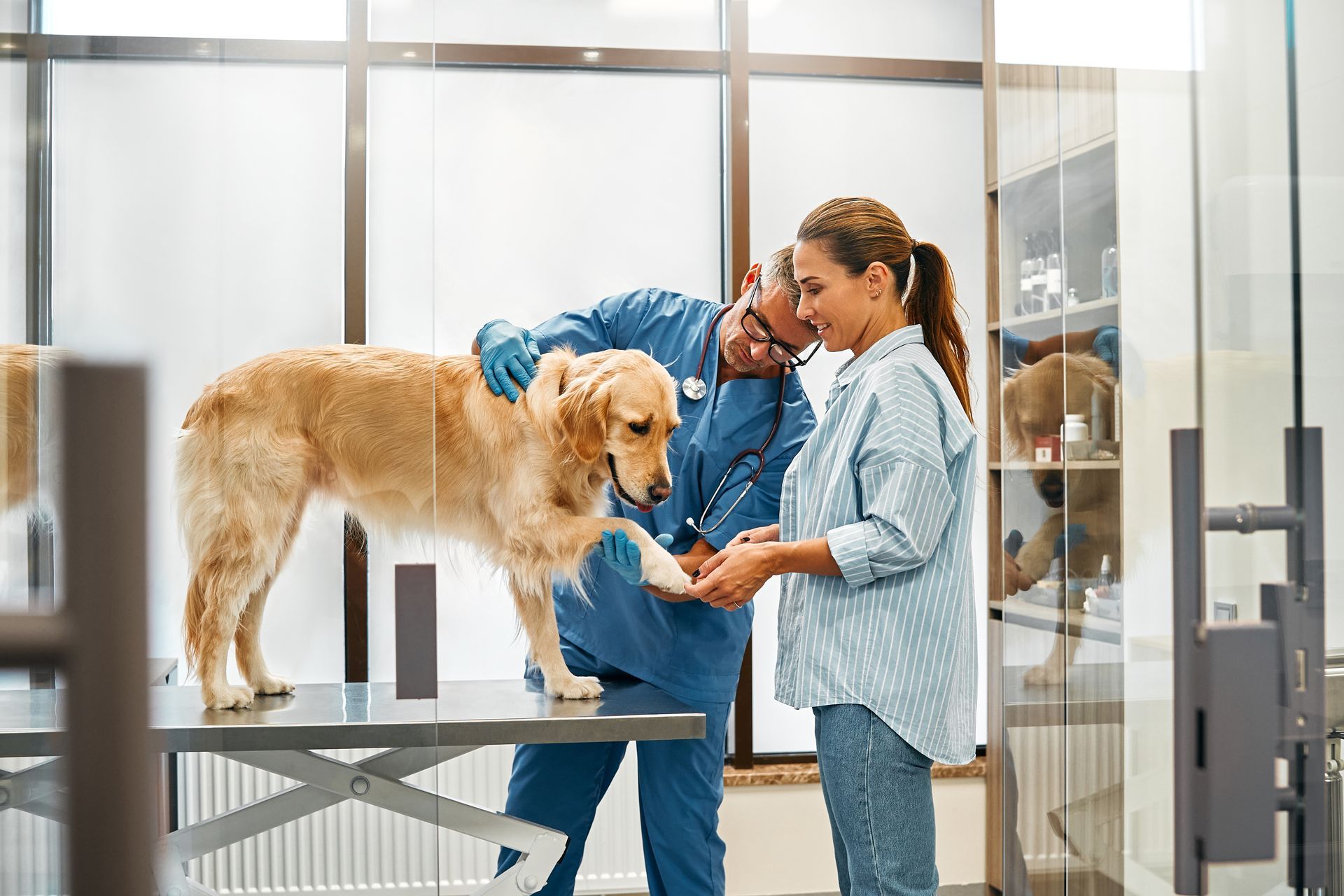
Covers claims tied to your professional services and advice — clinical care, training guidance, and the judgment calls you make daily.
The pet-industry gap
Care, Custody & Control
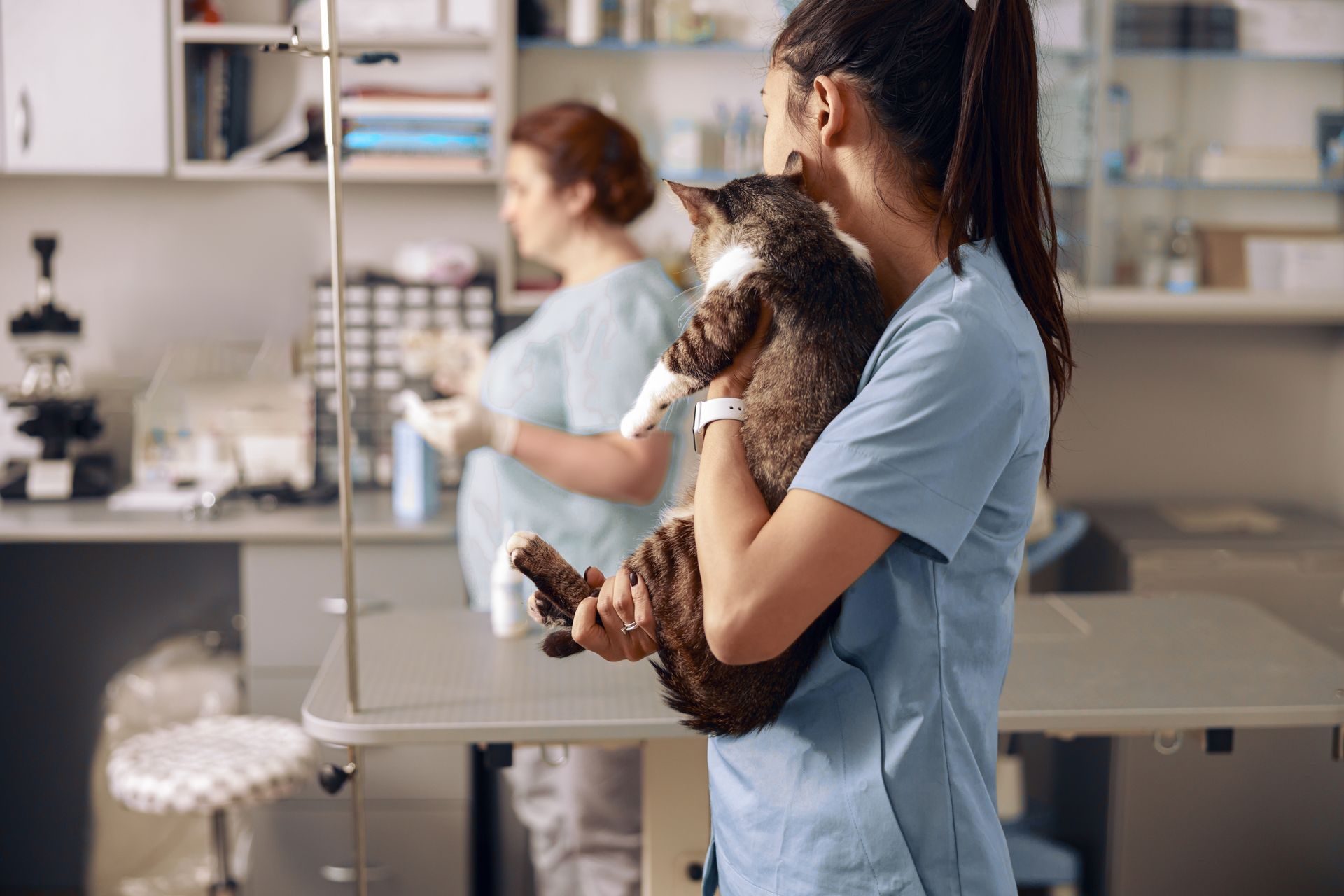
Covers the animals in your charge against injury, illness, or loss — the critical exposure standard liability policies leave out.
Bundled & cost-effective
Business Owners Policy (BOP)
Bundles property and general liability into one package built for small to mid-sized pet businesses — often the simplest base.
Your building & contents
Commercial Property
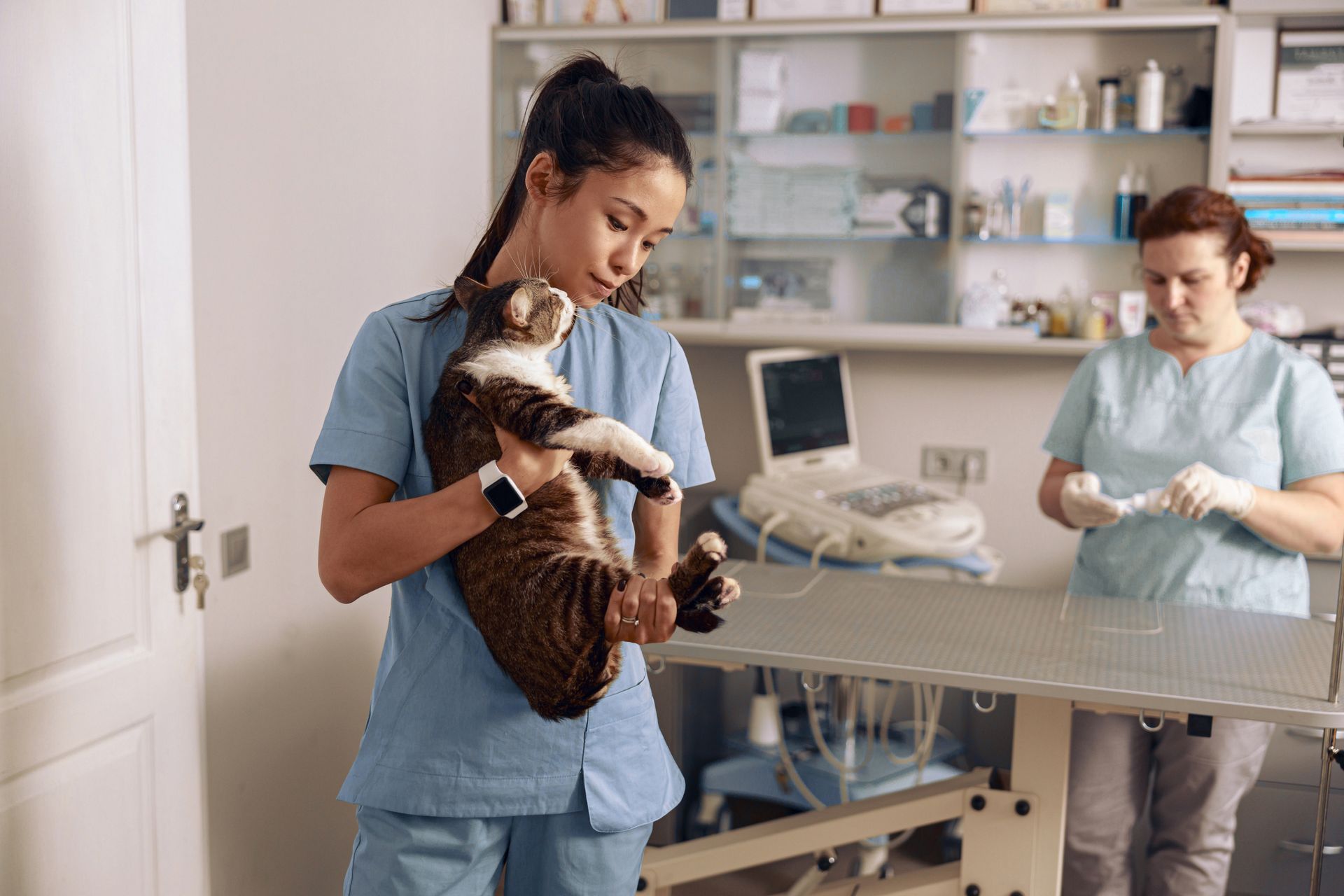
Protects your building, build-out, equipment, and inventory against fire, theft, and covered losses — front desk to back room.
For your team
Workers’ Compensation
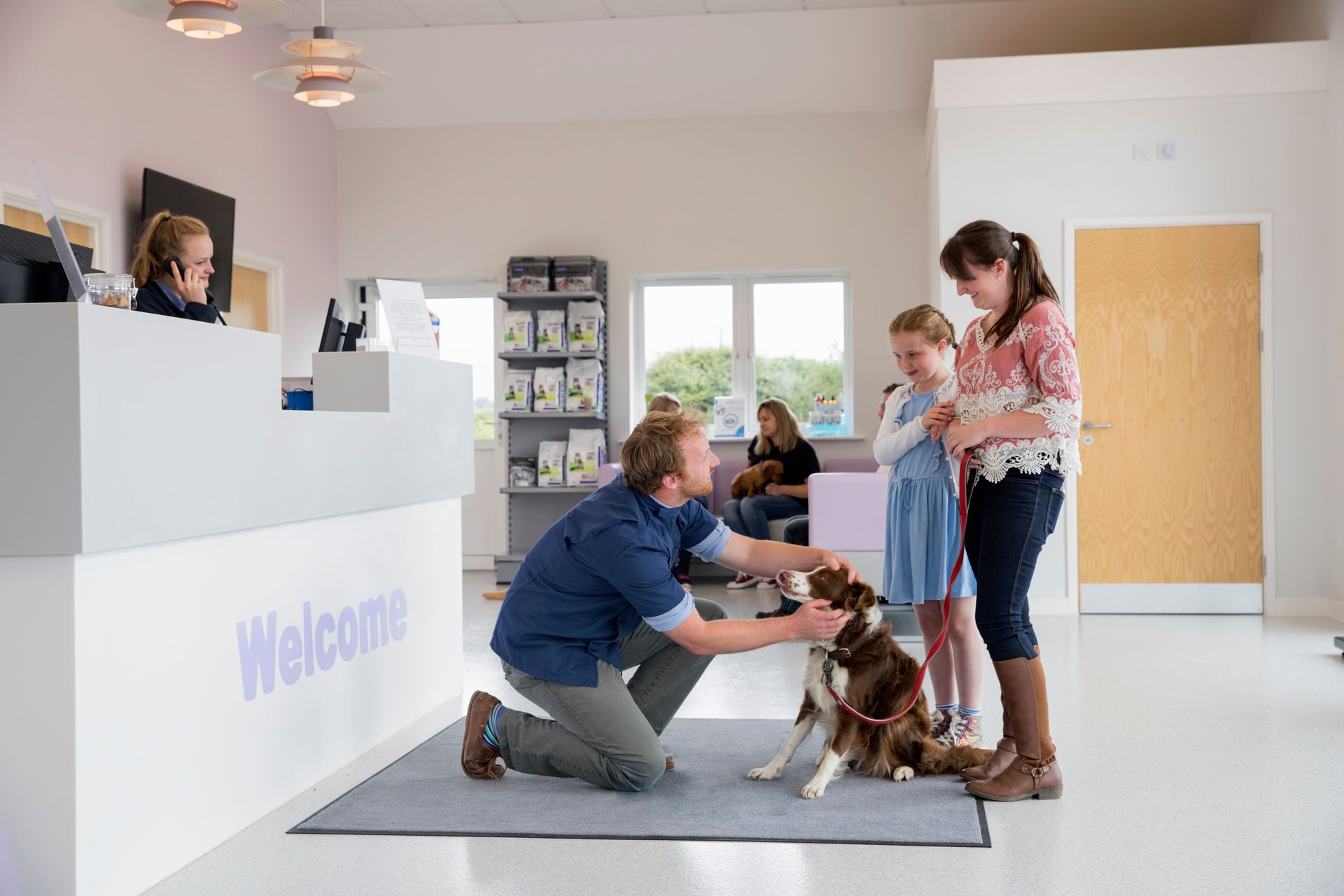
Covers medical costs and lost wages when a team member is hurt on the job — required in most states once you have employees.
Extra protection
Commercial Umbrella
Adds liability limits above your primary policies for catastrophic claims that exceed standard coverage.
Coverage availability and terms vary by carrier and state. We recommend the right mix for your operation once we talk.
Industries we serve
Built for the businesses that care for animals.
General liability is the baseline for every segment we specialize in. Find the page built for your business.
Clinical · high exposure
Veterinarians & Animal Hospitals
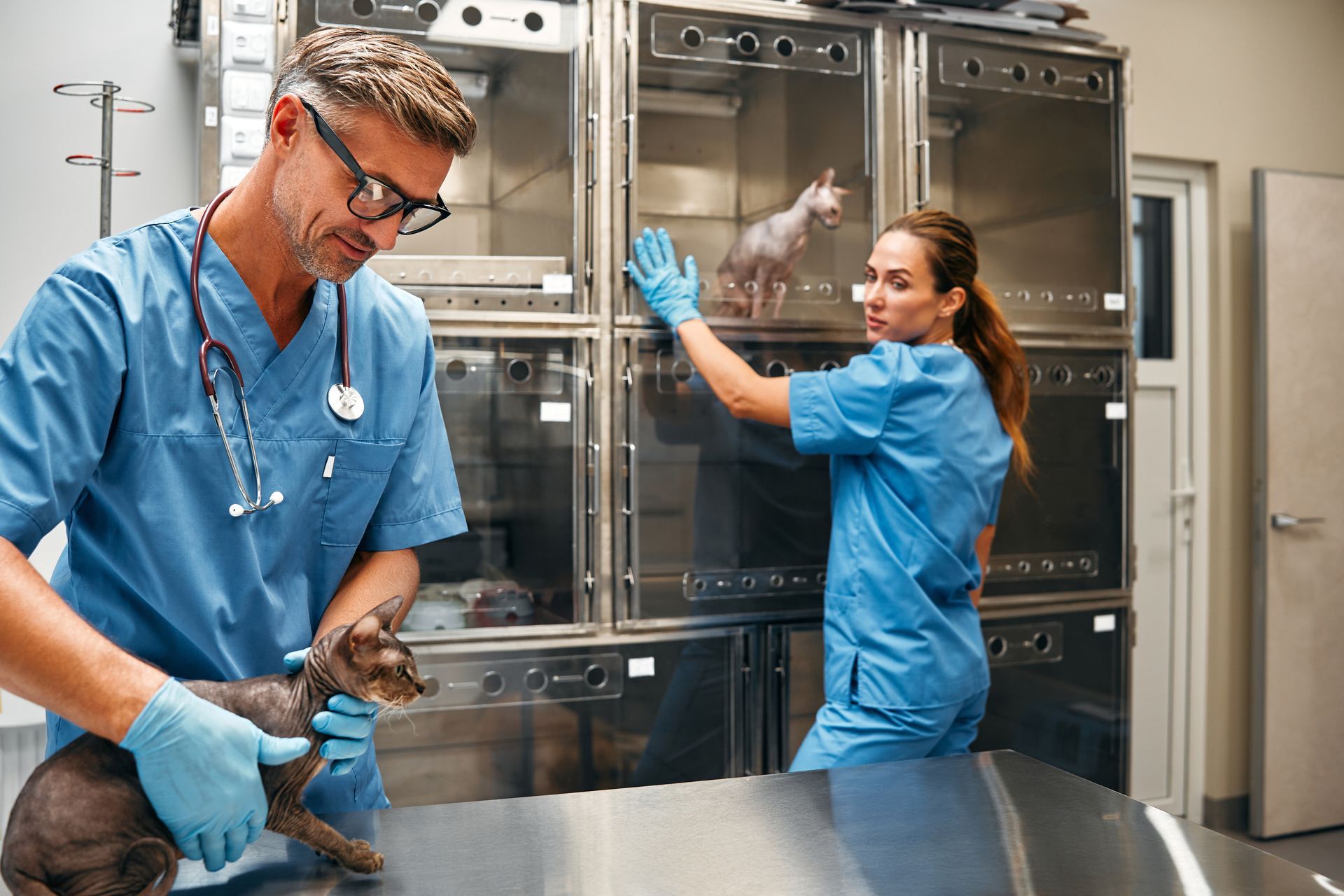
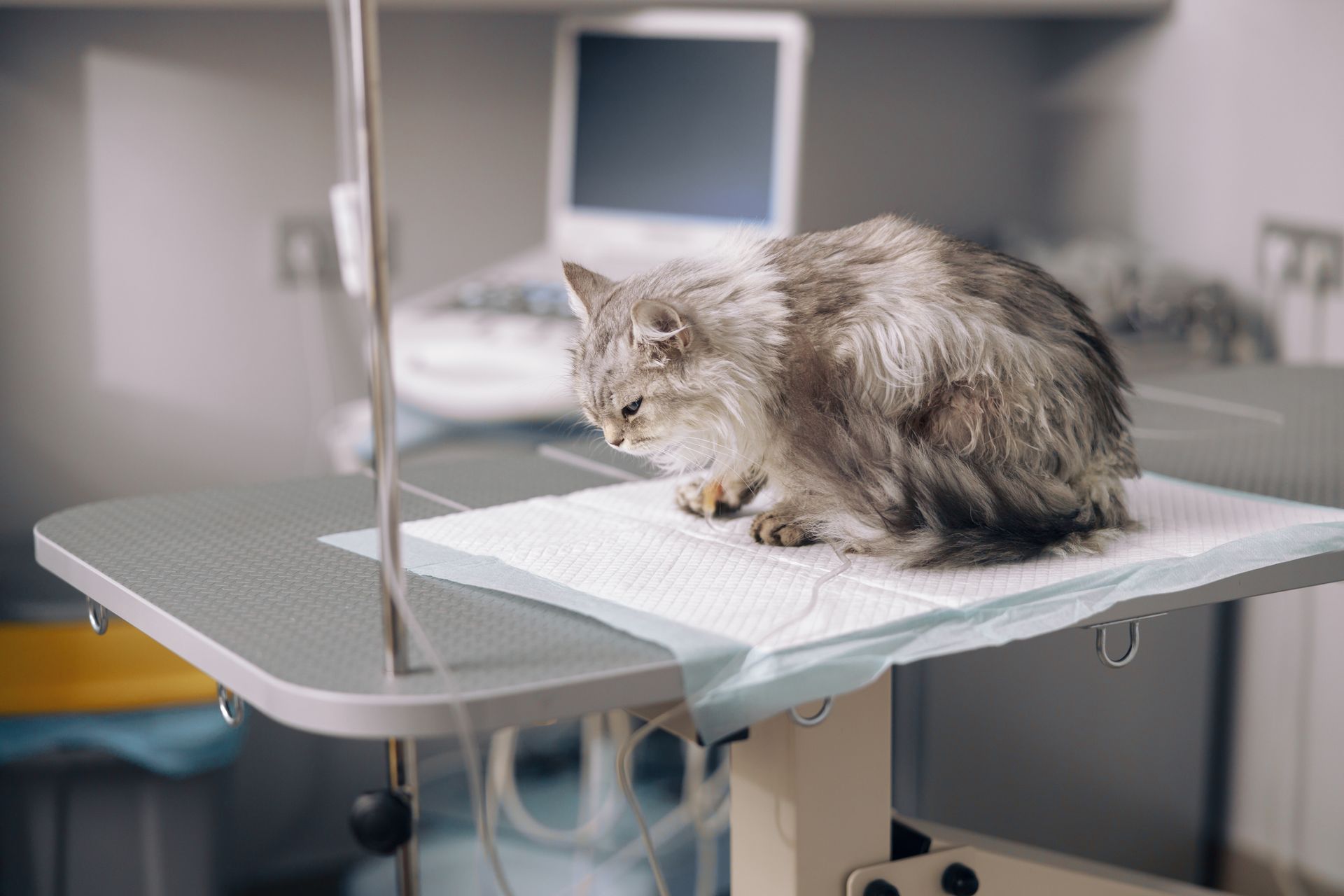
Professional and general liability, property, and workers’ comp for clinical operators with high exposure.
Hands-on · small business
Pet Groomers
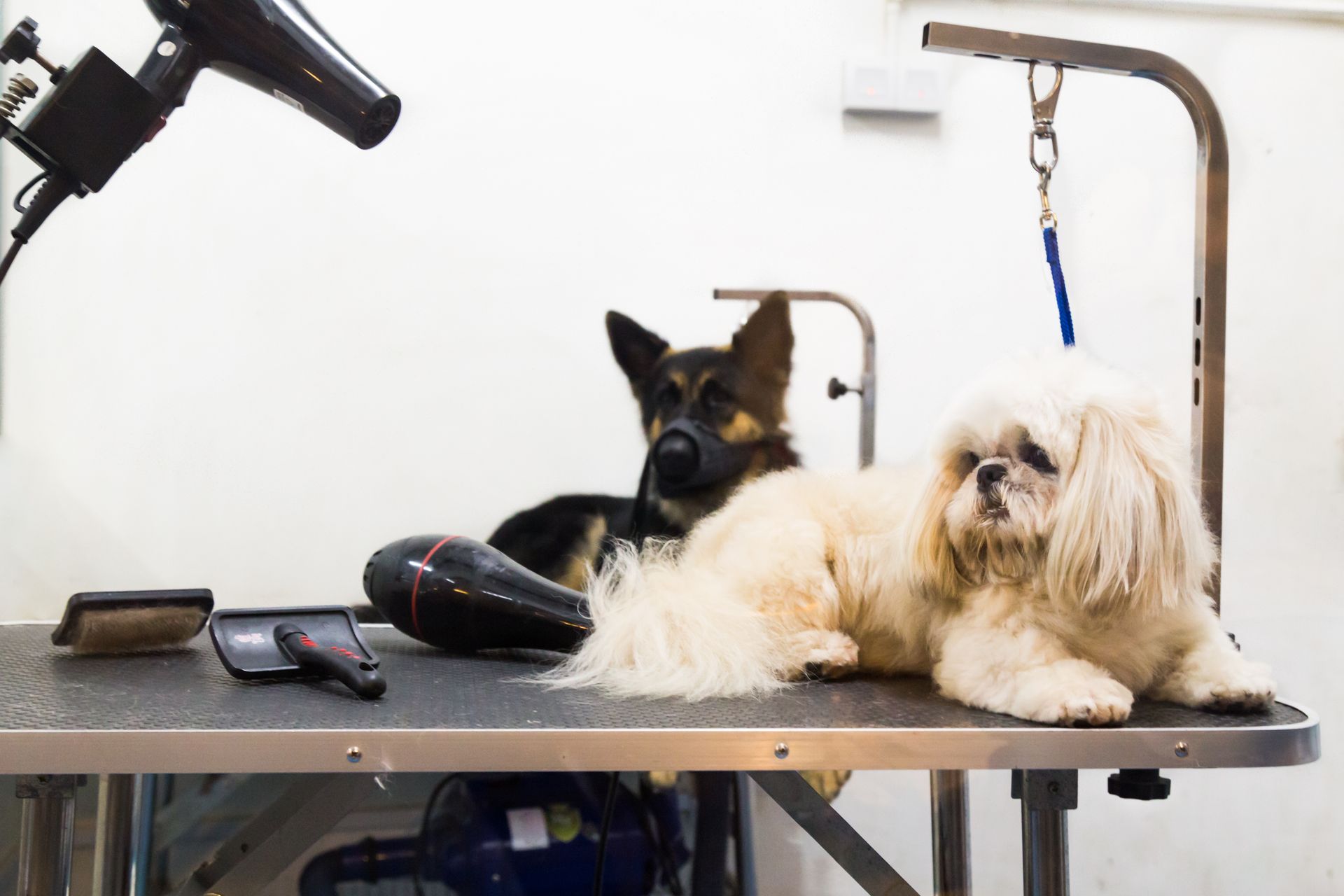
Practical protection for animal handling, equipment, and the day-to-day of the grooming table, shop or mobile.

Safety-forward · overnight
Doggy Daycare & Boarding
Coverage matched to facilities responsible for animals overnight and all day long.
Our reviews
Trusted by pet professionals.
See what owners say about working with a specialist who already understands their business.
Frequently asked
Questions pet pros ask us.
What kinds of pet businesses do you insure?
We insure businesses across the animal-care industry — veterinarians and animal hospitals, groomers, doggy daycares and boarding facilities, kennels and trainers, pet sitters and dog walkers, and pet stores. We also cover breeders, equine operations, pet transporters, shelters and rescues, pet photographers, and aquariums or wildlife facilities.
If your work involves caring for, handling, or selling animals, there is a strong chance we cover it. Tell us what you do and we will confirm.
What is care, custody, and control coverage, and why does it matter?
Care, custody, and control coverage protects you when an animal in your charge is injured, becomes ill, or is lost while in your care. Standard general liability policies often exclude this exact exposure, which leaves a serious gap for pet businesses.
For groomers, boarders, sitters, and clinics, this is one of the most important coverages you can carry. We make sure it is in place and sized to your operation.
How is an independent agency different from buying direct from a carrier?
A direct carrier sells you its own single policy. As an independent agency, we shop multiple specialty insurers and compare programs to find the coverage that fits your business and budget.
That means you get options instead of one quote, and an advocate who works for you, not the carrier. We also handle the renewals and claims support over the life of your policy.
How fast can I get a quote?
Most clients get quoted within one business day. Our industry-specific intake forms collect the right details up front, so we can take your information straight to the carriers without a long back-and-forth.
Need it sooner? Call a specialist directly at (346) 738-7297 and we will move quickly.
Which states do you serve?
We are licensed and actively writing coverage in 12 states: Connecticut, Delaware, Georgia, Kentucky, Massachusetts, New Jersey, New York, North Carolina, Pennsylvania, South Carolina, Tennessee, and Virginia.
We continue to add states as we grow. If you operate outside this list, reach out and we will let you know our latest footprint.
From the blog
Coverage notes for pet professionals.
Plain-language risk tips and coverage explainers, written for owners — not insurance pros.


Speak with a specialist
Let's find the right coverage for your business.
No quote bots, no funnel. Talk to a real pet-insurance specialist who already understands your operation — and shops multiple markets on your behalf.
Call us
(346) 738-7297
Toll-free 845-250-5366
Email
service@petindustryins.com
Visit Us
8 Joyce Plaza
Stony Point, NY 10980