A dog lunges at a studio light during a portrait session, knocking it into a client's toddler. A cat escapes through an open door at an outdoor shoot and gets hit by a car. A golden retriever chews through a $4,000 lens bag while you're setting up. These aren't hypothetical scenarios: they're the kinds of claims that land on adjusters' desks from pet photographers every year.
If you photograph animals professionally, your risk profile looks nothing like a wedding or headshot photographer's. You're handling unpredictable living creatures, often in environments you don't control, while managing expensive gear and interacting with emotionally attached pet owners. Insurance designed for general photography work leaves gaps that can cost you tens of thousands of dollars. Understanding what pet photographer insurance actually covers, the claims that happen most often, and how much protection your business genuinely needs isn't just smart planning: it's survival.
Why Standard Photography Insurance Isn't Enough for Pet Pros
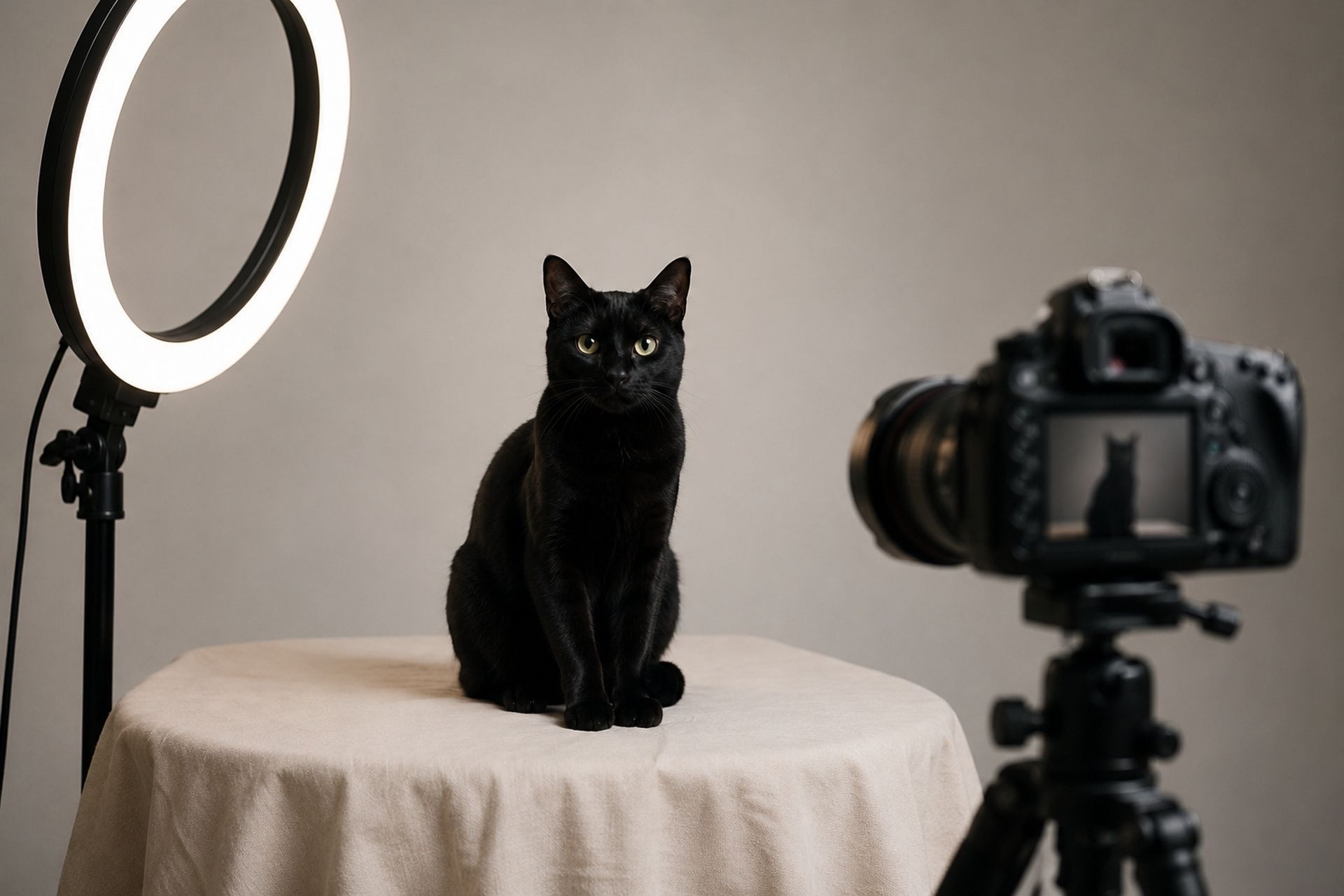
Most general photography policies are built around human subjects. They account for slip-and-fall incidents at studios, copyright disputes, and equipment theft. What they don't anticipate is a 90-pound Rottweiler dragging a backdrop stand across a park and injuring a bystander, or a parrot biting a makeup artist during a styled shoot.
The pet photography niche carries a specific category of risk called care, custody, and control liability. This covers damage to, or injury of, animals while they're in your professional care. Standard photography policies almost never include this. If a dog you're posing breaks its leg jumping off a prop, you could be personally liable for veterinary bills that easily run $5,000 to $15,000 for orthopedic surgery.
Dog-related injury claims alone have been climbing sharply in recent years, with insurers paying out a record $1.86 billion in 2025. That trend directly affects pet photographers, because courts often hold the professional responsible when an animal causes harm during a paid session. A standard photography policy might deny that claim entirely, arguing the animal wasn't a covered exposure. You need coverage designed for people who work with animals, period.
Core Coverage Types: General Liability vs. Professional Liability
Two foundational policies form the backbone of any pet photography insurance program, and confusing them is one of the most common mistakes new business owners make. General liability (GL) covers bodily injury and property damage to third parties. If a client trips over your light stand and breaks a wrist, GL pays. Professional liability (PL), sometimes called errors and omissions, covers claims arising from your professional services: delivering corrupted files, missing a contracted deadline, or producing work a client says was substandard.
Both matter. A pet photographer who only carries GL has no protection if a client sues because their beloved senior dog's final portrait session was botched due to equipment failure. A photographer with only PL has no coverage when a dog on a leash pulls a child into a fountain at a shoot location.
| Feature | General Liability (GL) | Professional Liability (PL) |
|---|---|---|
| What it covers | Bodily injury, property damage to others | Errors, omissions, negligence in your work |
| Example claim | Dog bites a passerby during an outdoor session | Client sues over lost or corrupted photo files |
| Typical limits | $1M per occurrence / $2M aggregate | $1M per claim / $1M aggregate |
| Who needs it | Every pet photographer | Anyone delivering contracted creative work |
| Covers animal injury? | Only if a separate endorsement is added | No |
Understanding the Difference: Liability Comparison Table
Many photography-specific policies bundle GL and PL together, which simplifies things. But always verify whether animal-related exposures are included or excluded.
Animal Bailee Coverage: Protecting the Pets in Your Care
This is the coverage type most pet photographers don't know exists until they need it. Animal bailee insurance (sometimes listed as "care, custody, and control" or "animal keepers" coverage) protects you when an animal is injured, becomes ill, or dies while under your professional supervision.
Think about what happens during a typical session. You might be holding a leash, positioning a cat on a table, or working with an off-leash dog near a road. If that animal is harmed, the owner will look to you for compensation, and their pet may be worth thousands in purchase price alone before you even factor in emotional distress claims. Specialty insurance markets that focus on animal-related businesses offer this type of coverage as either a standalone policy or an endorsement.
At Pet Professional Insurance Agency, we see this gap constantly. Photographers come to us after a close call, realizing their existing policy wouldn't have covered an injured animal. Our intake process is built specifically for pet-industry businesses, so we know which questions to ask and which markets offer the right fit.
Equipment Insurance for Studio and Field Gear
Pet photography is especially hard on gear. Cameras get knocked over. Lenses get scratched by curious noses. Lighting equipment gets tangled in leashes. An inland marine or equipment floater policy covers your gear against damage, theft, and loss, whether it's in your studio or out at a ranch shoot.
Most policies cover replacement cost rather than depreciated value, which matters when you're replacing a $2,500 camera body. Make sure your policy covers gear in transit and at off-site locations, not just in your studio. Pet photographers work in parks, homes, farms, and beaches: your equipment travels with you.
Common Claims in Pet Photography
Knowing what goes wrong helps you prepare for it. The claims we see most frequently in pet photography fall into two broad categories.
Property Damage and Third-Party Injuries
A large dog knocks over a client's antique vase during an in-home session. A cat scratches a rented studio's hardwood floors. A photographer's tripod falls on a parked car at an outdoor location. These are all GL claims, and they're remarkably common.
Third-party injuries are the expensive ones. If a dog you're photographing bites someone walking past your setup in a public park, you could face medical bills, lost wages, and legal fees. Some states, including California, have specific insurance expectations for photographers working commercially, which can affect your liability if you're uninsured or underinsured. State and local laws vary significantly, so consulting with a qualified attorney about your specific obligations is always a wise move.
Unforeseen Animal Behavior and Medical Costs
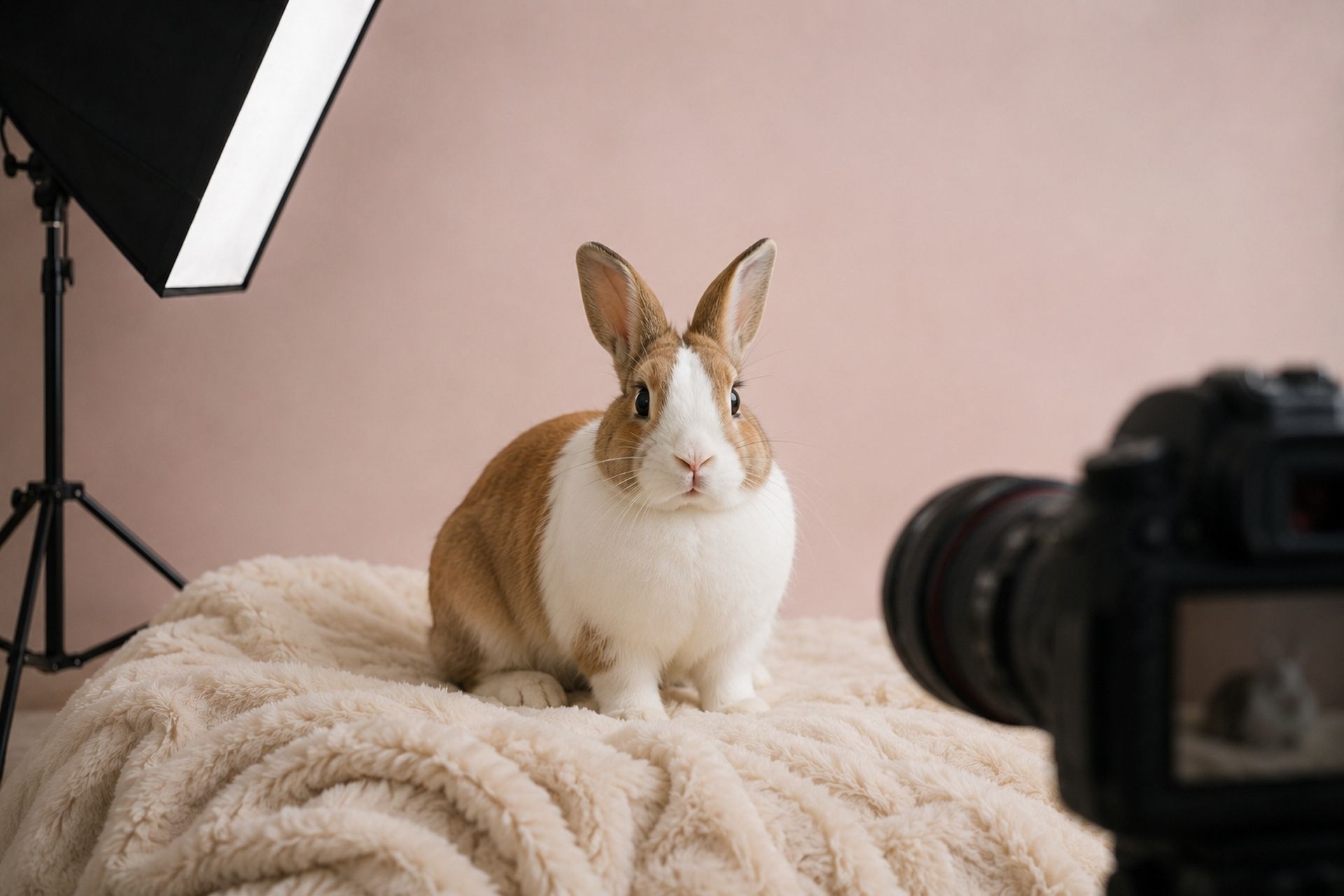
Animals are unpredictable. A normally calm dog might panic at a flash and bolt through a glass door. A cat could ingest a small prop piece and require emergency surgery. A horse being photographed at a barn might kick and injure you or your assistant.
These incidents happen fast, and the costs add up faster. Emergency vet visits average $800 to $1,500, and surgical interventions can exceed $10,000. Without animal bailee coverage, you're paying out of pocket or facing a lawsuit. One thing to keep in mind: even if the pet owner signed a liability waiver, waivers don't always hold up in court, especially if a judge determines the photographer was negligent.
Determining How Much Coverage You Actually Need
There's no universal answer, but there is a framework that works. Your coverage needs depend on three factors: where you shoot, how many clients you serve, and the value of the animals you work with.
Assessing Risk Based on Location and Client Volume
A photographer doing 10 mini-sessions a month at a single studio has a very different risk profile than someone shooting 40 sessions monthly across parks, farms, and private homes. Mobile and outdoor pet businesses are among the fastest-growing segments in the pet industry, and that mobility increases exposure.
Public locations introduce variables you can't control: other dogs, uneven terrain, traffic, bystanders. Higher client volume means more opportunities for something to go wrong. If you're shooting in multiple states, you may need to meet different regulatory requirements in each one. At Pet Professional Insurance Agency, we help photographers assess these variables through intake forms designed specifically for pet-industry professionals, and most clients hear back within 24 to 48 hours.
Standard Policy Limits vs. High-Value Commercial Needs
For most solo pet photographers, $1 million per occurrence and $2 million aggregate in general liability is the standard starting point. Professional liability at $1 million per claim is typical. Animal bailee limits vary, but $10,000 to $25,000 per animal is common for photographers working with standard pets.
If you photograph show dogs, breeding animals, or exotic pets, you may need higher animal bailee limits. A champion-bloodline dog can be valued at $50,000 or more. Similarly, if you're renting commercial studio space, your landlord will likely require you to carry GL with them named as an additional insured: $1 million is usually the minimum they'll accept. Businesses with employees need workers' compensation as well, which is a separate policy with its own state-specific requirements.
Common Questions About Pet Photography Insurance
- Does my homeowner's or renter's insurance cover my photography business? No. Personal policies exclude commercial activity. If a client's dog bites someone during a paid shoot at your home, your homeowner's policy will almost certainly deny the claim.
- Do I need insurance if I only do outdoor sessions? Yes. Outdoor sessions often carry more risk than studio work because of environmental variables, other animals, and public foot traffic.
- Will insurance cover me if a pet I'm photographing runs away? It depends on your policy. Animal bailee coverage may cover the costs associated with a lost animal, but read your policy language carefully.
- Can I get coverage for just one event or session? Some insurers offer short-term or per-event policies, but they're usually more expensive per day than annual coverage. If you shoot regularly, an annual policy is more cost-effective.
- What if a client's pet damages my equipment? That's typically covered under your inland marine or equipment floater policy, not your GL. Make sure your equipment policy doesn't exclude animal-caused damage.
- How quickly can I get a policy in place? Through agencies specializing in pet businesses, like Pet Professional Insurance Agency, turnaround is often 24 to 48 hours. You work directly with an agent who understands your specific risks, not a call center.
Making the Right Choice for Your Business
Insurance for pet photographers isn't a luxury: it's the thing standing between a bad day and a business-ending lawsuit. The right coverage package typically includes general liability, professional liability, animal bailee protection, and an equipment floater. How much you need within each category depends on your shooting volume, locations, and the types of animals you work with.
Don't assume a generic photography policy has you covered. Read the exclusions. Ask specifically about care, custody, and control coverage. And if your current insurer doesn't understand the difference between photographing a wedding and photographing a Great Dane, it's time to talk to someone who does.
Index
Pet Professional Insurance Agency is fully licensed and permitted to provide commercial insurance solutions for pet businesses across 12 states.
We proudly serve pet professionals throughout the Northeast, Mid-Atlantic, and Southeast. Powered by Joyce Insurance Agency, our team works with leading specialty carriers — including The Hartford, USLI, Nautilus, and Northland — to make sure veterinarians, groomers, boarding facilities, and pet-care businesses receive coverage that fits their real risks in Connecticut, Delaware, Georgia, Kentucky, Massachusetts, New Jersey, New York, North Carolina, Pennsylvania, South Carolina, Tennessee, and Virginia.
About the author
Barnaby Joyce
Founder, Pet Professional Insurance Agency · Licensed Insurance Producer
I started Pet Professional Insurance Agency because I watched pet businesses get handed generic policies that never fit. After years of placing coverage for veterinary practices, grooming salons, doggy daycares, and kennels through a generalist agency, I saw the same gaps over and over — and the same blank stares when an owner tried to explain care, custody, and control to an agent who had never insured an animal in their life.
So I built an agency that does one thing. I work directly with specialty carriers who actually want pet-industry risk, and I sit down with every client personally. You will not get a call center or a chatbot. You will get someone who already speaks your language and shops the market on your behalf. That is the whole idea.
Recommended coverages
Coverages that pair with general liability.
Most pet businesses build on general liability with the lines below. Explore each — every page cross-links to the
industries we serve.
Services & advice
Professional Liability / E&O
Covers claims tied to your professional services and advice — clinical care, training guidance, and the judgment calls you make daily.
The pet-industry gap
Care, Custody & Control
Covers the animals in your charge against injury, illness, or loss — the critical exposure standard liability policies leave out.
Bundled & cost-effective
Business Owners Policy (BOP)
Bundles property and general liability into one package built for small to mid-sized pet businesses — often the simplest base.
Your building & contents
Commercial Property
Protects your building, build-out, equipment, and inventory against fire, theft, and covered losses — front desk to back room.
For your team
Workers’ Compensation
Covers medical costs and lost wages when a team member is hurt on the job — required in most states once you have employees.
Extra protection
Commercial Umbrella
Adds liability limits above your primary policies for catastrophic claims that exceed standard coverage.
Coverage availability and terms vary by carrier and state. We recommend the right mix for your operation once we talk.
Industries we serve
Built for the businesses that care for animals.
General liability is the baseline for every segment we specialize in. Find the page built for your business.
Clinical · high exposure
Veterinarians & Animal Hospitals
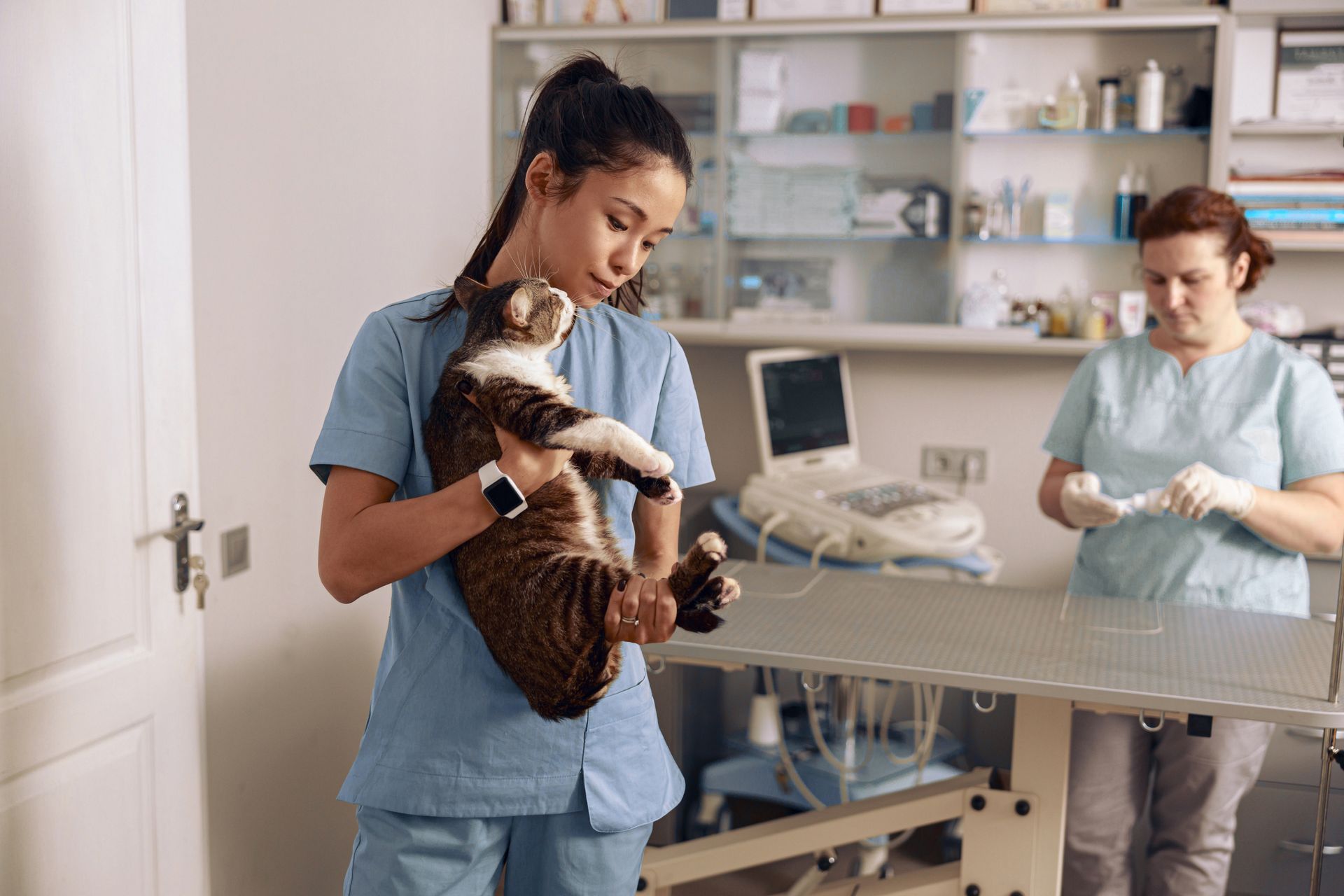
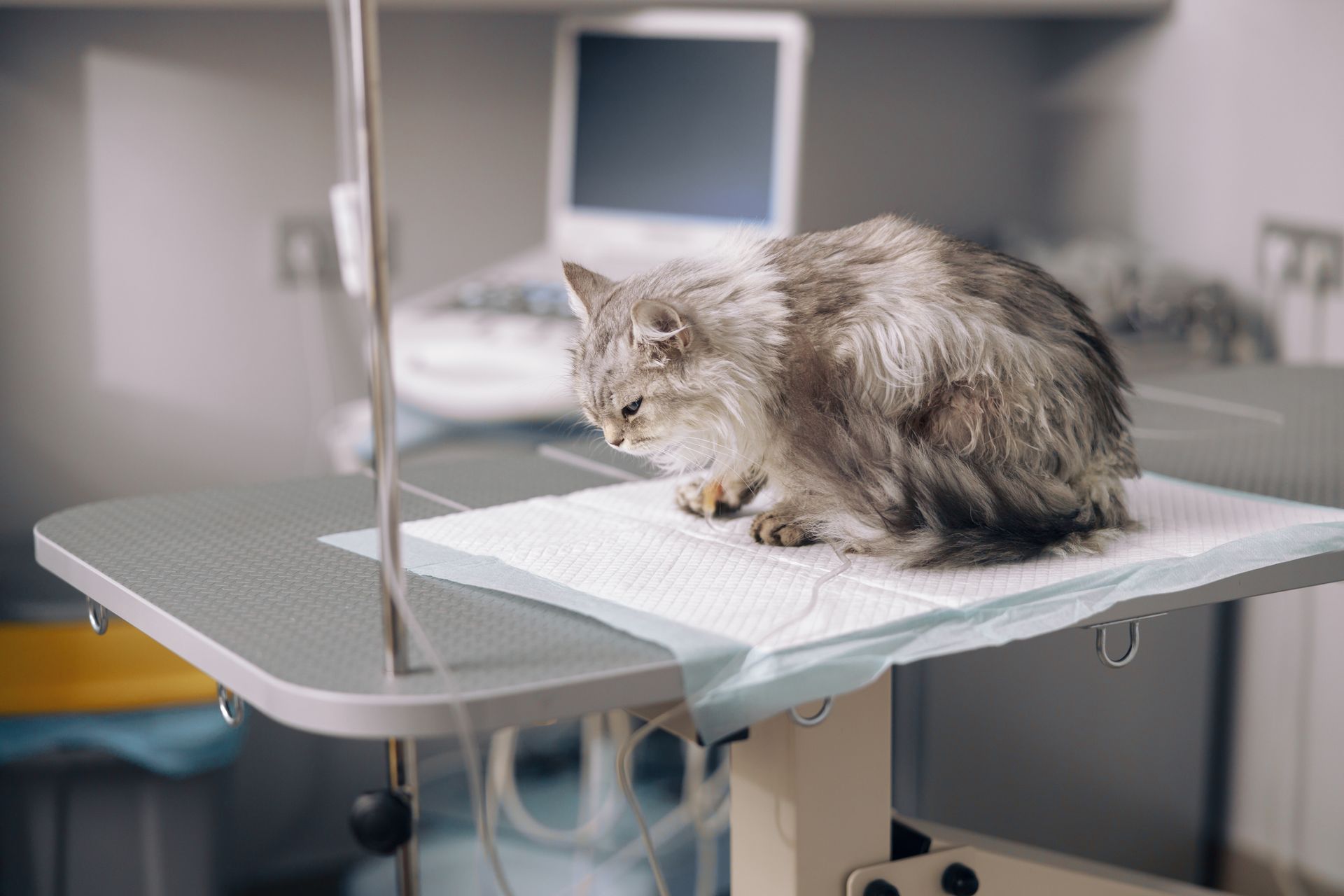
Professional and general liability, property, and workers’ comp for clinical operators with high exposure.
Hands-on · small business
Pet Groomers
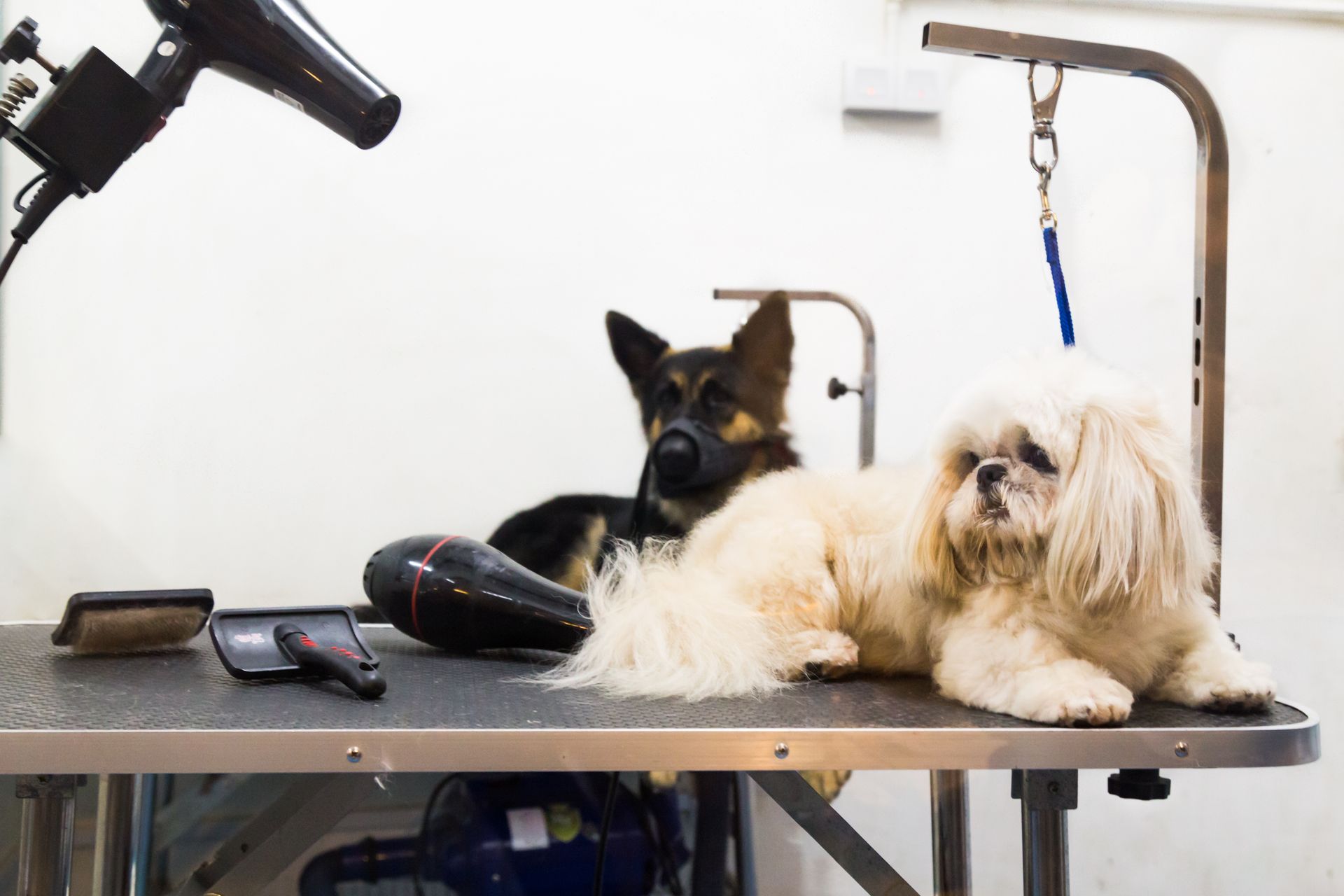
Practical protection for animal handling, equipment, and the day-to-day of the grooming table, shop or mobile.
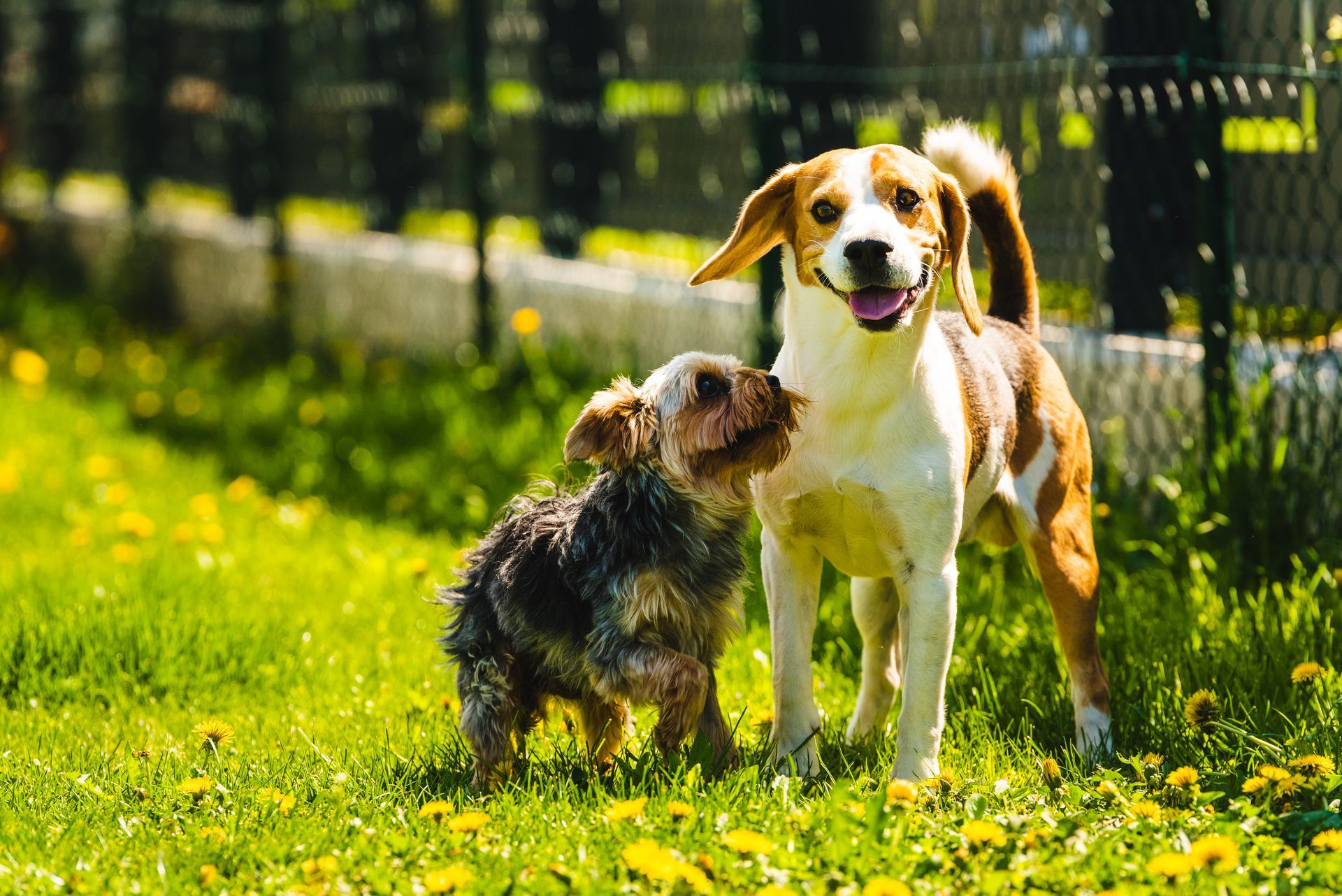
Safety-forward · overnight
Doggy Daycare & Boarding
Coverage matched to facilities responsible for animals overnight and all day long.
Our reviews
Trusted by pet professionals.
See what owners say about working with a specialist who already understands their business.
Frequently asked
Questions pet pros ask us.
What kinds of pet businesses do you insure?
We insure businesses across the animal-care industry — veterinarians and animal hospitals, groomers, doggy daycares and boarding facilities, kennels and trainers, pet sitters and dog walkers, and pet stores. We also cover breeders, equine operations, pet transporters, shelters and rescues, pet photographers, and aquariums or wildlife facilities.
If your work involves caring for, handling, or selling animals, there is a strong chance we cover it. Tell us what you do and we will confirm.
What is care, custody, and control coverage, and why does it matter?
Care, custody, and control coverage protects you when an animal in your charge is injured, becomes ill, or is lost while in your care. Standard general liability policies often exclude this exact exposure, which leaves a serious gap for pet businesses.
For groomers, boarders, sitters, and clinics, this is one of the most important coverages you can carry. We make sure it is in place and sized to your operation.
How is an independent agency different from buying direct from a carrier?
A direct carrier sells you its own single policy. As an independent agency, we shop multiple specialty insurers and compare programs to find the coverage that fits your business and budget.
That means you get options instead of one quote, and an advocate who works for you, not the carrier. We also handle the renewals and claims support over the life of your policy.
How fast can I get a quote?
Most clients get quoted within one business day. Our industry-specific intake forms collect the right details up front, so we can take your information straight to the carriers without a long back-and-forth.
Need it sooner? Call a specialist directly at (346) 738-7297 and we will move quickly.
Which states do you serve?
We are licensed and actively writing coverage in 12 states: Connecticut, Delaware, Georgia, Kentucky, Massachusetts, New Jersey, New York, North Carolina, Pennsylvania, South Carolina, Tennessee, and Virginia.
We continue to add states as we grow. If you operate outside this list, reach out and we will let you know our latest footprint.
From the blog
Coverage notes for pet professionals.
Plain-language risk tips and coverage explainers, written for owners — not insurance pros.
Speak with a specialist
Let's find the right coverage for your business.
No quote bots, no funnel. Talk to a real pet-insurance specialist who already understands your operation — and shops multiple markets on your behalf.
Call us
(346) 738-7297
Toll-free 845-250-5366
Email
service@petindustryins.com
Visit Us
2 Joyce Plaza
Stony Point, NY 10980