Coverage for veterinary practices
Boston, MA Pet Store Insurance
Because we are independent, we compare general liability programs across specialty carriers that want pet-industry risk — which often reveals real premium differences for identical coverage.
General liability covers bodily injury and property damage that occur during your business operations. If a client's dog knocks over a lamp in their home while you're on a visit, or if someone trips over a leash you left on a sidewalk, general liability responds.
Professional liability (sometimes called errors and omissions) covers mistakes in your professional judgment. If you fail to administer medication as instructed and the pet gets sick, or if you miss signs of a medical emergency, professional liability is what protects you. Most pet sitters need both, and confusing the two is one of the most common mistakes new business owners make.
Not all insurance policies are built the same, and pet sitters need coverage that addresses the specific ways things go wrong in animal care. A standard business owner's policy won't cover a dog that escapes your care and gets hit by a car, or a cat that develops a medical emergency while you're watching it overnight.
Core Coverage Types for Pet Care Professionals
FAQ: Does my insurance cover vet bills if a dog gets sick?
This scenario falls under your general liability policy, which covers third-party bodily injury claims and associated legal defense costs. If your employee was walking a boarded dog and it bit someone on a Rochester sidewalk, your GL policy would respond to the claim.
Animal Bailee and Care, Custody, or Control
General Liability vs. Professional Liability
Running a pet store in Boston means dealing with risks that most general business owners never think about: a customer's dog biting another shopper, a sick animal passing illness to your inventory, or a grooming accident that ends up in small claims court. The city's dense foot traffic, high commercial rents, and strict animal welfare regulations make the stakes even higher. If you're opening a new shop in Allston or expanding an established store in the South End, getting the right insurance coverage isn't optional: it's what keeps you from losing everything you've built over one bad incident.
Pet store insurance in Boston carries its own set of local considerations that generic business policies simply don't address. Massachusetts has specific licensing requirements for pet shops, workers' compensation mandates that kick in with your very first employee, and city-level ordinances that add another layer of compliance. The cost of coverage here reflects Boston's high property values and litigious environment, but the price of being uninsured or underinsured is far steeper. This guide breaks down what Massachusetts requires, what Boston pet store owners actually pay, and which coverage types matter most for your specific operation. Whether you sell tropical fish, purebred puppies, or organic pet food, the insurance decisions you make now will shape your business's ability to survive the unexpected.
Understanding Pet Store Insurance in Boston
Boston's pet retail market has grown steadily, driven by high pet ownership rates and a population that treats animals like family members. That emotional connection is great for sales, but it also means customers have high expectations for animal care, and they're willing to hold you accountable when something goes wrong.
A standard business owner's policy might cover your storefront lease and basic liability, but it won't account for the unique exposures a pet store faces. You need coverage that addresses animal-specific risks: bites, escapes, disease transmission, and the care, custody, and control of animals that belong to customers. This is where working with an agency that understands pet-industry risk, like Pet Professional Insurance Agency, makes a real difference. Their intake forms are built specifically for pet retailers, so nothing gets overlooked during the underwriting process.
Common Risks for Urban Pet Retailers
Boston's urban setting amplifies certain risks. Tight storefronts mean more customer contact with animals in smaller spaces, increasing bite and scratch incidents. Older buildings in neighborhoods like Jamaica Plain or Dorchester may have outdated electrical systems that raise fire risk, especially around aquarium equipment drawing heavy wattage.
Slip-and-fall claims are more common than you'd expect: wet floors from tank maintenance, spilled food, or a leash tripping a customer. Theft is another factor. Live animals, premium pet food brands, and grooming supplies carry real value. Boston's weather also plays a role: burst pipes during a February freeze can destroy thousands of dollars in inventory overnight.
Comparison: General Liability vs. Professional Liability
These two coverage types serve different purposes, and most pet stores need both.
| Feature | General Liability | Professional Liability |
|---|---|---|
| What it covers | Bodily injury, property damage, advertising injury | Errors in professional services (grooming, training advice) |
| Example claim | Customer slips on wet floor | Grooming injury to a customer's dog |
| Typical limit | $1M per occurrence / $2M aggregate | $1M per occurrence / $1M aggregate |
| Who needs it | Every pet store | Stores offering grooming, training, or boarding |
| Average annual cost in MA | $500-$1,200 | $400-$900 |
General liability is your baseline. Professional liability becomes essential the moment you offer any hands-on animal services. If you're just selling supplies and food, you might skip professional liability, but the moment you add a grooming station or start boarding animals overnight, you need it.
Massachusetts State Requirements for Pet Businesses
Massachusetts takes pet shop regulation seriously. The state's pet shop licensing and inspection program requires every retail pet establishment to obtain a license before selling animals. Inspections happen regularly, and violations can result in fines or license revocation.
The state also maintains specific regulations and policies for pet shops covering animal housing standards, veterinary care requirements, and record-keeping obligations. Boston adds its own layer: the city has an ordinance governing pet shop and roadside sales that restricts what types of animals can be sold and under what conditions. Failing to comply with any of these regulations doesn't just risk fines: it can void certain insurance claims if your insurer determines you were operating outside legal requirements.
Keep in mind that laws vary by jurisdiction and change periodically. Consulting a qualified attorney familiar with Massachusetts animal commerce law is a smart move before signing any lease or policy.
Workers' Compensation Laws in MA
Here's something that catches new pet store owners off guard: Massachusetts requires workers' compensation insurance for all employers, starting with your very first employee. There's no minimum headcount threshold. If you hire one part-time cashier, you need a workers' comp policy.
This matters especially in pet retail because your employees face higher-than-average injury risks. Animal bites, scratches, heavy lifting of food bags and aquarium equipment, and chemical exposure from cleaning supplies all generate claims. Workers' comp premiums in Massachusetts are based on your payroll and your industry classification code. Pet stores typically fall under a classification that reflects moderate physical risk, so expect to pay somewhere between $0.80 and $1.50 per $100 of payroll, depending on your claims history.
Commercial Auto Insurance for Delivery Services
If your store offers delivery, whether it's dropping off a puppy to a customer's home or running food deliveries across the city, your personal auto insurance won't cover accidents that happen during business use. You need a commercial auto policy.
Boston's traffic congestion and narrow streets make fender-benders a regular occurrence. A delivery driver who rear-ends someone in Kenmore Square while transporting a customer's order creates liability that falls squarely on your business. Commercial auto policies typically run $1,200 to $3,000 annually per vehicle in the Boston metro area, depending on driver records and vehicle type. Even if you use an employee's personal car for deliveries, you should carry hired and non-owned auto coverage to fill the gap.
Average Costs and Pricing Factors in Boston
Boston pet store owners typically pay between $2,500 and $6,000 annually for a comprehensive insurance package. That range depends heavily on what services you offer, your store size, revenue, and claims history. A small retail-only shop selling fish and supplies might land on the lower end, while a full-service store with grooming, boarding, and live animal sales will be closer to the top.
General liability insurance in Massachusetts typically costs between $300 and $1,500 annually for small businesses, but pet stores tend to sit in the middle to upper portion of that range because of animal-related exposures. Adding professional liability, property coverage, and animal bailee insurance pushes the total higher.
How Location and Square Footage Impact Premiums
Your specific Boston neighborhood matters more than you might think. A 2,000-square-foot store on Newbury Street carries different risk profiles than the same-sized shop in Roslindale. Higher foot traffic areas generally mean higher general liability premiums because more people walking through your door equals more potential claims.
Square footage directly affects property insurance costs. More space means more inventory, more equipment, and more potential loss in a fire or flood. Stores in older buildings without updated sprinkler systems or modern wiring pay a premium for that added risk. If your landlord requires you to carry a specific amount of coverage as part of your lease, that requirement often pushes your costs above the minimum you'd otherwise choose.
Cost Breakdown: Basic vs. Extended Coverage
- Basic package ($2,500-$3,500/year): General liability, property insurance, workers' comp for 1-3 employees. Covers the essentials for a retail-only operation.
- Extended package ($4,000-$6,000+/year): Everything above plus professional liability, animal bailee coverage, commercial auto, umbrella policy, and business interruption insurance. Necessary for full-service stores.
- Add-ons to consider: Cyber liability if you process credit cards or maintain customer data, employment practices liability if you have more than five employees, and product liability if you sell house-brand treats or supplements.
The gap between basic and extended coverage is where most claims fall through. Pet Professional Insurance Agency works with multiple specialty markets to find combinations that cover your actual risk profile without paying for coverage you don't need. Their agents can usually get you options within 24 to 48 hours.
Essential Coverage for Boston Pet Stores
Every pet store has a unique risk fingerprint. A store that only sells supplies has vastly different needs than one that boards animals overnight. That said, certain coverage types are non-negotiable for almost every Boston pet retailer.
The combination of general liability, property insurance, and workers' compensation forms your foundation. From there, you layer on specialty coverages based on your services. The resources available for pet shop operators from Massachusetts outline compliance expectations that directly inform what coverage you should carry.
Animal Bailee Coverage for Grooming and Boarding
Animal bailee coverage protects you when a customer's pet is injured, becomes ill, or dies while in your care. Standard general liability policies almost always exclude animals in your custody: this is a coverage gap that has bankrupted pet businesses.
If you offer grooming, boarding, or even temporary holding while a customer shops, you need this coverage. A grooming accident that injures a customer's dog can easily generate a claim of $5,000 to $15,000 for veterinary bills alone, and that doesn't account for the emotional distress claims that sometimes follow. Animal bailee policies typically cost $300 to $800 annually and cover veterinary expenses, death benefits, and sometimes lost revenue if you need to shut down a service temporarily.
Property Insurance for Inventory and Equipment
Pet store inventory is more vulnerable than typical retail stock. Live animals require climate-controlled environments, and a power outage or HVAC failure can kill an entire inventory of tropical fish or reptiles in hours. Specialized equipment like aquarium systems, grooming tables, dryers, and kenneling infrastructure represents a significant investment.
Property insurance should cover replacement cost, not just actual cash value. The difference matters: actual cash value accounts for depreciation, meaning your five-year-old grooming equipment gets valued at pennies on the dollar after a loss. Replacement cost coverage pays what it actually costs to buy new equipment and restock. Make sure your policy also covers business interruption, which replaces lost income while your store is closed for repairs after a covered event.
Frequently Asked Questions About Pet Store Insurance
Do I need insurance just to sell pet food and supplies, with no live animals? Yes. Even without live animals, you face general liability risks like customer injuries, product liability claims from items you sell, and property damage. Workers' comp is also mandatory if you have employees.
How quickly can I get a policy in place? Most specialty pet-industry agencies can bind coverage within a few days. Pet Professional Insurance Agency typically responds within 24 to 48 hours of receiving your application.
Does my landlord's insurance cover my store? No. Your landlord's policy covers the building structure, not your inventory, equipment, or liability. You need your own commercial policy, and most Boston landlords require proof of insurance before you sign a lease.
Will my premiums go up if I add grooming services? Usually, yes. Grooming introduces professional liability and animal bailee risk. The increase is typically $400 to $1,200 annually, depending on volume.
Is pet store licensing connected to insurance requirements? Massachusetts licensing rules for pet shops don't explicitly mandate insurance, but many licensing conditions create exposures that make insurance practically necessary. Some municipalities require proof of coverage as part of the permitting process.
What happens if an animal I sold gets sick after purchase? Massachusetts has consumer protection provisions for
pet shop customers that may require you to cover veterinary costs or offer refunds. Product liability coverage can help with these claims.
Protecting Your Boston Business for the Long Term
Getting the right insurance isn't a one-time decision. Your coverage needs will shift as you add services, hire staff, expand your space, or change your product mix. An annual policy review with an agent who understands pet retail keeps you from discovering gaps at the worst possible moment: when you're filing a claim.
Index
Pet Professional Insurance Agency is fully licensed and permitted to provide commercial insurance solutions for pet businesses across 12 states.
We proudly serve pet professionals throughout the Northeast, Mid-Atlantic, and Southeast. Powered by Joyce Insurance Agency, our team works with leading specialty carriers — including The Hartford, USLI, Nautilus, and Northland — to make sure veterinarians, groomers, boarding facilities, and pet-care businesses receive coverage that fits their real risks in Connecticut, Delaware, Georgia, Kentucky, Massachusetts, New Jersey, New York, North Carolina, Pennsylvania, South Carolina, Tennessee, and Virginia.
About the author
Barnaby Joyce
Founder, Pet Professional Insurance Agency · Licensed Insurance Producer
I started Pet Professional Insurance Agency because I watched pet businesses get handed generic policies that never fit. After years of placing coverage for veterinary practices, grooming salons, doggy daycares, and kennels through a generalist agency, I saw the same gaps over and over — and the same blank stares when an owner tried to explain care, custody, and control to an agent who had never insured an animal in their life.
So I built an agency that does one thing. I work directly with specialty carriers who actually want pet-industry risk, and I sit down with every client personally. You will not get a call center or a chatbot. You will get someone who already speaks your language and shops the market on your behalf. That is the whole idea.
Recommended coverages
Coverages that pair with general liability.
Most pet businesses build on general liability with the lines below. Explore each — every page cross-links to the
industries we serve.
Services & advice
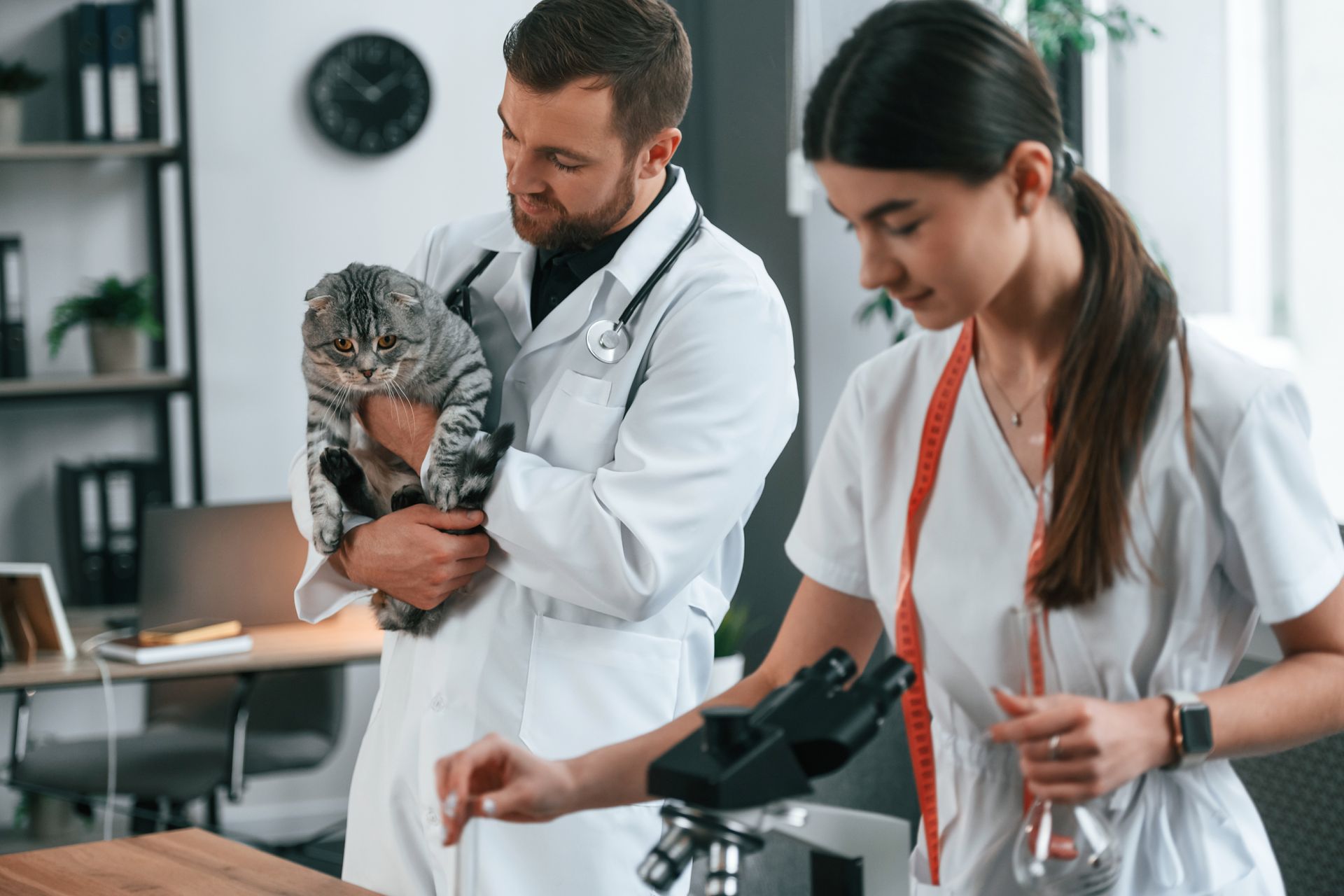
Professional Liability / E&O
Covers claims tied to your professional services and advice — clinical care, training guidance, and the judgment calls you make daily.
The pet-industry gap
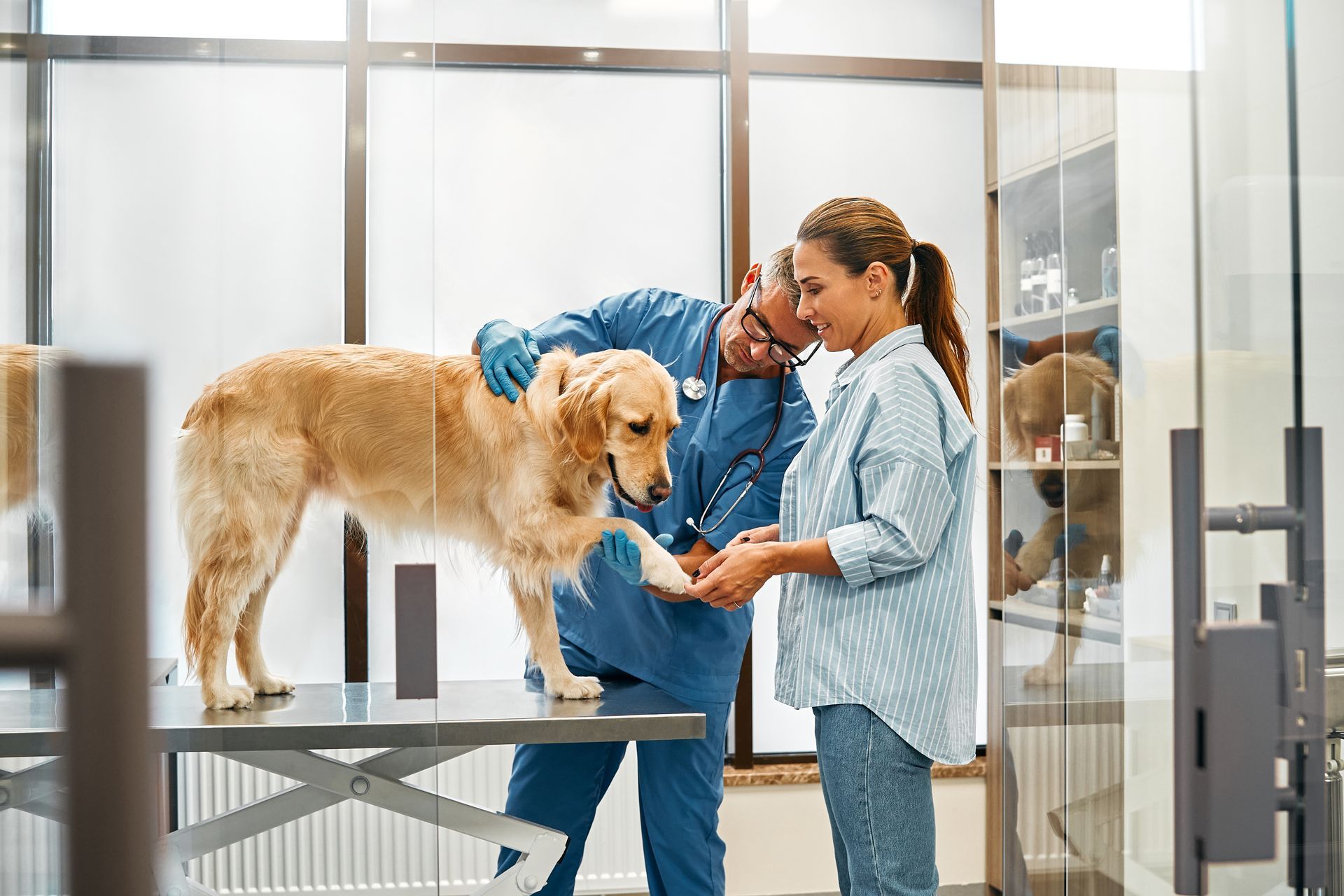
Care, Custody & Control
Covers the animals in your charge against injury, illness, or loss — the critical exposure standard liability policies leave out.
Bundled & cost-effective
Business Owners Policy (BOP)
Bundles property and general liability into one package built for small to mid-sized pet businesses — often the simplest base.
Your building & contents
Commercial Property
Protects your building, build-out, equipment, and inventory against fire, theft, and covered losses — front desk to back room.
For your team
Workers’ Compensation
Covers medical costs and lost wages when a team member is hurt on the job — required in most states once you have employees.
Extra protection
Commercial Umbrella
Adds liability limits above your primary policies for catastrophic claims that exceed standard coverage.
Coverage availability and terms vary by carrier and state. We recommend the right mix for your operation once we talk.
Industries we serve
Built for the businesses that care for animals.
General liability is the baseline for every segment we specialize in. Find the page built for your business.
Clinical · high exposure
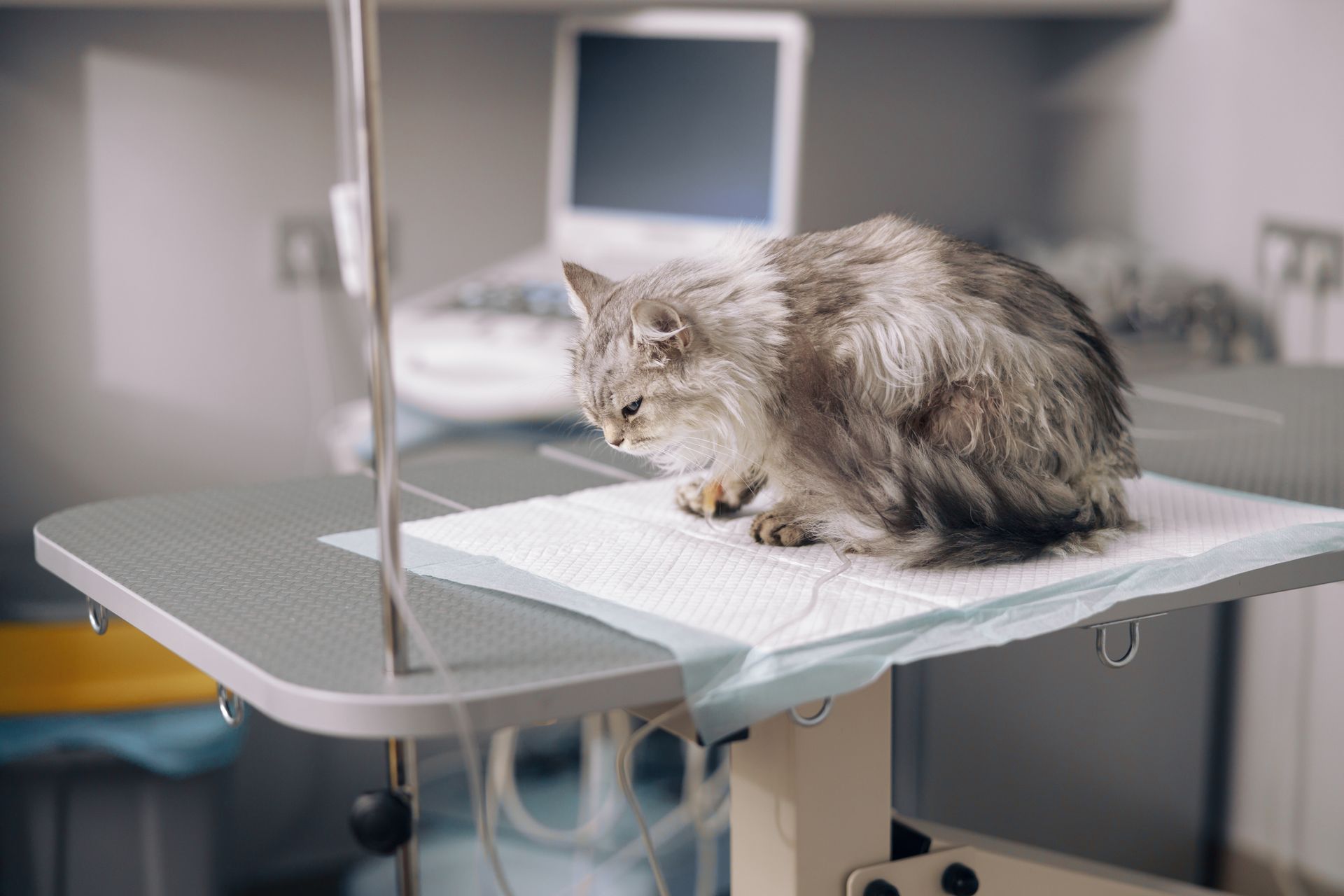
Veterinarians & Animal Hospitals
Professional and general liability, property, and workers’ comp for clinical operators with high exposure.
Hands-on · small business
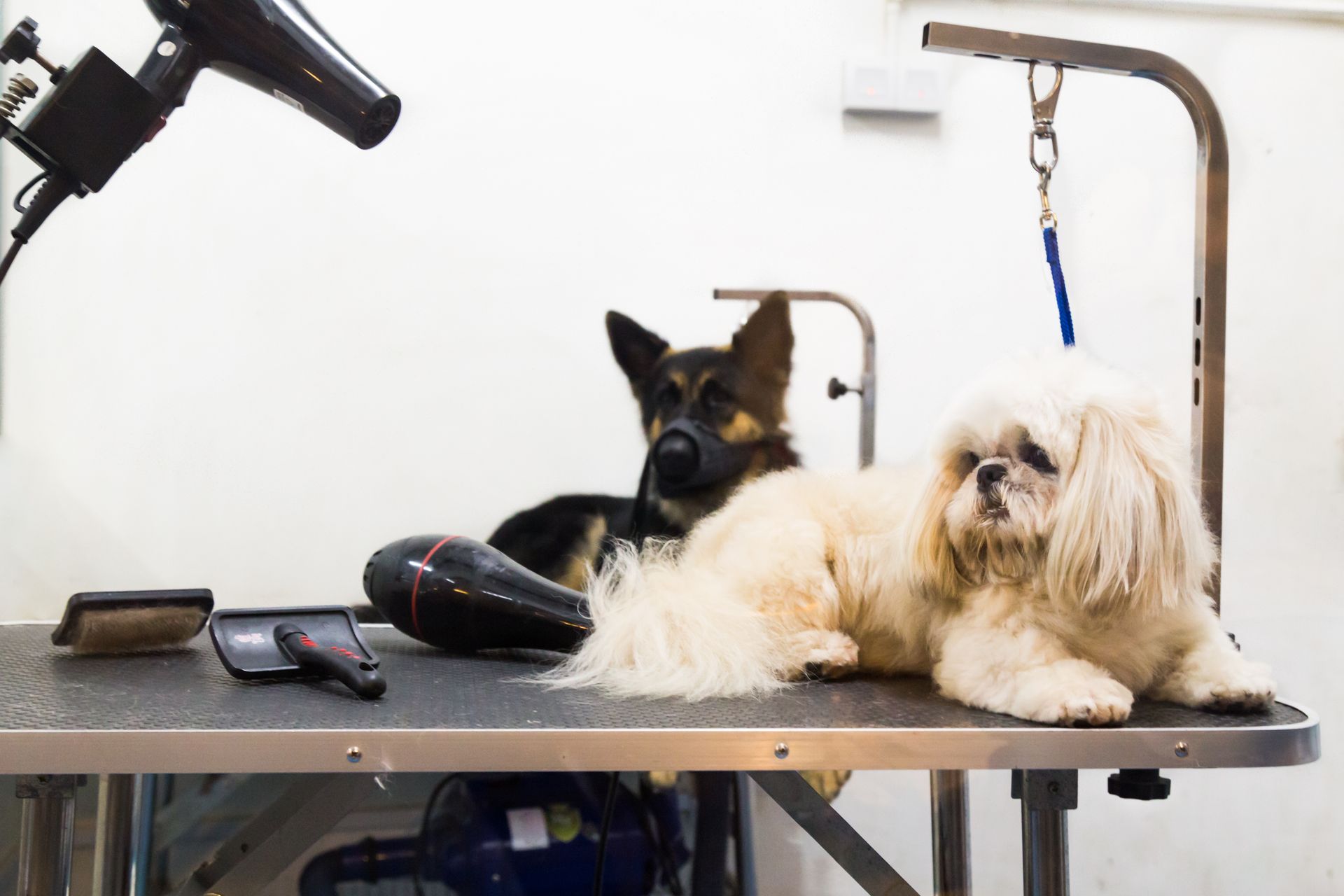
Pet Groomers
Practical protection for animal handling, equipment, and the day-to-day of the grooming table, shop or mobile.

Safety-forward · overnight
Doggy Daycare & Boarding
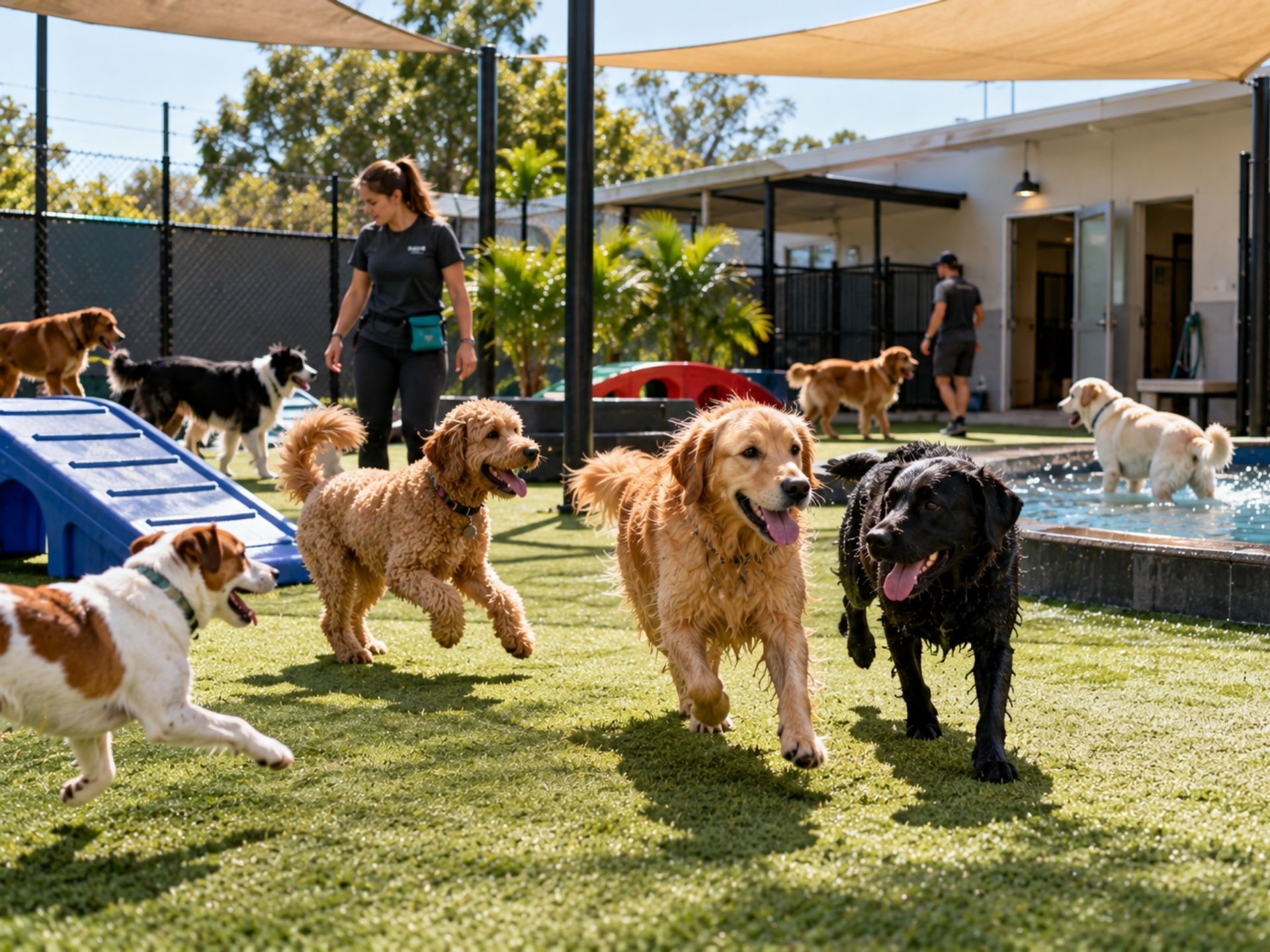
Coverage matched to facilities responsible for animals overnight and all day long.
Our reviews
Trusted by pet professionals.
See what owners say about working with a specialist who already understands their business.
Frequently asked
Questions pet pros ask us.
What kinds of pet businesses do you insure?
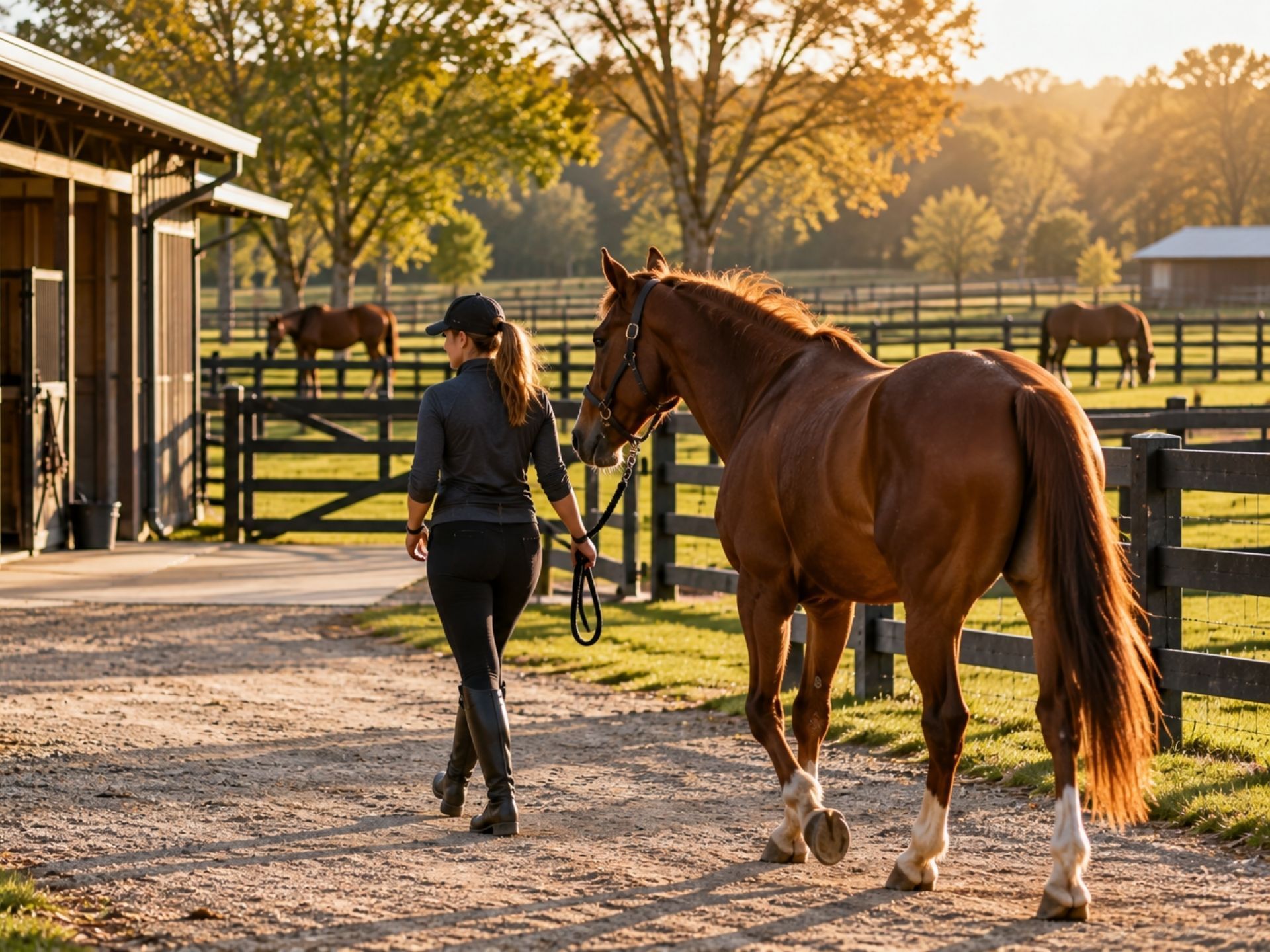
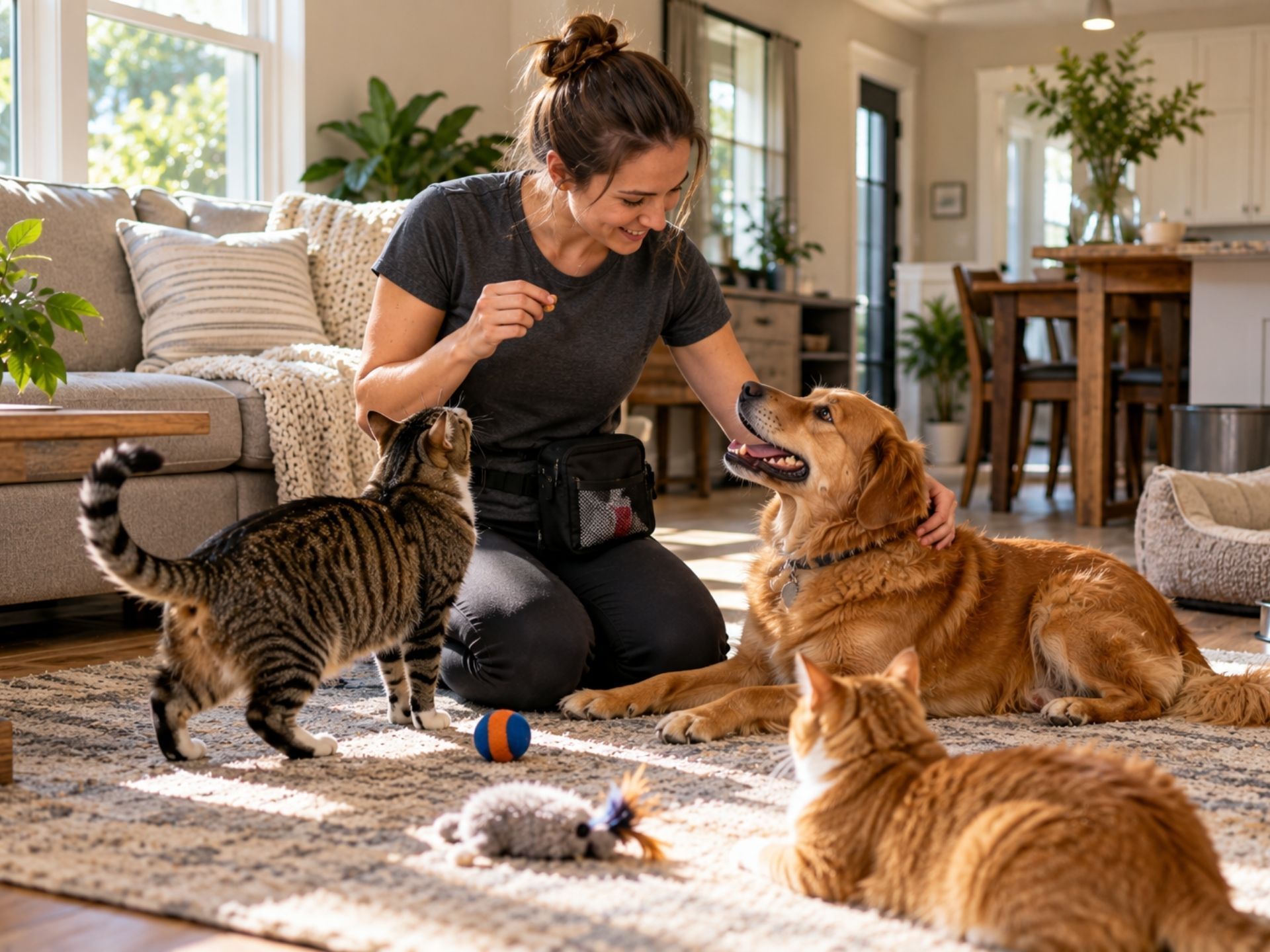
We insure businesses across the animal-care industry — veterinarians and animal hospitals, groomers, doggy daycares and boarding facilities, kennels and trainers, pet sitters and dog walkers, and pet stores. We also cover breeders, equine operations, pet transporters, shelters and rescues, pet photographers, and aquariums or wildlife facilities.
If your work involves caring for, handling, or selling animals, there is a strong chance we cover it. Tell us what you do and we will confirm.
What is care, custody, and control coverage, and why does it matter?
Care, custody, and control coverage protects you when an animal in your charge is injured, becomes ill, or is lost while in your care. Standard general liability policies often exclude this exact exposure, which leaves a serious gap for pet businesses.
For groomers, boarders, sitters, and clinics, this is one of the most important coverages you can carry. We make sure it is in place and sized to your operation.
How is an independent agency different from buying direct from a carrier?
A direct carrier sells you its own single policy. As an independent agency, we shop multiple specialty insurers and compare programs to find the coverage that fits your business and budget.
That means you get options instead of one quote, and an advocate who works for you, not the carrier. We also handle the renewals and claims support over the life of your policy.
How fast can I get a quote?
Most clients get quoted within one business day. Our industry-specific intake forms collect the right details up front, so we can take your information straight to the carriers without a long back-and-forth.
Need it sooner? Call a specialist directly at (346) 738-7297 and we will move quickly.
Which states do you serve?
We are licensed and actively writing coverage in 12 states: Connecticut, Delaware, Georgia, Kentucky, Massachusetts, New Jersey, New York, North Carolina, Pennsylvania, South Carolina, Tennessee, and Virginia.
We continue to add states as we grow. If you operate outside this list, reach out and we will let you know our latest footprint.
From the blog
Coverage notes for pet professionals.
Plain-language risk tips and coverage explainers, written for owners — not insurance pros.
Speak with a specialist
Let's find the right coverage for your business.
No quote bots, no funnel. Talk to a real pet-insurance specialist who already understands your operation — and shops multiple markets on your behalf.
Call us
(346) 738-7297
Toll-free 845-250-5366
Email
service@petindustryins.com
Visit Us
2 Joyce Plaza
Stony Point, NY 10980