Coverage for veterinary practices
Edison, NJ Veterinarian Insurance
Because we are independent, we compare general liability programs across specialty carriers that want pet-industry risk — which often reveals real premium differences for identical coverage.
Running a veterinary clinic in Edison means juggling animal care, staff management, and the business side of medicine all at once. Insurance is one of those things that falls squarely into the "not fun but absolutely critical" category. Edison sits in Middlesex County, a densely populated area with a high concentration of pet owners, which means plenty of opportunity for veterinary practices but also plenty of exposure to risk. Whether you're operating a single-doctor clinic on Route 1 or a multi-vet hospital near Menlo Park Mall, the coverage you carry directly affects whether a bad week becomes a bad year. Here's what Edison vet practices actually need to know about insurance requirements, costs, and coverage decisions in 2026.
Understanding Veterinarian Insurance in Edison, NJ
Veterinary insurance isn't a single policy. It's a package of coverages designed to protect against the specific risks that come with treating animals, employing staff, and operating a medical facility. Edison practices face the same core risks as vets elsewhere: animal bites, medication errors, property damage, and employee injuries. But local factors matter too.
Edison's position along major corridors like Route 27 and I-287 means high foot traffic and vehicle exposure. The township's diverse population brings in a wide range of pet species, from standard dogs and cats to exotic animals, each carrying different liability profiles. A clinic that treats reptiles or birds faces different malpractice risks than one focused solely on canine and feline patients.
Why Local Edison Practices Need Specific Protection
Generic business insurance often misses the nuances of veterinary medicine. A standard commercial policy might not cover claims arising from animals in your care, custody, and control. That's a problem when you're boarding a dog overnight after surgery and it escapes or injures itself.
Edison also has specific municipal requirements for business operations, including zoning compliance and signage regulations that can affect your liability exposure. If a client trips in your parking lot on Oak Tree Road during winter, your general liability policy needs to respond. If their pet has an adverse reaction to anesthesia, that's a completely different coverage. Mixing up which policy covers what is one of the most common mistakes we see veterinary practice owners make.
General Liability vs. Professional Liability for Vets
These two coverages get confused constantly, so here's the distinction in plain terms. General liability covers bodily injury and property damage that happen on your premises or because of your operations, but not because of your professional services. A client slipping on a wet floor? General liability. A dog biting a technician in the waiting room? General liability.
Professional liability, sometimes called veterinary malpractice or errors and omissions coverage, kicks in when a claim arises from your actual veterinary work. Misdiagnosing a condition, prescribing the wrong medication, or a surgical complication: these are professional liability claims. New Jersey veterinary practices need both, and they're typically written as separate policies or as distinct coverage parts within a package. Skipping one because you have the other is a recipe for a coverage gap that could cost you six figures.
New Jersey State Requirements for Veterinary Businesses
New Jersey has some of the more stringent business insurance requirements in the country. The state doesn't leave much to chance, and veterinary practices are no exception. Understanding what's mandatory versus optional helps you build a coverage program that meets legal requirements without overspending.
Every business operating in New Jersey with employees must carry certain coverages. Veterinary practices, because they involve both medical services and animal handling, often trigger additional requirements beyond what a standard retail business would face. Essential business insurance requirements in NJ for 2026 include workers' compensation, and depending on your setup, commercial auto and disability coverage.
Mandatory Workers' Compensation in NJ
This is non-negotiable. New Jersey requires workers' compensation insurance for virtually all employers, and veterinary practices fall squarely under this mandate. Your practice is typically classified under Class Code 8831, which covers veterinary operations including animal hospitals and clinics. This classification determines your base rate, and it reflects the occupational hazards your staff faces: animal bites, needle sticks, exposure to zoonotic diseases, and lifting injuries.
The maximum weekly benefit for injured workers in New Jersey adjusts annually, so make sure your policy reflects current state schedules. Failing to carry workers' comp in NJ can result in fines up to $5,000 for a first offense and potential criminal charges for repeat violations. That's not a risk worth taking, especially when the coverage itself is relatively affordable for most small veterinary practices.
Commercial Auto Insurance for Mobile Vets
If your Edison practice offers mobile veterinary services or if employees use vehicles for business purposes (picking up supplies, making house calls, transporting animals), you need commercial auto insurance. Personal auto policies exclude business use, and that exclusion is enforced aggressively by insurers after an accident.
Mobile vet services have grown significantly in the Edison area since 2024, driven by pet owner demand for convenience. But each vehicle on the road represents a liability exposure. New Jersey requires minimum auto liability limits, though most veterinary practices should carry well above the state minimums given the value of the equipment typically inside those vehicles. An accident that destroys a mobile vet unit stocked with medications, diagnostic equipment, and surgical tools can easily exceed $100,000 in losses.
Comparison of Essential Coverage Types
Here's a side-by-side look at the core coverages Edison veterinary practices should evaluate:
| Coverage Type | What It Covers | Required in NJ? | Typical Limits |
|---|---|---|---|
| General Liability | Slip-and-fall, property damage, advertising injury | Not mandated, but essential | $1M per occurrence / $2M aggregate |
| Professional Liability | Malpractice, misdiagnosis, treatment errors | Not mandated, but critical | $1M per claim / $3M aggregate |
| Workers' Compensation | Employee injuries and occupational illness | Yes, mandatory | Per state statutory limits |
| Commercial Property | Building, equipment, inventory damage | Required by landlord/lender | Replacement cost of assets |
| Commercial Auto | Vehicle accidents during business use | Yes, if vehicles are used | $1M combined single limit recommended |
| Care, Custody & Control | Animals in your possession that are injured/die | Not mandated, often excluded from GL | $10K-$50K per animal |
| Business Income | Lost revenue during covered shutdowns | Not mandated | 12 months of projected income |
One thing to keep in mind: care, custody, and control coverage is frequently excluded from standard general liability policies. This is arguably the most important coverage gap for veterinary practices to close. If a boarded animal dies or is injured while in your care, and you don't have this coverage, you're paying out of pocket. Pet Professional Insurance Agency specializes in identifying exactly these kinds of gaps because our intake forms are built specifically for veterinary and pet-care businesses, not generic commercial operations.
What Edison Veterinarian Businesses Pay for Insurance
Cost is always the first question, and it's a fair one. Insurance premiums for Edison veterinary practices vary widely based on practice size, services offered, claims history, and the specific coverages purchased. That said, there are reasonable ranges to work from.
Average Premium Costs in Middlesex County
A solo veterinary practitioner in Edison running a small clinic with two or three support staff can expect to pay roughly $3,000 to $6,000 annually for a general liability and professional liability package. Workers' compensation adds another $2,000 to $5,000 depending on payroll size and claims history. Commercial property coverage varies based on whether you own or lease your space, but $1,500 to $4,000 is typical for a standard clinic setup.
Larger multi-vet practices with 10 or more employees, surgical suites, and boarding facilities will see total annual premiums in the $15,000 to $30,000 range across all coverage lines. Edison's commercial insurance market tends to track closely with broader Middlesex County averages, though practices in higher-traffic commercial areas sometimes see slightly elevated general liability premiums due to increased foot traffic exposure.
Factors That Influence Your Local Rate
Your premium isn't pulled from thin air. Insurers look at several specific factors:
- Annual revenue and payroll size
- Number of employees and their roles (techs handling animals pay more than front desk staff)
- Types of animals treated (exotic animal practices carry higher professional liability risk)
- Whether you offer boarding, grooming, or daycare services alongside veterinary care
- Claims history over the past three to five years
- Square footage and condition of your facility
- Security measures, including cameras, alarm systems, and controlled substance protocols
A practice with zero claims over five years will pay meaningfully less than one with two or three malpractice claims in the same period. This is why documenting incidents properly and investing in risk management actually saves you money over time. Pet Professional Insurance Agency works with multiple specialty markets, which means we can often find competitive options even for practices with less-than-perfect claims histories. Most clients hear back within 24 to 48 hours after submitting their information.
Common Questions About Edison Vet Insurance
Does my veterinary license in New Jersey require me to carry malpractice insurance? The NJ Board of Veterinary Medical Examiners does not currently mandate malpractice insurance as a condition of licensure. That said, operating without it is a serious financial risk that most practice owners shouldn't take.
What happens if an employee is bitten by a patient and I don't have workers' comp? You'd be personally liable for their medical bills, lost wages, and potentially penalties from the state. New Jersey enforces workers' compensation requirements strictly, and violations can result in fines and even criminal prosecution.
Can I bundle all my veterinary coverages into one policy? Many specialty insurers offer Business Owner's Policies (BOPs) that combine general liability and property coverage. Professional liability and workers' comp are usually written separately, but an experienced agent can coordinate everything so you're not managing five different renewal dates.
Do I need separate coverage if I add grooming or boarding to my vet practice? Yes, typically. Grooming and boarding carry distinct risks that may not be covered under a standard veterinary professional liability policy. Each service line should be disclosed to your insurer and covered appropriately.
How quickly can I get coverage for a new Edison practice? Through agencies that specialize in veterinary businesses, policies can often be bound within a few days of application. You'll need your business entity information, projected revenue, employee count, and details about the services you plan to offer.
Is cyber liability insurance relevant for vet clinics? Absolutely. If you store client payment information or use cloud-based practice management software, a data breach could expose you to significant liability. Cyber coverage is increasingly common for veterinary practices of all sizes.
Making the Right Choice for Your Clinic
Choosing insurance for your Edison veterinary practice comes down to understanding your specific risk profile and matching it with appropriate coverage. A solo practitioner doing wellness exams has a very different exposure than a 24-hour emergency hospital with overnight boarding.
Start by listing every service you provide, every employee role in your practice, and every asset you'd need to replace if disaster struck. That inventory becomes the foundation of your coverage program. Don't assume a generic business policy will cover veterinary-specific risks, because it almost certainly won't.
Working with an agency that understands veterinary medicine makes a real difference. Pet Professional Insurance Agency has intake forms designed specifically for vet practices, which means nothing gets missed during the application process. You work directly with your agent rather than a call center, and that personal relationship matters when you're filing a claim at 10 p.m. after a client incident.
Get your coverage reviewed annually, especially if you've added services, hired staff, or renovated your facility. Insurance that fit your practice two years ago may leave you exposed today. The right time to find a gap in your coverage is before you need to file a claim, not after.
Index
Pet Professional Insurance Agency is fully licensed and permitted to provide commercial insurance solutions for pet businesses across 12 states.
We proudly serve pet professionals throughout the Northeast, Mid-Atlantic, and Southeast. Powered by Joyce Insurance Agency, our team works with leading specialty carriers — including The Hartford, USLI, Nautilus, and Northland — to make sure veterinarians, groomers, boarding facilities, and pet-care businesses receive coverage that fits their real risks in Connecticut, Delaware, Georgia, Kentucky, Massachusetts, New Jersey, New York, North Carolina, Pennsylvania, South Carolina, Tennessee, and Virginia.
Because we are independent, we compare general liability programs across specialty carriers that want pet-industry risk — which often reveals real premium differences for identical coverage.
Running a veterinary practice in Albany means juggling clinical care, staff management, and the constant worry that one bad outcome could put everything at risk. A single malpractice claim, a client's slip on an icy sidewalk, or a piece of diagnostic equipment destroyed by a burst pipe can cost tens of thousands of dollars before you even get to court. And yet, many Albany-area vets are either underinsured or paying more than they should because they haven't worked with someone who actually understands the risks specific to animal care. Veterinary insurance in Albany, NY, involves a mix of state-mandated coverages and optional policies that protect your practice from the unique hazards of treating animals. The good news? Albany-area practices benefit from commercial insurance premiums that run 40% to 60% lower than what veterinary clinics in New York City pay, thanks to lower property values, reduced liability exposure, and a less litigious claims environment. That cost advantage only matters, though, if you're carrying the right coverage in the first place. Here's what Albany veterinarians actually need, what New York State requires, and what you should expect to pay.
Core Insurance Needs for Albany Veterinary Practices
Every vet clinic shares a few baseline risks: animals bite, surgeries go wrong, and expensive equipment breaks down. But the specific coverage mix depends on whether you run a small companion-animal practice on Western Avenue, a large mixed-animal hospital near the Albany Pine Bush, or a mobile equine service covering the Capital District. The three pillars of any veterinary insurance program are professional liability, general liability, and commercial property coverage. Getting any one of these wrong can leave a gap big enough to sink a practice.
Professional Liability and Veterinary Malpractice
Professional liability, often called veterinary malpractice insurance, covers claims alleging that your clinical judgment, treatment, or surgical procedure caused harm to an animal. This isn't theoretical: a botched spay, a missed diagnosis, or even a medication dosing error can lead to lawsuits seeking compensation for the animal's value, follow-up care costs, and emotional distress. Typical policies cover defense costs, settlements, and judgments. Most Albany practices carry limits of $1 million per occurrence and $3 million aggregate, though high-volume surgical clinics sometimes go higher. One often-overlooked add-on is license defense coverage, which pays for legal representation if the New York State Education Department investigates a complaint against your veterinary license. That investigation can happen independently of any lawsuit, and hiring an attorney to respond properly isn't optional.
General Liability for Clinic Premises
General liability protects your practice when someone is injured on your property or your business operations cause damage to someone else's property. A client trips over a leash in your waiting room, a tech accidentally damages a client's car while moving an animal carrier: these are general liability claims. In Albany, winter conditions make slip-and-fall claims particularly common, so maintaining adequate limits matters. Most carriers write general liability at $1 million per occurrence and $2 million aggregate for veterinary clinics. This policy also covers advertising injury claims, like if a competitor alleges your marketing materials copied their branding.
Commercial Property and Specialized Medical Equipment
Your building (if you own it), tenant improvements (if you lease), and everything inside the clinic fall under commercial property insurance. For veterinary practices, this includes X-ray machines, ultrasound units, dental equipment, surgical tables, and anesthesia systems. A single digital radiography unit can cost $50,000 to $80,000 to replace. Standard property policies cover fire, theft, vandalism, and certain weather events, but you'll want to confirm that your policy uses replacement cost valuation rather than actual cash value. The difference matters enormously when you're replacing a five-year-old ultrasound machine that has depreciated on paper but costs just as much to replace today. Practices that store controlled substances should also verify that their policy covers theft of pharmaceuticals.
New York State Legal Requirements for Veterinarians
New York doesn't mess around with employer insurance mandates. If you have even one employee, you're subject to several state-level requirements that carry real penalties for noncompliance.
Mandatory Workers' Compensation and Disability Insurance
Every New York employer must carry workers' compensation insurance, with no minimum employee threshold. That means if you hire a single part-time kennel assistant, you need a workers' comp policy. Veterinary practices face above-average workers' comp rates because of the frequency of animal bites, needle sticks, and lifting injuries. New York also mandates short-term disability insurance (known as DBL), which provides partial wage replacement for employees who become disabled off the job. The penalties for operating without workers' comp in New York include fines of up to $2,000 per 10-day period and potential criminal charges for repeat offenders.
NYS Paid Family Leave Compliance
Since 2018, New York has required Paid Family Leave (PFL) coverage, which allows employees to take paid time off to bond with a new child, care for a seriously ill family member, or assist when a family member is deployed for military service. In 2026, PFL provides up to 67% of the employee's average weekly wage, capped at 67% of the statewide average weekly wage, for up to 12 weeks. PFL is funded through employee payroll deductions, but you as the employer are responsible for obtaining the coverage and administering the benefit. Most workers' comp carriers bundle DBL and PFL into the same policy, which simplifies compliance.
Comparison of Standard vs. Enhanced Coverage
Not all veterinary insurance packages are created equal. The difference between a bare-minimum policy and a well-structured program often comes down to a handful of endorsements and coverage extensions that cost relatively little but protect against the claims that actually happen in vet clinics.
Coverage Comparison Table
| Coverage Area | Standard Policy | Enhanced Policy |
|---|---|---|
| Professional Liability | $1M/$3M limits | $2M/$5M limits with license defense |
| General Liability | $1M/$2M limits | $1M/$2M with hired/non-owned auto |
| Property Coverage | Actual cash value | Replacement cost with equipment breakdown |
| Care, Custody & Control | Often excluded | Included: covers animals in your care |
| Business Interruption | Not included | 12 months of lost income coverage |
| Cyber Liability | Not included | Covers data breaches of client/payment info |
| Employment Practices | Not included | Covers wrongful termination, discrimination claims |
The care, custody, and control coverage deserves special attention. Standard general liability policies typically exclude damage to property (including animals) that's in your possession. Without a specific care, custody, and control endorsement, if a boarded animal dies or is injured due to your negligence, you have no coverage. This is one of the most common gaps we see at Pet Professional Insurance Agency when reviewing existing policies for veterinary clients.
Average Costs for Veterinary Insurance in the Albany Area
Albany veterinary practices typically pay between $3,500 and $9,000 annually for a comprehensive insurance package, depending on practice size, revenue, number of employees, and the specific coverages selected. Solo practitioners with one or two support staff usually land on the lower end, while multi-doctor practices with boarding services or surgical specialties pay more. These figures include general liability, professional liability, and commercial property but exclude workers' compensation, which is priced separately based on payroll.
Factors Influencing Local Premium Rates
Several variables drive your premium up or down. Revenue is the biggest factor for liability pricing: a practice billing $1.5 million annually will pay more than one billing $400,000 because higher revenue generally correlates with more patient interactions and more exposure. Your claims history matters too. A practice with two malpractice claims in the past five years will face surcharges or even difficulty finding coverage. The types of services you offer also play a role: practices performing orthopedic surgery, oncology treatment, or exotic animal care typically pay higher professional liability premiums than general companion-animal practices. Building age and condition affect property rates, and mobile veterinary practices face unique underwriting considerations related to vehicle use and off-site care delivery.
Bundling Policies with a Business Owner's Policy (BOP)
A Business Owner's Policy combines general liability and commercial property into a single policy, often at a lower combined premium than buying them separately. For smaller Albany veterinary practices, a BOP can be a smart starting point. Most BOPs allow you to add endorsements for professional liability, hired and non-owned auto, and equipment breakdown. The savings from bundling typically run 10% to 15% compared to purchasing standalone policies. That said, not every BOP form is built for veterinary risks. A generic small-business BOP might exclude animal-related claims or cap equipment coverage too low. Working with an agency that specializes in pet-industry risks, like Pet Professional Insurance Agency, means your BOP is structured around what actually happens in vet clinics rather than what happens in a retail store or an accounting office. Pet Professional Insurance Agency uses intake forms tailored specifically to each type of pet business, which helps ensure nothing gets missed during the quoting process.
Frequently Asked Questions About Albany Vet Insurance
Do I need malpractice insurance if I only see cats and dogs? Yes. Companion-animal practices face malpractice claims just as frequently as mixed or large-animal practices. Surgical complications, anesthesia reactions, and diagnostic errors don't discriminate by species.
Does my general liability policy cover animal bites to clients? Typically yes, if the bite occurs on your premises and involves an animal in your care. But confirm your policy includes care, custody, and control coverage, since some standard forms exclude it.
How quickly can I get coverage for a new practice? Most specialty agencies can bind coverage within a few days of receiving a completed application. Pet Professional Insurance Agency typically responds within 24 to 48 hours.
Is cyber liability insurance really necessary for a vet clinic? If you store client credit card information, process online payments, or maintain electronic medical records, yes. A data breach notification alone can cost $5,000 to $50,000 depending on the number of affected clients.
Can I reduce my workers' comp premiums? Absolutely. Implementing a formal safety program, maintaining a clean claims history, and accurately classifying employees by job function all help. New York also offers experience modification rates that reward practices with fewer claims over time.
What happens if I operate without workers' comp in New York? The state can issue stop-work orders, impose fines of up to $2,000 for every 10-day period of noncompliance, and hold you personally liable for any employee injuries.
Making the Right Choice for Your Clinic
Getting veterinary insurance right in Albany isn't just about checking boxes on a state compliance list. It's about building a program that matches the actual risks your practice faces every day: the animals in your care, the employees handling them, and the equipment you depend on. Albany's favorable premium environment gives you room to carry strong coverage without breaking your budget, but only if you're working with someone who knows what questions to ask.
Start by auditing your current policies against the enhanced coverage column in the comparison table above. If you're missing care, custody, and control coverage, business interruption, or license defense, those are gaps worth closing now rather than after a claim. And if your current agent doesn't know the difference between a veterinary professional liability form and a standard professional liability form, that tells you something.
Reach out to Pet Professional Insurance Agency for a review of your current program. You'll work directly with an agent who understands veterinary risks, not a call center reading from a script. Most practices hear back within 24 to 48 hours, and the conversation alone is worth having even if you're happy with your current coverage.
Index
Pet Professional Insurance Agency is fully licensed and permitted to provide commercial insurance solutions for pet businesses across 12 states.
We proudly serve pet professionals throughout the Northeast, Mid-Atlantic, and Southeast. Powered by Joyce Insurance Agency, our team works with leading specialty carriers — including The Hartford, USLI, Nautilus, and Northland — to make sure veterinarians, groomers, boarding facilities, and pet-care businesses receive coverage that fits their real risks in Connecticut, Delaware, Georgia, Kentucky, Massachusetts, New Jersey, New York, North Carolina, Pennsylvania, South Carolina, Tennessee, and Virginia.
About the author
Barnaby Joyce
Founder, Pet Professional Insurance Agency · Licensed Insurance Producer
I started Pet Professional Insurance Agency because I watched pet businesses get handed generic policies that never fit. After years of placing coverage for veterinary practices, grooming salons, doggy daycares, and kennels through a generalist agency, I saw the same gaps over and over — and the same blank stares when an owner tried to explain care, custody, and control to an agent who had never insured an animal in their life.
So I built an agency that does one thing. I work directly with specialty carriers who actually want pet-industry risk, and I sit down with every client personally. You will not get a call center or a chatbot. You will get someone who already speaks your language and shops the market on your behalf. That is the whole idea.
Recommended coverages
Coverages that pair with general liability.
Most pet businesses build on general liability with the lines below. Explore each — every page cross-links to the
industries we serve.
Services & advice
Professional Liability / E&O
Covers claims tied to your professional services and advice — clinical care, training guidance, and the judgment calls you make daily.
The pet-industry gap
Care, Custody & Control
Covers the animals in your charge against injury, illness, or loss — the critical exposure standard liability policies leave out.
Bundled & cost-effective
Business Owners Policy (BOP)
Bundles property and general liability into one package built for small to mid-sized pet businesses — often the simplest base.
Your building & contents
Commercial Property
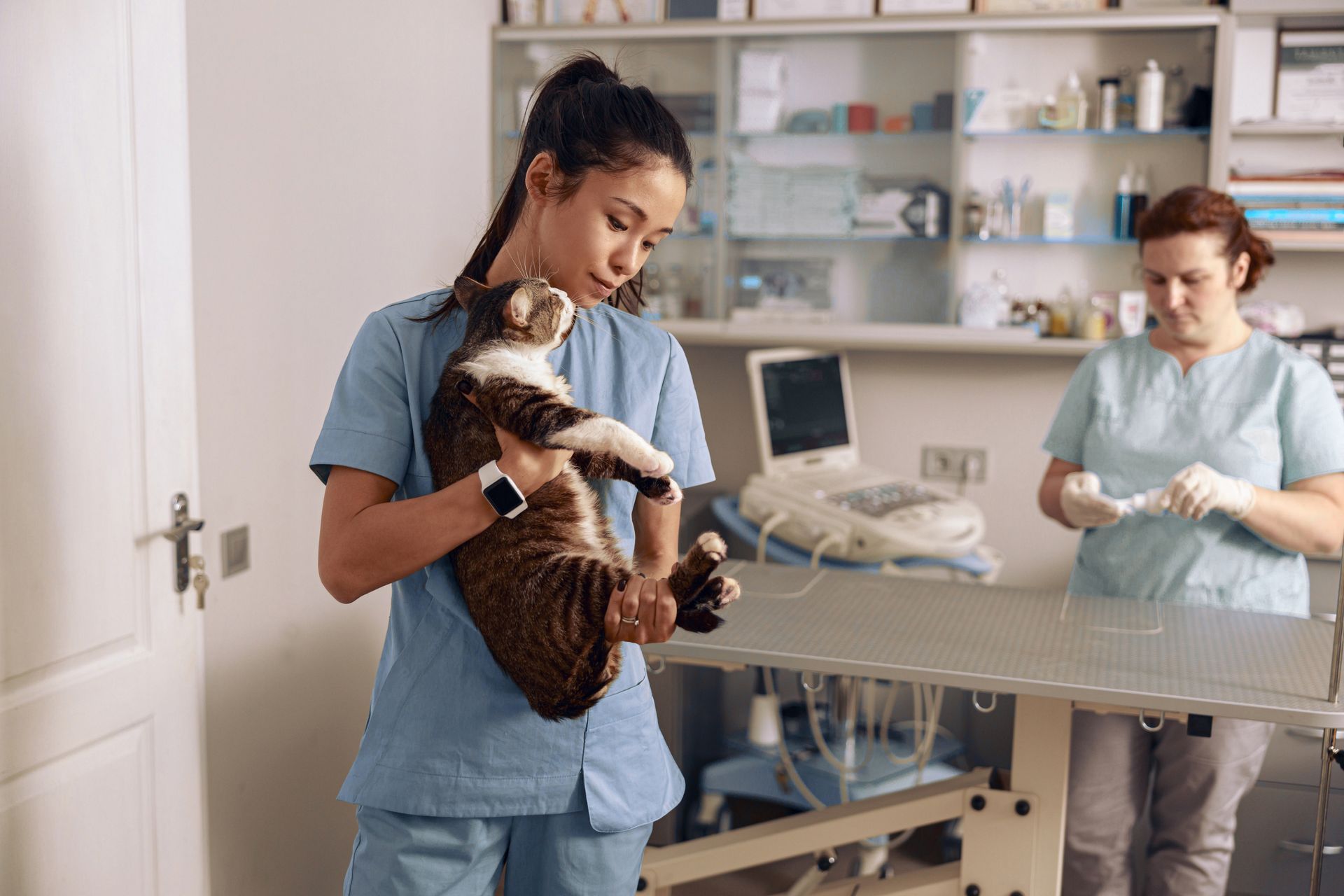
Protects your building, build-out, equipment, and inventory against fire, theft, and covered losses — front desk to back room.
For your team
Workers’ Compensation
Covers medical costs and lost wages when a team member is hurt on the job — required in most states once you have employees.
Extra protection
Commercial Umbrella
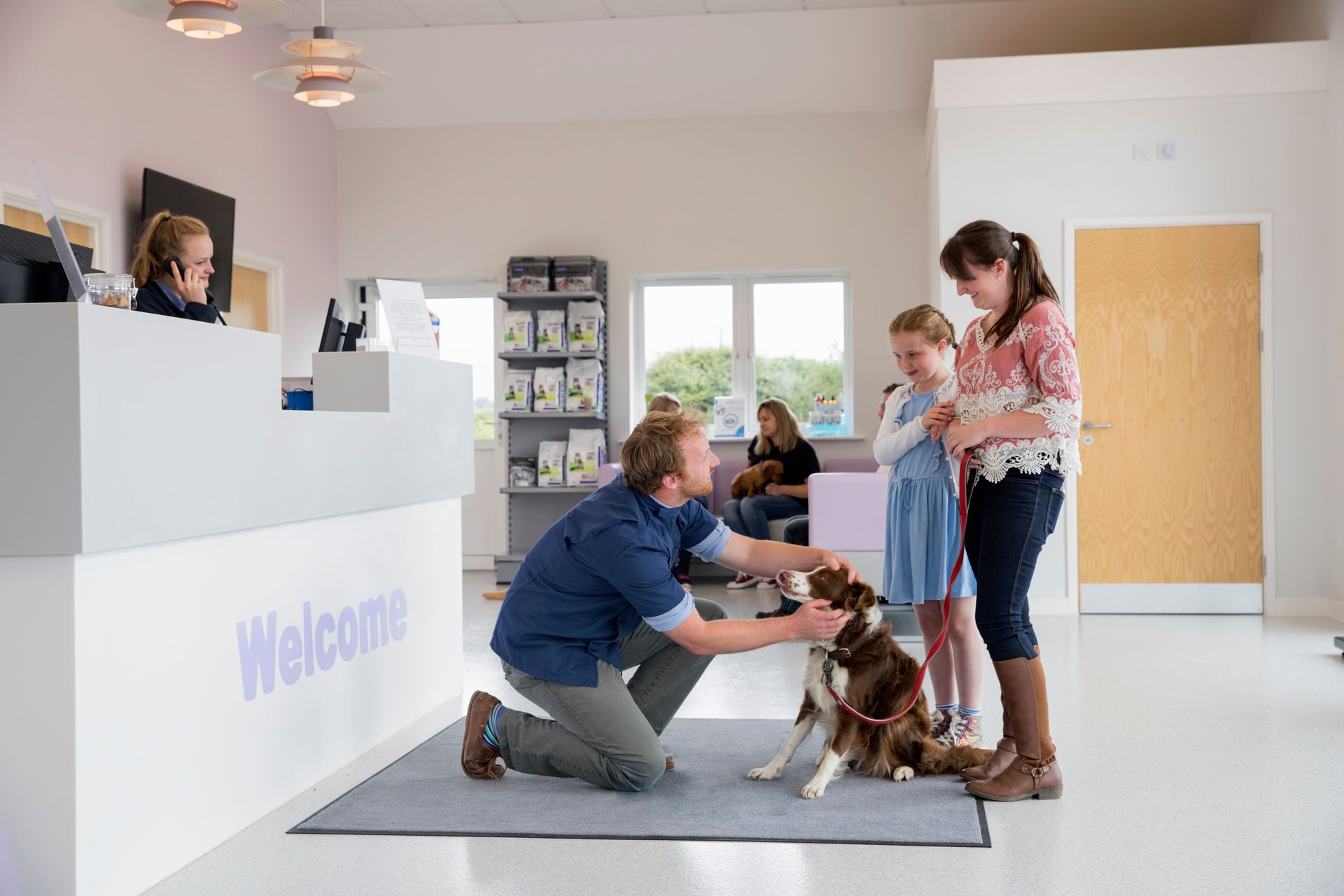
Adds liability limits above your primary policies for catastrophic claims that exceed standard coverage.
Coverage availability and terms vary by carrier and state. We recommend the right mix for your operation once we talk.
Industries we serve
Built for the businesses that care for animals.
General liability is the baseline for every segment we specialize in. Find the page built for your business.
Clinical · high exposure
Veterinarians & Animal Hospitals
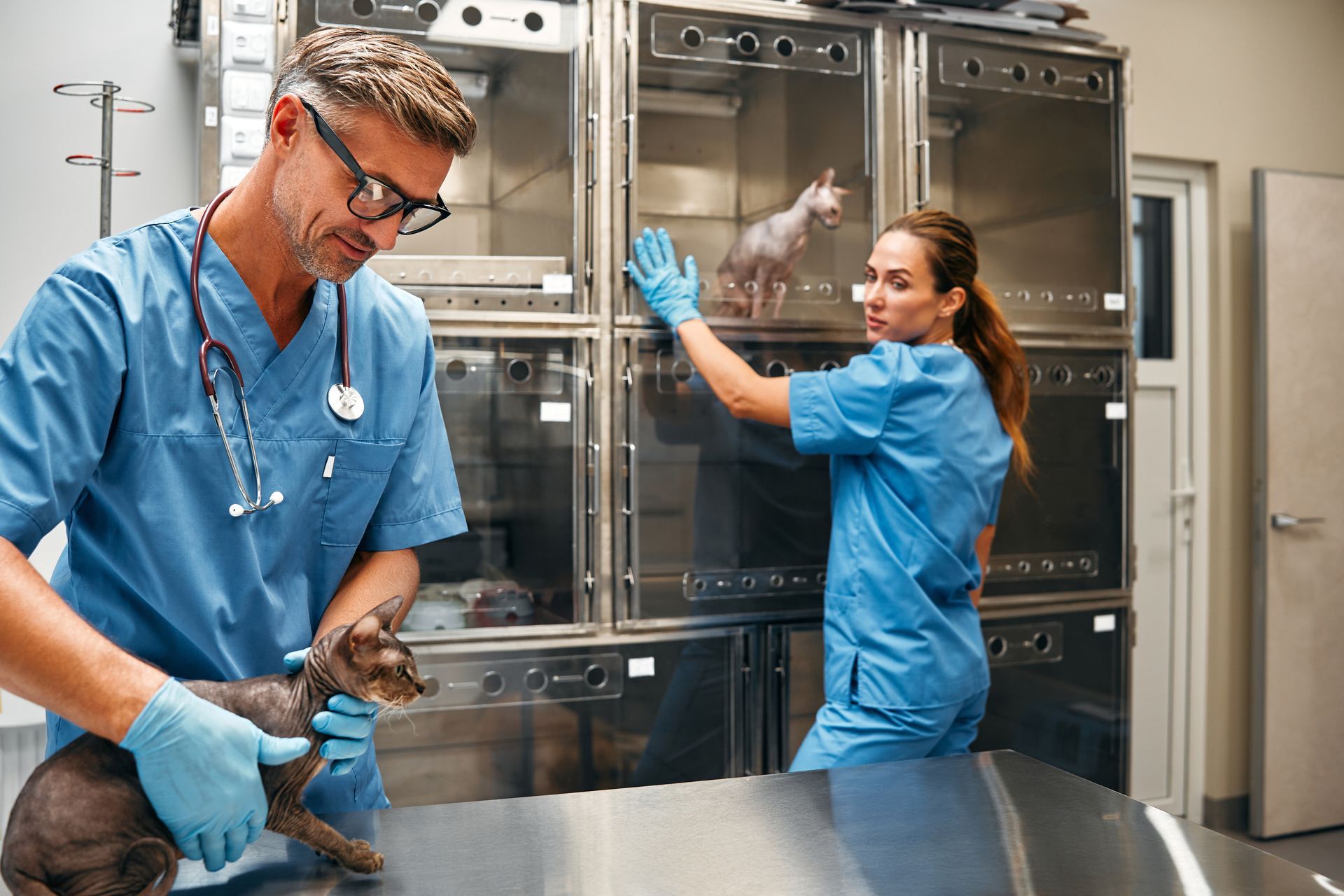
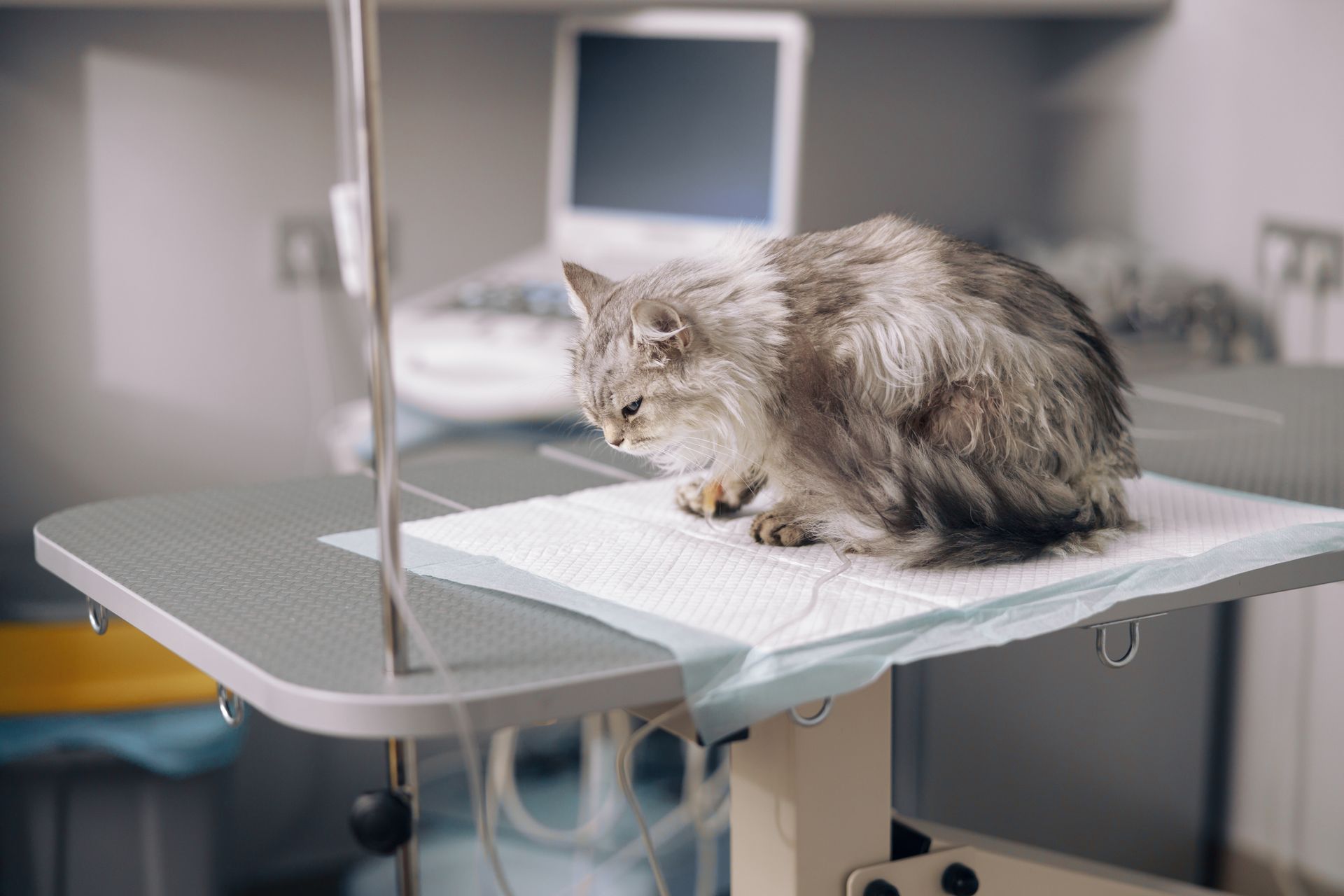
Professional and general liability, property, and workers’ comp for clinical operators with high exposure.
Hands-on · small business
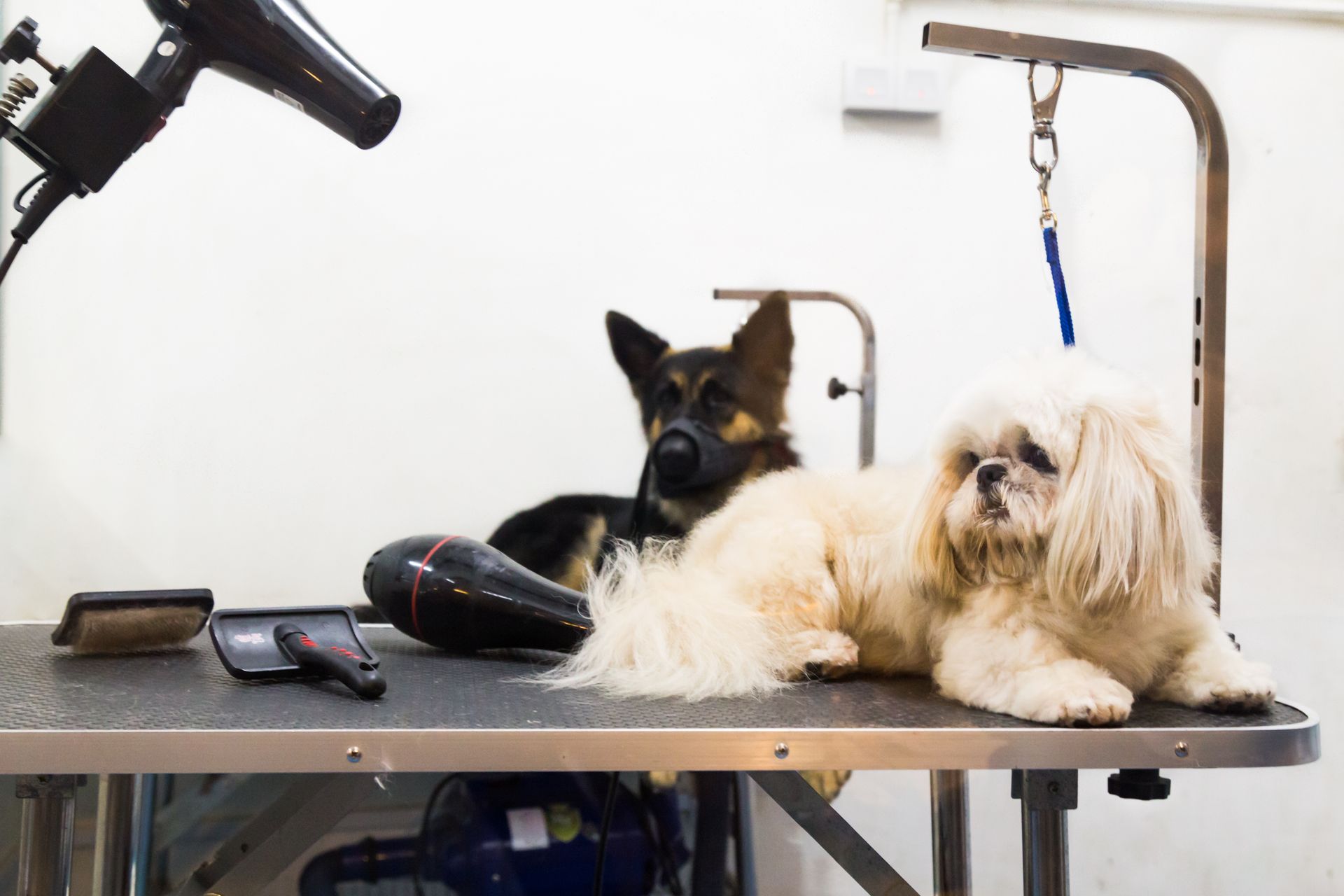
Pet Groomers
Practical protection for animal handling, equipment, and the day-to-day of the grooming table, shop or mobile.

Safety-forward · overnight
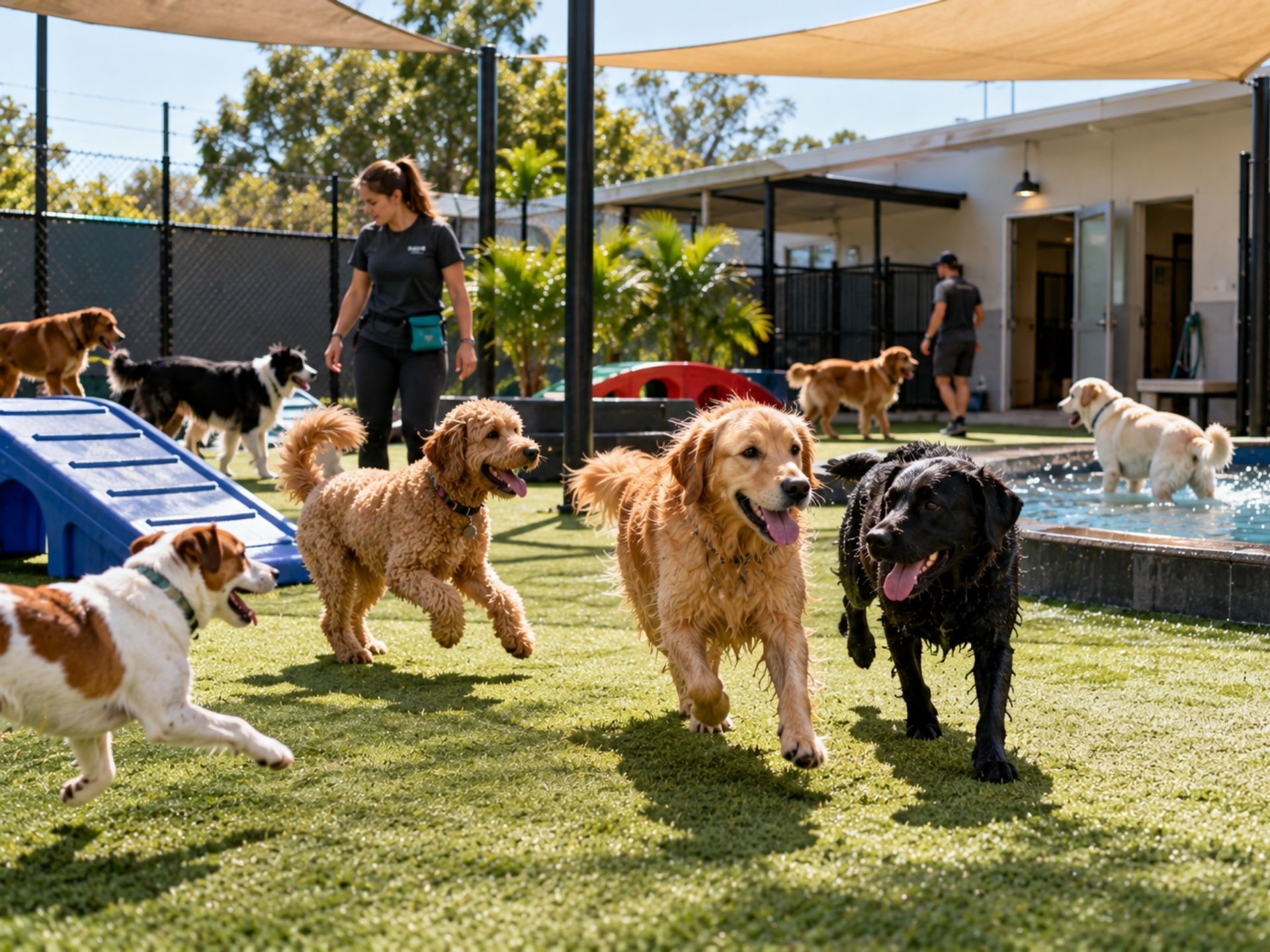
Doggy Daycare & Boarding
Coverage matched to facilities responsible for animals overnight and all day long.
Our reviews
Trusted by pet professionals.
See what owners say about working with a specialist who already understands their business.
Frequently asked
Questions pet pros ask us.
What kinds of pet businesses do you insure?
We insure businesses across the animal-care industry — veterinarians and animal hospitals, groomers, doggy daycares and boarding facilities, kennels and trainers, pet sitters and dog walkers, and pet stores. We also cover breeders, equine operations, pet transporters, shelters and rescues, pet photographers, and aquariums or wildlife facilities.
If your work involves caring for, handling, or selling animals, there is a strong chance we cover it. Tell us what you do and we will confirm.
What is care, custody, and control coverage, and why does it matter?
Care, custody, and control coverage protects you when an animal in your charge is injured, becomes ill, or is lost while in your care. Standard general liability policies often exclude this exact exposure, which leaves a serious gap for pet businesses.
For groomers, boarders, sitters, and clinics, this is one of the most important coverages you can carry. We make sure it is in place and sized to your operation.
How is an independent agency different from buying direct from a carrier?
A direct carrier sells you its own single policy. As an independent agency, we shop multiple specialty insurers and compare programs to find the coverage that fits your business and budget.
That means you get options instead of one quote, and an advocate who works for you, not the carrier. We also handle the renewals and claims support over the life of your policy.
How fast can I get a quote?
Most clients get quoted within one business day. Our industry-specific intake forms collect the right details up front, so we can take your information straight to the carriers without a long back-and-forth.
Need it sooner? Call a specialist directly at (346) 738-7297 and we will move quickly.
Which states do you serve?
We are licensed and actively writing coverage in 12 states: Connecticut, Delaware, Georgia, Kentucky, Massachusetts, New Jersey, New York, North Carolina, Pennsylvania, South Carolina, Tennessee, and Virginia.
We continue to add states as we grow. If you operate outside this list, reach out and we will let you know our latest footprint.
From the blog
Coverage notes for pet professionals.
Plain-language risk tips and coverage explainers, written for owners — not insurance pros.
Speak with a specialist
Let's find the right coverage for your business.
No quote bots, no funnel. Talk to a real pet-insurance specialist who already understands your operation — and shops multiple markets on your behalf.
Call us
(346) 738-7297
Toll-free 845-250-5366
Email
service@petindustryins.com
Visit Us
8 Joyce Plaza
Stony Point, NY 10980