Coverage for veterinary practices
North Carolina Pet Business Insurance
Running a pet business in North Carolina means dealing with risks that most standard commercial policies weren't designed for. A dog escapes from your daycare and bites a passerby. A cat in your boarding facility swallows a toy and needs emergency surgery. A grooming client's Pomeranian has a severe clipper burn. These aren't hypothetical scenarios: they're the kinds of claims NC pet professionals face every year, and the wrong insurance setup can turn any one of them into a financial disaster.
North Carolina's pet care industry has grown steadily, with new grooming salons, mobile pet services, and dog training facilities opening across the Triangle, the Triad, and Charlotte metro areas. That growth brings competition, but it also brings increased scrutiny from landlords, clients, and regulators who expect you to carry proper coverage. Whether you run a boarding kennel in Asheville or a mobile grooming van in Wilmington, understanding what insurance you actually need - and what North Carolina specifically requires - can save you thousands of dollars and a lot of sleepless nights.
Essential Insurance for North Carolina Pet Professionals
Every pet business shares a common thread: you're responsible for living creatures that belong to someone else. That creates a unique liability profile that generic business insurance often misses entirely. The right coverage stack depends on your specific operation, but most NC pet professionals need at least three core policy types working together.
Getting this wrong is common. Business owners often grab a general liability policy from a non-specialty carrier and assume they're covered. Then a dog gets injured during a bath, and they discover their policy excludes animals in their care. Building your coverage around the actual risks of pet care, not generic business risks, is the single most important decision you'll make.
General Liability: Protection Against Third-Party Incidents
General liability is the foundation of any commercial insurance program. It covers bodily injury and property damage claims from third parties: a client who slips on a wet floor in your lobby, a visitor whose phone gets knocked off a counter by an excited dog, or property damage to a rented space.
For pet businesses, general liability also typically covers bite incidents involving third parties (not the pet owner themselves, but bystanders or delivery drivers). Policies usually start at $1 million per occurrence with a $2 million aggregate, though landlords in commercial areas of Raleigh and Charlotte increasingly require $2 million per occurrence. If you're signing a lease, check the insurance requirements before you commit: upgrading limits mid-term costs more than getting it right from the start.
Professional Liability and Animal Bailee Coverage
Here's where pet businesses diverge sharply from other small businesses. Roughly 60% of claims from pet professionals involve incidents that standard general liability doesn't cover, because those claims involve animals that were entrusted to your care. That's the domain of animal bailee coverage, sometimes called "care, custody, and control" coverage.
Animal bailee insurance pays for veterinary bills, death benefits, and related costs when a pet is injured, becomes ill, or dies while under your supervision. Professional liability, on the other hand, covers claims arising from your professional judgment: a trainer whose methods cause behavioral regression, or a groomer who recommends a product that causes an allergic reaction. These two coverages work together, and skipping either one leaves a dangerous gap. Pet Professional Insurance Agency places these policies through multiple specialty markets, which means your coverage is actually built around the risks you face daily rather than retrofitted from a generic template.
Equipment and Commercial Property Protection
Your tools are your livelihood. Grooming tables, hydraulic tubs, dryers, clippers, crates, fencing, HVAC systems for climate-controlled boarding areas: replacing this equipment after a fire, theft, or storm isn't trivial. Commercial property insurance covers the physical assets inside your business location, while inland marine coverage can protect equipment that travels with you (critical for mobile groomers).
North Carolina's hurricane and severe storm exposure makes this especially relevant. Coastal businesses from the Outer Banks to Myrtle Beach need to understand their wind and hail deductibles, which are often calculated as a percentage of the insured value rather than a flat dollar amount. Review these details carefully before storm season.
North Carolina State Requirements and Regulations
North Carolina has specific insurance mandates that apply to pet businesses, and the state has been updating its insurance laws in recent years. Staying compliant isn't optional, and violations can result in fines or loss of your business license.
The state also enforces specific kennel and boarding regulations that can affect your insurance requirements. County-level animal control ordinances sometimes add additional layers, particularly in Wake, Mecklenburg, and Guilford counties. Always verify local requirements with your municipality, and consult a qualified attorney if you're unsure how regulations apply to your specific operation.
Workers' Compensation Laws for Small Businesses
North Carolina requires workers' compensation insurance for any business with three or more employees. This is a hard legal requirement, not a suggestion. If you run a boarding facility with two full-time kennel techs and a part-time receptionist, you need workers' comp. The penalties for non-compliance include fines of up to $1 per day per employee, plus personal liability for any workplace injuries.
Pet care is physically demanding work. Bite injuries, back strains from lifting large dogs, slips on wet kennel floors: these are everyday hazards. Workers' comp covers medical bills and lost wages for injured employees, and it protects you from lawsuits related to those injuries. One thing worth noting for NC pet business owners: small businesses with 2 to 50 employees can save an average of 20% on group health insurance through the Carolina HealthWorks program, which can help offset the total cost of employee benefits alongside your workers' comp premiums.
Commercial Auto Insurance for Mobile Groomers and Sitters
If you drive a vehicle for business purposes, your personal auto policy won't cover accidents that happen during work. Mobile groomers operating custom vans need commercial auto insurance, period. Pet sitters who drive between client homes throughout the day also need coverage, even if they're using a personal vehicle: a hired and non-owned auto endorsement can fill this gap without requiring a full commercial auto policy.
North Carolina's minimum auto liability limits are $30,000/$60,000 for bodily injury and $25,000 for property damage. Most insurance professionals recommend carrying significantly higher limits, especially if your vehicle contains expensive grooming equipment.
Comparing Coverage Needs by Business Type
Not every pet business needs the same coverage. A solo dog walker has a very different risk profile than a 20-kennel boarding facility. Here's how the core coverage types map to common NC pet business models.
Comparison Table: Liability vs. Animal Bailee vs. Workers' Comp
| Coverage Type | Dog Walker / Pet Sitter | Grooming Salon | Boarding / Daycare | Trainer |
|---|---|---|---|---|
| General Liability | Required | Required | Required | Required |
| Animal Bailee | Highly recommended | Essential | Essential | Recommended |
| Professional Liability | Recommended | Recommended | Recommended | Essential |
| Workers' Comp | Only if 3+ employees | Likely needed | Almost always needed | Only if 3+ employees |
| Commercial Auto | If using vehicle for work | If mobile grooming | If transport offered | If driving to clients |
| Commercial Property | Rarely needed | Yes | Yes | Depends on location |
This table gives you a starting point, but every business has unique exposures. A trainer who works exclusively at clients' homes has different property needs than one who operates a dedicated facility. Pet Professional Insurance Agency uses intake forms tailored to each business type, which helps identify coverage gaps that a generic application would miss.
Managing Risks Unique to the North Carolina Market
North Carolina presents some specific challenges that pet business owners elsewhere don't face. Hurricane season runs from June through November, and inland flooding affects businesses well beyond the coast: remember, Hurricane Florence in 2018 devastated pet facilities as far inland as Fayetteville. Standard commercial property policies exclude flood damage, so a separate flood policy through NFIP or a private market is worth serious consideration.
The state's evolving legislative environment also affects how pet businesses operate and what coverage they need. Breed-specific legislation varies by municipality, and some counties impose stricter requirements on businesses that handle certain breeds. Your insurance should reflect these local realities. Heat-related incidents are another NC-specific concern: summer temperatures regularly exceed 95°F, making climate control in boarding and daycare facilities not just a comfort issue but a liability one. A documented heat safety protocol can both prevent claims and strengthen your position if one occurs.
Common Questions About NC Pet Business Insurance
Do I need insurance if I only walk dogs part-time?
Yes. Part-time status doesn't reduce your liability exposure. If a dog you're walking bites someone or runs into traffic, you're responsible regardless of whether this is your side hustle or your full-time career. A basic general liability policy with animal bailee coverage is affordable and protects your personal assets.
Does North Carolina law require insurance for home-based pet sitters?
North Carolina doesn't mandate liability insurance specifically for home-based pet sitters, but many clients and pet-sitting platforms require proof of coverage before booking. Your homeowner's insurance almost certainly excludes business activities, so operating without a commercial policy means you're uninsured for pet-sitting claims.
How much does a basic pet business policy cost in NC?
Costs vary based on your business type, revenue, and coverage limits. A solo dog walker might pay $300-$500 annually for general liability, while a grooming salon typically sees premiums that reflect higher risk exposures and can range from $500 to $1,500 or more. Boarding facilities generally pay the most due to overnight care risks. At Pet Professional Insurance Agency, most clients receive their initial coverage options within 24-48 hours of submitting an application.
What happens if a dog bites someone while in my care?
Your general liability policy typically covers bites to third parties (non-owners), while animal bailee coverage handles injuries between animals in your care. The specifics depend on your policy language, which is exactly why working with an agent who understands pet-industry claims matters. Document every incident immediately: photos, witness statements, and veterinary records all strengthen your position.
Making the Right Choice for Your Pet Business
Getting insurance right for your North Carolina pet business isn't about buying the most expensive policy available. It's about matching your actual risks to the right coverage types, meeting state requirements, and avoiding the gaps that catch so many pet professionals off guard.
Start by honestly assessing your exposures. How many animals are in your care at once? Do you transport pets? How many employees do you have? Do you operate in a flood-prone area? The answers to these questions shape your entire coverage strategy.
Index
Pet Professional Insurance Agency is fully licensed and permitted to provide commercial insurance solutions for pet businesses across 12 states.
We proudly serve pet professionals throughout the Northeast, Mid-Atlantic, and Southeast. Powered by Joyce Insurance Agency, our team works with leading specialty carriers — including The Hartford, USLI, Nautilus, and Northland — to make sure veterinarians, groomers, boarding facilities, and pet-care businesses receive coverage that fits their real risks in Connecticut, Delaware, Georgia, Kentucky, Massachusetts, New Jersey, New York, North Carolina, Pennsylvania, South Carolina, Tennessee, and Virginia.
About the author
Barnaby Joyce
Founder, Pet Professional Insurance Agency · Licensed Insurance Producer
I started Pet Professional Insurance Agency because I watched pet businesses get handed generic policies that never fit. After years of placing coverage for veterinary practices, grooming salons, doggy daycares, and kennels through a generalist agency, I saw the same gaps over and over — and the same blank stares when an owner tried to explain care, custody, and control to an agent who had never insured an animal in their life.
So I built an agency that does one thing. I work directly with specialty carriers who actually want pet-industry risk, and I sit down with every client personally. You will not get a call center or a chatbot. You will get someone who already speaks your language and shops the market on your behalf. That is the whole idea.
Recommended coverages
Coverages that pair with general liability.
Most pet businesses build on general liability with the lines below. Explore each — every page cross-links to the
industries we serve.
Services & advice
Professional Liability / E&O
Covers claims tied to your professional services and advice — clinical care, training guidance, and the judgment calls you make daily.
The pet-industry gap
Care, Custody & Control
Covers the animals in your charge against injury, illness, or loss — the critical exposure standard liability policies leave out.
Bundled & cost-effective
Business Owners Policy (BOP)
Bundles property and general liability into one package built for small to mid-sized pet businesses — often the simplest base.
Your building & contents
Commercial Property
Protects your building, build-out, equipment, and inventory against fire, theft, and covered losses — front desk to back room.
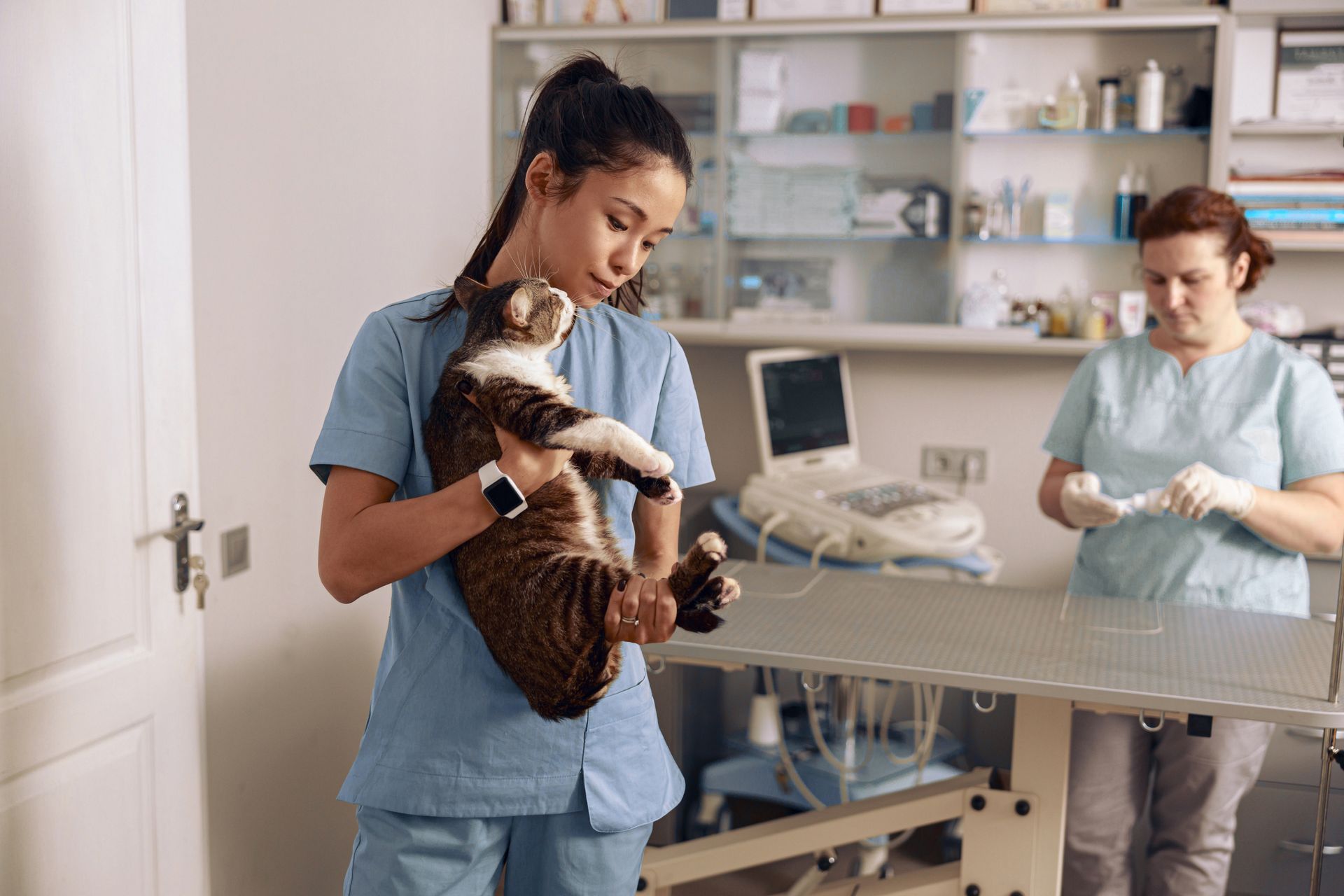
For your team
Workers’ Compensation
Covers medical costs and lost wages when a team member is hurt on the job — required in most states once you have employees.
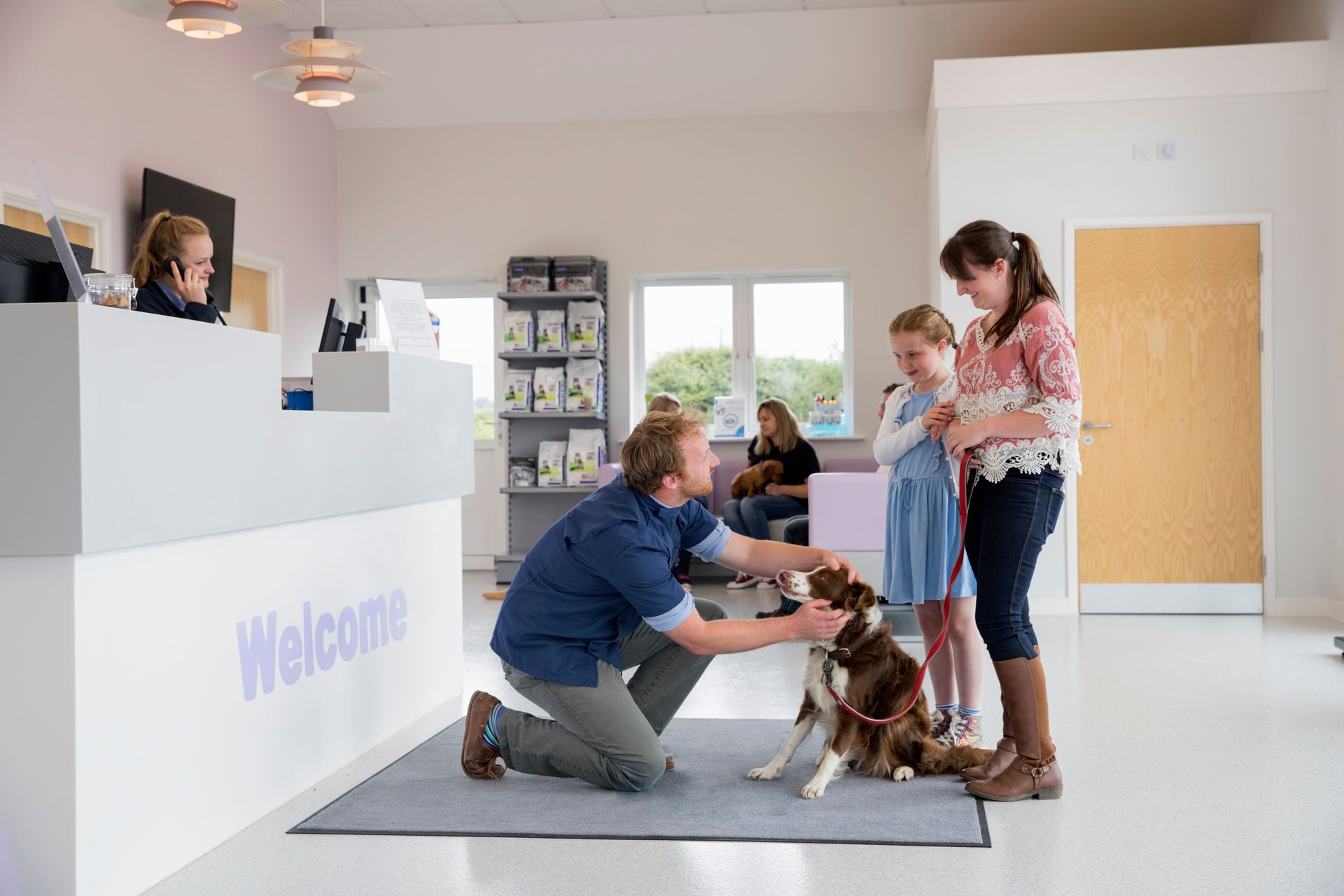
Extra protection
Commercial Umbrella
Adds liability limits above your primary policies for catastrophic claims that exceed standard coverage.
Coverage availability and terms vary by carrier and state. We recommend the right mix for your operation once we talk.
Industries we serve
Built for the businesses that care for animals.
General liability is the baseline for every segment we specialize in. Find the page built for your business.
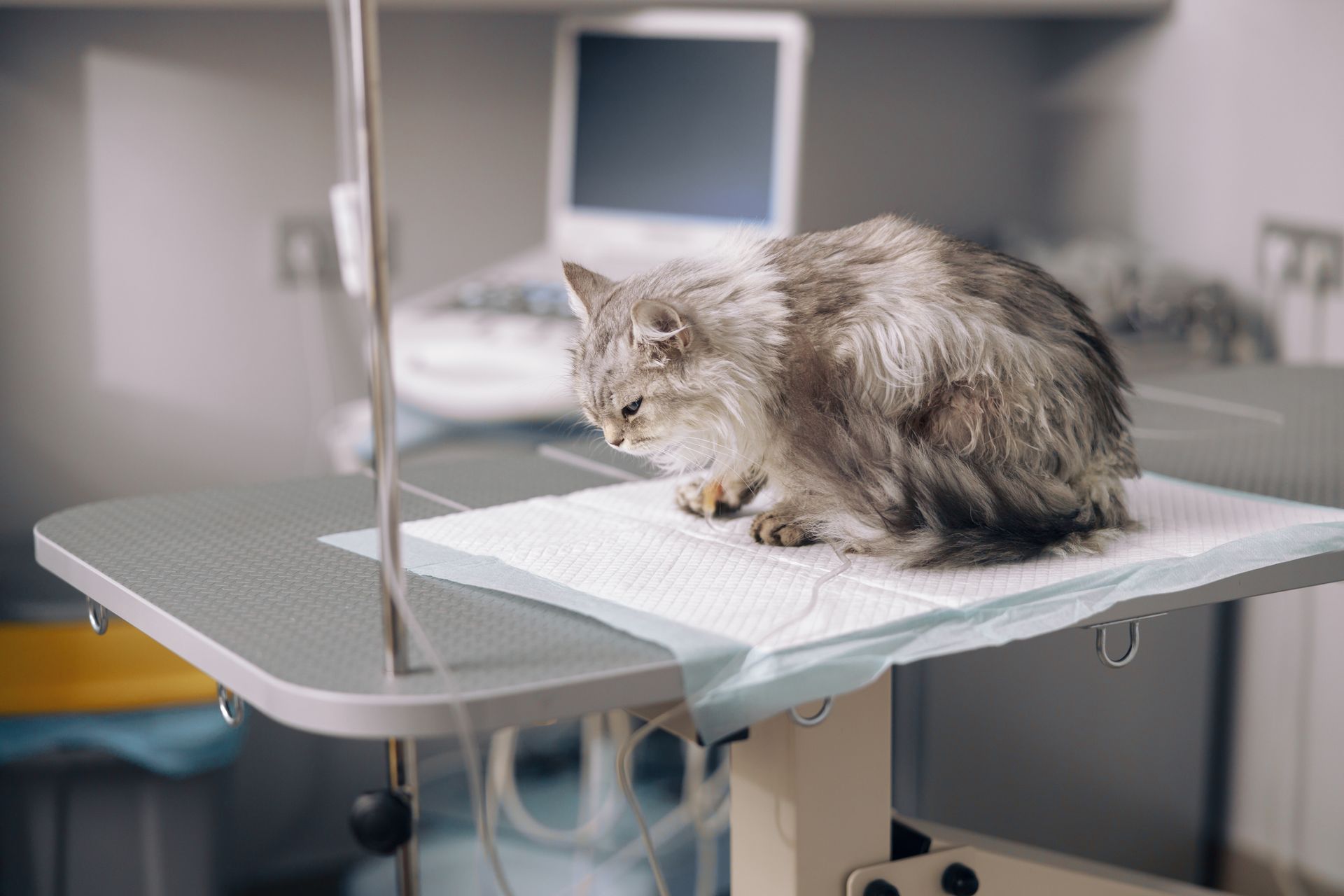
Clinical · high exposure
Veterinarians & Animal Hospitals
Professional and general liability, property, and workers’ comp for clinical operators with high exposure.
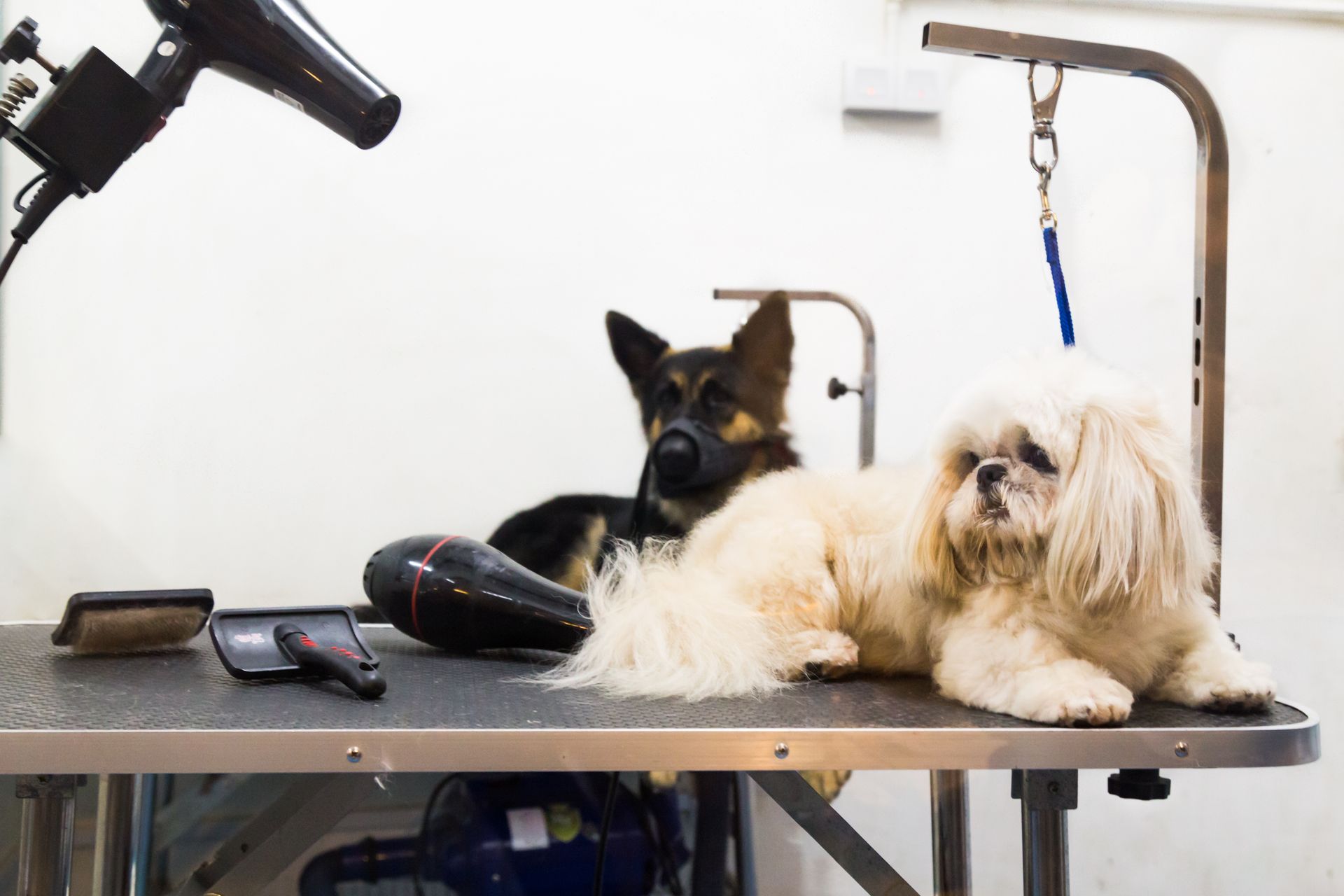
Hands-on · small business
Pet Groomers
Practical protection for animal handling, equipment, and the day-to-day of the grooming table, shop or mobile.
Safety-forward · overnight
Doggy Daycare & Boarding
Coverage matched to facilities responsible for animals overnight and all day long.
Our reviews
Trusted by pet professionals.
See what owners say about working with a specialist who already understands their business.
Frequently asked
Questions pet pros ask us.
What kinds of pet businesses do you insure?
We insure businesses across the animal-care industry — veterinarians and animal hospitals, groomers, doggy daycares and boarding facilities, kennels and trainers, pet sitters and dog walkers, and pet stores. We also cover breeders, equine operations, pet transporters, shelters and rescues, pet photographers, and aquariums or wildlife facilities.
If your work involves caring for, handling, or selling animals, there is a strong chance we cover it. Tell us what you do and we will confirm.
What is care, custody, and control coverage, and why does it matter?
Care, custody, and control coverage protects you when an animal in your charge is injured, becomes ill, or is lost while in your care. Standard general liability policies often exclude this exact exposure, which leaves a serious gap for pet businesses.
For groomers, boarders, sitters, and clinics, this is one of the most important coverages you can carry. We make sure it is in place and sized to your operation.
How is an independent agency different from buying direct from a carrier?
A direct carrier sells you its own single policy. As an independent agency, we shop multiple specialty insurers and compare programs to find the coverage that fits your business and budget.
That means you get options instead of one quote, and an advocate who works for you, not the carrier. We also handle the renewals and claims support over the life of your policy.
How fast can I get a quote?
Most clients get quoted within one business day. Our industry-specific intake forms collect the right details up front, so we can take your information straight to the carriers without a long back-and-forth.
Need it sooner? Call a specialist directly at (346) 738-7297 and we will move quickly.
Which states do you serve?
We are licensed and actively writing coverage in 12 states: Connecticut, Delaware, Georgia, Kentucky, Massachusetts, New Jersey, New York, North Carolina, Pennsylvania, South Carolina, Tennessee, and Virginia.
We continue to add states as we grow. If you operate outside this list, reach out and we will let you know our latest footprint.
From the blog
Coverage notes for pet professionals.
Plain-language risk tips and coverage explainers, written for owners — not insurance pros.
Speak with a specialist
Let's find the right coverage for your business.
No quote bots, no funnel. Talk to a real pet-insurance specialist who already understands your operation — and shops multiple markets on your behalf.
Call us
(346) 738-7297
Toll-free 845-250-5366
Email
service@petindustryins.com
Visit Us
8 Joyce Plaza
Stony Point, NY 10980