Connecticut isn't the most expensive state for equine insurance, but it's not the least expensive either. Several variables determine what you'll actually pay.
Factors Influencing Insurance Costs in the Nutmeg State
Facility Size and Annual Revenue
Delaware might be the second-smallest state in the country, but its horse community punches well above its weight. The state is home to a thriving equestrian culture that includes competitive show barns, breeding operations, therapeutic riding programs, and hundreds of private horse owners scattered across Kent and Sussex counties. If you run any kind of equine operation in Delaware, the question isn't whether you need insurance - it's whether you have the right coverage to match your actual risk exposure. A single kicked boarder, a loose horse on Route 13, or a barn fire can generate claims that dwarf what most small operations earn in a year. This guide breaks down what Delaware law requires, what coverage types actually matter, and how to keep your costs reasonable while staying compliant. Whether you're running a 40-stall boarding facility or giving weekend riding lessons, understanding equine insurance coverage requirements and compliance for DE operations is the difference between sleeping well at night and hoping nothing goes wrong.
Understanding Delaware's Equine Liability Laws
Delaware provides specific legal protections for equine professionals, but those protections come with strings attached. The state recognizes that horses are inherently unpredictable animals and that participants in equine activities assume a degree of risk. That said, these protections don't give you a blank check to operate carelessly, and they absolutely don't replace the need for proper insurance.
The Delaware Equine Activity Liability Act
Delaware's Equine Activity Liability Act limits the liability of equine professionals for injuries or death resulting from the inherent risks of equine activities. The key word here is "inherent." If a rider falls because a horse spooks at a deer, that's generally an inherent risk. If a rider falls because you knowingly put them on a horse with a dangerous behavioral history and said nothing, you're exposed.
The act protects sponsors, professionals, and property owners, but it carves out clear exceptions. You lose protection if you provide faulty tack or equipment, fail to match a horse's temperament to a participant's skill level, or act with willful disregard for safety. These exceptions are exactly where lawsuits land, and they're exactly why liability insurance remains essential even with statutory protection in place.
Mandatory Signage and Contract Requirements
To claim protection under the act, you must post warning signs in visible locations around your facility. These signs need specific statutory language about the inherent risks of equine activities. You also need written contracts or waivers that include this warning language for every participant.
Here's what I've seen trip people up: a barn posts one sign in the office, buries the waiver language in paragraph eight of a boarding contract, and assumes they're covered. They're not - at least not reliably. Signs should be posted at entrances, arenas, and mounting areas. Waivers should be standalone documents, not afterthoughts. Talk to a Delaware attorney who handles equine law to make sure your documents actually hold up. This is one area where a few hundred dollars in legal fees can save you tens of thousands later.
Essential Coverage Types for DE Horse Owners
Commercial General Liability vs. Personal Liability
If you earn any income from horses, whether through boarding, lessons, training, or breeding, your homeowner's policy almost certainly excludes those activities. You need a commercial general liability (CGL) policy designed for equine operations. A CGL policy covers third-party bodily injury and property damage claims that arise from your business operations.
Personal liability policies are built for private horse owners who don't generate revenue. The moment you accept a boarding fee or charge for a lesson, you've crossed into commercial territory. I've seen barn owners try to split the difference, keeping a personal policy while running a small lesson program on the side. That's a coverage gap waiting to become a denied claim.
Care, Custody, or Control (CCC) Coverage
Standard CGL policies exclude damage to property in your care, custody, or control. For equine operations, that means the horses you're boarding, training, or transporting. If a boarded horse colics and dies because of contaminated feed you provided, your CGL policy won't cover the owner's loss. CCC coverage fills that gap.
This is one of the most commonly overlooked coverages in the equine world. At Pet Professional Insurance Agency, we see this gap frequently when reviewing existing policies for boarding and training operations. CCC coverage is not optional if you're responsible for other people's animals - it's foundational.
Equine Mortality and Major Medical Policies
Mortality insurance pays the insured value of a horse if it dies or must be euthanized due to illness, injury, or accident. Major medical coverage handles veterinary bills for covered conditions, typically with annual limits ranging from $5,000 to $10,000 per horse. These policies are increasingly popular among competitive and breeding operations where individual animals represent significant financial investments.
For a $50,000 show horse, annual mortality premiums typically run 3% to 4% of the insured value - so roughly $1,500 to $2,000 per year. That's a straightforward cost-benefit calculation most serious owners can make quickly.
Comparison: Standard vs. Specialized Equine Policies
Not all policies are built the same. Here's how a standard business liability policy stacks up against one designed specifically for equine operations:
| Feature | Standard Business Policy | Specialized Equine Policy |
|---|---|---|
| Third-party bodily injury | Covered | Covered |
| Care, custody, or control | Typically excluded | Available as standard or add-on |
| Equine mortality | Not available | Available |
| Tack and equipment | Limited or excluded | Covered with scheduled limits |
| Horse show/event liability | Excluded | Available |
| Stallion/breeding liability | Not addressed | Specifically covered |
| Farrier/vet on-premises | May be excluded | Addressed in policy language |
The specialized policy costs more, but the standard policy leaves you exposed in exactly the scenarios most likely to generate claims at an equine facility. Working with an agency that has deep experience in animal-care risk, like Pet Professional Insurance Agency, means your intake process captures the details that generic brokers miss entirely.
Factors Influencing Insurance Costs in Delaware
Revenue and Herd Size Impact
Your annual revenue and the number of horses on your property are the two biggest premium drivers. A 10-horse boarding barn generating $80,000 annually will pay significantly less than a 40-horse training facility pulling in $400,000. Insurers also look at the types of activities you offer. Lessons and trail rides carry different risk profiles than breeding or competitive training.
Delaware's agricultural oversight framework includes regulations that touch on animal welfare and facility standards. Compliance with these standards can influence how underwriters assess your operation. A well-documented facility with clear protocols looks very different on an application than one without any written procedures.
Facility Safety and Risk Management Discounts
Insurers reward operations that actively manage risk. Specific measures that can lower your premiums include:
- Certified riding helmets required for all mounted participants
- Fire suppression systems or extinguishers in every barn aisle
- Written emergency action plans posted and practiced
- Documented maintenance schedules for fencing, footing, and structures
- Background checks and training records for all staff
Some carriers offer 5% to 15% premium reductions for operations that implement comprehensive safety programs. The investment in safety equipment and protocols typically pays for itself through lower premiums within the first year or two.
Compliance for Boarding and Training Stables
Delaware boarding and training facilities face a specific set of compliance requirements beyond general liability. Your boarding contracts should clearly define the standard of care you're providing, what's included in the boarding fee, and what happens if a horse is injured or becomes ill. Vague contracts lead to disputes, and disputes lead to claims.
Facilities that host events or competitions need additional event liability coverage, often purchased as short-term policies for specific dates. If you allow outside instructors or trainers to work at your facility, verify that they carry their own insurance and name your operation as an additional insured on their policy. This is a simple step that prevents a world of headaches.
Workers' Compensation Requirements for DE Farm Employees
Delaware requires workers' compensation coverage for most employers, and equine operations are no exception if you have employees. The state's workers' compensation framework applies to farm workers, grooms, barn managers, and riding instructors on your payroll. Independent contractor relationships need to be genuinely independent - misclassification is a common audit finding that results in back premiums and penalties.
Part-time barn help and working students create gray areas. If someone is on a regular schedule, uses your equipment, and follows your direction, they're likely an employee in the eyes of Delaware law regardless of what you call them. Get this right from the start.
Common Questions About Delaware Equine Insurance
Does the Equine Activity Liability Act mean I don't need insurance? No. The act limits liability for inherent risks but doesn't eliminate it. Negligence, faulty equipment, and failure to disclose known dangers are all exceptions that leave you fully exposed.
How much does liability coverage typically cost for a small boarding barn in Delaware? Annual premiums for a small operation with 10 to 15 horses generally fall between $1,200 and $3,500, depending on activities offered and coverage limits. Operations with lesson programs or events pay more.
Do I need separate coverage for horse shows I host? Yes. Your standard CGL policy likely excludes or limits coverage for organized events. Short-term event liability policies are available and typically required by equestrian sanctioning bodies as well.
Can I add my horses to my homeowner's policy? Possibly for personal-use horses, but any commercial activity - boarding, lessons, breeding for sale - requires a separate commercial policy. Homeowner's policies exclude business pursuits.
What happens if a boarded horse injures another boarded horse? This is where CCC coverage and your boarding contract intersect. Without CCC coverage, you may be personally liable for the injured horse's veterinary bills and any diminished value.
Are farriers and veterinarians covered under my policy when they're at my facility? Generally, no. They should carry their own professional liability. However, if an injury occurs due to a facility hazard rather than their professional services, your CGL policy may respond.
Making the Right Choice for Your Stable
Equine insurance in Delaware isn't a one-size-fits-all purchase. Your coverage needs to reflect your actual operation: the number of horses, the activities you offer, the employees you have, and the contracts you use. Getting this wrong means either paying for coverage you don't need or, worse, discovering gaps after a claim.
Start by honestly assessing your risk. Walk your property with fresh eyes and think about what could go wrong. Review your boarding contracts and waivers with an attorney. Document your safety protocols. Then talk to an insurance professional who understands equine operations specifically - not someone who handles horse barns the same way they handle a retail store.
At Pet Professional Insurance Agency, we work with equine and animal-care businesses across Delaware through specialty markets that understand this industry. Our intake process is built around the risks specific to your type of operation, and most clients hear back within 24 to 48 hours. If you're unsure whether your current coverage matches your actual exposure, that's reason enough to have a conversation.
Index
Pet Professional Insurance Agency is fully licensed and permitted to provide commercial insurance solutions for pet businesses across 12 states.
We proudly serve pet professionals throughout the Northeast, Mid-Atlantic, and Southeast. Powered by Joyce Insurance Agency, our team works with leading specialty carriers — including The Hartford, USLI, Nautilus, and Northland — to make sure veterinarians, groomers, boarding facilities, and pet-care businesses receive coverage that fits their real risks in Connecticut, Delaware, Georgia, Kentucky, Massachusetts, New Jersey, New York, North Carolina, Pennsylvania, South Carolina, Tennessee, and Virginia.
About the author
Barnaby Joyce
Founder, Pet Professional Insurance Agency · Licensed Insurance Producer
I started Pet Professional Insurance Agency because I watched pet businesses get handed generic policies that never fit. After years of placing coverage for veterinary practices, grooming salons, doggy daycares, and kennels through a generalist agency, I saw the same gaps over and over — and the same blank stares when an owner tried to explain care, custody, and control to an agent who had never insured an animal in their life.
So I built an agency that does one thing. I work directly with specialty carriers who actually want pet-industry risk, and I sit down with every client personally. You will not get a call center or a chatbot. You will get someone who already speaks your language and shops the market on your behalf. That is the whole idea.
Recommended coverages
Coverages that pair with general liability.
Most pet businesses build on general liability with the lines below. Explore each — every page cross-links to the
industries we serve.
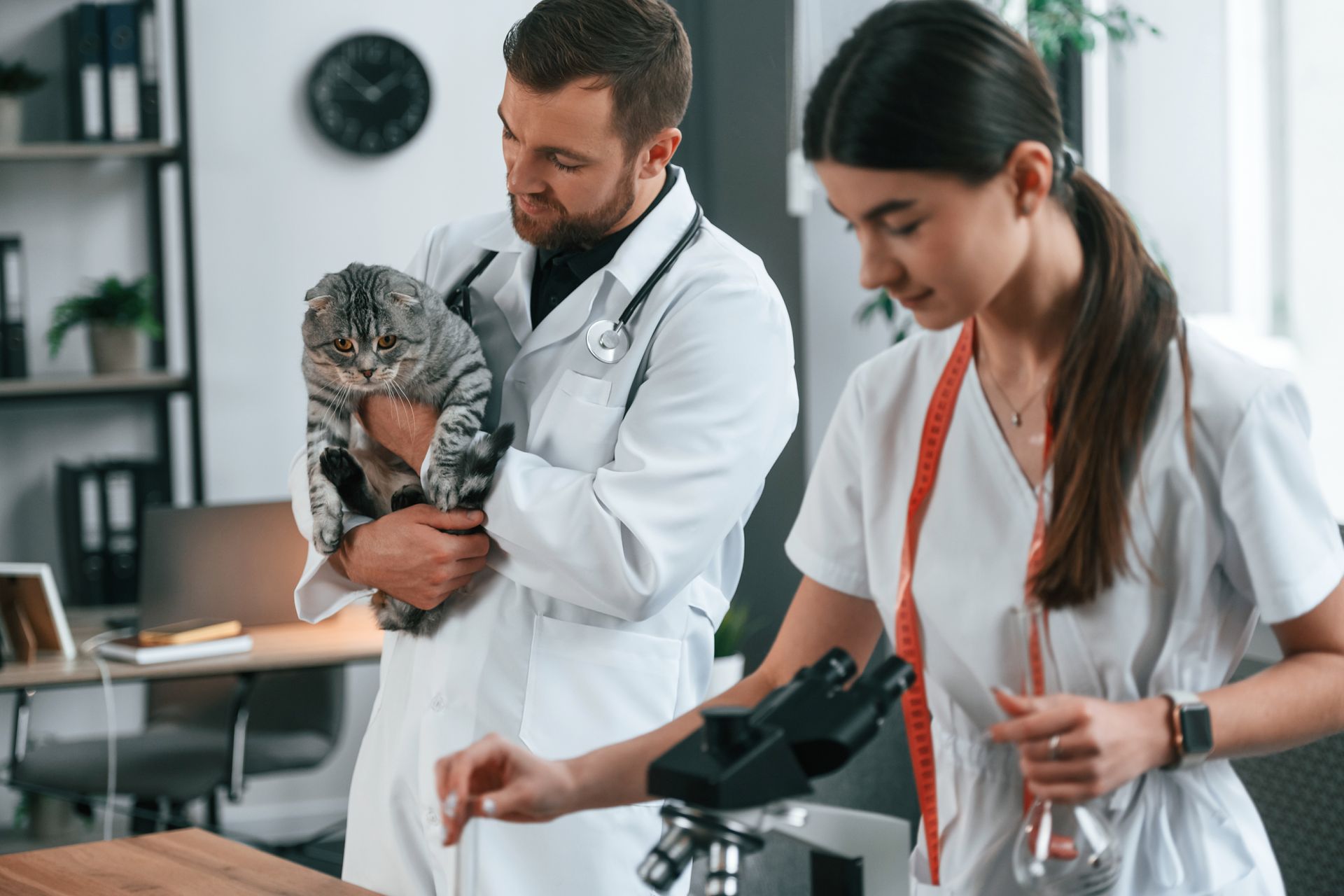
Services & advice
Professional Liability / E&O
Covers claims tied to your professional services and advice — clinical care, training guidance, and the judgment calls you make daily.
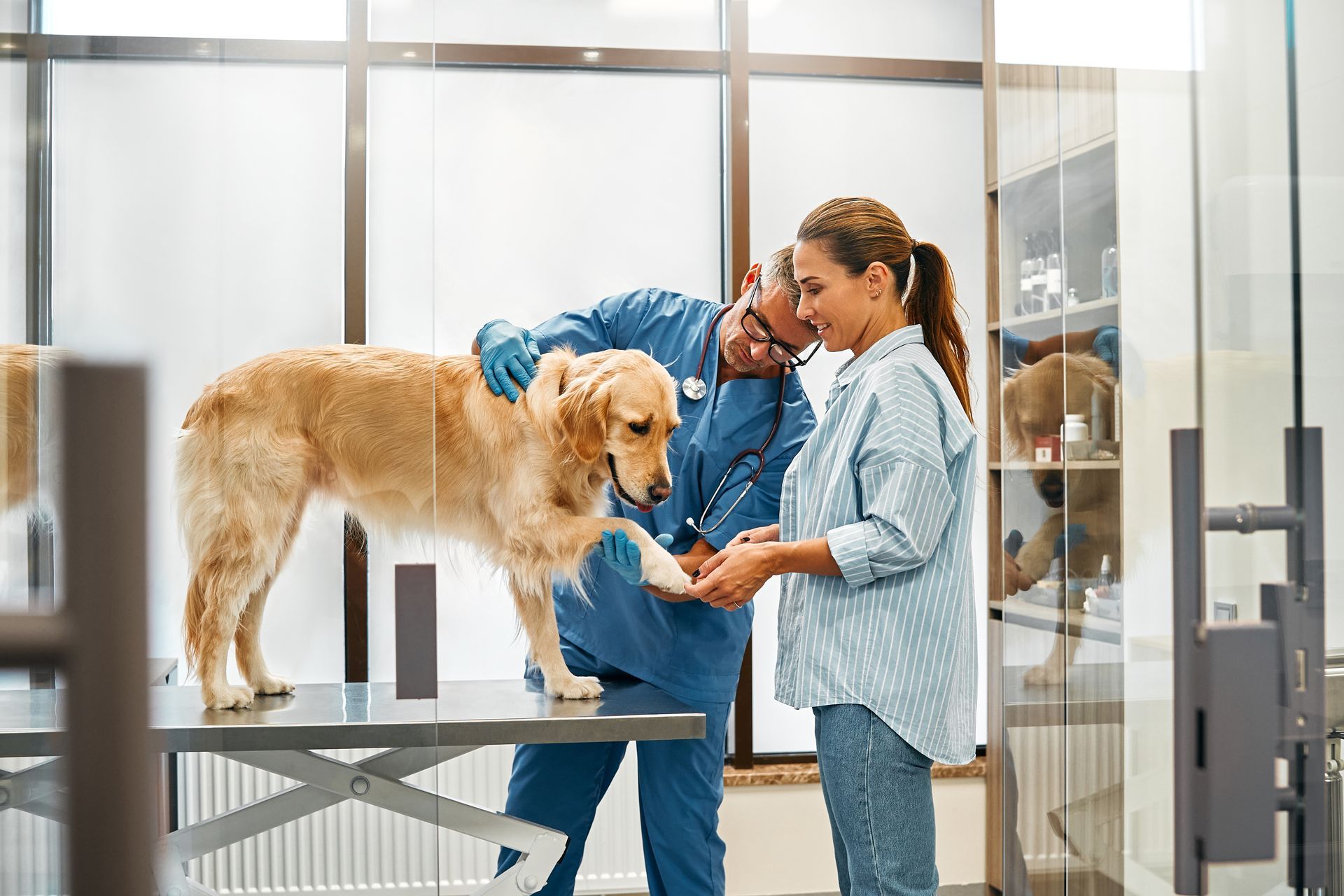
The pet-industry gap
Care, Custody & Control
Covers the animals in your charge against injury, illness, or loss — the critical exposure standard liability policies leave out.
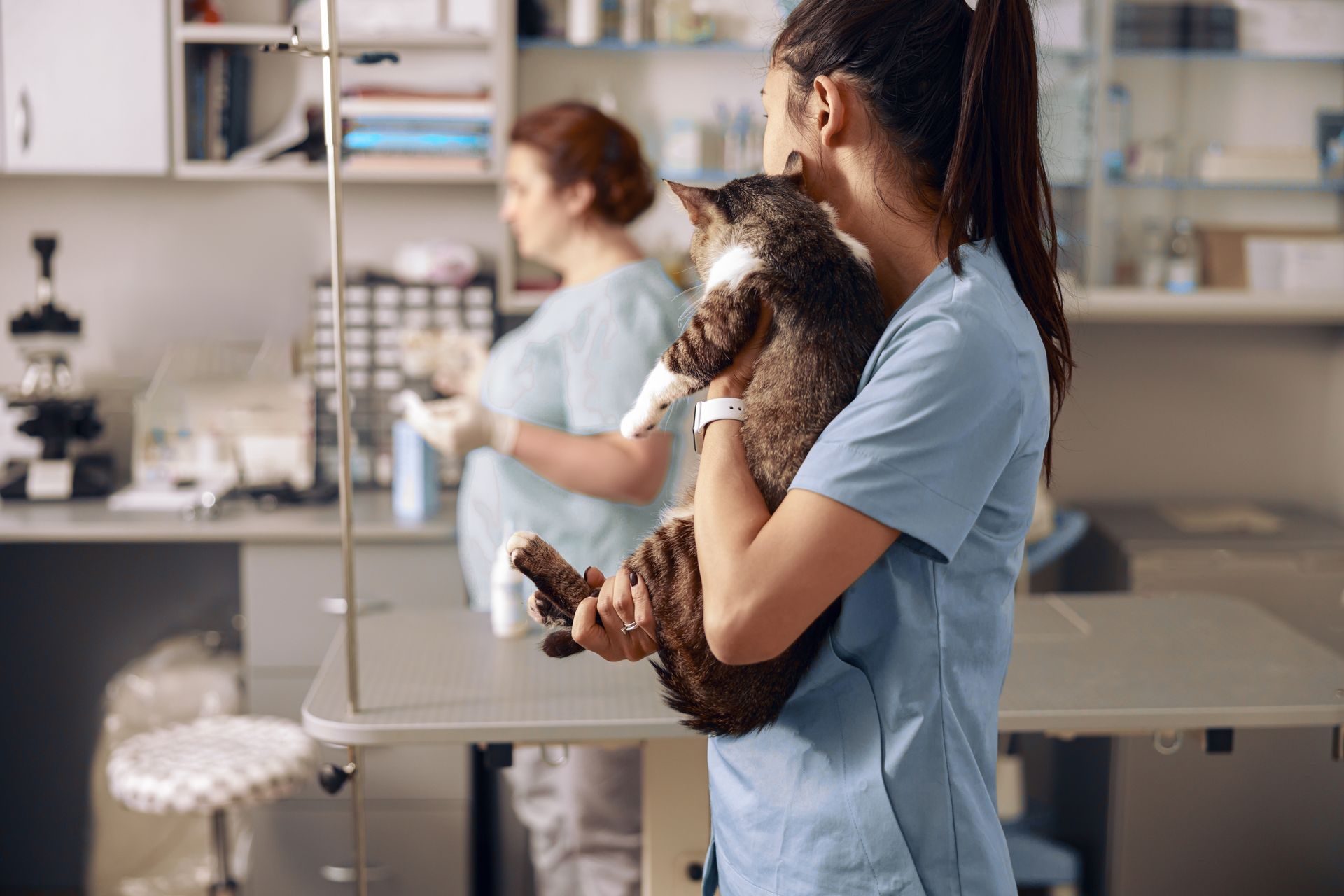
Bundled & cost-effective
Business Owners Policy (BOP)
Bundles property and general liability into one package built for small to mid-sized pet businesses — often the simplest base.
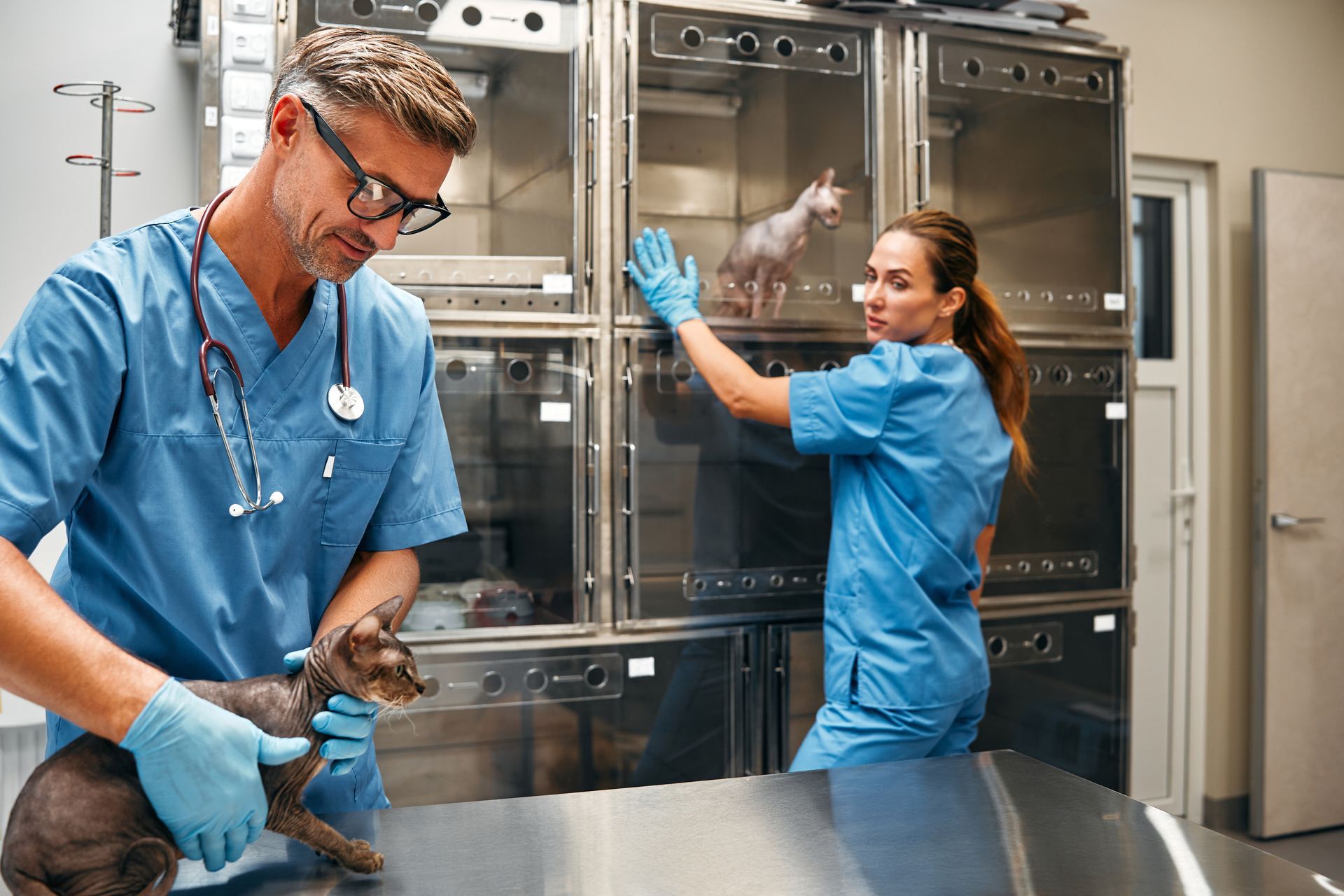
Your building & contents
Commercial Property
Protects your building, build-out, equipment, and inventory against fire, theft, and covered losses — front desk to back room.
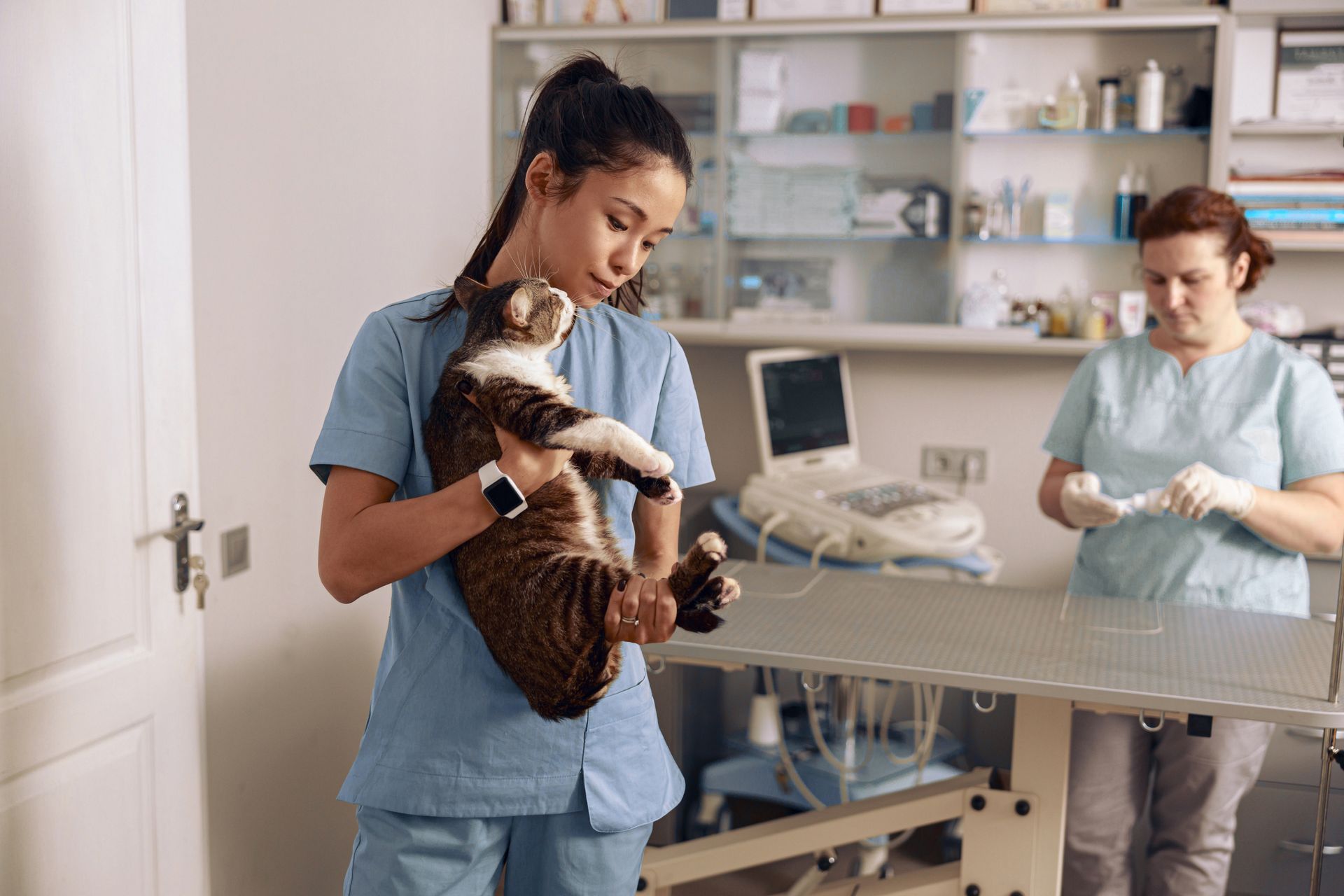
For your team
Workers’ Compensation
Covers medical costs and lost wages when a team member is hurt on the job — required in most states once you have employees.
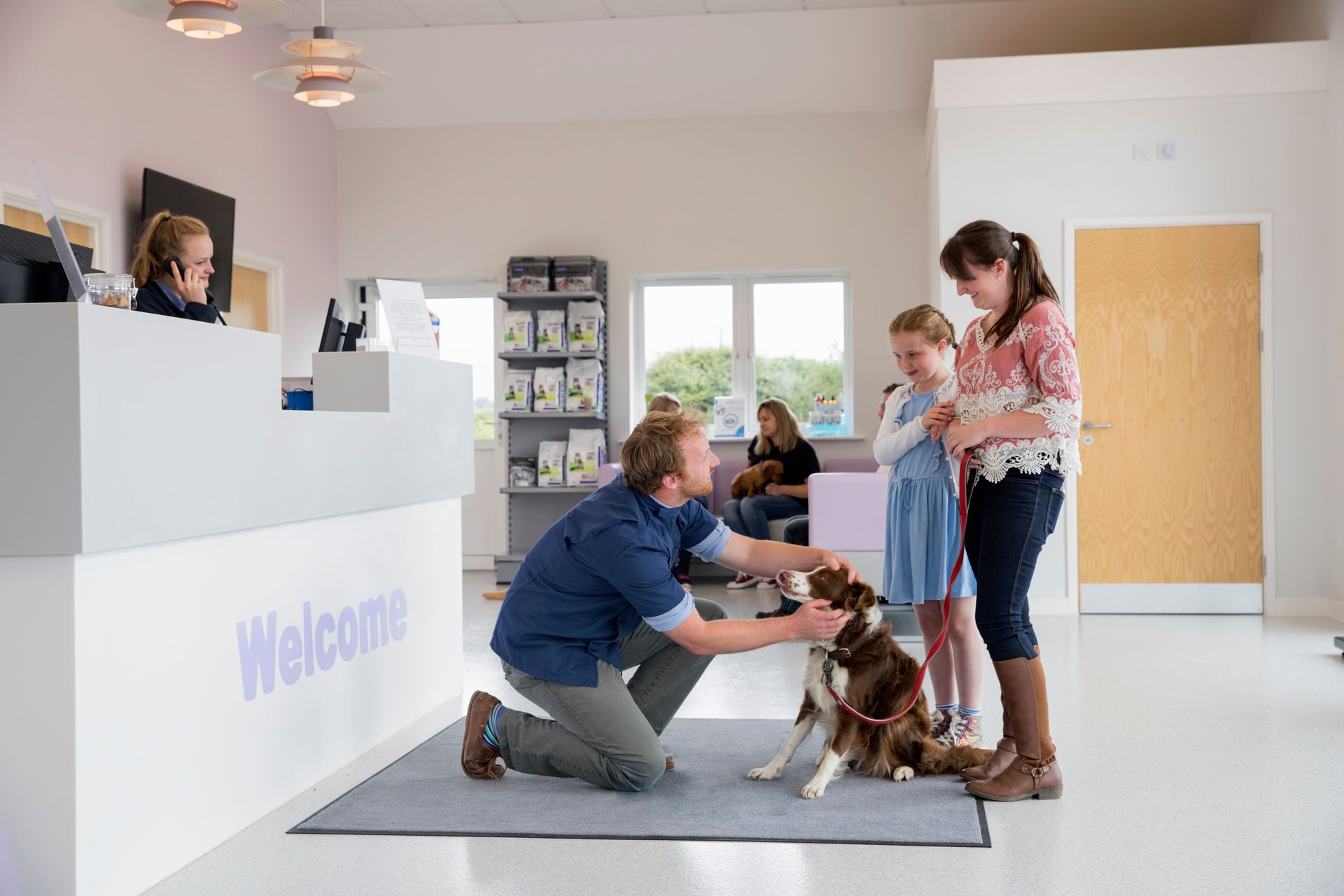
Extra protection
Commercial Umbrella
Adds liability limits above your primary policies for catastrophic claims that exceed standard coverage.
Coverage availability and terms vary by carrier and state. We recommend the right mix for your operation once we talk.
Industries we serve
Built for the businesses that care for animals.
General liability is the baseline for every segment we specialize in. Find the page built for your business.
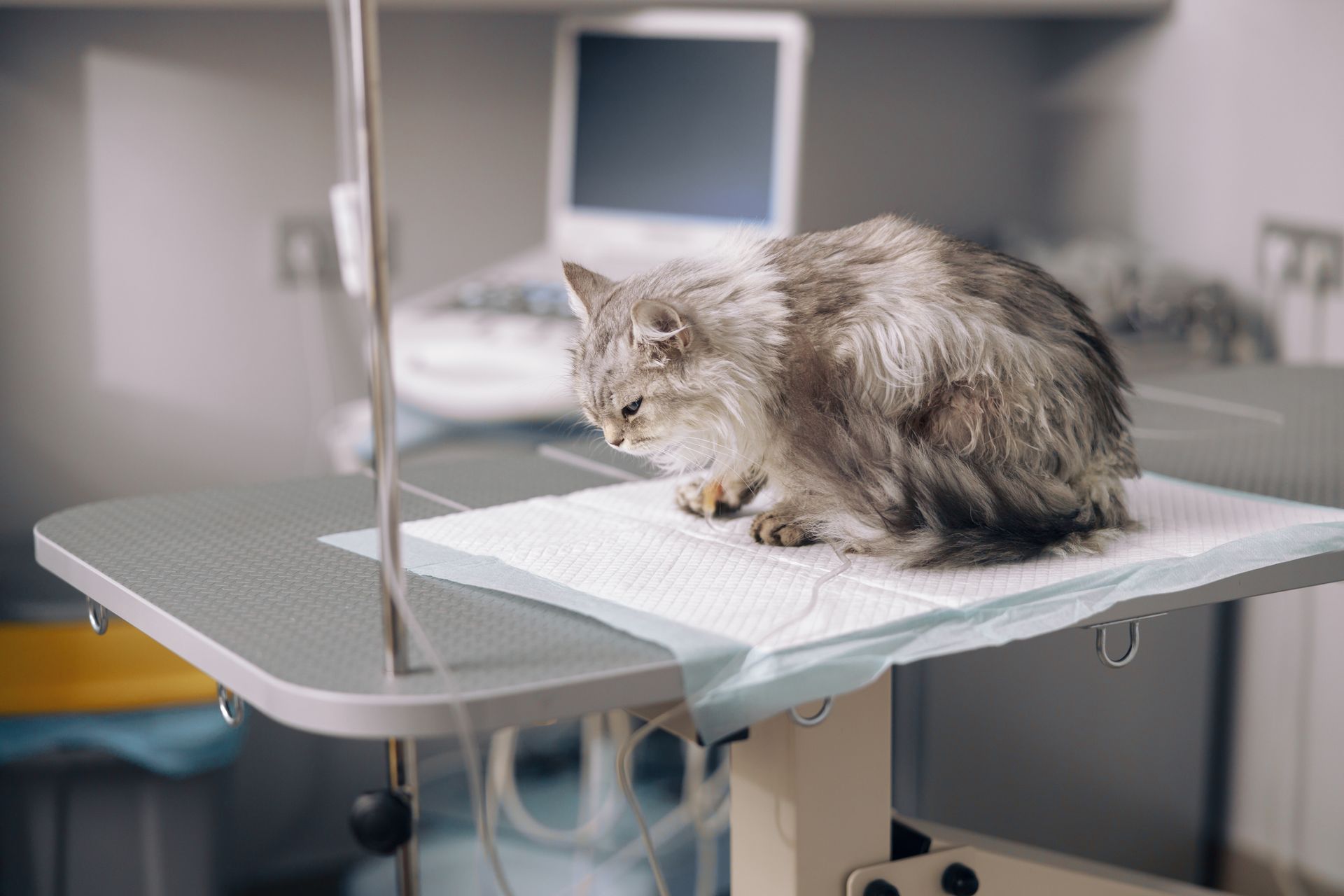
Clinical · high exposure
Veterinarians & Animal Hospitals
Professional and general liability, property, and workers’ comp for clinical operators with high exposure.
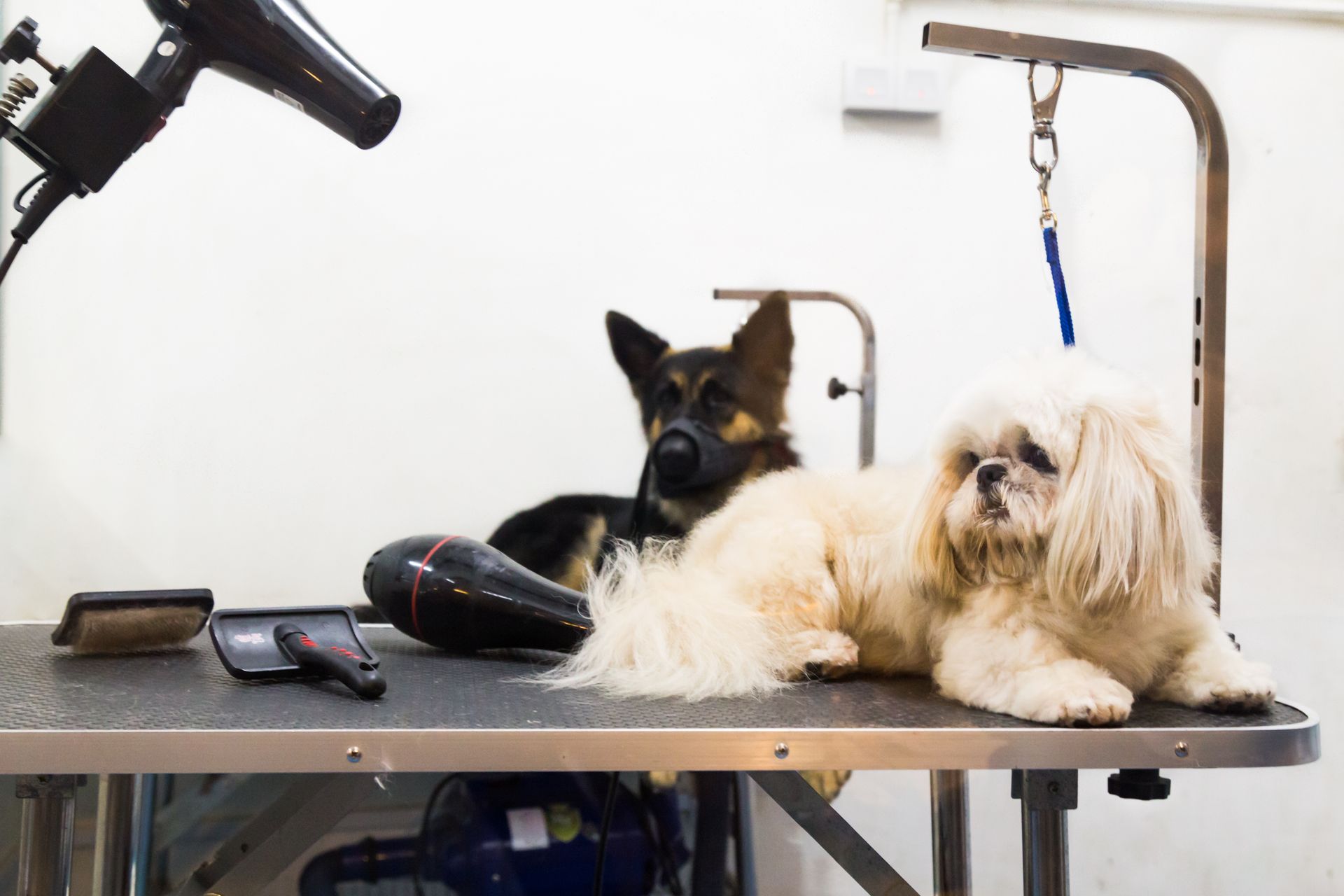
Hands-on · small business
Pet Groomers
Practical protection for animal handling, equipment, and the day-to-day of the grooming table, shop or mobile.

Safety-forward · overnight
Doggy Daycare & Boarding
Coverage matched to facilities responsible for animals overnight and all day long.
Our reviews
Trusted by pet professionals.
See what owners say about working with a specialist who already understands their business.
Frequently asked
Questions pet pros ask us.
What kinds of pet businesses do you insure?
We insure businesses across the animal-care industry — veterinarians and animal hospitals, groomers, doggy daycares and boarding facilities, kennels and trainers, pet sitters and dog walkers, and pet stores. We also cover breeders, equine operations, pet transporters, shelters and rescues, pet photographers, and aquariums or wildlife facilities.
If your work involves caring for, handling, or selling animals, there is a strong chance we cover it. Tell us what you do and we will confirm.
What is care, custody, and control coverage, and why does it matter?
Care, custody, and control coverage protects you when an animal in your charge is injured, becomes ill, or is lost while in your care. Standard general liability policies often exclude this exact exposure, which leaves a serious gap for pet businesses.
For groomers, boarders, sitters, and clinics, this is one of the most important coverages you can carry. We make sure it is in place and sized to your operation.
How is an independent agency different from buying direct from a carrier?
A direct carrier sells you its own single policy. As an independent agency, we shop multiple specialty insurers and compare programs to find the coverage that fits your business and budget.
That means you get options instead of one quote, and an advocate who works for you, not the carrier. We also handle the renewals and claims support over the life of your policy.
How fast can I get a quote?
Most clients get quoted within one business day. Our industry-specific intake forms collect the right details up front, so we can take your information straight to the carriers without a long back-and-forth.
Need it sooner? Call a specialist directly at (346) 738-7297 and we will move quickly.
Which states do you serve?
We are licensed and actively writing coverage in 12 states: Connecticut, Delaware, Georgia, Kentucky, Massachusetts, New Jersey, New York, North Carolina, Pennsylvania, South Carolina, Tennessee, and Virginia.
We continue to add states as we grow. If you operate outside this list, reach out and we will let you know our latest footprint.
From the blog
Coverage notes for pet professionals.
Plain-language risk tips and coverage explainers, written for owners — not insurance pros.
Speak with a specialist
Let's find the right coverage for your business.
No quote bots, no funnel. Talk to a real pet-insurance specialist who already understands your operation — and shops multiple markets on your behalf.
Call us
(346) 738-7297
Toll-free 845-250-5366
Email
service@petindustryins.com
Visit Us
2 Joyce Plaza
Stony Point, NY 10980