Coverage for veterinary practices
Pet Business Workers Compensation Insurance
A groomer gets bitten by an anxious dog and needs stitches. A kennel attendant slips on a freshly mopped floor and fractures a wrist. A daycare worker develops tendinitis from years of lifting large breeds onto tables. These aren't hypothetical scenarios: they're the kinds of injuries that happen in pet-care businesses every week. And without the right insurance in place, a single workplace injury can drain your savings, expose you to lawsuits, and even shut your doors for good. Workers compensation coverage for pet businesses isn't just a legal checkbox: it's a financial safety net for both you and the people who keep your operation running. The pet industry carries unique risks that most general insurance agents don't fully understand, from bite injuries and animal scratches to chemical exposure from grooming products. A 2026 global study found that 87% of groomers have been injured by a dog and 91% have been injured by a cat during their careers, which tells you everything about how physically demanding this work really is. If you employ anyone, even part-time help, understanding how workers comp applies to your pet business isn't optional. Here's what you need to know about coverage, exclusions, and whether your state requires you to carry a policy.
Understanding Workers Compensation for Pet Professionals
Workers compensation insurance exists to cover medical expenses and lost wages when an employee gets hurt on the job. For pet professionals, the definition of "on the job" extends to some situations that might surprise you: a dog walker bitten during a client pickup, a boarding attendant scratched while separating two reactive dogs, or a receptionist who trips over a leash in the lobby. The policy pays regardless of who was at fault, which is the key distinction from other types of liability coverage.
Most states mandate workers comp once you hire your first employee, though the specific thresholds vary. In California, for example, every employer must carry workers compensation from the moment they have even one employee, with no exceptions for small businesses. Other states set the threshold at three, four, or five employees. Because pet-care businesses often start small and grow quickly, owners sometimes cross these thresholds without realizing they're now legally required to have coverage.
How it Protects Employees from Workplace Injuries
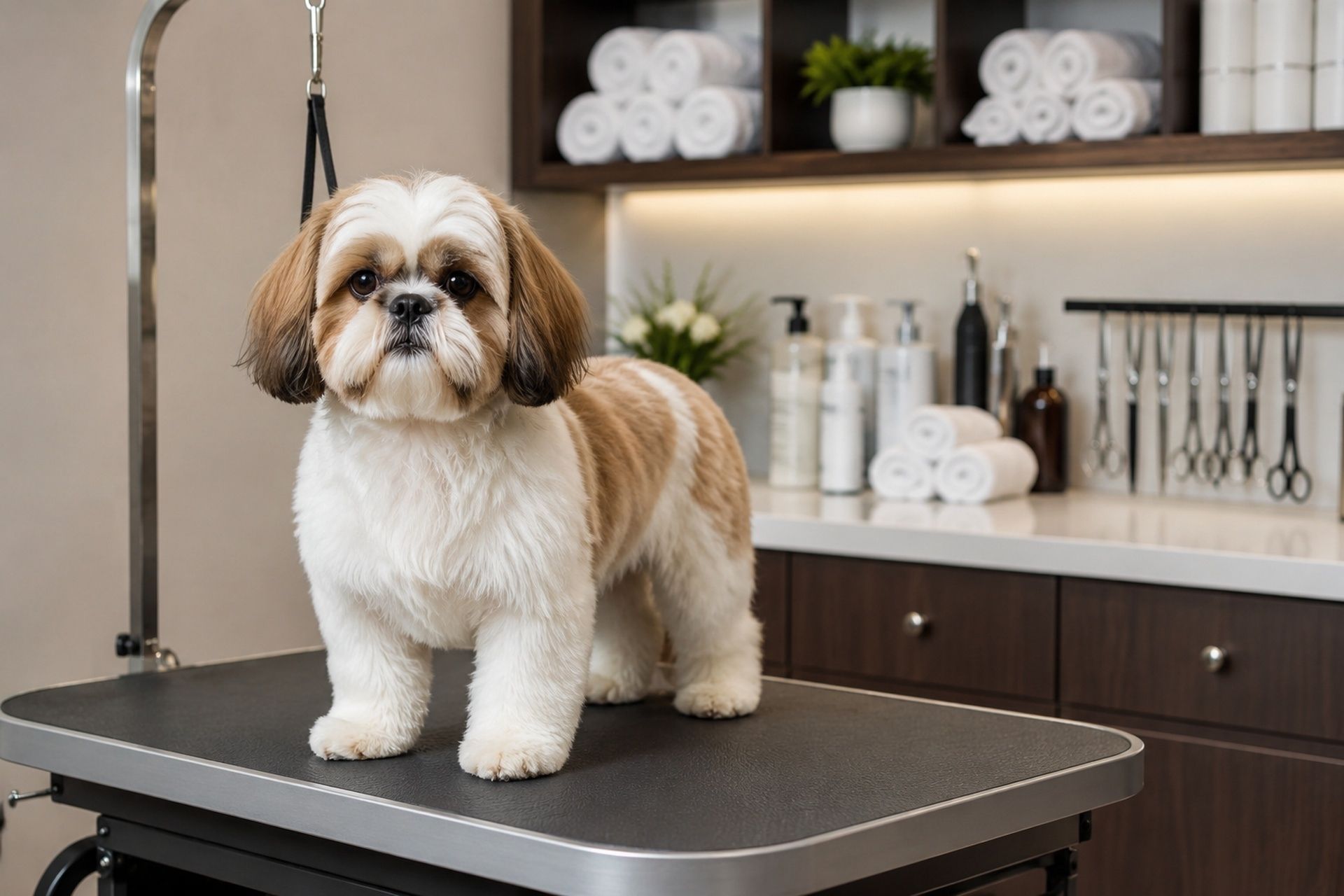
When an employee is injured at your pet business, workers comp kicks in to cover their medical treatment, rehabilitation, and a portion of their lost wages while they recover. This applies to everything from emergency room visits after a serious bite to ongoing physical therapy for repetitive strain injuries. The coverage also extends to occupational illnesses: think respiratory issues from prolonged exposure to grooming sprays or skin conditions from frequent contact with cleaning chemicals.
The real value shows up in severe cases. If a kennel technician suffers a back injury lifting a 100-pound dog and needs surgery, the medical bills alone could reach $50,000 or more. Workers comp handles that, plus partial wage replacement during recovery. Without it, your employee would be left covering those costs out of pocket, or more likely, hiring an attorney and coming after your business directly.
Liability Protection for Business Owners
Here's the part most pet business owners don't think about until it's too late: workers comp doesn't just protect your employees. It protects you. In nearly every state, when an employee accepts workers compensation benefits, they give up the right to sue you for that injury. This is called the "exclusive remedy" provision, and it's one of the most valuable shields a small business owner can have.
Without a policy, an injured employee can file a personal injury lawsuit against you, seeking damages for pain and suffering, emotional distress, and punitive damages on top of their medical bills. A single lawsuit like this can easily exceed $200,000 in legal costs and settlements. That's why agencies like Pet Professional Insurance Agency emphasize getting workers comp in place before you hire your first employee, not after someone gets hurt.
Common Coverage and Exclusions in the Pet Industry
Pet businesses face a specific set of risks that general industries don't, and your workers comp policy reflects that. Understanding what's covered and what isn't helps you avoid expensive surprises when you actually need to file a claim.
What is Covered: Medical Bills and Lost Wages
A standard workers compensation policy for a pet business covers:
- Medical expenses: Emergency care, surgery, prescriptions, physical therapy, and follow-up visits related to a workplace injury
- Wage replacement: Typically 60-70% of the employee's average weekly wage during recovery (the exact percentage varies by state)
- Disability benefits: Payments for temporary or permanent disability if the injury limits the employee's ability to work
- Death benefits: Funeral costs and survivor benefits if a workplace accident results in a fatality
- Rehabilitation: Vocational retraining if an employee can't return to their previous role
For pet businesses specifically, the most common claims involve animal bites and scratches, slips and falls on wet floors, back injuries from lifting animals, and repetitive motion injuries from grooming. The International Grooming Society's health initiative has documented the physical toll that grooming takes on workers' bodies, reinforcing why this coverage matters so much in the pet industry.
What is Excluded: Independent Contractors and Intentional Acts
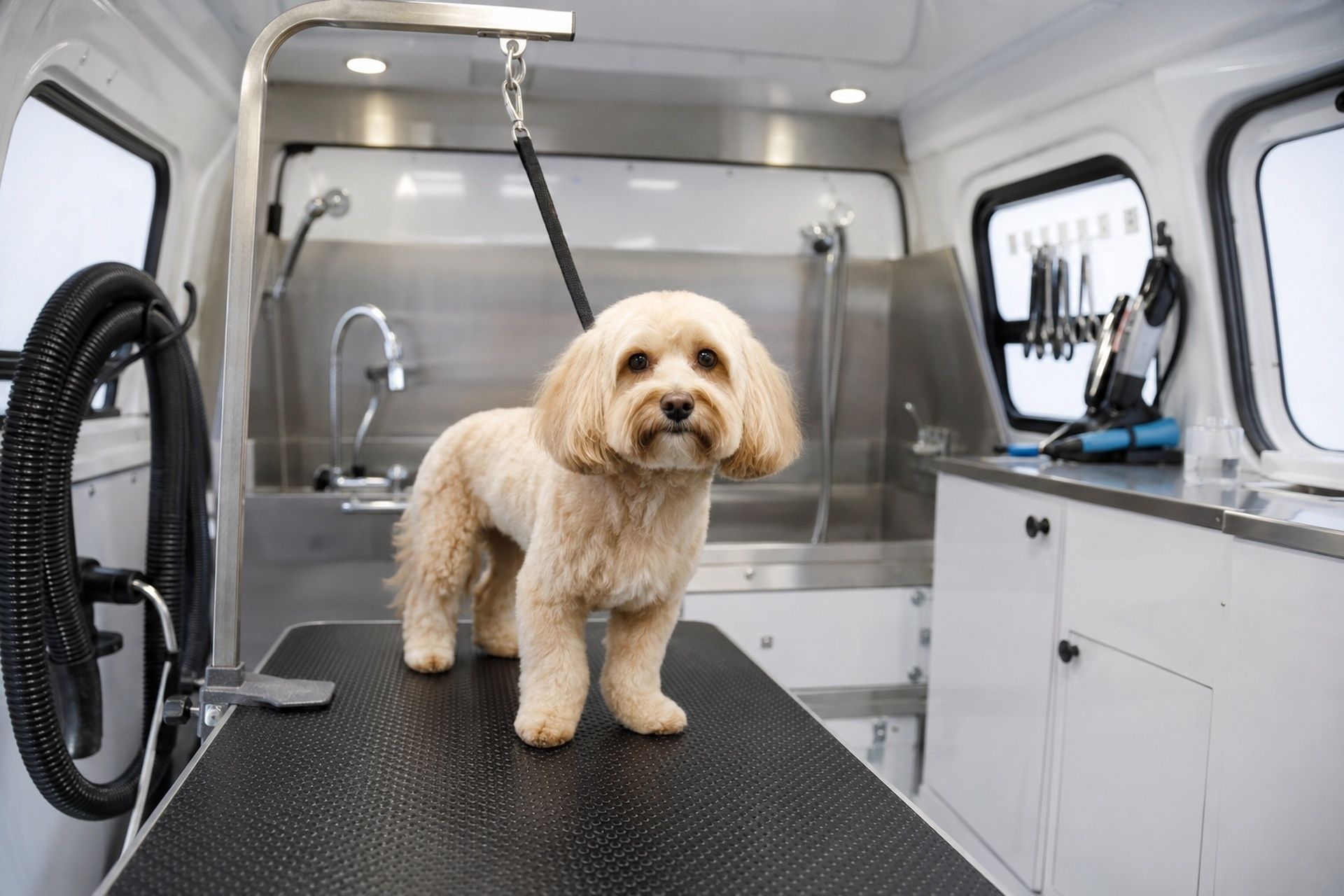
Workers comp has clear boundaries. Independent contractors are not covered under your policy: they're responsible for their own insurance. This distinction matters enormously in the pet industry, where many dog walkers, pet sitters, and mobile groomers operate as 1099 contractors. If you misclassify an employee as a contractor to avoid carrying workers comp, you're exposing yourself to fines, back premiums, and potential lawsuits.
Other common exclusions include injuries caused by an employee's intoxication or drug use, self-inflicted injuries, injuries sustained while committing a crime, and injuries that occur outside the scope of employment. If a groomer gets hurt while running a personal errand during work hours, that claim would likely be denied. The line between "on the clock" and "off the clock" can get blurry, especially for mobile pet sitters who work from client homes. That's one reason working with an agency that understands pet-industry risk, like Pet Professional Insurance Agency, can help you structure your policies and employment agreements correctly.
Which Pet Businesses are Required to Carry Coverage?
The short answer: it depends on your state and how many people you employ. But the practical answer is that almost every pet business with employees should carry workers comp, whether it's legally mandated or not.
Dog Walkers and Pet Sitters with Staff
Solo dog walkers and pet sitters who work alone often don't need workers comp, though they might want to consider it for themselves in states that allow sole proprietors to opt in. The moment you bring on staff, even a part-time helper who walks dogs three afternoons a week, you likely trigger your state's workers comp requirements.
This catches a lot of pet sitters off guard. You might start as a one-person operation, then hire a friend to cover weekend shifts, and suddenly you're an employer with legal obligations. States like California, as mentioned, require coverage starting with employee number one. Others, like Alabama and Mississippi, don't require it until you have five or more employees. Check your state's specific rules, or better yet, talk to an insurance professional who specializes in pet businesses.
Brick-and-Mortar Grooming Salons and Daycares
Grooming salons and doggy daycares almost always need workers comp. These businesses typically employ multiple staff members and involve higher physical risk than many other pet-care operations. Groomers handle sharp tools around unpredictable animals. Daycare attendants manage groups of dogs with varying temperaments. The injury rate in these environments is significantly higher than in a typical retail setting.
If you run a brick-and-mortar facility with W-2 employees, assume you need a policy. Even in states with higher employee thresholds, the risk profile of grooming and daycare work makes going without coverage a gamble that rarely pays off. One serious bite injury could cost more than a decade of premiums.
Note that laws governing workers compensation vary significantly by state and can change. Always consult a qualified attorney or insurance professional for guidance specific to your jurisdiction.
Comparing Workers Compensation vs. General Liability
Pet business owners sometimes confuse workers comp with general liability insurance, or assume that one covers everything. They serve completely different purposes, and most pet businesses need both.
Comparison Table: Coverage Scope and Limits
| Feature | Workers Compensation | General Liability |
|---|---|---|
| Who it protects | Your employees | Third parties (clients, vendors, public) |
| Covers injuries to | Staff hurt on the job | Customers or their pets hurt by your business |
| Covers property damage | No | Yes (third-party property) |
| Legal requirement | Yes, in most states with employees | Not legally required, but often contractually required |
| Bite injury example | Employee bitten by a client's dog | Client's dog bites a visitor at your facility |
| Typical annual cost | $500-$3,000+ depending on payroll and risk | $400-$1,500+ depending on revenue and services |
| Lawsuit protection | Prevents employee lawsuits for covered injuries | Covers defense costs for third-party claims |
The easiest way to remember the difference: workers comp covers your team, general liability covers everyone else. A grooming salon needs both because a groomer could get bitten (workers comp) and a client could slip on a wet floor in your lobby (general liability).
Frequently Asked Questions About Pet Business Insurance
Commonly Searched Insurance Queries
Do I need workers comp if I only have one part-time employee? In many states, yes. States like California require coverage starting with your very first employee, regardless of hours worked. Check your state's specific threshold before assuming you're exempt.
Can I add myself to my workers comp policy as a business owner? Most states allow sole proprietors, partners, and LLC members to elect coverage for themselves. It's often worth doing if you're hands-on with animals daily, since your personal health insurance may not cover work-related injuries.
How much does workers comp cost for a pet business? Premiums are based on your total payroll, the type of work your employees do, and your claims history. A small grooming salon with two employees might pay $1,200 to $2,500 annually, while a large boarding facility could pay significantly more.
What happens if I don't carry workers comp and an employee gets hurt? You could face state fines, criminal penalties in some jurisdictions, and personal liability for all medical costs and lost wages. The employee can also sue you directly since the exclusive remedy protection only applies when you have a valid policy.
Does workers comp cover volunteers at my rescue or shelter? This varies by state. Some states require coverage for volunteers, others exclude them entirely, and a few leave it optional. If you run a rescue with regular volunteers, ask your agent about this specifically.
Are dog bite injuries the most common workers comp claim in pet businesses? Bites and scratches are among the most frequent claims, but back injuries, slips and falls, and repetitive strain injuries are also extremely common, especially in grooming and boarding environments.
Making the Right Choice for Your Team
Workers compensation coverage for pet businesses isn't something you figure out later. The time to get it right is before your first employee clocks in, not after someone ends up in urgent care with a dog bite that needs twelve stitches. The risks in this industry are real, specific, and well-documented.
Start by confirming your state's requirements. Then look at your actual operations: how many employees you have, what tasks they perform, and how much animal contact is involved. A mobile pet sitter with one helper has different needs than a 10-person boarding facility, and your policy should reflect that.
Index
Pet Professional Insurance Agency is fully licensed and permitted to provide commercial insurance solutions for pet businesses across 12 states.
We proudly serve pet professionals throughout the Northeast, Mid-Atlantic, and Southeast. Powered by Joyce Insurance Agency, our team works with leading specialty carriers — including The Hartford, USLI, Nautilus, and Northland — to make sure veterinarians, groomers, boarding facilities, and pet-care businesses receive coverage that fits their real risks in Connecticut, Delaware, Georgia, Kentucky, Massachusetts, New Jersey, New York, North Carolina, Pennsylvania, South Carolina, Tennessee, and Virginia.
About the author
Barnaby Joyce
Founder, Pet Professional Insurance Agency · Licensed Insurance Producer
I started Pet Professional Insurance Agency because I watched pet businesses get handed generic policies that never fit. After years of placing coverage for veterinary practices, grooming salons, doggy daycares, and kennels through a generalist agency, I saw the same gaps over and over — and the same blank stares when an owner tried to explain care, custody, and control to an agent who had never insured an animal in their life.
So I built an agency that does one thing. I work directly with specialty carriers who actually want pet-industry risk, and I sit down with every client personally. You will not get a call center or a chatbot. You will get someone who already speaks your language and shops the market on your behalf. That is the whole idea.
Recommended coverages
Coverages that pair with general liability.
Most pet businesses build on general liability with the lines below. Explore each — every page cross-links to the
industries we serve.
Services & advice
Professional Liability / E&O
Covers claims tied to your professional services and advice — clinical care, training guidance, and the judgment calls you make daily.
The pet-industry gap
Care, Custody & Control
Covers the animals in your charge against injury, illness, or loss — the critical exposure standard liability policies leave out.
Bundled & cost-effective
Business Owners Policy (BOP)
Bundles property and general liability into one package built for small to mid-sized pet businesses — often the simplest base.
Your building & contents
Commercial Property
Protects your building, build-out, equipment, and inventory against fire, theft, and covered losses — front desk to back room.
For your team
Workers’ Compensation
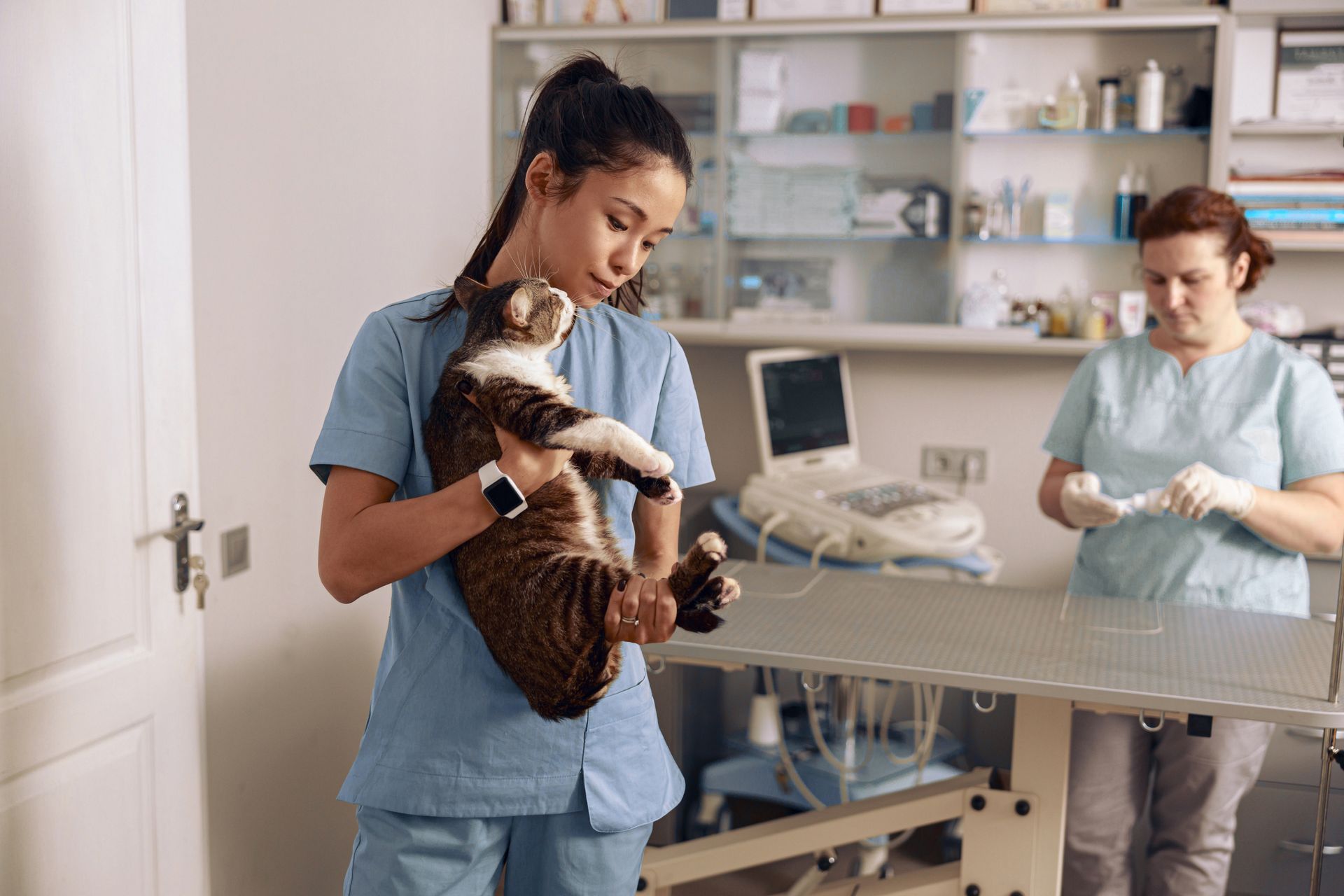
Covers medical costs and lost wages when a team member is hurt on the job — required in most states once you have employees.
Extra protection
Commercial Umbrella
Adds liability limits above your primary policies for catastrophic claims that exceed standard coverage.
Coverage availability and terms vary by carrier and state. We recommend the right mix for your operation once we talk.
Industries we serve
Built for the businesses that care for animals.
General liability is the baseline for every segment we specialize in. Find the page built for your business.
Clinical · high exposure
Veterinarians & Animal Hospitals
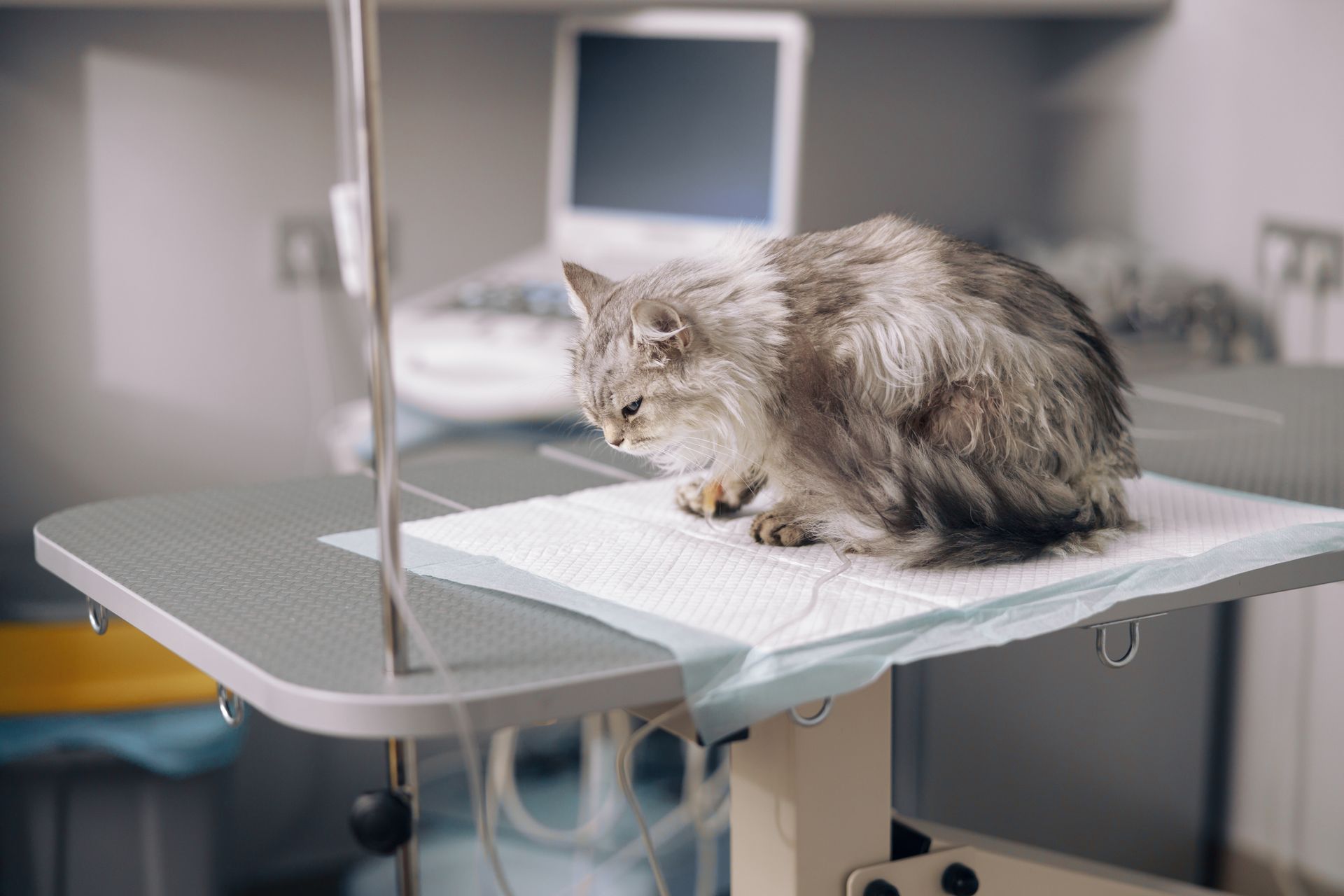
Professional and general liability, property, and workers’ comp for clinical operators with high exposure.
Hands-on · small business
Pet Groomers
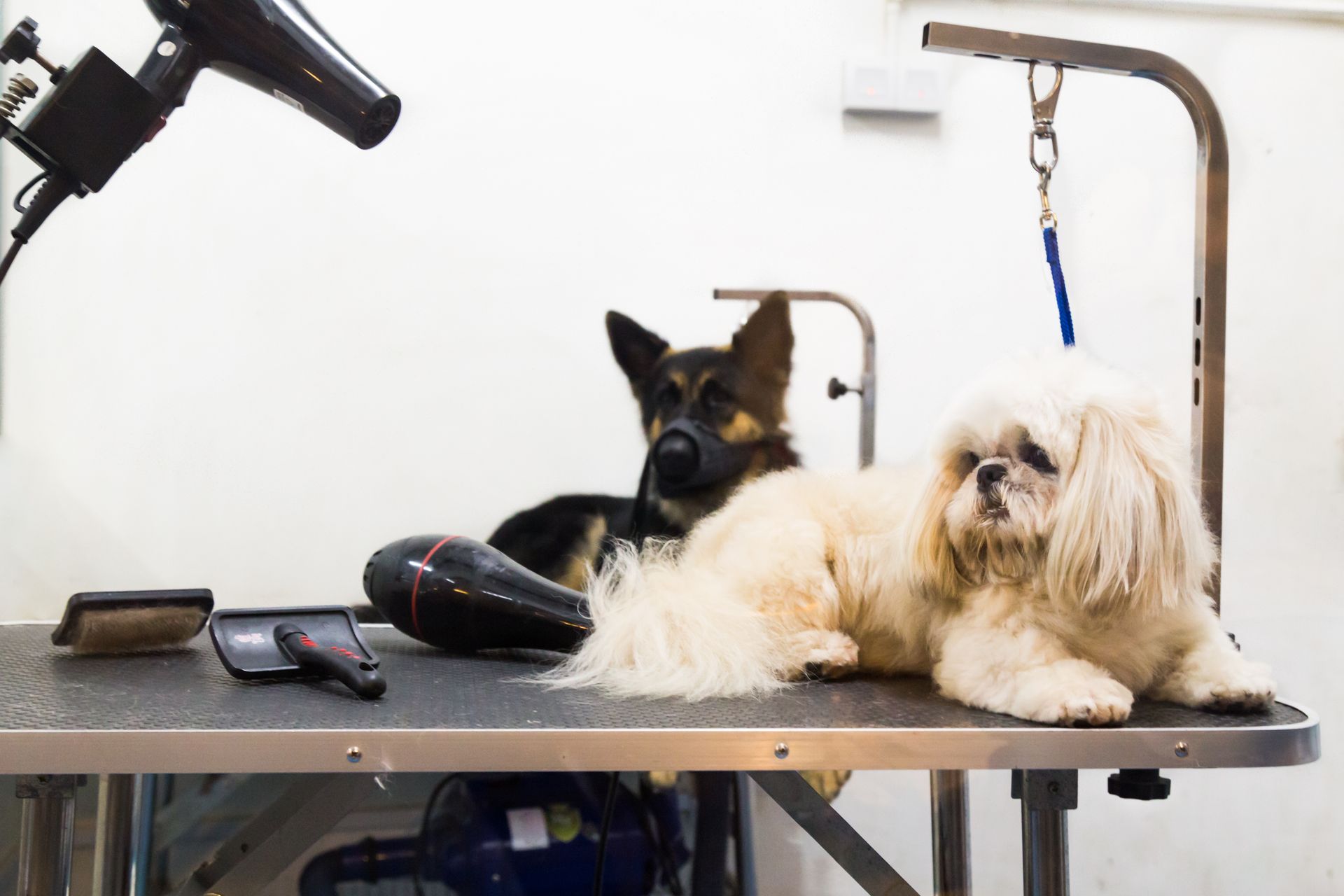
Practical protection for animal handling, equipment, and the day-to-day of the grooming table, shop or mobile.

Safety-forward · overnight
Doggy Daycare & Boarding
Coverage matched to facilities responsible for animals overnight and all day long.
Our reviews
Trusted by pet professionals.
See what owners say about working with a specialist who already understands their business.
Frequently asked
Questions pet pros ask us.
What kinds of pet businesses do you insure?
We insure businesses across the animal-care industry — veterinarians and animal hospitals, groomers, doggy daycares and boarding facilities, kennels and trainers, pet sitters and dog walkers, and pet stores. We also cover breeders, equine operations, pet transporters, shelters and rescues, pet photographers, and aquariums or wildlife facilities.
If your work involves caring for, handling, or selling animals, there is a strong chance we cover it. Tell us what you do and we will confirm.
What is care, custody, and control coverage, and why does it matter?
Care, custody, and control coverage protects you when an animal in your charge is injured, becomes ill, or is lost while in your care. Standard general liability policies often exclude this exact exposure, which leaves a serious gap for pet businesses.
For groomers, boarders, sitters, and clinics, this is one of the most important coverages you can carry. We make sure it is in place and sized to your operation.
How is an independent agency different from buying direct from a carrier?
A direct carrier sells you its own single policy. As an independent agency, we shop multiple specialty insurers and compare programs to find the coverage that fits your business and budget.
That means you get options instead of one quote, and an advocate who works for you, not the carrier. We also handle the renewals and claims support over the life of your policy.
How fast can I get a quote?
Most clients get quoted within one business day. Our industry-specific intake forms collect the right details up front, so we can take your information straight to the carriers without a long back-and-forth.
Need it sooner? Call a specialist directly at (346) 738-7297 and we will move quickly.
Which states do you serve?
We are licensed and actively writing coverage in 12 states: Connecticut, Delaware, Georgia, Kentucky, Massachusetts, New Jersey, New York, North Carolina, Pennsylvania, South Carolina, Tennessee, and Virginia.
We continue to add states as we grow. If you operate outside this list, reach out and we will let you know our latest footprint.
From the blog
Coverage notes for pet professionals.
Plain-language risk tips and coverage explainers, written for owners — not insurance pros.

Speak with a specialist
Let's find the right coverage for your business.
No quote bots, no funnel. Talk to a real pet-insurance specialist who already understands your operation — and shops multiple markets on your behalf.
Call us
(346) 738-7297
Toll-free 845-250-5366
Email
service@petindustryins.com
Visit Us
8 Joyce Plaza
Stony Point, NY 10980