Coverage for veterinary practices
Brooklyn, NY Veterinarian Insurance
Running a veterinary practice in Brooklyn means dealing with sky-high commercial rents, a dense urban client base, and a regulatory environment that's stricter than most states. Whether you operate a small companion-animal clinic on Atlantic Avenue or a multi-vet specialty hospital near Prospect Park, your insurance needs are shaped by New York-specific mandates and the realities of practicing in one of the most expensive boroughs in the country. Veterinary clinic revenues rose 2.5% in 2025 while actual patient visits declined by 3%, a trend that puts real financial pressure on Brooklyn practices trying to maintain margins. That tension between rising costs and shrinking visit volume makes the right insurance coverage more than a checkbox: it's a financial safety net. This guide breaks down the coverage Brooklyn veterinarians actually need, what New York law requires, and what practices in the five boroughs are paying right now.
Essential Insurance Coverage for Brooklyn Veterinary Clinics
Most Brooklyn vets know they need some form of liability coverage, but the specifics matter more than people realize. A general liability policy alone won't protect you from a malpractice claim, and a professional liability policy won't cover a client who slips on your freshly mopped lobby floor. Each coverage type addresses a distinct risk, and skipping any one of them can leave a painful gap.
The urban density of Brooklyn creates unique exposures. You're seeing more clients per square foot, handling animals in close quarters, and often sharing building infrastructure with other tenants. A water leak from your surgical suite that damages the bakery downstairs? That's a commercial liability claim waiting to happen.
Professional Liability vs. General Liability
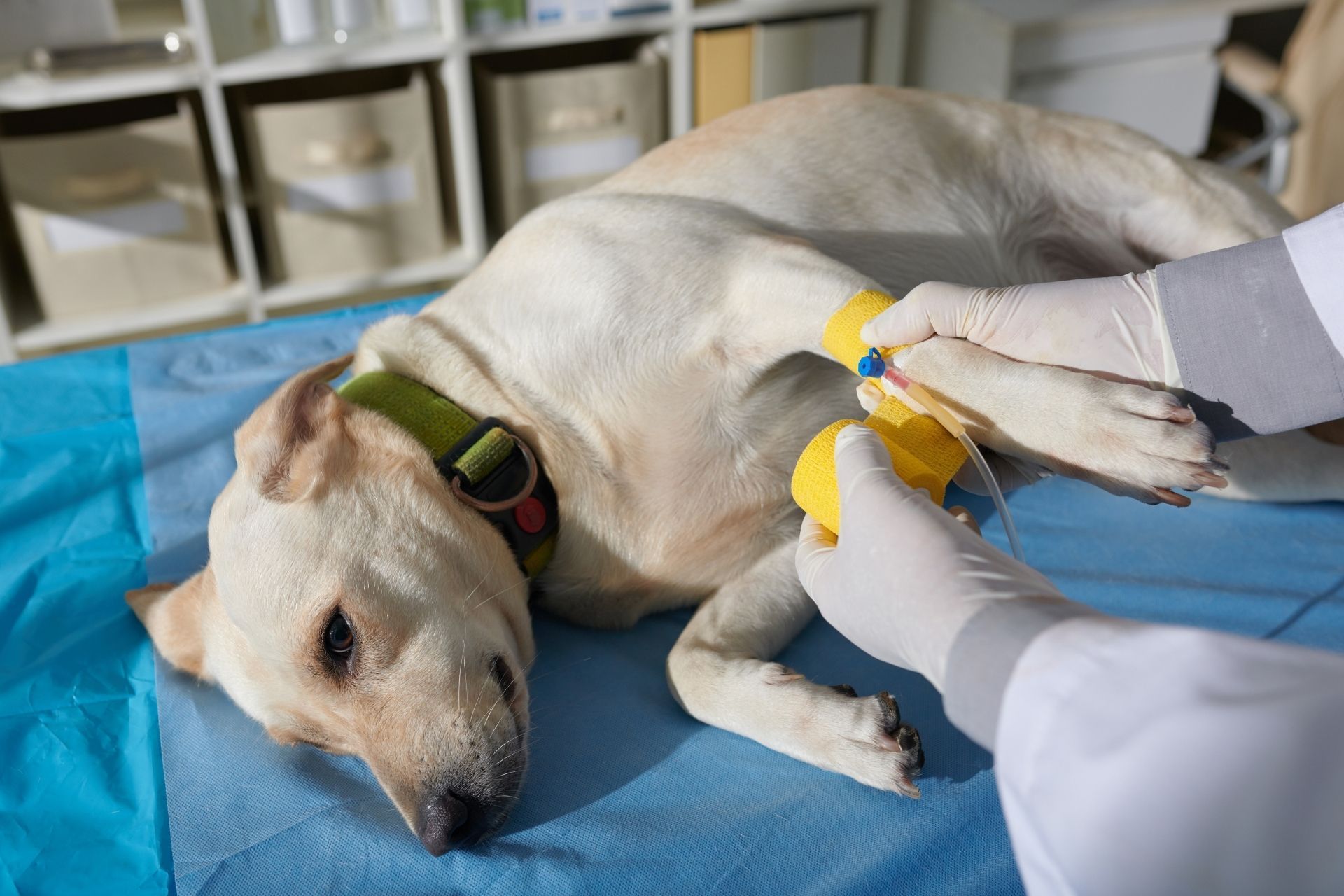
Professional liability, sometimes called malpractice or errors-and-omissions coverage, protects you when a client alleges that your medical judgment caused harm to their animal. Think surgical complications, misdiagnosis, or adverse drug reactions. These claims can be expensive to defend even when you did nothing wrong.
General liability covers the other side of the coin: bodily injury or property damage that happens on your premises or because of your business operations. A dog escaping your clinic and biting a pedestrian on Flatbush Avenue, a client tripping over equipment in your waiting room, or damage to a neighboring tenant's property all fall here.
Here's a common mistake: assuming one policy covers both. They don't. A Brooklyn vet who carries only general liability is fully exposed to malpractice claims, and vice versa. You need both, and they should be structured to work together without coverage overlaps or gaps.
Animal Bailee and Veterinary License Defense
Animal bailee coverage is something many vets overlook until they need it. This protects you when animals in your care, custody, or control are injured, escape, or die from causes unrelated to your medical treatment. If a dog chews through a kennel latch overnight and gets hurt, or if a fire damages your boarding area, bailee coverage responds.
License defense coverage pays for legal representation if a complaint is filed against your veterinary license with the New York State Education Department. New York has been considering expanded oversight of veterinary practices, which could increase the frequency of regulatory actions. Even a frivolous complaint requires a formal response, and hiring an attorney experienced in professional licensing matters isn't optional: it's essential.
Commercial Property and Business Interruption
Brooklyn commercial real estate carries some of the highest per-square-foot costs in the country, and your property insurance needs to reflect that reality. Commercial property coverage protects your building (if you own it), your medical equipment, inventory, furniture, and tenant improvements you've made to a leased space.
Business interruption insurance picks up where property coverage stops. If a burst pipe or electrical fire forces you to close for three weeks, this coverage replaces your lost income and covers ongoing fixed expenses like rent, loan payments, and staff salaries. For a Brooklyn practice paying $15,000 or more per month in rent alone, even a short closure without this coverage could be financially devastating.
New York State Legal Requirements for Pet Care Facilities
New York doesn't mess around with employer mandates. The state requires several coverages that many other states treat as optional, and the penalties for non-compliance are steep. If you have even one employee, including part-time veterinary technicians or kennel assistants, you need to know these rules cold.
Workers' Compensation and Disability Insurance
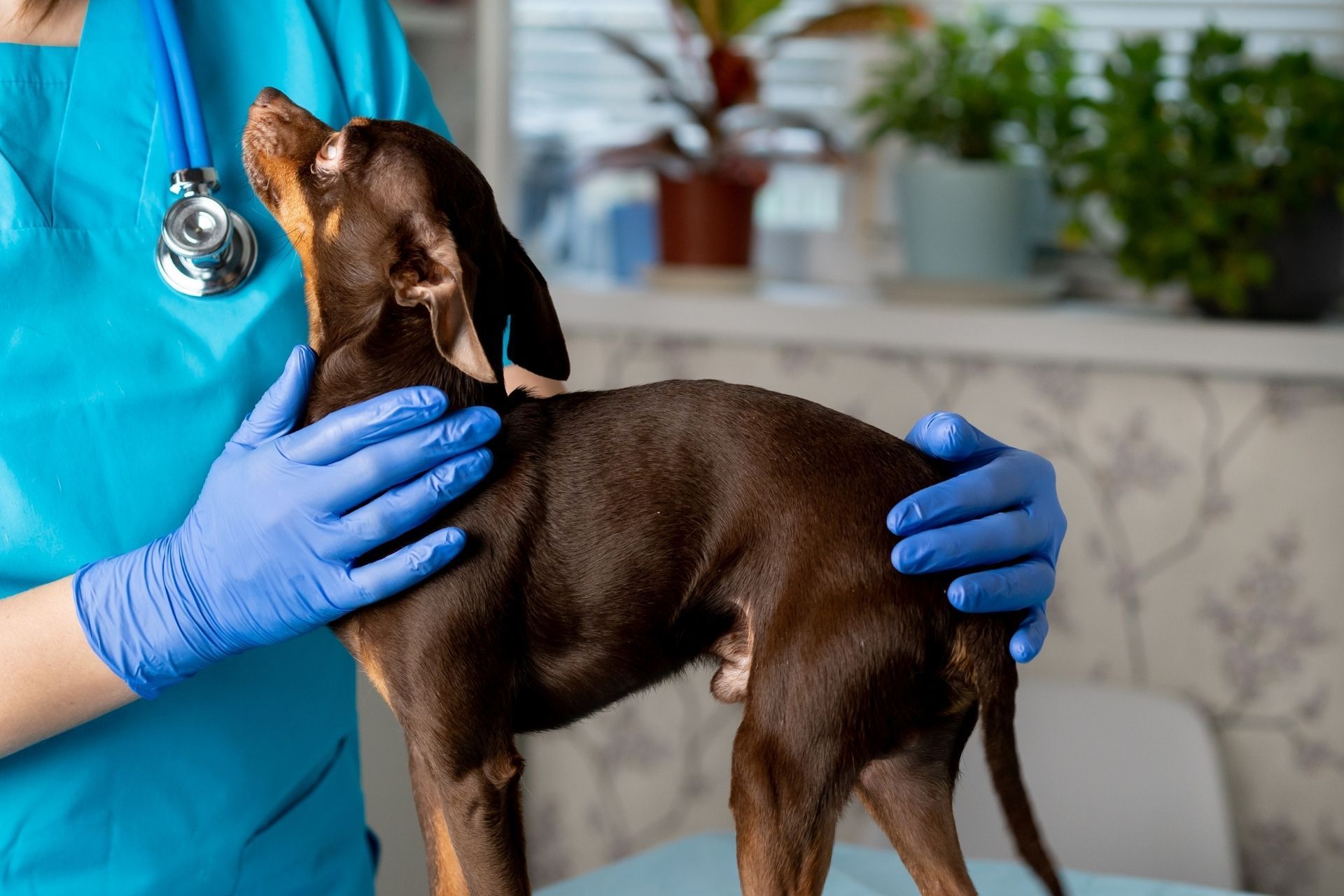
New York requires workers' compensation insurance for virtually all employers, with almost no exceptions for small businesses. If you have one W-2 employee, you need a policy. This covers medical bills and lost wages when an employee is injured on the job: think dog bites, needle sticks, lifting injuries, or slips on wet floors.
New York also mandates statutory disability benefits insurance (DBL), which provides partial wage replacement for employees who become disabled due to off-the-job injuries or illnesses, including pregnancy. The state sets minimum benefit levels, and employers must carry a compliant policy. Failure to maintain either workers' comp or DBL can result in fines of up to $2,000 per 10-day period of non-compliance, and the business owner becomes personally liable for any claims during the lapse.
Pet Professional Insurance Agency works with Brooklyn veterinary practices to ensure these mandatory coverages are in place and properly structured. Because they specialize in pet-industry businesses, their intake process is tailored to the specific risks vets face, which means fewer coverage gaps from day one.
NY Paid Family Leave Compliance
Since 2018, New York has required employers to provide Paid Family Leave (PFL) benefits, and the program has expanded significantly. In 2026, eligible employees can take up to 12 weeks of paid leave to bond with a new child, care for a family member with a serious health condition, or address needs related to a family member's military deployment.
PFL is funded through employee payroll deductions, but the employer is responsible for obtaining the coverage, typically as a rider on the DBL policy. Missing this requirement doesn't just expose you to fines: it can create real problems with employee retention in a tight Brooklyn labor market where qualified vet techs have plenty of options.
Cost Breakdown: What Brooklyn Veterinarians Pay for Insurance
Insurance costs for Brooklyn veterinary practices vary widely based on clinic size, services offered, revenue, and claims history. But there are some reliable benchmarks that can help you budget.
A solo-practitioner companion-animal clinic with one or two support staff typically pays between $3,500 and $6,000 annually for a combined general and professional liability package. Workers' comp adds another $2,000 to $5,000 depending on payroll size. Commercial property and business interruption coverage in Brooklyn runs higher than the national average due to property values, often landing between $2,500 and $7,000 per year.
Comparison Chart: Standard vs. Comprehensive Policy Costs
| Coverage Type | Standard Policy (Annual) | Comprehensive Policy (Annual) |
|---|---|---|
| General Liability (1M/2M) | $800 - $1,500 | $1,200 - $2,200 |
| Professional Liability | $1,500 - $3,000 | $2,500 - $5,000 |
| Commercial Property | $1,500 - $3,500 | $3,000 - $7,000 |
| Business Interruption | $500 - $1,200 | $1,000 - $2,500 |
| Animal Bailee | $400 - $800 | $800 - $1,500 |
| Workers' Comp (3-5 employees) | $2,000 - $4,000 | $3,500 - $6,500 |
| Estimated Total | $6,700 - $14,000 | $12,000 - $24,700 |
These ranges reflect 2026 Brooklyn market conditions. Comprehensive policies typically include higher limits, lower deductibles, and broader coverage triggers.
Factors Influencing Premiums in the Five Boroughs
Several Brooklyn-specific factors push premiums higher than national averages:
- Property values and replacement costs are significantly elevated in urban Brooklyn, directly affecting property and business interruption premiums.
- Higher foot traffic in storefront clinics increases slip-and-fall exposure.
- Practices offering surgical services, boarding, or emergency care pay more than exam-only clinics.
- Claims history is the single biggest premium driver: one significant malpractice claim can increase professional liability costs by 30% or more at renewal.
- Multi-vet practices with larger payrolls naturally carry higher workers' comp premiums.
Working with a specialty agency like Pet Professional Insurance Agency can help you access multiple markets simultaneously, which often produces more competitive pricing than going to a single carrier. Their agents understand veterinary-specific risk profiles, so you're less likely to end up over-insured on risks that don't apply to your practice or under-insured on the ones that do.
Common Questions About Local Veterinary Insurance
Frequently Asked Questions
Does my landlord's insurance cover my veterinary equipment? No. Your landlord's policy covers the building structure, not your contents. You need your own commercial property policy for medical equipment, inventory, and any improvements you've made to the space.
Can I bundle general liability and professional liability into one policy? Yes, many specialty markets offer a Business Owner's Policy (BOP) that combines general liability with property coverage, and professional liability can often be added as an endorsement or paired policy. Bundling usually saves 10-15% compared to purchasing each separately.
How quickly can I get coverage if I'm opening a new practice? Most specialty pet-industry insurers can bind coverage within a few days of receiving a completed application. Pet Professional Insurance Agency typically responds within 24-48 hours, which matters when you're coordinating a lease signing or build-out timeline.
Do I need separate coverage for telemedicine consultations? If you're offering telehealth services to Brooklyn clients, your professional liability policy should explicitly cover virtual consultations. Not all policies do, so check the language or ask your agent to confirm.
What happens if an employee is bitten by a patient? That's a workers' compensation claim. The employee's medical bills and lost wages would be covered under your workers' comp policy, not your general liability.
Is veterinary license defense included in professional liability? Sometimes, but not always. Some professional liability policies include a sub-limit for license defense, while others require a separate endorsement. Given New York's regulatory environment, make sure this coverage is explicitly included.
Making the Right Choice for Your Practice
Veterinarian insurance in Brooklyn isn't a one-size-fits-all purchase. A small wellness clinic in Williamsburg has different risk exposures than a 24-hour emergency hospital in Downtown Brooklyn, and your coverage should reflect those differences. The mandatory New York requirements for workers' comp, disability, and paid family leave create a baseline, but the real protection comes from building a policy package that addresses your specific services, location, and staff size.
Get your coverage reviewed annually, not just at renewal. If you've added boarding services, hired new staff, or invested in expensive imaging equipment, your existing policy may already be inadequate. The cost of being underinsured always exceeds the cost of proper coverage.
If you're unsure where your gaps are, reach out to a specialty agency that understands veterinary risks. A 15-minute conversation with someone who knows the difference between animal bailee and care-custody-control coverage can save you thousands in uncovered claims down the road.
Index
Pet Professional Insurance Agency is fully licensed and permitted to provide commercial insurance solutions for pet businesses across 12 states.
We proudly serve pet professionals throughout the Northeast, Mid-Atlantic, and Southeast. Powered by Joyce Insurance Agency, our team works with leading specialty carriers — including The Hartford, USLI, Nautilus, and Northland — to make sure veterinarians, groomers, boarding facilities, and pet-care businesses receive coverage that fits their real risks in Connecticut, Delaware, Georgia, Kentucky, Massachusetts, New Jersey, New York, North Carolina, Pennsylvania, South Carolina, Tennessee, and Virginia.
About the author
Barnaby Joyce
Founder, Pet Professional Insurance Agency · Licensed Insurance Producer
I started Pet Professional Insurance Agency because I watched pet businesses get handed generic policies that never fit. After years of placing coverage for veterinary practices, grooming salons, doggy daycares, and kennels through a generalist agency, I saw the same gaps over and over — and the same blank stares when an owner tried to explain care, custody, and control to an agent who had never insured an animal in their life.
So I built an agency that does one thing. I work directly with specialty carriers who actually want pet-industry risk, and I sit down with every client personally. You will not get a call center or a chatbot. You will get someone who already speaks your language and shops the market on your behalf. That is the whole idea.
Recommended coverages
Coverages that pair with general liability.
Most pet businesses build on general liability with the lines below. Explore each — every page cross-links to the
industries we serve.
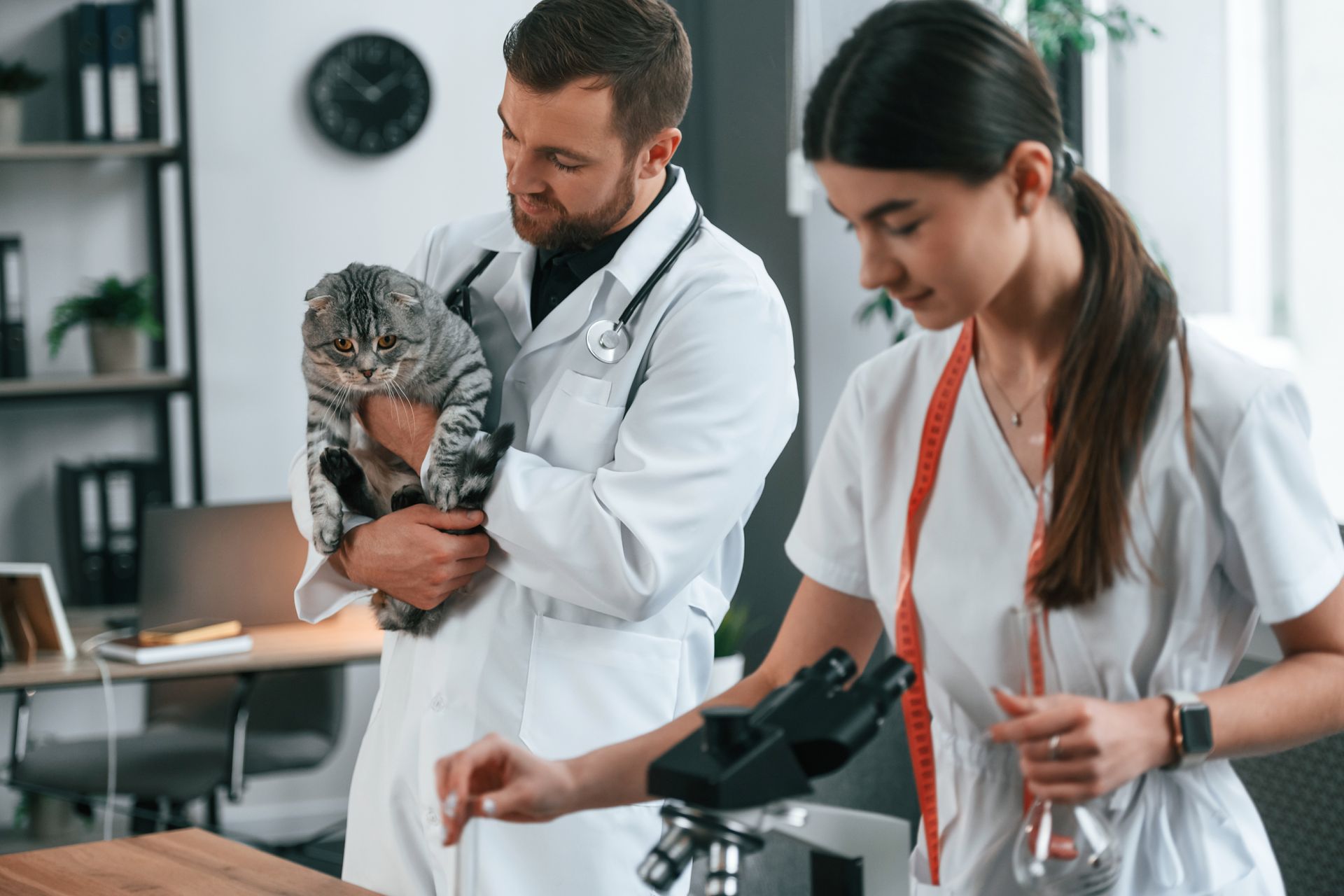
Services & advice
Professional Liability / E&O
Covers claims tied to your professional services and advice — clinical care, training guidance, and the judgment calls you make daily.
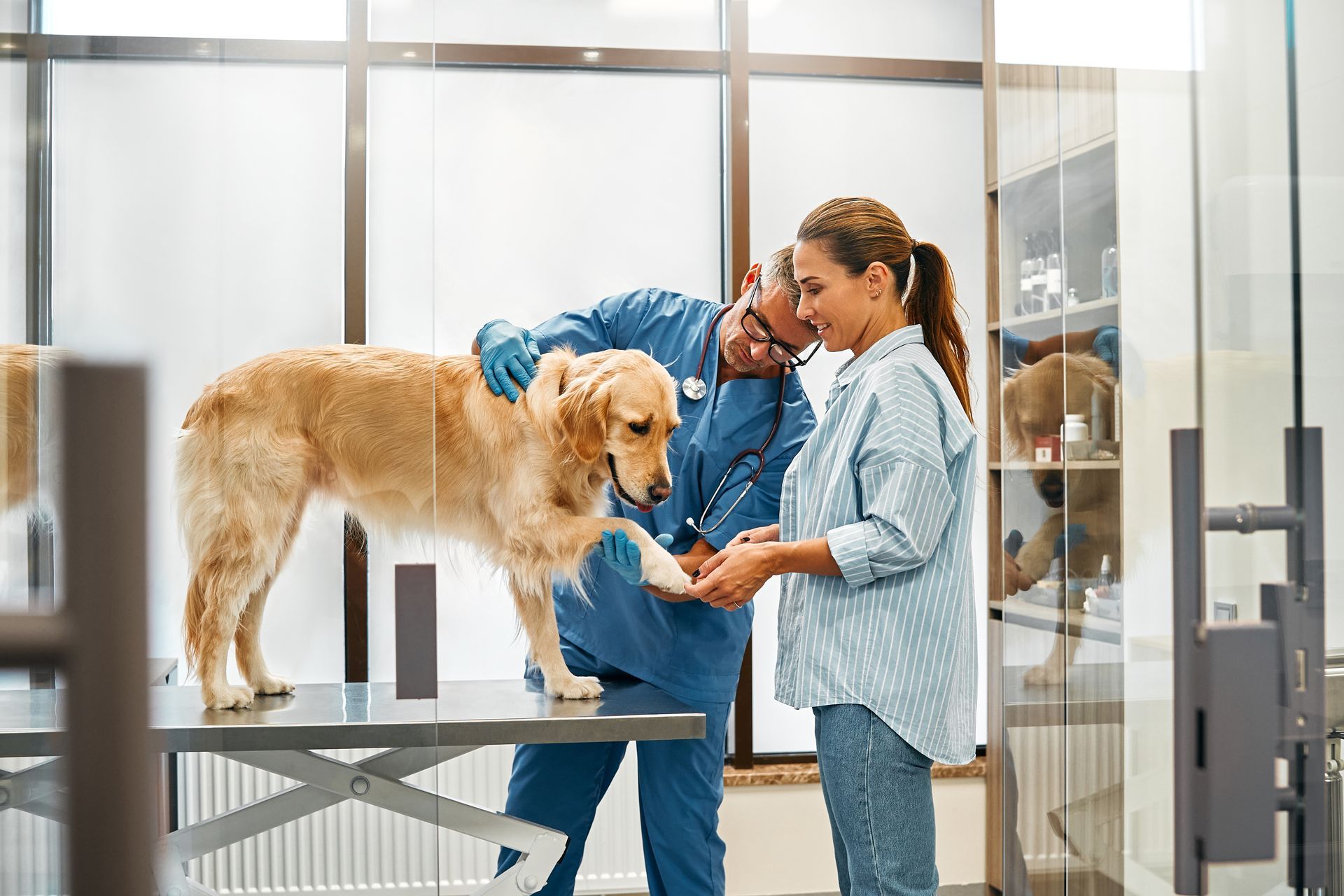
The pet-industry gap
Care, Custody & Control
Covers the animals in your charge against injury, illness, or loss — the critical exposure standard liability policies leave out.
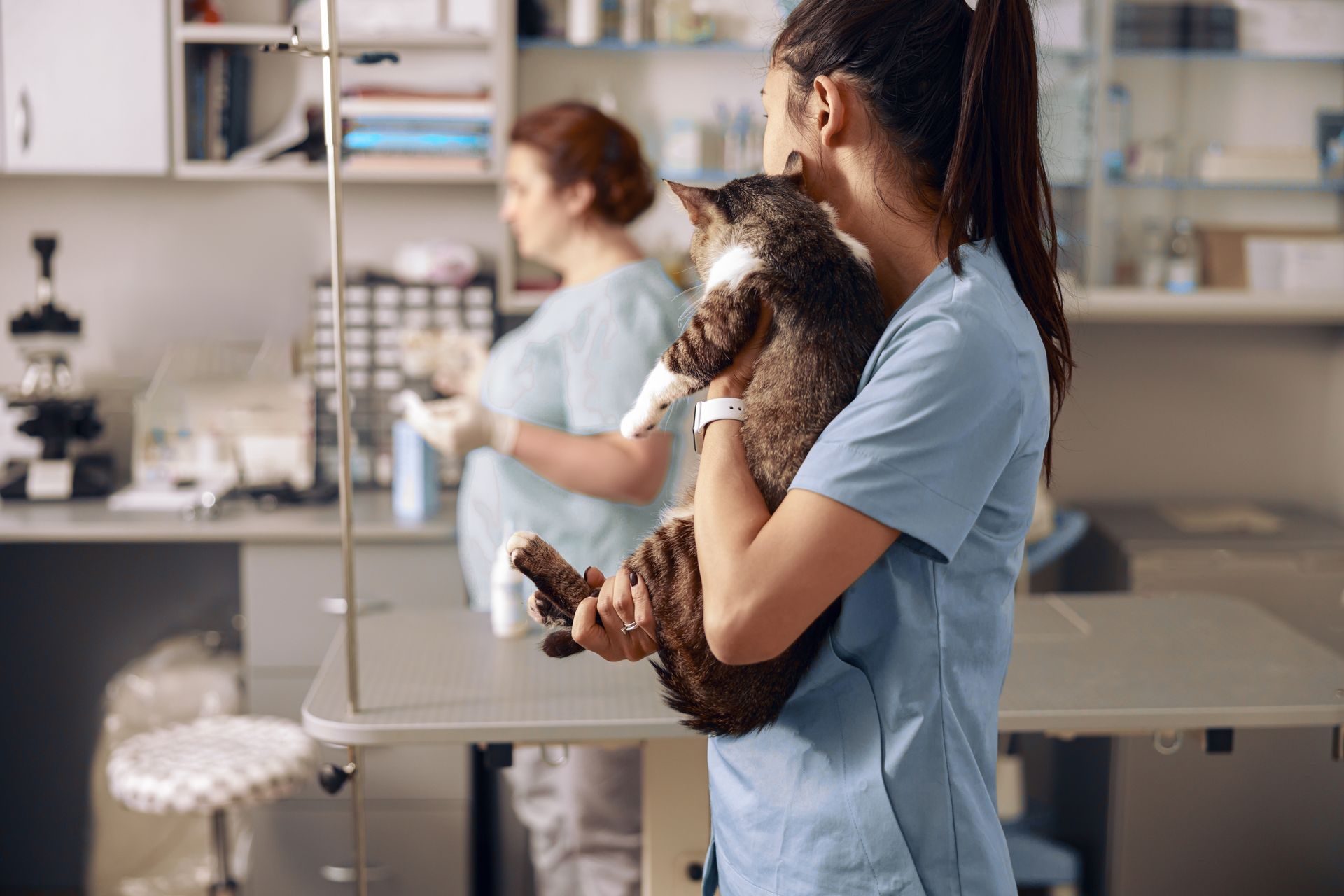
Bundled & cost-effective
Business Owners Policy (BOP)
Bundles property and general liability into one package built for small to mid-sized pet businesses — often the simplest base.
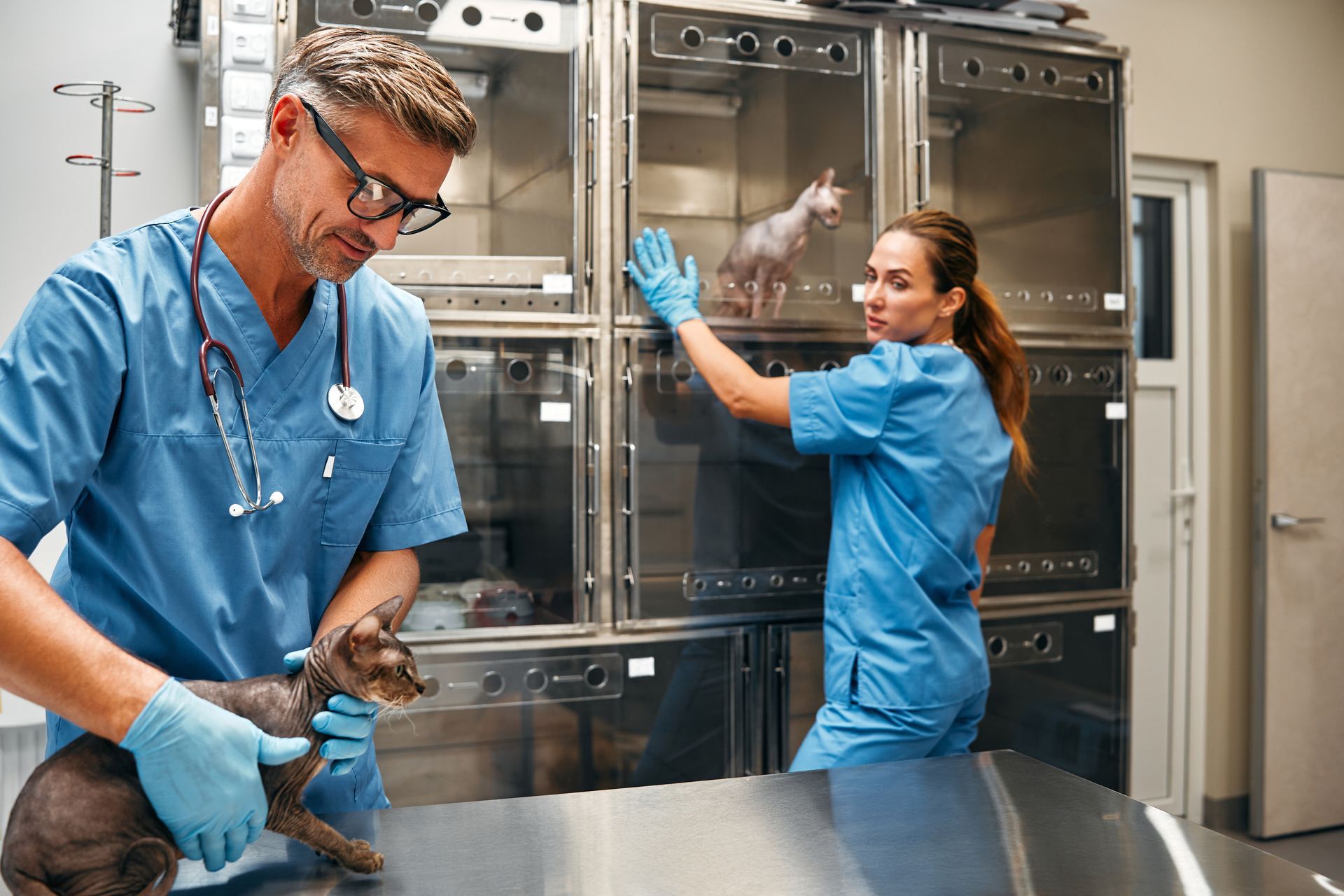
Your building & contents
Commercial Property
Protects your building, build-out, equipment, and inventory against fire, theft, and covered losses — front desk to back room.
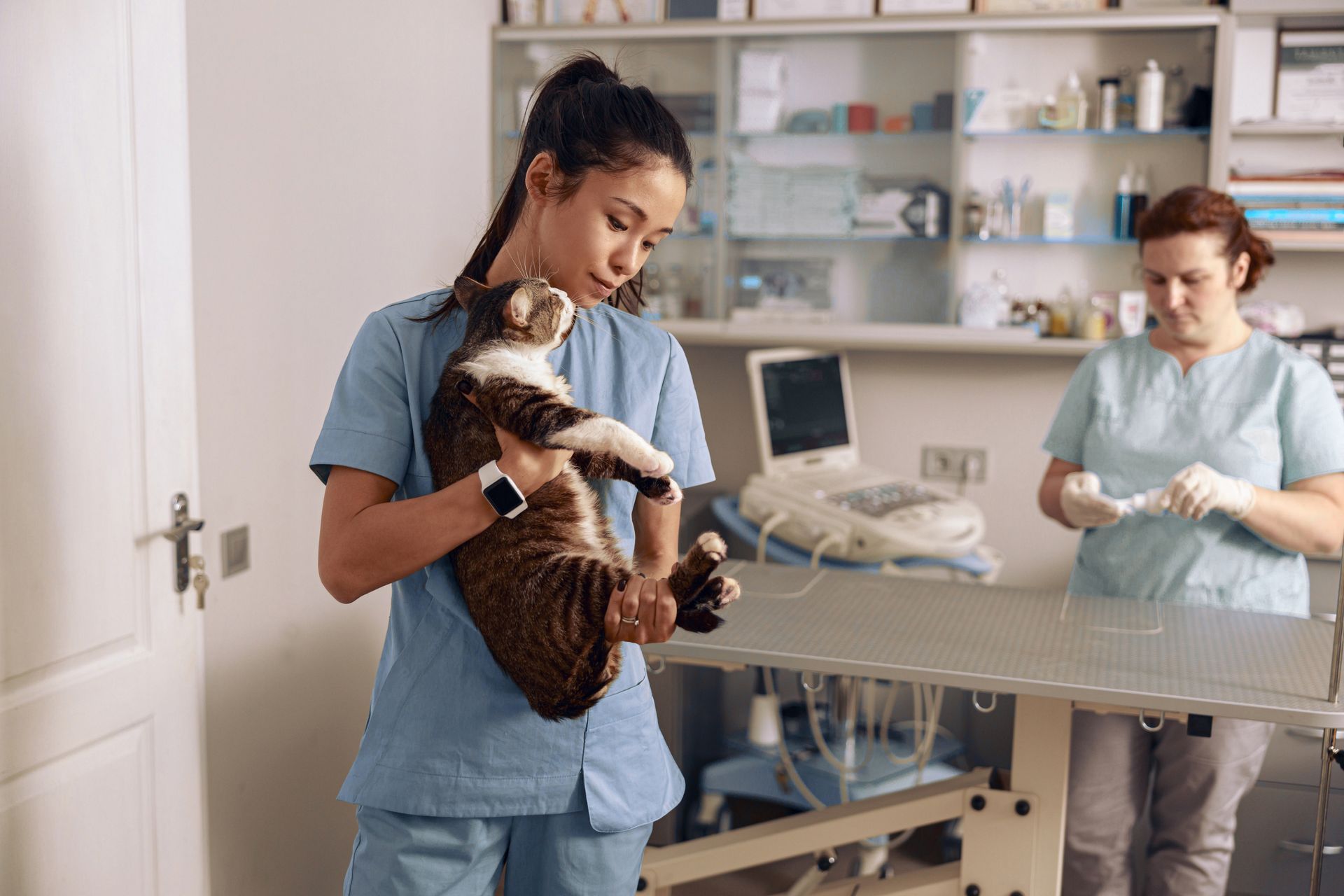
For your team
Workers’ Compensation
Covers medical costs and lost wages when a team member is hurt on the job — required in most states once you have employees.
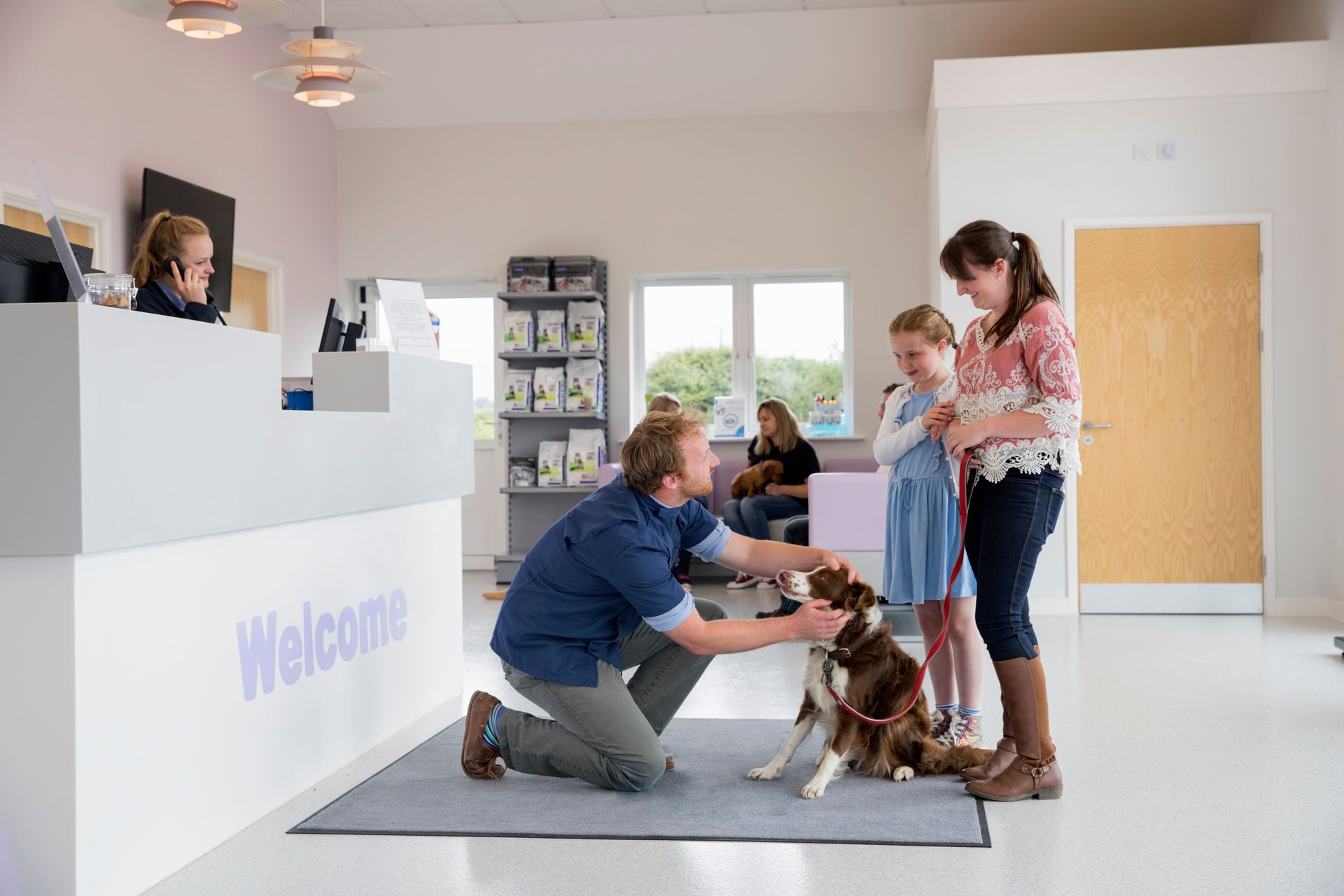
Extra protection
Commercial Umbrella
Adds liability limits above your primary policies for catastrophic claims that exceed standard coverage.
Coverage availability and terms vary by carrier and state. We recommend the right mix for your operation once we talk.
Industries we serve
Built for the businesses that care for animals.
General liability is the baseline for every segment we specialize in. Find the page built for your business.
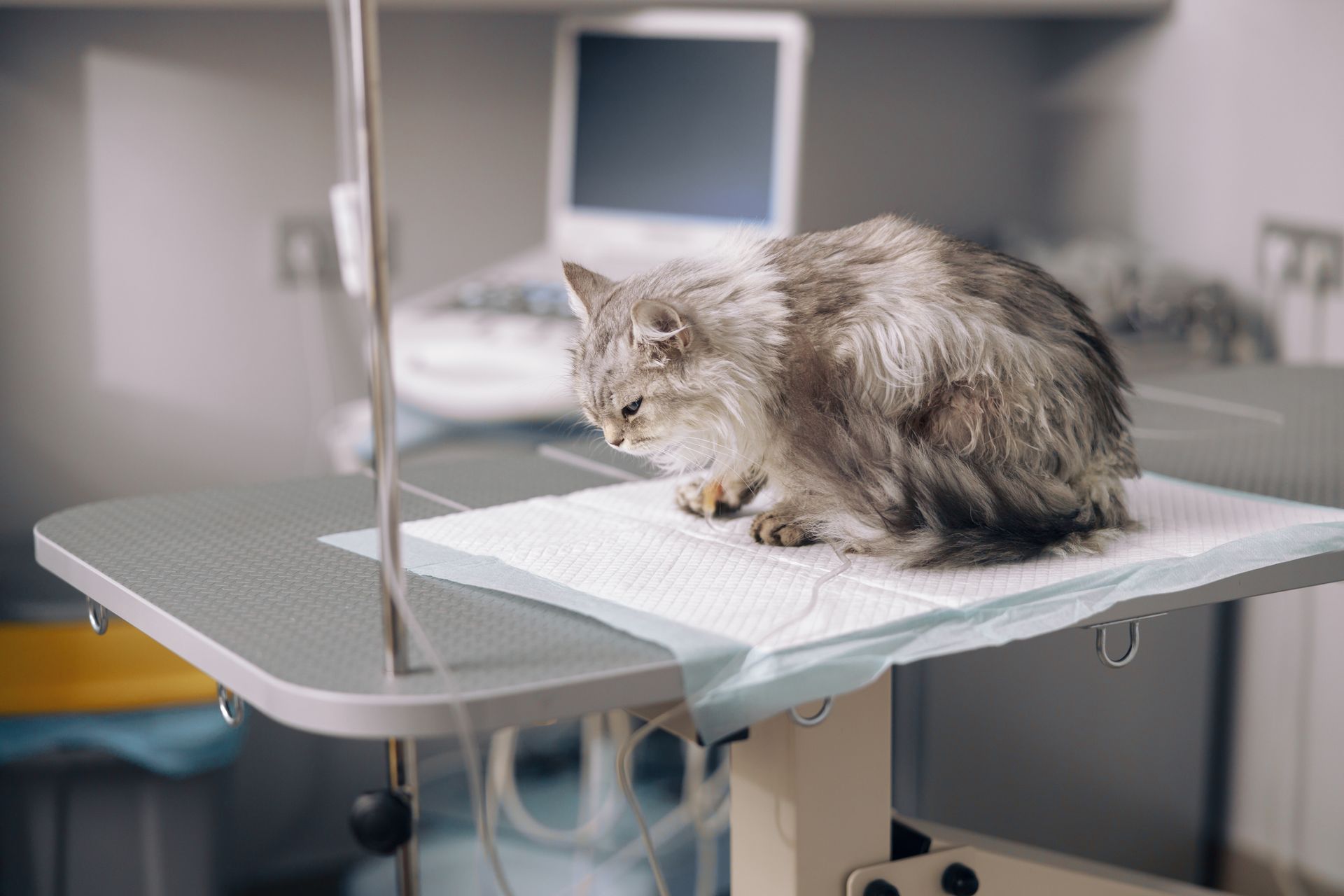
Clinical · high exposure
Veterinarians & Animal Hospitals
Professional and general liability, property, and workers’ comp for clinical operators with high exposure.
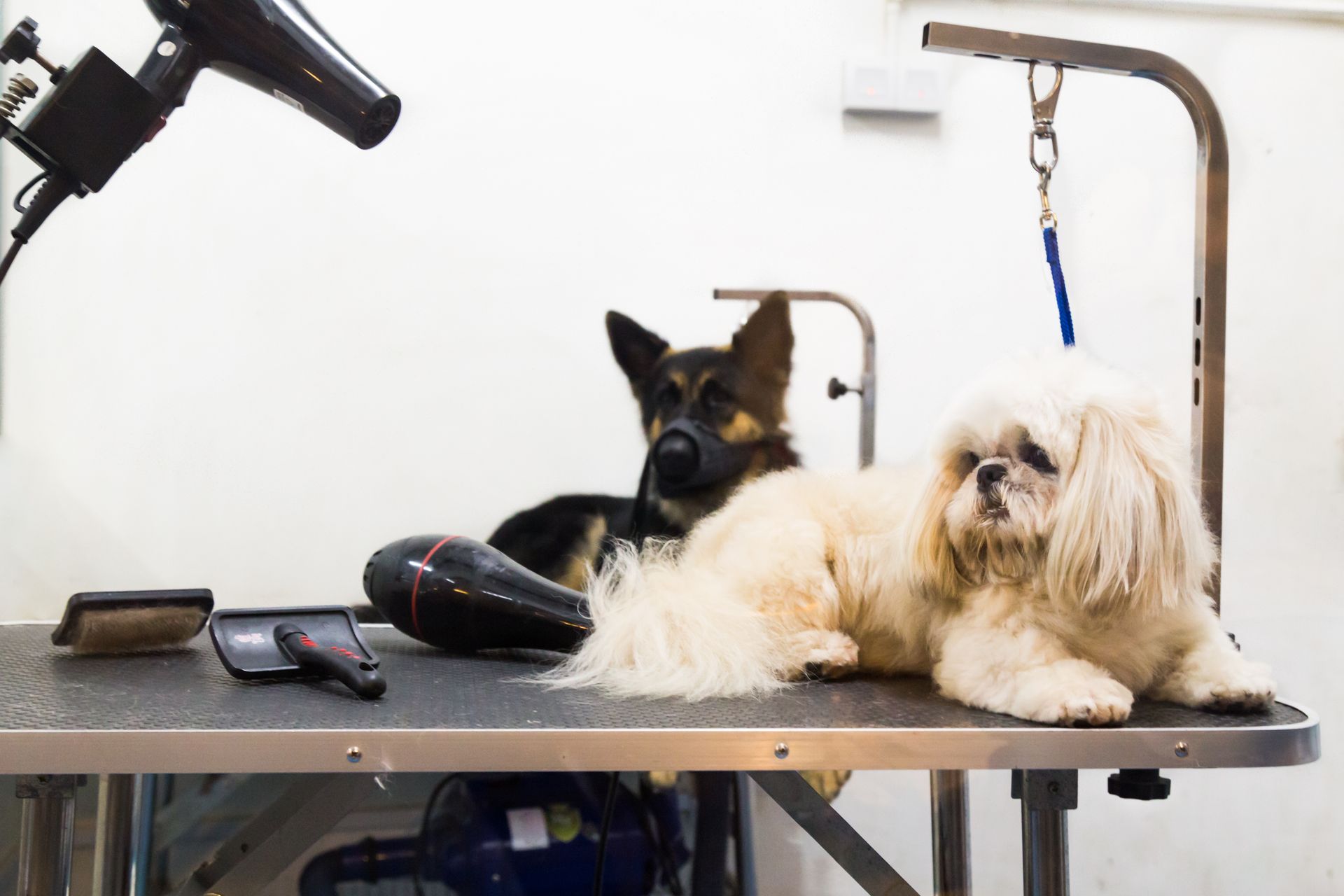
Hands-on · small business
Pet Groomers
Practical protection for animal handling, equipment, and the day-to-day of the grooming table, shop or mobile.

Safety-forward · overnight
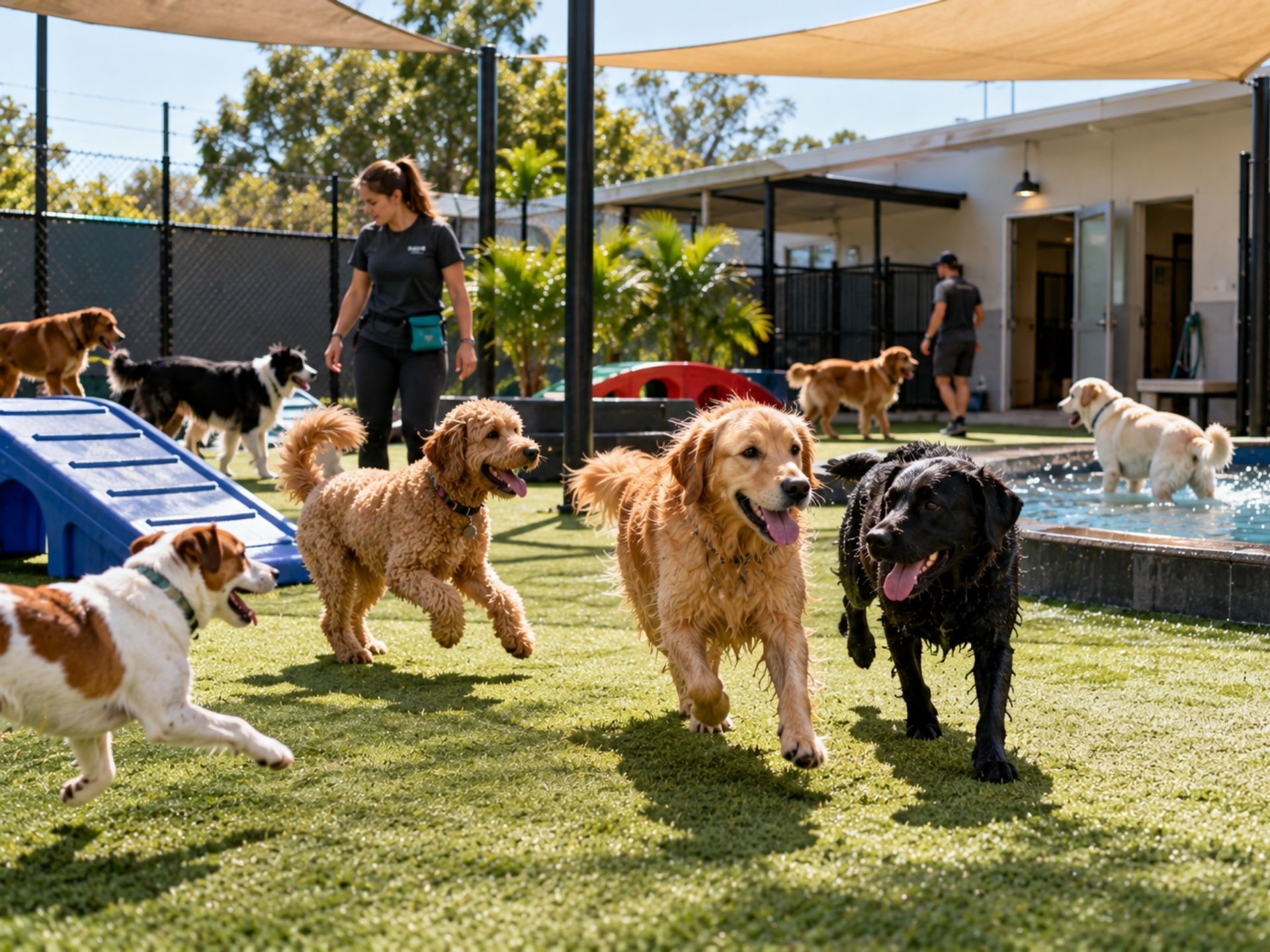
Doggy Daycare & Boarding
Coverage matched to facilities responsible for animals overnight and all day long.
Our reviews
Trusted by pet professionals.
See what owners say about working with a specialist who already understands their business.
Frequently asked
Questions pet pros ask us.
What kinds of pet businesses do you insure?
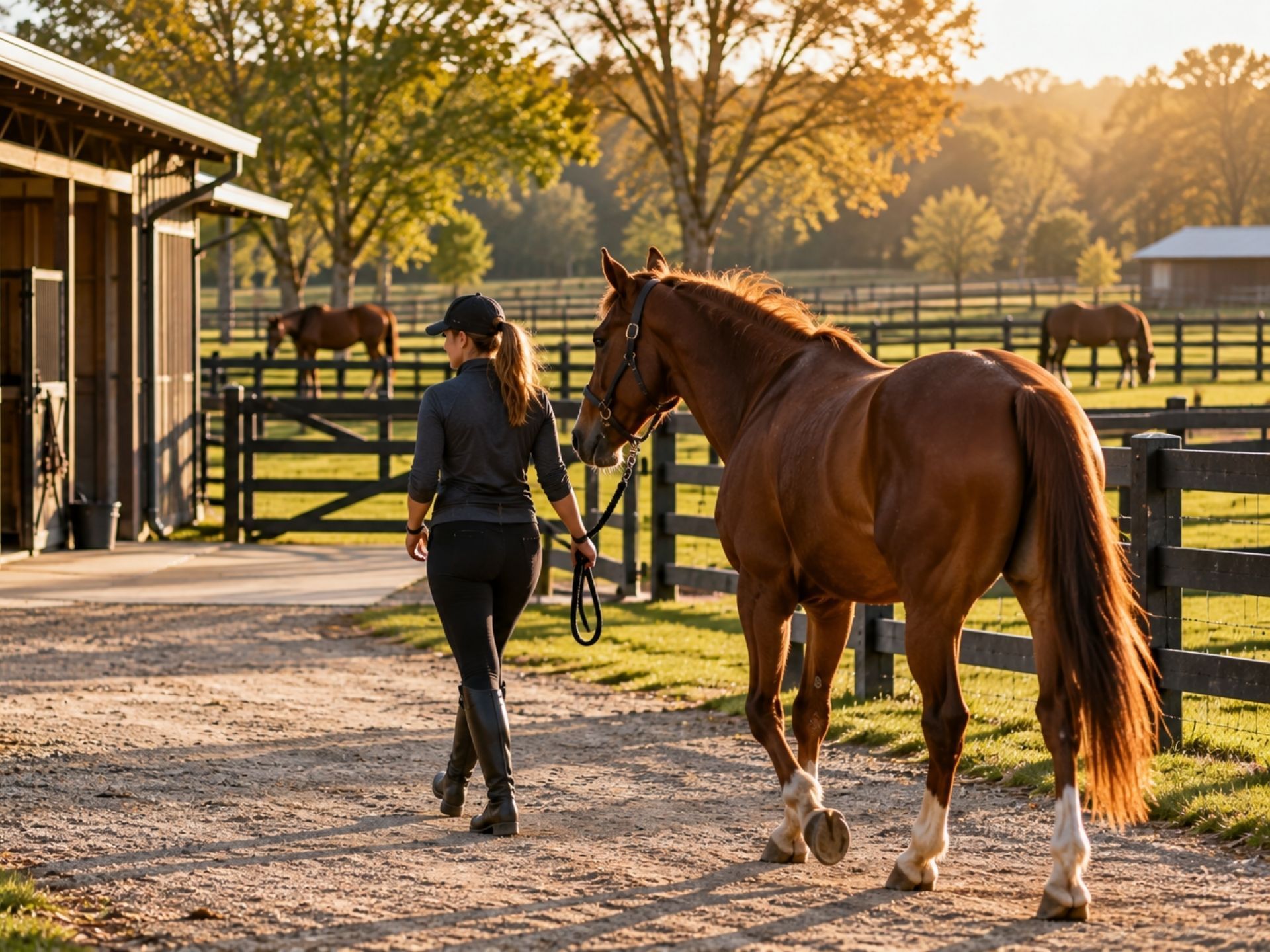
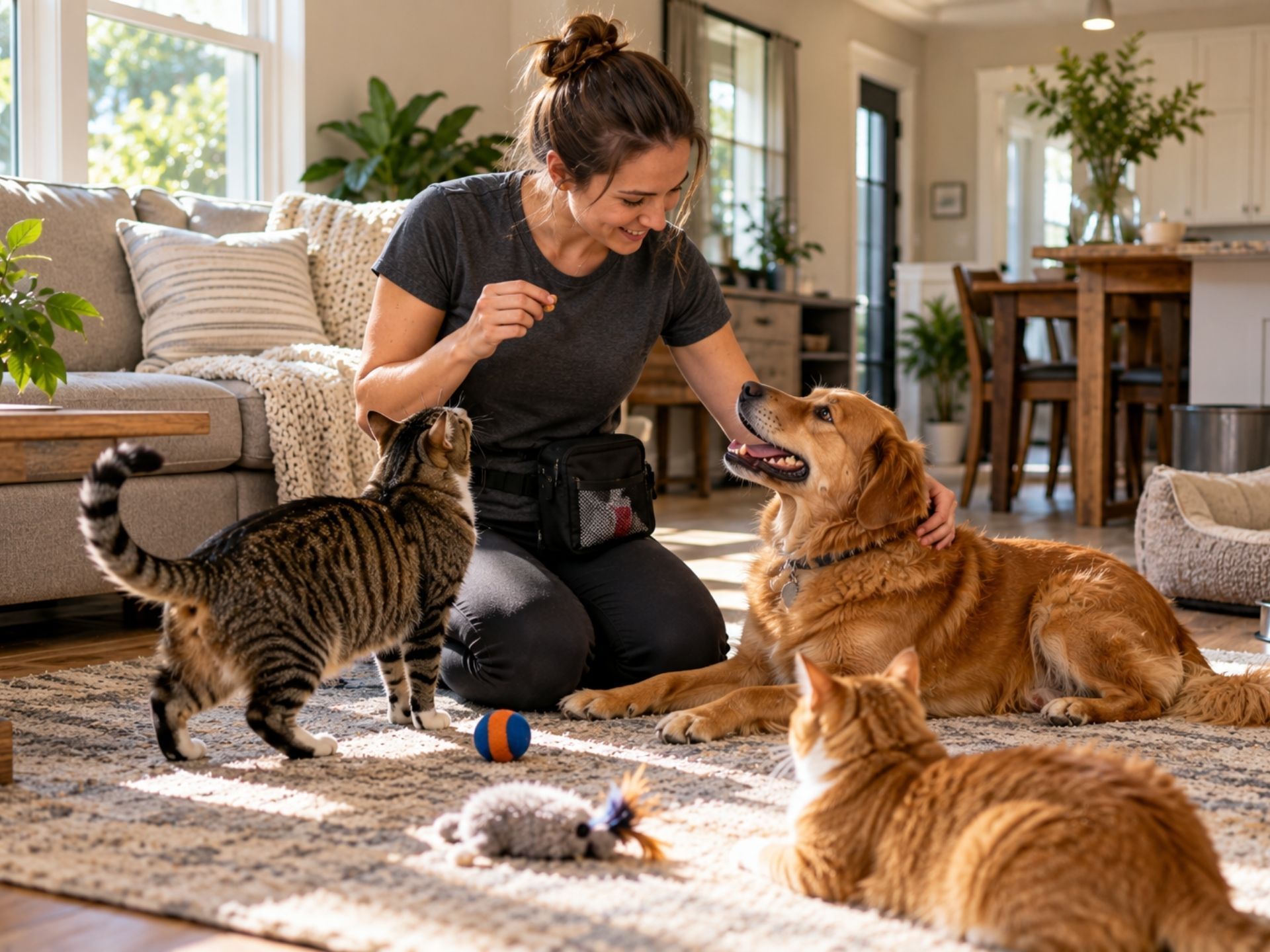
We insure businesses across the animal-care industry — veterinarians and animal hospitals, groomers, doggy daycares and boarding facilities, kennels and trainers, pet sitters and dog walkers, and pet stores. We also cover breeders, equine operations, pet transporters, shelters and rescues, pet photographers, and aquariums or wildlife facilities.
If your work involves caring for, handling, or selling animals, there is a strong chance we cover it. Tell us what you do and we will confirm.
What is care, custody, and control coverage, and why does it matter?
Care, custody, and control coverage protects you when an animal in your charge is injured, becomes ill, or is lost while in your care. Standard general liability policies often exclude this exact exposure, which leaves a serious gap for pet businesses.
For groomers, boarders, sitters, and clinics, this is one of the most important coverages you can carry. We make sure it is in place and sized to your operation.
How is an independent agency different from buying direct from a carrier?
A direct carrier sells you its own single policy. As an independent agency, we shop multiple specialty insurers and compare programs to find the coverage that fits your business and budget.
That means you get options instead of one quote, and an advocate who works for you, not the carrier. We also handle the renewals and claims support over the life of your policy.
How fast can I get a quote?
Most clients get quoted within one business day. Our industry-specific intake forms collect the right details up front, so we can take your information straight to the carriers without a long back-and-forth.
Need it sooner? Call a specialist directly at (346) 738-7297 and we will move quickly.
Which states do you serve?
We are licensed and actively writing coverage in 12 states: Connecticut, Delaware, Georgia, Kentucky, Massachusetts, New Jersey, New York, North Carolina, Pennsylvania, South Carolina, Tennessee, and Virginia.
We continue to add states as we grow. If you operate outside this list, reach out and we will let you know our latest footprint.
From the blog
Coverage notes for pet professionals.
Plain-language risk tips and coverage explainers, written for owners — not insurance pros.
Speak with a specialist
Let's find the right coverage for your business.
No quote bots, no funnel. Talk to a real pet-insurance specialist who already understands your operation — and shops multiple markets on your behalf.
Call us
(346) 738-7297
Toll-free 845-250-5366
Email
service@petindustryins.com
Visit Us
8 Joyce Plaza
Stony Point, NY 10980