Coverage for veterinary practices
Connecticut Pet Boarding Insurance
Running a pet boarding facility in Connecticut means juggling animal care, customer expectations, staffing, and a web of state regulations that can trip up even experienced operators. One area where CT kennel owners consistently underestimate their exposure is insurance. A single dog bite, an escaped animal, or a fire can generate claims that dwarf a year's revenue. And Connecticut's regulatory framework adds layers that don't exist in every state: mandatory surety bonds, specific licensing thresholds, and workers' compensation rules that apply even to small operations. The right insurance setup isn't just about checking a compliance box. It's about making sure a bad week doesn't become the end of your business. This guide breaks down what Connecticut specifically requires, what coverage you actually need versus what's optional, and how costs shake out for CT pet boarding operations in 2026. Whether you're opening a new facility or reviewing an existing policy, the details here should save you time, money, and a few headaches. One note before we get into it: insurance regulations and state laws shift, so always confirm current requirements with a qualified attorney or your agent.
Understanding Connecticut's Regulatory Landscape for Pet Boarding
Connecticut takes animal welfare seriously, and the state's oversight of boarding facilities reflects that. The Connecticut Department of Agriculture (DOAG) oversees kennel licensing, and state statutes set specific standards for housing, sanitation, veterinary access, and record-keeping. Any facility housing dogs or cats commercially needs a kennel license, and inspections are part of the deal.
The state has also been expanding its focus on the connection between animal welfare and broader community safety. DOAG's 2026 initiative, The Link, highlights how animal care standards intersect with public health and safety concerns. For boarding operators, this means heightened scrutiny and a regulatory environment that rewards facilities with strong protocols and proper coverage.
Local municipalities can layer on additional requirements, too. Some towns require zoning approval, noise mitigation plans, or additional permits before you can operate. The insurance implications here matter: a zoning violation that leads to a forced closure can trigger business interruption claims, and not every policy covers that scenario.
State Licensing and Mandatory Insurance Bonds
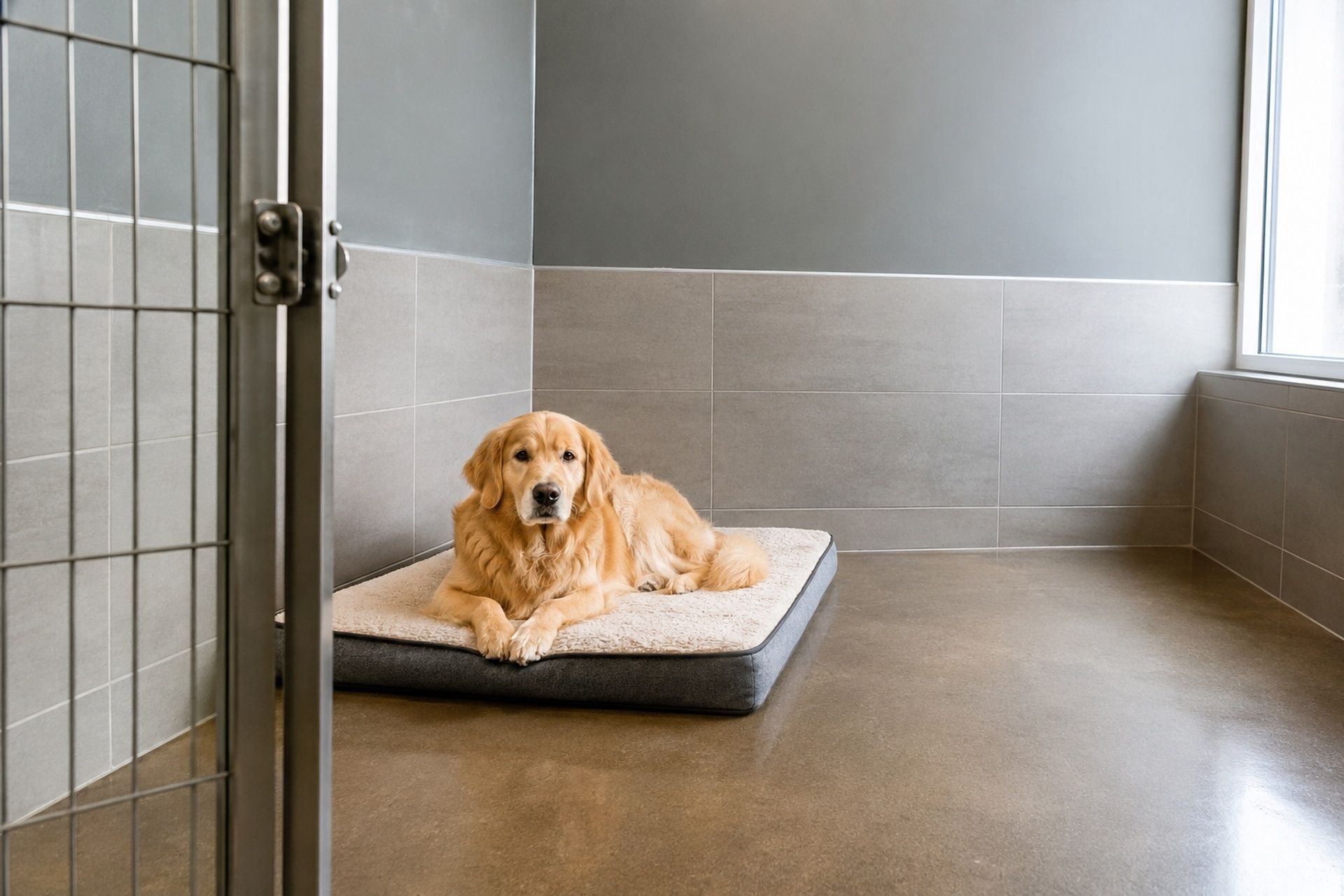
Connecticut requires commercial kennels to hold a valid license issued by the local animal control officer, with oversight from DOAG. The licensing process includes facility inspections, and Connecticut's kennel laws specify minimum standards for enclosure size, ventilation, drainage, and access to veterinary care.
Here's the part many new operators miss: Connecticut may require a surety bond as part of the licensing process. A surety bond isn't insurance in the traditional sense. It's a financial guarantee that you'll comply with state regulations. If you violate the terms of your license, the bond can be called to cover damages. The bond amount varies, but it's a separate line item from your general liability or property coverage.
Failing to maintain your bond can result in license suspension. And operating without a license? That's a misdemeanor in Connecticut, with fines that escalate quickly.
Connecticut Workers' Compensation Requirements
If you have employees, Connecticut law requires workers' compensation coverage with no minimum employee threshold. Even one part-time kennel attendant triggers the requirement. This catches a lot of small boarding operations off guard, especially those that start as solo ventures and gradually bring on help.
Workers' comp covers medical expenses and lost wages for employees injured on the job. In a boarding facility, common claims include dog bites, slips on wet floors, back injuries from lifting large dogs, and scratches or infections from animal contact. Connecticut's Workers' Compensation Commission enforces compliance aggressively, and penalties for operating without coverage include fines up to $50,000 and potential criminal charges.
Independent contractors don't automatically exempt you, either. Connecticut applies an "ABC test" to determine whether someone is truly independent or functionally an employee. If your "contractor" works set hours at your facility using your equipment, the state will likely classify them as an employee.
Core Insurance Coverages for CT Pet Care Facilities
Beyond what the state mandates, the insurance needs of a boarding facility break down into several categories. Getting the mix right depends on your specific operation: how many animals you house, whether you offer grooming or training, and how your facility is structured.
General Liability vs. Professional Liability
These two coverages protect against different risks, and most boarding facilities need both.
| Feature | General Liability (GL) | Professional Liability (PL) |
|---|---|---|
| What it covers | Bodily injury, property damage to third parties | Errors in professional judgment or service |
| Example claim | A client slips on your lobby floor | You administer the wrong medication or feeding instructions |
| Typical limit | $1M per occurrence / $2M aggregate | $1M per occurrence / $1M aggregate |
| Required by CT? | Not mandated by state, but landlords and licensing often require it | Not mandated, but strongly recommended |
| Covers dog bites? | Yes, if a boarded dog bites a visitor or staff member | No |
General liability is the foundation. It covers the "someone gets hurt at your facility" scenarios. Professional liability picks up where GL leaves off, covering claims that arise from your professional decisions: misreading a pet's health condition, failing to follow a feeding protocol, or making an error in administering prescribed treatments. An agency like Pet Professional Insurance Agency, which specializes in pet-care businesses, can help you understand where GL ends and PL begins for your specific operation.
Animal Bailee Coverage: Protecting Pets in Your Care
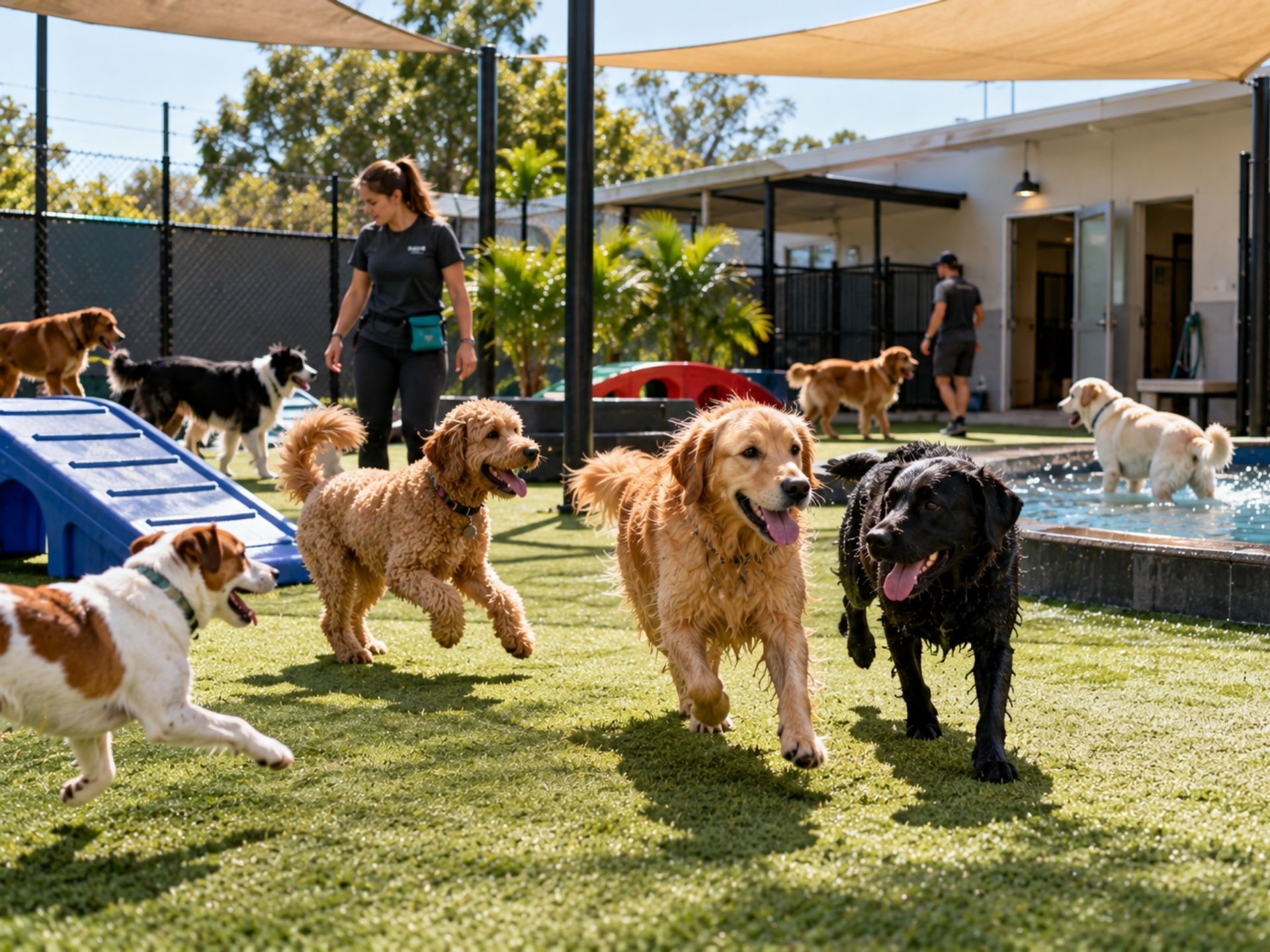
This is the coverage that's unique to businesses that temporarily hold other people's property, and in your case, that "property" is someone's beloved pet. Animal bailee coverage (sometimes called care, custody, and control coverage) pays for veterinary bills, replacement costs, or settlements if an animal in your care is injured, becomes ill, or dies.
Standard general liability policies typically exclude animals in your custody. That exclusion is a massive gap for a boarding facility. Without bailee coverage, if a dog in your care swallows a foreign object, gets injured in a play group, or contracts a communicable illness, you're paying out of pocket.
Bailee limits usually range from $2,500 to $10,000 per animal, with an aggregate cap. For facilities boarding high-value breeds, consider whether those per-animal limits are adequate. A purebred French Bulldog or a working dog with specialized training can easily exceed a $5,000 per-animal cap.
Comparing Coverage Levels and Limits
Not all policies are built the same. Here's a general comparison of coverage tiers for Connecticut boarding facilities:
| Coverage Tier | GL Limit | Bailee Per Animal | Professional Liability | Property | Approximate Annual Range |
|---|---|---|---|---|---|
| Basic | $1M / $2M | $2,500 | Not included | $100K | $1,200 - $2,000 |
| Standard | $1M / $2M | $5,000 | $1M | $250K | $2,000 - $3,500 |
| Comprehensive | $2M / $4M | $10,000 | $2M | $500K+ | $3,500 - $6,000+ |
These ranges reflect 2026 market conditions for Connecticut specifically. Your actual premium will depend on factors we'll cover in the next section. The key takeaway from this table: skipping professional liability or settling for minimal bailee limits to save a few hundred dollars a year is a risk that rarely pays off. A single claim can easily exceed those savings.
Factors Influencing Insurance Costs in Connecticut
Connecticut's insurance market for pet-care businesses is shaped by the state's relatively high cost of living, above-average litigation rates, and dense population in the southern corridor. All of these push premiums slightly higher than national averages.
Facility Size and Annual Revenue Impact
Insurers price boarding facility policies heavily based on two numbers: how many animals you can house at once and your annual gross revenue. A 10-run kennel generating $150,000 a year will pay significantly less than a 50-run facility with $600,000 in revenue. Revenue matters because it's a proxy for exposure: more revenue generally means more animals, more client interactions, and more opportunities for something to go wrong.
Square footage also factors in, especially for property coverage. And if you offer ancillary services like grooming, training, or retail sales, each adds a layer of risk that adjusts your premium. The boarding kennel industry has seen steady growth, which means more competition and more facilities, but also more claims data for insurers to price from.
Safety Protocols and Risk Mitigation Strategies
Your premium isn't fixed. Facilities that demonstrate strong risk management consistently earn lower rates. Specific steps that make a difference:
- Temperament testing and documented intake evaluations for every animal
- Separate play groups based on size, energy level, and temperament
- Staff training certifications in pet first aid and animal behavior
- Security cameras in all common areas and outdoor runs
- Written emergency protocols for fires, severe weather, and animal escapes
- Veterinary relationship with a documented on-call agreement
Insurers want to see that you're actively reducing the likelihood of claims. Working with a specialty agency like Pet Professional Insurance Agency, which uses intake forms tailored specifically to boarding operations, helps ensure your application highlights these risk-reduction measures rather than burying them in generic paperwork.
Common Questions About Connecticut Pet Boarding Insurance
Do I need insurance if I only board a few dogs at a time? Yes. Connecticut's licensing requirements apply regardless of size, and a single claim from one injured animal can cost tens of thousands of dollars. Small operations actually face proportionally higher risk because they have less financial cushion.
Does my homeowner's policy cover a home-based boarding operation? Almost never. Most homeowner's policies exclude commercial activity, and boarding animals for pay is commercial activity. You need a separate commercial policy.
What happens if a boarded pet bites another pet or a person? Your general liability policy would typically cover a bite to a third party (a visitor or employee). Damage to another boarded animal falls under your bailee coverage. Without both, you're exposed on multiple fronts.
Are there Connecticut-specific rules about how many animals I can board? Yes. Local zoning ordinances often cap the number of animals, and your kennel license specifies an approved capacity. Exceeding it can void your insurance coverage.
How quickly can I get coverage? Most specialty pet-industry insurers can turn around a bindable proposal within 24 to 48 hours once they have your completed application. Pet Professional Insurance Agency, for example, typically responds within that window.
Does Connecticut require me to carry liability insurance specifically? The state doesn't mandate GL coverage for all boarding facilities, but many municipalities require proof of insurance as part of local permitting. Landlords almost always require it as well. Recent legislative discussions around animal welfare in Connecticut suggest the regulatory trend is toward more requirements, not fewer.
Before You Buy a Policy
Getting pet boarding insurance right in Connecticut isn't about finding the lowest premium. It's about matching your coverage to your actual risk profile: the number and type of animals you board, your facility setup, your staffing model, and the services you offer beyond basic overnight care.
Start by getting your Connecticut kennel license squared away and understanding your local municipality's requirements. Make sure your workers' compensation is in place if you have any employees at all. Then build your coverage stack: general liability as the foundation, animal bailee coverage as the non-negotiable add-on, and professional liability if you're making any care decisions beyond basic housing.
Index
Pet Professional Insurance Agency is fully licensed and permitted to provide commercial insurance solutions for pet businesses across 12 states.
We proudly serve pet professionals throughout the Northeast, Mid-Atlantic, and Southeast. Powered by Joyce Insurance Agency, our team works with leading specialty carriers — including The Hartford, USLI, Nautilus, and Northland — to make sure veterinarians, groomers, boarding facilities, and pet-care businesses receive coverage that fits their real risks in Connecticut, Delaware, Georgia, Kentucky, Massachusetts, New Jersey, New York, North Carolina, Pennsylvania, South Carolina, Tennessee, and Virginia.
About the author
Barnaby Joyce
Founder, Pet Professional Insurance Agency · Licensed Insurance Producer
I started Pet Professional Insurance Agency because I watched pet businesses get handed generic policies that never fit. After years of placing coverage for veterinary practices, grooming salons, doggy daycares, and kennels through a generalist agency, I saw the same gaps over and over — and the same blank stares when an owner tried to explain care, custody, and control to an agent who had never insured an animal in their life.
So I built an agency that does one thing. I work directly with specialty carriers who actually want pet-industry risk, and I sit down with every client personally. You will not get a call center or a chatbot. You will get someone who already speaks your language and shops the market on your behalf. That is the whole idea.
Recommended coverages
Coverages that pair with general liability.
Most pet businesses build on general liability with the lines below. Explore each — every page cross-links to the
industries we serve.

Services & advice
Professional Liability / E&O
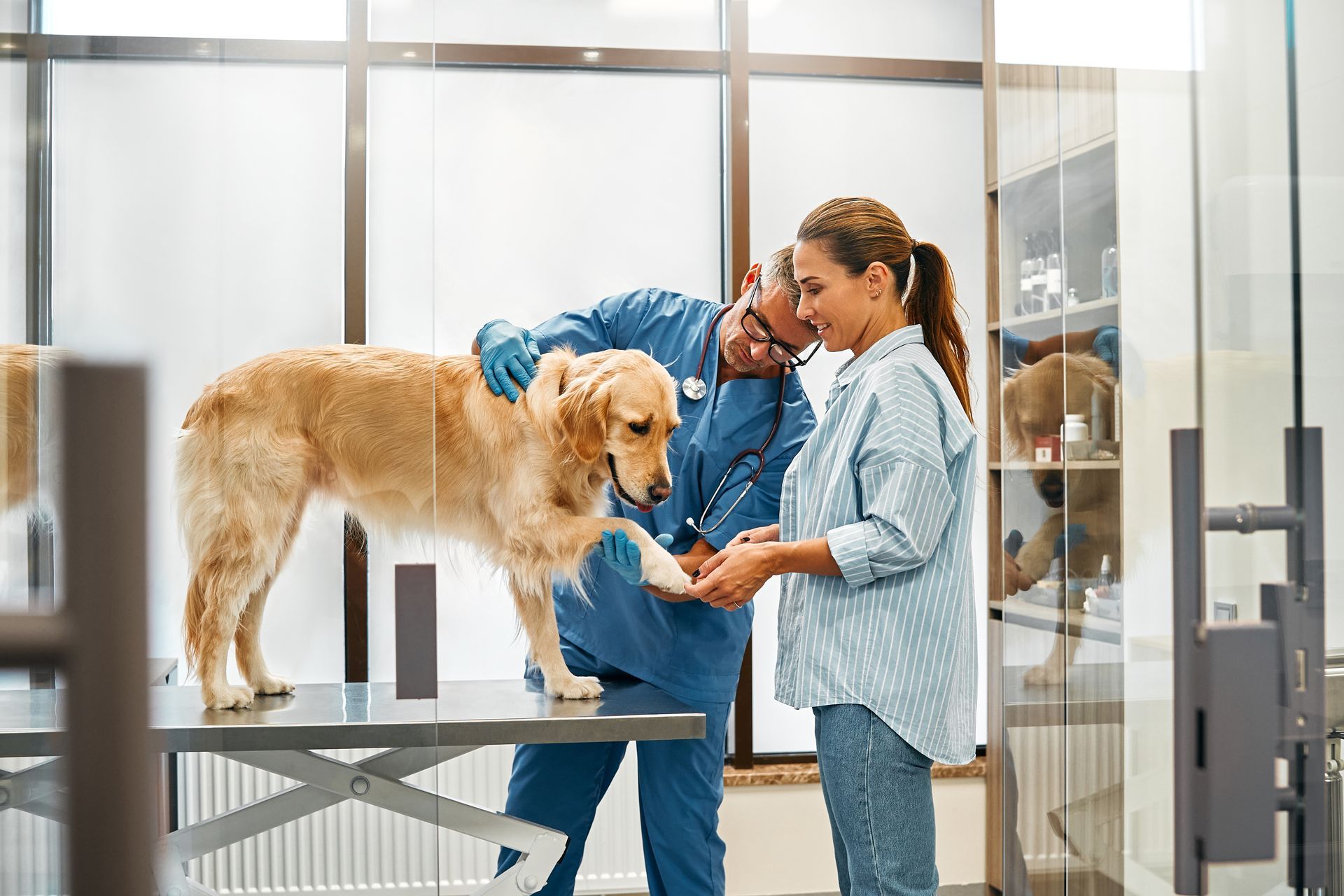
Covers claims tied to your professional services and advice — clinical care, training guidance, and the judgment calls you make daily.
The pet-industry gap
Care, Custody & Control
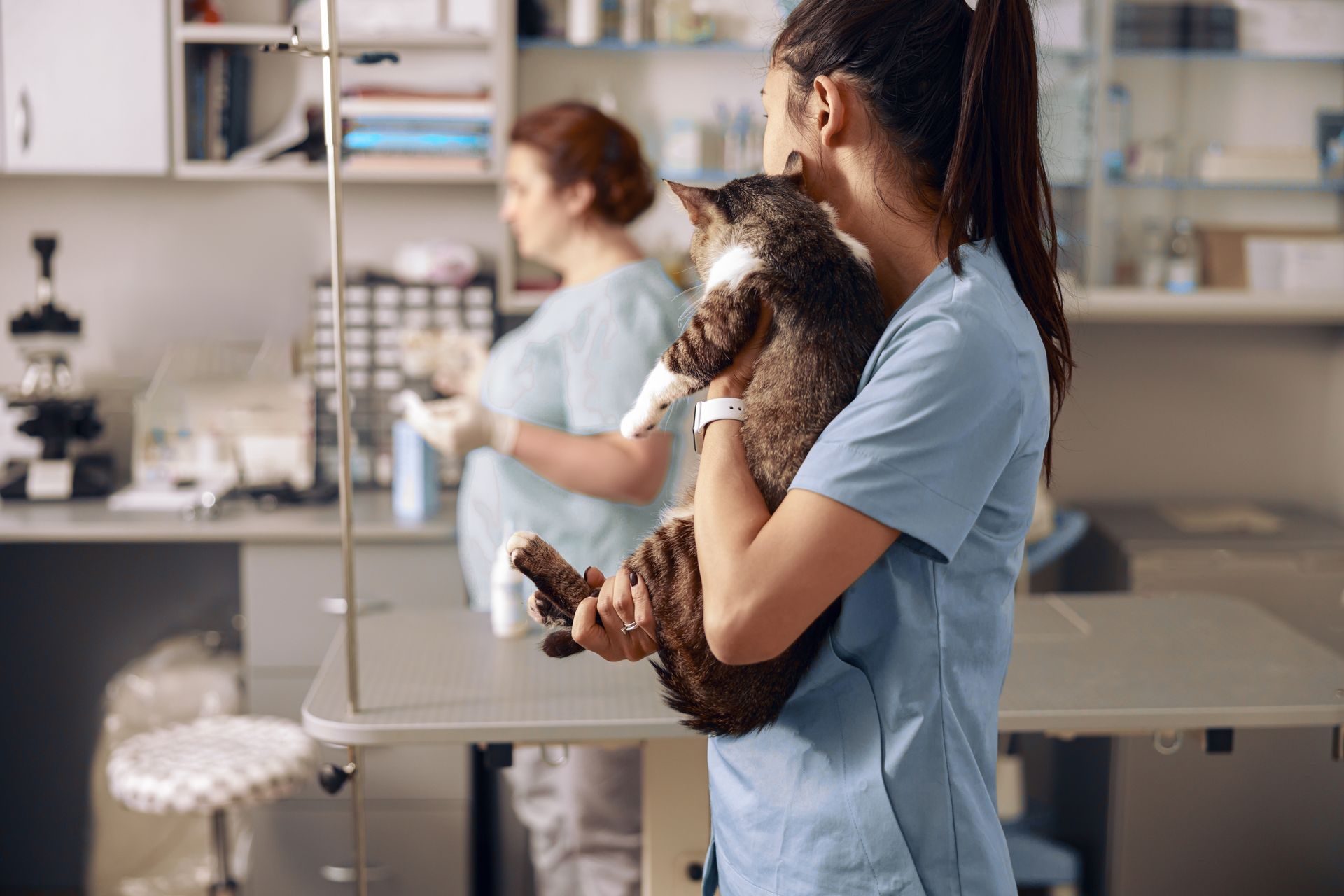
Covers the animals in your charge against injury, illness, or loss — the critical exposure standard liability policies leave out.
Bundled & cost-effective
Business Owners Policy (BOP)
Bundles property and general liability into one package built for small to mid-sized pet businesses — often the simplest base.
Your building & contents
Commercial Property
Protects your building, build-out, equipment, and inventory against fire, theft, and covered losses — front desk to back room.
For your team
Workers’ Compensation
Covers medical costs and lost wages when a team member is hurt on the job — required in most states once you have employees.
Extra protection
Commercial Umbrella
Adds liability limits above your primary policies for catastrophic claims that exceed standard coverage.
Coverage availability and terms vary by carrier and state. We recommend the right mix for your operation once we talk.
Industries we serve
Built for the businesses that care for animals.
General liability is the baseline for every segment we specialize in. Find the page built for your business.
Clinical · high exposure
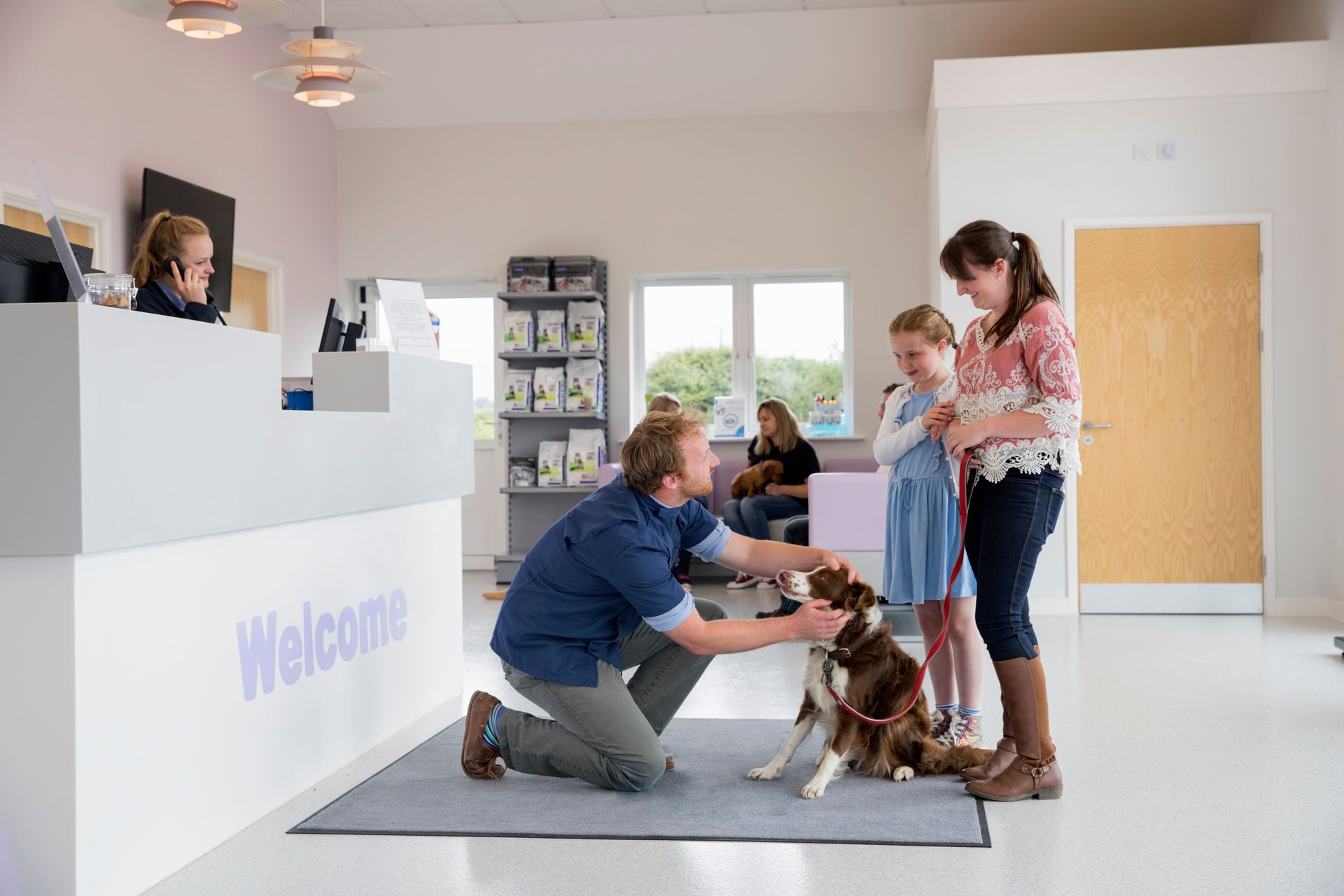
Veterinarians & Animal Hospitals
Professional and general liability, property, and workers’ comp for clinical operators with high exposure.
Hands-on · small business
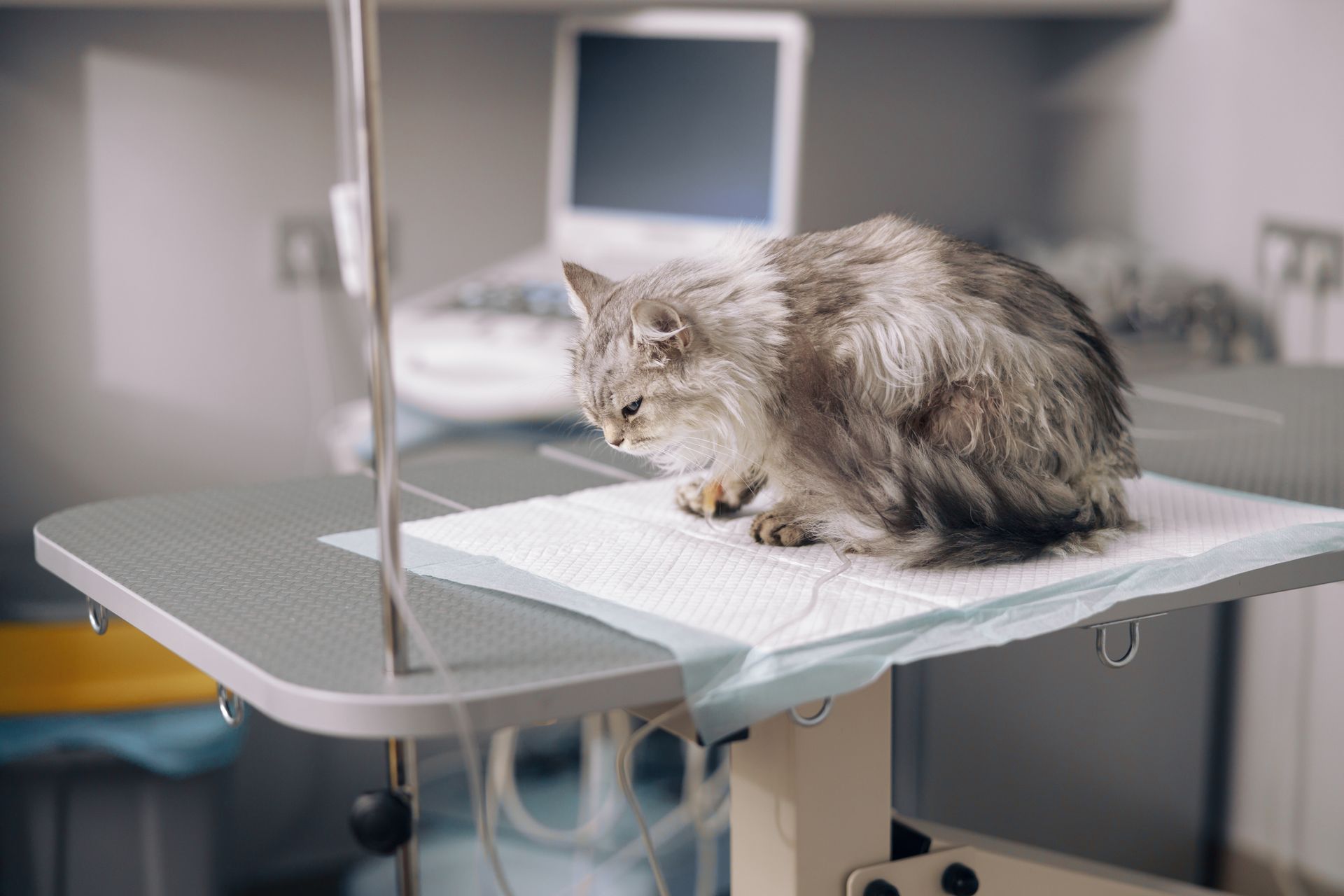
Pet Groomers
Practical protection for animal handling, equipment, and the day-to-day of the grooming table, shop or mobile.

Safety-forward · overnight
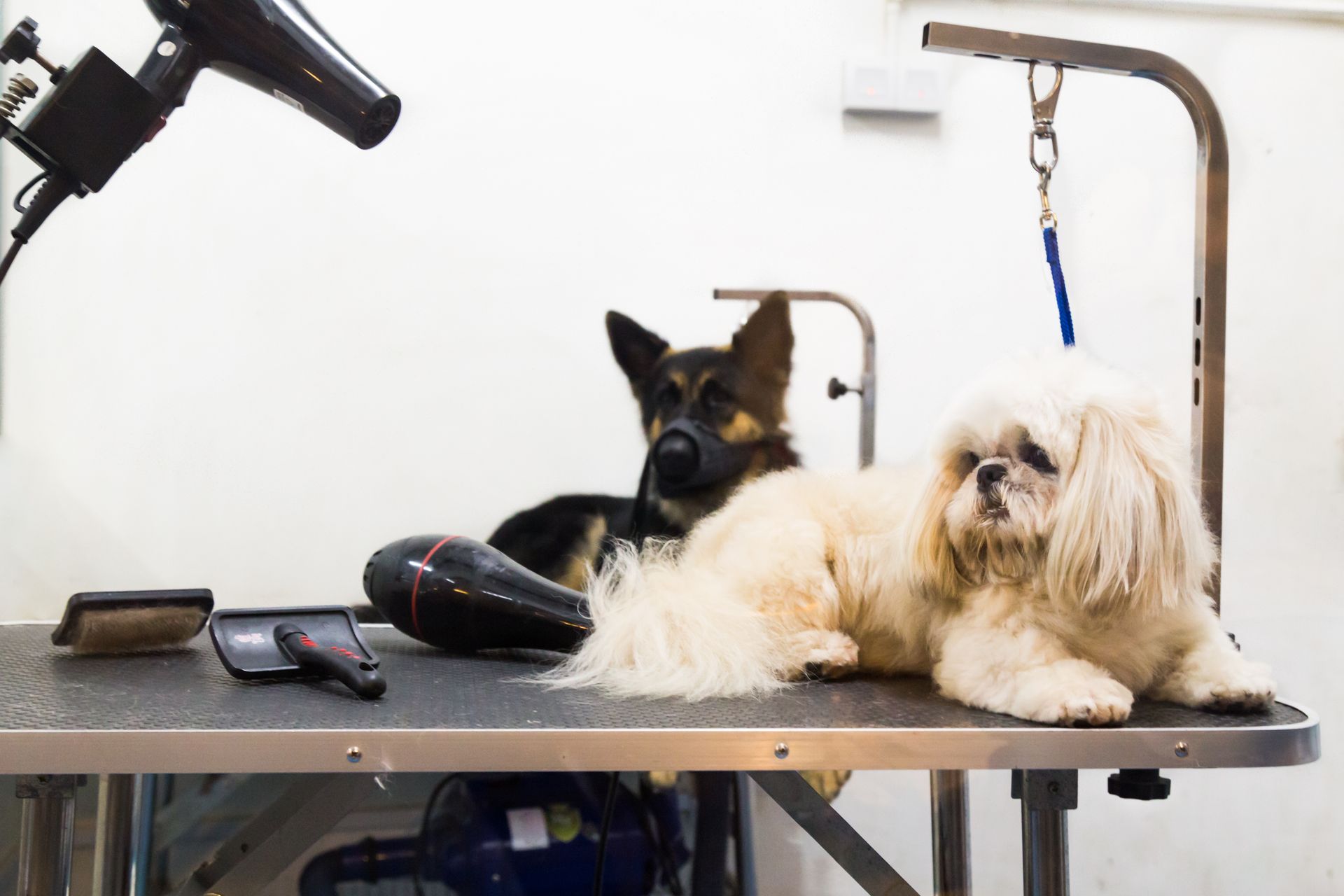
Doggy Daycare & Boarding
Coverage matched to facilities responsible for animals overnight and all day long.
Our reviews
Trusted by pet professionals.
See what owners say about working with a specialist who already understands their business.
Frequently asked
Questions pet pros ask us.
What kinds of pet businesses do you insure?
We insure businesses across the animal-care industry — veterinarians and animal hospitals, groomers, doggy daycares and boarding facilities, kennels and trainers, pet sitters and dog walkers, and pet stores. We also cover breeders, equine operations, pet transporters, shelters and rescues, pet photographers, and aquariums or wildlife facilities.
If your work involves caring for, handling, or selling animals, there is a strong chance we cover it. Tell us what you do and we will confirm.
What is care, custody, and control coverage, and why does it matter?
Care, custody, and control coverage protects you when an animal in your charge is injured, becomes ill, or is lost while in your care. Standard general liability policies often exclude this exact exposure, which leaves a serious gap for pet businesses.
For groomers, boarders, sitters, and clinics, this is one of the most important coverages you can carry. We make sure it is in place and sized to your operation.
How is an independent agency different from buying direct from a carrier?
A direct carrier sells you its own single policy. As an independent agency, we shop multiple specialty insurers and compare programs to find the coverage that fits your business and budget.
That means you get options instead of one quote, and an advocate who works for you, not the carrier. We also handle the renewals and claims support over the life of your policy.
How fast can I get a quote?
Most clients get quoted within one business day. Our industry-specific intake forms collect the right details up front, so we can take your information straight to the carriers without a long back-and-forth.
Need it sooner? Call a specialist directly at (346) 738-7297 and we will move quickly.
Which states do you serve?
We are licensed and actively writing coverage in 12 states: Connecticut, Delaware, Georgia, Kentucky, Massachusetts, New Jersey, New York, North Carolina, Pennsylvania, South Carolina, Tennessee, and Virginia.
We continue to add states as we grow. If you operate outside this list, reach out and we will let you know our latest footprint.
From the blog
Coverage notes for pet professionals.
Plain-language risk tips and coverage explainers, written for owners — not insurance pros.
Speak with a specialist
Let's find the right coverage for your business.
No quote bots, no funnel. Talk to a real pet-insurance specialist who already understands your operation — and shops multiple markets on your behalf.
Call us
(346) 738-7297
Toll-free 845-250-5366
Email
service@petindustryins.com
Visit Us
2 Joyce Plaza
Stony Point, NY 10980