Virginia ranks among the top ten states for equine activity, with thousands of operations spanning breeding farms, lesson barns, trail riding outfits, and competitive training facilities. That concentration of horses and horse-related businesses creates real financial exposure, and the insurance questions that come with it are rarely straightforward. A single kicked rider, a colicking horse in your care, or a stable hand's back injury can generate claims that dwarf an entire year's revenue. Understanding coverage requirements, costs, and compliance for Virginia equine operations isn't optional: it's the difference between surviving a bad incident and closing your gates for good. The global horse insurance market is projected to reach $1.09 billion in 2026, driven largely by rising veterinary costs and the increasing value of sport horses. That growth reflects a broader reality: the financial stakes around horses keep climbing, and Virginia operators need policies that actually match their risk profile. This guide breaks down the liability laws specific to the Commonwealth, the coverage types that matter most, what you should expect to pay, and where operators commonly leave gaps that cost them later.
Navigating Equine Liability Laws in Virginia
Virginia has specific statutes that shape how liability works for horse-related businesses, and misunderstanding them is one of the most common mistakes operators make. These laws don't eliminate the need for insurance: they define the boundaries of your legal protection and create obligations you have to meet before any statutory shield kicks in.
Understanding the Virginia Equine Activity Liability Act
Virginia's Equine Activity Liability Act (Code of Virginia § 3.2-6202) provides limited liability protection to equine activity sponsors, professionals, and landowners. The law recognizes that horses are inherently unpredictable and that participants assume certain risks by engaging in equine activities. But "limited" is the key word here. The statute does not protect you if an injury results from your negligence, faulty equipment you provided, a dangerous condition on your property you knew about, or an animal you matched to a rider beyond their skill level.
I've seen barn owners assume this law makes them untouchable. It doesn't. A plaintiff's attorney only needs to demonstrate one of those exceptions to blow right past the statutory protection. Equine liability coverage remains essential because the Act is a shield with holes, not a fortress.
Required Signage and Waiver Compliance
Virginia law requires that equine professionals post specific warning signs and include statutory language in their contracts and waivers. The signs must contain the exact language specified in the statute, warning participants about the inherent risks of equine activities. Contracts and rental agreements need the same language prominently displayed.
Here's what trips people up: a waiver that doesn't include the precise statutory text can be deemed insufficient, weakening your liability defense. The signs need to be posted in visible locations where participants will actually see them. Courts have scrutinized placement, size, and wording. If you're running a lesson program, boarding facility, or trail operation, have a Virginia-licensed attorney review your signage and waiver documents. This is not a DIY project, and a $500 legal review is far less painful than a six-figure judgment.
Core Coverage Types for VA Equine Operations
Picking the right coverage structure is where most equine operations either get it right or create dangerous blind spots. The policies available for horse businesses aren't identical to standard commercial coverage, and the distinctions matter enormously.
Commercial General Liability vs. Care, Custody, or Control
Commercial general liability (CGL) covers third-party bodily injury and property damage claims. If a visitor gets kicked in your barn aisle or a spectator falls through a rotten bleacher board at your show facility, CGL responds. But here's the catch: standard CGL policies typically exclude animals in your care, custody, or control (CCC). That means if a client's horse injures itself in your paddock, your CGL won't cover the claim.
CCC coverage, sometimes called bailee coverage, fills that gap. It protects you when a horse you're boarding, training, or transporting is injured, becomes ill, or dies while under your supervision. Operations that board or train horses owned by others absolutely need both CGL and CCC. At Pet Professional Insurance Agency, we see this gap frequently with equine clients who assumed their general liability policy covered everything under their roof. It almost never does without a specific CCC endorsement or standalone policy.
Equine Mortality and Major Medical Protection
Mortality insurance covers the death of a horse from accident, illness, or disease, paying out the animal's insured value. Major medical coverage handles veterinary expenses from covered injuries or illnesses, typically with annual limits ranging from $5,000 to $10,000 per horse, though higher limits are available for high-value animals.
These policies matter most for operations that own their own horses or hold significant financial interest in the animals they work with. A breeding operation with a $150,000 stallion faces a fundamentally different risk than a lesson barn with school horses valued at $5,000 each. Specialty equine insurance markets offer tailored mortality and medical programs that reflect these differences in value and use. One thing to keep in mind: pre-existing conditions, breeding complications, and certain high-risk activities may be excluded or require separate endorsements.
Comparison of Standard Coverage Options
Equine Mortality and Major Medical Protection
| Coverage Feature | Basic Plan | Comprehensive Plan |
|---|---|---|
| Commercial General Liability | $1M per occurrence / $2M aggregate | $1M per occurrence / $2M aggregate |
| Care, Custody, or Control | Not included | $5,000-$25,000 per animal |
| Equine Mortality | Not included | Full insured value |
| Major Medical | Not included | $5,000-$10,000 per horse annually |
| Property Coverage | Building and contents only | Building, contents, tack, and equipment |
| Workers' Compensation | Optional (if no employees) | Included (required with employees) |
| Umbrella / Excess Liability | Not included | $1M-$5M excess layer |
| Typical Annual Premium Range | $1,200-$3,500 | $5,000-$15,000+ |
The basic plan works for a small private barn owner who doesn't board outside horses or employ staff. The moment you accept horses owned by others, offer lessons, or hire anyone, you need the comprehensive approach. Most commercial equine operations in Virginia fall squarely into the comprehensive category, and trying to save money with a basic plan is a false economy that collapses the moment a real claim hits.
Estimating Costs and Premium Factors
What you'll pay for equine insurance in Virginia depends on a handful of specific variables, and understanding them helps you budget accurately rather than guessing.
How Business Size and Discipline Affect Rates
A 10-stall lesson barn with school horses and a part-time instructor is a very different risk than a 60-stall hunter/jumper training facility hosting recognized competitions. Insurers evaluate your operation based on several factors:
- Number of horses on the property (owned and boarded)
- Types of activities offered (lessons, training, breeding, showing, trail rides)
- Annual revenue and number of participants
- Condition and age of facilities
- Claims history over the past three to five years
- Whether you host events open to the public
A small boarding-only operation might see annual premiums in the $2,000-$4,000 range for liability and CCC coverage. A large training and competition facility can easily run $8,000-$15,000 or more, especially with mortality coverage on high-value horses. Virginia's active competition circuit, including events supported by the Virginia Horse Industry Board, means many operations here fall on the higher end of the activity spectrum.
Workers' Compensation Requirements for Virginia Stables
Virginia requires workers' compensation coverage for businesses with three or more employees, including part-time workers. This is a hard legal requirement, not a suggestion. Equine operations frequently rely on a mix of full-time barn managers, part-time grooms, and working students, and misclassifying these workers as independent contractors is one of the fastest ways to get into trouble with the Virginia Workers' Compensation Commission.
Stable work is physically demanding and carries real injury risk: kicks, falls, repetitive strain injuries, and equipment accidents are common. Workers' comp premiums for equine operations typically run between $3 and $8 per $100 of payroll, depending on the specific job classifications. If you have employees and don't carry this coverage, you're personally liable for their medical bills and lost wages, and you're also facing state penalties. Pet Professional Insurance Agency works with Virginia equine operations to ensure workers' comp is properly structured alongside liability coverage, since gaps between the two policies can create exposure that neither one covers on its own.
Common Questions About Virginia Equine Insurance
FAQ: Practical Answers for Horse Owners and Trainers
Does Virginia's Equine Activity Liability Act mean I don't need insurance? No. The Act provides limited statutory protection but does not cover negligence, equipment failures, or known hazards. Insurance is your financial backstop when the statute's exceptions apply.
What happens if a boarded horse dies in my care and I don't have CCC coverage? You could be personally liable for the horse's full value. Without care, custody, or control coverage, your general liability policy will almost certainly deny the claim.
Do I need separate coverage for horse shows I host? Yes. Event liability is typically written as a separate policy or endorsement. Your standard CGL may exclude or limit coverage for organized competitions with outside participants.
Can I insure a horse I'm leasing? You can, but the policy structure depends on the lease terms. The horse's owner may carry mortality coverage while you carry liability and medical, or vice versa. Get the lease agreement reviewed before binding any coverage.
How quickly can I get a policy in place? Through agencies that specialize in equine and animal-related businesses, most applications receive a response within 24 to 48 hours. At Pet Professional Insurance Agency, our intake forms are tailored specifically to equine operations, which speeds up the underwriting process significantly.
Are volunteers covered under my liability policy? It depends on your policy language. Some CGL policies treat volunteers as insureds; others don't. If you rely on volunteer help, confirm this with your agent before assuming coverage exists.
Is tack and equipment covered automatically? Rarely. Most property policies require a specific scheduled list or inland marine endorsement to cover saddles, trailers, and specialized equipment. Standard building coverage won't protect your $5,000 dressage saddle.
Protecting Your Assets for the Long Term
Running an equine operation in Virginia means accepting a level of risk that most businesses never face. Animals are unpredictable, participants can be inexperienced, and the financial value of the horses themselves adds another layer of exposure that standard commercial policies weren't designed to handle. The Virginia Horse Industry Board's ongoing investment in the state's equine sector signals that this industry is growing, not shrinking, and growth brings both opportunity and increased liability.
Get your liability, CCC, and workers' comp coverage reviewed annually, not just at renewal. Operations change: you add stalls, start a new lesson program, hire another groom, or begin hosting clinics. Each change shifts your risk profile. The right coverage for your operation last year may leave you exposed this year.
Index
Pet Professional Insurance Agency is fully licensed and permitted to provide commercial insurance solutions for pet businesses across 12 states.
We proudly serve pet professionals throughout the Northeast, Mid-Atlantic, and Southeast. Powered by Joyce Insurance Agency, our team works with leading specialty carriers — including The Hartford, USLI, Nautilus, and Northland — to make sure veterinarians, groomers, boarding facilities, and pet-care businesses receive coverage that fits their real risks in Connecticut, Delaware, Georgia, Kentucky, Massachusetts, New Jersey, New York, North Carolina, Pennsylvania, South Carolina, Tennessee, and Virginia.
About the author
Barnaby Joyce
Founder, Pet Professional Insurance Agency · Licensed Insurance Producer
I started Pet Professional Insurance Agency because I watched pet businesses get handed generic policies that never fit. After years of placing coverage for veterinary practices, grooming salons, doggy daycares, and kennels through a generalist agency, I saw the same gaps over and over — and the same blank stares when an owner tried to explain care, custody, and control to an agent who had never insured an animal in their life.
So I built an agency that does one thing. I work directly with specialty carriers who actually want pet-industry risk, and I sit down with every client personally. You will not get a call center or a chatbot. You will get someone who already speaks your language and shops the market on your behalf. That is the whole idea.
Recommended coverages
Coverages that pair with general liability.
Most pet businesses build on general liability with the lines below. Explore each — every page cross-links to the
industries we serve.
Services & advice
Professional Liability / E&O
Covers claims tied to your professional services and advice — clinical care, training guidance, and the judgment calls you make daily.
The pet-industry gap
Care, Custody & Control
Covers the animals in your charge against injury, illness, or loss — the critical exposure standard liability policies leave out.
Bundled & cost-effective
Business Owners Policy (BOP)
Bundles property and general liability into one package built for small to mid-sized pet businesses — often the simplest base.
Your building & contents
Commercial Property
Protects your building, build-out, equipment, and inventory against fire, theft, and covered losses — front desk to back room.
For your team
Workers’ Compensation
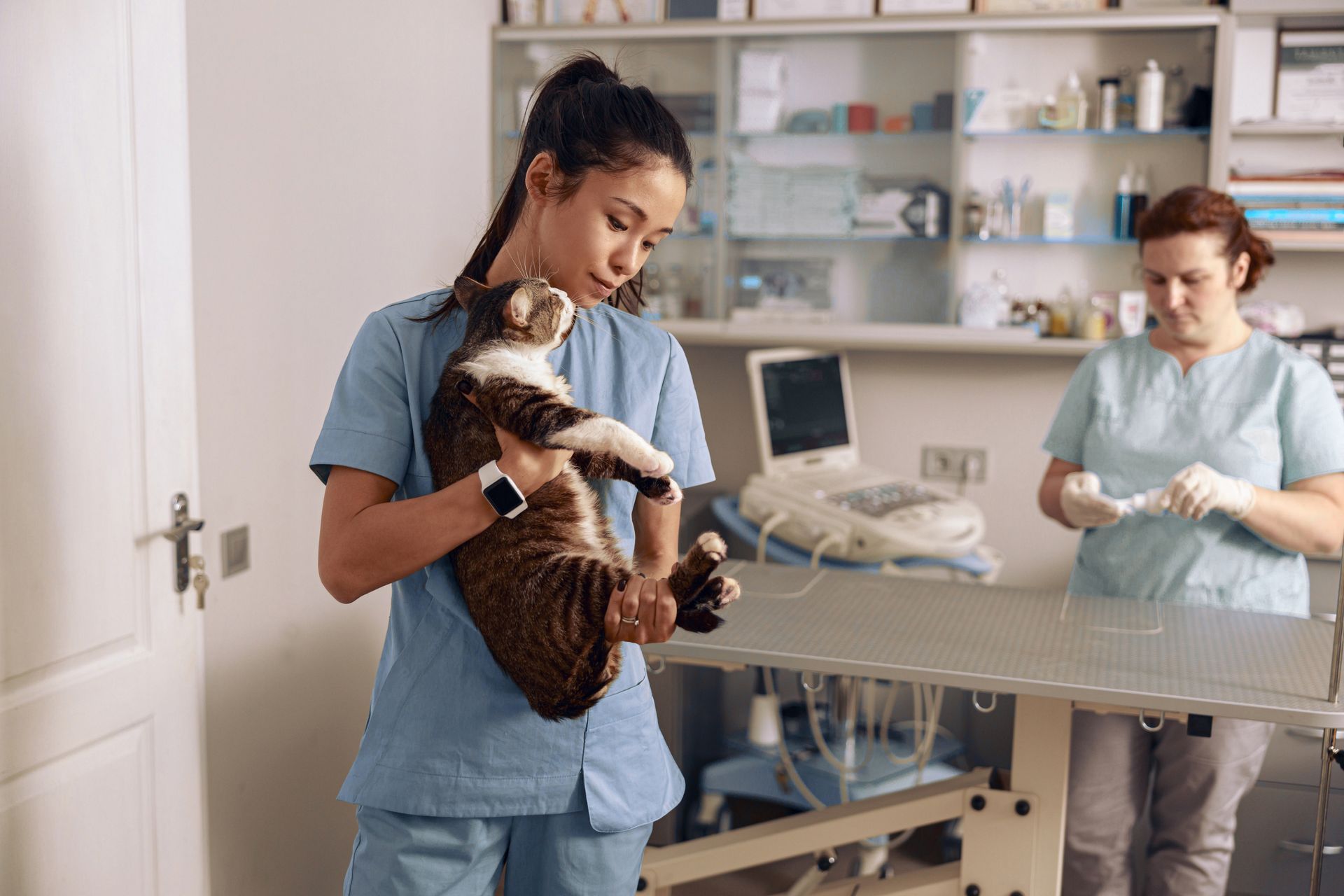
Covers medical costs and lost wages when a team member is hurt on the job — required in most states once you have employees.
Extra protection
Commercial Umbrella
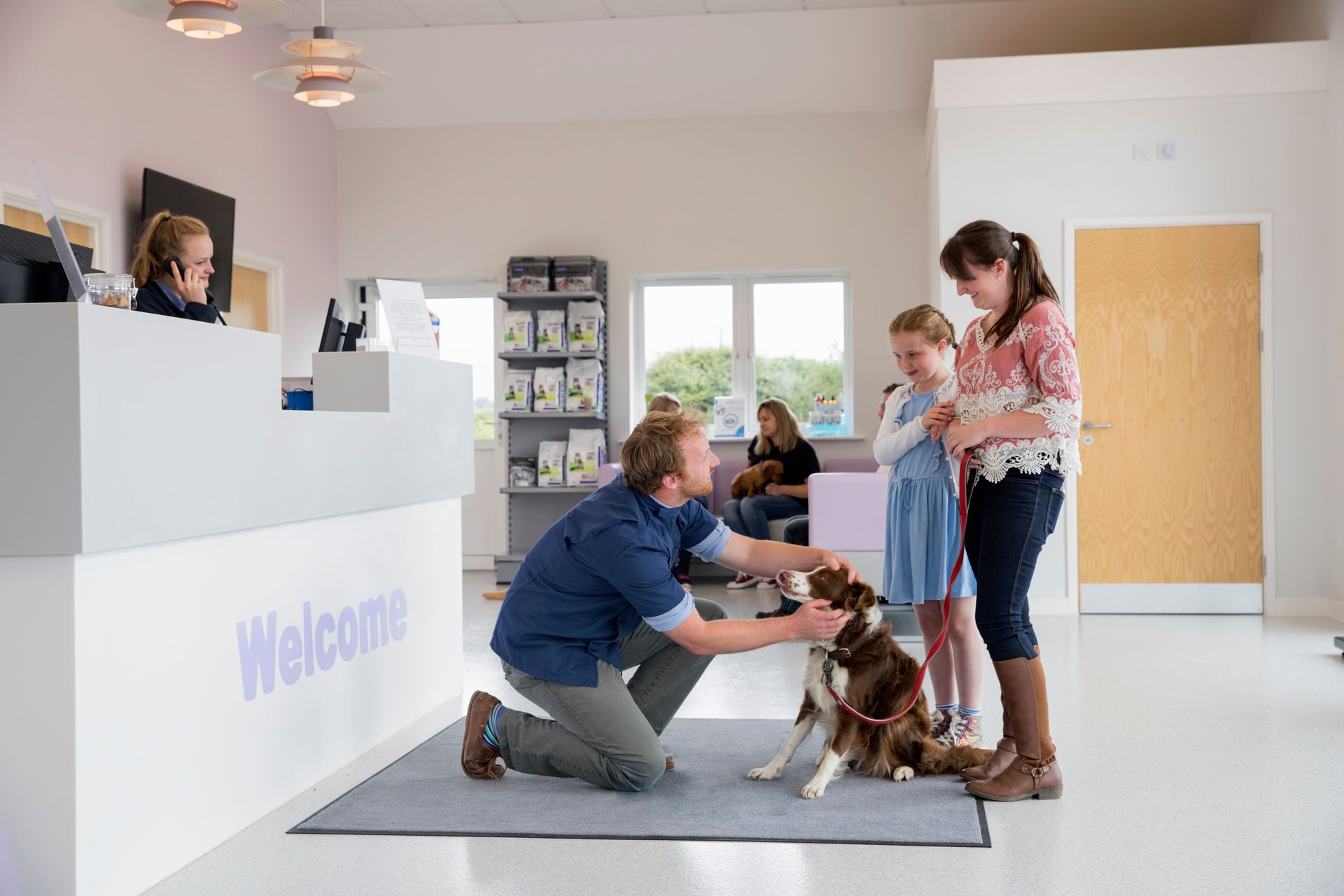
Adds liability limits above your primary policies for catastrophic claims that exceed standard coverage.
Coverage availability and terms vary by carrier and state. We recommend the right mix for your operation once we talk.
Industries we serve
Built for the businesses that care for animals.
General liability is the baseline for every segment we specialize in. Find the page built for your business.
Clinical · high exposure
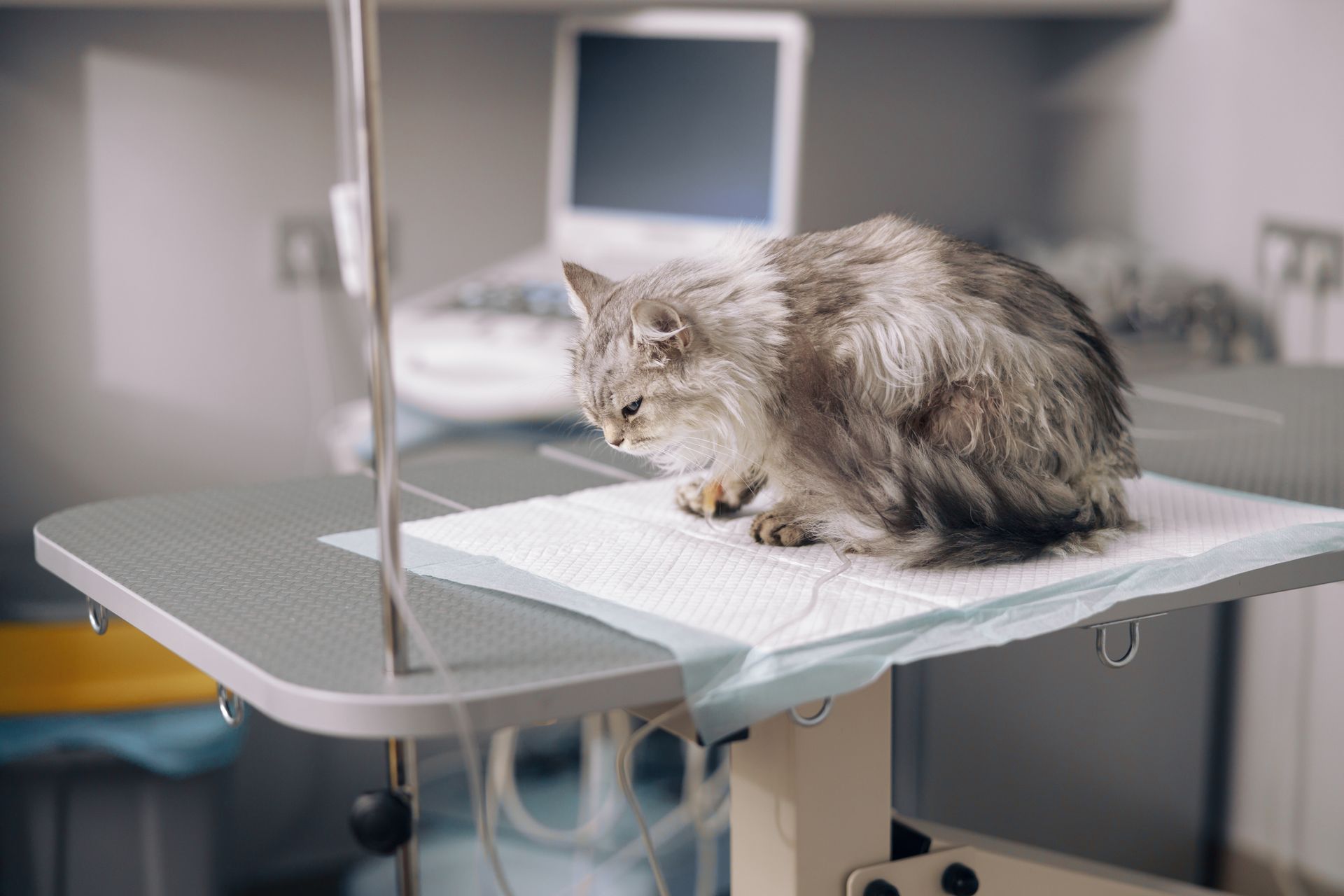
Veterinarians & Animal Hospitals
Professional and general liability, property, and workers’ comp for clinical operators with high exposure.
Hands-on · small business
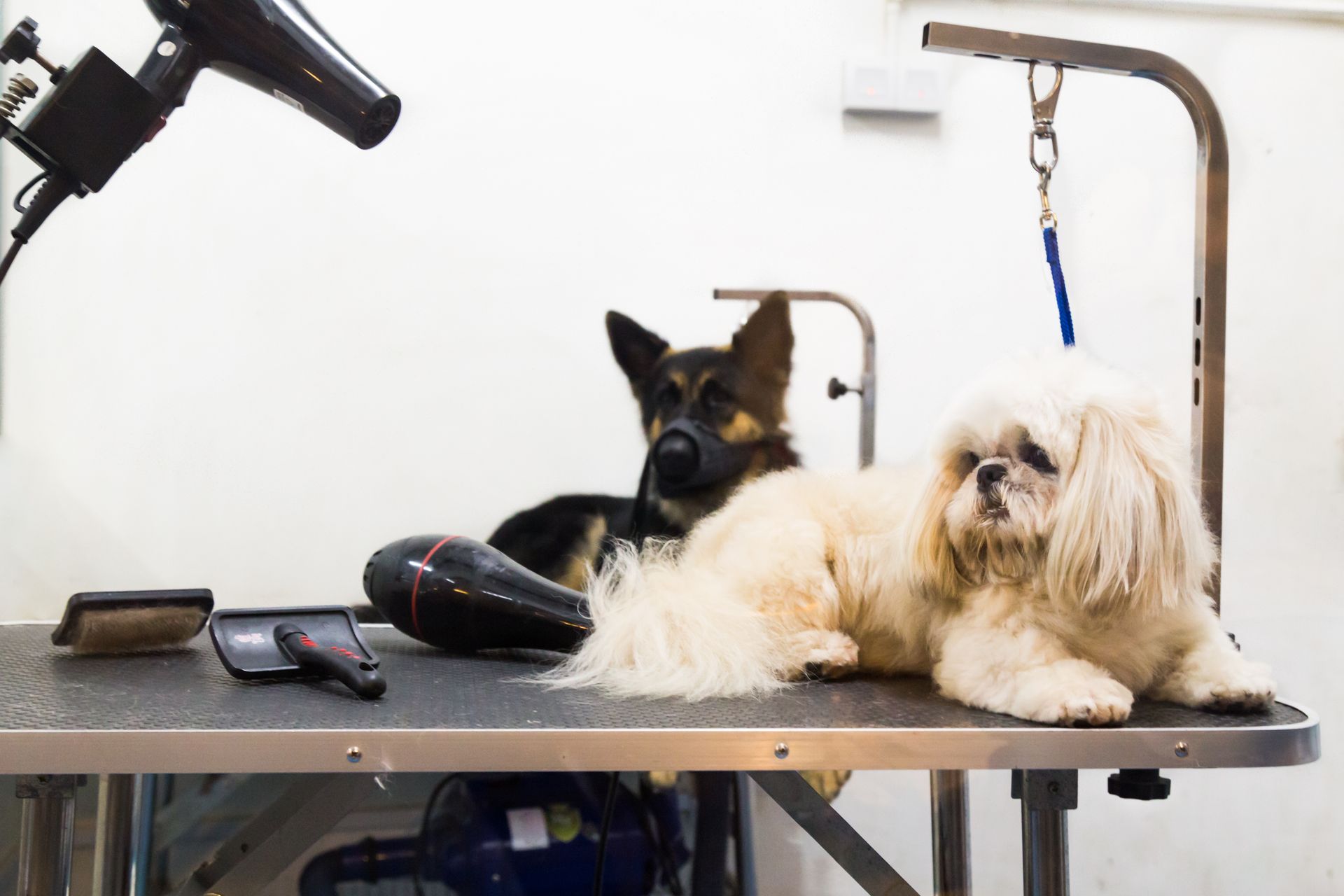
Pet Groomers
Practical protection for animal handling, equipment, and the day-to-day of the grooming table, shop or mobile.
Safety-forward · overnight
Doggy Daycare & Boarding
Coverage matched to facilities responsible for animals overnight and all day long.
Our reviews
Trusted by pet professionals.
See what owners say about working with a specialist who already understands their business.
Frequently asked
Questions pet pros ask us.
What kinds of pet businesses do you insure?
We insure businesses across the animal-care industry — veterinarians and animal hospitals, groomers, doggy daycares and boarding facilities, kennels and trainers, pet sitters and dog walkers, and pet stores. We also cover breeders, equine operations, pet transporters, shelters and rescues, pet photographers, and aquariums or wildlife facilities.
If your work involves caring for, handling, or selling animals, there is a strong chance we cover it. Tell us what you do and we will confirm.
What is care, custody, and control coverage, and why does it matter?
Care, custody, and control coverage protects you when an animal in your charge is injured, becomes ill, or is lost while in your care. Standard general liability policies often exclude this exact exposure, which leaves a serious gap for pet businesses.
For groomers, boarders, sitters, and clinics, this is one of the most important coverages you can carry. We make sure it is in place and sized to your operation.
How is an independent agency different from buying direct from a carrier?
A direct carrier sells you its own single policy. As an independent agency, we shop multiple specialty insurers and compare programs to find the coverage that fits your business and budget.
That means you get options instead of one quote, and an advocate who works for you, not the carrier. We also handle the renewals and claims support over the life of your policy.
How fast can I get a quote?
Most clients get quoted within one business day. Our industry-specific intake forms collect the right details up front, so we can take your information straight to the carriers without a long back-and-forth.
Need it sooner? Call a specialist directly at (346) 738-7297 and we will move quickly.
Which states do you serve?
We are licensed and actively writing coverage in 12 states: Connecticut, Delaware, Georgia, Kentucky, Massachusetts, New Jersey, New York, North Carolina, Pennsylvania, South Carolina, Tennessee, and Virginia.
We continue to add states as we grow. If you operate outside this list, reach out and we will let you know our latest footprint.
From the blog
Coverage notes for pet professionals.
Plain-language risk tips and coverage explainers, written for owners — not insurance pros.
Speak with a specialist
Let's find the right coverage for your business.
No quote bots, no funnel. Talk to a real pet-insurance specialist who already understands your operation — and shops multiple markets on your behalf.
Call us
(346) 738-7297
Toll-free 845-250-5366
Email
service@petindustryins.com
Visit Us
2 Joyce Plaza
Stony Point, NY 10980