Coverage for veterinary practices
Pet sitting is one of the few service industries where the provider routinely has unsupervised access to a client's home for extended periods. Dog walkers might be in and out in 30 minutes, but overnight pet sitters can spend days or weeks in someone's house.
That level of access makes clients nervous, and rightfully so. A bond doesn't eliminate the risk, but it provides a financial safety net that makes the arrangement feel less like a leap of faith. For clients with valuable collections, home offices full of equipment, or simply a strong sense of privacy, knowing their pet sitter is bonded can be the deciding factor. Agencies like Pet Professional Insurance Agency, which specialize in coverage for pet care businesses, often help sitters understand exactly what level of bonding makes sense for their client base and service model.
Start by listing every piece of equipment you own, along with the brand, model, purchase date, and what you paid for it. Take photos or video of each item. Keep receipts, invoices, and warranty documents in a digital folder. This inventory serves two purposes: it helps your agent calculate the right coverage limits, and it becomes your proof of ownership if you ever file a claim. Pet Professional Insurance Agency uses intake forms designed specifically for pet businesses, which means you won't waste time explaining what a forced-air dryer is or why a single pair of shears costs $500. Update this inventory at least once a year, or whenever you make a significant purchase.
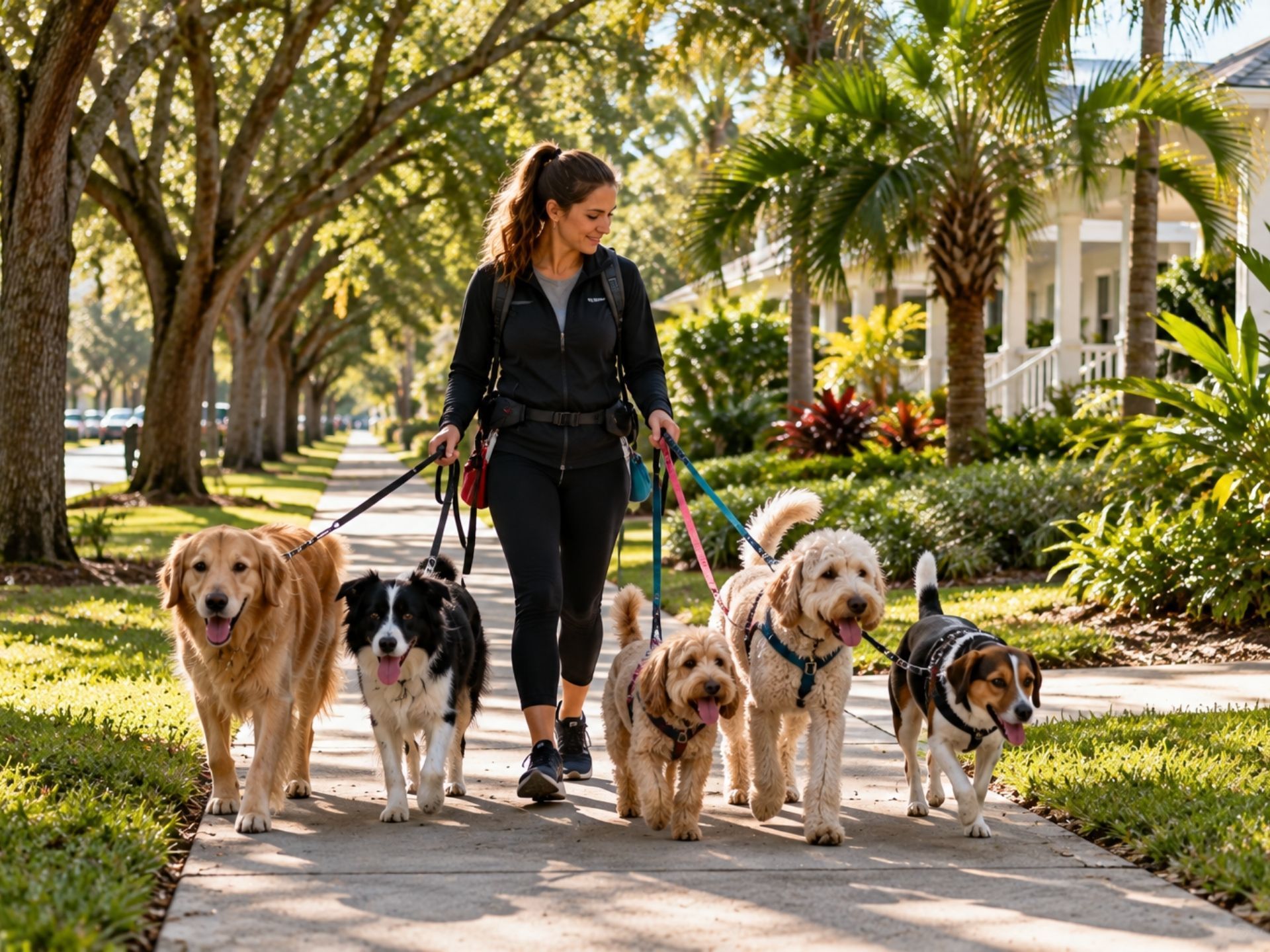
Your general liability policy should cover third-party bodily injury claims, including dog bites. The claim would be filed against your business, and your insurer would handle defense and settlement up to your policy limits. Larger packs with higher bite risk may need higher limits or a separate bite liability endorsement.
If you receive weekly shipments of fish, reptiles, or birds from wholesalers, those animals are at risk during transit. Delayed flights, temperature extremes during shipping, and rough handling kill animals before they ever reach your tanks. Some livestock coverage extends to animals in transit, but many policies only kick in once the animals arrive at your location. Clarify this with your agent before assuming you're covered for a dead-on-arrival shipment worth $3,000.
The pet care industry keeps growing, and dog daycare and boarding facilities are riding that wave hard. If you've been thinking about turning your love of dogs into a real business, you're probably already wondering about costs, what licenses you need, and how to set up a facility that's safe, legal, and profitable. Those are exactly the right questions to start with, because the gap between "I love dogs" and "I run a successful boarding operation" is filled with zoning permits, insurance policies, sanitation protocols, and a surprising amount of paperwork. This guide walks through the practical steps: what it actually takes to open your doors, protect yourself from liability, and build a client base that trusts you with their pets.
Planning Your Dog Daycare and Boarding Facility
Before you sign a lease or pour concrete for outdoor runs, you need a clear plan that accounts for your local market, facility requirements, and realistic startup budget. Independent dog daycare startups typically require an initial investment between $150,000 and $500,000, depending on whether you're building from scratch, converting an existing commercial space, or operating out of a residential property. That range is wide for a reason: a small home-based boarding operation with six kennels looks nothing like a 10,000-square-foot daycare with indoor play areas and webcams.
Your business plan should define your service model early. Will you offer daycare only, overnight boarding, or both? Each model carries different space requirements, staffing ratios, and insurance needs. A daycare-only model keeps hours predictable and reduces overnight liability, but boarding commands higher per-dog revenue and builds stronger recurring relationships with pet owners.
Choosing the Right Location and Layout
Zoning is the first filter. Many commercial zones allow animal care facilities, but residential zones almost always require a special use permit or conditional use approval. Some cities have very specific rules: in New Orleans, for example, all overnight boarding must be conducted indoors, and outdoor exercise is restricted to the hours of 9:00 AM to 5:00 PM. Your municipality may have entirely different restrictions, so check with your local planning department before committing to a property.
Layout matters more than square footage alone. You need separate areas for small and large dogs, an intake/assessment zone, isolation space for sick animals, and adequate outdoor runs. Fencing is a major line item: professional dog fence installation averages $10,200 for a quarter-acre lot and can reach $19,500 for a full acre. If you want play structures, basic agility equipment packages start at $3,000 to $8,000, while premium resort-style setups with specialized surfacing can exceed $50,000.
Legal Requirements and Business Licensing
Most jurisdictions require a specific kennel license or animal care facility permit on top of your standard business license. The exact requirements vary wildly by state, county, and city. Some states mandate annual facility inspections. Others require proof of veterinary oversight or an emergency vet agreement before they'll issue your permit.
You'll also need to register your business entity (LLC is the most common choice for liability protection), obtain an EIN from the IRS, and set up sales tax collection if your state requires it for pet services. A local attorney who handles small business formation can save you hours of guesswork here, and the cost is usually modest compared to what you're investing in the facility itself. Laws vary significantly by jurisdiction, so professional legal advice is worth the investment before you open.
Managing Risk with Professional Insurance
Here's a reality that catches some new owners off guard: a single dog bite incident or injury claim can cost more than your entire first year of revenue. Insurance isn't optional for this business. It's the thing that keeps you from losing everything you've built.
Pet boarding businesses face a unique combination of risks. You're responsible for living animals in your care. Dogs fight. Dogs escape. Dogs eat things they shouldn't. And sometimes, despite your best protocols, a dog gets injured or injures someone else. The right insurance package addresses all of these scenarios.
A specialty agency like Pet Professional Insurance Agency can help you find coverage tailored to boarding and daycare operations specifically. They work with multiple specialty insurance markets and understand the risks unique to pet care, including bite liability and care, custody, and control coverage, which generic business insurance brokers often overlook or underinsure.
Comparison: General Liability vs. Professional Liability
| General Liability | Professional Liability | |
|---|---|---|
| What it covers | Third-party bodily injury and property damage on your premises | Claims arising from errors in your professional services |
| Example claim | A client slips on a wet floor in your lobby | A dog escapes because staff failed to secure a gate properly |
| Who it protects | You, against claims from visitors, clients, or passersby | You, against claims related to negligent care decisions |
| Typical cost | Median of about $53 per month for pet boarding businesses | Varies based on services offered and claims history |
| Required by | Most landlords and many municipalities | Often required by pet industry associations |
Most boarding facilities need both. General liability alone won't cover you if a client alleges that your staff's negligence caused their dog's injury. Professional liability fills that gap.
Understanding Bailee's Coverage for Pets
Bailee's coverage is one of the most misunderstood policies in pet care insurance, and it's arguably the most important one for boarding facilities. Standard property insurance covers your stuff. Bailee's coverage protects property that belongs to someone else while it's in your care. In your case, that "property" is a client's dog.
If a dog in your facility gets injured, becomes ill, or dies while under your supervision, bailee's coverage responds to the claim. Without it, you'd be paying veterinary bills, replacement costs, and potential legal fees out of pocket. This is a coverage gap that Pet Professional Insurance Agency flags immediately when working with new boarding facility clients, and it's one of the reasons working with a pet-industry-specific agent matters. They know what to look for because they've seen the claims that generic policies miss. Most clients hear back within 24 to 48 hours when they reach out for a coverage review.
Essential Equipment and Staffing Needs
Your equipment list depends on your service model, but every boarding and daycare facility needs the basics: commercial-grade kennels or crates, non-porous flooring that can be sanitized, industrial drainage, HVAC adequate for the animal load, secure fencing, and a reliable camera system. Webcams have gone from a nice perk to a client expectation: parents want to check in on their dogs during the day.
Don't overlook the less obvious items. You'll need a commercial washer and dryer for bedding, a dedicated food prep area, locked medication storage, and a first aid kit stocked for canine emergencies. Fire suppression systems rated for animal facilities may also be required by your local fire marshal.
Sanitation and Safety Protocols
Disease outbreaks can shut down a boarding facility fast. Canine influenza, kennel cough, and parvovirus are all real threats in group settings. Your sanitation protocol should include:
- Daily disinfection of all kennels and play areas with veterinary-grade cleaners
- Mandatory vaccination records (DHPP, bordetella, and rabies at minimum) before any dog enters your facility
- An isolation area for dogs showing symptoms of illness
- Handwashing stations and boot sanitizing trays between play groups
- Written protocols for outbreak response, including client notification procedures
These aren't just good practices. They're what separates a professional operation from a backyard hobby, and they directly affect your insurance premiums and claims history.
Hiring and Training Animal Caretakers
Staffing is your largest ongoing expense. Payroll typically consumes 40 to 50 percent of gross revenue in this industry, so plan accordingly. For high-energy or puppy groups, experts recommend a tighter 1:10 staff-to-dog ratio to maintain safe supervision.
Hire people who genuinely understand dog behavior, not just people who like dogs. There's a meaningful difference. Your staff needs to read body language, recognize stress signals, and break up conflicts before they escalate. Invest in formal training on canine behavior, safe handling techniques, and emergency response. Document every training session: this protects you legally and demonstrates due diligence if a claim ever arises.
Building Your Client Base and Reputation
Word of mouth drives this business more than any ad campaign. Pet owners trust recommendations from other pet owners, their veterinarian, and their groomer far more than they trust a Facebook ad. Start by building relationships with local vets, groomers, trainers, and pet supply stores. Offer them a tour of your facility so they can recommend you with confidence.
Your online presence matters too, but in a specific way. Google reviews are the single most influential factor for local pet service searches. Ask every satisfied client to leave a review. Respond to every review, positive or negative, with professionalism. Post photos and videos of happy dogs on social media consistently. Pet owners want to see the dogs having fun and the facility looking clean.
Offer a free trial day or a discounted first visit. Once a dog owner sees their pet happy and safe in your care, retention rates are high. Consider a loyalty program or multi-day packages to encourage recurring bookings and smooth out your revenue.
Common Questions About Starting a Pet Business
Do I really need insurance if I only board a few dogs?
Yes. The number of dogs doesn't change your liability exposure per dog. One bite, one escape, or one injury can generate a claim that costs tens of thousands of dollars. Even a small home-based operation needs general liability and bailee's coverage at minimum.
What happens if a dog gets hurt under my care?
Your bailee's coverage should respond to cover veterinary costs and potential claims from the owner. Without it, you're personally liable. Document every incident immediately, notify your insurance carrier, and contact the owner right away. Written incident reports protect you if the situation escalates.
How much does it cost to get licensed?
Licensing costs vary significantly by location. A basic business license can range from as little as $10 in Mesa, AZ, to $84 in Surprise, AZ, while a kennel license or animal care facility permit can cost $30 in Gatesville, TX, or $150 in San Antonio. Some jurisdictions also require inspection fees, such as a $200 "no-contact" fee in Kansas if an owner is not present for a scheduled inspection. Check with your city and county clerk's office for exact figures in your area.
Does home insurance cover a boarding business?
Almost certainly not. Standard homeowner's policies exclude commercial activity, and most explicitly exclude animal-related liability. If you're running a boarding operation from your home, you need a separate commercial policy. Trying to file a business claim under your home policy is a fast way to get both claims denied and your homeowner's policy canceled.
Your Next Steps Toward Launch
Starting a dog daycare or boarding business takes more planning than most people expect, but the demand is real and the margins can be strong once you're established. The key steps are straightforward: nail down your location and zoning, secure the right licenses, invest in proper equipment and trained staff, and get insurance coverage that actually matches your risks.
About the author
Barnaby Joyce
Founder, Pet Professional Insurance Agency · Licensed Insurance Producer
I started Pet Professional Insurance Agency because I watched pet businesses get handed generic policies that never fit. After years of placing coverage for veterinary practices, grooming salons, doggy daycares, and kennels through a generalist agency, I saw the same gaps over and over — and the same blank stares when an owner tried to explain care, custody, and control to an agent who had never insured an animal in their life.
So I built an agency that does one thing. I work directly with specialty carriers who actually want pet-industry risk, and I sit down with every client personally. You will not get a call center or a chatbot. You will get someone who already speaks your language and shops the market on your behalf. That is the whole idea.
Recent Posts