Coverage for veterinary practices
Pet Business Property Insurance
A burst pipe floods your grooming salon overnight. By morning, your hydraulic tables are ruined, your dryers are waterlogged, and the drywall is buckling. Your landlord's insurance covers the building shell, but everything you paid for out of pocket: the equipment, the build-out, the inventory? That's on you. This is the exact scenario that makes property insurance essential for pet businesses, and it's the scenario most owners don't think about until it's too late.
Pet business property insurance protects the physical assets you use to run your operation, from grooming tools and kennels to computers and signage. But the details matter enormously. What's covered, what's excluded, and how much you actually need depends on your business type, your lease, and the specific policy form you choose. A boarding facility with $200,000 in custom kennel construction has wildly different needs than a mobile groomer working out of a van. Getting this wrong means paying premiums for coverage that won't actually help you when something goes sideways. Here's what you need to know to get it right.
What is Commercial Property Insurance for Pet Professionals?
Commercial property insurance reimburses you for damage to or loss of your business's physical assets. For pet professionals, that includes everything from bathing stations and surgical equipment to client records and retail inventory. The policy pays to repair or replace these items when they're damaged by a covered event, like a fire, storm, or break-in.
Most pet business owners carry general liability insurance, which covers third-party injuries and property damage claims. But liability policies don't protect your own stuff. If a fire destroys your boarding facility's reception area, liability insurance won't pay to replace your computers, furniture, or point-of-sale system. That's the job of a property policy.
One critical distinction: standard commercial general liability policies typically exclude "Care, Custody, and Control" coverage, meaning they won't cover animals in your care. Property insurance follows the same logic: it protects your physical assets, not the pets. If a dog is injured during a covered event like a fire, you'd need separate bailee or care, custody, and control coverage to address that liability.
Defining Your Business Personal Property (BPP)
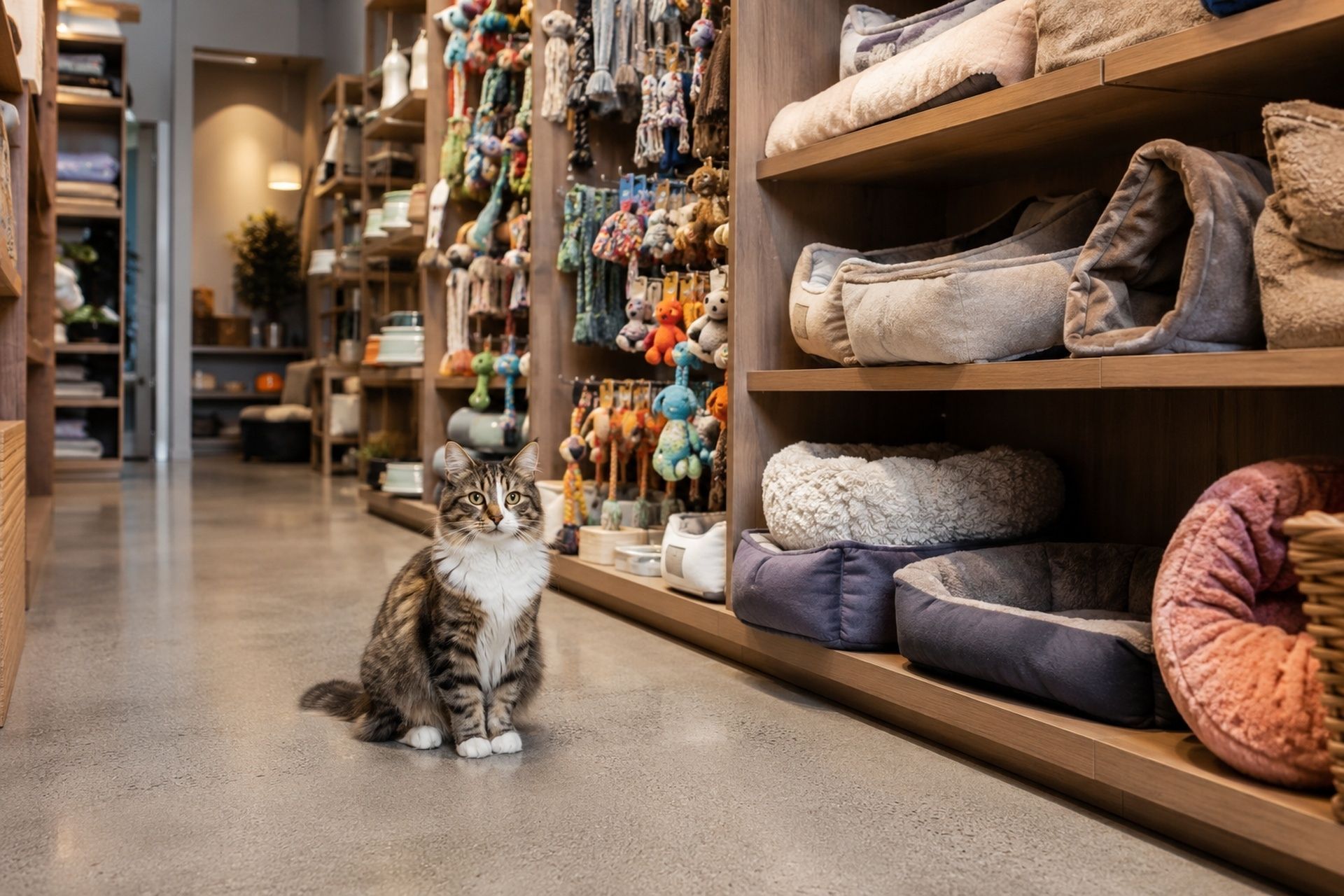
Business Personal Property, or BPP, refers to the movable items you own and use to operate. Think grooming clippers, crates, agility equipment, veterinary instruments, retail merchandise, and office furniture. BPP also includes items you've leased or borrowed if your policy is written to cover them.
The key here is accurate valuation. Most pet business owners underestimate what they've accumulated. A single grooming station with a hydraulic table, professional dryer, and tool set can easily run $3,000 to $5,000. Multiply that across several stations, add your retail products, waiting room furniture, and technology, and you're looking at a BPP value that surprises most people. Keeping an updated inventory with photos and receipts makes the claims process dramatically smoother.
Building Coverage vs. Tenant Improvements
If you own your building, building coverage protects the structure itself: walls, roof, plumbing, electrical, and HVAC. If you lease your space, your landlord's policy covers the building, but it almost certainly does not cover your tenant improvements.
Tenant improvements, sometimes called "betterments," are the modifications you've made to a leased space. Custom drainage for dog wash stations, soundproofing for boarding areas, cat-specific ventilation systems, rubber flooring in play areas: these are all improvements you paid for, and they're your responsibility to insure. Many pet business owners skip this coverage because they assume the landlord's policy handles it. It doesn't. If you've invested $30,000 or more into build-out, that's $30,000 you'd lose without the right coverage.
Key Coverage Areas and Common Exclusions
Understanding what your policy covers, and what it doesn't, is where most confusion lives. Pet businesses face unique risks that standard property forms don't always address well.
Standard Perils: Fire, Theft, and Vandalism
Most commercial property policies cover a core set of perils. Fire and smoke damage, theft, vandalism, windstorm, hail, and certain water damage events (like burst pipes) are typically included. For pet businesses, fire is statistically one of the biggest risks: heat lamps, dryers, and electrical equipment running for extended hours create real hazards, particularly in grooming salons and boarding facilities.
Theft coverage matters too, especially for veterinary clinics storing controlled substances or expensive diagnostic equipment. A break-in at a vet clinic can result in tens of thousands in losses between stolen drugs and damaged equipment. Vandalism claims, while less common, do occur, particularly for businesses in high-traffic retail areas.
Common Policy Exclusions to Watch For
Here's where pet business owners get burned. Standard property policies commonly exclude:
- Flood damage: Requires a separate flood policy, even in moderate-risk zones
- Earthquake damage: Excluded in most states; available as an endorsement
- Equipment breakdown: Mechanical or electrical failure often requires a separate endorsement
- Intentional acts: Damage you cause deliberately is never covered
- Wear and tear: Gradual deterioration isn't a covered peril
- Animals in your care: Pets are not "property" under your policy; separate animal bailee coverage is needed
Florida pet businesses face particular exposure to hurricane and flood damage. State-specific regulations can affect both coverage availability and pricing, and Florida's evolving pet liability laws add another layer of complexity. Always consult with a licensed attorney in your state for legal questions around animal-related liability.
Comparing Coverage: Basic vs. Special Form Policies
Not all property policies are created equal. The two most common forms are "basic" (or "named perils") and "special" (sometimes called "open perils" or "all-risk"). The difference between them is significant, and choosing the wrong one can leave you exposed.
A basic form policy only covers the specific perils listed in the policy. If the cause of your loss isn't on the list, you're not covered. A special form policy flips this: it covers everything except what's specifically excluded. That's a much broader safety net.
Comparison Chart: Basic vs. Extended Coverage
| Feature | Basic (Named Perils) | Special (Open Perils) |
|---|---|---|
| What's covered | Only listed perils (fire, theft, etc.) | Everything not specifically excluded |
| Burden of proof | You prove the loss was caused by a named peril | Insurer must prove an exclusion applies |
| Typical cost | Lower premiums | Higher premiums (10-20% more on average) |
| Coverage gaps | More gaps; unusual losses often denied | Fewer gaps; broader protection |
| Ideal for | Low-value BPP, tight budgets | High-value equipment, build-outs, clinics |
| Equipment breakdown | Usually excluded | Often excludable but available as endorsement |
For most pet businesses with significant equipment investment, the special form is worth the added cost. A grooming salon owner who loses $15,000 in equipment to an electrical surge will wish they'd paid the extra premium for broader coverage.
Which Pet Businesses Need Property Insurance?
The short answer: virtually all of them. But the type and amount of coverage varies dramatically based on your business model and physical footprint.
Grooming Salons and Veterinary Clinics
Grooming salons and vet clinics typically have the highest BPP values among pet businesses. A single veterinary practice can have $100,000 or more in diagnostic equipment, surgical instruments, and pharmaceuticals. Grooming salons, while less expensive to equip, still accumulate significant value in hydraulic tables, professional dryers, and retail inventory.
Both business types also tend to invest heavily in tenant improvements. Veterinary clinics need specialized plumbing, gas lines, and ventilation. Grooming salons require drainage systems and durable flooring. Insurance for pet grooming businesses should account for these build-out costs, which are often the most expensive assets to replace.
At Pet Professional Insurance Agency, we use intake forms specifically designed for each pet business type, so your coverage reflects the actual risks of your operation rather than a generic commercial template.
Dog Daycares and Boarding Facilities
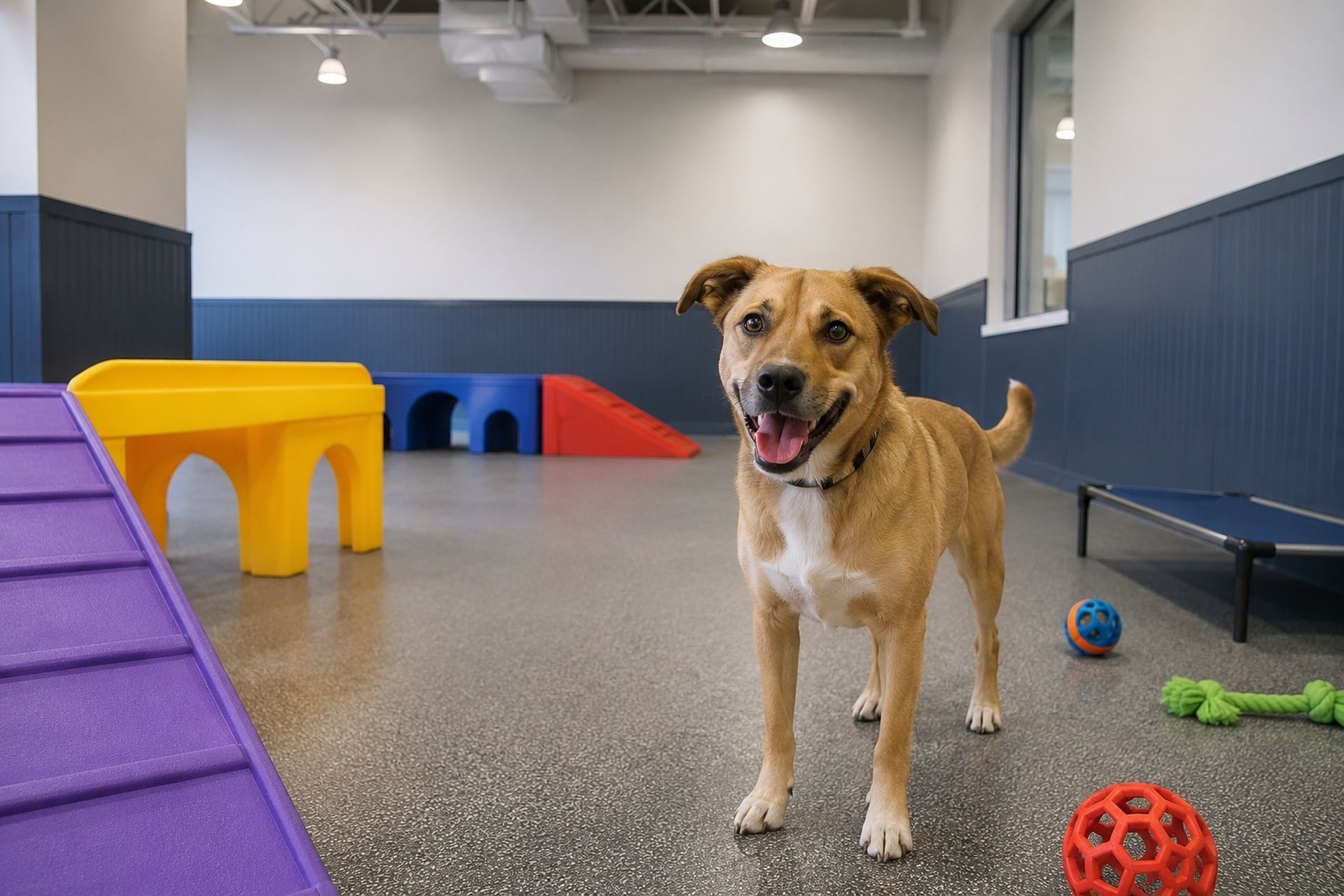
Boarding and daycare facilities present unique property risks. These businesses operate around the clock, with animals housed overnight, which increases exposure to fire, water damage, and equipment failure. HVAC systems run continuously, commercial washers and dryers handle heavy loads daily, and outdoor play areas take a beating from weather and use.
The property values here can be substantial. Custom kennel systems, commercial-grade fencing, surveillance equipment, and climate control systems add up quickly. A boarding facility's insurance needs extend well beyond basic property coverage, but property insurance forms the foundation. Facilities that also offer grooming or training services need to ensure their BPP limits account for equipment across all service lines.
Mobile Groomers and Pet Sitters
Mobile groomers and pet sitters have lower property insurance needs, but that doesn't mean zero. A fully equipped grooming van can represent $40,000 to $80,000 in value between the vehicle, water system, generator, and grooming tools. Standard auto insurance won't cover the commercial equipment inside the van, so a mobile groomer's insurance package needs to address both the vehicle and its contents.
Pet sitters working from clients' homes have minimal BPP, but they still carry supplies, technology, and sometimes transport equipment. A basic property policy or an inland marine floater can cover these portable items affordably. Working with an agency like Pet Professional Insurance Agency that understands the differences between a brick-and-mortar salon and a mobile operation means you're not overpaying for coverage you don't need.
Frequently Asked Questions About Pet Business Property
Does my landlord's insurance cover my grooming equipment? No. Your landlord's policy covers the building structure. Your equipment, furniture, inventory, and any improvements you've made to the space are your responsibility to insure.
How much property coverage do I actually need? Enough to replace everything you own at current prices. Conduct a full inventory, including tenant improvements, and update it annually. Underinsuring is the most common mistake we see.
Is flood damage covered under a standard property policy? No. Flood damage requires a separate policy, whether through the National Flood Insurance Program or a private flood insurer. This is true even if you're not in a designated flood zone.
Do I need property insurance if I work out of my home? Possibly. Homeowners policies typically exclude or limit coverage for business property. If you run a home-based training or pet-sitting business, you may need a home business endorsement or a separate commercial property policy.
What's the difference between replacement cost and actual cash value? Replacement cost pays to replace damaged items with new equivalents. Actual cash value deducts depreciation, meaning you'll receive less for older items. Replacement cost policies cost more but pay out significantly more at claim time.
Will property insurance cover me if a dog destroys my equipment? It depends on your policy. Animal damage is sometimes excluded or limited. This is a conversation to have with your agent before you need to file a claim.
Making the Right Choice for Your Facility
Property insurance isn't glamorous, but it's the policy that keeps you operational after a disaster. The right coverage depends on what you own, where you operate, and how much you've invested in your space. A veterinary clinic with six-figure equipment needs a very different policy than a pet sitter carrying a bag of supplies.
Take the time to inventory your assets honestly. Review your lease to understand what your landlord covers and what falls on you. Choose a special form policy if your equipment and build-out justify the cost. And work with an agent who actually understands pet businesses: someone who knows that a grooming salon's risks look nothing like a retail store's.
Pet Professional Insurance Agency specializes in exactly this kind of coverage. With access to multiple specialty insurance markets and intake forms built for each type of pet business, we can typically get you options within 24 to 48 hours. You'll work directly with your agent, not a call center, and that personal service makes a real difference when you're trying to protect what you've built.
Index
Pet Professional Insurance Agency is fully licensed and permitted to provide commercial insurance solutions for pet businesses across 12 states.
We proudly serve pet professionals throughout the Northeast, Mid-Atlantic, and Southeast. Powered by Joyce Insurance Agency, our team works with leading specialty carriers — including The Hartford, USLI, Nautilus, and Northland — to make sure veterinarians, groomers, boarding facilities, and pet-care businesses receive coverage that fits their real risks in Connecticut, Delaware, Georgia, Kentucky, Massachusetts, New Jersey, New York, North Carolina, Pennsylvania, South Carolina, Tennessee, and Virginia.
About the author
Barnaby Joyce
Founder, Pet Professional Insurance Agency · Licensed Insurance Producer
I started Pet Professional Insurance Agency because I watched pet businesses get handed generic policies that never fit. After years of placing coverage for veterinary practices, grooming salons, doggy daycares, and kennels through a generalist agency, I saw the same gaps over and over — and the same blank stares when an owner tried to explain care, custody, and control to an agent who had never insured an animal in their life.
So I built an agency that does one thing. I work directly with specialty carriers who actually want pet-industry risk, and I sit down with every client personally. You will not get a call center or a chatbot. You will get someone who already speaks your language and shops the market on your behalf. That is the whole idea.
Related coverages
Coverages that pair with general liability.
Most pet businesses build on general liability with the lines below. Explore each — every page cross-links to the
industries we serve.
Services & advice
Professional Liability / E&O
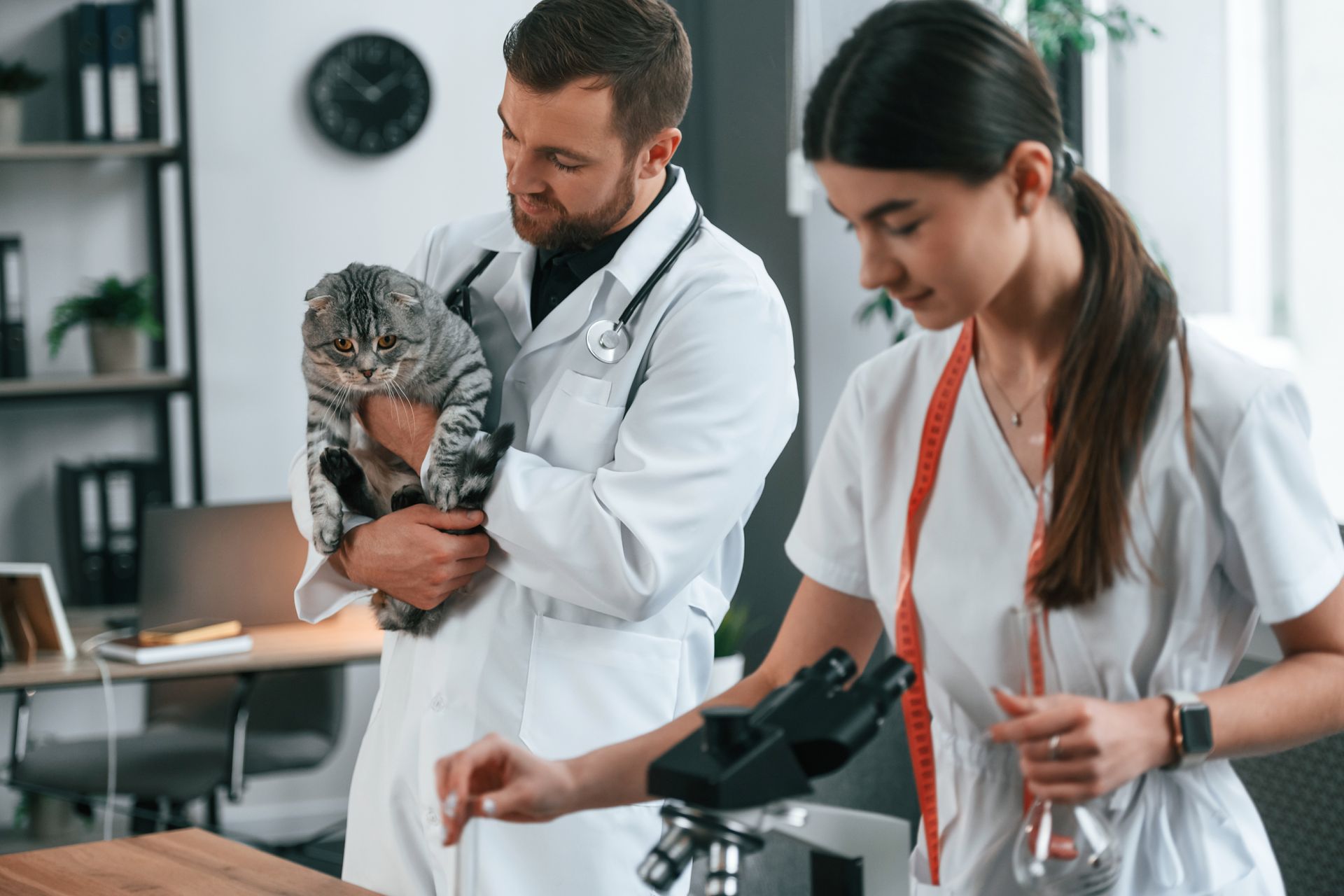
Covers claims tied to your professional services and advice — clinical care, training guidance, and the judgment calls you make daily.
The pet-industry gap
Care, Custody & Control
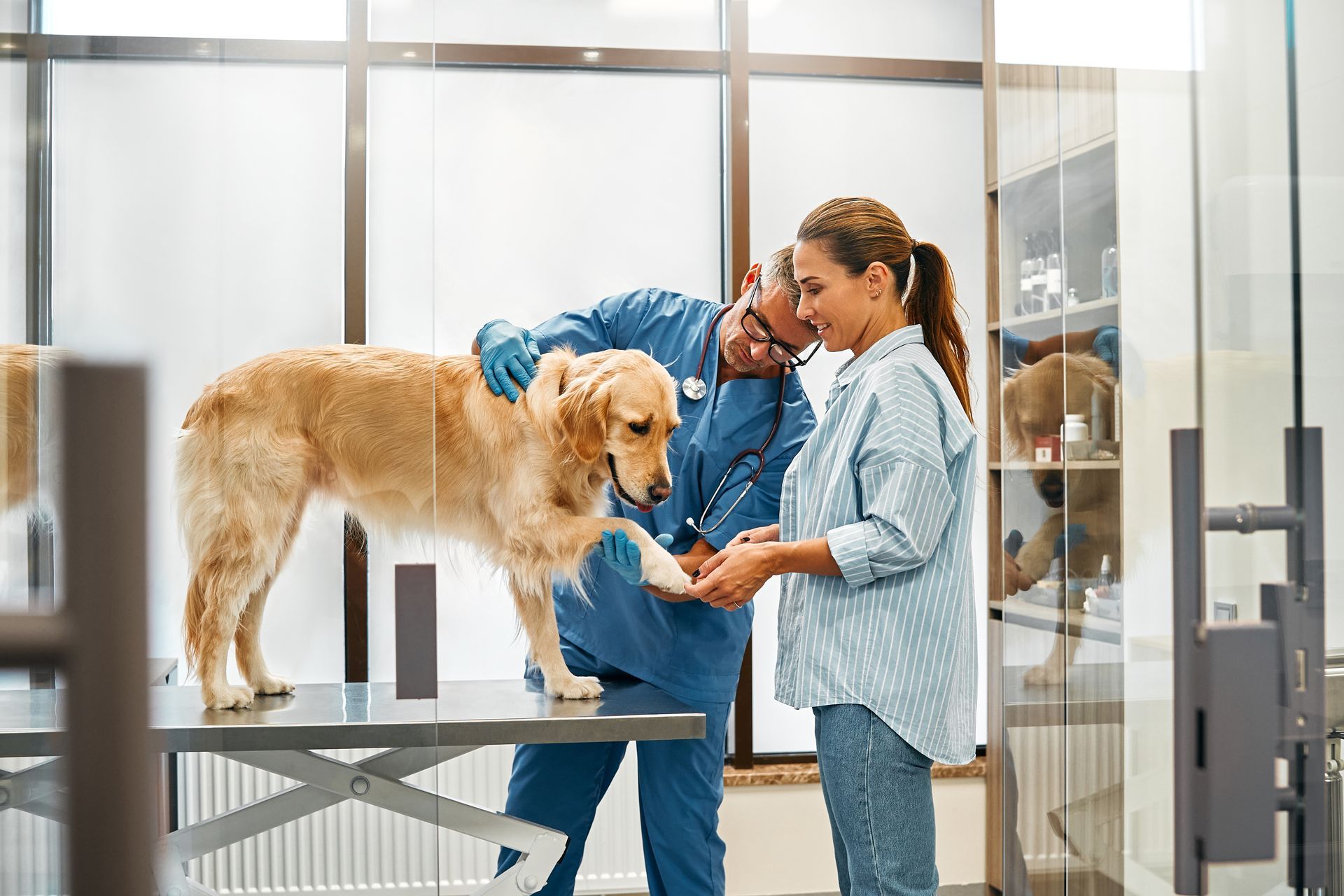
Covers the animals in your charge against injury, illness, or loss — the critical exposure standard liability policies leave out.
Bundled & cost-effective
Business Owners Policy (BOP)
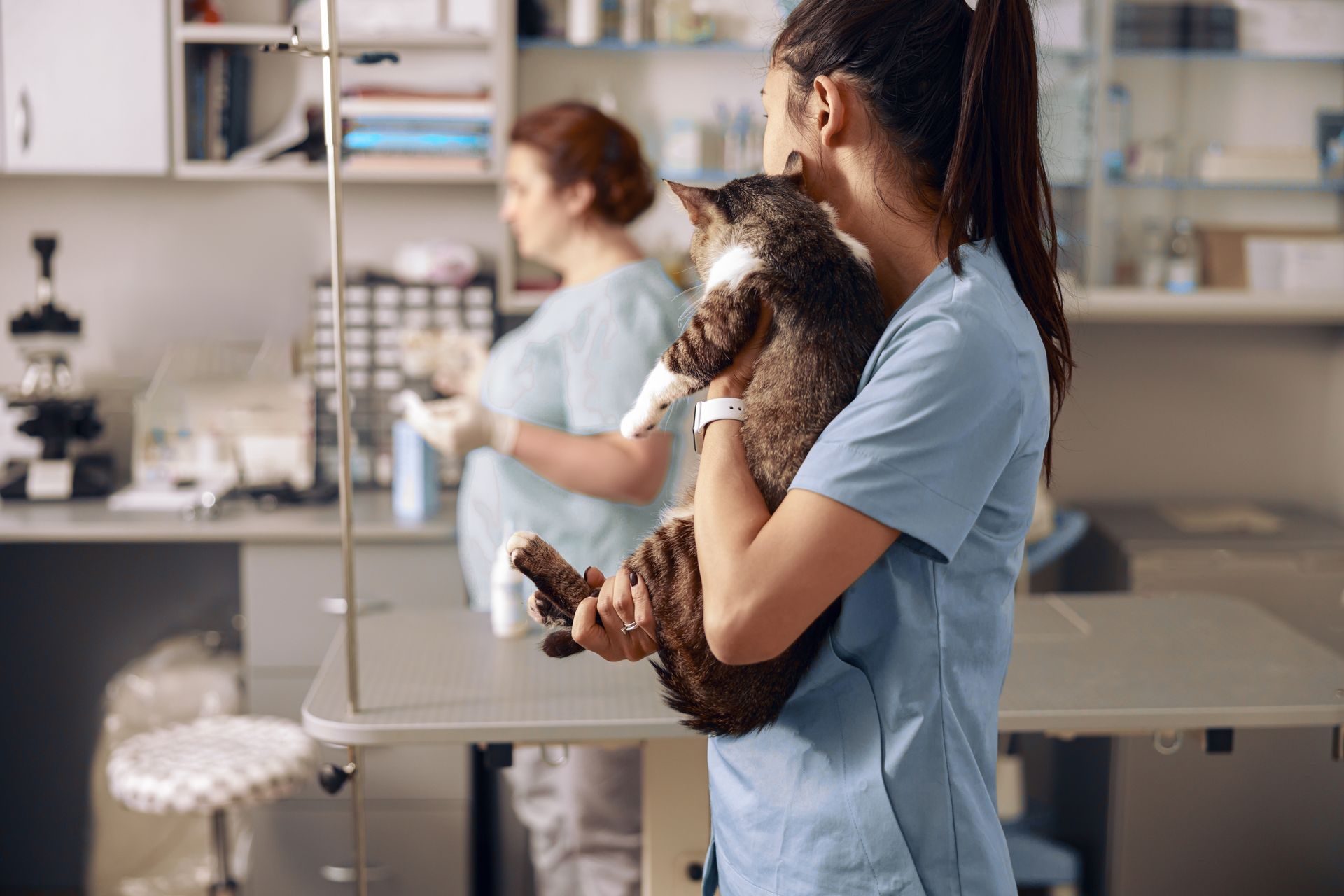
Bundles property and general liability into one package built for small to mid-sized pet businesses — often the simplest base.
Your building & contents
Commercial Property
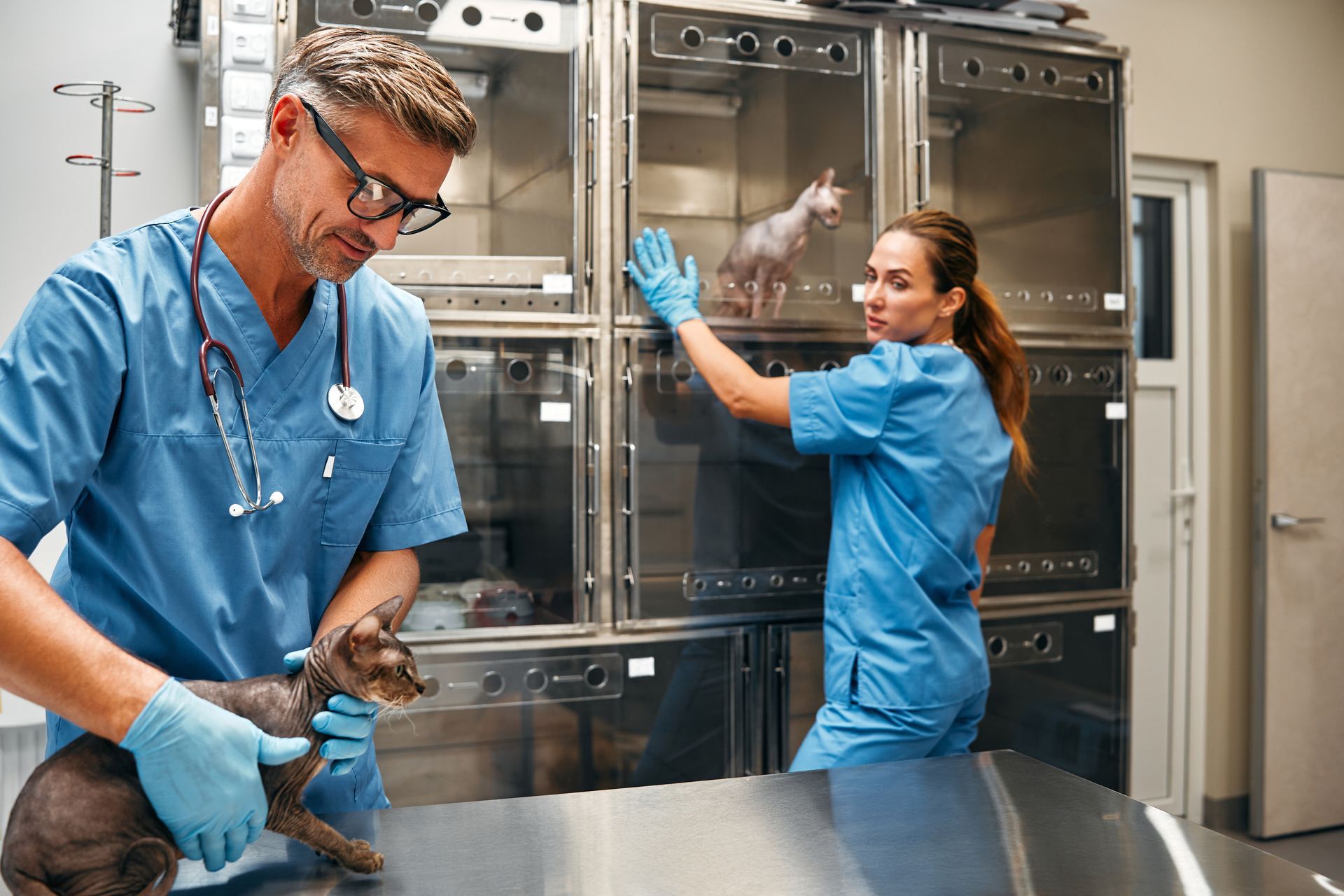
Protects your building, build-out, equipment, and inventory against fire, theft, and covered losses — front desk to back room.
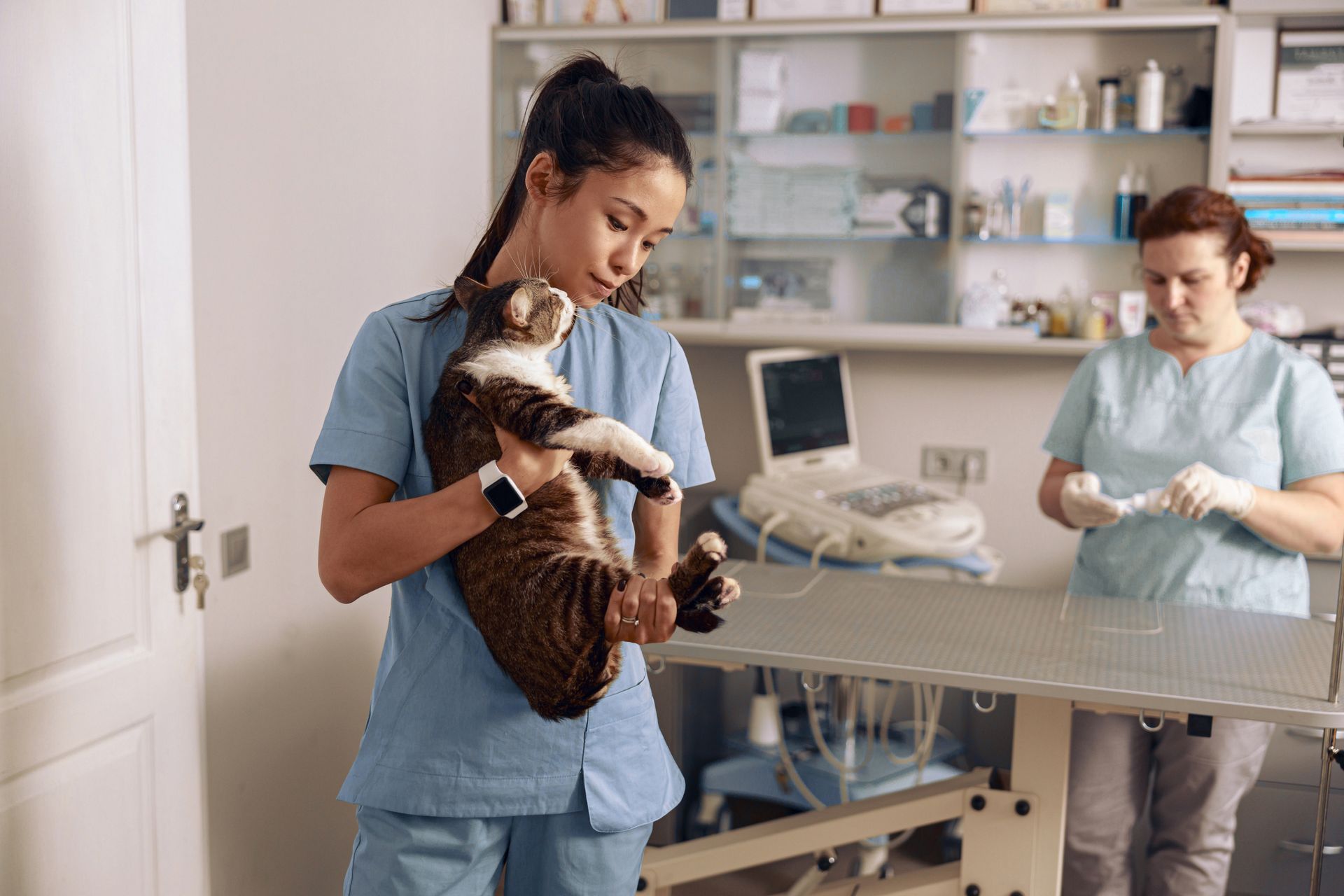
For your team
Workers’ Compensation
Covers medical costs and lost wages when a team member is hurt on the job — required in most states once you have employees.
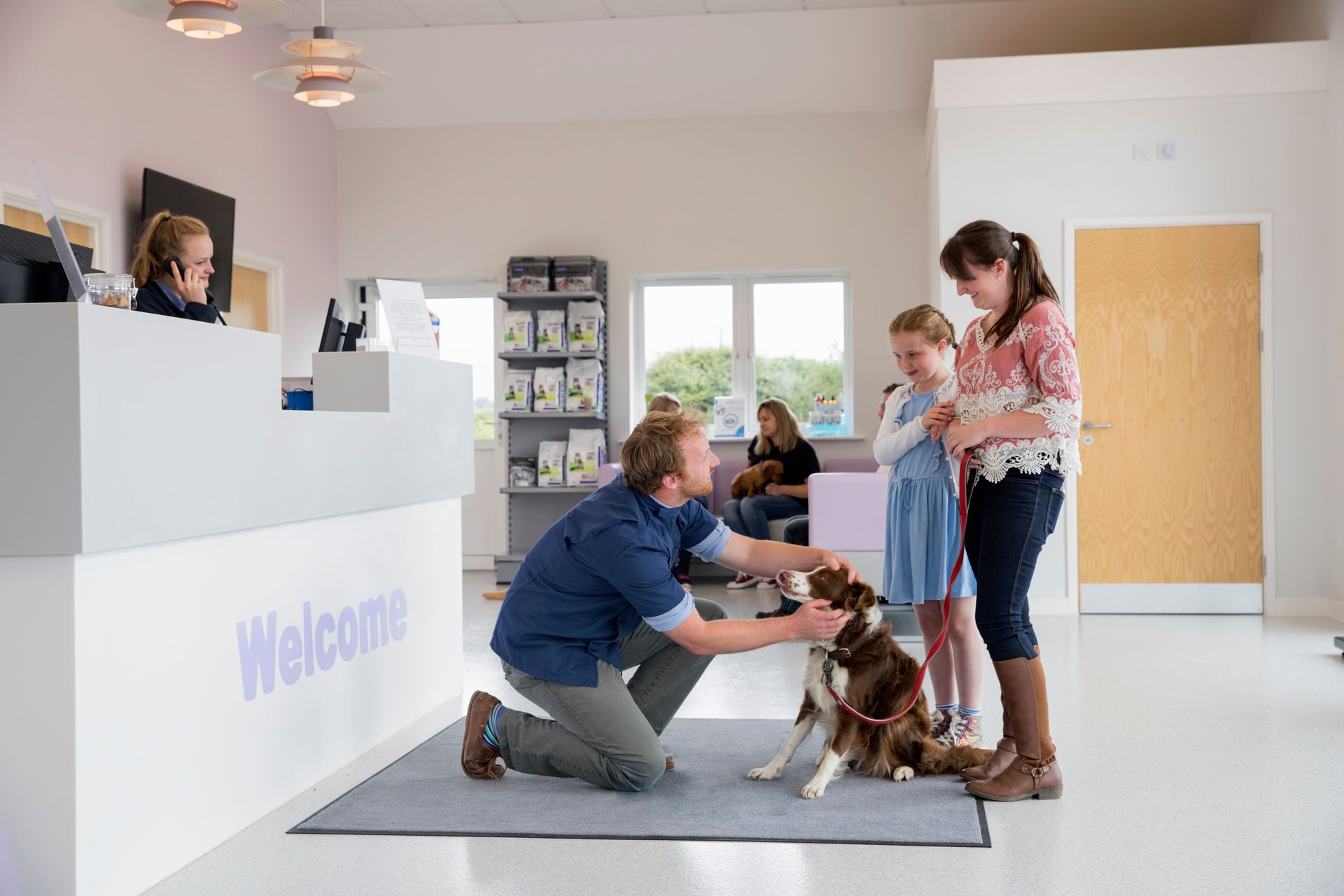
Extra protection
Commercial Umbrella
Adds liability limits above your primary policies for catastrophic claims that exceed standard coverage.
Coverage availability and terms vary by carrier and state. We recommend the right mix for your operation once we talk.
Industries we serve
Built for the businesses that care for animals.
General liability is the baseline for every segment we specialize in. Find the page built for your business.
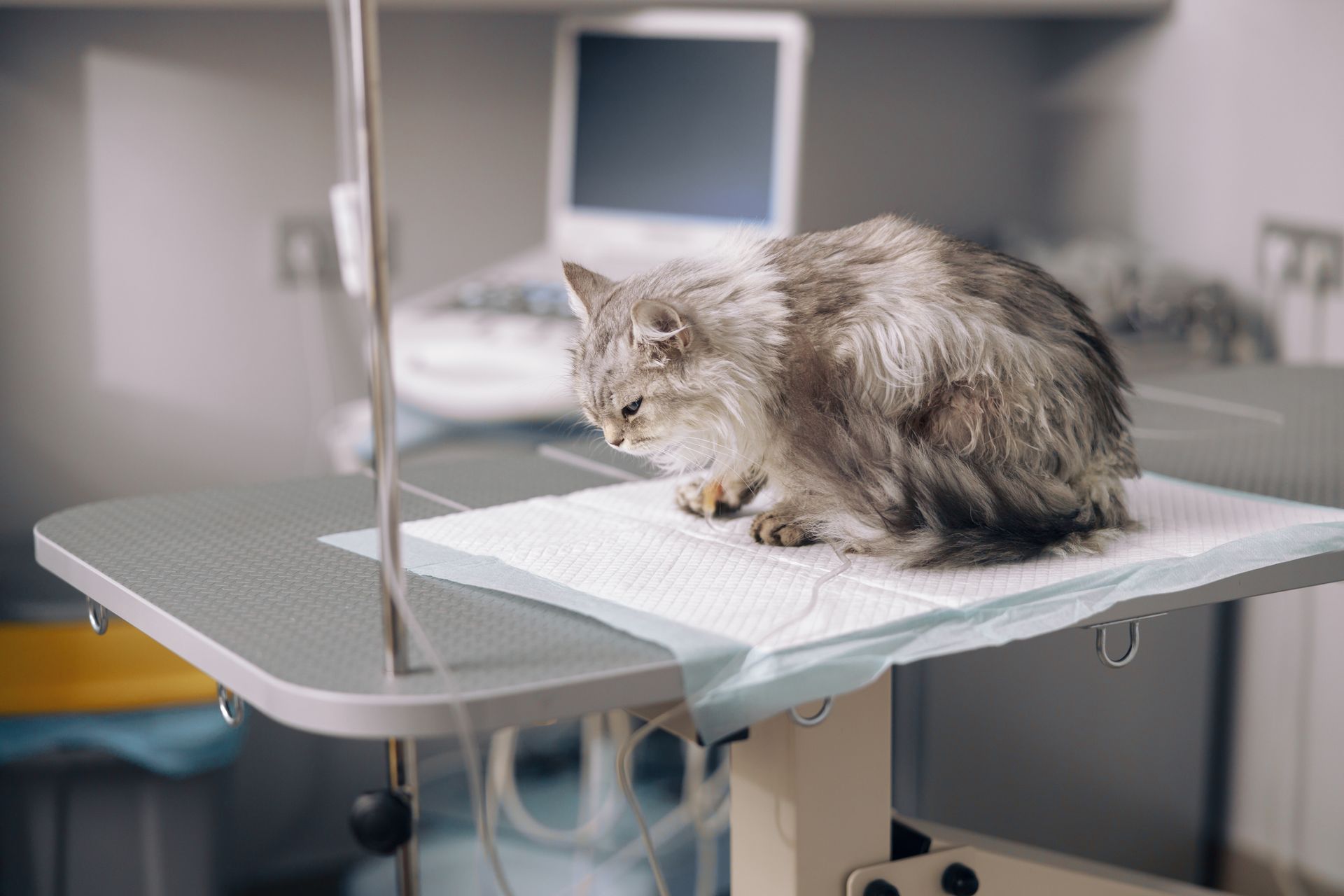
Clinical · high exposure
Veterinarians & Animal Hospitals
Professional and general liability, property, and workers’ comp for clinical operators with high exposure.
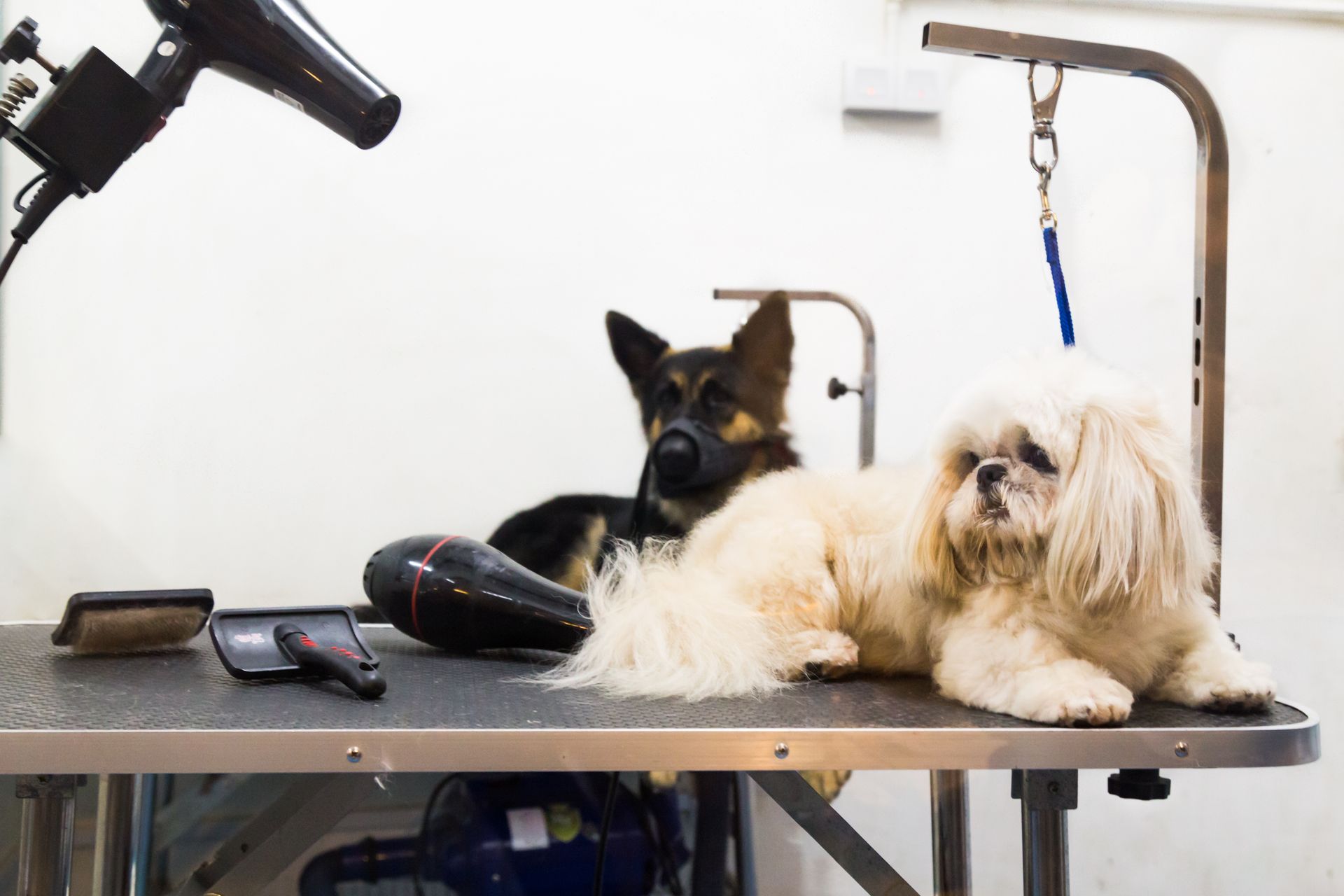
Hands-on · small business
Pet Groomers
Practical protection for animal handling, equipment, and the day-to-day of the grooming table, shop or mobile.
Safety-forward · overnight
Doggy Daycare & Boarding
Coverage matched to facilities responsible for animals overnight and all day long.
Our reviews
Trusted by pet professionals.
See what owners say about working with a specialist who already understands their business.
Frequently asked
Questions pet pros ask us.
What kinds of pet businesses do you insure?
We insure businesses across the animal-care industry — veterinarians and animal hospitals, groomers, doggy daycares and boarding facilities, kennels and trainers, pet sitters and dog walkers, and pet stores. We also cover breeders, equine operations, pet transporters, shelters and rescues, pet photographers, and aquariums or wildlife facilities.
If your work involves caring for, handling, or selling animals, there is a strong chance we cover it. Tell us what you do and we will confirm.
What is care, custody, and control coverage, and why does it matter?
Care, custody, and control coverage protects you when an animal in your charge is injured, becomes ill, or is lost while in your care. Standard general liability policies often exclude this exact exposure, which leaves a serious gap for pet businesses.
For groomers, boarders, sitters, and clinics, this is one of the most important coverages you can carry. We make sure it is in place and sized to your operation.
How is an independent agency different from buying direct from a carrier?
A direct carrier sells you its own single policy. As an independent agency, we shop multiple specialty insurers and compare programs to find the coverage that fits your business and budget.
That means you get options instead of one quote, and an advocate who works for you, not the carrier. We also handle the renewals and claims support over the life of your policy.
How fast can I get a quote?
Most clients get quoted within one business day. Our industry-specific intake forms collect the right details up front, so we can take your information straight to the carriers without a long back-and-forth.
Need it sooner? Call a specialist directly at (346) 738-7297 and we will move quickly.
Which states do you serve?
We are licensed and actively writing coverage in 12 states: Connecticut, Delaware, Georgia, Kentucky, Massachusetts, New Jersey, New York, North Carolina, Pennsylvania, South Carolina, Tennessee, and Virginia.
We continue to add states as we grow. If you operate outside this list, reach out and we will let you know our latest footprint.
From the blog
Coverage notes for pet professionals.
Plain-language risk tips and coverage explainers, written for owners — not insurance pros.
Speak with a specialist
Let's find the right coverage for your business.
No quote bots, no funnel. Talk to a real pet-insurance specialist who already understands your operation — and shops multiple markets on your behalf.
Call us
(346) 738-7297
Toll-free 845-250-5366
Email
service@petindustryins.com
Visit Us
8 Joyce Plaza
Stony Point, NY 10980