FAQ: Can I bundle my property and liability insurance?
Running a pet store in Virginia means juggling live animal care, retail inventory, grooming appointments, and sometimes even delivery logistics, all while keeping customers and their families safe. A single dog bite in your store, a burst pipe that floods your reptile enclosures, or a grooming accident that injures a client's cat can turn a normal Tuesday into a financial crisis. Pet store insurance for Virginia operations isn't just a box to check: it's the difference between recovering from a bad day and closing your doors permanently. The stakes are real, and the coverage decisions you make now shape how resilient your business will be when something goes wrong. Virginia has its own set of regulatory requirements that affect what policies you need and how much you'll pay, and those details matter more than most store owners realize. This guide breaks down the specific coverages, compliance obligations, cost factors, and policy comparisons that Virginia pet store owners need to understand before signing anything.
Essential Insurance Coverages for Virginia Pet Stores
Every pet store faces a unique mix of risks that general retail coverage doesn't fully address. You're housing live animals, handling food products, managing foot traffic from families with small children, and potentially offering services like grooming or training. A standard business owner's policy might cover some of these exposures, but it almost certainly leaves gaps that could cost you tens of thousands of dollars.
The right insurance program layers multiple coverages together so that no single incident falls through the cracks. Think of it as building a safety net where each strand reinforces the others. A general liability policy handles slip-and-fall injuries, but what happens when a customer's dog is injured while in your care? That's a different coverage entirely. Virginia pet retailers need to think beyond the basics and consider every way their business interacts with animals, customers, and employees.
General Liability and Animal Bailee Coverage
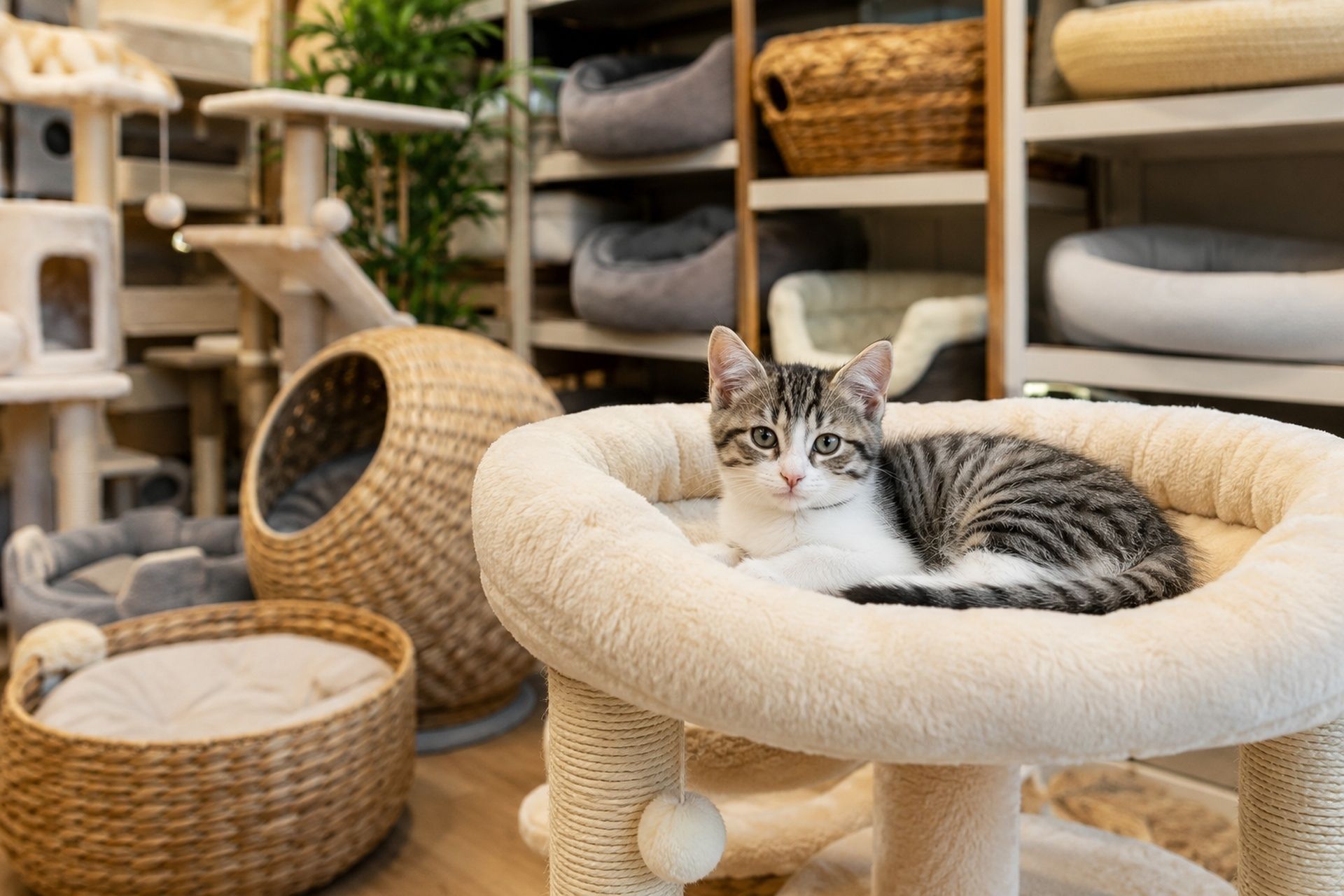
General liability is the foundation of any pet store insurance program. It covers bodily injury and property damage claims from third parties: a customer who trips over a display, a child bitten by a hamster, or property damage caused by a loose animal. In Virginia, general liability policies for small businesses typically cost between $300 and $1,500 annually, though pet stores often land on the higher end because of animal-related exposures.
Animal bailee coverage is where things get specific to your industry. Bailee insurance protects animals that are temporarily in your care, custody, or control. If a customer drops off their dog for a nail trim and the dog escapes and gets hit by a car, bailee coverage responds. Without it, you're paying out of pocket for veterinary bills, replacement costs, and potentially emotional distress claims. This is one of the most common coverage gaps we see at Pet Professional Insurance Agency, and it's one of the most expensive mistakes a pet store owner can make.
Standard general liability policies exclude animals in your custody. You need a separate endorsement or standalone bailee policy. Don't assume your general policy covers everything just because you sell animals.
Commercial Property and Inventory Protection
Your building, fixtures, signage, and equipment all need commercial property coverage. But pet stores carry a unique type of inventory: live animals. A power outage that kills tropical fish, a freezer failure that ruins $5,000 worth of raw pet food, or a fire that destroys your entire stock can wipe out months of revenue overnight.
Standard commercial property policies may exclude or severely limit coverage for live animal inventory. You need a policy that explicitly values your animals and covers mortality from covered perils like fire, electrical failure, or HVAC breakdown. Equipment breakdown coverage is worth adding if you rely on aquarium systems, climate-controlled enclosures, or commercial refrigeration. Virginia's humidity and summer heat make HVAC failures particularly dangerous for temperature-sensitive species.
Professional Liability for Grooming and Training
If your pet store offers grooming, training classes, or nutritional consultations, you need professional liability coverage (sometimes called errors and omissions). This protects you when a service you provide causes harm: a grooming injury, a training method that results in behavioral issues, or dietary advice that leads to an allergic reaction.
Professional liability claims in pet care are increasing as customers become more aware of their legal options. A groomer who accidentally nicks a dog's ear or a trainer whose methods cause injury can generate claims ranging from a few hundred dollars to five figures. Virginia courts have been increasingly sympathetic to pet owners in these cases, treating animals as more than simple property in damage calculations. If you offer any hands-on services, professional liability isn't optional: it's essential.
Virginia State Compliance and Legal Requirements
Virginia regulates pet stores through the Virginia Administrative Code Title 2, Agency 5, Chapter 105, which covers animal care standards, facility requirements, and record-keeping obligations. Compliance with these regulations affects your insurance in two ways: carriers may require proof of regulatory compliance before issuing a policy, and violations can void coverage or increase premiums at renewal.
The state also requires certain types of insurance by law, depending on your business structure and number of employees. Ignoring these mandates doesn't just risk fines: it can expose you personally to lawsuits that would otherwise be covered by insurance.
Workers' Compensation Mandates in VA
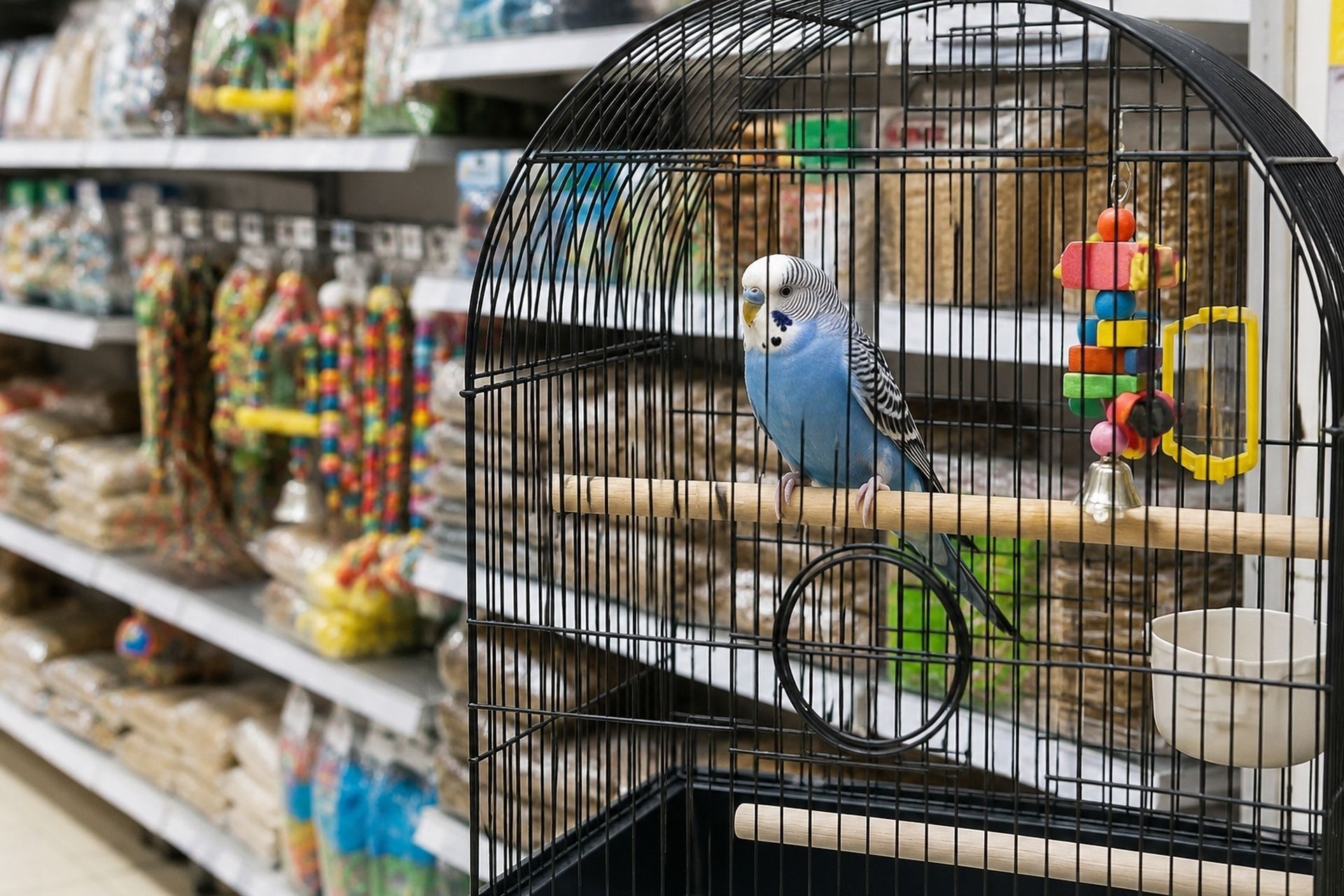
Virginia requires workers' compensation insurance for any business with two or more employees, including part-time workers. This is non-negotiable. If you have even two part-time kennel assistants or cashiers, you need a workers' comp policy. The penalties for non-compliance include fines, criminal charges, and personal liability for any workplace injuries.
Workers' comp rates in Virginia vary by job classification. Pet store employees face risks like animal bites, repetitive motion injuries from grooming, and slip-and-fall hazards from wet floors. Virginia's workers' comp costs average around $0.66 per $100 of payroll, but pet-care classifications can run higher due to the animal handling exposure. Your actual rate depends on your claims history, payroll size, and the specific job duties your employees perform.
Commercial Auto Insurance for Delivery and Transport
If your pet store delivers supplies, transports animals to veterinary appointments, or picks up inventory from distributors, you need commercial auto insurance. Personal auto policies exclude business use, and Virginia enforces this strictly. Even using your personal vehicle for a single business errand can create a coverage gap if you're in an accident.
Virginia requires minimum auto liability limits of $30,000 per person and $60,000 per accident for bodily injury, plus $20,000 for property damage. Most insurance professionals recommend carrying significantly higher limits: $100,000/$300,000 is a common recommendation for commercial vehicles. If you transport live animals, you'll also want cargo coverage that specifically addresses animal mortality during transit.
Comparing Policy Types and Coverage Limits
Choosing between a business owner's policy (BOP) and individual standalone policies is one of the first decisions you'll face. Here's how they compare for Virginia pet stores:
| Feature | Business Owner's Policy (BOP) | Standalone Policies |
|---|---|---|
| General Liability | Included (typically $1M per occurrence) | Purchased separately, customizable limits |
| Property Coverage | Included with standard limits | Purchased separately, higher limit options |
| Animal Bailee | Usually requires endorsement | Available as standalone specialty policy |
| Professional Liability | Rarely included | Must be purchased separately |
| Cost Efficiency | Lower combined premium | Higher total but more tailored coverage |
| Flexibility | Limited customization | Full control over each coverage |
A BOP works well for smaller pet stores with straightforward operations. But if you're running a full-service store with grooming, training, live animal sales, and delivery, standalone policies give you better control over limits and deductibles. Pet Professional Insurance Agency works with multiple specialty markets to build layered programs that match your actual risk profile rather than forcing you into a one-size-fits-all package.
Factors Influencing Insurance Costs in Virginia
Insurance costs for pet stores in Virginia vary widely. A small fish-and-supply shop in a rural area might pay $2,000 annually, while a full-service store in Northern Virginia with grooming, live mammals, and delivery could pay $8,000 or more. Understanding what drives those numbers helps you budget accurately and find ways to manage costs without sacrificing coverage. Pet store insurance costs depend on several interconnected factors that carriers weigh differently.
Business Size and Annual Revenue
Revenue is one of the primary rating factors for general liability and professional liability policies. A store generating $500,000 in annual revenue will pay more than one generating $150,000, because higher revenue generally means more customer interactions and more opportunities for claims.
Square footage also matters. A 5,000-square-foot store with multiple animal habitats presents more risk than a 1,200-square-foot boutique selling only supplies. Carriers look at your total occupied space, the number of animal enclosures, and whether you have dedicated grooming or training areas. Payroll size directly affects your workers' comp premium, and the number of vehicles on the road affects your commercial auto costs.
Types of Animals and Specialized Services Offered
Selling tropical fish carries a very different risk profile than selling puppies, kittens, or exotic reptiles. Mammals bite. Reptiles can carry salmonella. Exotic birds require specialized environments that are expensive to maintain and insure. Virginia's animal care regulations impose additional requirements on stores selling certain species, and carriers factor compliance with these rules into their underwriting decisions.
Stores that offer grooming, boarding, daycare, or training services face higher premiums because each service adds a distinct liability exposure. A store that only sells supplies and packaged food is a fundamentally different risk than one that handles 30 dogs a day for grooming appointments. The more services you offer, the more coverage layers you need, and the more your premium reflects that complexity.
Common Questions About Pet Store Insurance
Do I need insurance just to sell pet supplies with no live animals? Yes. Even a supply-only store needs general liability for customer injuries and commercial property coverage for your inventory and equipment. The premiums will be lower without live animals, but the need doesn't disappear.
Does my landlord's insurance cover my pet store? No. Your landlord's policy covers the building structure, not your business contents, inventory, or liability. You need your own commercial policy, and most Virginia leases require tenants to carry their own coverage.
What happens if an animal I sold injures someone after the sale? Products liability coverage, which is typically included in general liability policies, can respond to these claims. Virginia law may hold you responsible if the animal was known to be aggressive or if you failed to disclose health issues.
How quickly can I get coverage? Most specialty agencies, including Pet Professional Insurance Agency, can provide coverage options within 24 to 48 hours. Binding coverage the same day is sometimes possible for straightforward risks.
Are exotic animals harder to insure? Yes. Exotic animal retailers face higher premiums and may need specialty markets that understand the unique risks of reptiles, amphibians, and exotic mammals. Not every carrier will write this exposure.
Is animal bailee coverage expensive? It varies, but it's typically a modest addition to your overall program: often $200 to $800 annually depending on the number and value of animals in your care at any given time.
Making the Right Choice for Your Store
Getting insurance right for a Virginia pet store isn't about finding the lowest premium: it's about making sure every real risk your business faces has a corresponding coverage in place. The store owner who saves $400 a year by skipping animal bailee coverage is the same one who pays $15,000 out of pocket when a customer's dog is injured during a nail trim.
Start by mapping out every activity your store performs: retail sales, live animal care, grooming, training, delivery, boarding. Each activity creates a distinct risk that needs its own coverage response. Then work with an agent who actually understands pet industry exposures: bite liability, care/custody/control gaps, and the specific regulatory landscape in Virginia.
Index
Pet Professional Insurance Agency is fully licensed and permitted to provide commercial insurance solutions for pet businesses across 12 states.
We proudly serve pet professionals throughout the Northeast, Mid-Atlantic, and Southeast. Powered by Joyce Insurance Agency, our team works with leading specialty carriers — including The Hartford, USLI, Nautilus, and Northland — to make sure veterinarians, groomers, boarding facilities, and pet-care businesses receive coverage that fits their real risks in Connecticut, Delaware, Georgia, Kentucky, Massachusetts, New Jersey, New York, North Carolina, Pennsylvania, South Carolina, Tennessee, and Virginia.
About the author
Barnaby Joyce
Founder, Pet Professional Insurance Agency · Licensed Insurance Producer
I started Pet Professional Insurance Agency because I watched pet businesses get handed generic policies that never fit. After years of placing coverage for veterinary practices, grooming salons, doggy daycares, and kennels through a generalist agency, I saw the same gaps over and over — and the same blank stares when an owner tried to explain care, custody, and control to an agent who had never insured an animal in their life.
So I built an agency that does one thing. I work directly with specialty carriers who actually want pet-industry risk, and I sit down with every client personally. You will not get a call center or a chatbot. You will get someone who already speaks your language and shops the market on your behalf. That is the whole idea.
Recommended coverages
Coverages that pair with general liability.
Most pet businesses build on general liability with the lines below. Explore each — every page cross-links to the
industries we serve.
Services & advice
Professional Liability / E&O
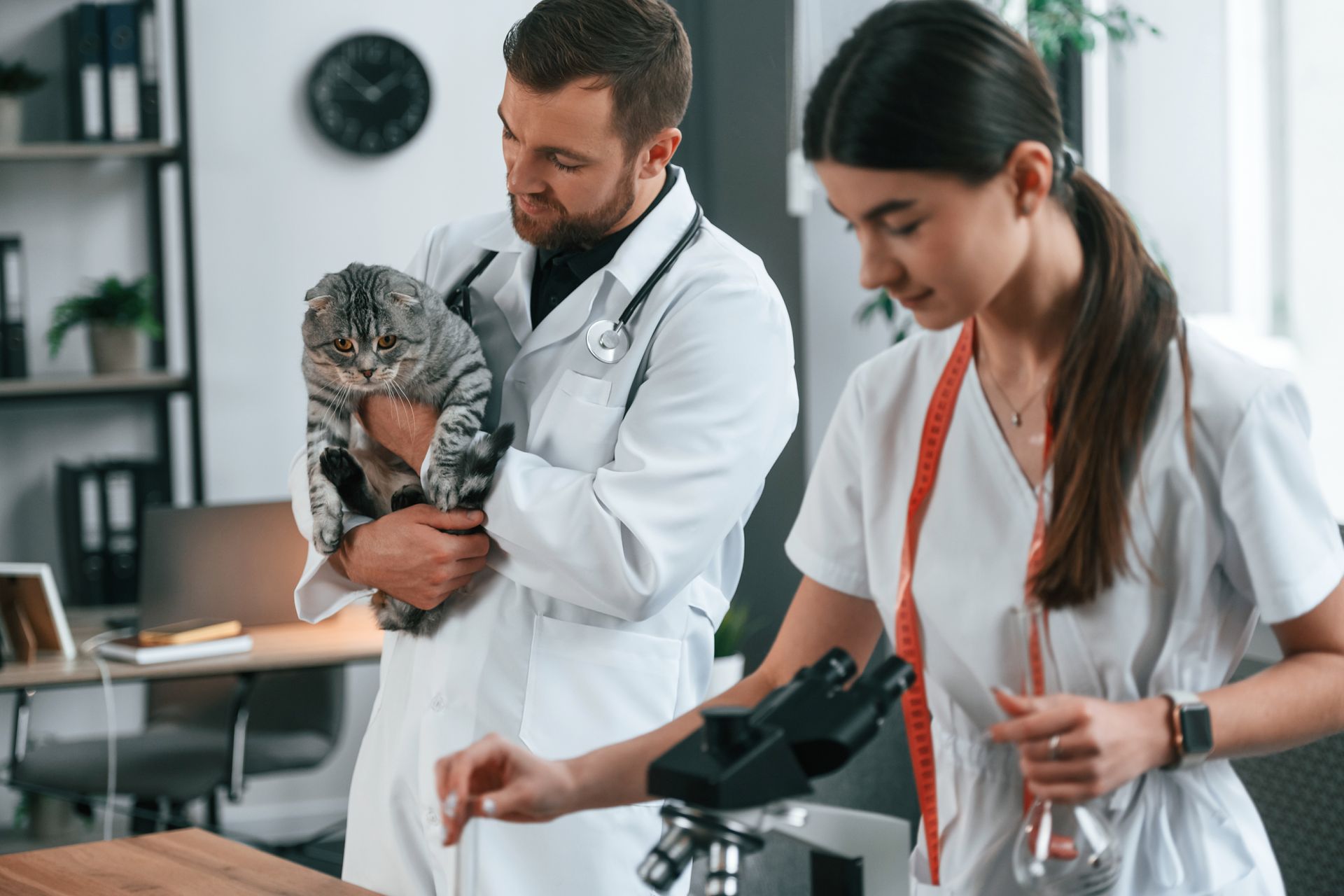
Covers claims tied to your professional services and advice — clinical care, training guidance, and the judgment calls you make daily.
The pet-industry gap
Care, Custody & Control
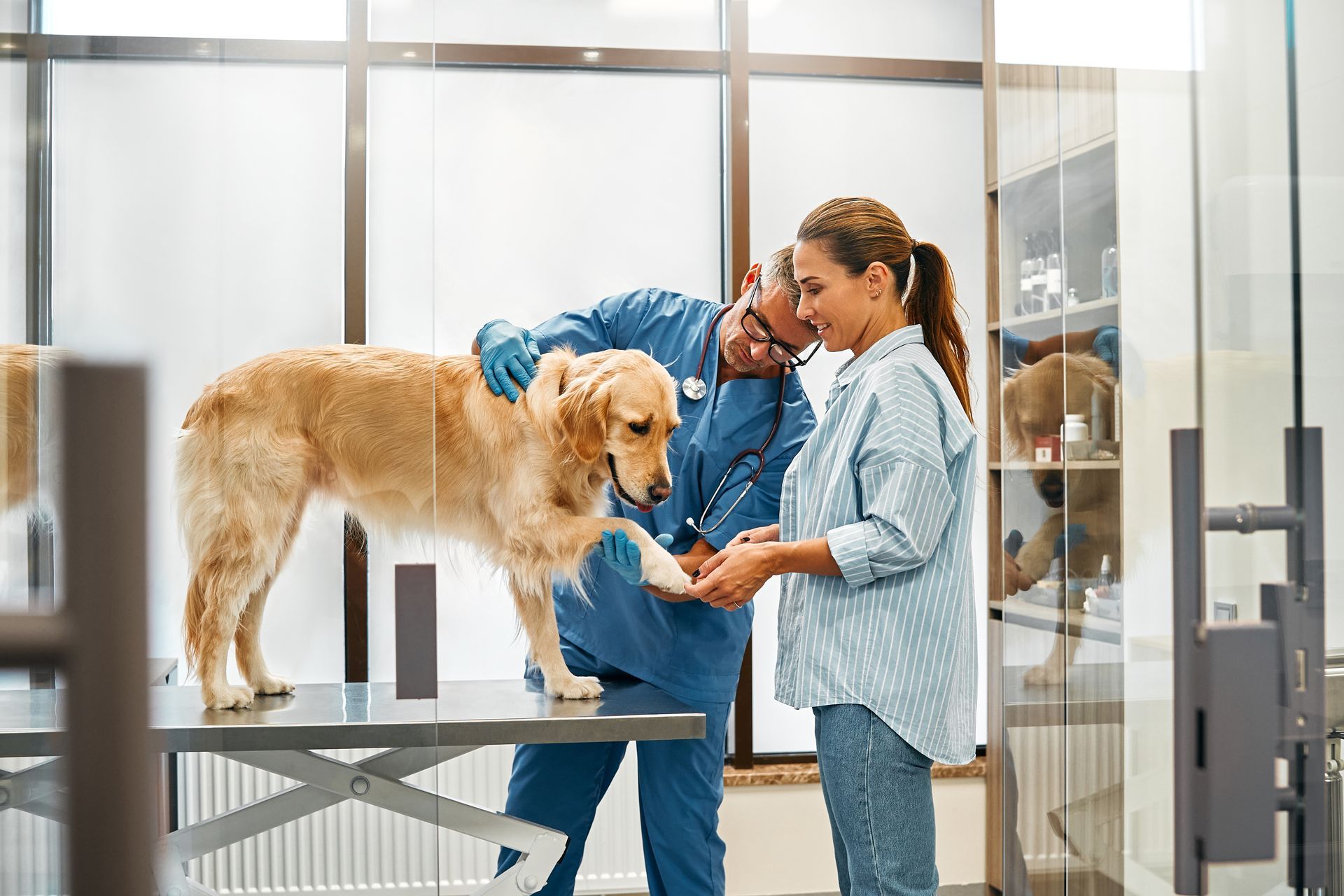
Covers the animals in your charge against injury, illness, or loss — the critical exposure standard liability policies leave out.
Bundled & cost-effective
Business Owners Policy (BOP)
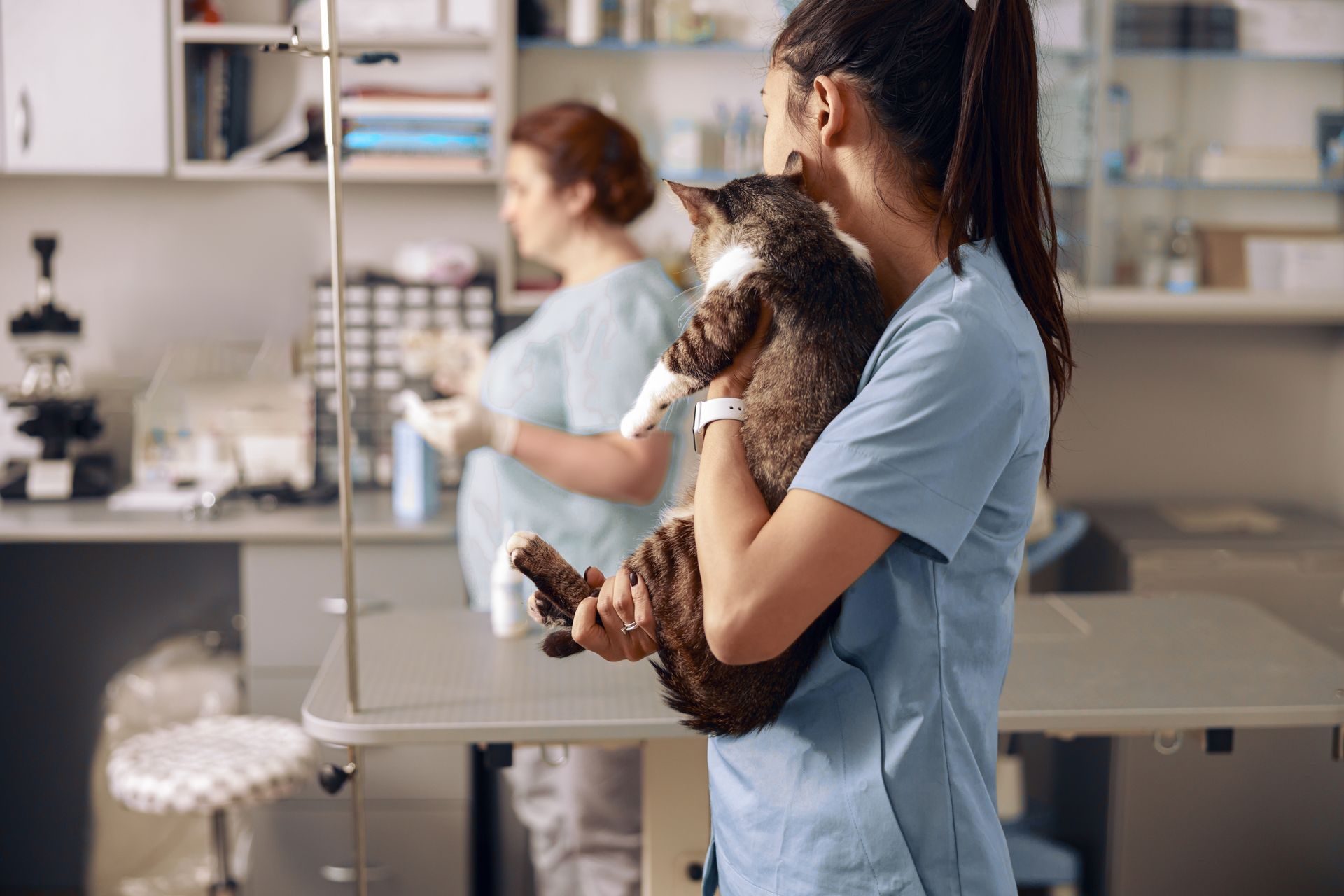
Bundles property and general liability into one package built for small to mid-sized pet businesses — often the simplest base.
Your building & contents
Commercial Property
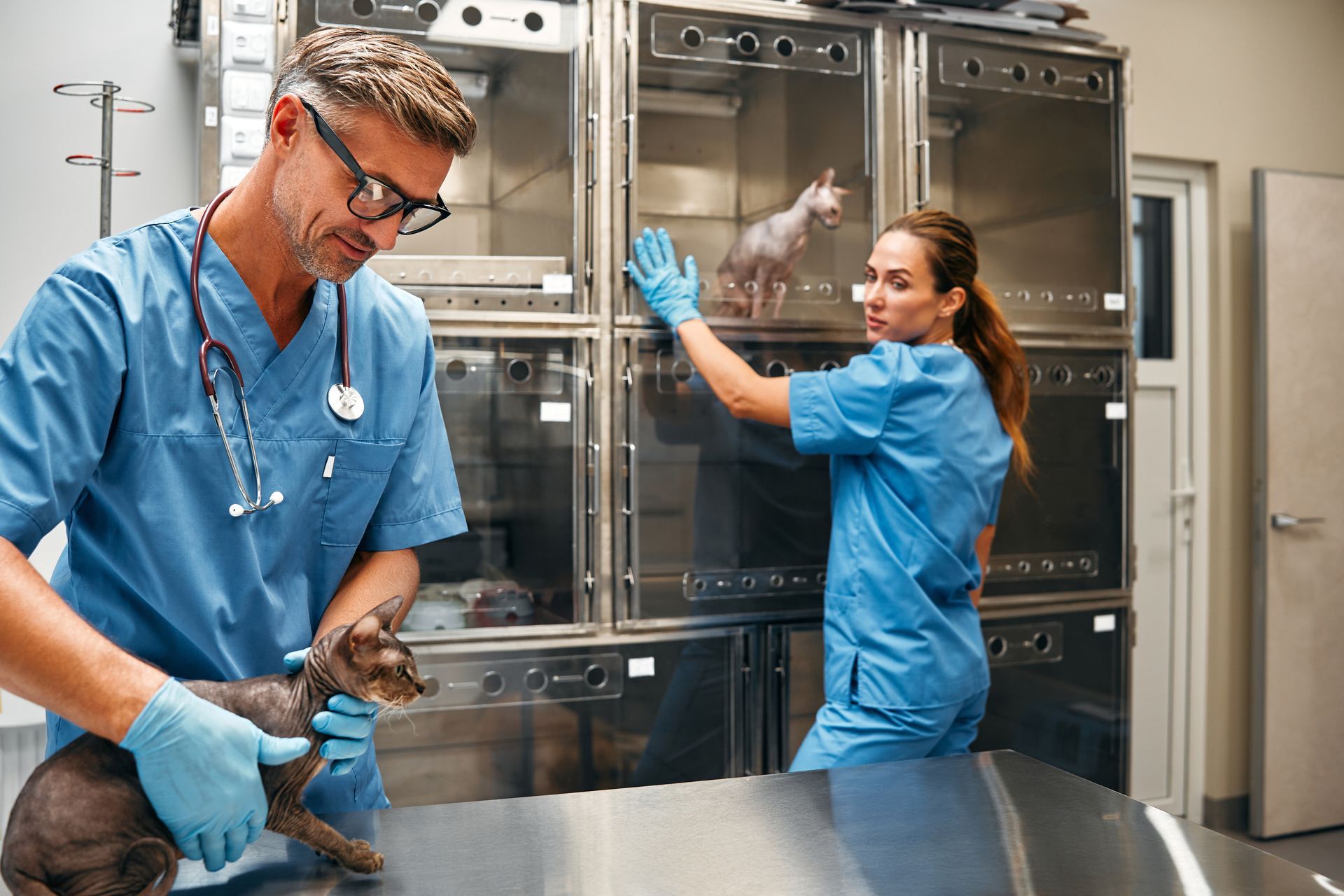
Protects your building, build-out, equipment, and inventory against fire, theft, and covered losses — front desk to back room.
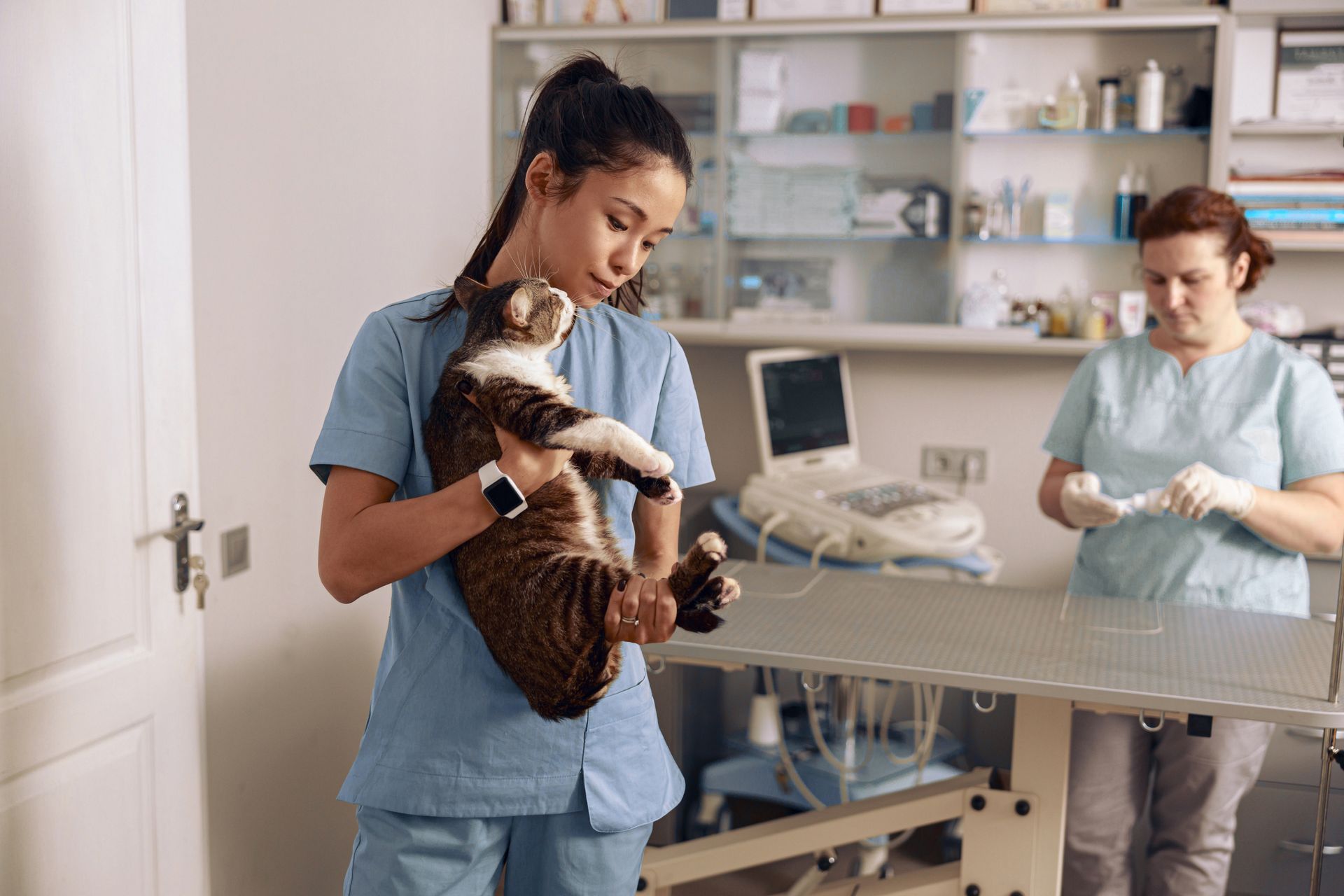
For your team
Workers’ Compensation
Covers medical costs and lost wages when a team member is hurt on the job — required in most states once you have employees.
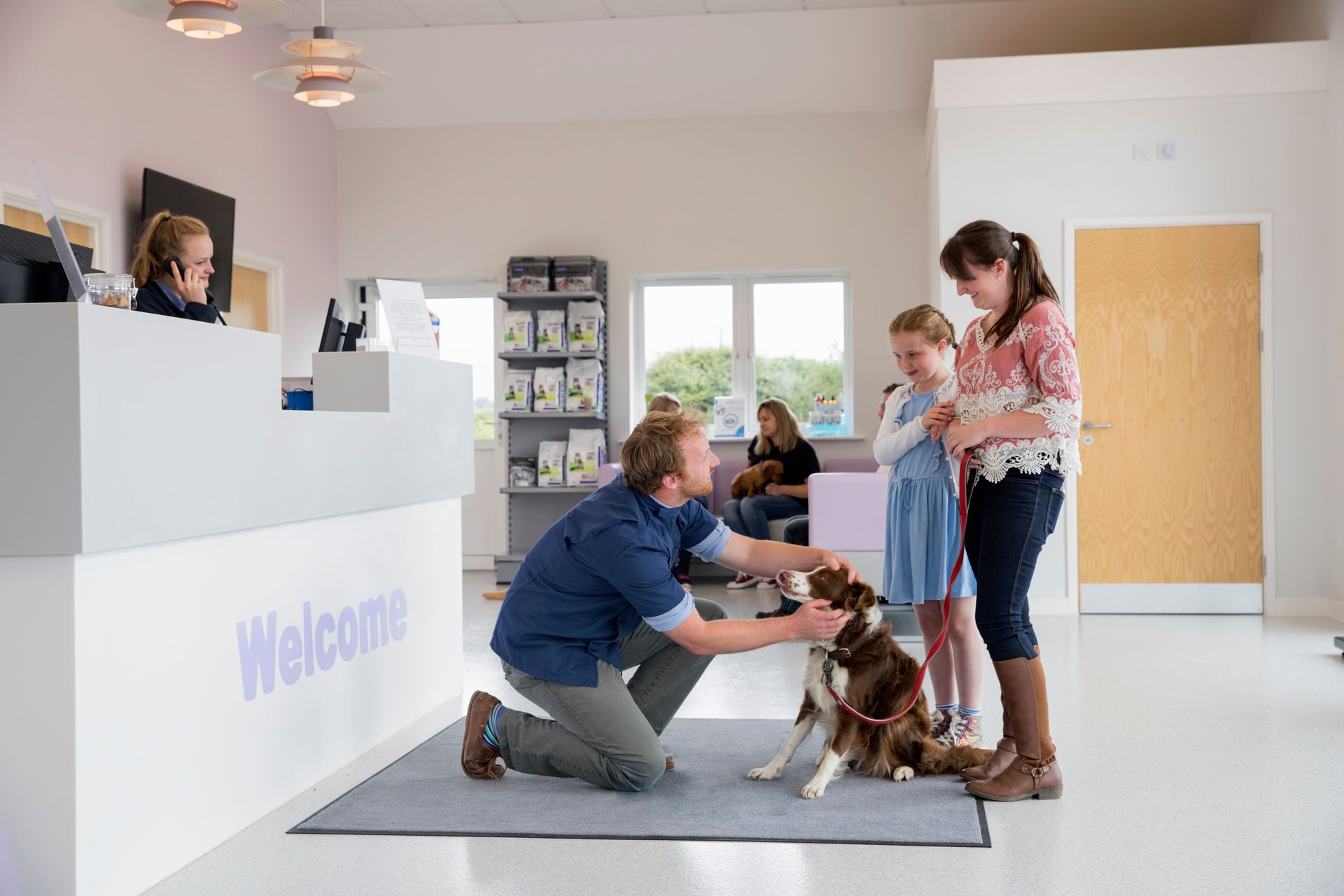
Extra protection
Commercial Umbrella
Adds liability limits above your primary policies for catastrophic claims that exceed standard coverage.
Coverage availability and terms vary by carrier and state. We recommend the right mix for your operation once we talk.
Industries we serve
Built for the businesses that care for animals.
General liability is the baseline for every segment we specialize in. Find the page built for your business.
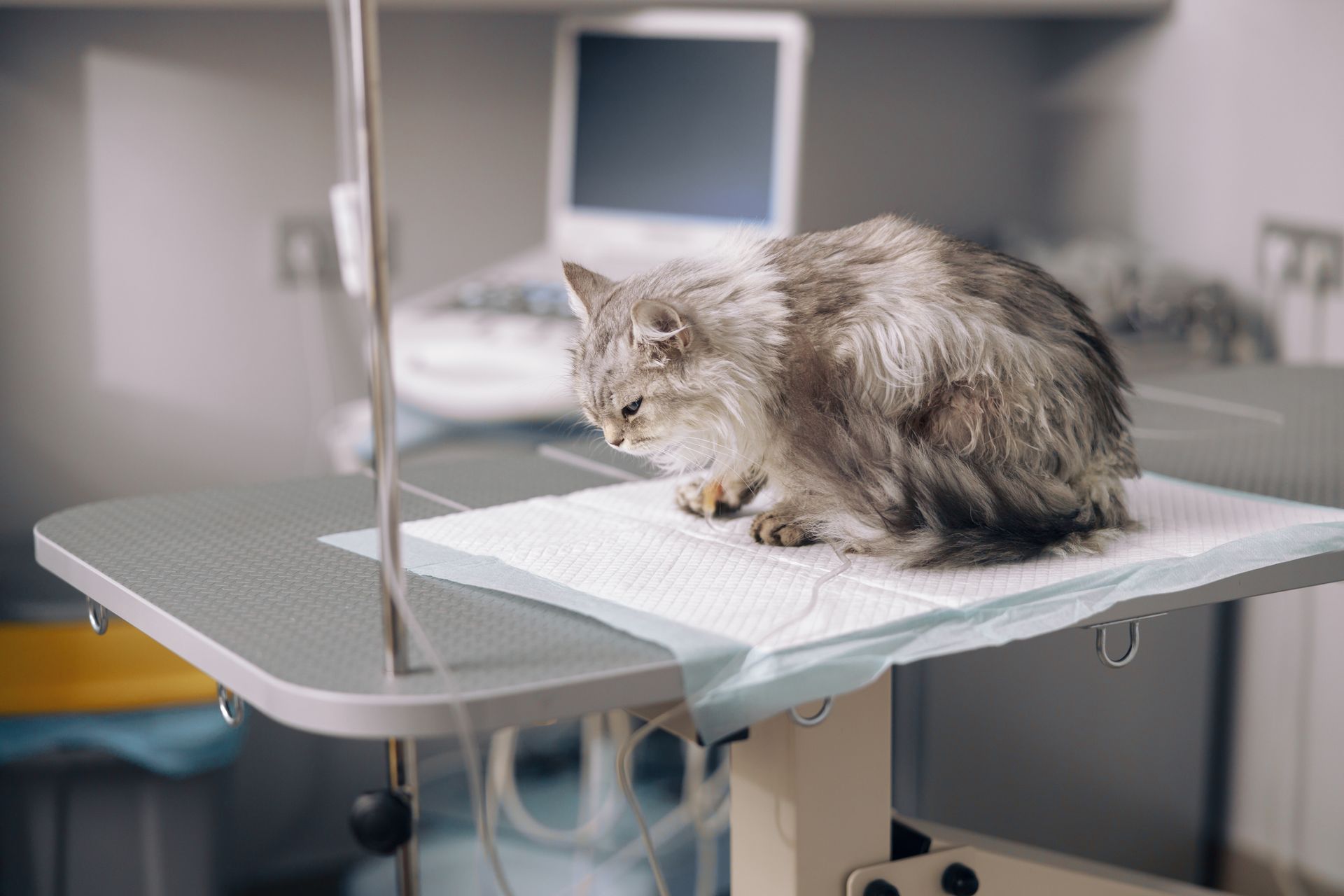
Clinical · high exposure
Veterinarians & Animal Hospitals
Professional and general liability, property, and workers’ comp for clinical operators with high exposure.
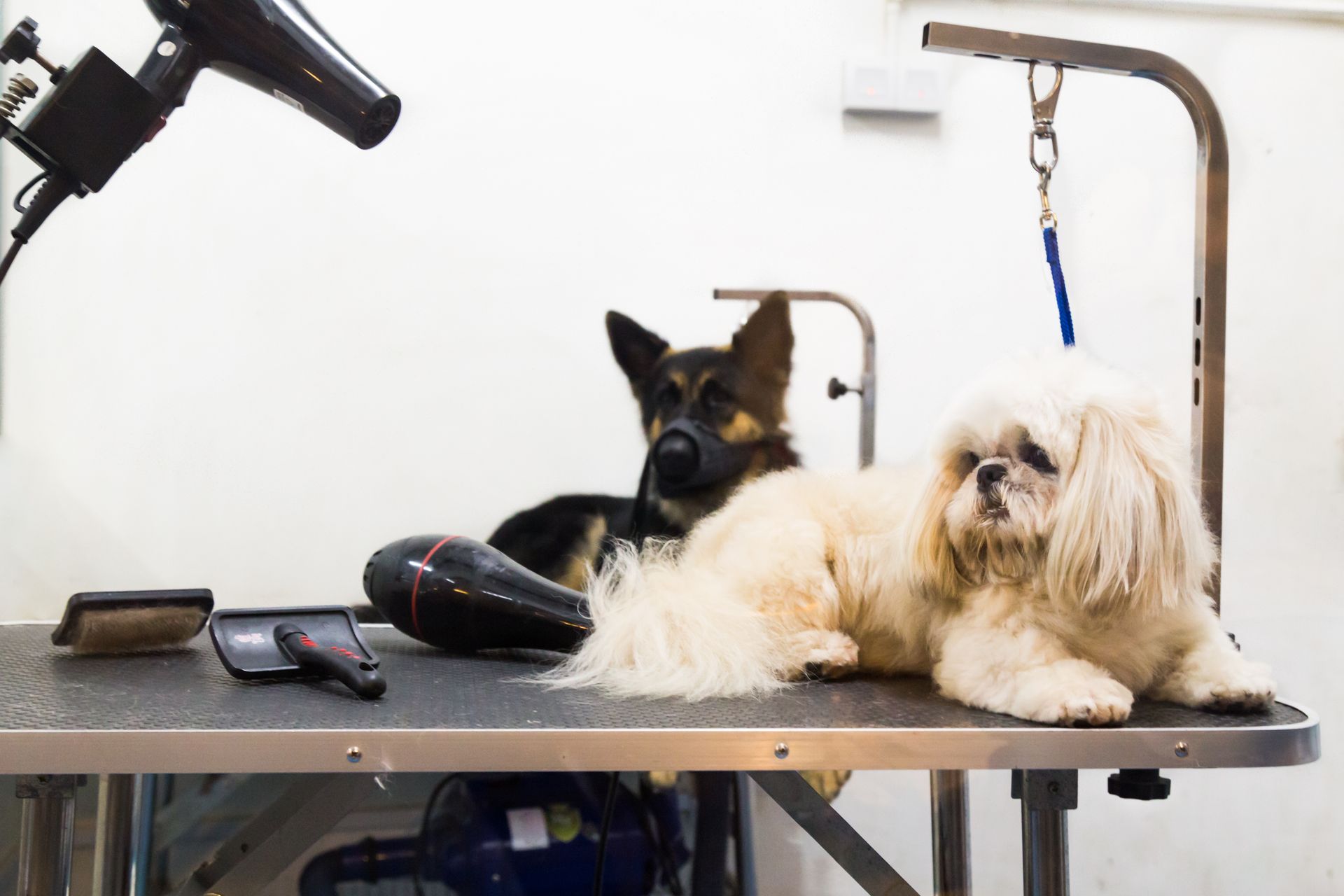
Hands-on · small business
Pet Groomers
Practical protection for animal handling, equipment, and the day-to-day of the grooming table, shop or mobile.
Safety-forward · overnight
Doggy Daycare & Boarding
Coverage matched to facilities responsible for animals overnight and all day long.
Our reviews
Trusted by pet professionals.
See what owners say about working with a specialist who already understands their business.
Frequently asked
Questions pet pros ask us.
What kinds of pet businesses do you insure?
We insure businesses across the animal-care industry — veterinarians and animal hospitals, groomers, doggy daycares and boarding facilities, kennels and trainers, pet sitters and dog walkers, and pet stores. We also cover breeders, equine operations, pet transporters, shelters and rescues, pet photographers, and aquariums or wildlife facilities.
If your work involves caring for, handling, or selling animals, there is a strong chance we cover it. Tell us what you do and we will confirm.
What is care, custody, and control coverage, and why does it matter?
Care, custody, and control coverage protects you when an animal in your charge is injured, becomes ill, or is lost while in your care. Standard general liability policies often exclude this exact exposure, which leaves a serious gap for pet businesses.
For groomers, boarders, sitters, and clinics, this is one of the most important coverages you can carry. We make sure it is in place and sized to your operation.
How is an independent agency different from buying direct from a carrier?
A direct carrier sells you its own single policy. As an independent agency, we shop multiple specialty insurers and compare programs to find the coverage that fits your business and budget.
That means you get options instead of one quote, and an advocate who works for you, not the carrier. We also handle the renewals and claims support over the life of your policy.
How fast can I get a quote?
Most clients get quoted within one business day. Our industry-specific intake forms collect the right details up front, so we can take your information straight to the carriers without a long back-and-forth.
Need it sooner? Call a specialist directly at (346) 738-7297 and we will move quickly.
Which states do you serve?
We are licensed and actively writing coverage in 12 states: Connecticut, Delaware, Georgia, Kentucky, Massachusetts, New Jersey, New York, North Carolina, Pennsylvania, South Carolina, Tennessee, and Virginia.
We continue to add states as we grow. If you operate outside this list, reach out and we will let you know our latest footprint.
From the blog
Coverage notes for pet professionals.
Plain-language risk tips and coverage explainers, written for owners — not insurance pros.
Speak with a specialist
Let's find the right coverage for your business.
No quote bots, no funnel. Talk to a real pet-insurance specialist who already understands your operation — and shops multiple markets on your behalf.
Call us
(346) 738-7297
Toll-free 845-250-5366
Email
service@petindustryins.com
Visit Us
2 Joyce Plaza
Stony Point, NY 10980