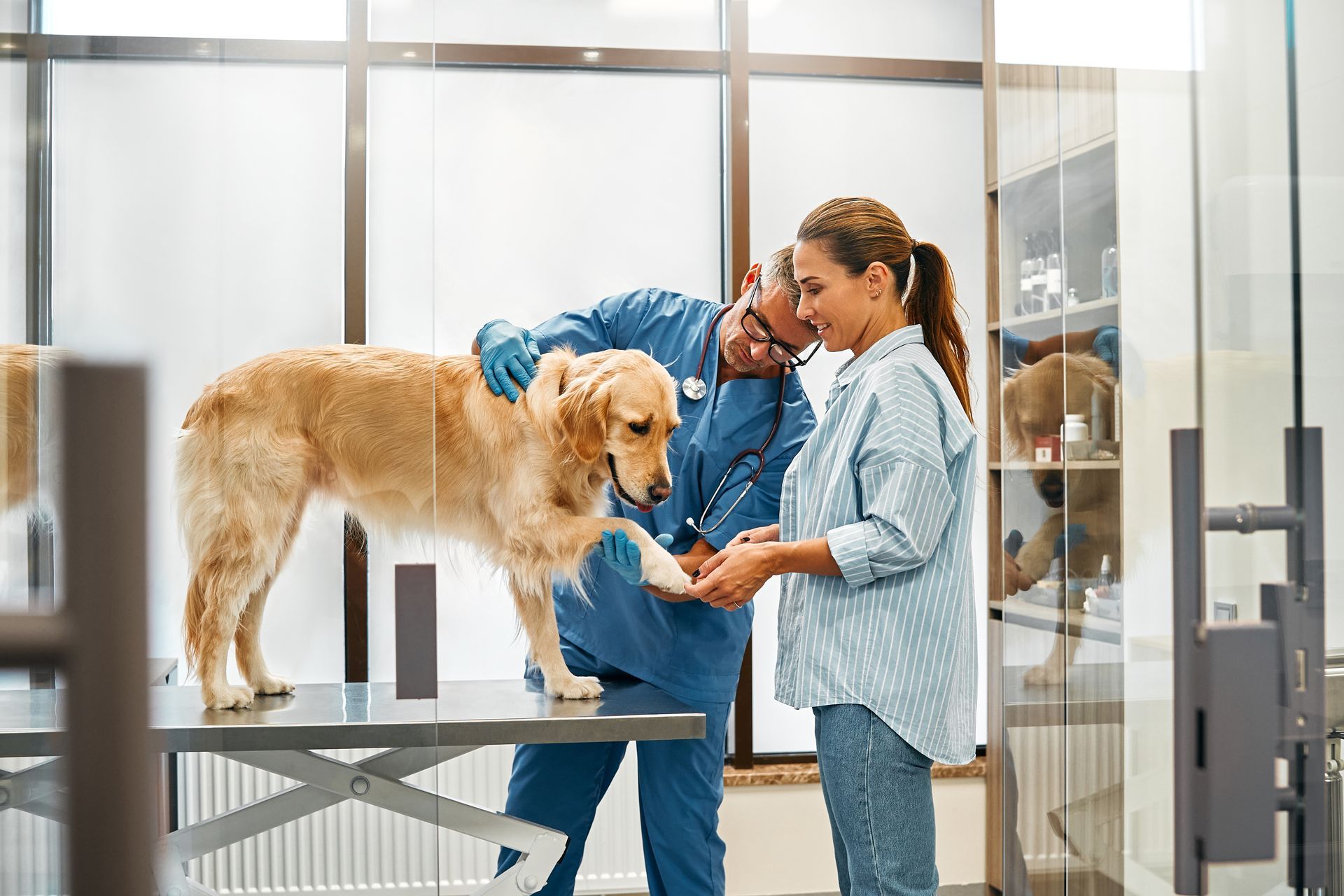
Coverage for veterinary practices
Connecticut Dog Breeder Insurance
Your kennel facility, whelping equipment, fencing, heating systems, and the dogs themselves represent significant financial investment. Commercial property insurance covers damage from fire, storms, theft, and vandalism. If you've invested $50,000 or more in your facility and equipment, a single fire could devastate your operation without property coverage in place.
Inland marine coverage can also protect portable equipment and dogs while they're being transported to shows, vet appointments, or buyer meetups. If you travel to dog shows regularly, this is worth discussing with your agent.
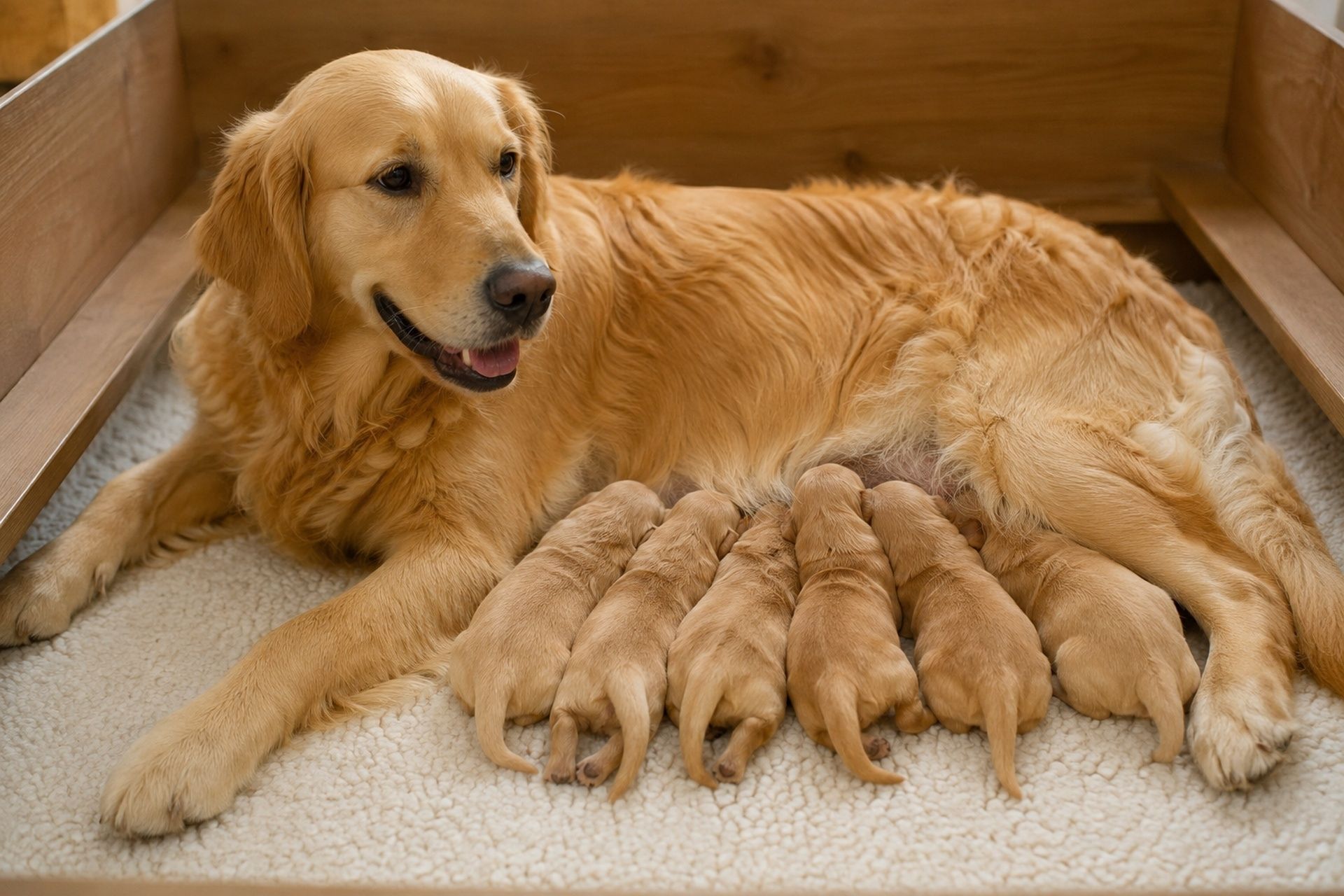
Running a breeding operation in Connecticut means juggling a lot: health testing, puppy socialization, facility upkeep, buyer contracts, and a pile of state paperwork. But one thing that trips up even experienced breeders is insurance. A single bite incident at a puppy visit, a genetic health claim from a buyer, or a kennel fire can wipe out years of work. Connecticut has specific licensing requirements for dog breeders, and the state has been tightening oversight in recent years. Whether you run a small hobby program producing two litters a year or manage a larger kennel operation, understanding what insurance coverage you actually need - and what the state requires - is essential. This isn't just about checking a box. The right policy protects your dogs, your buyers, your property, and the business you've built. The wrong one (or worse, none at all) leaves you exposed in ways most breeders don't think about until it's too late. Here's a practical breakdown of dog breeder insurance in Connecticut, from coverage requirements and costs to compliance details that matter for CT kennel operations.
Understanding Connecticut Insurance Requirements for Dog Breeders
Connecticut regulates dog breeding through the Department of Agriculture's Animal Control Division. Any person maintaining a commercial kennel needs a state license, and the requirements go beyond simply filling out a form. The state distinguishes between hobby breeders and commercial operations based on the number of intact females and litters produced annually. If you breed more than two litters per year or maintain more than five unspayed females, you generally fall into the commercial category and face stricter oversight.
The Connecticut DOAG reminds licensees and permittees to renew annually, with deadlines typically falling on June 30. Missing that deadline can result in fines and the inability to legally sell puppies. Your local animal control officer also has authority to inspect your facility, and insurance documentation may be requested during that process.

Connecticut State Licensing and Bonding Rules
Connecticut doesn't mandate a specific insurance policy for all breeders, but commercial kennel licenses come with conditions that effectively make coverage necessary. The Animal Control Division oversees licensing, and towns can impose their own additional requirements on top of state rules. Some municipalities require proof of liability coverage before issuing a local kennel permit.
Recent legislative activity has also pushed toward greater accountability. A proposed bill tracked in the 2025 session aimed to strengthen consumer protections around puppy sales, including health guarantee enforcement. Another legislative proposal addressed breeder accountability measures that could affect insurance obligations going forward. While not all proposals become law, the trend is clear: Connecticut is moving toward more oversight, not less. Staying ahead of these changes protects your license and your livelihood.
The Role of General Liability in CT Kennel Operations
General liability insurance is the foundation of any breeder's coverage. It protects you if a visitor to your kennel gets bitten, trips over equipment, or is injured on your property. This matters more than most breeders realize. Puppy buyers visit your home or facility. Delivery drivers walk onto your property. Veterinarians make house calls.
A single dog bite claim in Connecticut can easily run $30,000 to $60,000 when you factor in medical bills, legal fees, and potential settlements. Connecticut follows a strict liability statute for dog bites, meaning the owner is liable regardless of whether the dog has bitten anyone before. There's no "one free bite" rule here. General liability typically covers these incidents up to your policy limits, which most breeders carry at $1 million per occurrence.
Essential Coverage Types for Professional Breeders
General liability is just the starting point. Professional breeders face risks that standard business policies weren't designed to handle. You need coverage that accounts for the specific ways things go wrong in a breeding operation: genetic health disputes, animals in your temporary care, and the gap between what a standard policy covers and what a breeder-specific policy covers.
Professional Liability and Genetic Health Claims
This is where many breeders get caught off guard. A buyer purchases a puppy with a clean bill of health, then six months later the dog is diagnosed with hip dysplasia or a cardiac condition. The buyer comes back to you with veterinary bills and a demand for reimbursement. Connecticut's consumer protection laws give buyers real recourse here, and the fiscal analysis of SB-01386 highlighted the potential costs of expanded breeder liability provisions.
Professional liability (sometimes called errors and omissions coverage) protects you against claims that your breeding practices, health representations, or guarantees caused financial harm to a buyer. This is distinct from general liability. A slip-and-fall at your kennel is a GL claim. A genetic health dispute is a professional liability claim. You need both.
Animal Bailee Coverage for Boarding and Transport
If you ever hold a dog that belongs to someone else - whether it's a stud dog staying for breeding, a puppy being boarded before pickup, or a dog in transit - you need animal bailee coverage. This protects you if that animal is injured, becomes ill, or dies while in your care, custody, or control.
Standard general liability policies typically exclude animals you're responsible for. That's a critical gap. If a stud dog tears a cruciate ligament in your yard or a puppy awaiting pickup ingests something toxic, you're financially responsible. Animal bailee coverage fills that hole. Limits vary, but most breeders carry between $10,000 and $25,000 per animal.
Comparison of Standard vs. Specialized Breeder Policies
| Coverage Feature | Standard Business Policy | Specialized Breeder Policy |
|---|---|---|
| General Liability | Included | Included |
| Professional Liability | Rarely included | Typically included |
| Animal Bailee | Excluded | Available as add-on or included |
| Genetic Health Claims | Not covered | Covered under professional liability |
| Mortality/Loss of Animals | Not covered | Available |
| Care, Custody, Control | Excluded | Included |
| Home-Based Kennel | May void homeowner's policy | Designed for home operations |
The difference is stark. A standard commercial policy might cover a visitor's injury but leave you completely exposed on the claims most likely to hit a breeder. Working with an agency that specializes in pet-industry insurance, like Pet Professional Insurance Agency, means getting a policy built around these specific risks rather than trying to retrofit a generic one.
Factors Influencing Insurance Costs in Connecticut
Premiums for CT dog breeder operations vary widely. A small hobby breeder with one or two litters a year might pay $400 to $800 annually for basic coverage. A larger commercial kennel with multiple breeds, higher litter frequency, and employees could see premiums ranging from $1,200 to $3,000 or more.
Risk Assessment by Breed and Litter Frequency
Insurance carriers evaluate risk based on the breeds you work with. Brachycephalic breeds (bulldogs, pugs) carry higher whelping complication rates. Large guardian breeds have higher bite claim statistics. If you breed a mix that includes any breed commonly flagged by insurers, expect that to be reflected in your premium.
Litter frequency matters too. A breeder producing six litters annually has more exposure than one producing two. More puppies sold means more potential health guarantee claims, more buyer interactions, and more opportunities for something to go sideways. Carriers look at your three-to-five year claims history, your breeding volume, and the specific breeds in your program when setting rates.
Facility Safety and Local Zoning Compliance
Your physical setup directly affects your premium. Fenced exercise areas, secure whelping rooms, fire suppression systems, and proper sanitation protocols all signal lower risk. Carriers may ask for photos or inspection reports. A well-maintained facility with clear safety measures will typically qualify for lower rates than a makeshift setup.
Zoning compliance is another factor that breeders sometimes overlook. If your town's zoning doesn't permit a kennel at your address and you're operating anyway, an insurance claim could be denied. Carriers can argue that you were operating illegally, voiding your coverage. Verify your zoning status before you buy a policy, not after a claim.
Managing Risks and Staying Compliant
Insurance is one piece of the risk management puzzle. Smart documentation and proper employment practices round out the picture.
Documentation for Puppy Health Guarantees
Every puppy sale should include a written health guarantee that clearly spells out what's covered, for how long, and what the buyer's obligations are (such as having the puppy examined by a vet within a specific timeframe). Connecticut law requires certain disclosures at the point of sale, and your health guarantee is a legal document.
Keep copies of all veterinary records, genetic test results, vaccination histories, and buyer contracts. If a claim arises two years later, your documentation is your defense. Pet Professional Insurance Agency often advises breeder clients to maintain organized digital records, because claims adjusters want to see paper trails. A well-documented sale is dramatically easier to defend than one based on verbal promises.
Workers' Compensation for Kennel Assistants
If you employ anyone - even part-time kennel help - Connecticut requires workers' compensation insurance. This isn't optional. A kennel assistant bitten by a dog, injured while cleaning runs, or hurt lifting heavy supplies is entitled to workers' comp benefits. Operating without it exposes you to state penalties and personal liability for medical costs.
Even family members who receive compensation for kennel work may need to be covered, depending on how your business is structured. Talk to your agent about this specifically, because getting it wrong can be expensive.
Common Questions About CT Breeder Insurance
Does my homeowner's policy cover my breeding operation? Almost certainly not. Most homeowner's policies exclude business activities and may even cancel your coverage if they discover you're running a kennel. You need a separate commercial policy.
How quickly can I get coverage? Pet Professional Insurance Agency typically responds within 24 to 48 hours, and many specialty markets can bind coverage the same week. Don't wait until you need it.
Do I need insurance if I only breed one litter a year? Yes. One litter still means puppy buyers on your property, health guarantee obligations, and potential bite exposure. The risk per litter is the same whether you breed one or ten.
Can I bundle kennel and breeding coverage? Many specialty pet-industry insurers offer package policies that combine general liability, professional liability, animal bailee, and property coverage into a single policy. This is usually more cost-effective than buying each separately.
What happens if I don't carry insurance and get sued? You pay out of pocket for legal defense and any judgment or settlement. In Connecticut, dog bite strict liability means the odds aren't in your favor.
Are genetic testing costs covered by insurance? No. Genetic testing is a business expense you absorb. But having documented test results strengthens your defense if a buyer files a health guarantee claim.
Making the Right Choice for Your Kennel
Dog breeder insurance in Connecticut isn't a luxury or a formality. It's the thing standing between your breeding program and a single event that could shut it down. The state's regulatory environment is tightening, buyer expectations are rising, and the cost of defending even a frivolous claim can be staggering without coverage.
Get a policy that's actually designed for breeders, not a generic business policy with gaps you'll discover at the worst possible time. Work with an agent who understands bite liability, care-custody-control exclusions, and the specific risks of breeding operations. If you're unsure where to start, reach out to Pet Professional Insurance Agency for a coverage review tailored to your CT kennel operation.
Index
Pet Professional Insurance Agency is fully licensed and permitted to provide commercial insurance solutions for pet businesses across 12 states.
We proudly serve pet professionals throughout the Northeast, Mid-Atlantic, and Southeast. Powered by Joyce Insurance Agency, our team works with leading specialty carriers — including The Hartford, USLI, Nautilus, and Northland — to make sure veterinarians, groomers, boarding facilities, and pet-care businesses receive coverage that fits their real risks in Connecticut, Delaware, Georgia, Kentucky, Massachusetts, New Jersey, New York, North Carolina, Pennsylvania, South Carolina, Tennessee, and Virginia.
About the author
Barnaby Joyce
Founder, Pet Professional Insurance Agency · Licensed Insurance Producer
I started Pet Professional Insurance Agency because I watched pet businesses get handed generic policies that never fit. After years of placing coverage for veterinary practices, grooming salons, doggy daycares, and kennels through a generalist agency, I saw the same gaps over and over — and the same blank stares when an owner tried to explain care, custody, and control to an agent who had never insured an animal in their life.
So I built an agency that does one thing. I work directly with specialty carriers who actually want pet-industry risk, and I sit down with every client personally. You will not get a call center or a chatbot. You will get someone who already speaks your language and shops the market on your behalf. That is the whole idea.
Recommended coverages
Coverages that pair with general liability.
Most pet businesses build on general liability with the lines below. Explore each — every page cross-links to the
industries we serve.

Services & advice
Professional Liability / E&O
Covers claims tied to your professional services and advice — clinical care, training guidance, and the judgment calls you make daily.
The pet-industry gap
Care, Custody & Control
Covers the animals in your charge against injury, illness, or loss — the critical exposure standard liability policies leave out.
Bundled & cost-effective
Business Owners Policy (BOP)
Bundles property and general liability into one package built for small to mid-sized pet businesses — often the simplest base.
Your building & contents
Commercial Property
Protects your building, build-out, equipment, and inventory against fire, theft, and covered losses — front desk to back room.
For your team
Workers’ Compensation
Covers medical costs and lost wages when a team member is hurt on the job — required in most states once you have employees.
Extra protection
Commercial Umbrella
Adds liability limits above your primary policies for catastrophic claims that exceed standard coverage.
Coverage availability and terms vary by carrier and state. We recommend the right mix for your operation once we talk.
Industries we serve
Built for the businesses that care for animals.
General liability is the baseline for every segment we specialize in. Find the page built for your business.
Clinical · high exposure
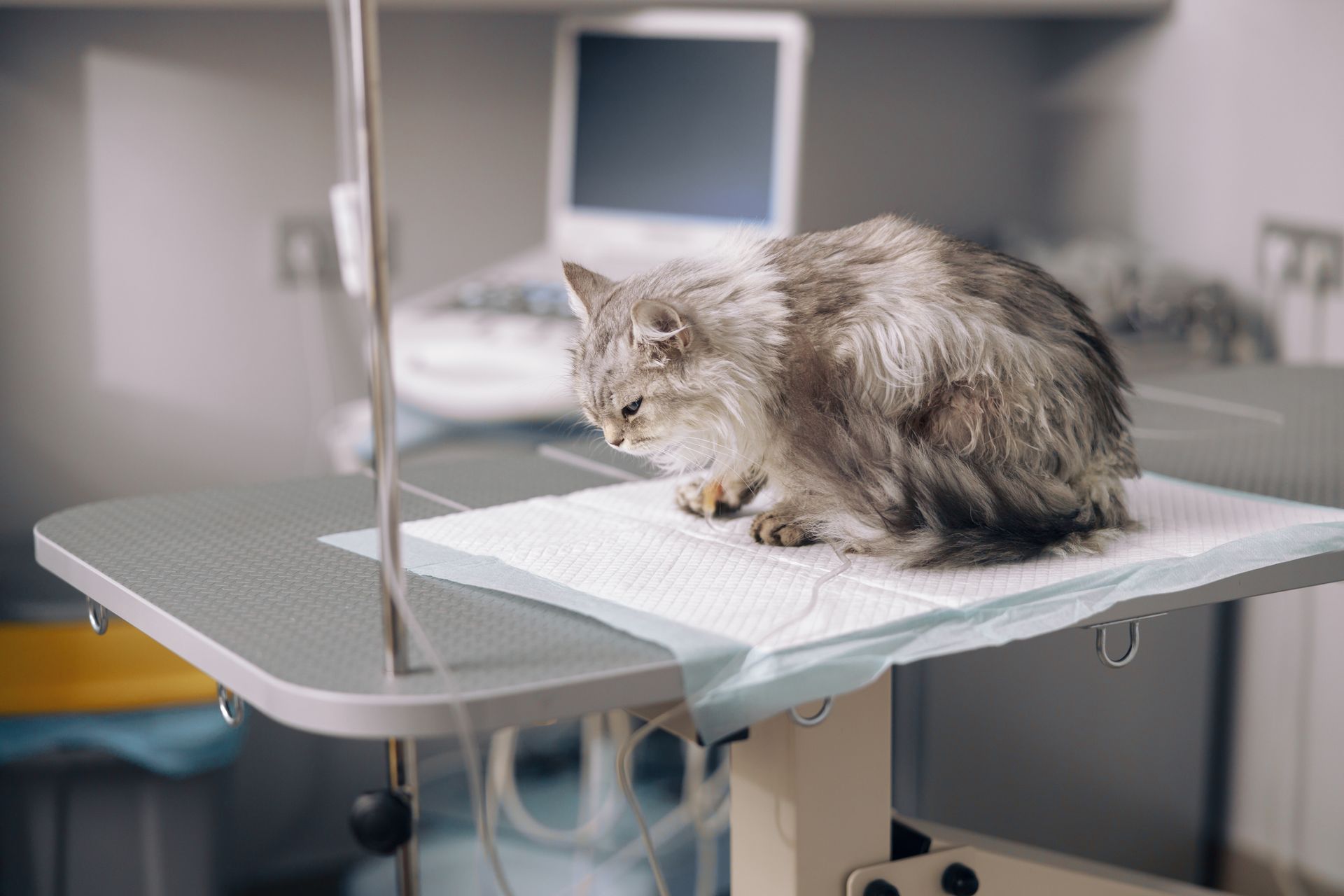
Veterinarians & Animal Hospitals
Professional and general liability, property, and workers’ comp for clinical operators with high exposure.
Hands-on · small business
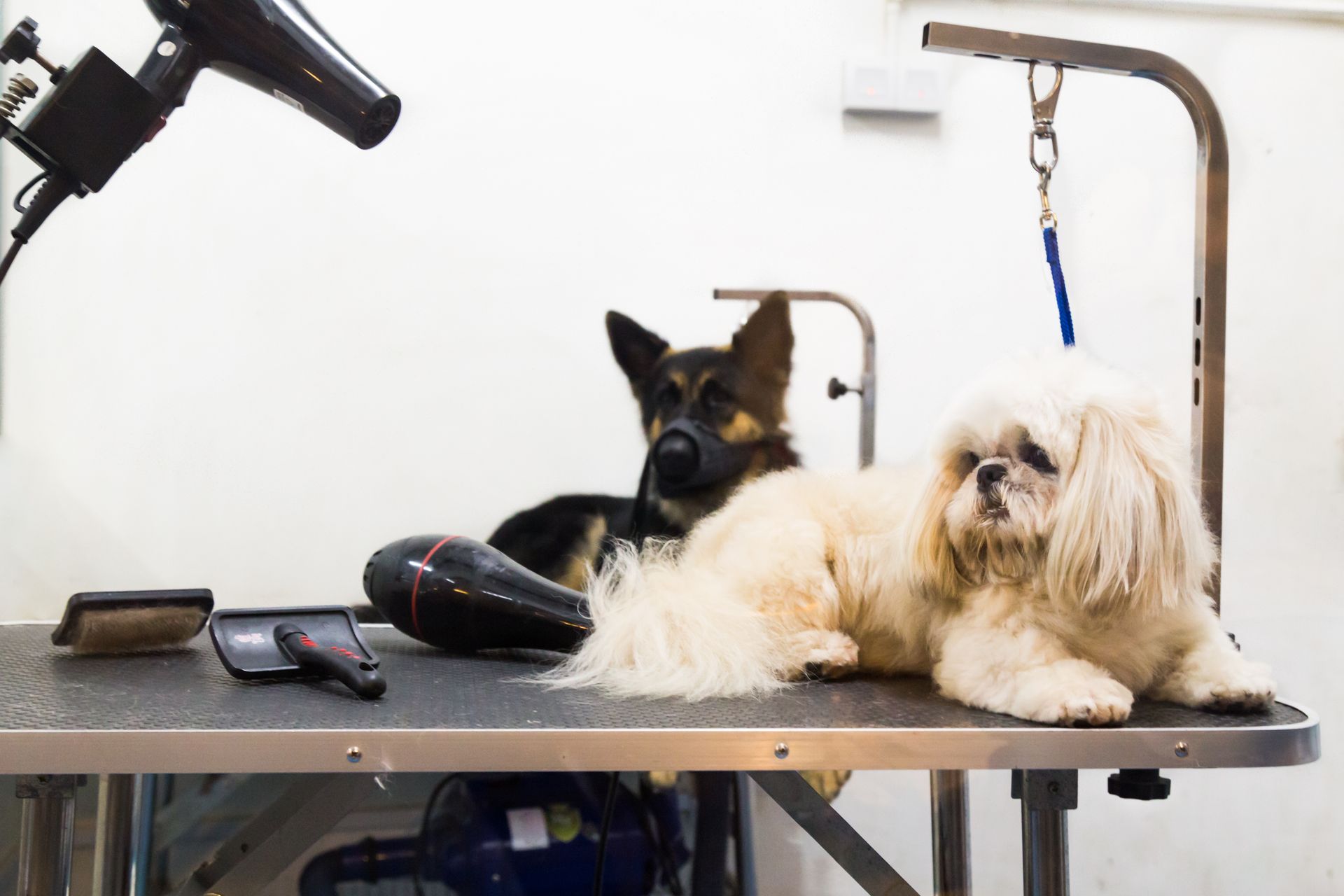
Pet Groomers
Practical protection for animal handling, equipment, and the day-to-day of the grooming table, shop or mobile.

Safety-forward · overnight
Doggy Daycare & Boarding
Coverage matched to facilities responsible for animals overnight and all day long.
Our reviews
Trusted by pet professionals.
See what owners say about working with a specialist who already understands their business.
Frequently asked
Questions pet pros ask us.
What kinds of pet businesses do you insure?
We insure businesses across the animal-care industry — veterinarians and animal hospitals, groomers, doggy daycares and boarding facilities, kennels and trainers, pet sitters and dog walkers, and pet stores. We also cover breeders, equine operations, pet transporters, shelters and rescues, pet photographers, and aquariums or wildlife facilities.
If your work involves caring for, handling, or selling animals, there is a strong chance we cover it. Tell us what you do and we will confirm.
What is care, custody, and control coverage, and why does it matter?
Care, custody, and control coverage protects you when an animal in your charge is injured, becomes ill, or is lost while in your care. Standard general liability policies often exclude this exact exposure, which leaves a serious gap for pet businesses.
For groomers, boarders, sitters, and clinics, this is one of the most important coverages you can carry. We make sure it is in place and sized to your operation.
How is an independent agency different from buying direct from a carrier?
A direct carrier sells you its own single policy. As an independent agency, we shop multiple specialty insurers and compare programs to find the coverage that fits your business and budget.
That means you get options instead of one quote, and an advocate who works for you, not the carrier. We also handle the renewals and claims support over the life of your policy.
How fast can I get a quote?
Most clients get quoted within one business day. Our industry-specific intake forms collect the right details up front, so we can take your information straight to the carriers without a long back-and-forth.
Need it sooner? Call a specialist directly at (346) 738-7297 and we will move quickly.
Which states do you serve?
We are licensed and actively writing coverage in 12 states: Connecticut, Delaware, Georgia, Kentucky, Massachusetts, New Jersey, New York, North Carolina, Pennsylvania, South Carolina, Tennessee, and Virginia.
We continue to add states as we grow. If you operate outside this list, reach out and we will let you know our latest footprint.
From the blog
Coverage notes for pet professionals.
Plain-language risk tips and coverage explainers, written for owners — not insurance pros.

Speak with a specialist
Let's find the right coverage for your business.
No quote bots, no funnel. Talk to a real pet-insurance specialist who already understands your operation — and shops multiple markets on your behalf.
Call us
(346) 738-7297
Toll-free 845-250-5366
Email
service@petindustryins.com
Visit Us
2 Joyce Plaza
Stony Point, NY 10980