Coverage for veterinary practices
Pennsylvania Dog Trainer Insurance
This is the coverage that separates pet-specific insurance from generic business policies. Standard general liability excludes animals in your care, custody, and control. That means if a dog in your facility gets injured during a play session, escapes through a gate, or dies from a medical emergency, your GL policy won't pay the claim.
Animal bailee coverage fills that gap. It protects you financially when a pet is injured, becomes ill, dies, or goes missing while under your supervision. Given that some dogs coming through New York boarding facilities are valued at $5,000 to $15,000 or more (think French Bulldogs, designer breeds, and show dogs), a single bailee claim can easily exceed $10,000 once you factor in emergency vet bills and the pet's replacement value.
Make sure your bailee limits match the value of animals you're boarding. A $2,500 per-animal limit sounds fine until you're caring for a client's $12,000 Cavalier King Charles with a heart condition.
A single dog bite during a training session can generate a liability claim that costs more than most trainers earn in a year. Pennsylvania's strict liability statutes make the financial exposure even higher than in many neighboring states, and the reality is that most general business policies leave significant gaps for animal-related work. If you operate a dog training business in PA, whether from a dedicated facility, a client's home, or a public park, understanding your insurance needs isn't optional. It's the difference between building a sustainable business and risking everything on the next session going smoothly.
Dog trainer insurance in Pennsylvania involves more than just buying a generic policy. The coverage requirements, costs, and compliance obligations are shaped by state-specific laws, the physical nature of the work, and the unpredictable behavior of animals. Trainers who work with reactive dogs, board animals overnight, or employ assistants face layered risks that demand careful policy design. This guide breaks down what PA trainers actually need, what it costs, and where most people get it wrong.
Why Pennsylvania Dog Trainers Need Specialized Insurance
Most small business owners think a standard general liability policy covers them. For dog trainers, that assumption can be expensive. Standard commercial policies routinely exclude animal-related injuries and damage, which means the very thing most likely to generate a claim is the one thing your policy won't pay for. Specialty coverage designed for animal professionals fills those gaps.
Pennsylvania's dog-related regulations add another layer. The state's Department of Agriculture maintains specific dog laws that affect how trainers operate, especially those who house or board dogs as part of their training programs. Kennel licensing requirements, for example, can trigger additional insurance obligations that a generic policy doesn't address.
Unique Risks of the Dog Training Industry
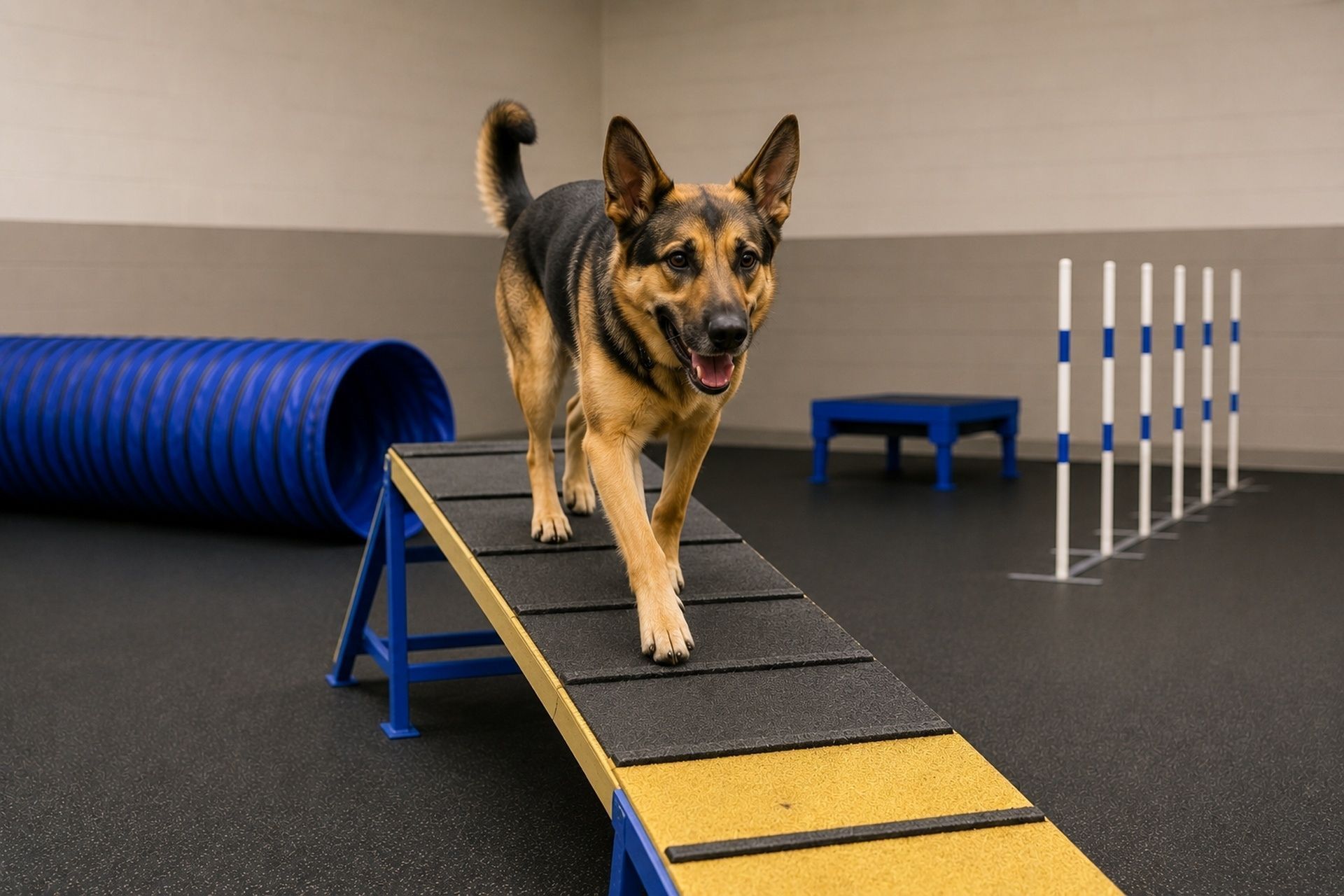
Dog training combines physical risk with professional judgment in ways few other businesses do. A trainer working with a fear-aggressive German Shepherd faces bite risk to themselves, their staff, bystanders, and other dogs in the facility. Property damage is common too: dogs chew equipment, scratch vehicles, and destroy furniture during in-home sessions.
The professional liability exposure is just as real. If a trainer recommends a technique that worsens a dog's behavior, or if a dog injures someone after being "cleared" by a trainer, the resulting lawsuit targets the trainer's professional judgment. The growing insurance needs for pet-care businesses reflect the industry's increasing complexity and the rising cost of claims.
Training environments vary wildly, too. A group class at a park carries different risks than a private session with an aggressive dog in a client's living room. Each scenario demands coverage that actually matches the exposure.
Pennsylvania Legal Liability and Negligence Standards
Pennsylvania applies a modified comparative negligence standard, meaning a trainer can be held partially liable for injuries even if the dog's owner shares blame. If a court finds the trainer more than 50% at fault, they're responsible for the full judgment. That's a harsh threshold for an industry where split-second decisions determine outcomes.
The state also imposes strict liability on dog owners for certain bite injuries, but trainers who have temporary custody of a dog can find themselves treated as the responsible party. If a dog in your care bites a bystander, you may face liability regardless of whether you knew the dog was dangerous. This legal framework makes proper insurance coverage not just smart but essential for anyone training dogs professionally in PA.
Keep in mind that laws vary by jurisdiction and individual circumstances. Consulting a qualified attorney about your specific situation is always a good idea.
Essential Coverage Types for PA Trainers
Not all policies are created equal, and the difference between coverage types matters more in animal-related businesses than in most industries. Here's what you actually need to understand.
General Liability vs. Professional Liability
General liability covers bodily injury and property damage that happen during your business operations: a client trips over a leash in your facility, a dog scratches a car in your parking lot, or someone slips on a wet floor. It's the foundation of any commercial policy.
Professional liability (sometimes called errors and omissions) covers claims arising from your professional advice or services. If you design a training plan that a client follows and their dog subsequently injures someone, or if you assess a dog as safe when it isn't, professional liability responds to those claims. Most dog trainers need both, and they're typically written as separate coverages. An agency like Pet Professional Insurance Agency, which specializes in pet-industry risks, can help you understand where one policy ends and the other begins.
Animal Bailee and Care, Custody, or Control Coverage
This is where most trainers get caught off guard. Standard general liability policies almost always exclude damage to animals in your care, custody, or control. That means if a dog you're training gets injured, escapes, or dies while under your supervision, your general liability policy won't cover the claim.
Care, custody, or control coverage (often called animal bailee coverage) fills that gap. It protects you when a client's dog is injured or killed while in your possession. For trainers who board dogs, offer day-training programs, or transport animals, this coverage is non-negotiable. The essential coverage guide for franchise owners outlines why this particular policy component is critical for anyone handling animals professionally.
Comparison of Standard Coverage Options
| Coverage Type | What It Covers | Who Needs It | Typical Limits |
|---|---|---|---|
| General Liability | Third-party bodily injury, property damage | All trainers | $1M per occurrence / $2M aggregate |
| Professional Liability | Errors in training advice or assessment | All trainers | $1M per occurrence / $1M aggregate |
| Care, Custody, or Control | Injury or death of animals in your care | Trainers who board, transport, or house dogs | $5,000-$25,000 per animal |
| Workers' Compensation | Employee injuries on the job | Any trainer with employees | State-mandated minimums |
| Commercial Auto | Accidents during business-related driving | Mobile trainers, transport services | $1M combined single limit |
| Business Property | Equipment, facility, and inventory damage | Facility-based trainers | Varies by value |
This table gives you a quick snapshot, but the details within each policy matter enormously. Exclusions, sub-limits, and deductibles vary between carriers and specialty markets.
Pennsylvania State Requirements and Compliance
Pennsylvania doesn't require dog trainers to carry general liability insurance by law, but that doesn't mean you can skip it. Many landlords, training facility leases, and municipal permits require proof of insurance. If you train at public parks, community centers, or pet stores, those venues almost always demand a certificate of liability insurance before you set foot on their property.
The state also requires dog licenses for 2026 for all dogs over three months old, and trainers who board or house dogs may need kennel licenses depending on the number of animals and duration of stay. Compliance with these requirements often intersects with insurance obligations.
Workers' Compensation for Multi-Trainer Facilities
In Pennsylvania, any dog training business with even one employee, whether full-time, part-time, or seasonal, is legally required to carry workers' compensation insurance. This isn't optional, and the penalties for non-compliance are severe: fines, criminal charges, and personal liability for any workplace injuries.
Dog training is physically demanding work. Employees get bitten, pulled off their feet by large dogs, and injured during restraint. Workers' comp covers medical expenses and lost wages for these on-the-job injuries. The workers' comp requirements for pet-care businesses apply broadly across the industry, and Pennsylvania enforces them aggressively. If you have anyone helping you, even a part-time assistant, get this coverage in place immediately.
Commercial Auto Insurance for Mobile Trainers
If you drive to clients' homes, transport dogs to training locations, or use a vehicle for any business purpose, your personal auto insurance won't cover accidents that happen during work. Commercial auto insurance fills that gap and is especially important for mobile trainers who spend significant time on the road.
Pennsylvania requires minimum auto liability limits, but those minimums are dangerously low for a business that transports animals. A single accident with client dogs in the vehicle could generate claims for the animals' injuries, your vehicle damage, third-party injuries, and lost business income. Higher limits and hired/non-owned auto coverage are worth the additional premium.
Factors Influencing Insurance Costs in Pennsylvania
Several variables determine what you'll pay for coverage in PA. Your annual revenue is the biggest factor for general liability premiums: a trainer earning $50,000 annually will pay less than one earning $200,000. The type of training matters too. Behavioral modification work with aggressive dogs carries higher premiums than basic obedience classes.
Your claims history plays a significant role. Even one prior claim can increase your premium by 20-40%. The number of employees, whether you board dogs, and your facility type (home-based vs. commercial) all affect pricing. Most PA dog trainers can expect to pay between $500 and $2,500 annually for a general liability policy, with professional liability adding another $300 to $1,200 depending on coverage limits.
Location within Pennsylvania matters as well. Trainers in Philadelphia and Pittsburgh face higher premiums than those in rural areas, reflecting higher claim frequency in urban markets. Working with an agency that understands pet-industry risks, like Pet Professional Insurance Agency, can help you find the right balance between coverage and cost. Their team typically responds within 24-48 hours and works directly with you rather than routing you through a call center.
Common Questions About Dog Training Insurance
Do I need insurance if I only train dogs part-time? Yes. Liability doesn't care about your schedule. A single incident during a weekend session carries the same financial risk as one during a full-time workday.
Does my homeowner's policy cover my home-based training business? Almost certainly not. Most homeowner's policies exclude business activities, and many will cancel your personal coverage if they discover you're running a business from home without disclosing it.
Can I add dog training to an existing business policy? Sometimes, but generic business policies rarely include animal-specific coverages like care, custody, or control. You'll likely need endorsements or a separate specialty policy.
What happens if a dog I'm training bites another dog? Your general liability policy should cover third-party animal injuries, but damage to animals in your care falls under care, custody, or control coverage. Without it, you're paying out of pocket.
Are group classes riskier to insure than private sessions? Generally, yes. More dogs in one space increases the probability of incidents. Some insurers charge higher premiums for group class operations, while others simply require higher limits.
Do I need a kennel license in PA if I board dogs during training? If you keep dogs overnight or house them for extended periods, Pennsylvania may require a kennel license. Local regulations are evolving, so check with your county and the state Department of Agriculture.
The Bottom Line for Your Training Business
Running a dog training operation in Pennsylvania without proper insurance is a gamble that no responsible business owner should take. Between the state's comparative negligence standards, mandatory workers' comp requirements, and the inherent unpredictability of working with animals, the risks are too real and too costly to absorb personally.
Start with general liability and professional liability as your foundation. Add care, custody, or control coverage if you handle client dogs for any period. Get workers' comp the moment you hire anyone, even part-time help. And if you drive to clients or transport dogs, commercial auto coverage belongs on your list.
Index
Pet Professional Insurance Agency is fully licensed and permitted to provide commercial insurance solutions for pet businesses across 12 states.
We proudly serve pet professionals throughout the Northeast, Mid-Atlantic, and Southeast. Powered by Joyce Insurance Agency, our team works with leading specialty carriers — including The Hartford, USLI, Nautilus, and Northland — to make sure veterinarians, groomers, boarding facilities, and pet-care businesses receive coverage that fits their real risks in Connecticut, Delaware, Georgia, Kentucky, Massachusetts, New Jersey, New York, North Carolina, Pennsylvania, South Carolina, Tennessee, and Virginia.
About the author
Barnaby Joyce
Founder, Pet Professional Insurance Agency · Licensed Insurance Producer
I started Pet Professional Insurance Agency because I watched pet businesses get handed generic policies that never fit. After years of placing coverage for veterinary practices, grooming salons, doggy daycares, and kennels through a generalist agency, I saw the same gaps over and over — and the same blank stares when an owner tried to explain care, custody, and control to an agent who had never insured an animal in their life.
So I built an agency that does one thing. I work directly with specialty carriers who actually want pet-industry risk, and I sit down with every client personally. You will not get a call center or a chatbot. You will get someone who already speaks your language and shops the market on your behalf. That is the whole idea.
Recommended coverages
Coverages that pair with general liability.
Most pet businesses build on general liability with the lines below. Explore each — every page cross-links to the
industries we serve.
Services & advice
Professional Liability / E&O
Covers claims tied to your professional services and advice — clinical care, training guidance, and the judgment calls you make daily.
The pet-industry gap
Care, Custody & Control
Covers the animals in your charge against injury, illness, or loss — the critical exposure standard liability policies leave out.
Bundled & cost-effective
Business Owners Policy (BOP)
Bundles property and general liability into one package built for small to mid-sized pet businesses — often the simplest base.
Your building & contents
Commercial Property
Protects your building, build-out, equipment, and inventory against fire, theft, and covered losses — front desk to back room.
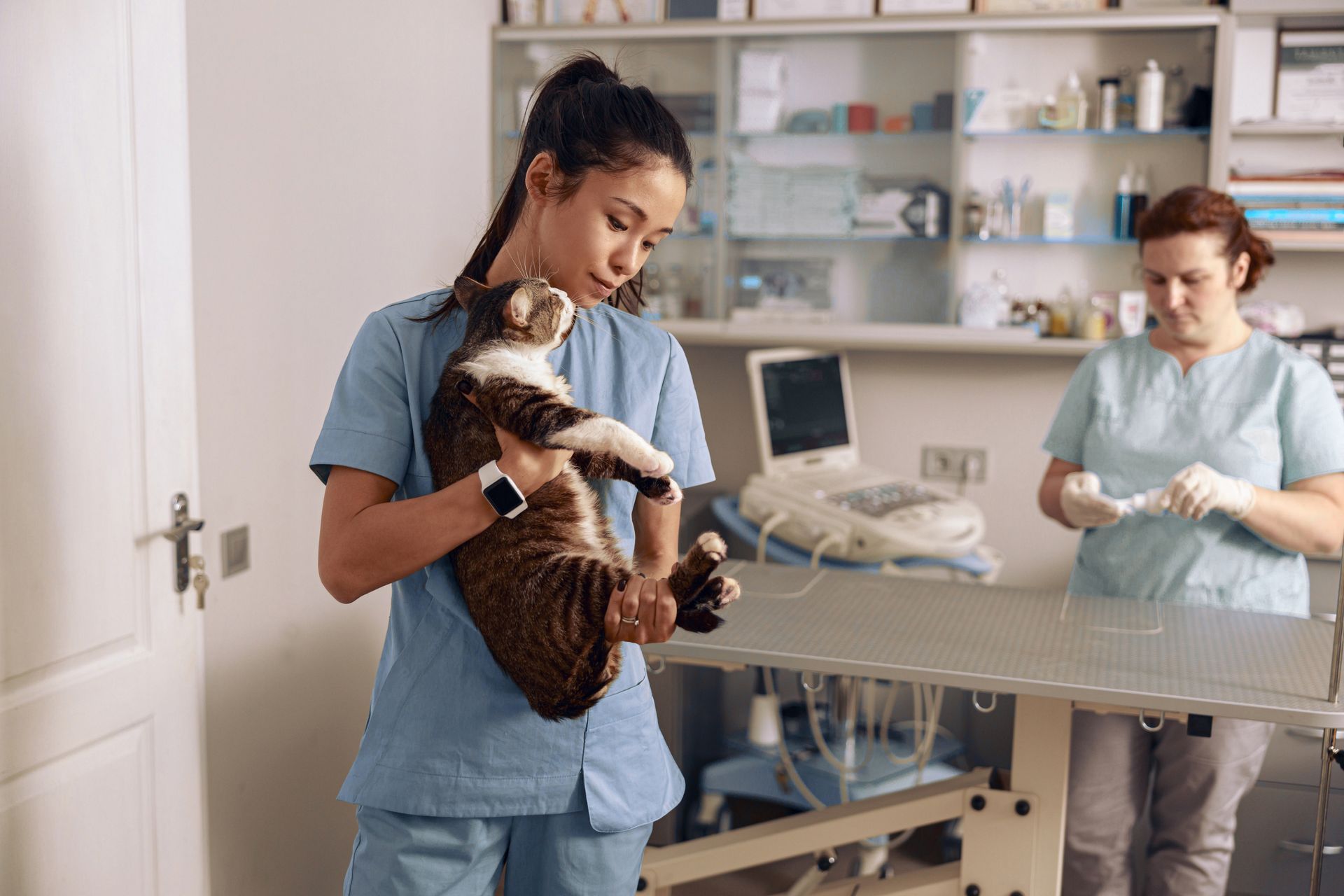
For your team
Workers’ Compensation
Covers medical costs and lost wages when a team member is hurt on the job — required in most states once you have employees.
Extra protection
Commercial Umbrella
Adds liability limits above your primary policies for catastrophic claims that exceed standard coverage.
Coverage availability and terms vary by carrier and state. We recommend the right mix for your operation once we talk.
Industries we serve
Built for the businesses that care for animals.
General liability is the baseline for every segment we specialize in. Find the page built for your business.
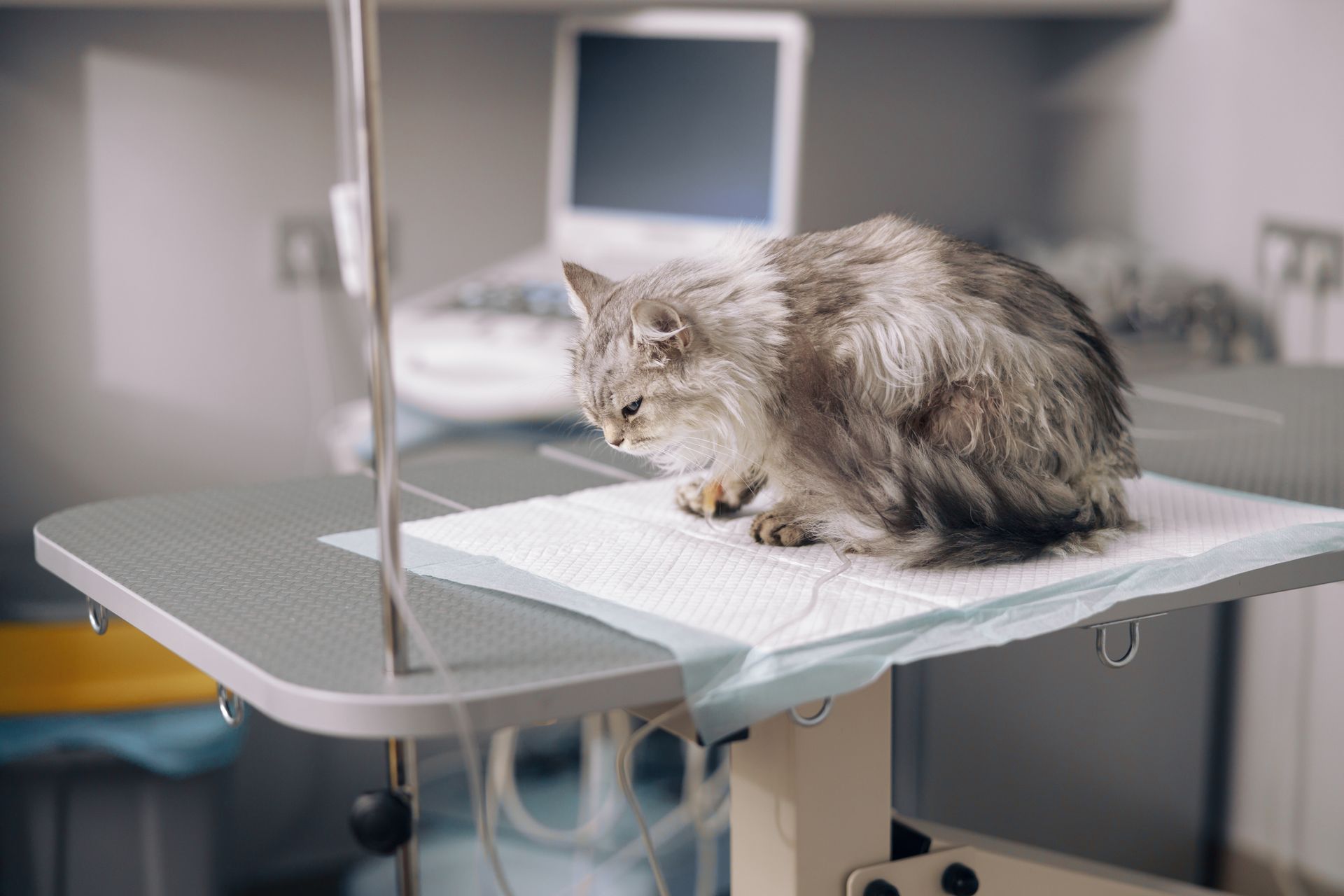
Clinical · high exposure
Veterinarians & Animal Hospitals
Professional and general liability, property, and workers’ comp for clinical operators with high exposure.
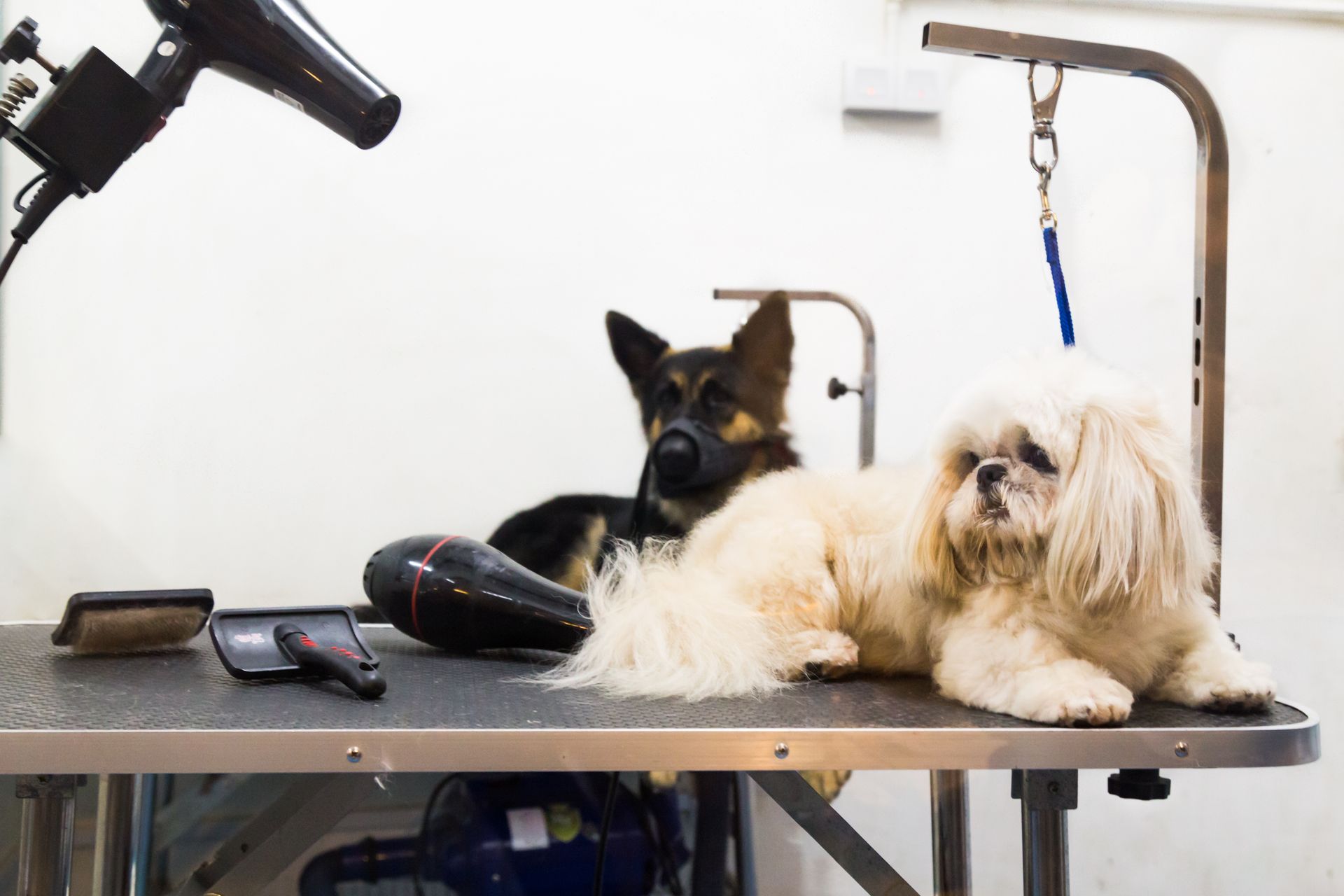
Hands-on · small business
Pet Groomers
Practical protection for animal handling, equipment, and the day-to-day of the grooming table, shop or mobile.
Safety-forward · overnight
Doggy Daycare & Boarding
Coverage matched to facilities responsible for animals overnight and all day long.
Our reviews
Trusted by pet professionals.
See what owners say about working with a specialist who already understands their business.
Frequently asked
Questions pet pros ask us.
What kinds of pet businesses do you insure?
We insure businesses across the animal-care industry — veterinarians and animal hospitals, groomers, doggy daycares and boarding facilities, kennels and trainers, pet sitters and dog walkers, and pet stores. We also cover breeders, equine operations, pet transporters, shelters and rescues, pet photographers, and aquariums or wildlife facilities.
If your work involves caring for, handling, or selling animals, there is a strong chance we cover it. Tell us what you do and we will confirm.
What is care, custody, and control coverage, and why does it matter?
Care, custody, and control coverage protects you when an animal in your charge is injured, becomes ill, or is lost while in your care. Standard general liability policies often exclude this exact exposure, which leaves a serious gap for pet businesses.
For groomers, boarders, sitters, and clinics, this is one of the most important coverages you can carry. We make sure it is in place and sized to your operation.
How is an independent agency different from buying direct from a carrier?
A direct carrier sells you its own single policy. As an independent agency, we shop multiple specialty insurers and compare programs to find the coverage that fits your business and budget.
That means you get options instead of one quote, and an advocate who works for you, not the carrier. We also handle the renewals and claims support over the life of your policy.
How fast can I get a quote?
Most clients get quoted within one business day. Our industry-specific intake forms collect the right details up front, so we can take your information straight to the carriers without a long back-and-forth.
Need it sooner? Call a specialist directly at (346) 738-7297 and we will move quickly.
Which states do you serve?
We are licensed and actively writing coverage in 12 states: Connecticut, Delaware, Georgia, Kentucky, Massachusetts, New Jersey, New York, North Carolina, Pennsylvania, South Carolina, Tennessee, and Virginia.
We continue to add states as we grow. If you operate outside this list, reach out and we will let you know our latest footprint.
From the blog
Coverage notes for pet professionals.
Plain-language risk tips and coverage explainers, written for owners — not insurance pros.
Speak with a specialist
Let's find the right coverage for your business.
No quote bots, no funnel. Talk to a real pet-insurance specialist who already understands your operation — and shops multiple markets on your behalf.
Call us
(346) 738-7297
Toll-free 845-250-5366
Email
service@petindustryins.com
Visit Us
2 Joyce Plaza
Stony Point, NY 10980