Coverage for veterinary practices
Virginia Pet Boarding Insurance
This is the coverage that separates pet-specific insurance from generic business policies. Standard general liability excludes animals in your care, custody, and control. That means if a dog in your facility gets injured during a play session, escapes through a gate, or dies from a medical emergency, your GL policy won't pay the claim.
Animal bailee coverage fills that gap. It protects you financially when a pet is injured, becomes ill, dies, or goes missing while under your supervision. Given that some dogs coming through New York boarding facilities are valued at $5,000 to $15,000 or more (think French Bulldogs, designer breeds, and show dogs), a single bailee claim can easily exceed $10,000 once you factor in emergency vet bills and the pet's replacement value.
Make sure your bailee limits match the value of animals you're boarding. A $2,500 per-animal limit sounds fine until you're caring for a client's $12,000 Cavalier King Charles with a heart condition.
Running a pet boarding facility in Virginia means juggling animal care, staffing, facility upkeep, and a constant stream of worried pet parents trusting you with their furry family members. What most kennel owners don't think about until it's too late is what happens when something goes wrong: a dog bites a client during pickup, a cat escapes from an enclosure, or a pipe bursts and floods your facility overnight. Pet boarding insurance for Virginia operations isn't just a box to check; it's the financial safety net that keeps your business alive after a bad day. The average general liability policy for a Virginia pet care business runs about $53 per month, which is a small price compared to a single lawsuit. But general liability alone won't cover everything. Virginia has its own set of compliance rules, licensing requirements, and workers' compensation mandates that directly affect what coverage you need and how much you'll pay. This guide breaks down the specific coverages, costs, and legal requirements that Virginia boarding facilities face in 2026, so you can make informed decisions rather than guessing your way through a policy application.
Essential Insurance Coverages for Virginia Pet Boarding Facilities
Most boarding facility owners start their insurance search focused on one thing: "What if a dog bites someone?" That's a valid concern, but it's only one piece of a much larger puzzle. A proper insurance program for a Virginia kennel covers injuries to people, damage to property, harm to animals in your care, and professional mistakes that lead to financial loss.
The tricky part is that no single policy covers everything. You'll need to layer different types of coverage to close the gaps. Some of these coverages come bundled in a Business Owner's Policy (BOP), while others require standalone policies from specialty insurance markets that understand the pet industry. Working with an agency that specializes in pet-care businesses, like Pet Professional Insurance Agency, can help you identify which layers you actually need versus which ones an agent unfamiliar with kennels might overlook.
General Liability vs. Professional Liability: Key Differences
These two coverages sound similar but protect against very different things. Here's a quick breakdown:
| General Liability | Professional Liability | |
|---|---|---|
| What it covers | Bodily injury, property damage to third parties | Errors, omissions, or negligence in professional services |
| Example claim | A client slips on a wet floor in your lobby | You administer the wrong medication dosage to a boarded pet |
| Typical limits | $1M per occurrence / $2M aggregate | $1M per occurrence / $1M aggregate |
| Required by law? | Not mandated, but often required by landlords and contracts | Not mandated, but critical for risk protection |
| Monthly cost range | $40-$75 | $25-$50 |
General liability is your foundation. It handles the "someone got hurt on your property" scenarios. Professional liability (sometimes called errors and omissions) kicks in when you make a mistake in delivering your services: feeding a pet the wrong diet, missing a medication schedule, or failing to notice signs of illness.
I've seen kennel owners skip professional liability because they think general liability covers everything. It doesn't. If a pet owner sues you because their diabetic dog didn't receive insulin on schedule, that's a professional liability claim.
Animal Bailee Coverage for Pets in Your Care
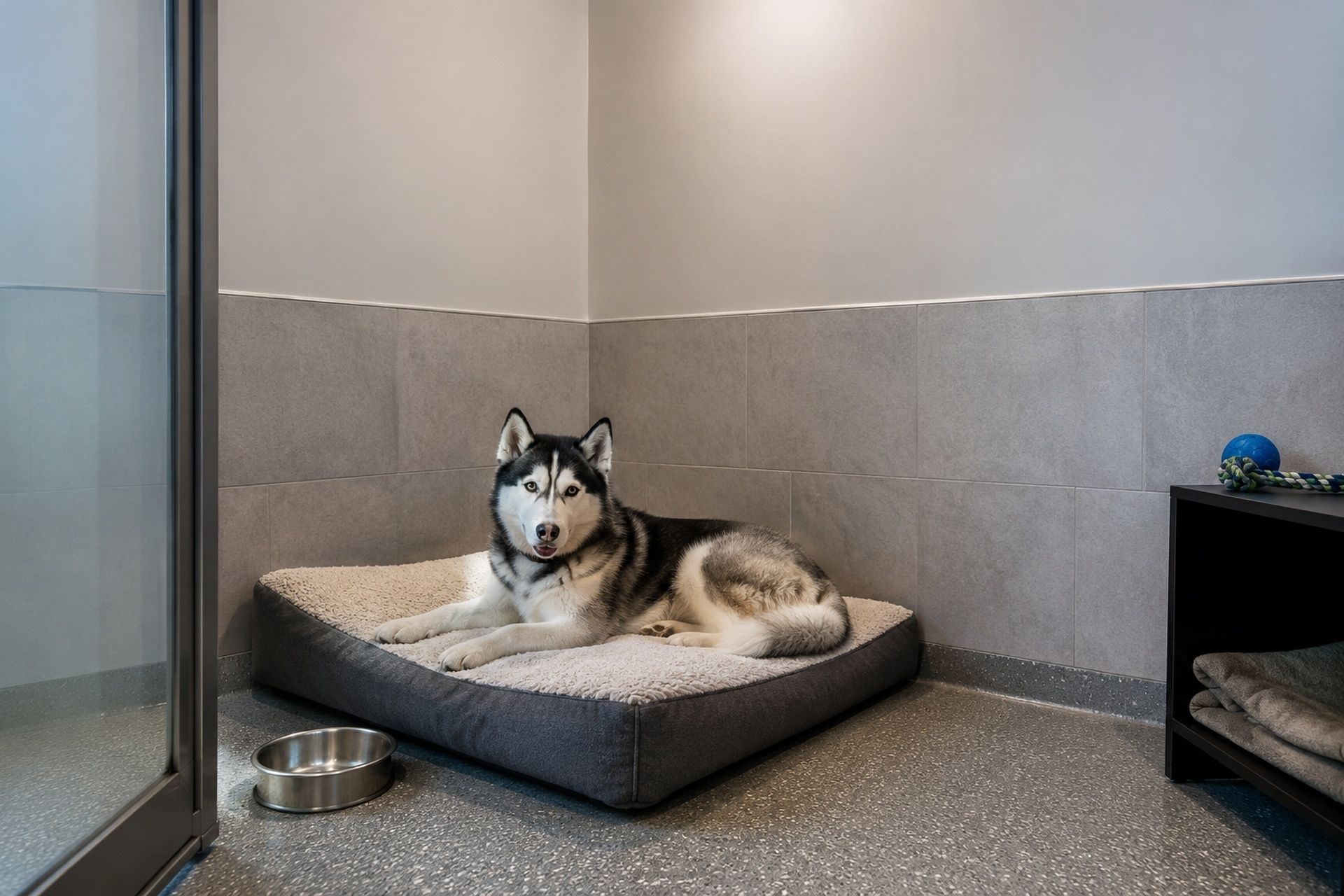
This is the coverage most general insurance agents don't even know exists, and it's arguably the most important one for boarding facilities. Animal bailee coverage (sometimes listed as "care, custody, and control" coverage) protects you when animals in your possession are injured, become ill, or die.
Standard general liability policies almost always exclude damage to property in your care, custody, or control. Since pets are legally considered property in Virginia, that exclusion means a boarded dog that gets injured during a fight with another dog wouldn't be covered under your general liability policy. Animal bailee coverage fills that gap.
Typical limits range from $2,500 to $10,000 per animal, with aggregate limits of $25,000 to $100,000. The pet insurance market itself is growing rapidly, with 7.6 million pet parents now carrying pet insurance, which means more clients may expect your facility to carry comparable protections.
Comparison of Basic vs. Comprehensive Coverage Tiers
A bare-bones policy might cost you $600 to $900 per year. A comprehensive program with all the right endorsements will run $1,800 to $4,500 annually, depending on your facility size and services. The difference in protection is enormous.
- A basic tier typically includes general liability and property coverage only
- Mid-tier adds animal bailee, professional liability, and hired/non-owned auto
- Comprehensive tiers layer in business interruption, cyber liability, and umbrella coverage
Don't let the price difference scare you. A single animal injury claim can easily exceed $15,000 when you factor in veterinary bills, legal fees, and the pet owner's emotional distress claim. The gap between basic and comprehensive coverage is where most kennel owners get burned.
Virginia-Specific Compliance and Legal Requirements
Virginia has specific regulations that directly impact your insurance needs. Ignoring them doesn't just create risk; it creates legal exposure that insurance can't always fix.
Mandatory Workers' Compensation in the Commonwealth
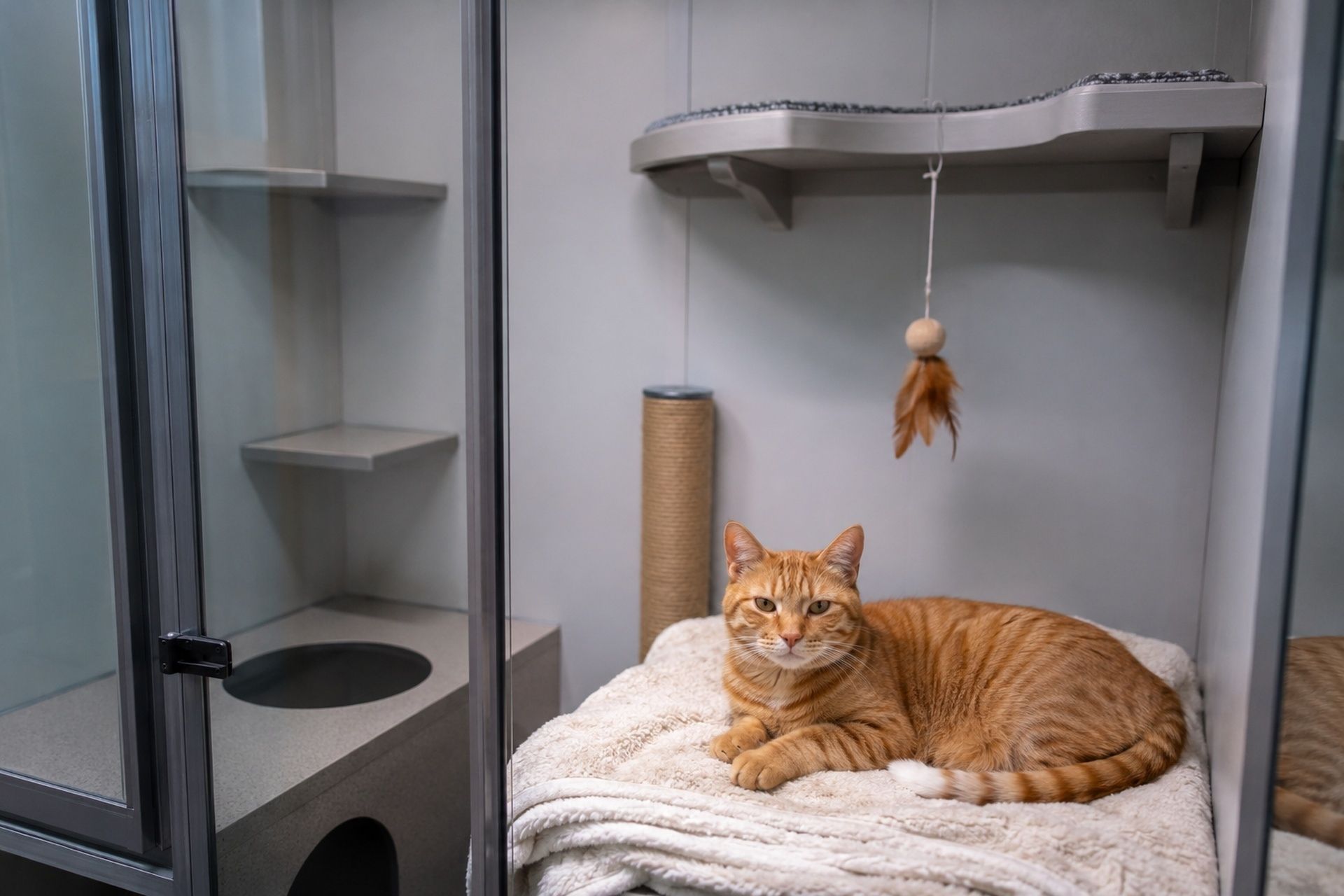
Virginia requires workers' compensation insurance for any business with two or more employees, including part-time staff. This is stricter than some neighboring states. If you have even one full-time kennel attendant and one part-time weekend helper, you need workers' comp.
The penalties for non-compliance are harsh: fines up to $250 per day for each day you operate without coverage, plus personal liability for any workplace injuries. Pet boarding staff face real risks including dog bites, back injuries from lifting large animals, and exposure to zoonotic diseases. Workers' comp premiums for kennel operations in Virginia typically run $1.50 to $3.00 per $100 of payroll, depending on your claims history.
Meeting Local Zoning and VDACS Licensing Standards
The Virginia Department of Agriculture and Consumer Services (VDACS) oversees commercial animal boarding facilities under state code, requiring proper licensing and regular inspections. Your facility must meet specific standards for enclosure sizes, sanitation, ventilation, and veterinary care protocols.
Here's where insurance intersects with licensing: many VDACS inspectors and local zoning boards want to see proof of liability insurance before issuing or renewing permits. Some Virginia localities have additional kennel regulations covering noise ordinances, setback requirements, and maximum animal capacity. Falling out of compliance with any of these can void certain insurance policy conditions, leaving you exposed at the worst possible time.
Recent legislative activity, including SB266 in the 2026 session, signals that Virginia lawmakers continue to refine animal care facility standards. Staying current on these changes matters for both compliance and coverage.
Factors Influencing Insurance Costs in VA
Your premium isn't pulled from thin air. Underwriters evaluate specific risk factors unique to your operation, and understanding these factors gives you some control over what you pay.
Facility Size and Daily Capacity Impact
A 10-run home kennel and a 75-run commercial facility present very different risk profiles. Underwriters look at your daily animal capacity as a primary rating factor because more animals mean more potential incidents.
Facilities boarding fewer than 20 animals daily typically see annual premiums in the $800 to $1,500 range for a basic liability package. Operations handling 50 or more animals per day can expect $2,500 to $5,000 or higher. Square footage also matters: larger properties have more slip-and-fall exposure and higher property values to insure.
Your facility's age and construction type play a role too. A purpose-built concrete block kennel with commercial HVAC rates differently than a converted residential garage. Underwriters want to see fire suppression systems, secure fencing, and proper drainage.
Specialized Services: Grooming, Training, and Transport
Every service you add beyond basic boarding changes your risk profile. Grooming introduces sharp tool injuries and chemical exposure. Training involves off-leash handling and behavioral modification with potentially aggressive animals. Transport means auto liability and the added risk of animals in moving vehicles.
If you offer grooming, expect a 15-25% premium increase over boarding-only operations. Transport services require commercial auto insurance or at minimum a hired and non-owned auto endorsement. Training programs, especially those involving behavioral rehabilitation, may require higher professional liability limits.
Pet Professional Insurance Agency uses intake forms tailored specifically to boarding and kennel operations, which means the underwriting process captures these service distinctions accurately rather than lumping you into a generic "pet business" category.
Risk Management Strategies for Boarding Operations
Smart risk management does two things: it reduces the chance of incidents occurring, and it lowers your insurance premiums over time. Underwriters reward facilities that take prevention seriously.
Start with documentation. Every animal that enters your facility should have a signed boarding agreement that includes an assumption of risk clause, emergency veterinary authorization, and a clear description of the pet's medical history and behavioral tendencies. These agreements won't prevent lawsuits, but they significantly strengthen your defense.
Install security cameras in all common areas and play yards. Video evidence resolves disputed claims faster than anything else. Maintain written protocols for feeding, medication administration, animal introductions, and emergency procedures. Train every staff member on these protocols and document the training.
Separate animals by size and temperament during group play. Most dog-on-dog injury claims stem from mismatched playgroups. Require proof of current vaccinations, including bordetella, before accepting any animal. These steps are practical, and they're exactly what insurance underwriters want to see when they're deciding your premium.
Common Questions About Pet Boarding Insurance
Do I need insurance if I only board a few dogs at my home? Yes. Virginia's licensing requirements apply to anyone boarding animals commercially, regardless of scale. A single dog bite claim can exceed $30,000 in medical and legal costs.
Does my homeowner's insurance cover my home-based boarding business? Almost never. Homeowner's policies exclude commercial activities. Operating without proper commercial coverage leaves you personally liable for any claims.
How quickly can I get coverage in place? Most specialty pet insurance agencies can bind coverage within 24 to 48 hours of receiving a completed application. Pet Professional Insurance Agency, for example, typically responds within that timeframe through their specialty markets.
What's the difference between animal bailee and care, custody, and control coverage? They're essentially the same thing described differently across policies. Both cover animals that are injured or die while in your possession. Read the policy language carefully, as exclusions vary.
Will my rates go up after a claim? Usually, yes. A single claim can increase premiums by 10-30% at renewal. Two or more claims within a policy period may make it difficult to find coverage through standard markets.
Are exotic pets covered under standard boarding policies? Most standard policies cover dogs and cats only. If you board birds, reptiles, or other exotic animals, you'll need to disclose this and may need a policy endorsement. The growing awareness of insurance protection gaps across the pet industry means underwriters are paying closer attention to what species you handle.
Making the Right Choice for Your Kennel Business
Getting insurance coverage for your Virginia boarding operation right isn't about buying the most expensive policy available. It's about matching your specific risks to the right coverages, meeting Virginia's compliance requirements, and working with people who understand the pet care industry.
Talk to an agent who knows the difference between animal bailee coverage and standard property coverage. Make sure your workers' compensation is in place if you have two or more employees. Review your boarding agreements with an attorney familiar with Virginia animal care law. And revisit your coverage annually, because your business changes year to year.
The right insurance program protects your business, your staff, your clients, and the animals that depend on you. If you're unsure where your current coverage stands, reach out to a pet-industry specialist who can review your policies and identify any gaps before they become expensive problems.
Index
Pet Professional Insurance Agency is fully licensed and permitted to provide commercial insurance solutions for pet businesses across 12 states.
We proudly serve pet professionals throughout the Northeast, Mid-Atlantic, and Southeast. Powered by Joyce Insurance Agency, our team works with leading specialty carriers — including The Hartford, USLI, Nautilus, and Northland — to make sure veterinarians, groomers, boarding facilities, and pet-care businesses receive coverage that fits their real risks in Connecticut, Delaware, Georgia, Kentucky, Massachusetts, New Jersey, New York, North Carolina, Pennsylvania, South Carolina, Tennessee, and Virginia.
About the author
Barnaby Joyce
Founder, Pet Professional Insurance Agency · Licensed Insurance Producer
I started Pet Professional Insurance Agency because I watched pet businesses get handed generic policies that never fit. After years of placing coverage for veterinary practices, grooming salons, doggy daycares, and kennels through a generalist agency, I saw the same gaps over and over — and the same blank stares when an owner tried to explain care, custody, and control to an agent who had never insured an animal in their life.
So I built an agency that does one thing. I work directly with specialty carriers who actually want pet-industry risk, and I sit down with every client personally. You will not get a call center or a chatbot. You will get someone who already speaks your language and shops the market on your behalf. That is the whole idea.
Recommended coverages
Coverages that pair with general liability.
Most pet businesses build on general liability with the lines below. Explore each — every page cross-links to the
industries we serve.
Services & advice
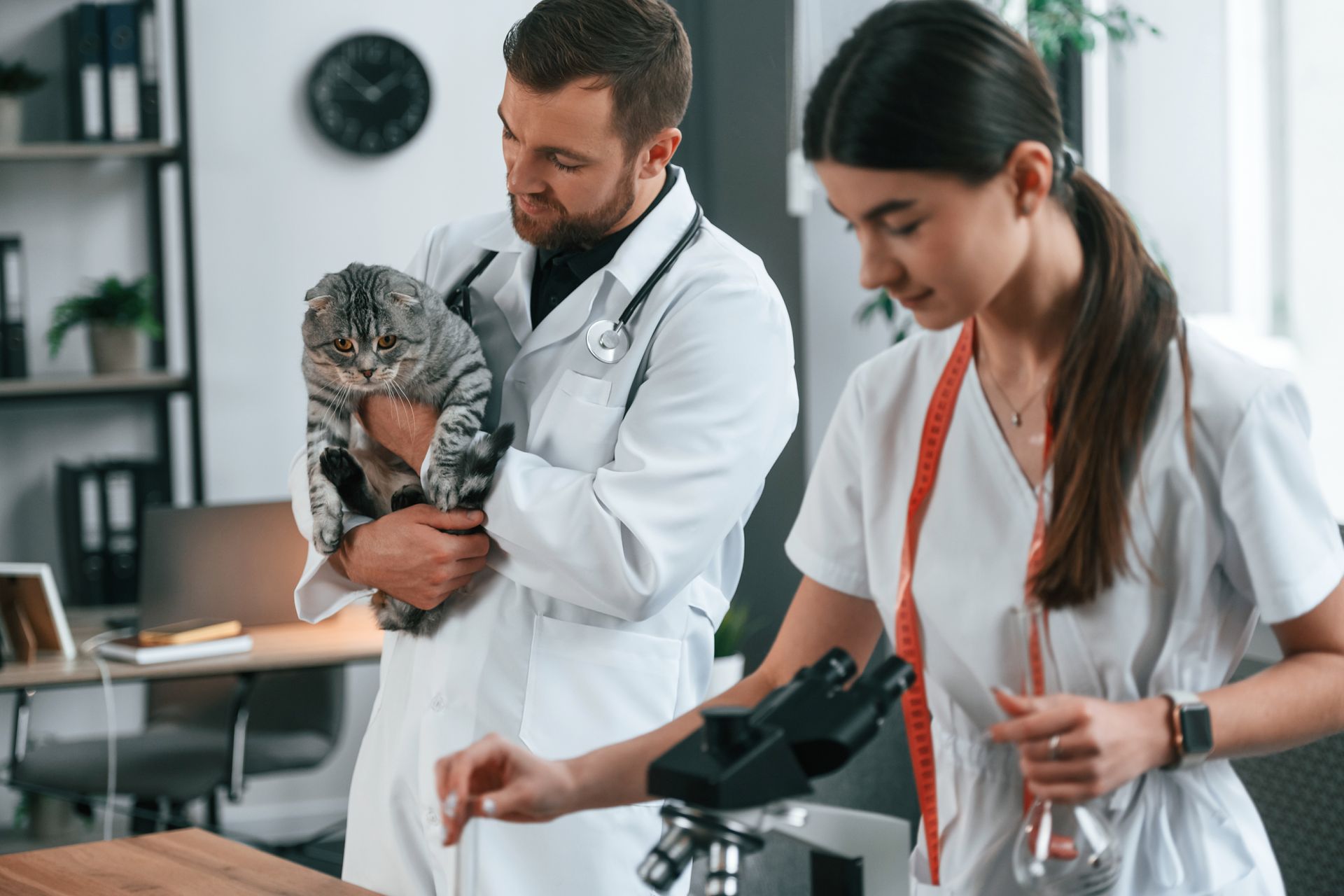
Professional Liability / E&O
Covers claims tied to your professional services and advice — clinical care, training guidance, and the judgment calls you make daily.
The pet-industry gap
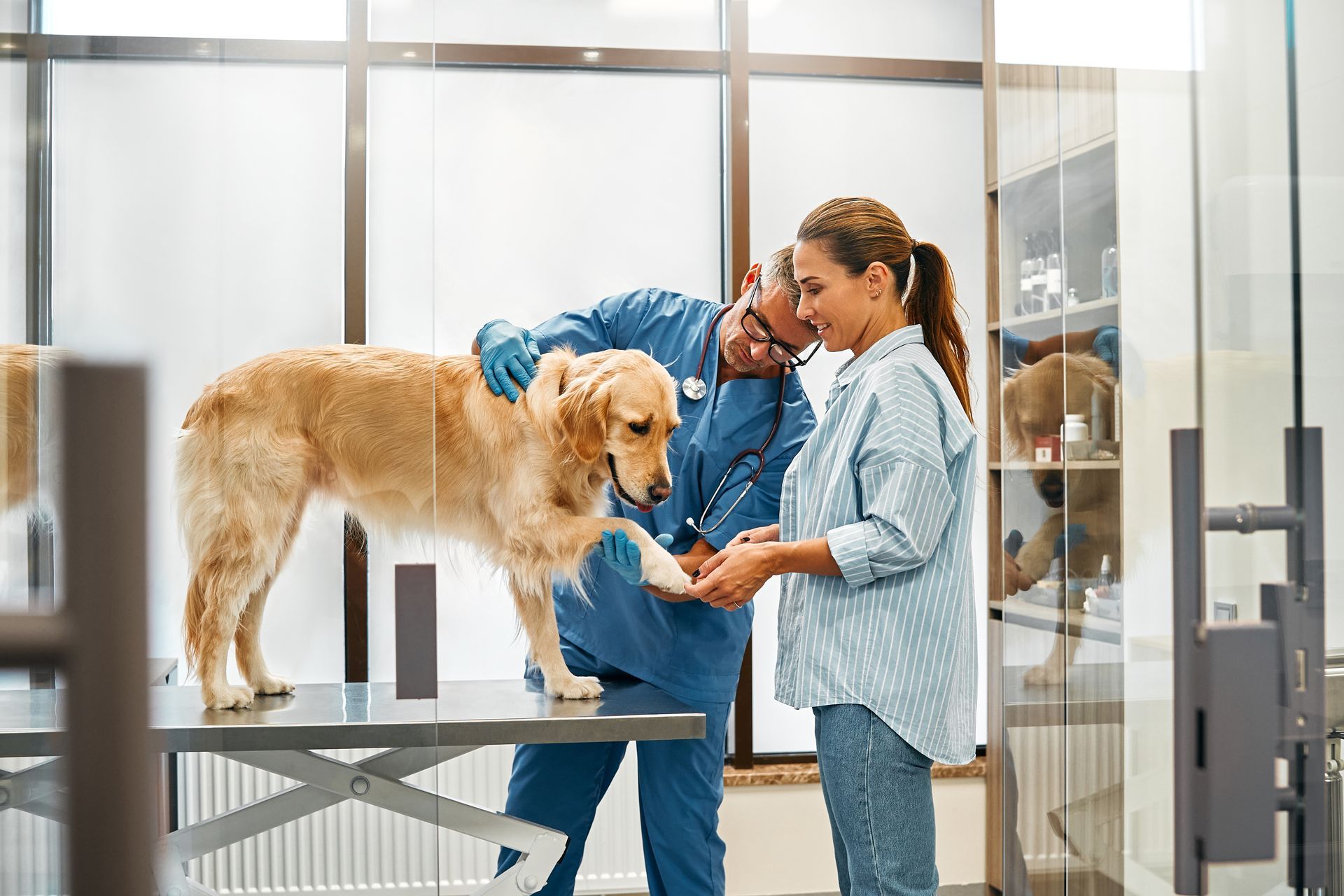
Care, Custody & Control
Covers the animals in your charge against injury, illness, or loss — the critical exposure standard liability policies leave out.
Bundled & cost-effective
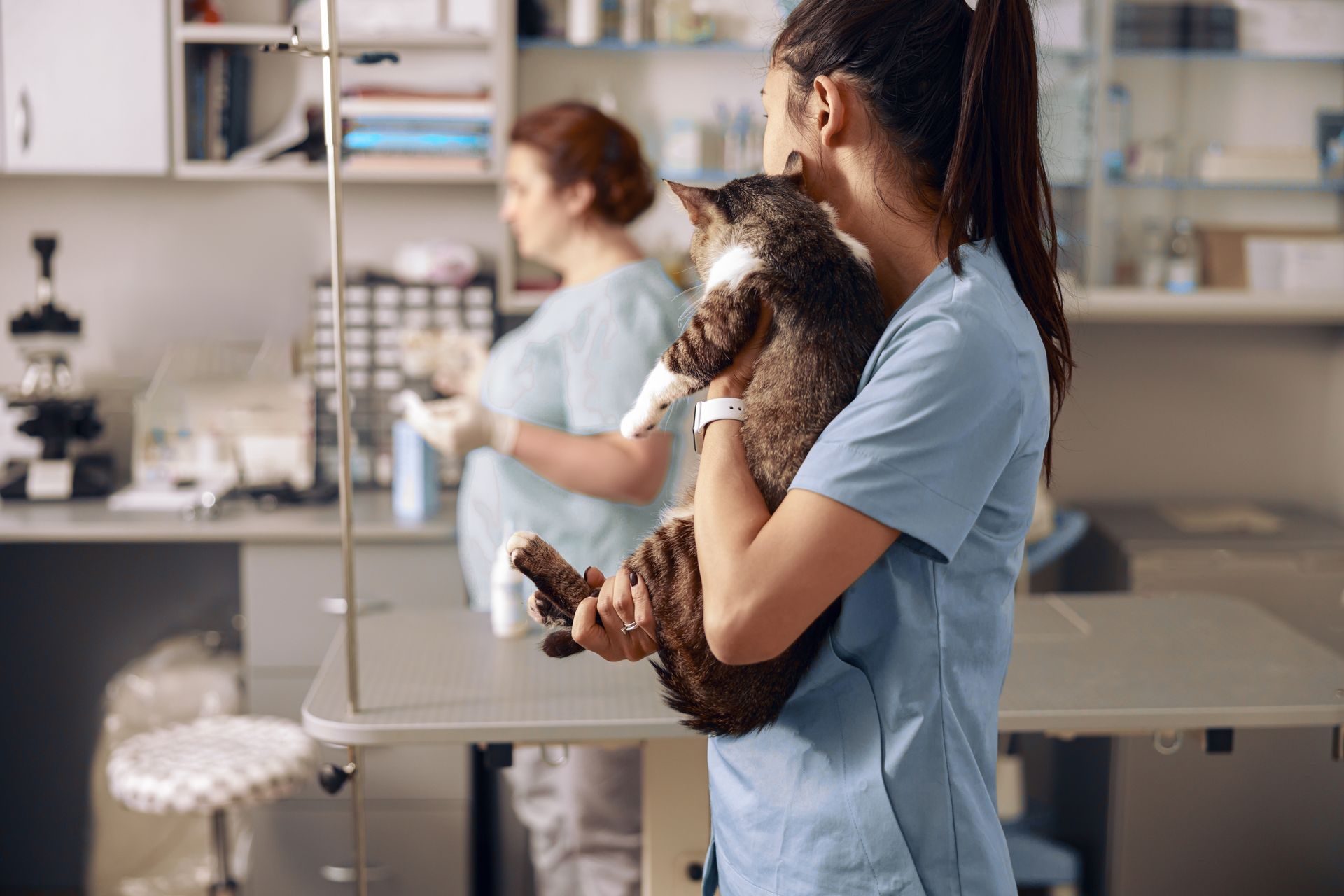
Business Owners Policy (BOP)
Bundles property and general liability into one package built for small to mid-sized pet businesses — often the simplest base.
Your building & contents
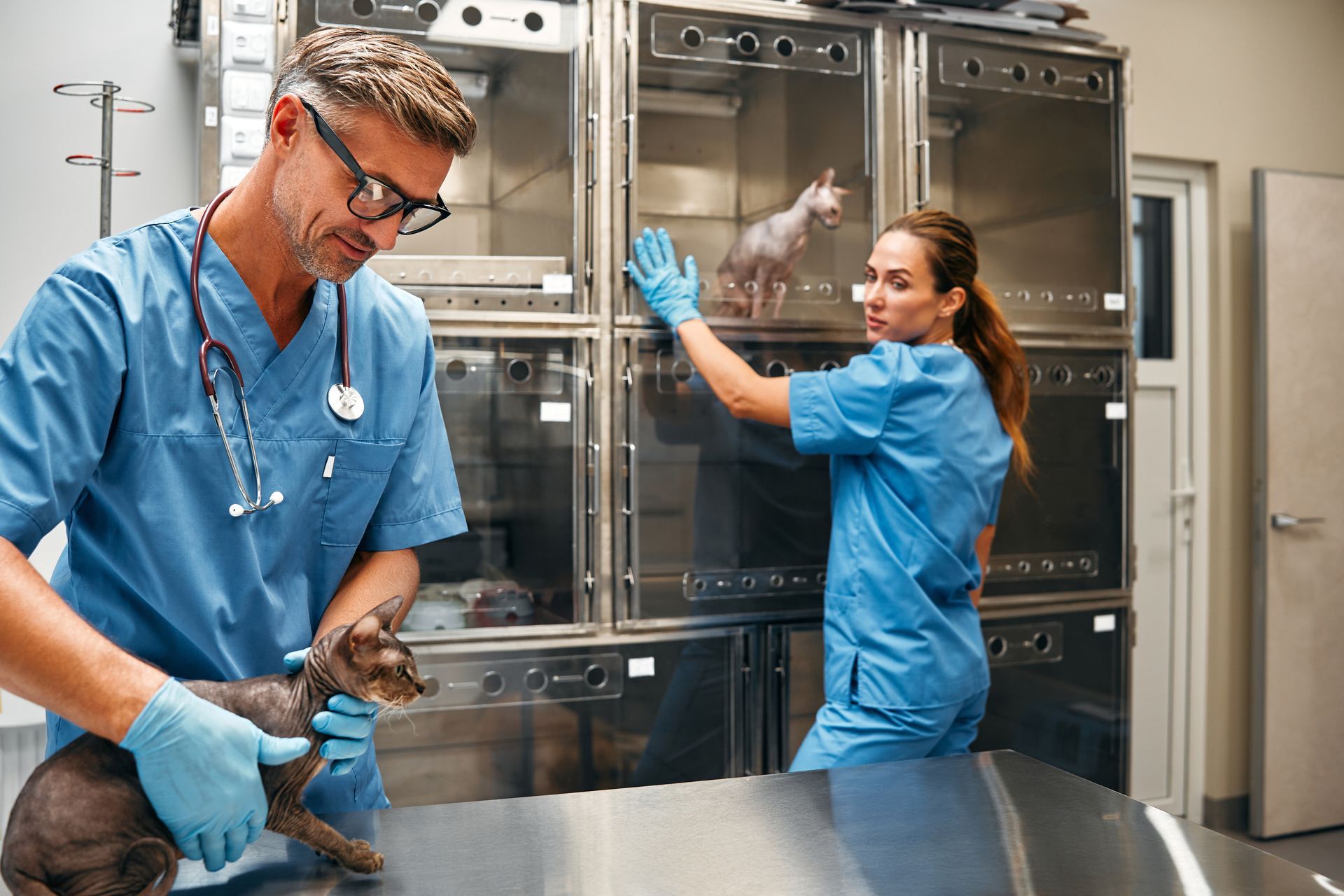
Commercial Property
Protects your building, build-out, equipment, and inventory against fire, theft, and covered losses — front desk to back room.
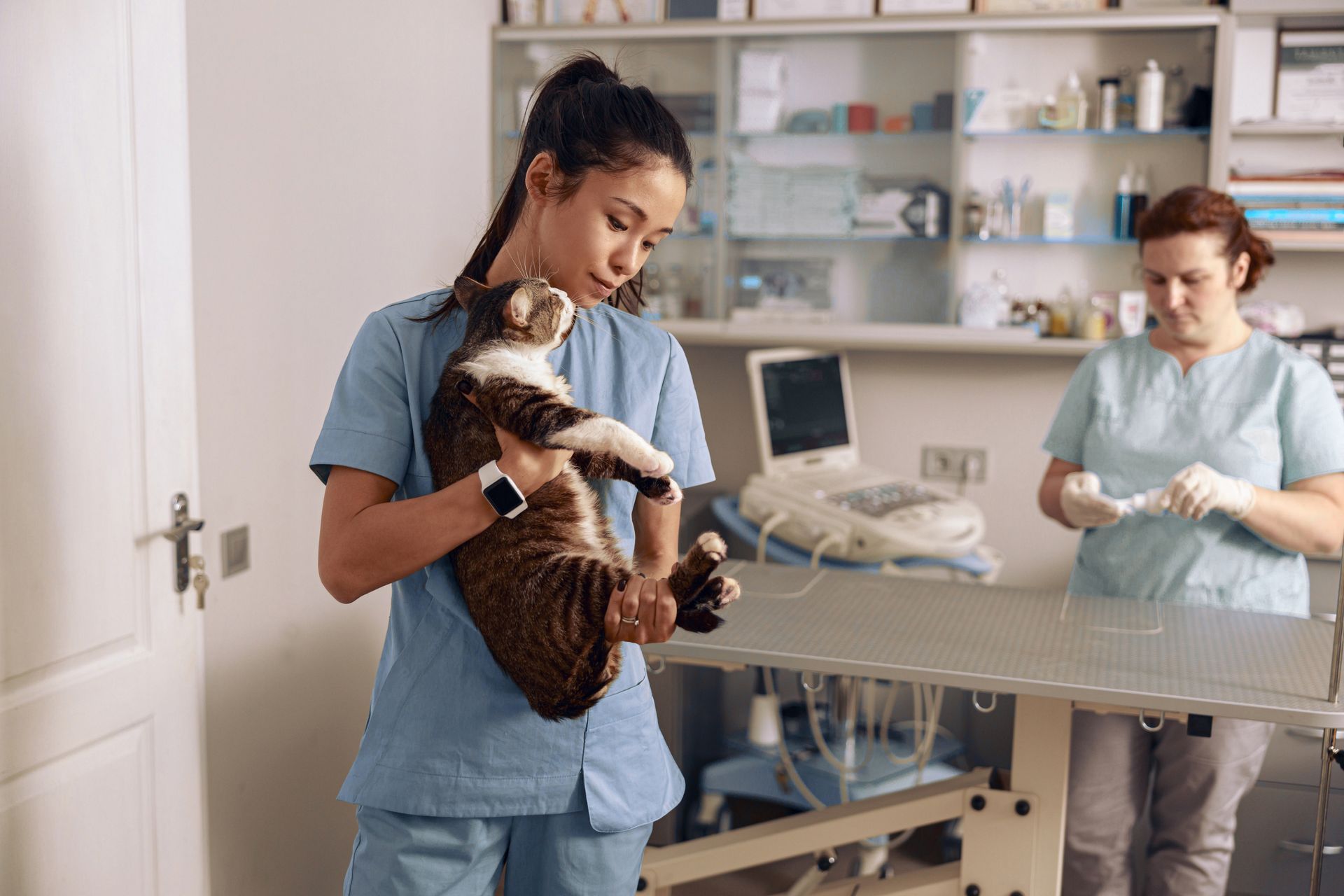
For your team
Workers’ Compensation
Covers medical costs and lost wages when a team member is hurt on the job — required in most states once you have employees.
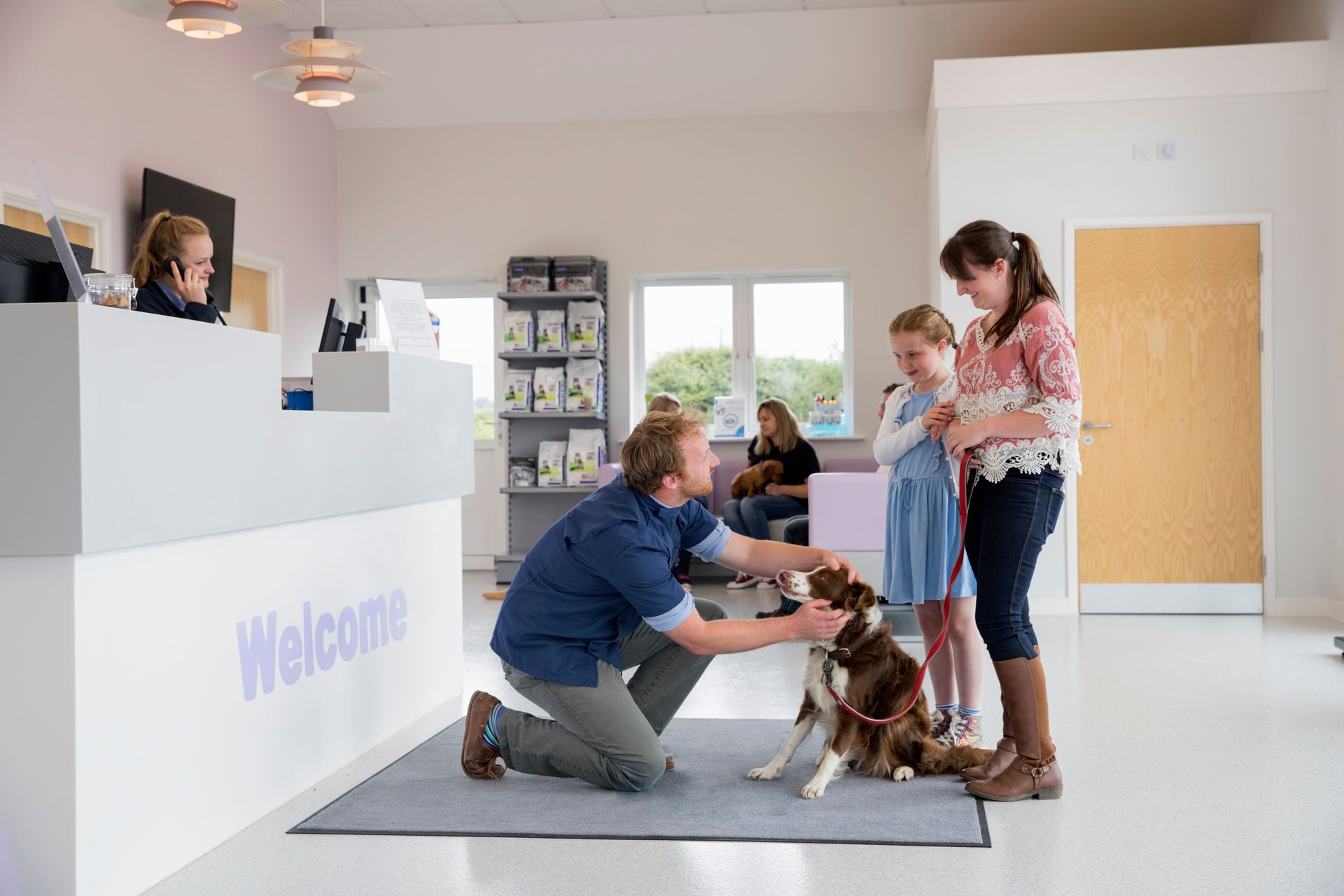
Extra protection
Commercial Umbrella
Adds liability limits above your primary policies for catastrophic claims that exceed standard coverage.
Coverage availability and terms vary by carrier and state. We recommend the right mix for your operation once we talk.
Industries we serve
Built for the businesses that care for animals.
General liability is the baseline for every segment we specialize in. Find the page built for your business.
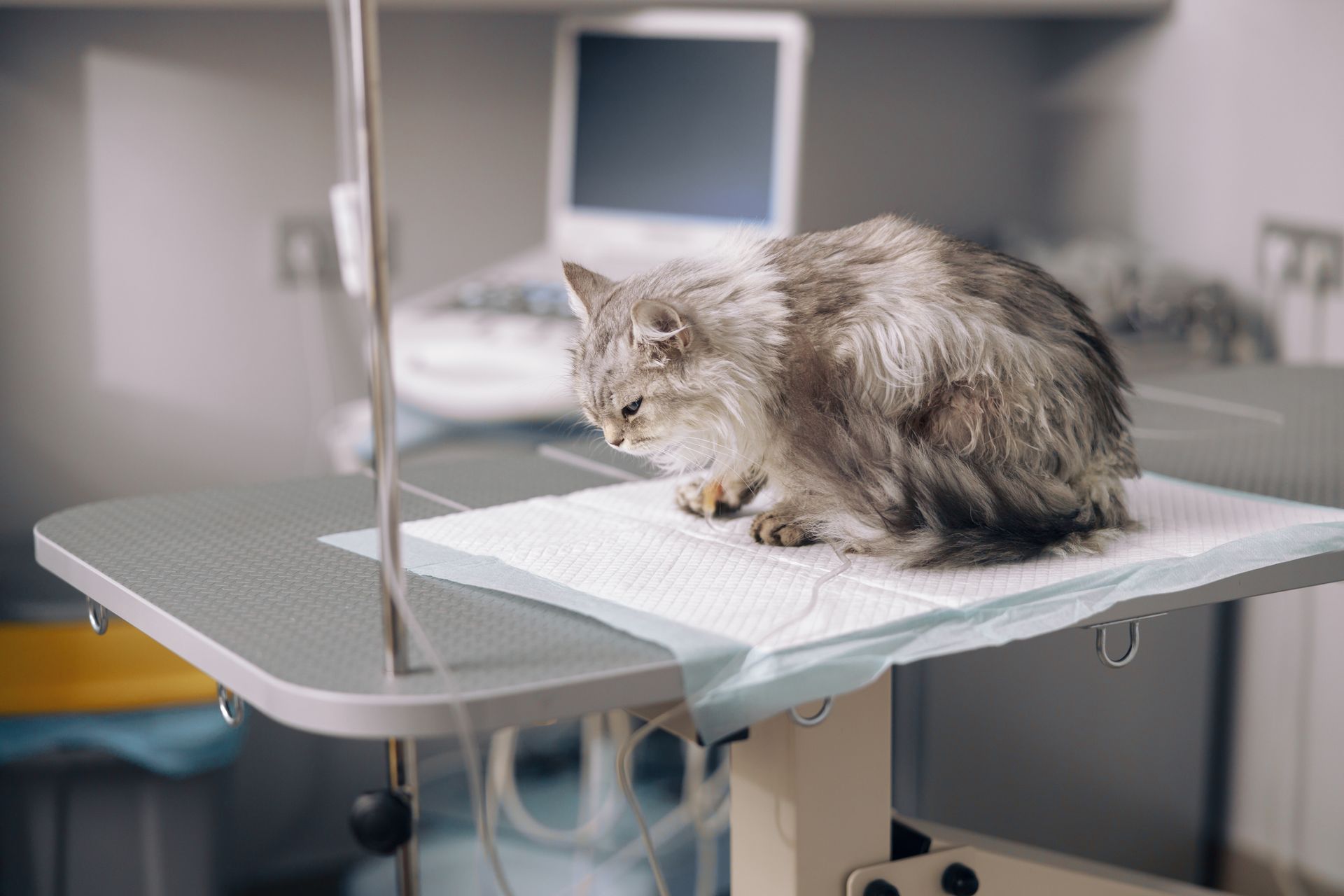
Clinical · high exposure
Veterinarians & Animal Hospitals
Professional and general liability, property, and workers’ comp for clinical operators with high exposure.
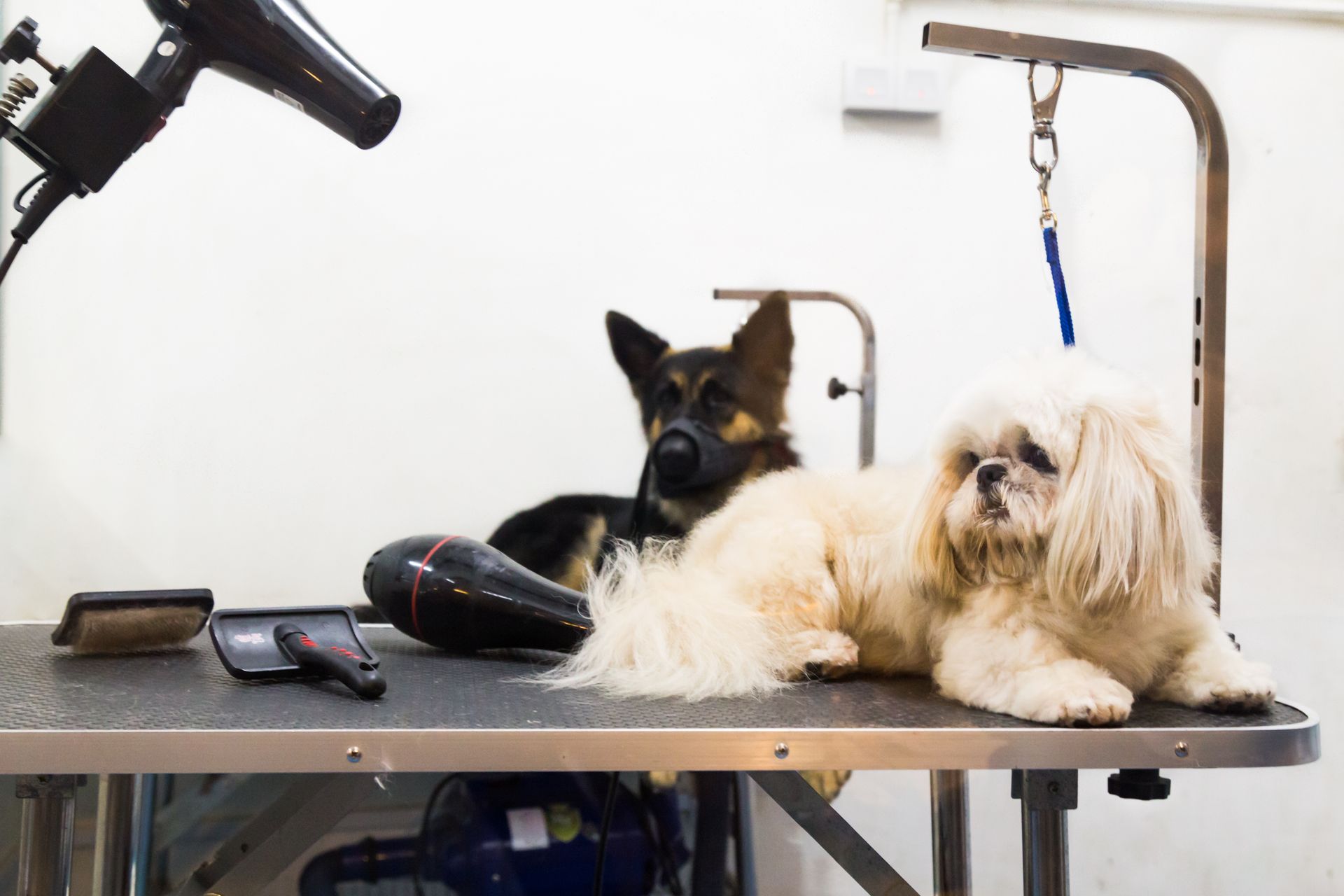
Hands-on · small business
Pet Groomers
Practical protection for animal handling, equipment, and the day-to-day of the grooming table, shop or mobile.

Safety-forward · overnight
Doggy Daycare & Boarding
Coverage matched to facilities responsible for animals overnight and all day long.
Our reviews
Trusted by pet professionals.
See what owners say about working with a specialist who already understands their business.
Frequently asked
Questions pet pros ask us.
What kinds of pet businesses do you insure?
We insure businesses across the animal-care industry — veterinarians and animal hospitals, groomers, doggy daycares and boarding facilities, kennels and trainers, pet sitters and dog walkers, and pet stores. We also cover breeders, equine operations, pet transporters, shelters and rescues, pet photographers, and aquariums or wildlife facilities.
If your work involves caring for, handling, or selling animals, there is a strong chance we cover it. Tell us what you do and we will confirm.
What is care, custody, and control coverage, and why does it matter?
Care, custody, and control coverage protects you when an animal in your charge is injured, becomes ill, or is lost while in your care. Standard general liability policies often exclude this exact exposure, which leaves a serious gap for pet businesses.
For groomers, boarders, sitters, and clinics, this is one of the most important coverages you can carry. We make sure it is in place and sized to your operation.
How is an independent agency different from buying direct from a carrier?
A direct carrier sells you its own single policy. As an independent agency, we shop multiple specialty insurers and compare programs to find the coverage that fits your business and budget.
That means you get options instead of one quote, and an advocate who works for you, not the carrier. We also handle the renewals and claims support over the life of your policy.
How fast can I get a quote?
Most clients get quoted within one business day. Our industry-specific intake forms collect the right details up front, so we can take your information straight to the carriers without a long back-and-forth.
Need it sooner? Call a specialist directly at (346) 738-7297 and we will move quickly.
Which states do you serve?
We are licensed and actively writing coverage in 12 states: Connecticut, Delaware, Georgia, Kentucky, Massachusetts, New Jersey, New York, North Carolina, Pennsylvania, South Carolina, Tennessee, and Virginia.
We continue to add states as we grow. If you operate outside this list, reach out and we will let you know our latest footprint.
From the blog
Coverage notes for pet professionals.
Plain-language risk tips and coverage explainers, written for owners — not insurance pros.
Speak with a specialist
Let's find the right coverage for your business.
No quote bots, no funnel. Talk to a real pet-insurance specialist who already understands your operation — and shops multiple markets on your behalf.
Call us
(346) 738-7297
Toll-free 845-250-5366
Email
service@petindustryins.com
Visit Us
2 Joyce Plaza
Stony Point, NY 10980