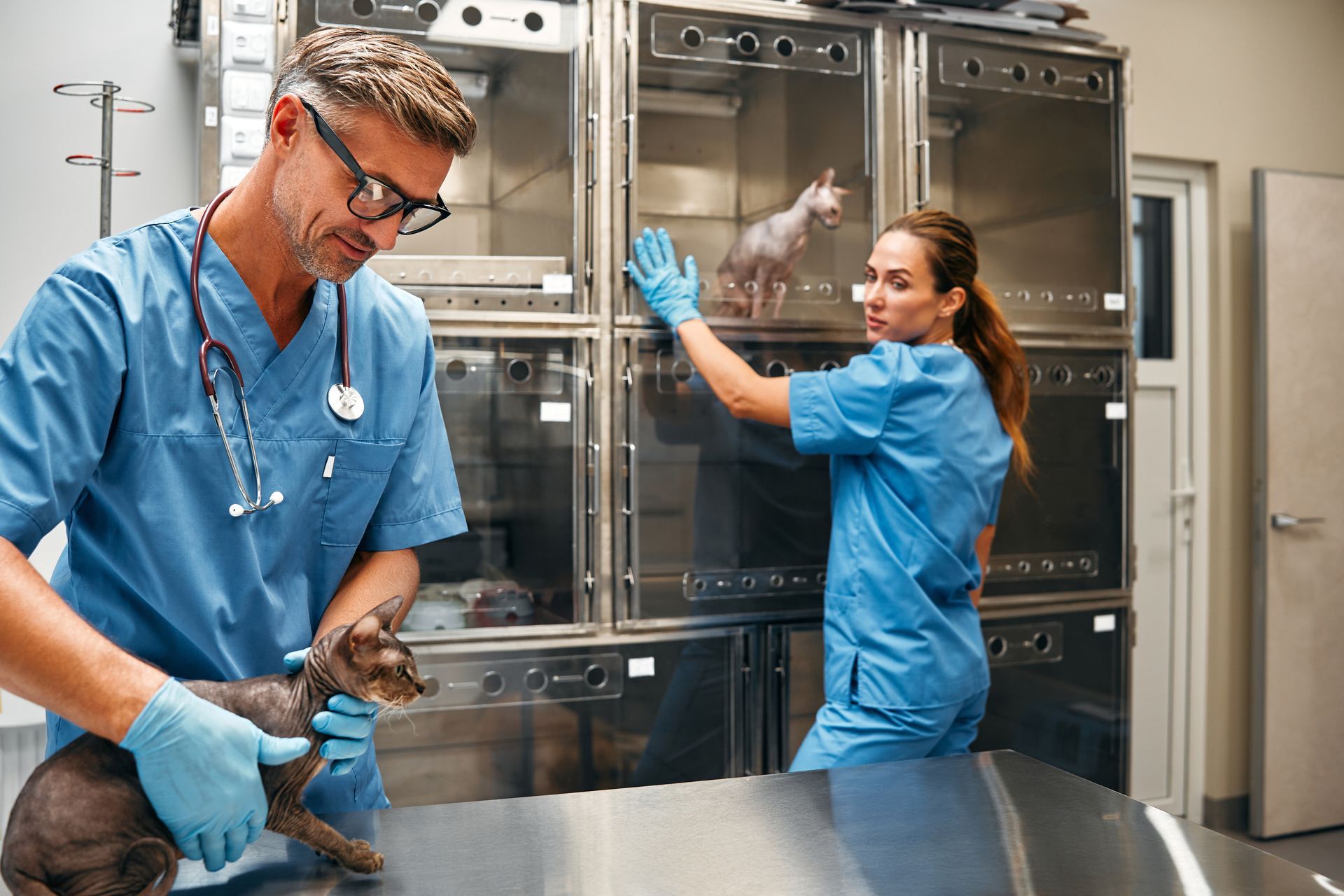
Coverage for veterinary practices
Boston, MA Pet Sitter Insurance
Because we are independent, we compare general liability programs across specialty carriers that want pet-industry risk — which often reveals real premium differences for identical coverage.
General liability covers bodily injury and property damage that occur during your business operations. If a client's dog knocks over a lamp in their home while you're on a visit, or if someone trips over a leash you left on a sidewalk, general liability responds.
Professional liability (sometimes called errors and omissions) covers mistakes in your professional judgment. If you fail to administer medication as instructed and the pet gets sick, or if you miss signs of a medical emergency, professional liability is what protects you. Most pet sitters need both, and confusing the two is one of the most common mistakes new business owners make.
Not all insurance policies are built the same, and pet sitters need coverage that addresses the specific ways things go wrong in animal care. A standard business owner's policy won't cover a dog that escapes your care and gets hit by a car, or a cat that develops a medical emergency while you're watching it overnight.
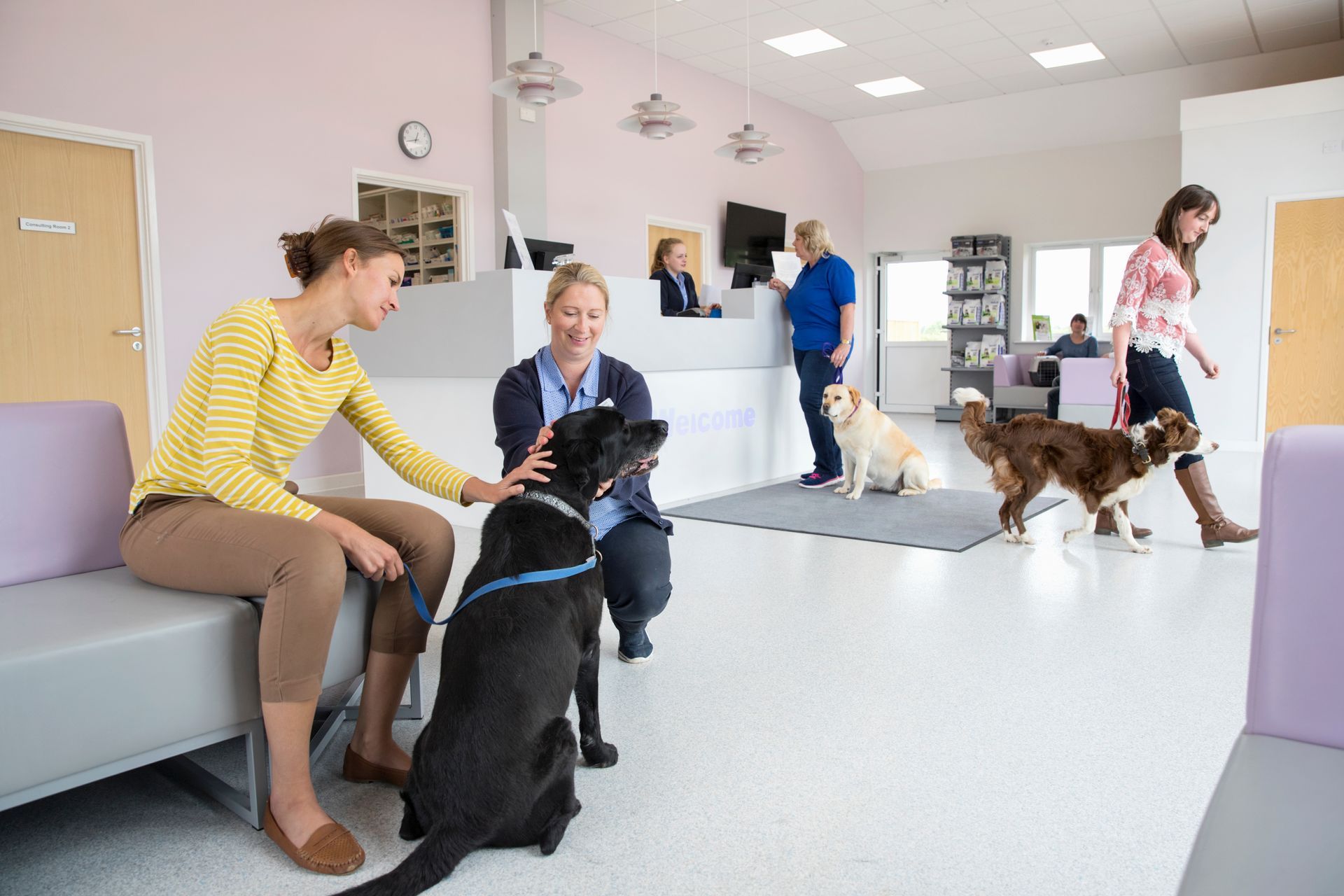
Core Coverage Types for Pet Care Professionals
FAQ: Does my insurance cover vet bills if a dog gets sick?
This scenario falls under your general liability policy, which covers third-party bodily injury claims and associated legal defense costs. If your employee was walking a boarded dog and it bit someone on a Rochester sidewalk, your GL policy would respond to the claim.
Animal Bailee and Care, Custody, or Control
General Liability vs. Professional Liability
Running a pet sitting business in Boston means dealing with risks that don't exist in quieter suburbs: congested sidewalks, off-leash encounters at the Esplanade, multi-unit apartment buildings with strict liability rules, and clients who treat their French Bulldogs like firstborn children. If you're caring for animals professionally in this city, insurance isn't a nice-to-have. It's the thing standing between your livelihood and a five-figure lawsuit over a dog bite at Castle Island. Pet sitter insurance in Boston carries its own set of considerations, from Massachusetts-specific workers' comp mandates to local animal control ordinances that can shift liability onto you faster than you'd expect. The costs vary widely depending on your service volume, staff size, and the types of animals you handle. This piece breaks down what Boston pet sitters actually pay, what coverage you need to stay legal in Massachusetts, and where most business owners get tripped up.
Why Boston Pet Sitters Need Specialized Insurance
Boston's density creates problems that rural or suburban pet sitters rarely face. You're walking dogs past outdoor dining patios, navigating crowded T stations, and entering apartment buildings where a startled cat could scratch a neighbor in the hallway. A standard business owner's policy written for a general contractor or retail shop won't account for care, custody, and control exposure: the risk you take on when someone else's animal is in your possession.
Specialized pet sitter coverage addresses the gap between what a generic policy covers and what your business actually does. If a dog in your care bites a jogger on the Charles River Esplanade, you need a policy that responds to third-party bodily injury claims tied to animal behavior. If a client's apartment gets damaged while you're doing an overnight stay, you need property damage coverage that doesn't exclude animal-related incidents.
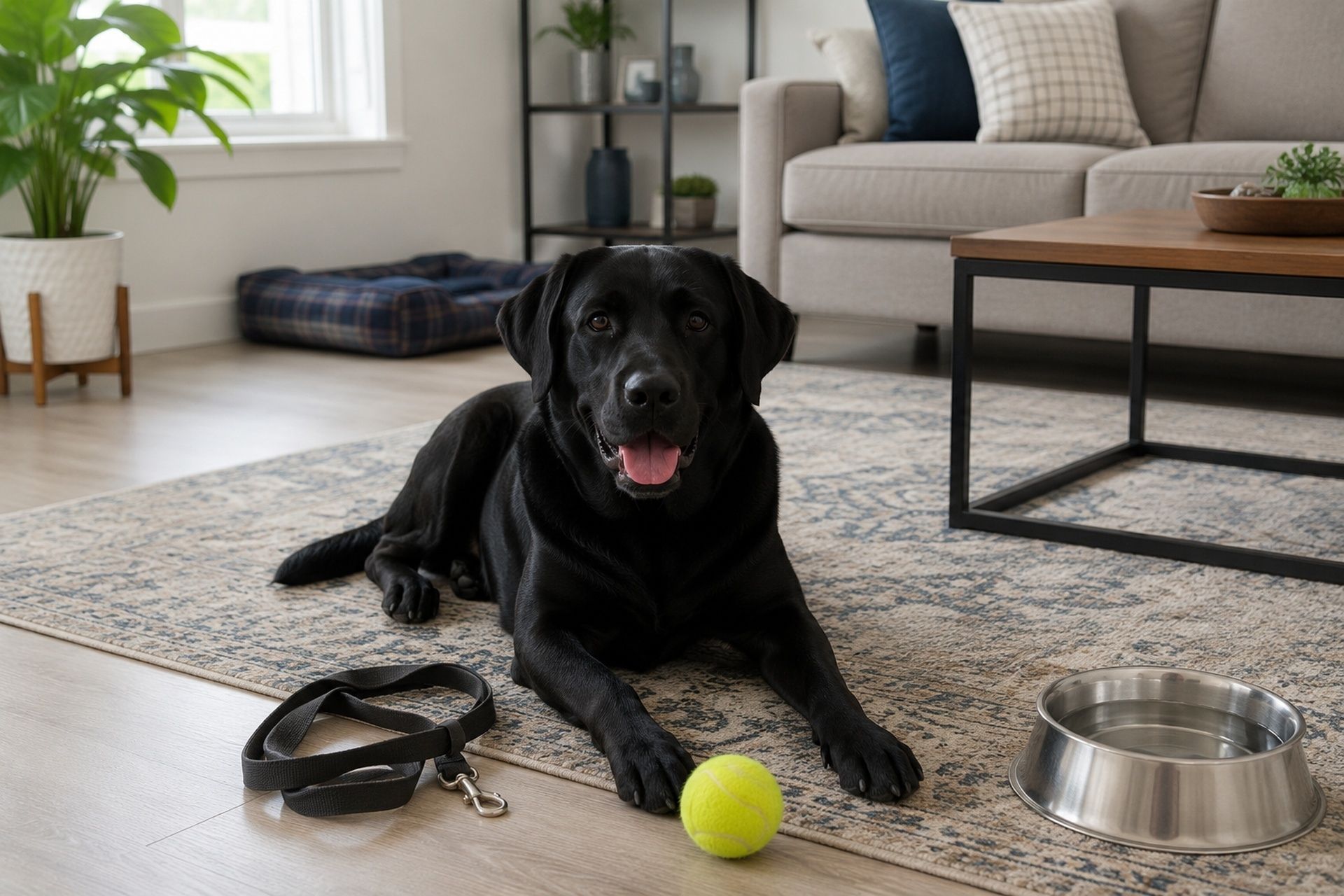
Common Risks in Urban Pet Care Environments
Boston's tight streets and public parks create a concentration of exposure points. Dog-on-dog aggression at Ronan Park, a leash slipping near Comm Ave traffic, or a pet escaping from a Back Bay brownstone: these aren't hypotheticals. They're the kinds of claims that pet sitters file regularly.
Key injuries and property damage scenarios include slip-and-fall incidents on icy sidewalks (Boston winters are no joke), allergic reactions in clients' homes, and damage to rental properties caused by anxious animals. Pet sitters who provide in-home care face unique liability risks because they're operating inside someone else's property, often without supervision.
Lost pet claims are another major category. A dog bolting through an open gate in Jamaica Plain can lead to search costs, veterinary bills, and emotional distress claims from the owner.
General Liability vs. Professional Liability for Pet Care
General liability (GL) covers third-party bodily injury and property damage. If a dog you're walking bites a pedestrian or you accidentally break a client's vase, GL responds. Professional liability, sometimes called errors and omissions (E&O), covers claims arising from your professional judgment: administering the wrong medication, failing to follow feeding instructions, or missing signs of illness.
Most Boston pet sitters need both. GL alone won't protect you if a client sues because you allegedly gave their diabetic cat the wrong insulin dose. Professional liability alone won't cover the jogger who got bitten. The two policies work together, and skipping either one leaves a real gap in your protection.
Massachusetts Requirements and Legal Standards
Massachusetts doesn't require pet sitters to carry general liability insurance by state law, but that doesn't mean you can operate without it. Several practical and legal factors make coverage effectively mandatory for anyone running a legitimate business.
The city of Boston requires commercial dog walking permits for anyone walking dogs professionally. The permit application process includes questions about your business structure, and many clients and apartment management companies require proof of insurance before granting building access. Without a policy, you're locked out of some of Boston's most lucrative neighborhoods.
Workers' Compensation Laws for MA Small Businesses
Massachusetts has one of the strictest workers' compensation requirements in the country. If you have even one employee, including part-time dog walkers or holiday help, you must carry workers' comp. There's no minimum employee threshold like some states have.
This catches a lot of small pet sitting operations off guard. You hire a college student to help with afternoon walks during the summer, and suddenly you're required to carry a workers' comp policy. Failure to comply can result in fines up to $1,500 per day and criminal penalties. The state actively audits small businesses, and the pet care industry isn't exempt.
Animal Control Ordinances and Liability Implications
Boston's animal control rules affect pet sitters directly. The city's commercial dog walking permit guidelines limit the number of dogs a single walker can handle at once, and violations can create liability exposure if an incident occurs while you're over the limit.
Massachusetts courts have also been expanding liability standards for businesses that work with animals, moving toward a framework where professional animal handlers are held to a higher standard of care than pet owners. This means a pet sitter could face greater legal exposure than the animal's own owner in certain bite or injury scenarios. That's a significant shift, and it makes carrying adequate liability limits more important than ever. Consult a Massachusetts attorney familiar with animal law for guidance specific to your situation.
Comparing Coverage: Basic vs. Comprehensive Plans
Not every pet sitter needs the same level of coverage. A solo operator doing weekend cat visits has different exposure than a team of six walkers handling 30 dogs a day across Beacon Hill and South Boston.
Basic plans typically include general liability with $1 million per occurrence and $2 million aggregate limits. That's enough for many solo operators. Comprehensive plans add professional liability, care/custody/control coverage, hired and non-owned auto, and sometimes inland marine coverage for equipment like GPS trackers and pet cameras.
Comparison Table: Essential vs. Premium Protection
| Coverage Feature | Basic Plan | Comprehensive Plan |
|---|---|---|
| General Liability | $1M/$2M | $1M/$2M or higher |
| Professional Liability | Not included | $1M/$2M |
| Care, Custody & Control | Limited or excluded | Included (per-animal limits) |
| Workers' Comp | Separate policy required | Can be bundled |
| Hired/Non-Owned Auto | Not included | Included |
| Lost Key Coverage | Not included | Typically included |
| Animal Bailee | Not included | Included |
The care, custody, and control piece is the one that surprises people. A basic GL policy often excludes damage to property "in your care." Since the animal itself is the client's property, injuries or death of a pet in your possession may not be covered without this endorsement.
Factors Influencing Insurance Costs in Boston
Your premium depends on several variables, and Boston's market conditions add a few wrinkles. Property values in the city are high, which means property damage claims tend to be more expensive. The density of pedestrians and other animals increases your frequency of exposure. Insurers price accordingly.
The types of animals you handle matter too. Dog walking and overnight pet sitting carry higher risk profiles than cat-only visits. Exotic animal care, if you offer it, can significantly increase your premium or require a separate policy entirely.
Average Annual Premiums for Local Businesses
Solo pet sitters in Boston typically pay between $300 and $600 annually for a basic general liability policy. That range comes from industry data on pet business insurance and aligns with what we see at Pet Professional Insurance Agency when placing coverage for Boston-area clients.
Once you add professional liability, care/custody/control, and other endorsements, expect to pay $800 to $1,500 per year. Workers' comp, if needed, is a separate line item and varies based on payroll. A small operation with $50,000 in annual payroll might pay $1,200 to $2,500 for workers' comp alone.
How Service Volume and Staff Size Affect Rates
Insurers look at your annual revenue, number of animals handled per day, and employee count when calculating premiums. A pet sitter generating $80,000 in annual revenue with two part-time employees will pay meaningfully more than a solo operator earning $30,000.
Here's the math that trips people up: adding one employee doesn't just increase your workers' comp cost. It also increases your GL premium because the insurer now accounts for the actions of someone you've hired and trained. If that employee makes a mistake, your policy responds, and the insurer prices that additional exposure into your rate.
At Pet Professional Insurance Agency, we use intake forms designed specifically for pet sitting businesses, which means your application captures the right details from the start. That specificity helps us access competitive rates from specialty markets rather than forcing your business into a generic small business category.
Common Questions About Boston Pet Sitter Insurance
Do I need insurance if I only pet sit for friends and neighbors? If you're accepting payment, yes. The moment money changes hands, you're operating a business, and your homeowner's policy won't cover professional pet care activities.
Does my auto insurance cover me while transporting clients' pets? Usually not for commercial activity. You'll want hired and non-owned auto coverage or a commercial auto policy if you regularly transport animals.
Can I get coverage for just a few months during busy season? Most policies are written annually, but some specialty markets offer short-term options. Talk to your agent about seasonal coverage if your business is part-time.
What happens if a pet dies in my care from a pre-existing condition? This is exactly why professional liability matters. Even if you did nothing wrong, the client may still file a claim, and you'll need coverage for legal defense costs.
How quickly can I get a policy in place? At Pet Professional Insurance Agency, most clients receive responses within 24 to 48 hours. You work directly with your agent, not a call center, which speeds things up considerably.
Is bonding the same as insurance?
No. A surety bond protects your client if you fail to fulfill a contract. Insurance protects you against liability claims. Most pet sitters need insurance; bonding is optional but can build client trust.
Making the Right Choice for Your Business
Pet sitter insurance in Boston isn't a one-size-fits-all purchase. Your coverage should reflect the specific risks of your operation: the neighborhoods you serve, the animals you handle, whether you have employees, and how much revenue you generate. Underpaying for a bare-bones policy can leave you exposed to the exact claims that are most common in urban pet care.
Start by assessing your actual risk profile. If you're walking multiple dogs in high-traffic areas, your exposure is different from someone doing solo cat visits in Brookline. Match your coverage to your real-world operations, not to a generic template.
Index
Pet Professional Insurance Agency is fully licensed and permitted to provide commercial insurance solutions for pet businesses across 12 states.
We proudly serve pet professionals throughout the Northeast, Mid-Atlantic, and Southeast. Powered by Joyce Insurance Agency, our team works with leading specialty carriers — including The Hartford, USLI, Nautilus, and Northland — to make sure veterinarians, groomers, boarding facilities, and pet-care businesses receive coverage that fits their real risks in Connecticut, Delaware, Georgia, Kentucky, Massachusetts, New Jersey, New York, North Carolina, Pennsylvania, South Carolina, Tennessee, and Virginia.
About the author
Barnaby Joyce
Founder, Pet Professional Insurance Agency · Licensed Insurance Producer
I started Pet Professional Insurance Agency because I watched pet businesses get handed generic policies that never fit. After years of placing coverage for veterinary practices, grooming salons, doggy daycares, and kennels through a generalist agency, I saw the same gaps over and over — and the same blank stares when an owner tried to explain care, custody, and control to an agent who had never insured an animal in their life.
So I built an agency that does one thing. I work directly with specialty carriers who actually want pet-industry risk, and I sit down with every client personally. You will not get a call center or a chatbot. You will get someone who already speaks your language and shops the market on your behalf. That is the whole idea.
Recommended coverages
Coverages that pair with general liability.
Most pet businesses build on general liability with the lines below. Explore each — every page cross-links to the
industries we serve.
Services & advice
Professional Liability / E&O
Covers claims tied to your professional services and advice — clinical care, training guidance, and the judgment calls you make daily.
The pet-industry gap
Care, Custody & Control
Covers the animals in your charge against injury, illness, or loss — the critical exposure standard liability policies leave out.
Bundled & cost-effective
Business Owners Policy (BOP)
Bundles property and general liability into one package built for small to mid-sized pet businesses — often the simplest base.
Your building & contents
Commercial Property
Protects your building, build-out, equipment, and inventory against fire, theft, and covered losses — front desk to back room.
For your team
Workers’ Compensation
Covers medical costs and lost wages when a team member is hurt on the job — required in most states once you have employees.
Extra protection
Commercial Umbrella
Adds liability limits above your primary policies for catastrophic claims that exceed standard coverage.
Coverage availability and terms vary by carrier and state. We recommend the right mix for your operation once we talk.
Industries we serve
Built for the businesses that care for animals.
General liability is the baseline for every segment we specialize in. Find the page built for your business.
Clinical · high exposure
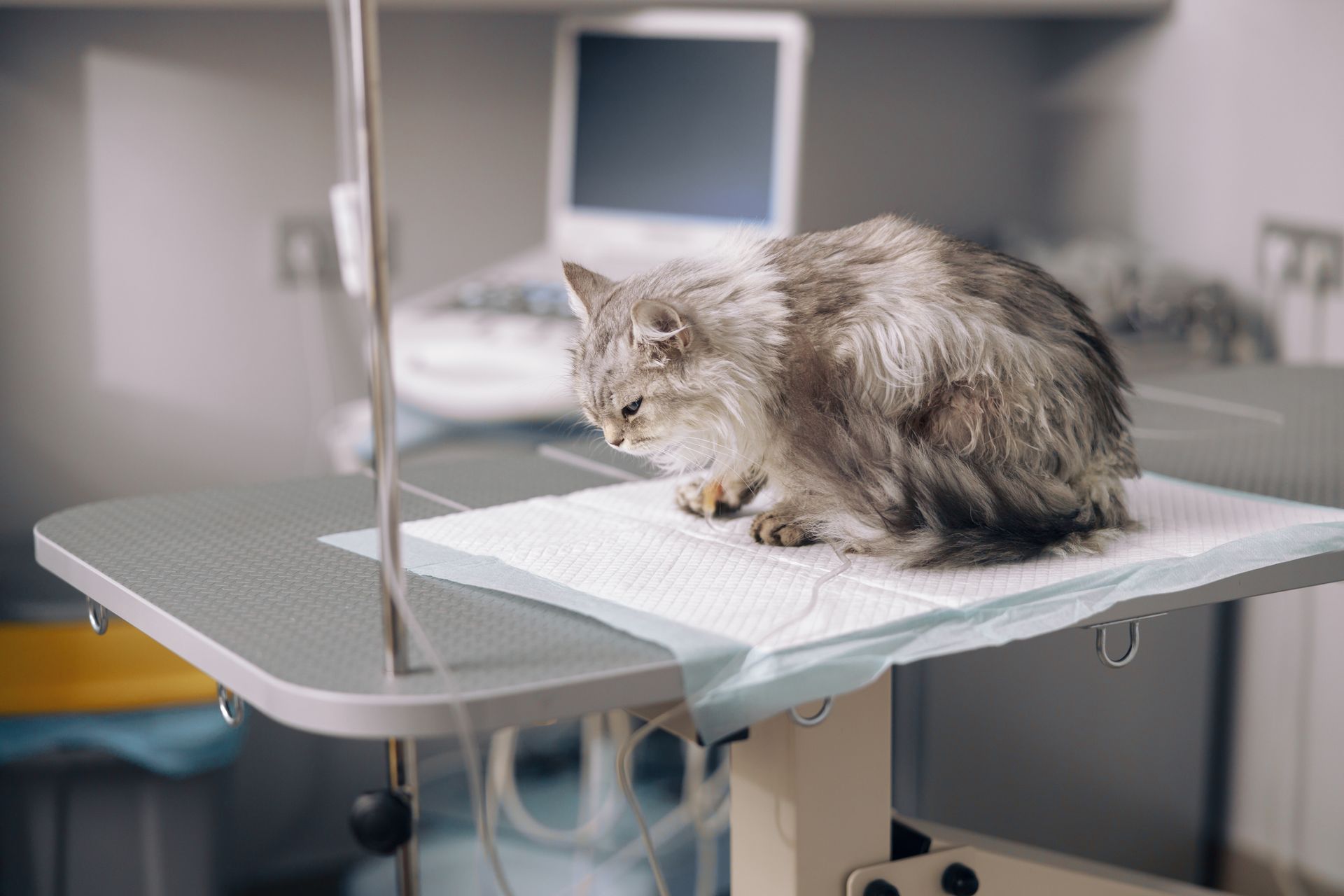
Veterinarians & Animal Hospitals
Professional and general liability, property, and workers’ comp for clinical operators with high exposure.
Hands-on · small business
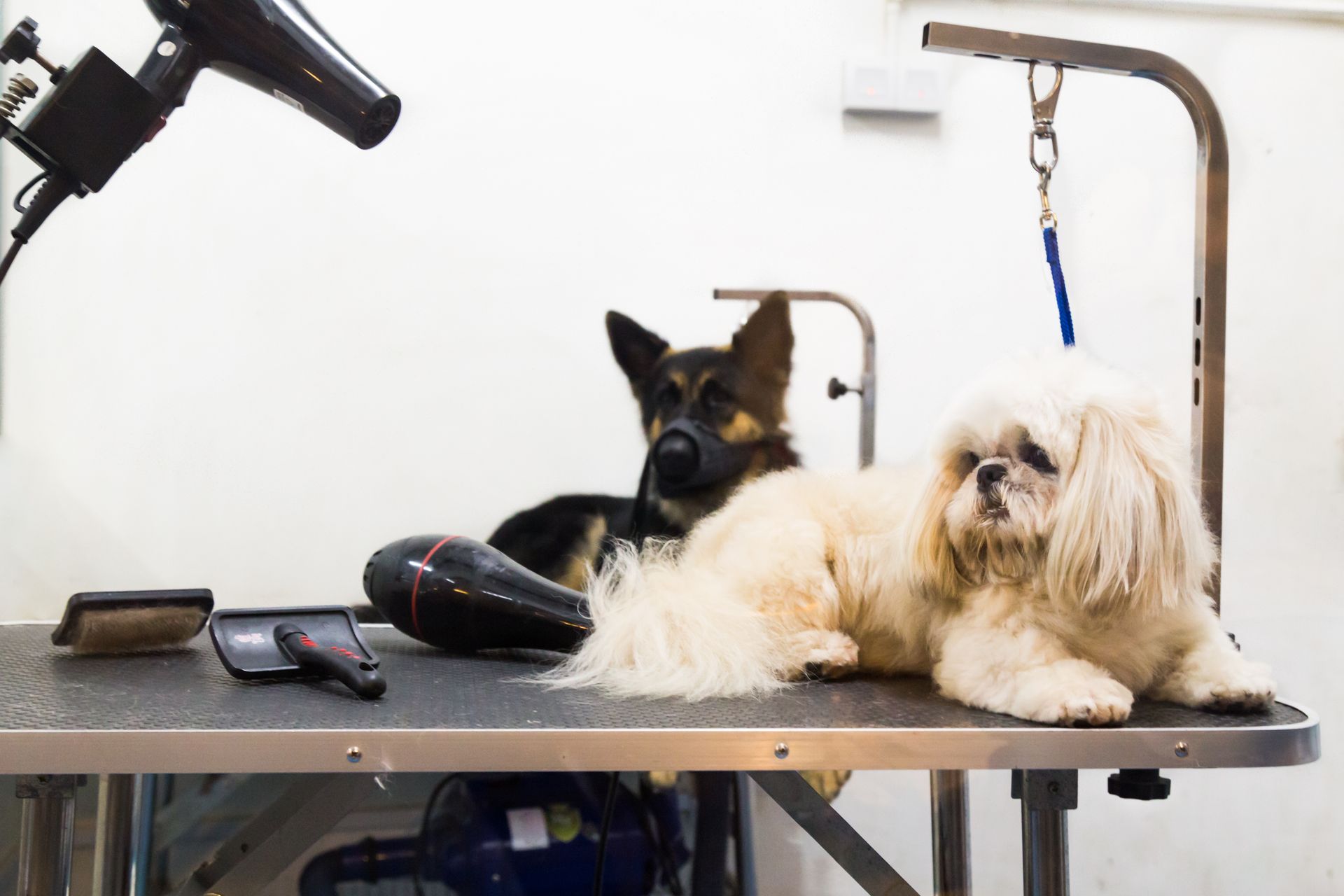
Pet Groomers
Practical protection for animal handling, equipment, and the day-to-day of the grooming table, shop or mobile.

Safety-forward · overnight
Doggy Daycare & Boarding
Coverage matched to facilities responsible for animals overnight and all day long.
Our reviews
Trusted by pet professionals.
See what owners say about working with a specialist who already understands their business.
Frequently asked
Questions pet pros ask us.
What kinds of pet businesses do you insure?
We insure businesses across the animal-care industry — veterinarians and animal hospitals, groomers, doggy daycares and boarding facilities, kennels and trainers, pet sitters and dog walkers, and pet stores. We also cover breeders, equine operations, pet transporters, shelters and rescues, pet photographers, and aquariums or wildlife facilities.
If your work involves caring for, handling, or selling animals, there is a strong chance we cover it. Tell us what you do and we will confirm.
What is care, custody, and control coverage, and why does it matter?
Care, custody, and control coverage protects you when an animal in your charge is injured, becomes ill, or is lost while in your care. Standard general liability policies often exclude this exact exposure, which leaves a serious gap for pet businesses.
For groomers, boarders, sitters, and clinics, this is one of the most important coverages you can carry. We make sure it is in place and sized to your operation.
How is an independent agency different from buying direct from a carrier?
A direct carrier sells you its own single policy. As an independent agency, we shop multiple specialty insurers and compare programs to find the coverage that fits your business and budget.
That means you get options instead of one quote, and an advocate who works for you, not the carrier. We also handle the renewals and claims support over the life of your policy.
How fast can I get a quote?
Most clients get quoted within one business day. Our industry-specific intake forms collect the right details up front, so we can take your information straight to the carriers without a long back-and-forth.
Need it sooner? Call a specialist directly at (346) 738-7297 and we will move quickly.
Which states do you serve?
We are licensed and actively writing coverage in 12 states: Connecticut, Delaware, Georgia, Kentucky, Massachusetts, New Jersey, New York, North Carolina, Pennsylvania, South Carolina, Tennessee, and Virginia.
We continue to add states as we grow. If you operate outside this list, reach out and we will let you know our latest footprint.
From the blog
Coverage notes for pet professionals.
Plain-language risk tips and coverage explainers, written for owners — not insurance pros.

Speak with a specialist
Let's find the right coverage for your business.
No quote bots, no funnel. Talk to a real pet-insurance specialist who already understands your operation — and shops multiple markets on your behalf.
Call us
(346) 738-7297
Toll-free 845-250-5366
Email
service@petindustryins.com
Visit Us
2 Joyce Plaza
Stony Point, NY 10980