Coverage for veterinary practices
Delaware Pet Transportation Insurance
Running a pet transport operation in Delaware means you're responsible for live animals in a moving vehicle, often for hours at a time. A single accident, an escaped dog at a rest stop, or a heat-related illness during transit can expose your business to claims that would bankrupt most small operators. The insurance picture for pet transporters is more complicated than most people expect because it sits at the intersection of commercial auto, animal care liability, and state-specific regulations. Delaware is a small state, but its regulatory framework touches everything from business licensing to specific insurance statutes governing pet-related policies. If you're running a transport operation here, whether you're a solo driver doing local vet runs or managing a fleet that moves animals across the Mid-Atlantic, you need coverage that accounts for the unique risks of having living cargo. This isn't a situation where a standard commercial auto policy will cover you. The animals in your care aren't "goods" in the traditional sense: they're beloved family members whose owners will hold you accountable if something goes wrong. Getting the right insurance in place protects your business, your clients' pets, and your personal assets. The stakes are real, and the margins for error are thin. Here's what Delaware pet transporters actually need to know about coverage requirements, costs, and staying compliant.
Core Insurance Requirements for Delaware Pet Transporters
Pet transport businesses in Delaware need a layered insurance approach. No single policy covers every risk you face. You're operating vehicles commercially, caring for animals that belong to other people, and running a service-based business, all at once. Each of those activities creates distinct liability exposures.
The foundation starts with commercial auto insurance, but that alone won't protect you if a dog bites someone during a pickup, a cat escapes and gets injured, or an animal dies from heat exposure in your vehicle. You need policies that address the vehicle, the animals, and your professional responsibilities separately. Trying to cover all of this with one generic policy is a common mistake that leaves dangerous gaps.
Commercial Auto and Delaware State Minimums
Delaware requires all commercial vehicles to carry liability insurance. The state minimums for bodily injury are $25,000 per person and $50,000 per accident, with $10,000 for property damage. Those minimums are a starting point, not a recommendation. Most insurance professionals will tell you that carrying only state minimums is a gamble you don't want to take, especially when your vehicle contains animals that could become projectiles or escape hazards in a collision.
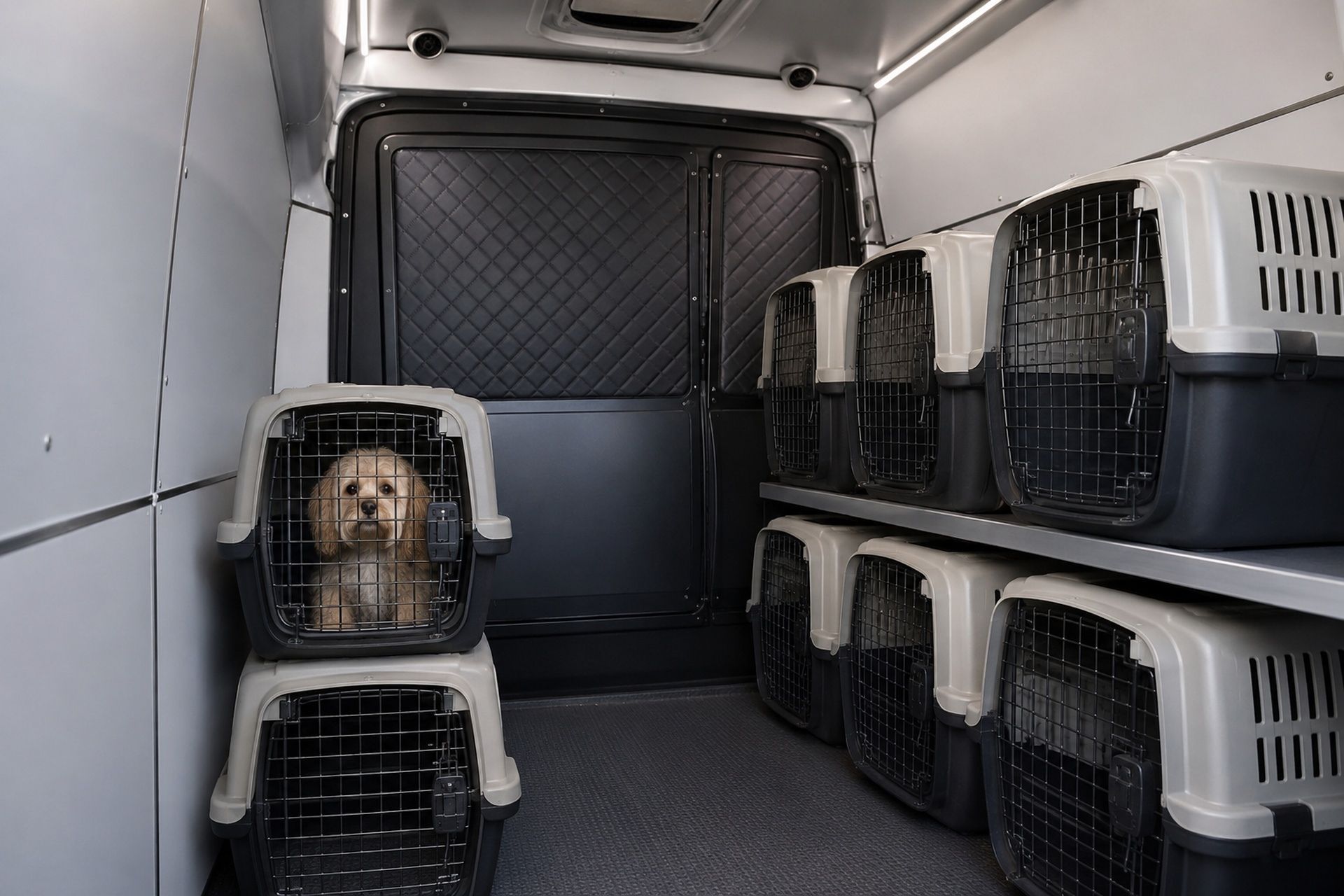
Your commercial auto policy should also include comprehensive and collision coverage for your vehicle, plus uninsured/underinsured motorist protection. If you've invested in a custom-outfitted transport van with climate control, crating systems, and ventilation, replacing that vehicle after a total loss will cost far more than a standard van. Make sure your coverage reflects the actual replacement value. Delaware requires all businesses operating vehicles to maintain proper licensing and registration through the state's Division of Revenue.
Animal Bailee Coverage for In-Transit Protection
This is the coverage most people overlook, and it's arguably the most important for your specific operation. Animal bailee insurance (sometimes called care, custody, and control coverage) protects you when an animal in your care is injured, becomes ill, or dies during transport. Standard commercial auto policies explicitly exclude damage to cargo, and even if they didn't, they wouldn't adequately cover the value of a living animal.
Think about what happens if your vehicle's climate system fails on a July afternoon and three dogs suffer heat stroke. Or if a crate latch breaks and an animal injures itself. Bailee coverage handles veterinary bills, the animal's value, and related costs. Policies typically range from $5,000 to $25,000 per animal, depending on the types of animals you transport. Breeders' stock and show animals may need higher limits.
General Liability vs. Professional Liability
General liability covers third-party bodily injury and property damage: a client's dog bites a bystander during pickup, or you damage a client's property while loading animals. Professional liability (sometimes called errors and omissions) covers claims arising from your professional services: you delivered an animal to the wrong address, missed a medication schedule, or failed to follow specific transport instructions.
| Coverage Type | What It Covers | Common Claim Example | Typical Limits |
|---|---|---|---|
| General Liability | Third-party injury, property damage | Dog bites a passerby during handoff | $1M per occurrence / $2M aggregate |
| Professional Liability | Errors in service delivery | Missed medication dose during transport | $500K to $1M |
| Animal Bailee | Animals in your care | Heat-related illness in vehicle | $5K-$25K per animal |
| Commercial Auto | Vehicle accidents, collision | Rear-end collision with animals aboard | State minimums or higher |
Both types of liability coverage are essential. A general liability policy alone won't cover a professional negligence claim, and vice versa.
Comparing Coverage Levels for DE Transport Operations
Not every pet transport business needs the same coverage level. A solo operator doing local pickups for a grooming salon has a very different risk profile than a company running long-haul transports for breeders and rescue organizations.
For a basic local operation with one vehicle, expect to build a policy package that includes commercial auto, general liability at $1M/$2M, and animal bailee coverage. This baseline package typically runs between $2,500 and $5,000 annually, depending on your driving record and claims history. Operations with multiple vehicles, employees, and interstate routes will need higher limits, workers' compensation, and potentially hired and non-owned auto coverage. Those packages can run $8,000 to $15,000 or more per year.
One thing to keep in mind: agencies that specialize in pet-industry insurance, like Pet Professional Insurance Agency, can often find more appropriate coverage through specialty markets than a generalist broker. The intake process matters because pet transport risks are specific, and a broker who understands bite liability and care/custody/control exposures will structure your policy differently than one who mainly writes coverage for trucking companies.
Factors Influencing Your Policy Premiums
Your premium isn't a fixed number pulled from a rate table. Insurers evaluate several variables specific to your operation, and understanding them gives you some control over what you pay.
Vehicle Type and Safety Equipment
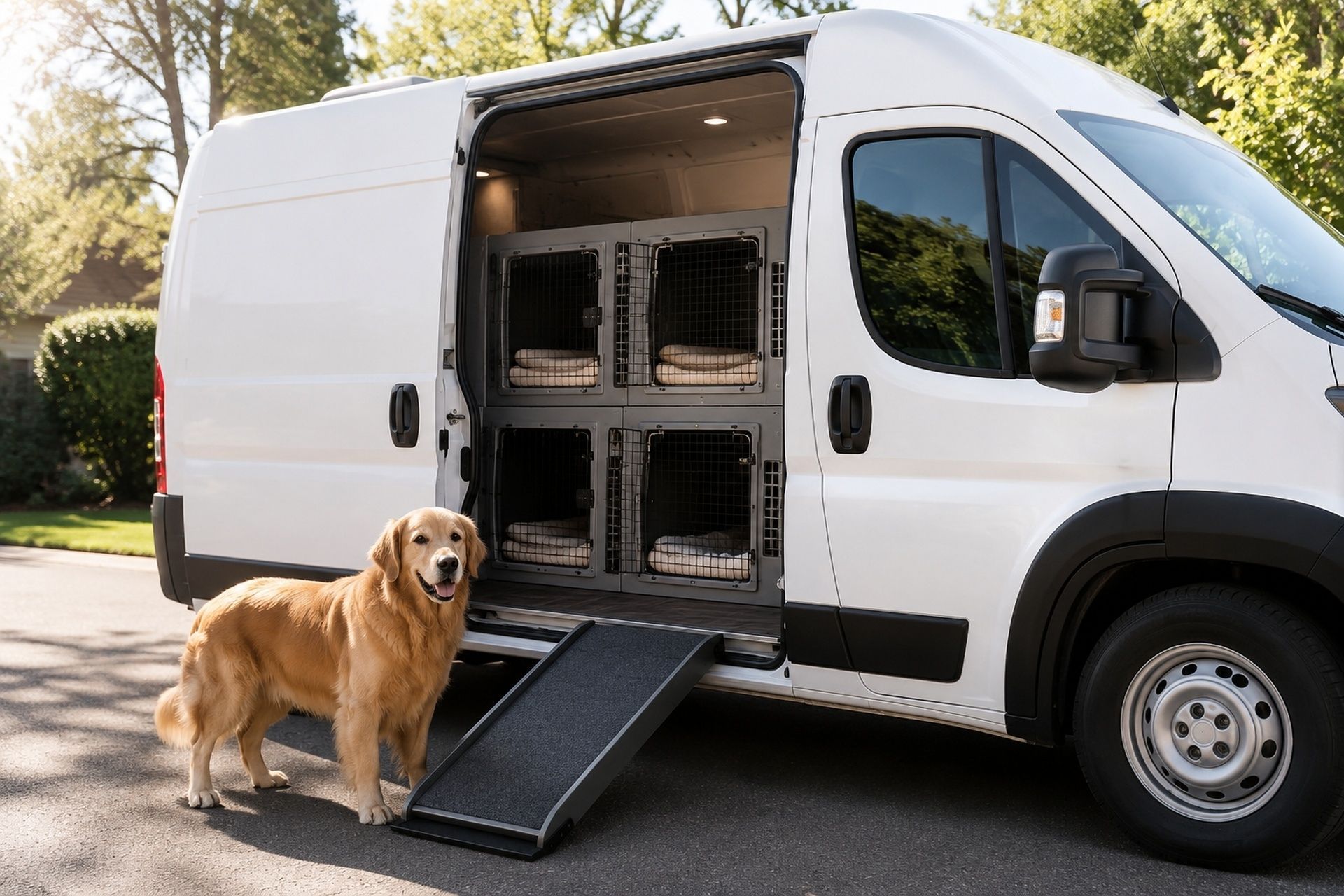
The type of vehicle you operate directly affects your premium. A purpose-built transport van with individual climate-controlled compartments, GPS tracking, and backup cameras signals lower risk than a converted minivan with aftermarket crating. Insurers want to see that you've invested in the safety of the animals and the driver.
Specific equipment that can reduce premiums includes temperature monitoring systems with alarms, dash cameras, and professionally installed crating that meets crash-test standards. If you've spent money on these upgrades, document them thoroughly and share that documentation with your insurance agent. Some specialty markets offer credits for specific safety features, but only if they know about them.
Distance and Operating Radius
A local operation staying within Delaware's borders presents a fundamentally different risk than one running routes from Wilmington to Virginia Beach or up to New York City. Longer distances mean more time on highways, more exposure to accidents, and longer periods where animals are in your care.
Insurers typically classify operations by radius: local (under 50 miles), regional (50-200 miles), and long-haul (200+ miles). Each step up increases your premium, sometimes substantially. If you primarily do local work but occasionally take a long-distance job, be honest about that with your agent. Misrepresenting your operating radius can void your coverage entirely if you file a claim outside your stated territory.
Maintaining Legal Compliance in the First State
Delaware is business-friendly, but that doesn't mean it's regulation-free. Pet transporters need to satisfy requirements from multiple state agencies, and the rules have been evolving.
Delaware Department of Agriculture Regulations
The Delaware Department of Agriculture oversees animal welfare standards that apply to transport operations. Animals moving through or within the state need proper health certificates, and transporters must maintain conditions that meet basic welfare standards: adequate ventilation, temperature control, water access, and appropriate containment.
Delaware's Pet Insurance Act under Title 18, Chapter 88 establishes a legal framework specifically addressing pet insurance, including how pre-existing conditions are defined and disclosed. While this statute primarily governs pet health insurance sold to consumers, it reflects the state's increasing attention to pet-related business regulation. The Delaware Department of Insurance regularly updates guidance that can affect how commercial pet-related policies are structured and sold in the state.
Record Keeping and Proof of Insurance
Delaware requires commercial operators to maintain proof of insurance in every vehicle. But beyond the legal minimum, good record keeping protects you in disputes. Keep detailed logs of every transport: pickup and delivery times, animal condition notes, temperature readings, client signatures, and photos.
You'll also need a valid Delaware business license for your transport operation. Insurance carriers will verify your licensing status, and operating without proper credentials can be grounds for claim denial. Store digital copies of all insurance certificates, endorsements, and policy declarations where you can access them quickly. When a client or venue asks for proof of coverage, you should be able to produce it within minutes, not days.
Common Questions About Pet Transport Insurance
Does my personal auto insurance cover me if I transport pets for money? No. The moment you use your vehicle for commercial purposes, your personal auto policy excludes coverage. You need a commercial auto policy, period.
How much animal bailee coverage do I actually need? It depends on the animals you transport. If you regularly move purebred dogs or exotic animals worth thousands of dollars, you need higher per-animal limits. For typical household pets, $10,000 per animal is a reasonable starting point.
Can I get insurance if I only do pet transport part-time? Yes, but you still need commercial coverage for the hours you're operating. Part-time operations can sometimes qualify for lower premiums, especially through specialty pet-industry insurers who understand seasonal or part-time business models.
Do I need separate coverage for each state I drive through? Your commercial auto policy generally covers you across state lines, but you should confirm that your operating radius and territory are correctly listed. Some states have additional requirements for commercial animal transport.
What happens if an animal I'm transporting bites someone? Your general liability policy should cover third-party bite injuries. This is one of the most common claims in pet transport, so make sure your policy doesn't exclude animal bites: some general policies do.
Is workers' comp required in Delaware if I have employees? Yes. Delaware mandates workers' compensation for businesses with employees. If a driver is bitten, injured loading crates, or hurt in an accident, workers' comp covers their medical bills and lost wages.
Your Next Steps for Securing Coverage
Getting the right insurance for a Delaware pet transport operation isn't something you should rush through or handle with a one-size-fits-all policy. The risks are too specific and the potential claims too costly.
Start by documenting your operation thoroughly: vehicle details, safety equipment, operating radius, types of animals transported, and annual revenue. This information helps an agent build a policy that actually fits your business. Working with a specialty agency like Pet Professional Insurance Agency means your application goes through intake forms designed specifically for pet businesses, not generic commercial questionnaires. Most clients hear back within 24 to 48 hours with options from multiple specialty markets.
Laws and regulations shift, and Delaware has been actively updating its pet-related statutes in recent years. Review your coverage annually and whenever you change your service area, add vehicles, or hire staff. The cost of proper insurance is a fraction of what a single uninsured claim could cost you.
Index
Pet Professional Insurance Agency is fully licensed and permitted to provide commercial insurance solutions for pet businesses across 12 states.
We proudly serve pet professionals throughout the Northeast, Mid-Atlantic, and Southeast. Powered by Joyce Insurance Agency, our team works with leading specialty carriers — including The Hartford, USLI, Nautilus, and Northland — to make sure veterinarians, groomers, boarding facilities, and pet-care businesses receive coverage that fits their real risks in Connecticut, Delaware, Georgia, Kentucky, Massachusetts, New Jersey, New York, North Carolina, Pennsylvania, South Carolina, Tennessee, and Virginia.
About the author
Barnaby Joyce
Founder, Pet Professional Insurance Agency · Licensed Insurance Producer
I started Pet Professional Insurance Agency because I watched pet businesses get handed generic policies that never fit. After years of placing coverage for veterinary practices, grooming salons, doggy daycares, and kennels through a generalist agency, I saw the same gaps over and over — and the same blank stares when an owner tried to explain care, custody, and control to an agent who had never insured an animal in their life.
So I built an agency that does one thing. I work directly with specialty carriers who actually want pet-industry risk, and I sit down with every client personally. You will not get a call center or a chatbot. You will get someone who already speaks your language and shops the market on your behalf. That is the whole idea.
Recommended coverages
Coverages that pair with general liability.
Most pet businesses build on general liability with the lines below. Explore each — every page cross-links to the
industries we serve.
Services & advice
Professional Liability / E&O
Covers claims tied to your professional services and advice — clinical care, training guidance, and the judgment calls you make daily.
The pet-industry gap
Care, Custody & Control
Covers the animals in your charge against injury, illness, or loss — the critical exposure standard liability policies leave out.
Bundled & cost-effective
Business Owners Policy (BOP)
Bundles property and general liability into one package built for small to mid-sized pet businesses — often the simplest base.
Your building & contents
Commercial Property
Protects your building, build-out, equipment, and inventory against fire, theft, and covered losses — front desk to back room.
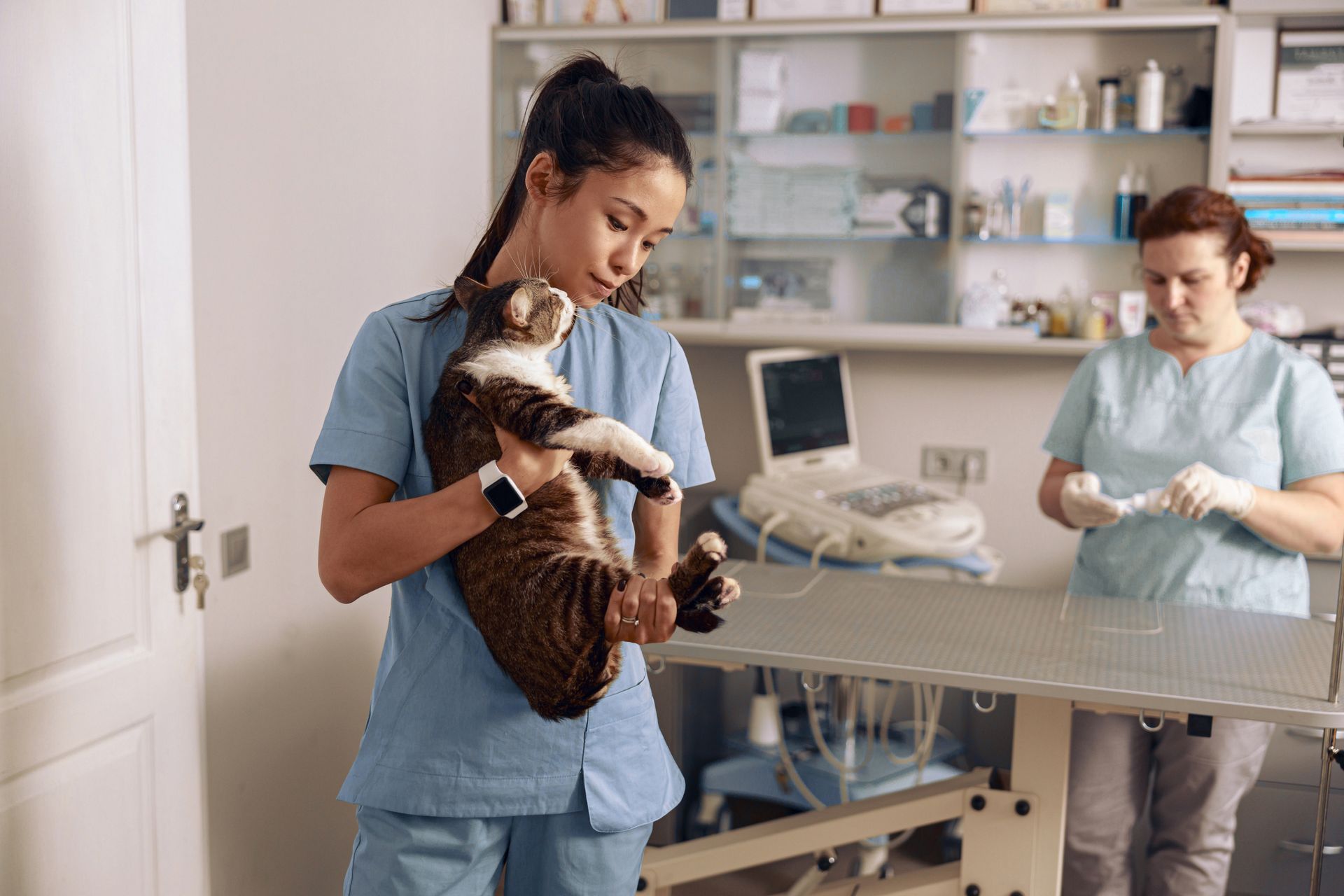
For your team
Workers’ Compensation
Covers medical costs and lost wages when a team member is hurt on the job — required in most states once you have employees.
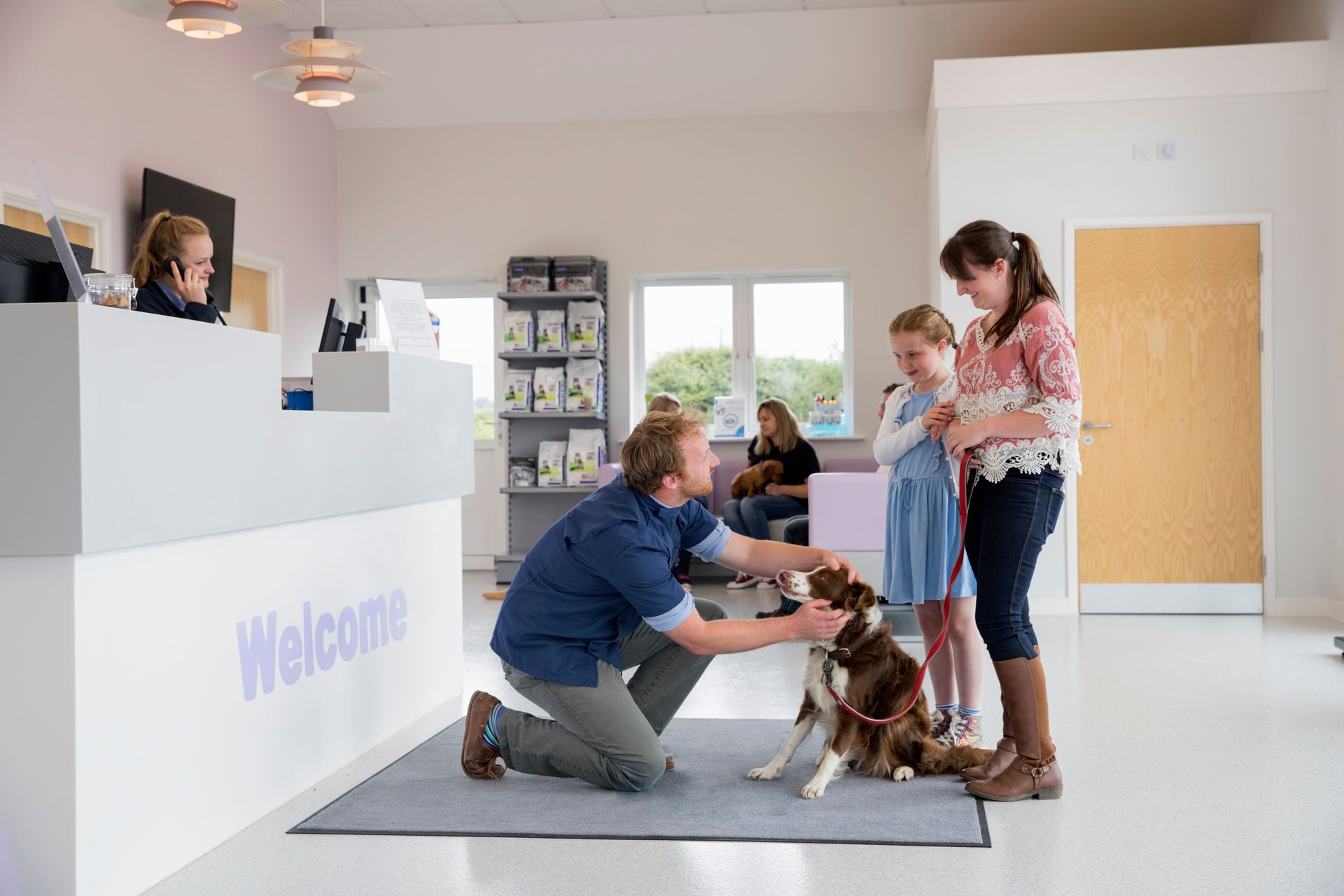
Extra protection
Commercial Umbrella
Adds liability limits above your primary policies for catastrophic claims that exceed standard coverage.
Coverage availability and terms vary by carrier and state. We recommend the right mix for your operation once we talk.
Industries we serve
Built for the businesses that care for animals.
General liability is the baseline for every segment we specialize in. Find the page built for your business.
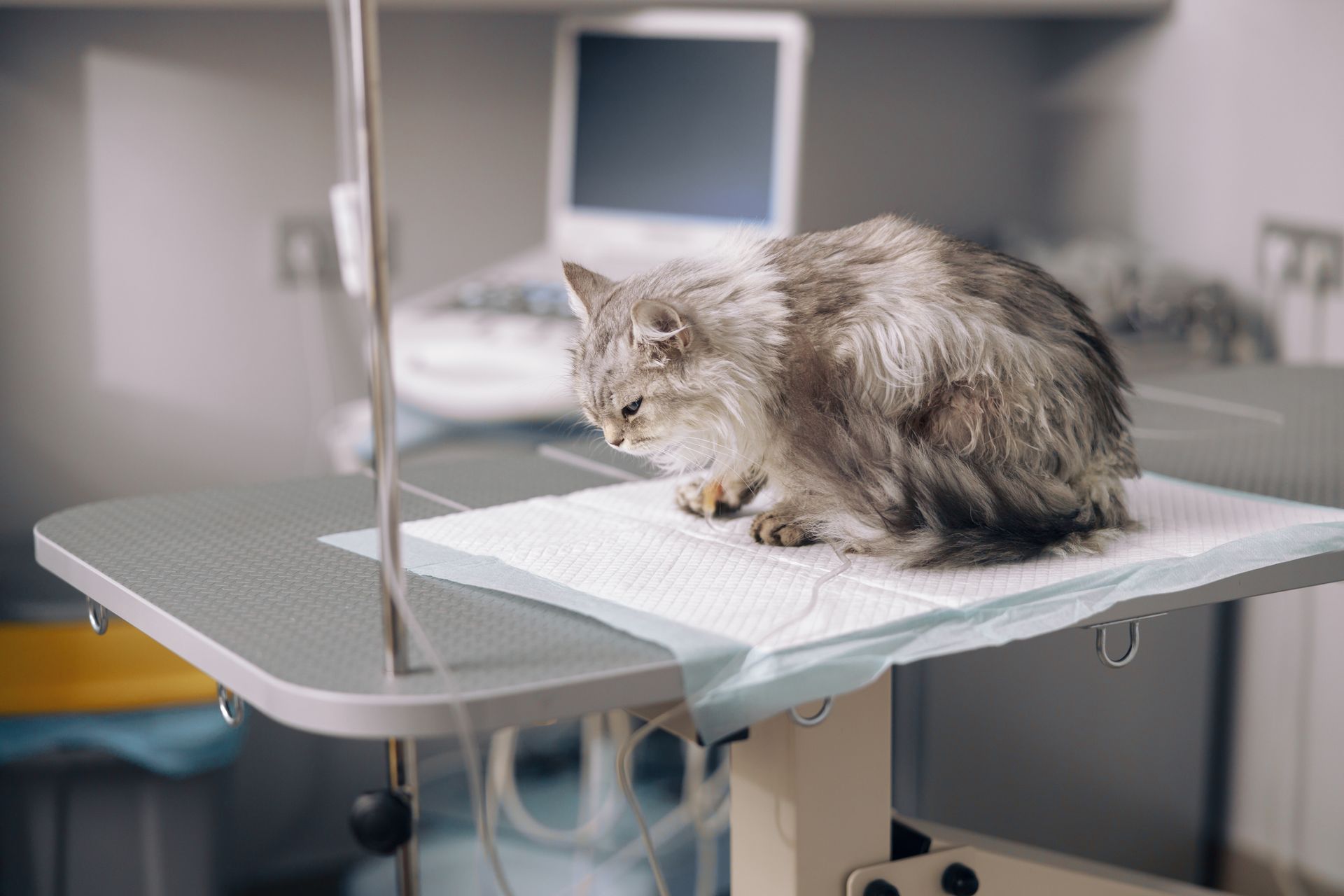
Clinical · high exposure
Veterinarians & Animal Hospitals
Professional and general liability, property, and workers’ comp for clinical operators with high exposure.
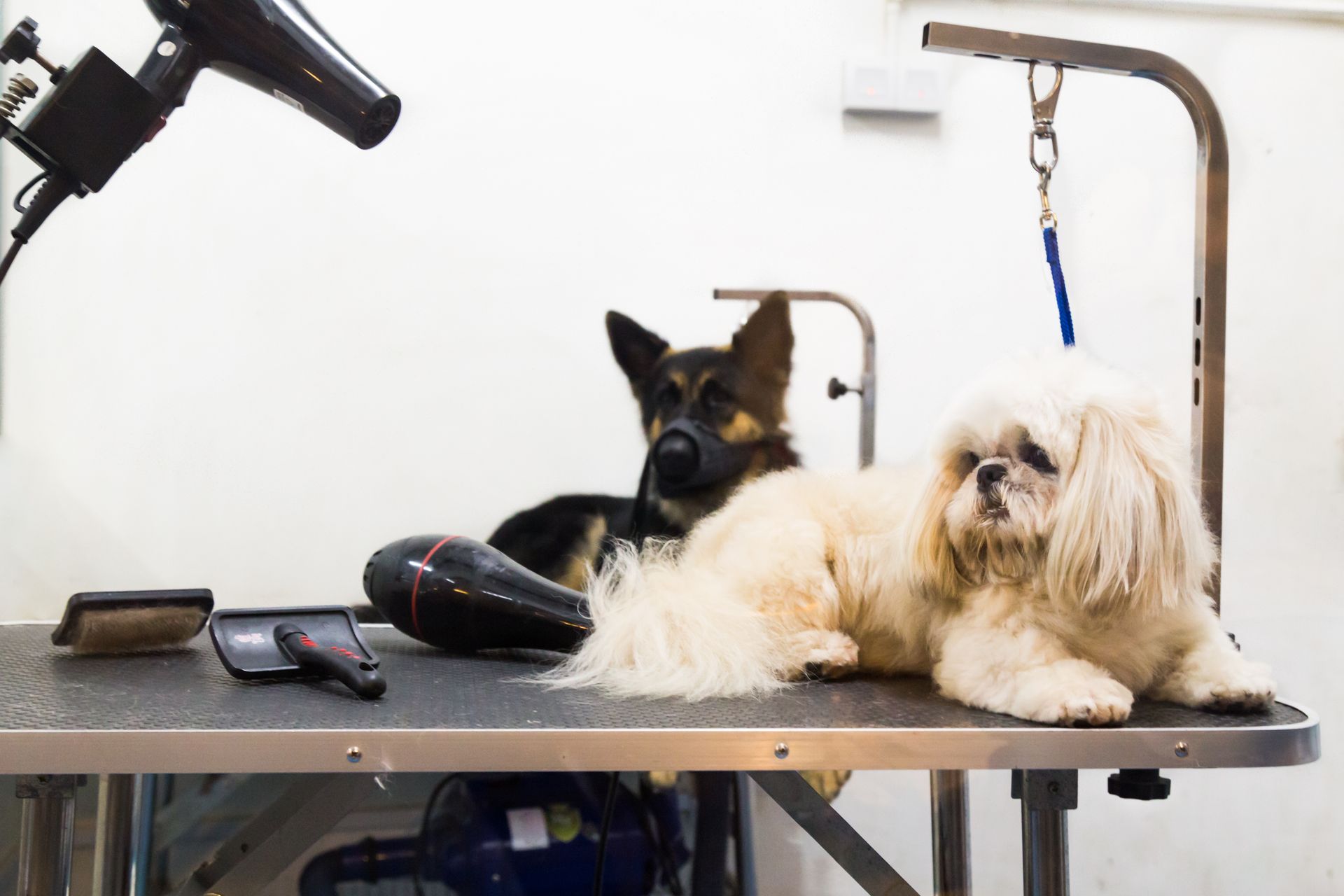
Hands-on · small business
Pet Groomers
Practical protection for animal handling, equipment, and the day-to-day of the grooming table, shop or mobile.
Safety-forward · overnight
Doggy Daycare & Boarding
Coverage matched to facilities responsible for animals overnight and all day long.
Our reviews
Trusted by pet professionals.
See what owners say about working with a specialist who already understands their business.
Frequently asked
Questions pet pros ask us.
What kinds of pet businesses do you insure?
We insure businesses across the animal-care industry — veterinarians and animal hospitals, groomers, doggy daycares and boarding facilities, kennels and trainers, pet sitters and dog walkers, and pet stores. We also cover breeders, equine operations, pet transporters, shelters and rescues, pet photographers, and aquariums or wildlife facilities.
If your work involves caring for, handling, or selling animals, there is a strong chance we cover it. Tell us what you do and we will confirm.
What is care, custody, and control coverage, and why does it matter?
Care, custody, and control coverage protects you when an animal in your charge is injured, becomes ill, or is lost while in your care. Standard general liability policies often exclude this exact exposure, which leaves a serious gap for pet businesses.
For groomers, boarders, sitters, and clinics, this is one of the most important coverages you can carry. We make sure it is in place and sized to your operation.
How is an independent agency different from buying direct from a carrier?
A direct carrier sells you its own single policy. As an independent agency, we shop multiple specialty insurers and compare programs to find the coverage that fits your business and budget.
That means you get options instead of one quote, and an advocate who works for you, not the carrier. We also handle the renewals and claims support over the life of your policy.
How fast can I get a quote?
Most clients get quoted within one business day. Our industry-specific intake forms collect the right details up front, so we can take your information straight to the carriers without a long back-and-forth.
Need it sooner? Call a specialist directly at (346) 738-7297 and we will move quickly.
Which states do you serve?
We are licensed and actively writing coverage in 12 states: Connecticut, Delaware, Georgia, Kentucky, Massachusetts, New Jersey, New York, North Carolina, Pennsylvania, South Carolina, Tennessee, and Virginia.
We continue to add states as we grow. If you operate outside this list, reach out and we will let you know our latest footprint.
From the blog
Coverage notes for pet professionals.
Plain-language risk tips and coverage explainers, written for owners — not insurance pros.
Speak with a specialist
Let's find the right coverage for your business.
No quote bots, no funnel. Talk to a real pet-insurance specialist who already understands your operation — and shops multiple markets on your behalf.
Call us
(346) 738-7297
Toll-free 845-250-5366
Email
service@petindustryins.com
Visit Us
2 Joyce Plaza
Stony Point, NY 10980