Coverage for veterinary practices
Massachusetts Animal Rescue Insurance
Running an animal rescue in Massachusetts means handling surrendered pets, coordinating foster networks, hosting adoption events, and managing volunteers who show up with varying levels of experience. What most rescue founders don't think about until it's too late is what happens when a foster dog bites a neighbor, a volunteer gets hurt loading crates, or a board member gets sued over a financial decision. Insurance for MA animal rescue operations isn't just a bureaucratic box to check: it's the difference between surviving an incident and shutting your doors. The state has specific registration mandates, workers' comp rules, and liability exposures that make rescue insurance distinctly different from standard nonprofit coverage. Massachusetts rescues also face unique pressures from increasing animal imports, evolving shelter regulations, and a growing pet insurance market that's reshaping how the public thinks about animal care liability. If you're running or starting a rescue in the Commonwealth, here's what you actually need to know about coverage requirements, costs, and staying compliant.
Understanding Massachusetts State Mandates for Animal Rescues
Massachusetts holds animal rescues to a higher regulatory standard than many states. The Commonwealth treats rescue organizations as licensed entities that must meet specific operational, health, and reporting requirements before they can legally take in or place animals. Failing to comply doesn't just risk fines: it can void your insurance coverage entirely, since most policies require you to maintain all applicable licenses and permits.
Registration Requirements with the Department of Agricultural Resources
Every rescue operating in Massachusetts must register with the Department of Agricultural Resources (MDAR). This isn't optional, and it's not a one-time filing. Rescues need to meet facility standards, maintain health records, and comply with inspection protocols. The MDAR maintains a public list of approved shelters and rescues, and operating without appearing on that list creates serious legal exposure.
Your insurance carrier will almost certainly ask for proof of MDAR registration during underwriting. If your registration lapses or gets revoked, your policy could be voided retroactively, leaving you personally liable for any claims that arise during the gap. The state also has detailed FAQs on shelter and rescue regulations that every rescue founder should review at least annually.
Workers' Compensation Laws for Staff and Volunteers
Massachusetts requires workers' compensation coverage for virtually all employees, with very few exceptions. If your rescue has even one paid staff member, including part-time kennel help or a paid executive director, you need a workers' comp policy. The penalties for non-compliance are steep: fines, stop-work orders, and personal liability for the organization's directors.
Volunteers present a trickier question. Massachusetts law doesn't require workers' comp for unpaid volunteers, but that doesn't mean you're off the hook if someone gets hurt. A volunteer who suffers a dog bite or slips on a wet kennel floor can still file a personal injury claim against your organization. Many rescues address this gap with volunteer accident coverage, which is a separate policy from workers' comp but fills a critical hole.
Core Insurance Coverages for MA Rescue Operations
The right insurance package for a Massachusetts rescue isn't a single policy: it's a combination of coverages tailored to how you actually operate. A rescue that runs a physical shelter has different needs than one that works entirely through foster homes.
General Liability and Professional Liability Differences
General liability covers third-party bodily injury and property damage. If a dog you've placed bites someone at an adoption event, or a visitor trips over a leash in your facility, general liability responds. It's the foundation of any rescue insurance program.
Professional liability, sometimes called errors and omissions, covers claims arising from your professional judgment. If you place a dog with a known bite history and don't disclose it, or if you provide medical advice that leads to harm, that's a professional liability claim. General liability won't touch it. Most rescues need both, and confusing the two is one of the most common mistakes we see at Pet Professional Insurance Agency when rescue operators reach out for coverage reviews.
Animal Bailee Coverage for Foster Homes
Animal bailee coverage protects you when animals in your care are injured, become ill, or cause damage while in someone else's custody, specifically your foster network. Standard general liability policies typically exclude care, custody, and control situations, meaning if a foster dog destroys a foster parent's couch or injures their personal pet, your GL policy won't pay.
Bailee coverage fills that gap. It covers veterinary expenses for animals in your care and can extend to property damage caused by foster animals. For rescues that rely heavily on foster homes (and most Massachusetts rescues do), this coverage is non-negotiable.
Directors and Officers (D&O) Protection for Non-Profit Boards
If your rescue is organized as a 501(c)(3), your board members face personal liability for decisions they make on behalf of the organization. D&O insurance covers legal defense costs and settlements when board members are sued for alleged mismanagement, financial impropriety, or breach of fiduciary duty.
Massachusetts nonprofits also have annual filing requirements that, if missed, can create additional legal exposure for directors. A D&O policy won't fix a missed filing, but it will cover the legal costs if someone sues your board over the consequences.
Comparing Basic vs. Comprehensive Rescue Policies
Not all rescue insurance policies are created equal. The difference between a bare-bones plan and a comprehensive one often comes down to whether your foster network, transport operations, and board members are actually protected.
Comparison Chart: Standard vs. Extended Coverage Features
| Coverage Feature | Standard Policy | Comprehensive Policy |
|---|---|---|
| General Liability | Included (typically $1M/$2M) | Included (higher limits available) |
| Professional Liability | Often excluded | Included |
| Animal Bailee | Excluded or minimal | Included with foster extension |
| D&O Coverage | Excluded | Included |
| Volunteer Accident | Excluded | Included |
| Transport/Auto Liability | Excluded | Available as endorsement |
| Hired & Non-Owned Auto | Excluded | Included |
| Event Liability | Limited or excluded | Included for adoption events |
A standard policy might cost less upfront, but the gaps can be devastating. One uncovered dog bite claim at a weekend adoption event can easily exceed $50,000 in medical and legal costs.
Factors Influencing Insurance Costs in Massachusetts
Premiums for rescue insurance vary widely based on your specific operations. A foster-only rescue with 20 cats will pay significantly less than a facility-based operation housing 100 dogs.
Impact of Animal Count and Species Type
Underwriters look at two things first: how many animals you handle annually and what species they are. Dog rescues generally pay more than cat rescues because bite liability is higher. Exotic animal rescues, including reptile or bird operations, face even more scrutiny because fewer carriers are willing to write those risks.
A small cat rescue processing 50 adoptions per year might see annual premiums in the $800 to $1,500 range for general liability alone. A mid-sized dog rescue handling 200+ placements could pay $2,500 to $5,000 or more, depending on breed mix. Rescues that take in breeds commonly flagged by insurers (pit bulls, Rottweilers, German Shepherds) should expect higher premiums or breed-specific exclusions that need to be negotiated carefully.
Transport and Out-of-State Import Considerations
Massachusetts rescues frequently import animals from southern states and Puerto Rico. This practice is common and legal, but it introduces insurance complications. Transport liability, health guarantee exposure, and compliance with interstate animal movement regulations all affect your risk profile.
The Massachusetts legislature has been active on this front. The PETS Act established standards for imported animals, including health certification requirements. If you're transporting animals across state lines, you need hired and non-owned auto coverage at minimum, and ideally a commercial auto policy if you own transport vehicles. Insurers want to know your transport protocols, and having documented procedures can actually lower your premium.
Common Questions About Insuring Your Rescue
FAQ: Do foster parents need their own insurance?
Foster parents don't typically need a separate policy if your rescue carries animal bailee coverage with a foster extension. That said, their homeowner's or renter's insurance should be reviewed, since some policies exclude liability for foster animals. Your rescue's policy should be the primary coverage.
FAQ: Does general liability cover dog bites during adoption events?
Yes, in most cases. General liability covers third-party bodily injury, which includes dog bites at events you host. The key is making sure your policy doesn't exclude specific breeds and that event locations are listed or covered under your premises liability.
FAQ: How much does a basic policy cost per year?
For a small to mid-sized Massachusetts rescue, general liability alone typically runs $800 to $3,000 per year. Adding professional liability, bailee coverage, and D&O can bring total annual premiums to $3,000 to $7,000. Your specific costs depend on animal count, species, and operational scope.
FAQ: Are volunteers covered under my workers' comp policy?
Not automatically. Massachusetts workers' comp law covers employees, not volunteers. You can add volunteer coverage through a separate volunteer accident policy, which typically costs a few hundred dollars per year and covers medical expenses for injuries sustained during rescue activities.
Before You Buy a Policy
Getting animal rescue insurance right in Massachusetts requires more than picking a generic nonprofit policy off the shelf. Your rescue has specific exposures: foster networks, transport operations, adoption events, breed-specific liability, and board governance risks. A policy that doesn't address all of these leaves gaps that can threaten your organization's survival.
Work with an agent who understands rescue operations specifically. At Pet Professional Insurance Agency, we use intake forms designed for rescue organizations that capture the details underwriters actually need: animal counts by species, foster home numbers, transport frequency, and event schedules. That specificity helps us access specialty insurance markets that offer better coverage at more competitive rates, and most clients hear back within 24 to 48 hours.
Index
Pet Professional Insurance Agency is fully licensed and permitted to provide commercial insurance solutions for pet businesses across 12 states.
We proudly serve pet professionals throughout the Northeast, Mid-Atlantic, and Southeast. Powered by Joyce Insurance Agency, our team works with leading specialty carriers — including The Hartford, USLI, Nautilus, and Northland — to make sure veterinarians, groomers, boarding facilities, and pet-care businesses receive coverage that fits their real risks in Connecticut, Delaware, Georgia, Kentucky, Massachusetts, New Jersey, New York, North Carolina, Pennsylvania, South Carolina, Tennessee, and Virginia.
About the author
Barnaby Joyce
Founder, Pet Professional Insurance Agency · Licensed Insurance Producer
I started Pet Professional Insurance Agency because I watched pet businesses get handed generic policies that never fit. After years of placing coverage for veterinary practices, grooming salons, doggy daycares, and kennels through a generalist agency, I saw the same gaps over and over — and the same blank stares when an owner tried to explain care, custody, and control to an agent who had never insured an animal in their life.
So I built an agency that does one thing. I work directly with specialty carriers who actually want pet-industry risk, and I sit down with every client personally. You will not get a call center or a chatbot. You will get someone who already speaks your language and shops the market on your behalf. That is the whole idea.
Recommended coverages
Coverages that pair with general liability.
Most pet businesses build on general liability with the lines below. Explore each — every page cross-links to the
industries we serve.
Services & advice
Professional Liability / E&O
Covers claims tied to your professional services and advice — clinical care, training guidance, and the judgment calls you make daily.
The pet-industry gap
Care, Custody & Control
Covers the animals in your charge against injury, illness, or loss — the critical exposure standard liability policies leave out.
Bundled & cost-effective
Business Owners Policy (BOP)
Bundles property and general liability into one package built for small to mid-sized pet businesses — often the simplest base.
Your building & contents
Commercial Property
Protects your building, build-out, equipment, and inventory against fire, theft, and covered losses — front desk to back room.
For your team
Workers’ Compensation
Covers medical costs and lost wages when a team member is hurt on the job — required in most states once you have employees.
Extra protection
Commercial Umbrella
Adds liability limits above your primary policies for catastrophic claims that exceed standard coverage.
Coverage availability and terms vary by carrier and state. We recommend the right mix for your operation once we talk.
Industries we serve
Built for the businesses that care for animals.
General liability is the baseline for every segment we specialize in. Find the page built for your business.
Clinical · high exposure
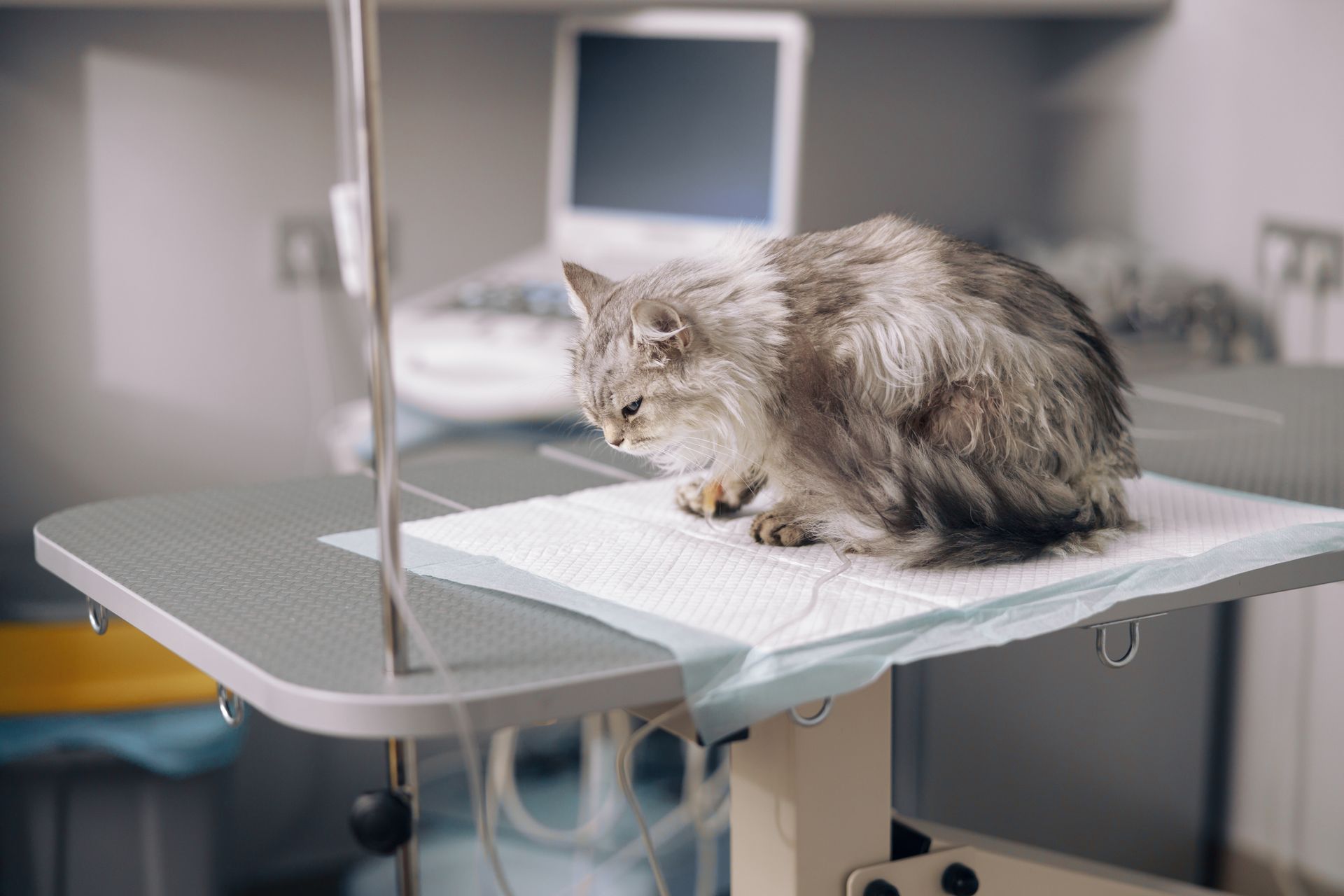
Veterinarians & Animal Hospitals
Professional and general liability, property, and workers’ comp for clinical operators with high exposure.
Hands-on · small business
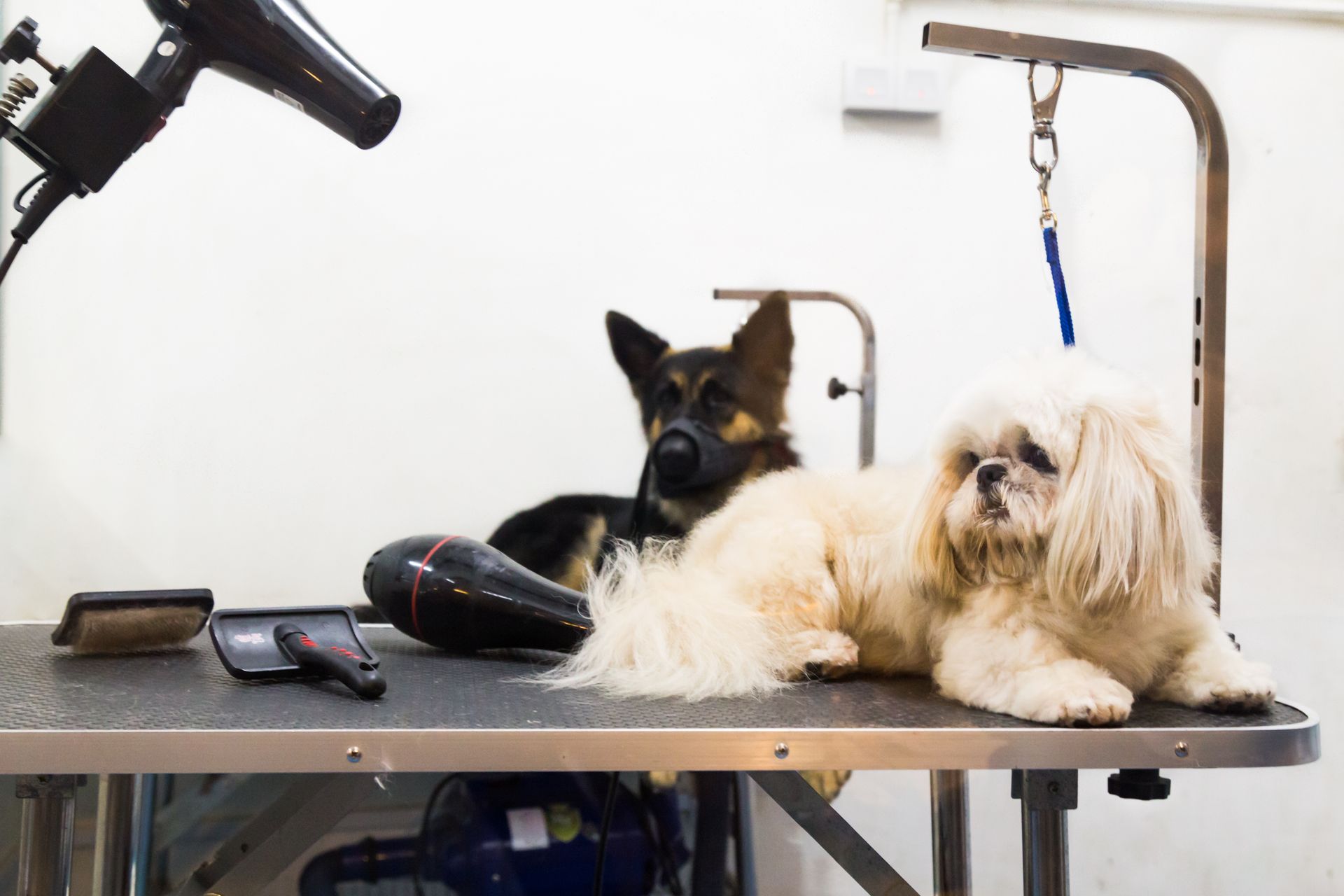
Pet Groomers
Practical protection for animal handling, equipment, and the day-to-day of the grooming table, shop or mobile.
Safety-forward · overnight
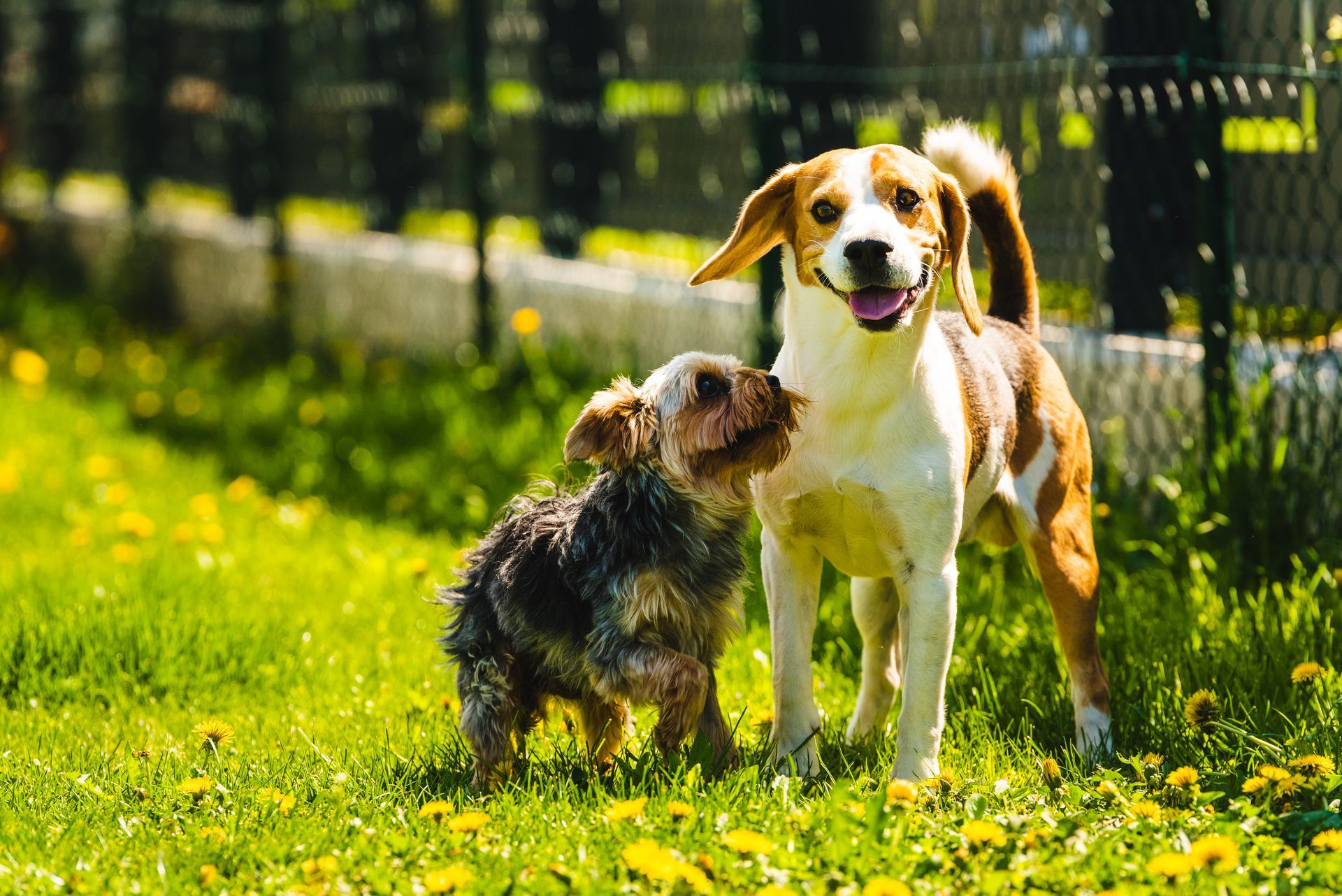
Doggy Daycare & Boarding
Coverage matched to facilities responsible for animals overnight and all day long.
Our reviews
Trusted by pet professionals.
See what owners say about working with a specialist who already understands their business.
Frequently asked
Questions pet pros ask us.
What kinds of pet businesses do you insure?
We insure businesses across the animal-care industry — veterinarians and animal hospitals, groomers, doggy daycares and boarding facilities, kennels and trainers, pet sitters and dog walkers, and pet stores. We also cover breeders, equine operations, pet transporters, shelters and rescues, pet photographers, and aquariums or wildlife facilities.
If your work involves caring for, handling, or selling animals, there is a strong chance we cover it. Tell us what you do and we will confirm.
What is care, custody, and control coverage, and why does it matter?
Care, custody, and control coverage protects you when an animal in your charge is injured, becomes ill, or is lost while in your care. Standard general liability policies often exclude this exact exposure, which leaves a serious gap for pet businesses.
For groomers, boarders, sitters, and clinics, this is one of the most important coverages you can carry. We make sure it is in place and sized to your operation.
How is an independent agency different from buying direct from a carrier?
A direct carrier sells you its own single policy. As an independent agency, we shop multiple specialty insurers and compare programs to find the coverage that fits your business and budget.
That means you get options instead of one quote, and an advocate who works for you, not the carrier. We also handle the renewals and claims support over the life of your policy.
How fast can I get a quote?
Most clients get quoted within one business day. Our industry-specific intake forms collect the right details up front, so we can take your information straight to the carriers without a long back-and-forth.
Need it sooner? Call a specialist directly at (346) 738-7297 and we will move quickly.
Which states do you serve?
We are licensed and actively writing coverage in 12 states: Connecticut, Delaware, Georgia, Kentucky, Massachusetts, New Jersey, New York, North Carolina, Pennsylvania, South Carolina, Tennessee, and Virginia.
We continue to add states as we grow. If you operate outside this list, reach out and we will let you know our latest footprint.
From the blog
Coverage notes for pet professionals.
Plain-language risk tips and coverage explainers, written for owners — not insurance pros.
Speak with a specialist
Let's find the right coverage for your business.
No quote bots, no funnel. Talk to a real pet-insurance specialist who already understands your operation — and shops multiple markets on your behalf.
Call us
(346) 738-7297
Toll-free 845-250-5366
Email
service@petindustryins.com
Visit Us
2 Joyce Plaza
Stony Point, NY 10980